

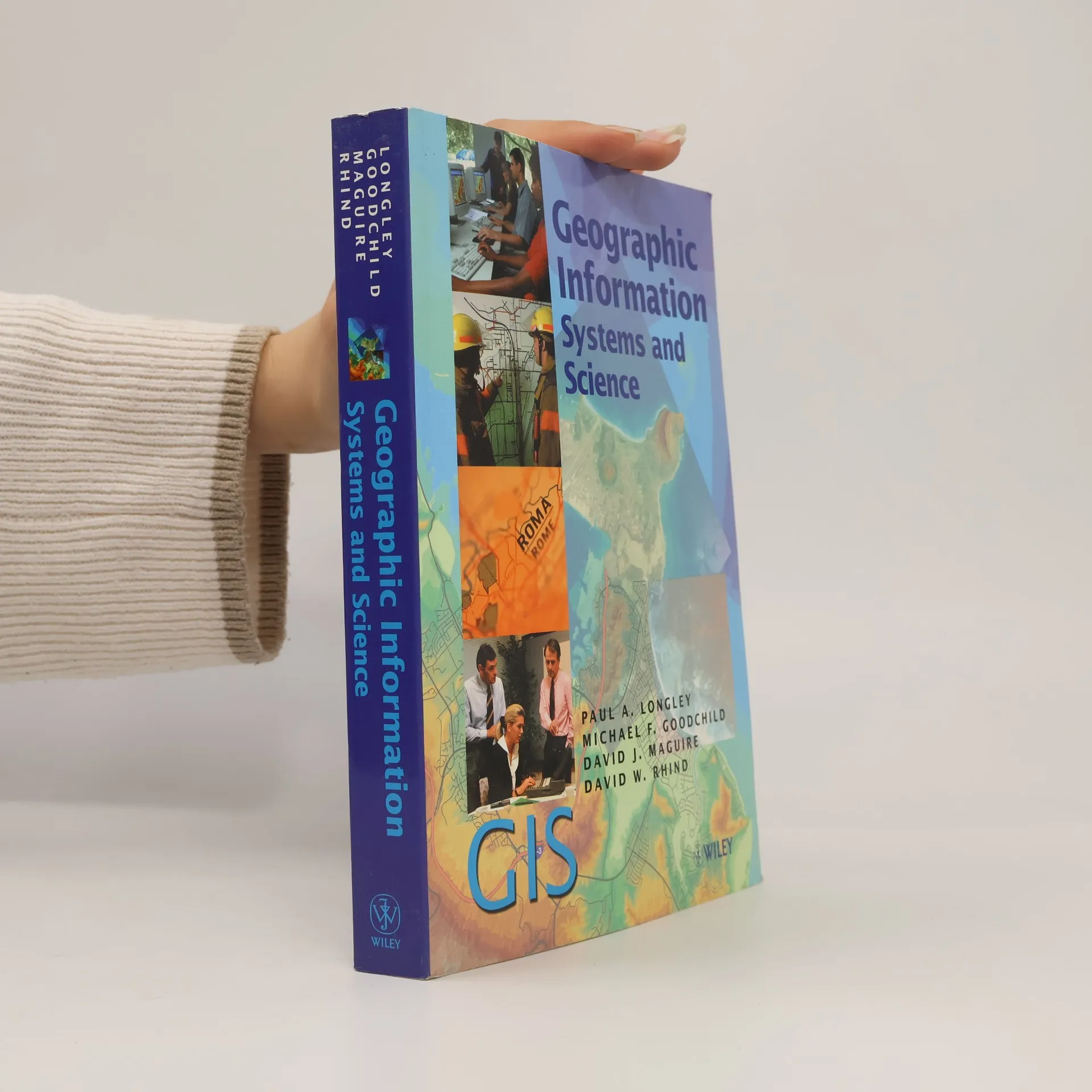
Geographic Information Systems and Science is a leading textbook for students and practitioners, offering a unique and accessible approach to the field. The fully revised second edition emphasizes GIS as a key tool for science and problem-solving, outlining the scientific principles behind its use and the influence of human factors on its development and success. This edition features a new five-part structure: Foundations, Principles, Techniques, Analysis, and Management and Policy. It includes updated personality boxes highlighting current GIS practitioners and showcases real-world applications. Key topics covered are location-based services, distributed computing, virtual and augmented realities, homeland security, business GIS, geodemographics, geoportals, and the grand challenges of GIScience. Additionally, a suite of instructor and student resources is available. This edition is essential for undergraduates in various disciplines, including Geography, Environmental Science, Business Administration, Computer Science, Urban Studies, Planning, Information Science, Civil Engineering, and Archaeology. It also serves as a vital resource for foundation GIS courses in MSc programs and is invaluable for professionals in governmental and private sectors seeking relevant applications.
Michael F Goodchild Books


Geographic Information Science and Systems
- 496 pages
- 18 hours of reading
Effective use of today’s powerful GIS technology requires an understanding of the science of problem-solving that underpins it. Since the first edition published over a decade ago, this book has led the way, with its focus on the scientific principles that support GIS usage. It has also provided thorough, upto- date coverage of GIS procedures, techniques and public policy applications. This unique combination of science, technology and practical problem solving has made this book a best-seller across a broad spectrum of disciplines. This fully updated 4th edition continues to deliver on these strengths.
Environmental Modeling with GIS
- 488 pages
- 18 hours of reading
This book is for researchers, academics, and professionals with geographic information systems (GIS) experience who need to know more about environmental modeling. It is also intended for environmental modelers who want to know more about GIS, its advantages, and its problems. The first partof the book describes the state of the art in GIS, environmental modeling, spatial statistics, and spatial databases. The second part reviews the state of integration in each of the major "process" areas, ranging from atmospheric to subsurface. Each section includes an overview chapter and casestudies. This book will be useful to planners in federal agencies (EPA, DOE, USGS, Parks Service, etc.), academic researchers, environmental consultants, and as a text for advanced GIS courses.