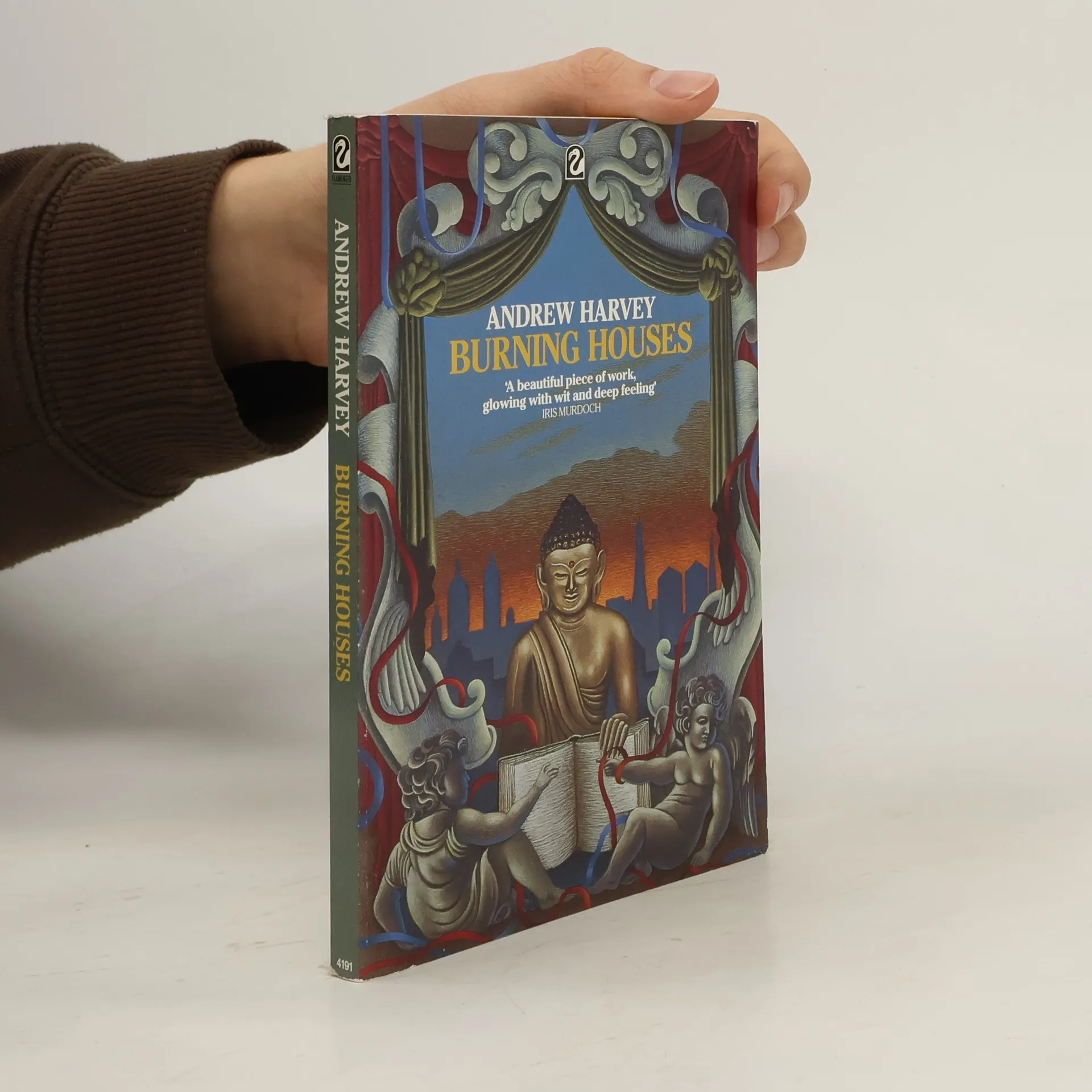
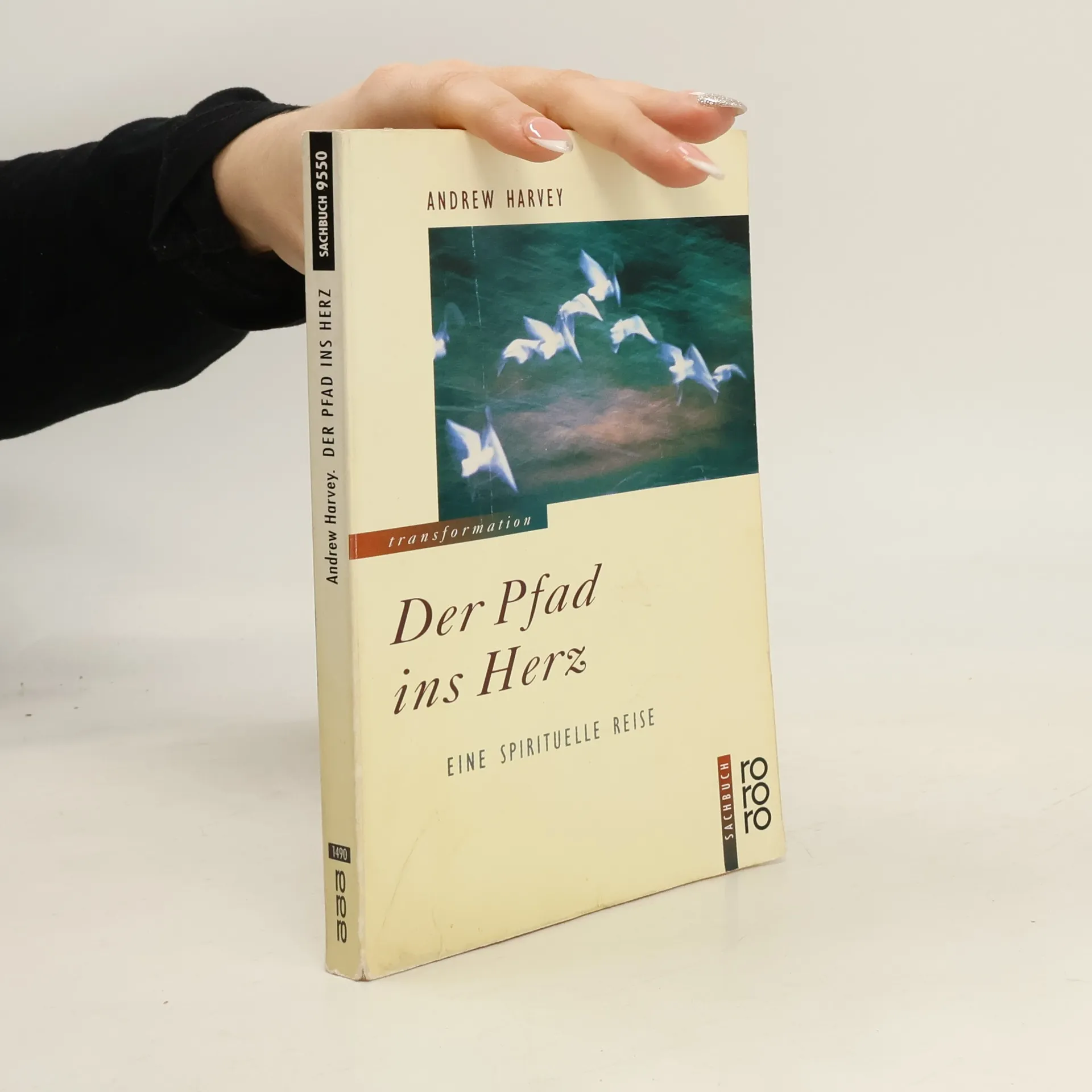
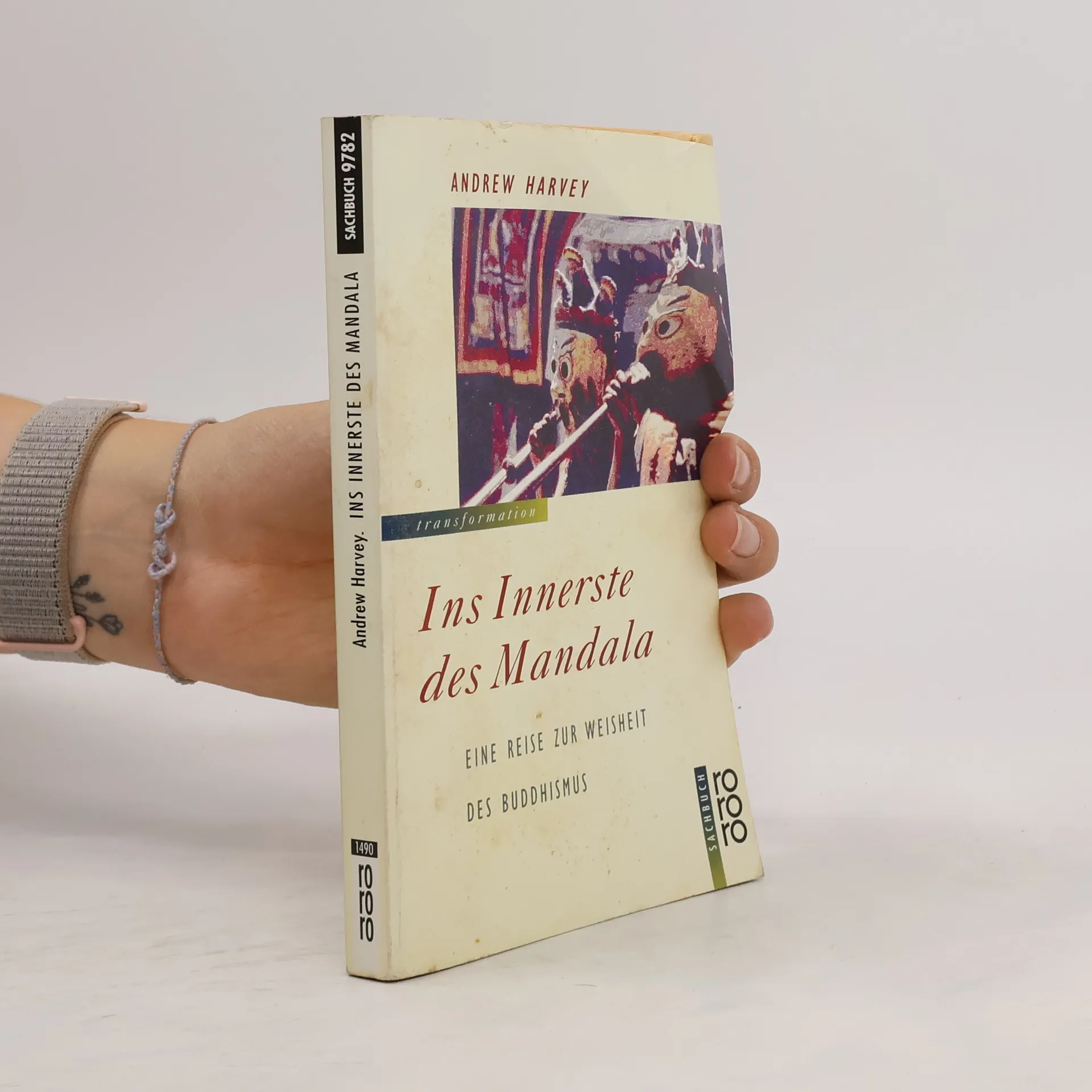
Andrew Harvey is an author, religious scholar, and teacher of mystic traditions. He is primarily known for his popular nonfiction books on spiritual or mystical themes. His works delve into profound spiritual experiences and inner transformation. Harvey's writing is celebrated for its ability to connect ancient wisdom with modern spirituality.
This classic clarifies the majestic vision of life and death that underlies the Tibetan tradition. It includes not only a lucid, inspiring and complete introduction to the practice of meditation but also advice on how to care for the dying with love and compassion, and how to bring them help of a spiritual kind.
Sacred Activism is compassion in action - the blending of physical work with spiritual intent to create a holy force and fusion of humankind's greatest achievements and principles. With over thirty years' experience living a lifestyle that promotes change through compassion, including under the guidance of the renowned Tibetan adept Thuksey Rinpoche, Andrew Harvey explains how to combine the foundations of wisdom with the power of love in action to create a better world of meaning, empathy, strength and joy. The Hope will give the most practical possible help to all those who realise the urgent truth of our world - that these troubled times offer a gateway for dramatic and positive change - and who want to act as effectively as possible from wisdom and compassion.
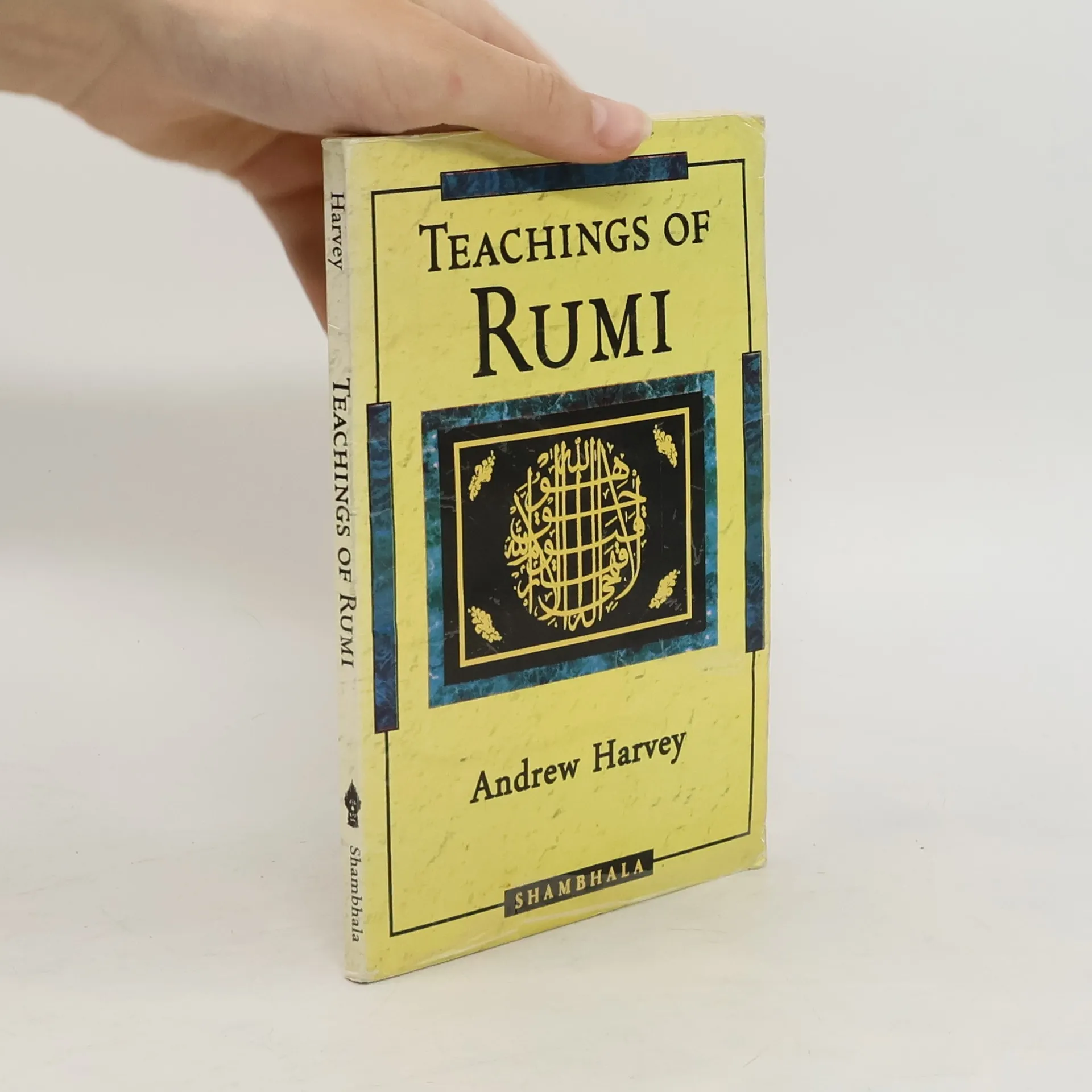
Jelalludin Rumi (1207-1273) led the quiet life of an Islamic teacher in the central Anatolia (modern Turkey) until the age of thirty-seven, when he met a wandering dervish named Shams Tabriz—through whom he encountered the Divine Presence in a way that utterly transformed him. The result of this epiphany was the greatest body of mystical poetry the world has ever seen, and the establishment of a spiritual movement that would eventually stretch from Africa to China, enduring to our own day. This collection of versions of Rumi by Andrew Harvey contains some of the master's most luminous verse, along with selections from his lesser-read prose works, with the aim of presenting a balanced view of his teaching that includes both the high-flying love of God and the rigorous path of discipline essential for those who seek it.
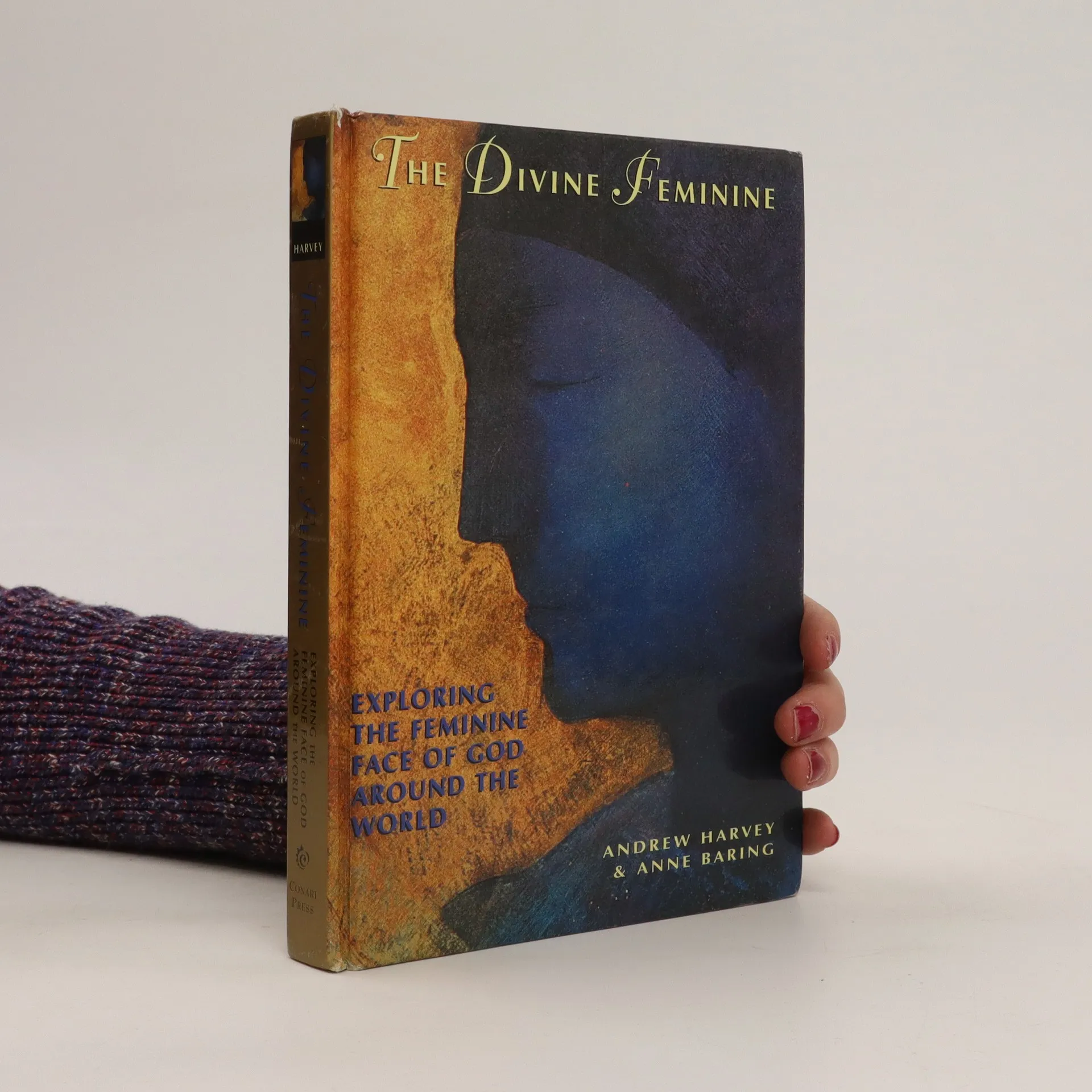
A collection of readings is drawn from a wide range of religious traditions, including Greek, Egyptian, Judaic, Islamic, Christian, Taoist, and Buddhist, and explores the feminine image of the divine
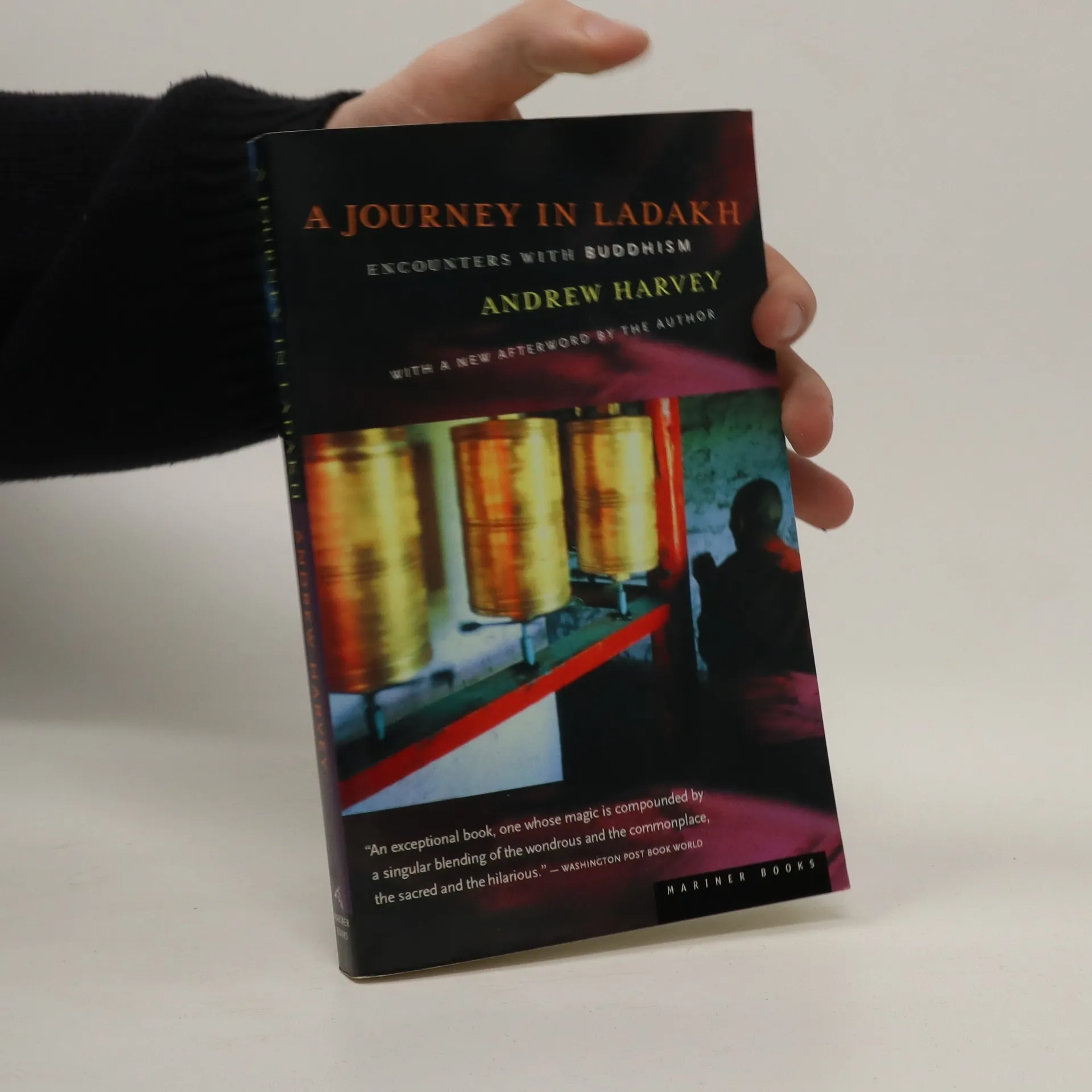
Now considered a classic among readers interested in Tibetan Buddhism and pilgrimages of the spirit of all kinds, A Journey in Ladakh is Andrew Harvey's spiritual travelogue of his arduous journey to one of the most remote parts of the world--the highest, least populated region in India, cut off by snow for six months each year. Buddhists have meditated in the mountains of Ladakh since three centuries before Christ, and it is there that the purest form of Tibetan Buddhism is still practiced today.
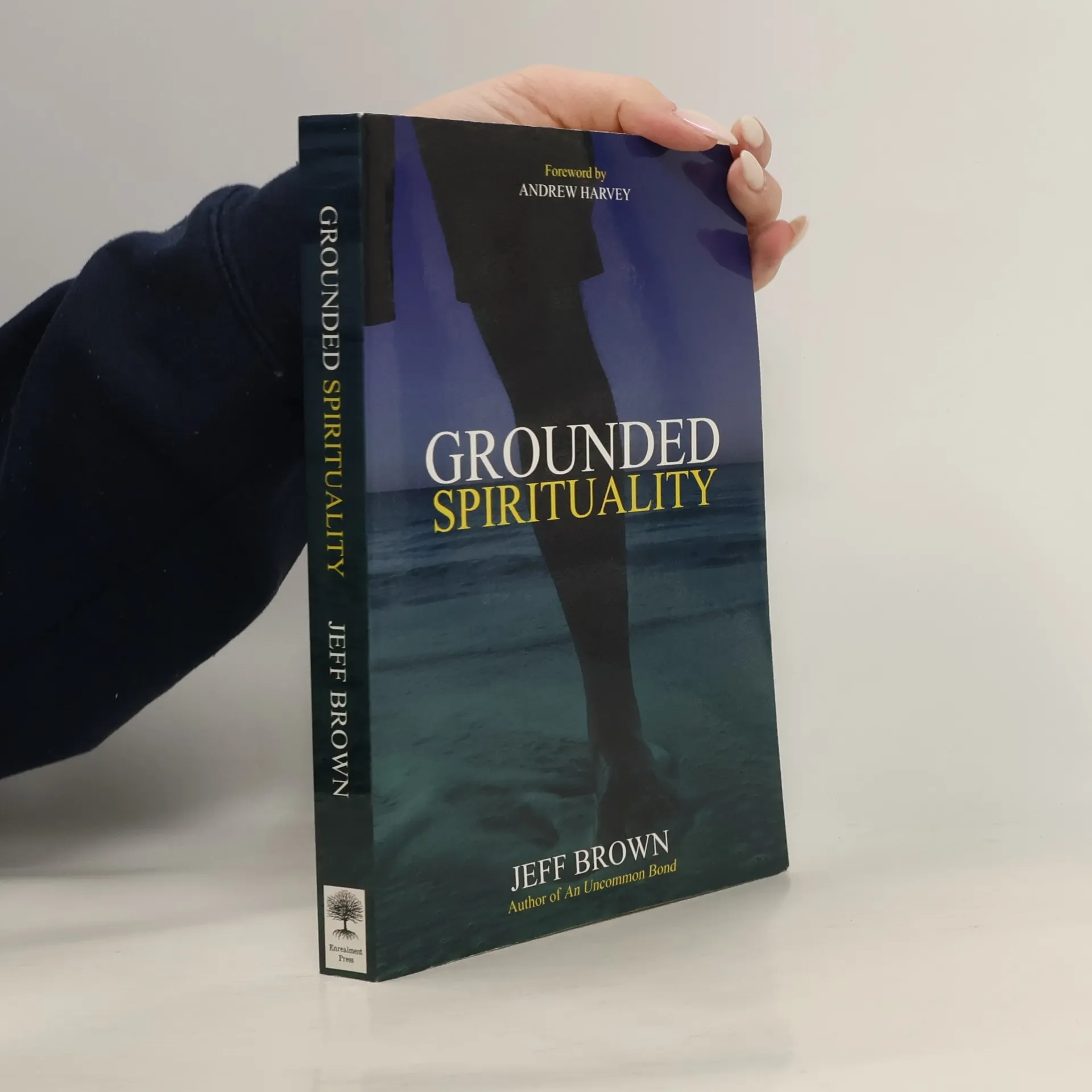
In this courageous, leading-edge work, author Jeff Brown takes readers on a profound spiritual journey. Part One chronicles his engaging and often humorous exploration of various spiritual approaches, revealing how fragmented and dissociative notions of spirituality have hindered our awakening. He argues that much of what is labeled "spirituality" is a patriarchal construct that perpetuates self-avoidance. Brown asserts that true spirituality is a whole-being awakening that embraces our entire human experience, emphasizing that emotional and spiritual maturity are synonymous. He critiques spiritual practices that bypass emotional healing, stating that any spirituality that devalues our selfhood is not genuine enlightenment. In Part Two, Brown engages in a captivating dialogue with an ungrounded seeker named "Michael," blending warmth and humor with challenging truths. Throughout, he provides hands-on exercises that allow readers to experience a new, inclusive model of spirituality—one that fosters integration and purpose. He emphasizes the importance of personal stories, arguing that they are essential to our spiritual journey. Brown's perspective advocates for a return to our hearts and a reverent regard for our human experiences, reminding us that true transformation begins within our enlivened humanness. Ultimately, he invites us to embrace our roots and marvel at our humanity, finding home in our authentic selves.
Charles, and English writer living in Paris, reads his newest novel, based on his own affair with a married man, to Adolphe, a successful film director.
Addressing the complexities of contemporary life, the book challenges readers to confront demanding truths. It emphasizes the necessity of honesty in a world that often obscures reality, urging a deep reflection on societal issues. Through its candid approach, it seeks to resonate with those who recognize the urgency of authenticity in today's environment.
One of a set of annually updated resource books for use on the Legal Practice Course, which combine statements on the law with practical comment and advice. Forms and precedents illustrate practice, and chapter summaries are provided. This volume in the se
Jalal od-Din Rumi vereint den Intellekt eines Platon, die Vision eines Buddha und die Wortgewalt eines Shakespeare. Seine mystisch-poetischen Schriften ermutigen zur Suche nach dem Göttlichen jenseits von Dogmen. Dieses Buch bietet eine Auswahl seiner inspirierendsten Lehrtexte, die den Leser auf dem mystischen Weg begleiten.
In diesem Buch nimmt uns einer der originellsten und berühmtesten religiösen Denker unserer Zeit mit auf eine Einweihungsreise in das voll erwachsene Christentum. Es enthüllt einen Christus, der allen engagierten Christen direkt zugänglich ist und dessen lebendige Botschaft jenseits der Strukturen existiert, die von den Kirchen in seinem Namen geschaffen wurden. Indem er die besten unter den modernen Geschichtsgelehrten und das Zeugnis der größten Mystiker aller Zeiten verwendet, belebt der Autor und Lehrer Andrew Harvey das revolutionäre Versprechen des frühen Christentums neu und stellt Jesus als den Sohn des Menschen vor: ein mystischer Radikaler, dessen Ziel die Initiation aller menschlichen Wesen in die Kraft und die Glorie der ihnen innewohnenden Göttlichkeit, der Sturz aller ungerechten Hierarchien und die Verwandlung der Erde in das Königreich Gottes war. Anleitungen und Übungen aus den frühen mystisch-christlichen Traditionen vermitteln lebendige Inspirationen, Christus zu erfahren.
Mit revolutionärer Kraft enthüllt der Mystiker Andrew Harvey die Liebe und Hingabe, die dem Sufismus unauslöschlich eingeschrieben sind. Andrew Harvey spricht in der Sprache der Liebenden und sein Buch trägt jenen unsichtbaren Duft, nach dem es der Seele verlangt.
Unermeßlich schön! Andrew Harvey ruft in uns wach, was die Welt mehr als alles andere braucht: Mystische Liebe."
Mary Ford-Grabowsky
Einige der kostbarsten Schätze der Sufi-Literatur.
Robert Frager
Der Erfolgsautor Andrew Harvey – weltbekannt für seine inspirierenden Interpretationen spiritueller Texte – präsentiert uns im Zusammenspiel mit dem Fotografen Eryk Hanut ein atemberaubendes Buch aus dem Herzen der Sufi-Mystik. Lehrgeschichten, prophetische Erzählungen, Volksmärchen und Scherze machen im Zusammenspiel mit den hervorragenden Übersetzungen der ekstatischen Poesie Rumis, Kabirs und anderer dieses kleine Buch zu einem Schatzkästlein der Inspiration und Kunstfertigkeit.
Übersetzt von Stephan Schuhmacher.
V této překrásné knize, jež nabízí nový, svěží a neotřelý přístup k józe a mystice a je bohatě prokládáná básněmi a poučeními od světců a mystiků z celého světa, nás uznávaný spisovatel Andrew Harvey a dlouholetá lektorka jógy Karuna Ericksonová učí poznávat moudrost vlastního těla za účelem prohloubení duchovní praxe. Připomínají nám, že účelem jógy je pomoci nám "stát se ztělesněnými kanály osvícené lásky , milosti, míru... nástroji božské tvořivosti ve světě" a zasvětí nás do "pěti vekých radostí" - prostých , ale velmi účinných posloupností jógových poloh, jež zažehnou "uzemněnou touhou a pokojnou radost v jádru těla a srdce, které potřebujeme všichni, abychom zůstali silní, tvořiví a žili život inspirovaný láskou".