

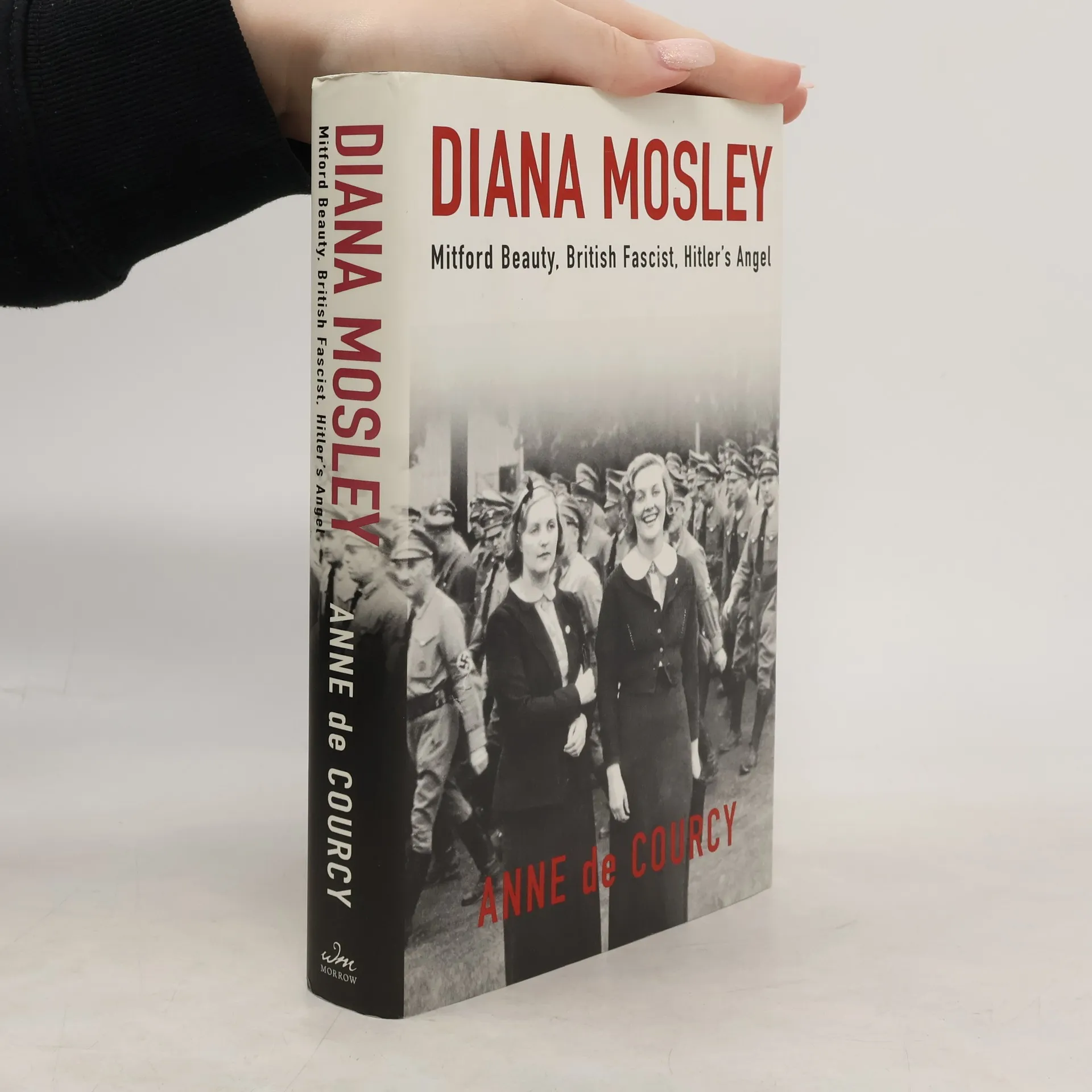
Diana Mosley is a riveting biography of one of the twentieth century's most intriguing and controversial women, crafted with her exclusive cooperation and based on extensive interviews and access to her private papers. Lady Mosley stipulated that the book be published only after her death. Born on June 10, 1910, she was widely regarded as the most beautiful and intelligent of the six Mitford sisters. At eighteen, she married Bryan Guinness, with whom she had two sons, but left him for Sir Oswald Mosley, leader of the British Union of Fascists, a choice that shocked her family and society. In 1933, Diana and her sister Unity met Adolf Hitler in Germany, and Diana became so close to him that her 1936 wedding to Mosley was attended by Hitler in the Goebbels' drawing room. She continued visiting Hitler until just before World War II, later refusing to acknowledge the Holocaust's horrors. During the war, the Mosleys were arrested and detained for three and a half years. Afterward, they rebuilt their lives in exile, mingling with pre-war friends and new acquaintances, including the Windsors. Oswald's failed political ambitions and subsequent death devastated Diana, yet her loyalty to him remained unwavering. Anne de Courcy’s biography reveals a mesmerizing life marked by choices that shocked those around her, offering a unique glimpse into a bygone world.
Anne De Courcy Books
Anne de Courcy crafts compelling biographies that not only trace the arc of an individual's life but also illuminate the social history of their era. She posits that understanding the prevailing attitudes, assumptions, and moral codes of a time is essential to fully grasping the actions and behaviors of her subjects. Her works delve deeply into historical context, offering readers a rich tapestry of the past. As an acclaimed author and journalist, she brings extensive experience and a profound insight into human nature to her writing.

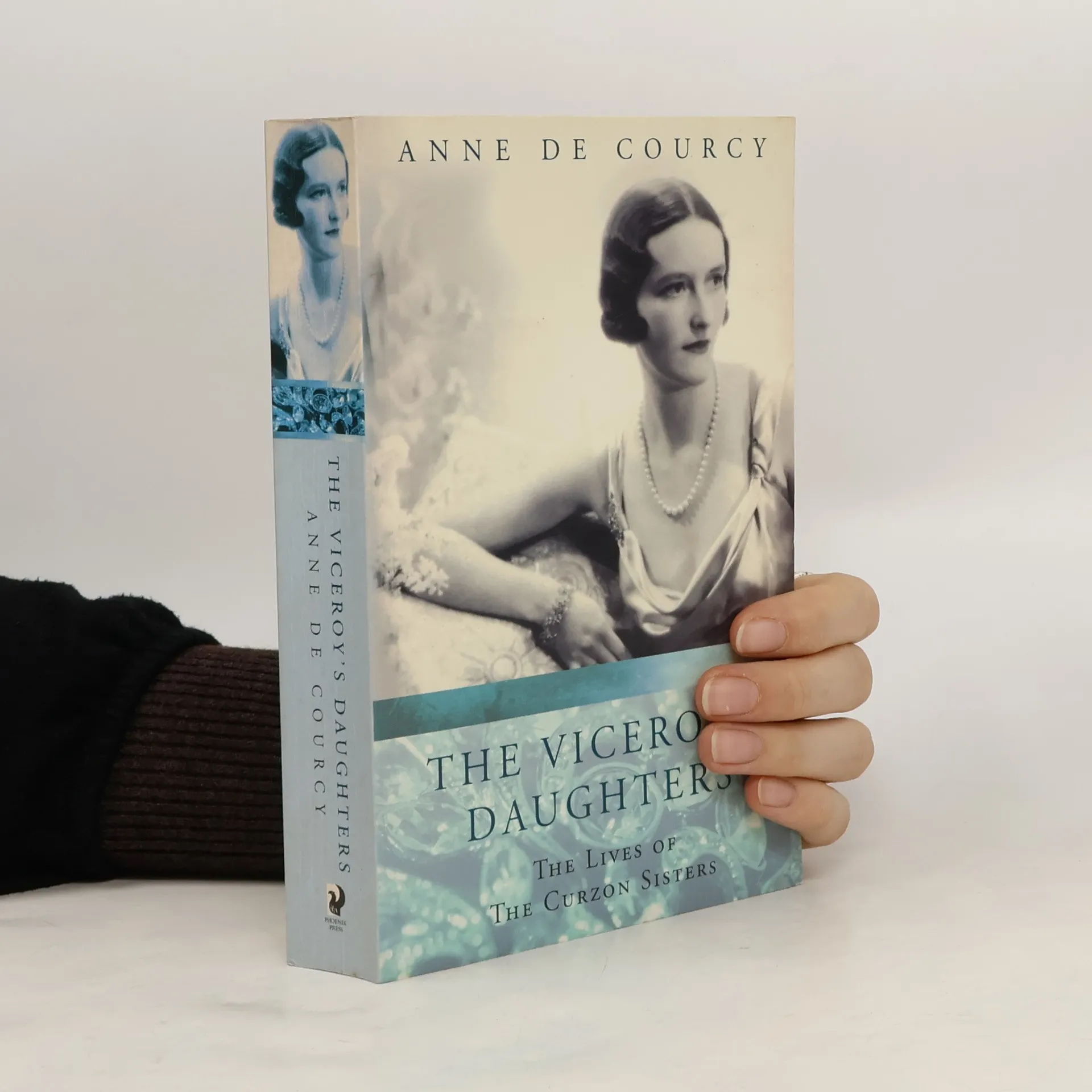
Irene (born 1896), Cynthia (b.1898) and Alexandria (b.1904) were the three daughters of Lord Curzon, Viceroy of India 1898-1905.The three sisters were at the very heart of the fast and glittering world of the Twenties and Thirties. Irene had love affairs in the glamorous Melton Mowbray hunting set. Cynthia ('Cimmie') married Oswald Mosley, joining him first in the Labour Party before following him into fascism. Alexandra ('Baba'), the youngest and most beautiful, married the Prince of Wales's best friend Fruity Metcalfe. On Cimmie's early death in 1933 Baba flung herself into a long and passionate affair with Mosley and a liaison with Mussolini's ambassador to London, Count Dino Grandi, while enjoying the romantic devotion of the Foreign Secretary, Lord Halifax. The war finds them based at 'the Dorch' (the Dorchester Hotel) doing good works. At the end of their extraordinary lives, Irene and Baba have become, rather improbably, pillars of the establishment, Irene being made one of the very first Life Peers in 1958 for her work with youth clubs.
Chanel's Riviera
- 293 pages
- 11 hours of reading
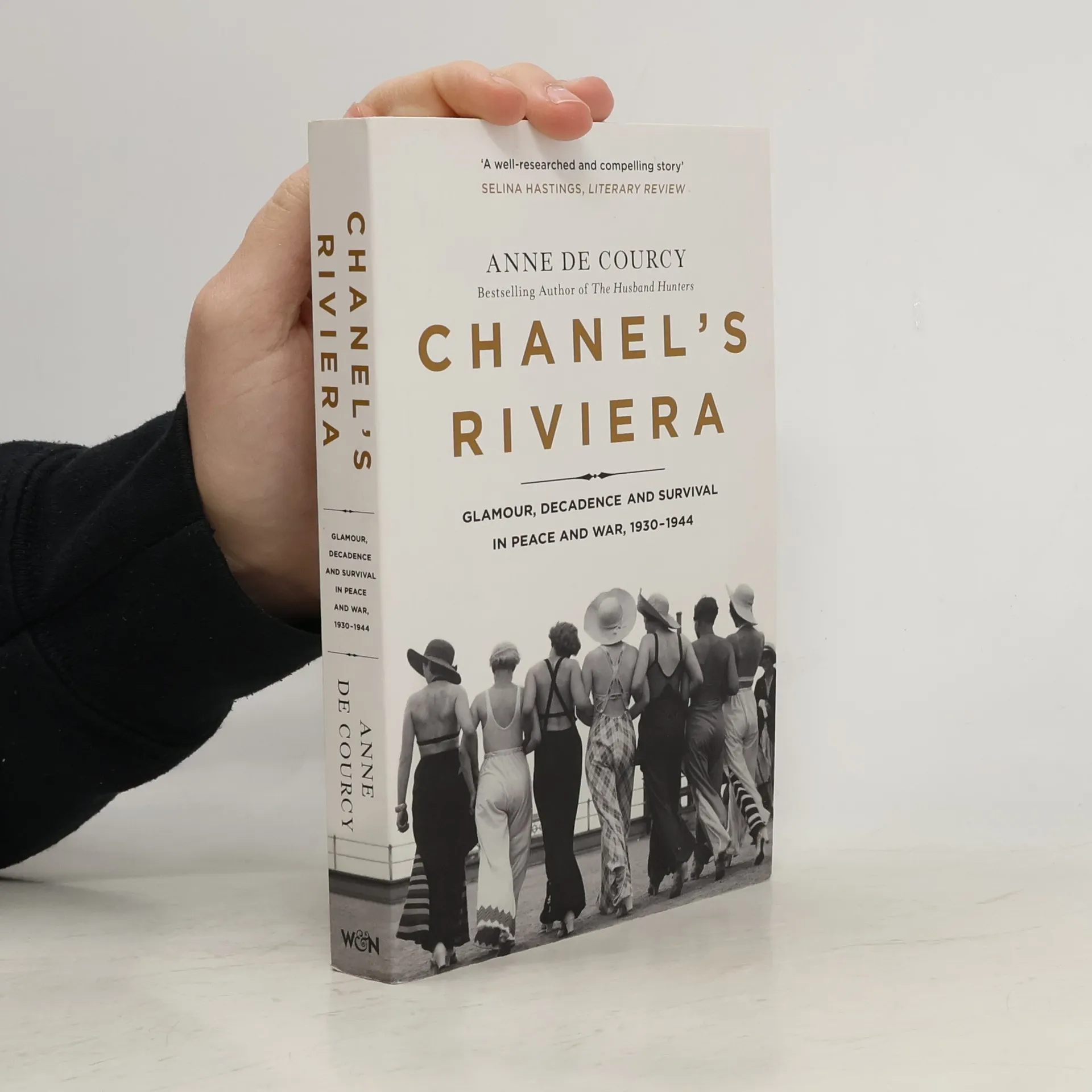
Bestselling social historian Anne de Courcy reveals the glamour and grit of the Second World War on the French Riviera
1939: The Last Season
- 255 pages
- 9 hours of reading
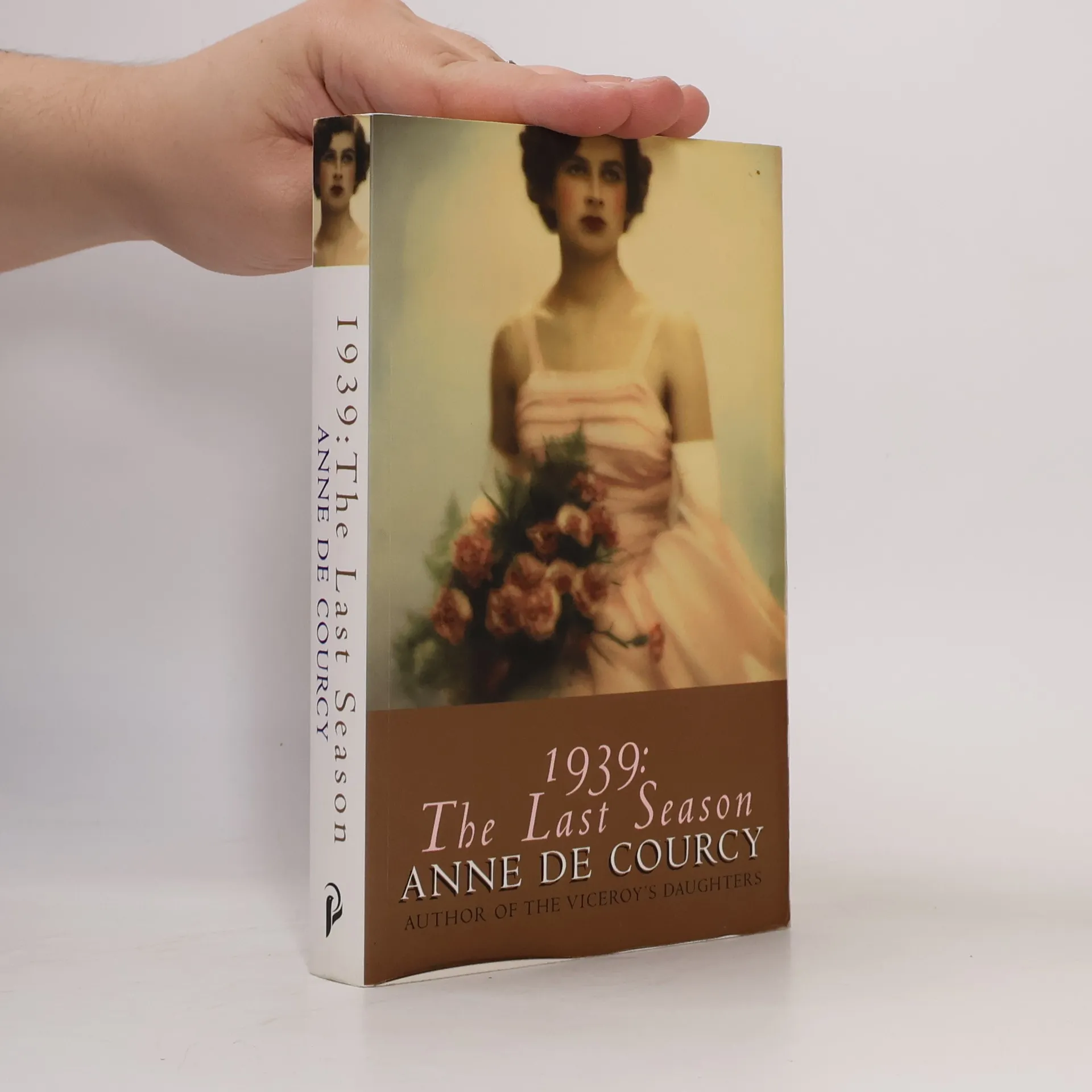
A wonderful portrait of British upper-class life in the Season of 1939 - the last before the Second World War. schovat popis
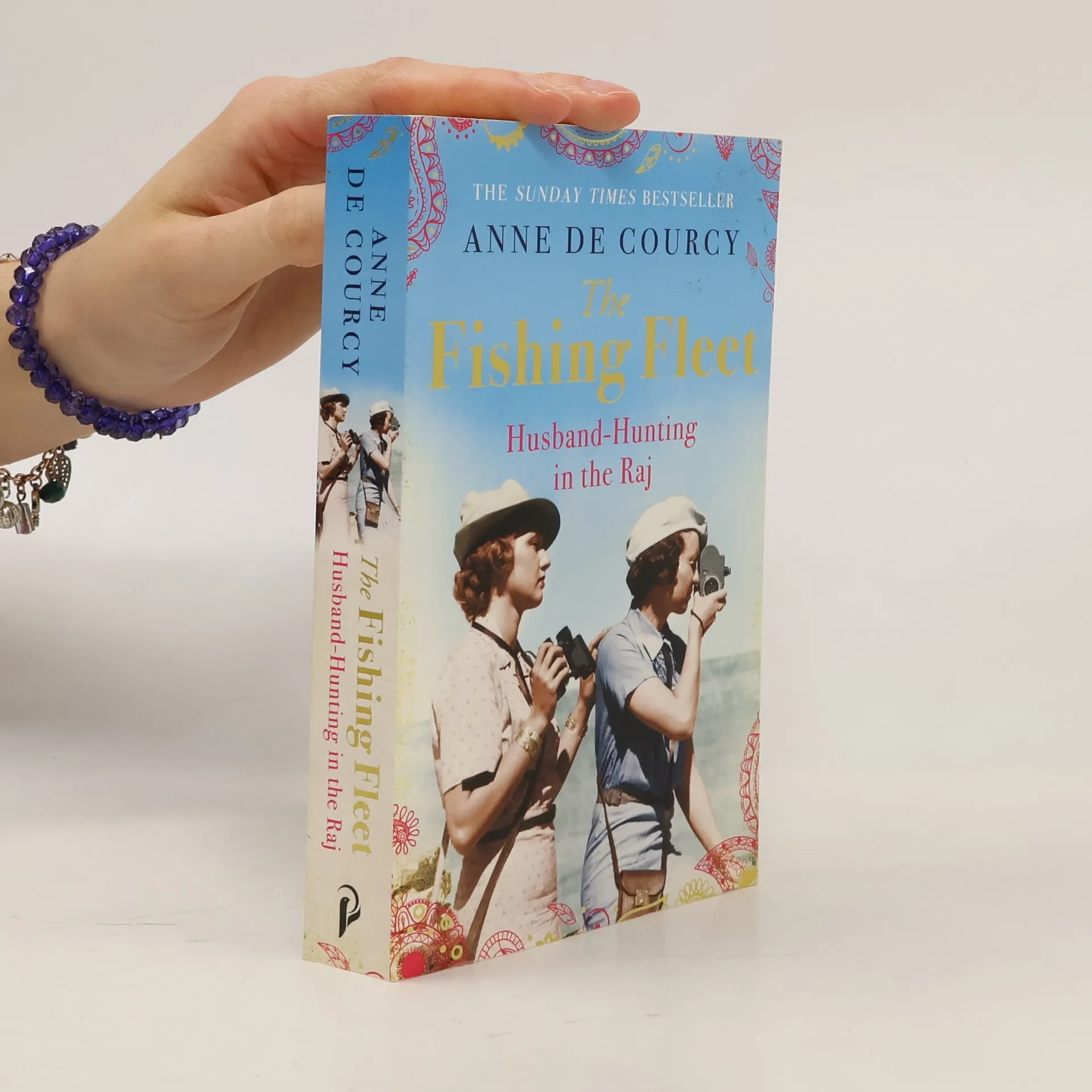
The adventurous young women who sailed to India during the Raj in search of husbands. Perfect for fans of SINGLED OUT - a great book club option.
Five Love Affairs and a Friendship
- 288 pages
- 11 hours of reading
Scenes from the turbulent life of the rich, glamorous and beautiful Nancy Cunard
From the author of the critically acclaimed THE VICEROY'S DAUGHTERS, the story of a glittering aristocrat who was also at the heart of political society in the interwar years.