Rein Raud is an author whose work draws from a deep understanding of literary theory and classical Japanese philosophy. His prose is characterized by thoughtful structure and often delves into themes of identity and cultural encounter. Raud's ability to weave academic insights into compelling narratives makes his books enriching for any reader. His style is both precise and poetic, reflecting his extensive knowledge of literature and thought.
In "Being in Flux," Rein Raud challenges traditional realist ontologies by proposing a radical process ontology. He argues that objects are fields of dynamic tensions rather than fixed entities. The book explores identity, time, and agency through various philosophical lenses, making it essential for students and scholars in philosophy and the humanities.
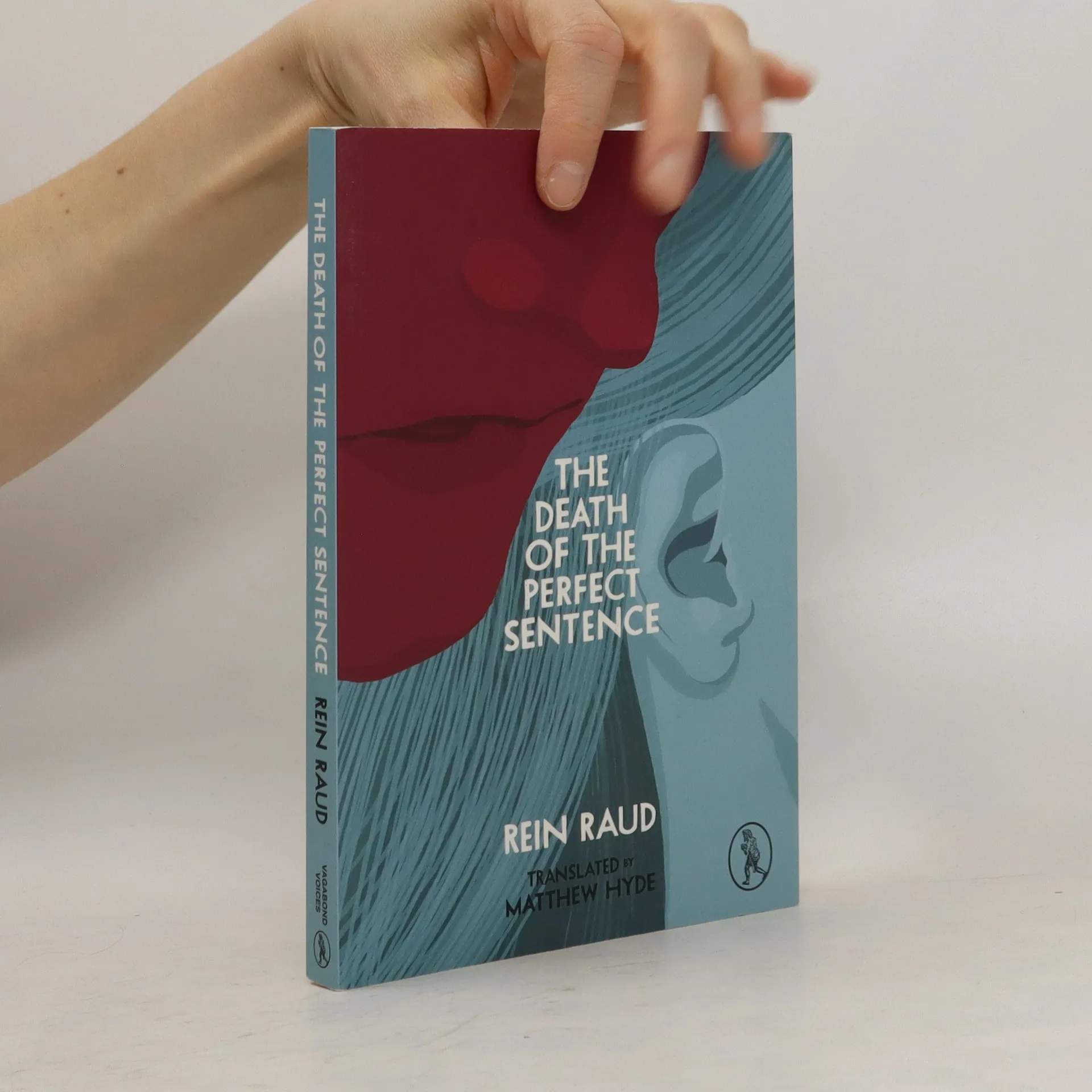
This thoughtful spy novel cum love story is set mainly in Estonia during the dying days of the Soviet Union, but also in Russia, Finland, and Sweden. A group of young pro-independence dissidents devise a scheme for smuggling copies of KGB files out of the country, and their fates become entangled, through family and romantic ties, with security services never far behind them. Multiple viewpoints evoke the curious minutiae of everyday life, offer wry observations on the period through personal experience, and ask universal questions about how interpersonal relationships are affected when caught up in momentous historical changes. This sometimes wistful examination of how the Estonian Republic was reborn speaks also of the courage and complex chemistry of those who pushed against a regime whose then weakness could not have been known.
Winner of the Eduard Vilde Literary Award, this novel begins with a mysterious stranger arriving in a small town dominated by a group of men who recently defrauded his supposed sister of her inheritance. Resigned to her fate, Laila accepts her loss, but her brother is determined to seek justice. His arrival triggers a dramatic shift in fortunes, inciting the powerful men to plot their revenge. Meanwhile, a scheming paralegal is intent on uncovering the stranger's true identity. This is the first novel by Rein Raud to be published in English, described by the author as a spaghetti western in poetic prose, blending influences from Clint Eastwood and Alessandro Baricco. With well-developed characters and a fast-paced narrative, it explores mythic themes and philosophical questions about identity and the harsh realities of a world divided into winners and losers. Raud has authored four poetry collections, six novels, and various short fiction works. He is also a scholar in Japanese studies and has translated numerous Japanese texts into Estonian. Adam Cullen, the translator, was born in Minneapolis and now lives in Tallinn, where he has translated various plays, stories, and novels.
Fünf junge Sanitätsoffiziere, unter ihnen Jakob aus Estland, werden 1911 an die russisch-chinesische Grenze entsandt. Dort sollen sie einer Pestepidemie Einhalt gebieten – und stoßen auf das Grauen der Seuche, auf politische Zwänge und auf Entscheidungen, die ihr Leben unwiderruflich verändern. Pflicht, Angst und die Liebe zu einer Frau fordern ihren Preis. Zweiundzwanzig Jahre später begegnen sich zwei von ihnen wieder. Der eine ist für die medizinische Versorgung eines Gefängnisses verantwortlich, der andere sitzt dort ein: ein kommunistischer Agitator, gezeichnet von Haft, Ideologie und Vergangenheit. Zwischen ihnen stehen unausgesprochene Schuld, alte Loyalitäten und die Frage, was von den einstigen Überzeugungen geblieben ist. Rein Raud verwebt Elemente seiner Familiengeschichte mit der Geschichte Estlands und zeichnet ein eindringliches Panorama von Unterdrückung und Freiheitsdrang, von politischer Verblendung und persönlicher Verantwortung – und von der Macht der Liebe, die ebenso retten wie zerstören kann.
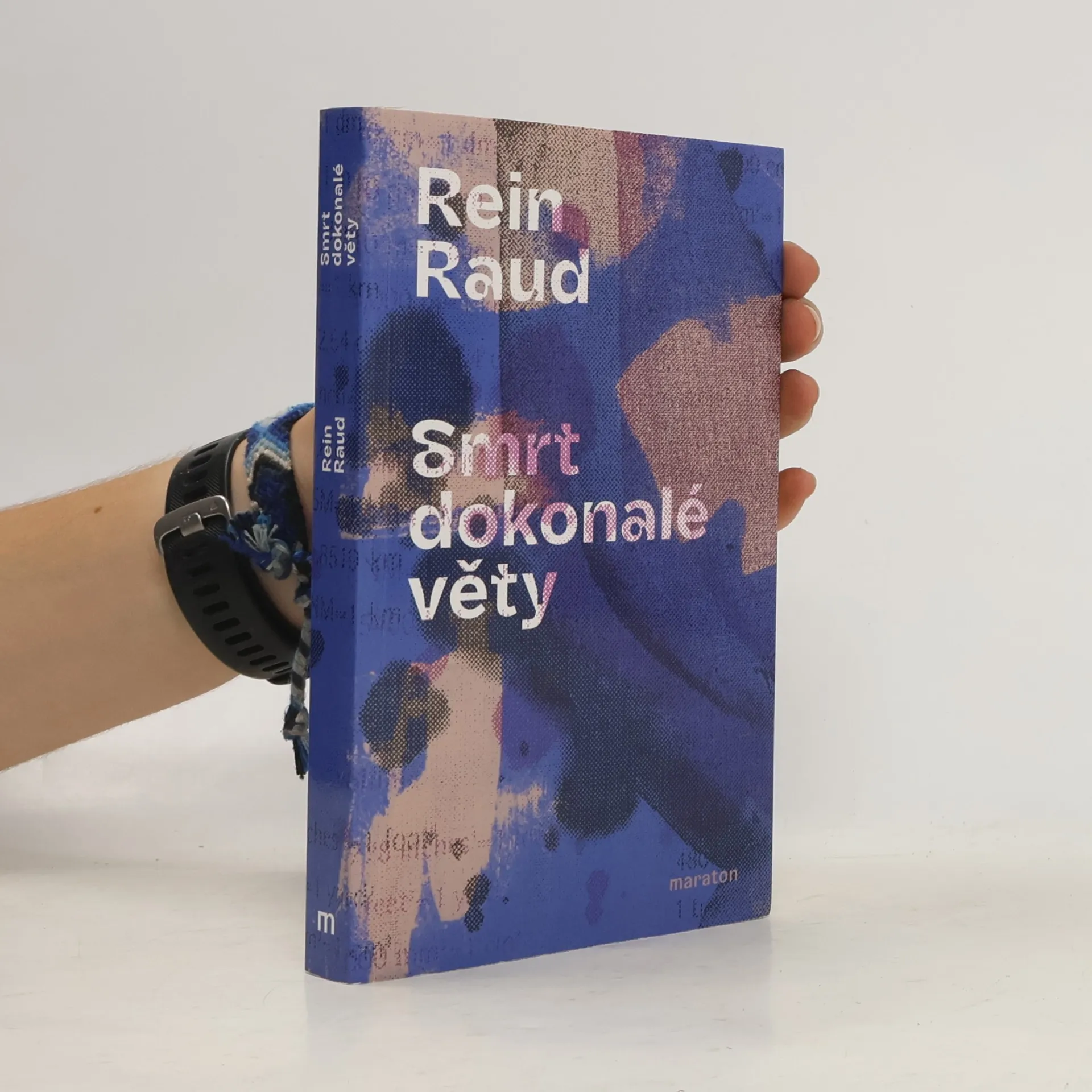
Román zachycuje poslední měsíce Estonska pod sovětskou nadvládou a nabízí mnohostranný a živý obraz dnů, které předcházely estonské nezávislosti. Tematizuje čas strachu, nejistoty, ale i naděje a odvahy, kdy spolu soupeří síly nezávislosti a poslední snahy SSSR zachovat staré pořádky. V románu vystupuje skupina mladých disidentů, kteří vymyslí plán, jak ze země propašovat kopie tajných složek KGB, pomáhá jim ale i ruská učitelka nebo mladá studentka umění, která se k disidentské činnosti připlete skoro náhodou. Mezi postavami jsou agenti KGB z ruských i estonských řad nebo i starší Estonci spokojení se statem quo. Pomalu rozkrýváme, kdo stojí na které straně a jaké pro to má důvody. Mnohé osudy se proplétají, z náhodných setkání se stávají setkání osudová. A když se Estonka Maarja potká s mladým Rusem, k politické a špionážní rovině románu se přidá i rovina milostná. Autorův smysl pro detail poskytuje přesvědčivý pohled do každodenního života Estonců a zároveň slouží jako odrazový můstek pro univerzální otázky o mezilidských vztazích a (ne)důvěře v oněch „zajímavých časech“, kdy se píše historie a starý svět je nahrazován novým.