The Complete Guide to Japanese Kanji
- 703 pages
- 25 hours of reading


Kenneth G. Henshall is a distinguished scholar of Japanese literature and history, whose work focuses on conveying cultural heritage through translations and original writings. His profound understanding of the Japanese language and culture is evident in his ability to translate complex texts while also approaching the explanation and memorization of Japanese characters. Henshall's academic insight, supported by extensive education and teaching experience at universities worldwide, allows him to offer readers a rich and informative perspective on Japanese culture.
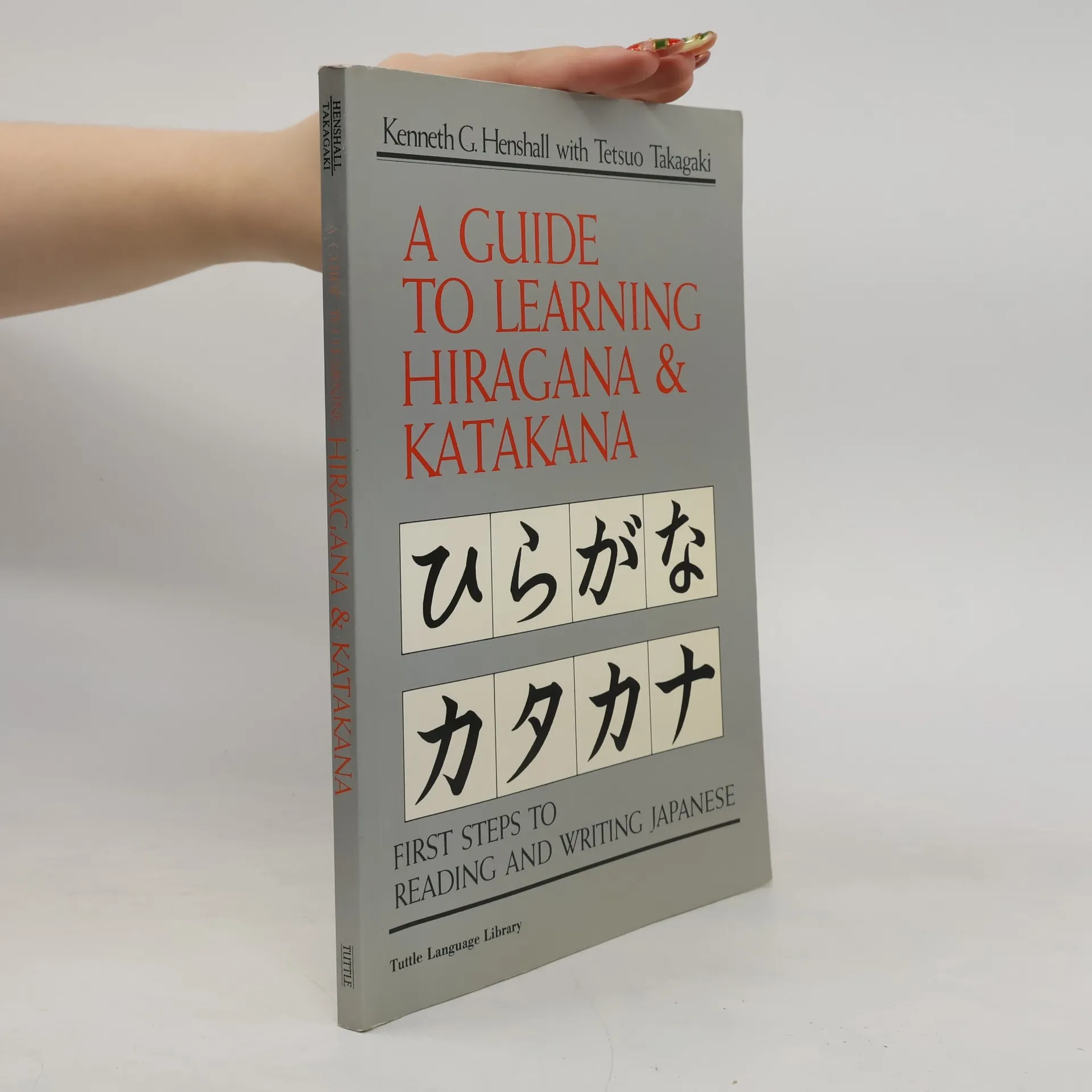
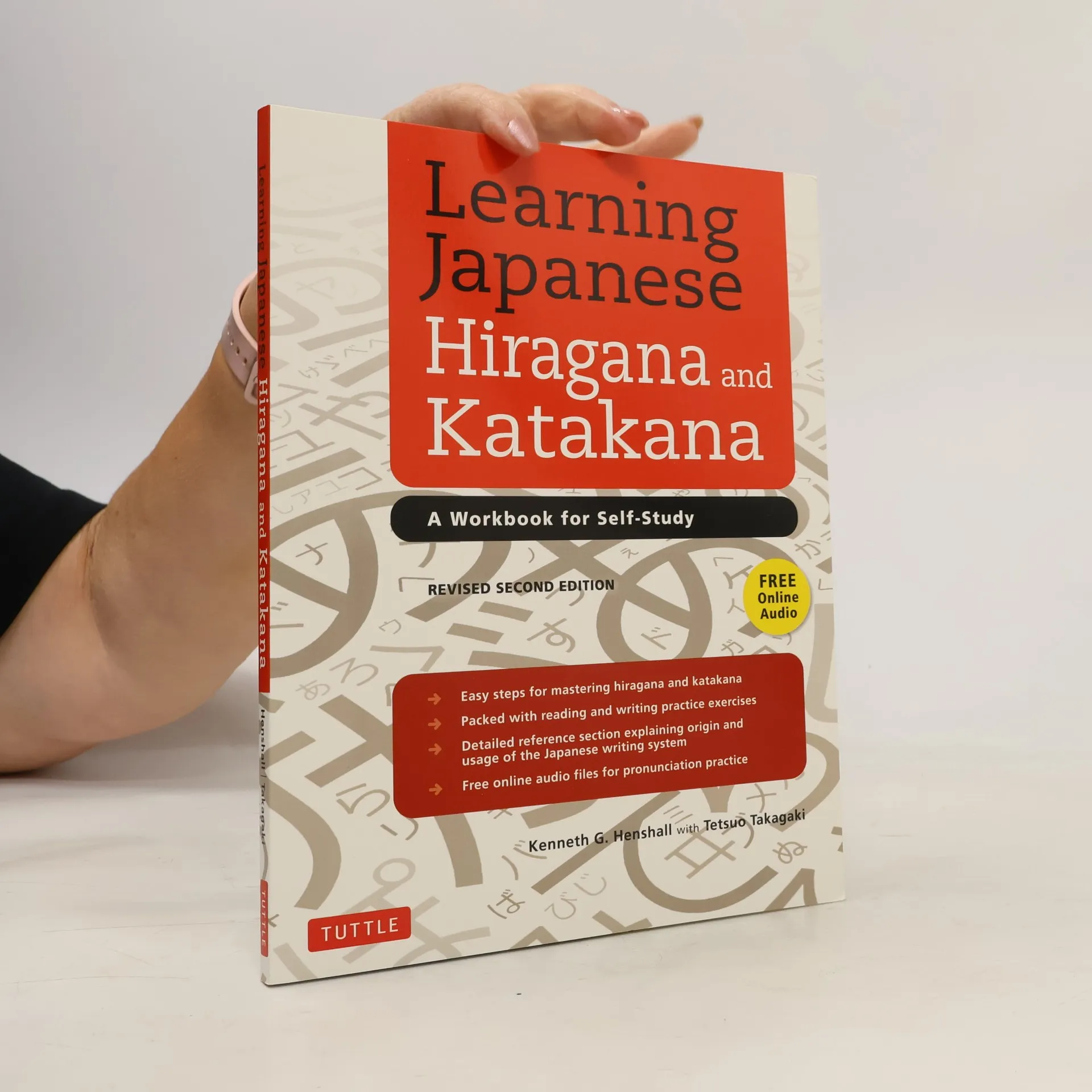
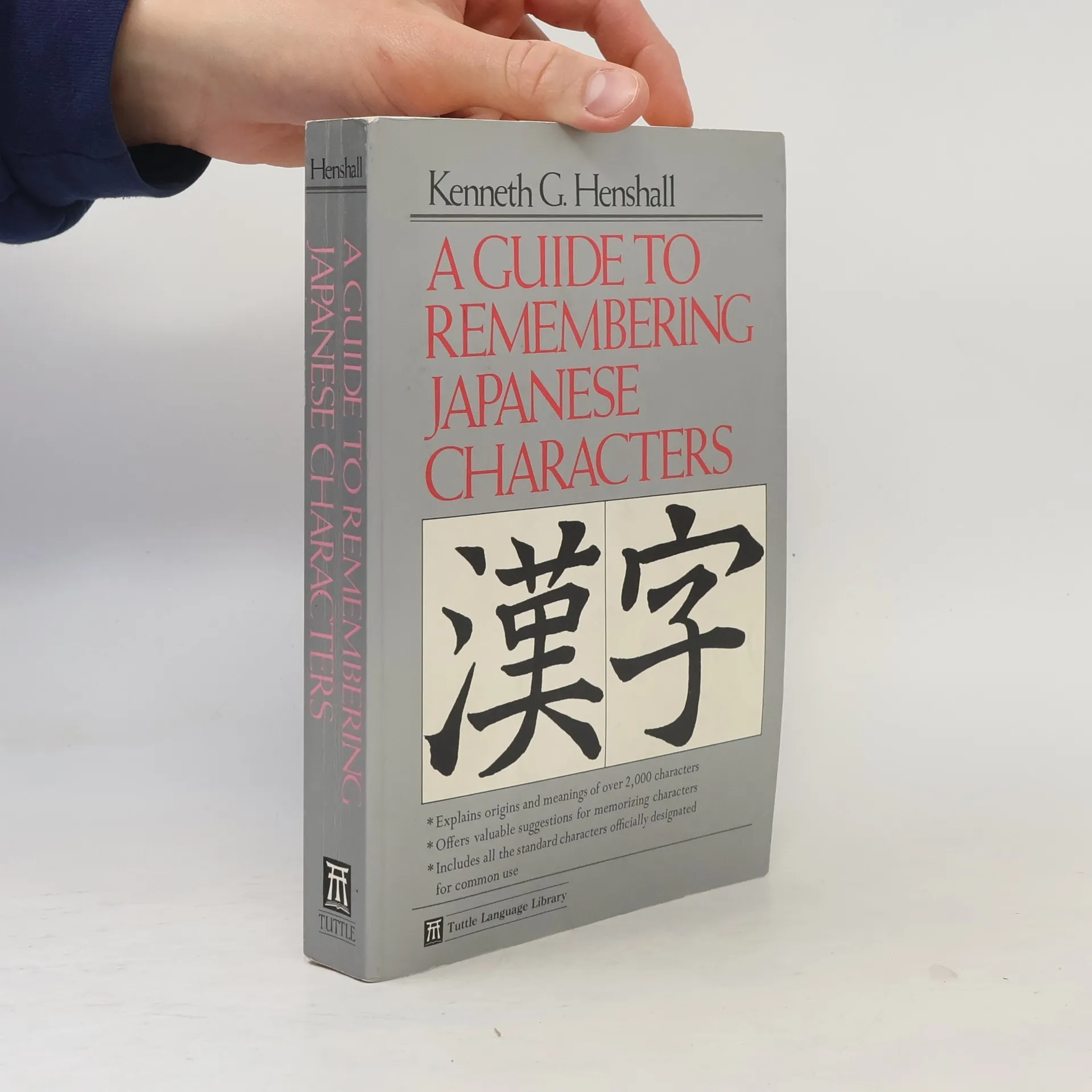
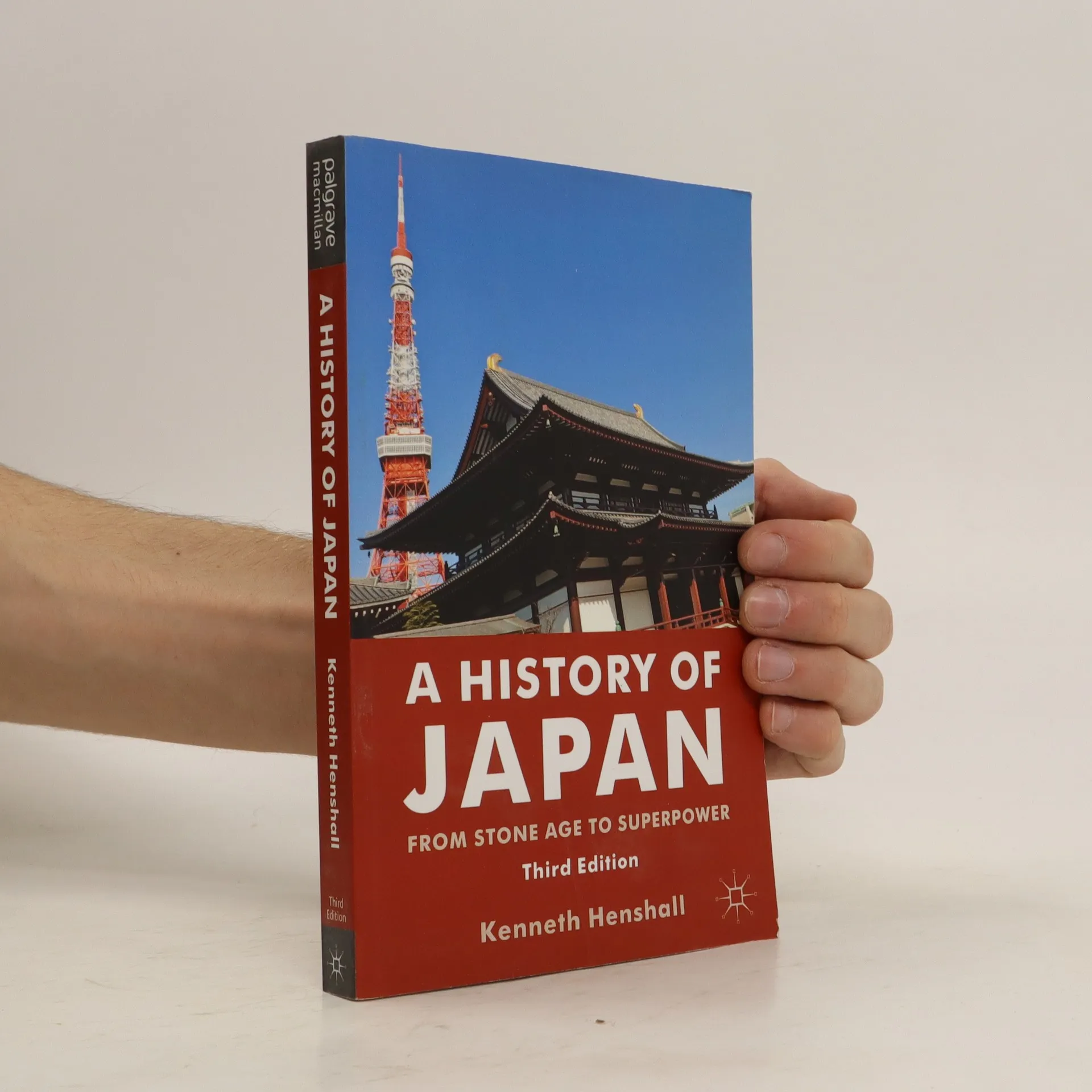
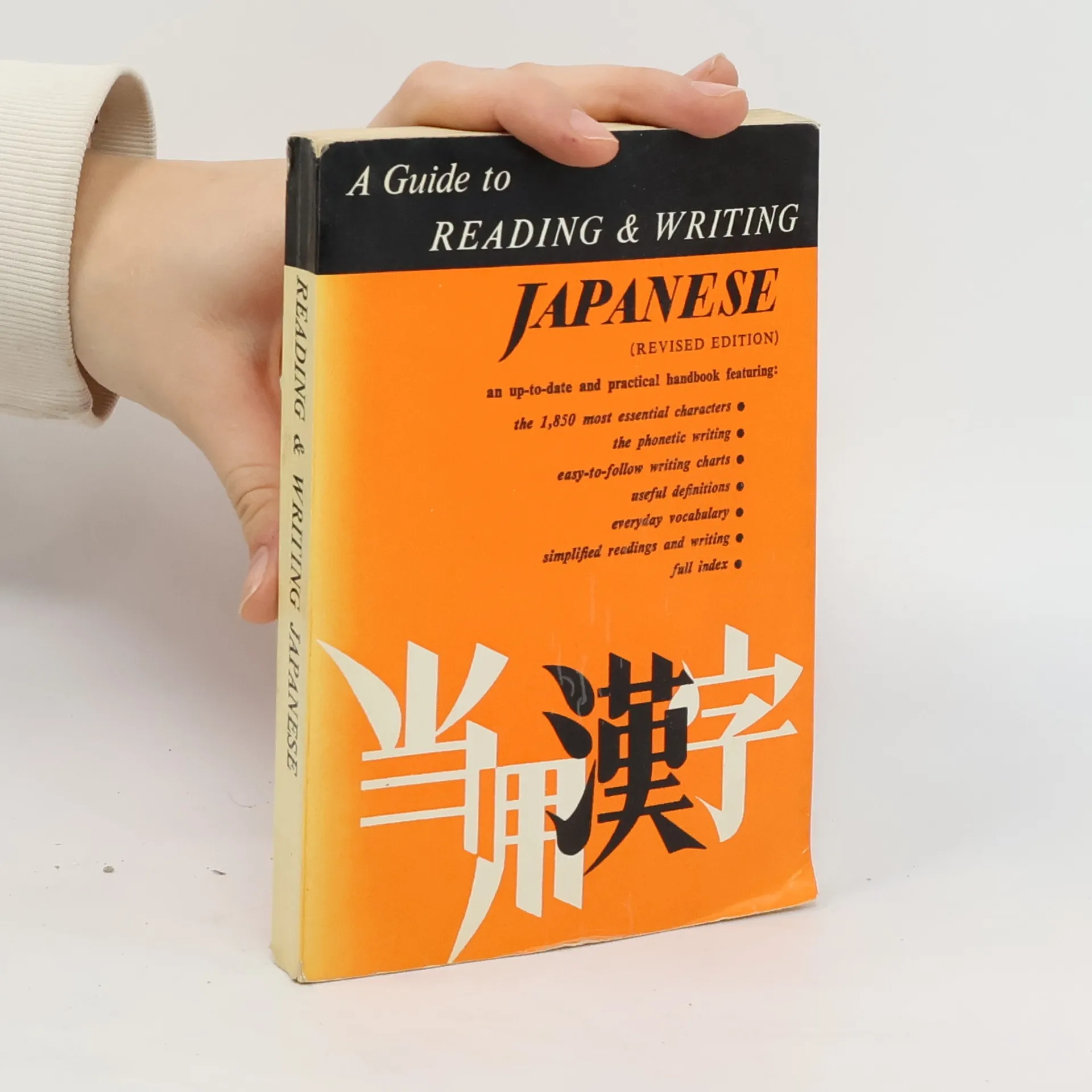

Learn how to read and write Japanese with this up-to-date and practical handbook the 1,850 most essential characters, the phonetic writing, easy-to-follow writing charts, useful definitions, everyday vocabulary, simplified readings and writing, and a full index.
Japan's impact on the modern world has been enormous. It occupies just one 300th of the planet's land area, yet came to wield one sixth of the world's economic power. Just 150 years ago it was an obscure land of paddy fields and feudal despots. Within 50 years it became a major imperial power – it's so-called 'First Miracle'. After defeat in the Second World War, when Japan came close to annihilation, within 25 years it recovered remarkably to become the world's third biggest economy – it's 'Second Miracle'. It is now not only an economic superpower, but also a technological and cultural superpower. True miracles have no explanation: Japan's 'miracles' do. The nation's success lies in deeply ingrained historical values, such as a pragmatic determination to succeed. The world can learn much from Japan, and its story is told in these pages. Covering the full sweep of Japanese history, from ancient to contemporary, this book explores Japan's enormous impact on the modern world, and how vital it is to examine the past and culture of the country in order to full understand its achievements and responses. Now in its third edition, this book is usefully updated and revised.
Master mnemonic aids for all 1,945 "joyo" kanji.
A Workbook for Self-Study - Revised Second Edition
This systematic and comprehensive Japanese workbook is ideal for self-study or classroom use. Written Japanese utilizes three types of characters: kanji (Chinese characters) and two phonetic sets, hiragana and katakana, collectively known as kana. Mastery of kana is essential before learning kanji. This workbook offers beginning-level students a solid foundation in the basic hiragana and katakana syllabaries. It includes a thorough introduction to their functions, origins, pronunciations, and usages. The main content features 92 hiragana and katakana characters, with step-by-step writing guidelines and ample practice spaces for neat handwriting in the correct stroke order. Key features include systematic coverage of the kana systems, extensive practice, review, and self-testing opportunities, a detailed reference section on kana origins and functions, and access to online audio files for proper pronunciation. Additionally, it provides helpful information for students familiar with romanized Japanese and includes culturally relevant vocabulary. The new third edition has been expanded to feature more reading and writing exercises, with online recordings demonstrating correct pronunciation for all characters and vocabulary.
[first steps to reading and writing Japanese]
This text teaches Hiragana and Katakana with space allotted for practice.