
Johann Cotta and the Politics of the Public Realm in Germany, 1795-1832
314 pages
11 hours of reading
Meticulous research in primary sources reveals the intricate political struggles of early nineteenth-century Germany, providing insights into both the history of publishing and the societal transformations leading up to the Industrial Revolution. The work transcends a mere regional focus or political biography, offering a broader understanding of domestic and international dynamics during this pivotal period.
Everyone knows they should be more mindful, but how exactly does one get started? This workbook is an accessible, step-by-step guide for putting mindfulness into action every day. For millions of readers who feel stuck, unmotivated, and unable to move forward in their lives, this evidence-based and customizable approach blends mindfulness, behavioral activation skills, and acceptance and commitment therapy (ACT) to help readers identify what they deeply care about; get unstuck from anxiety, depression, or trauma; reach their goals; and ultimately live a more meaningful life.
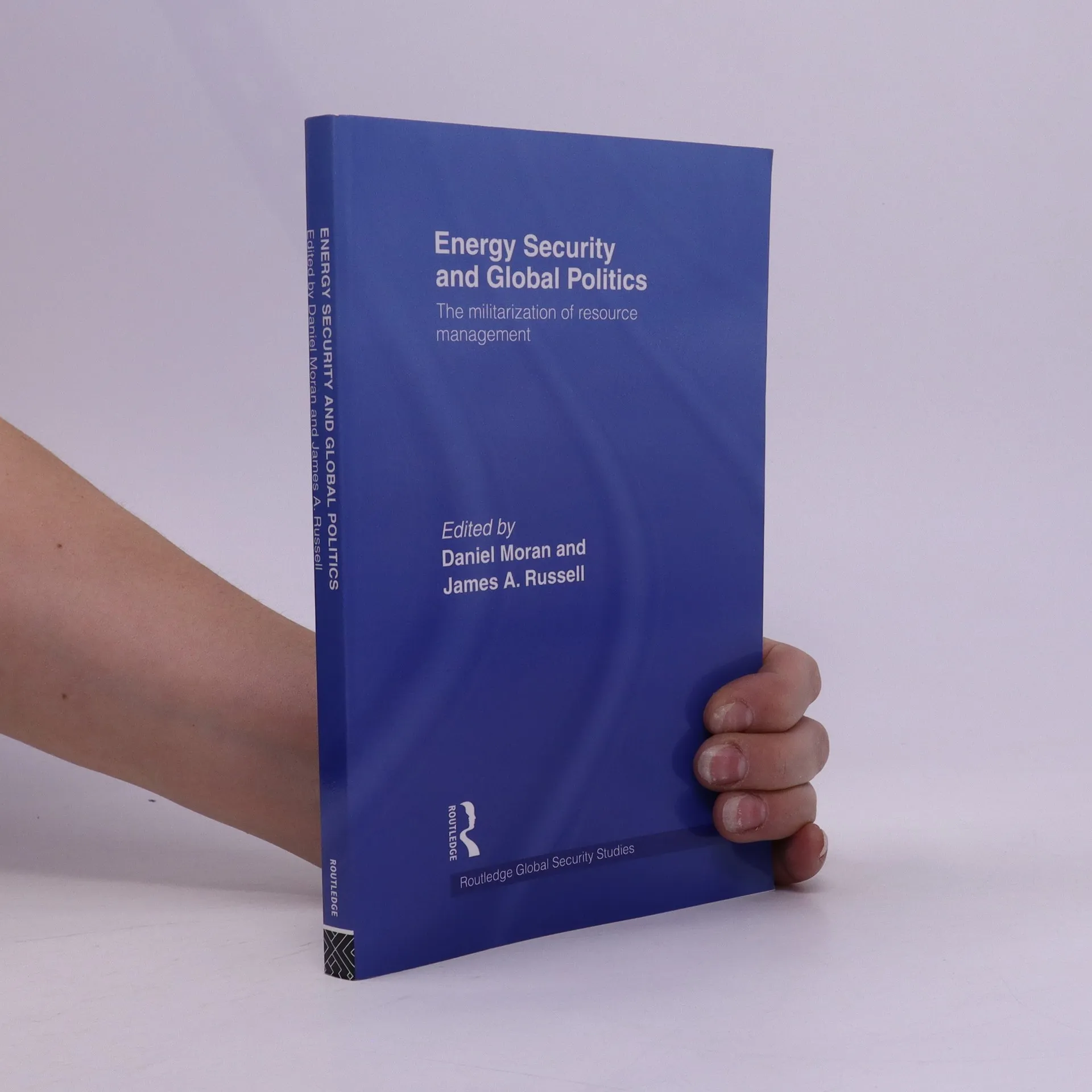
This book analyses the strategic dimensions of energy security, particularly where energy resources have become the object of military competition. The volume explores the risks that may arise from conditions of increasing economic competition and resource scarcity, and the problems that may follow if major producers or consumers of energy lose confidence in the equity and efficiency of the market, and resort instead to the use of force to secure access to energy. It surveys the strategic outlook of both producer and consumer states, with emphasis on nations or regions (Central Asia, Russia, China, Venezuela, the Persian Gulf) where unstable or rapidly evolving political conditions may undermine the currently prevailing market consensus. It also examines the role of the United States as the chief guarantor of the global economy, and the challenge this poses for its exercise of military power. The book contests that while the global energy market may be largely self-regulating, it is not self-defending. A failure to consider how it can be most effectively defended from emerging and potential challenges merely heightens the risk that those challenges may someday become real.