Shopping for Pleasure
- 338 pages
- 12 hours of reading
Moving beyond questions of whether shopping promoted or limited women's freedom, this volume reconstructs London's Victorian and Edwardian West End as an entertainment and retail centre.



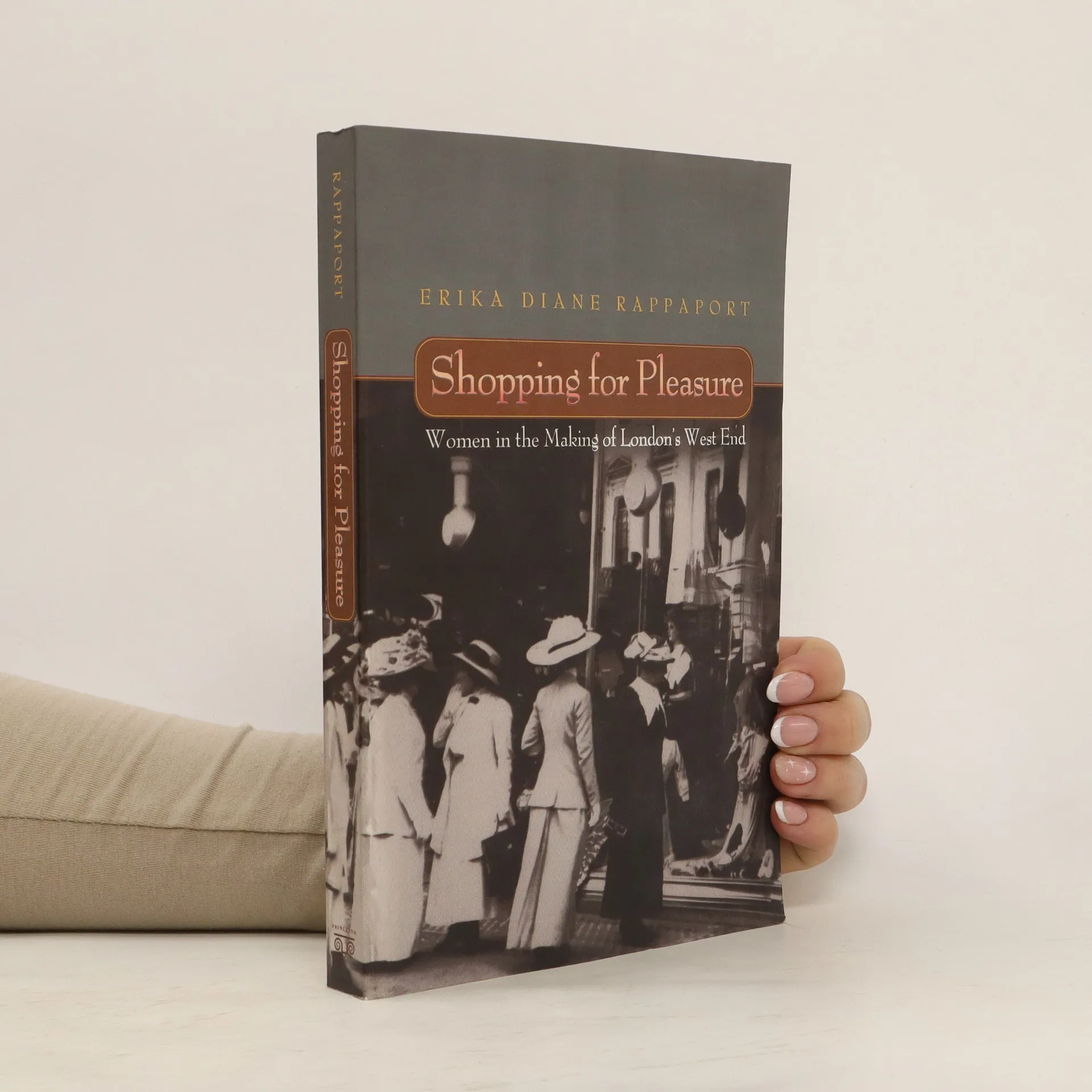
Moving beyond questions of whether shopping promoted or limited women's freedom, this volume reconstructs London's Victorian and Edwardian West End as an entertainment and retail centre.
Tea has been a significant global commodity, shaping economies and societies for centuries. Its cultivation and trade not only funded wars and colonization but also transformed land use, labor systems, market practices, and social hierarchies, leaving lasting impacts. This historical exploration reveals how individuals involved in the tea industry across Europe, Asia, North America, and Africa influenced global tastes and habits, contributing to the emergence of modern consumer society. Between the seventeenth and twentieth centuries, the tea industry and the British Empire intersected yet remained distinct. The author examines the economic, political, and cultural dynamics that allowed the British Empire to dominate the tea trade without complete control over production and consumption. The narrative highlights how Europeans adopted and adapted Chinese tea culture, fostering demand in Britain and establishing plantation economies in South Asia and Africa. Tea was one of the first colonial industries where merchants and planters utilized imperial resources for global advertising and political lobbying. The commercial model that emerged from the tea trade continues to shape our understanding of the interplay between politics, publicity, and the international economy today.