

During World War II, African American activists, journalists, and intellectuals argued that independence movements in Africa and Asia were closely linked to civil rights struggles in the U.S. Penny M. Von Eschen presents a vivid portrayal of the African diaspora during this period, highlighting events from the 1945 Manchester Pan-African Congress to early UN cooperation. The narrative details a popular movement that declined with the Cold War's onset. Von Eschen documents the efforts of African American leaders who promoted anti-colonial politics and critiqued U.S. foreign policy. The decline of anti-colonial politics—evident in African American responses to the early Cold War and U.S. government actions against black anti-colonial activists—shifted the understanding of race in America from historical and international contexts to psychological and domestic ones. The collision of anti-colonialism with Cold War liberalism reveals conflicts central to reshaping America, including the definitions of political, economic, and civil rights, and who has access to them. By exploring the interplay between anti-colonial politics, early civil rights activism, and superpower rivalries, this work offers a fresh perspective on the emergence of the U.S. as a dominant global power and its implications for American society.
Penny M. Von Eschen Books
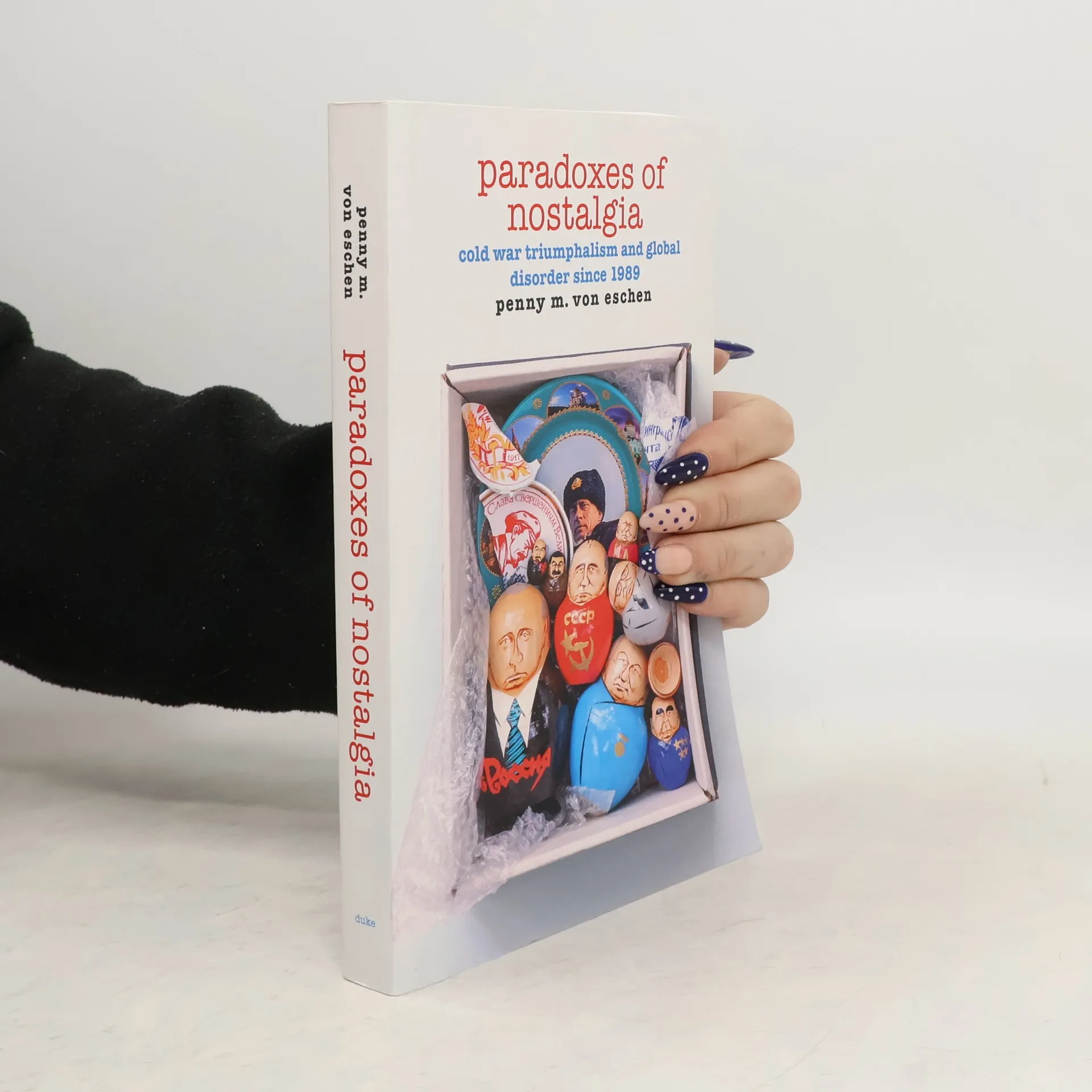

Penny M. Von Eschen offers a sweeping examination of the afterlife of the cold war and its lingering shadows, showing how a nostalgia and longing for stability fuels US-led militarism and the rise of xenophobic right-wing nationalism and authoritarianism around the world.