

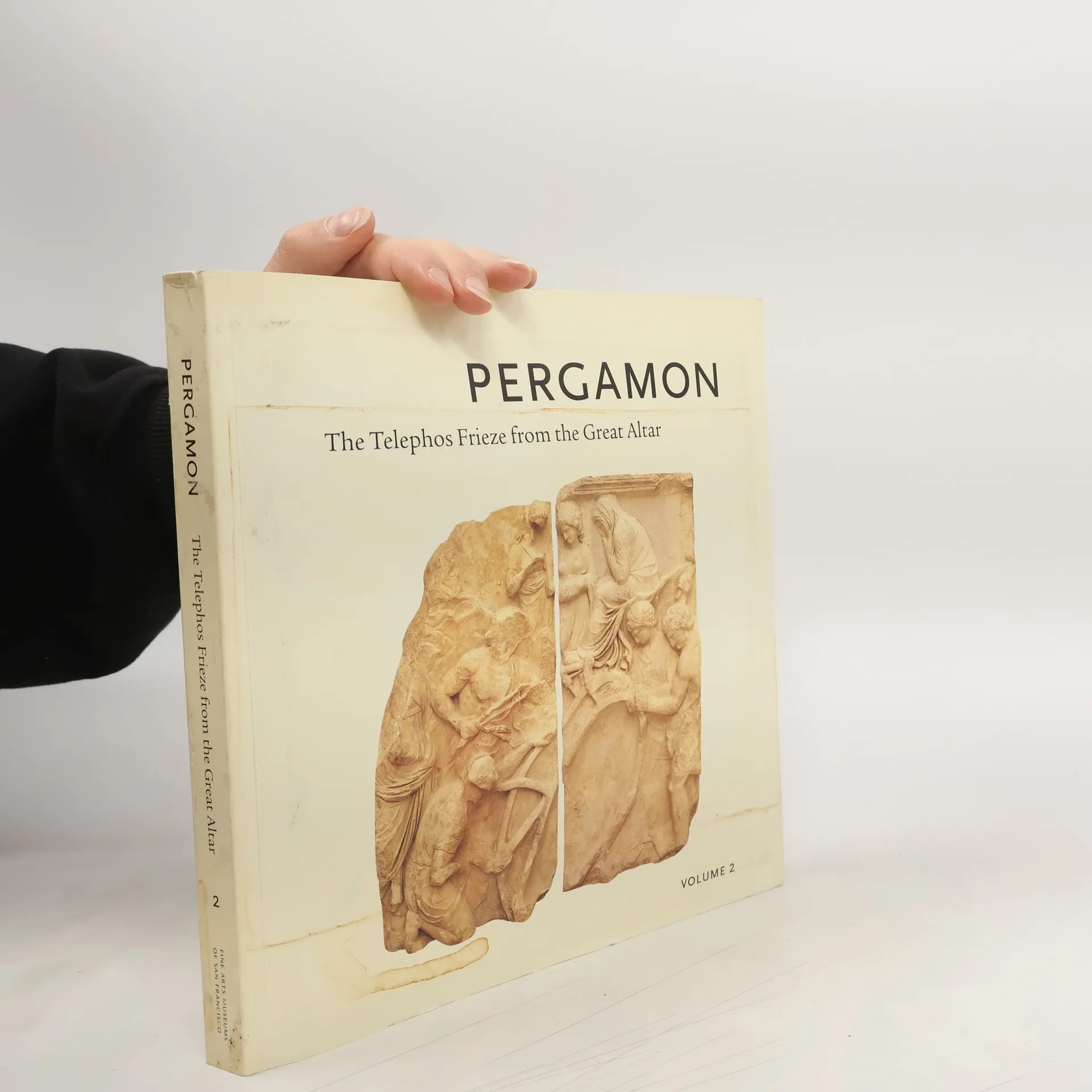
Pergamon was an ancient royal capital in what is now Turkey. To proclaim the city's importance, its Hellenistic kings built a Great Altar--a massive stone podium about one hundred feet long and thirty-five feet high. The story of Telephos, the mythical son of Herakles and the Greek princess Auge, whose lineage the kings wanted to claim for themselves, surrounded the sacrificial altar. These two volumes of essays by classicists and art historians were compiled to accompany an exhibition of the Telephos frieze at the Fine Arts Museums of San Francisco and the Metropolitan Museum of Art. Volume one treats the scholarly efforts to interpret correctly the fragments of the frieze, since its discovery by German archaeologists in the late nineteenth century. Color photographs illustrate twelve marble panels from the frieze, which the contributors treat as the first known instance of continuous narrative in sculpture. Volume two provides essential information for Hellenistic scholars, as well as conservators. It presents the latest research in English on the frieze, with detailed discussions of the art, architecture, and coinage of Pergamon, the dating and significance of the frieze, and its restoration history. Also included are over two hundred detailed black-and-white drawings and photographs, a foldout topographical plan of the site, a scale model of the Pergamon Altar, and a stunning foldout drawing of the Telephos frieze itself.
Andrew Stewart Books
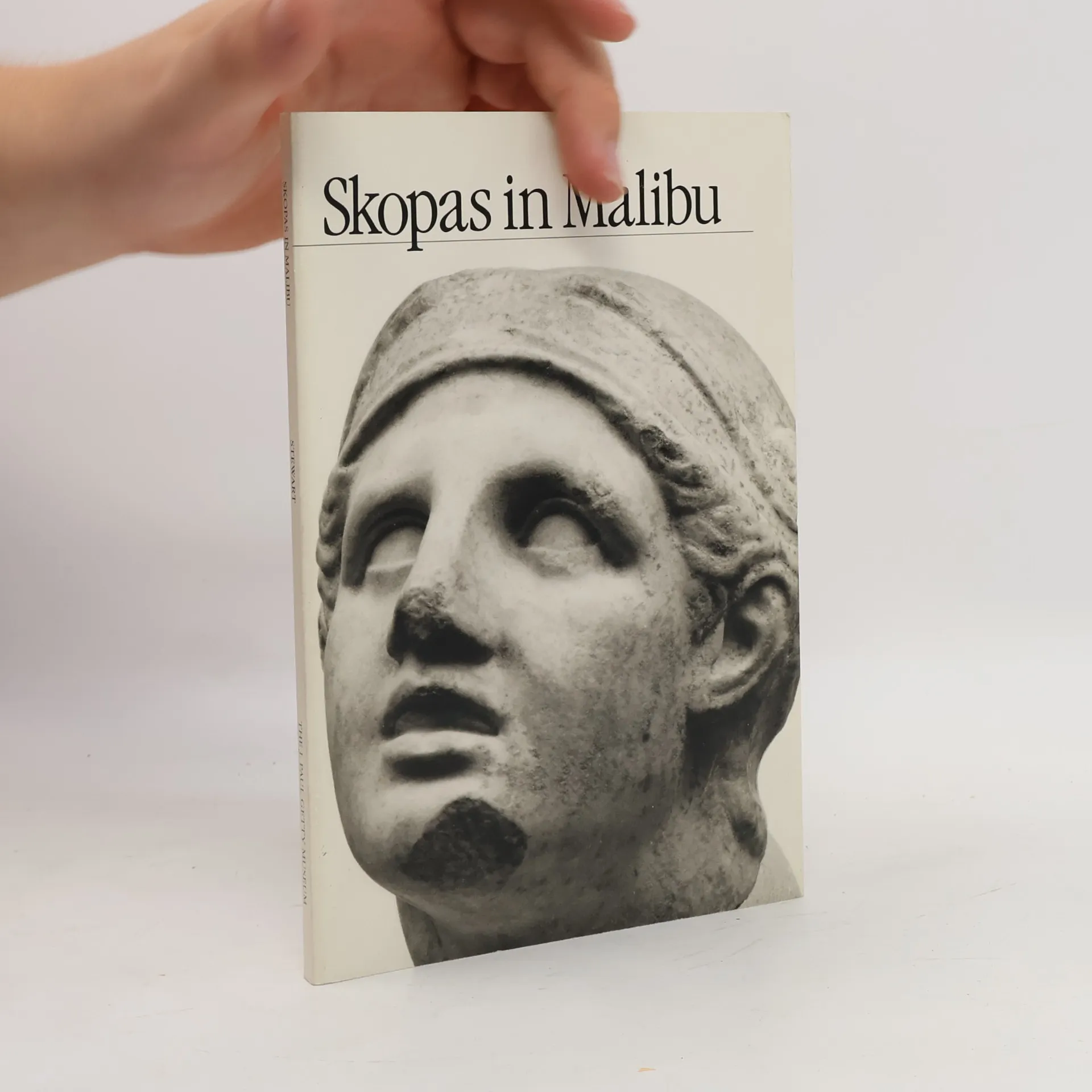
Skopas in Malibu
The Head of Achilles from Tegea and Other Sculptures by Skopas in the J. Paul Getty Museum
- 90 pages
- 4 hours of reading
Book by Stewart, Andrew F