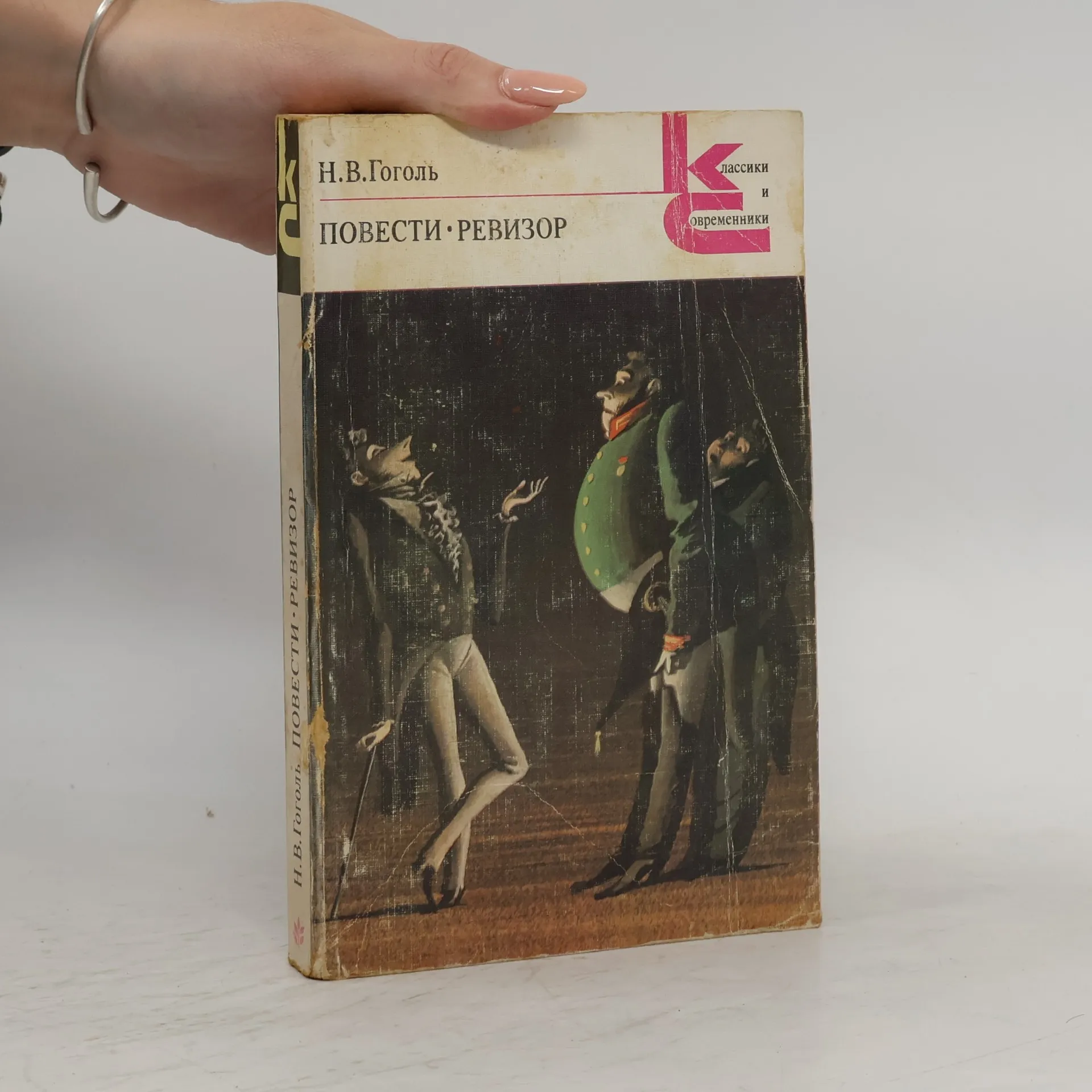
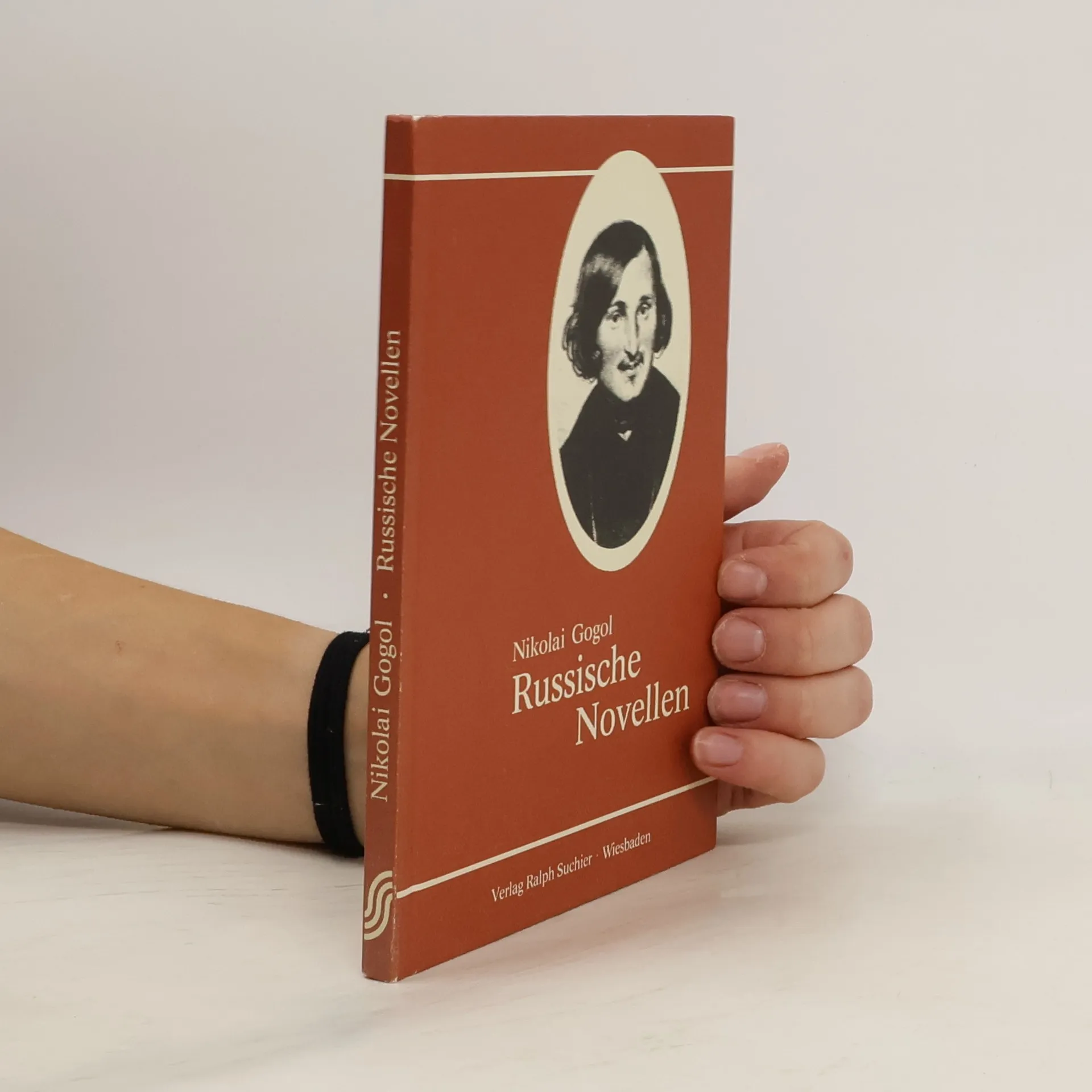
Learn Russian with Short Stories: The Nose: Interlinear Russian to English
- 112 pages
- 4 hours of reading




Akaki Akakievich, a solitary, unworldly government clerk, is often mocked by his colleagues - not least on account of his pathetically threadbare overcoat, no longer a match for the St Petersburg climate. Economising to the point of austerity, Akaki has a new overcoat made, thus transforming his life. Then, one dark night, the unthinkable happens ... By turns wry, sad, tender and satirical, Gogol's greatest short work provided the template for an entirely new way of storytelling in the modern age.
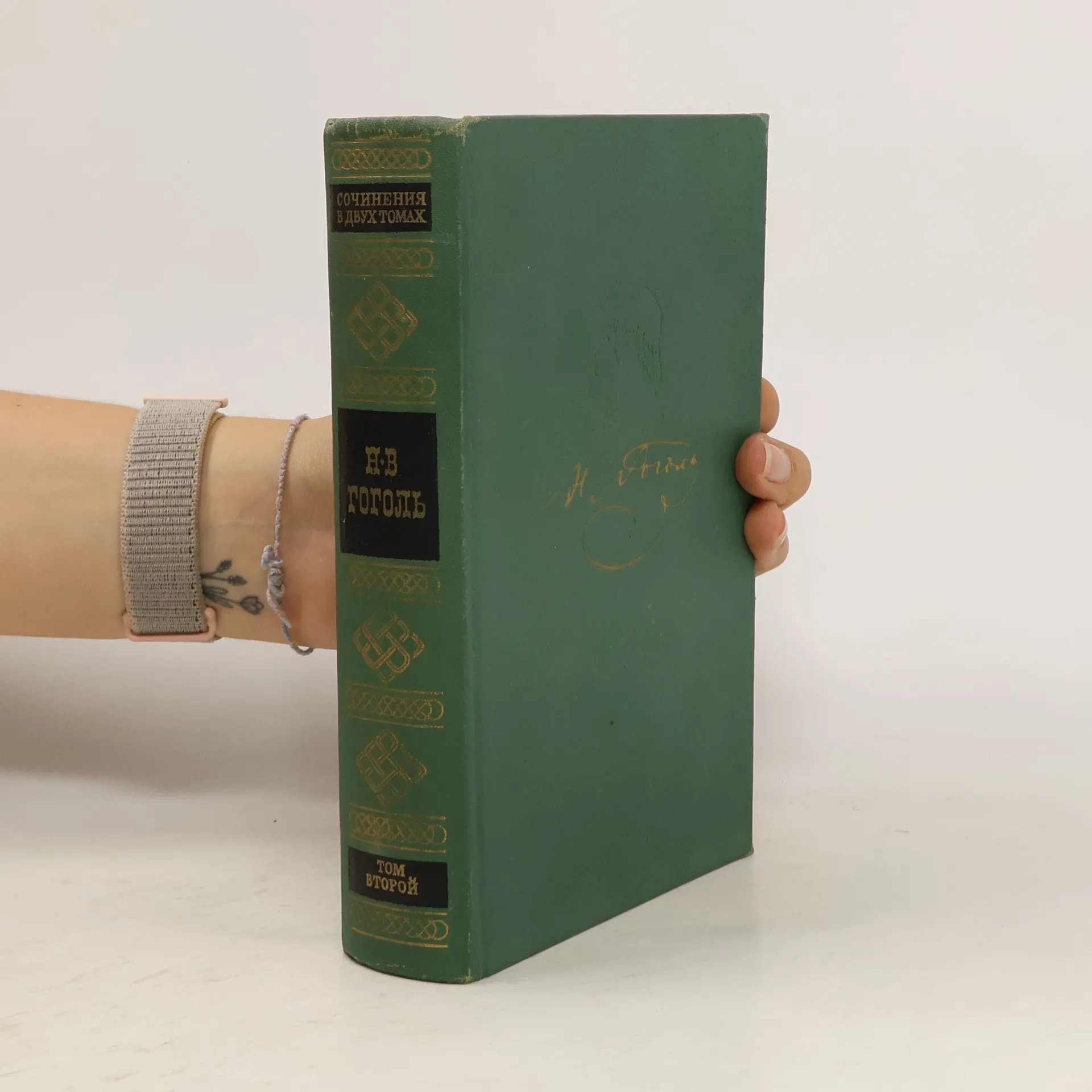
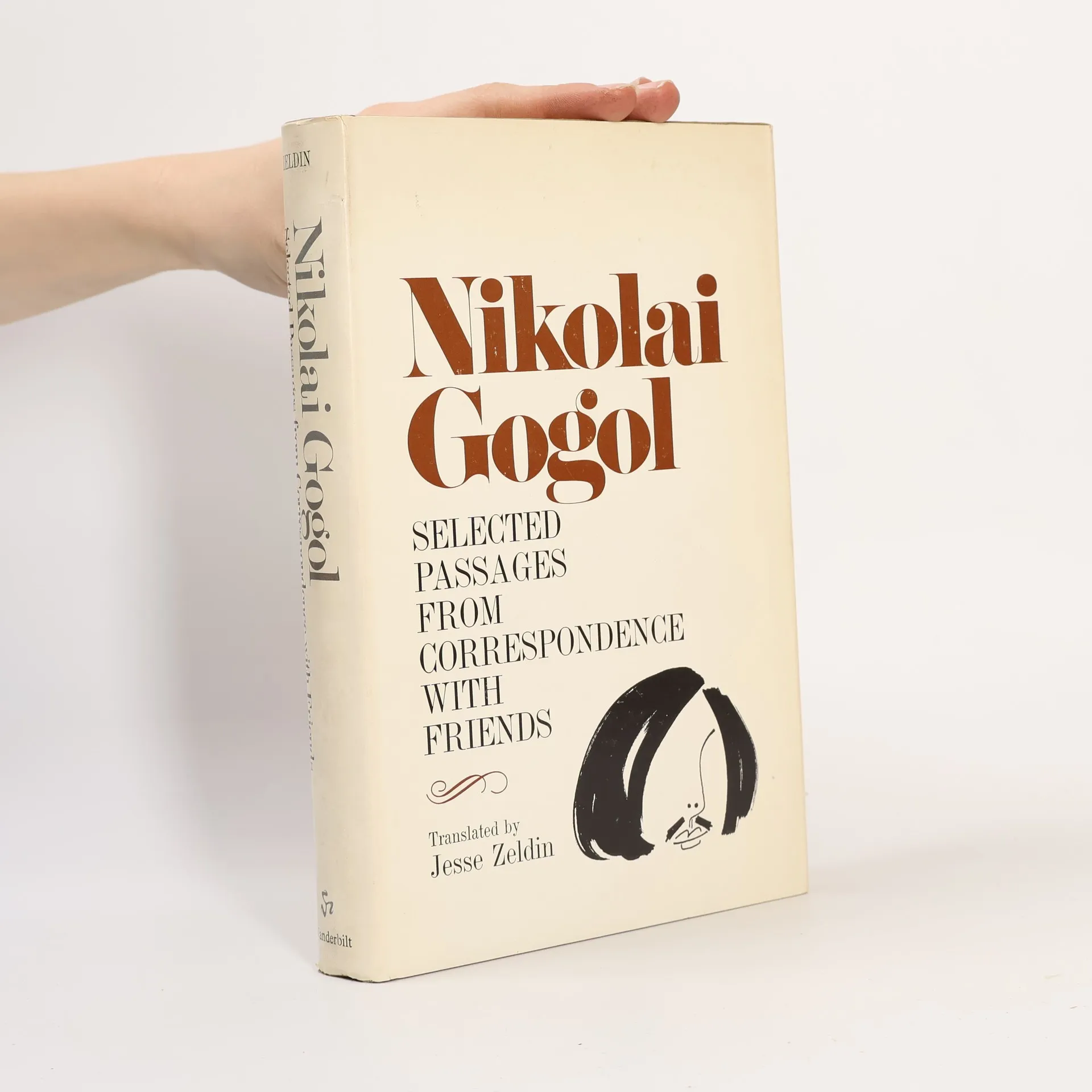
"Selected Passages from Correspondence with Friends," first published in 1847, revealed to readers a different, unfamiliar Gogol. Since then, the spiritual journey of the writer and his personality have appeared as a mystery that demands understanding but is hardly capable of being unraveled. A confession or a sermon lies at the heart of this book - it is for contemporary readers to decide.
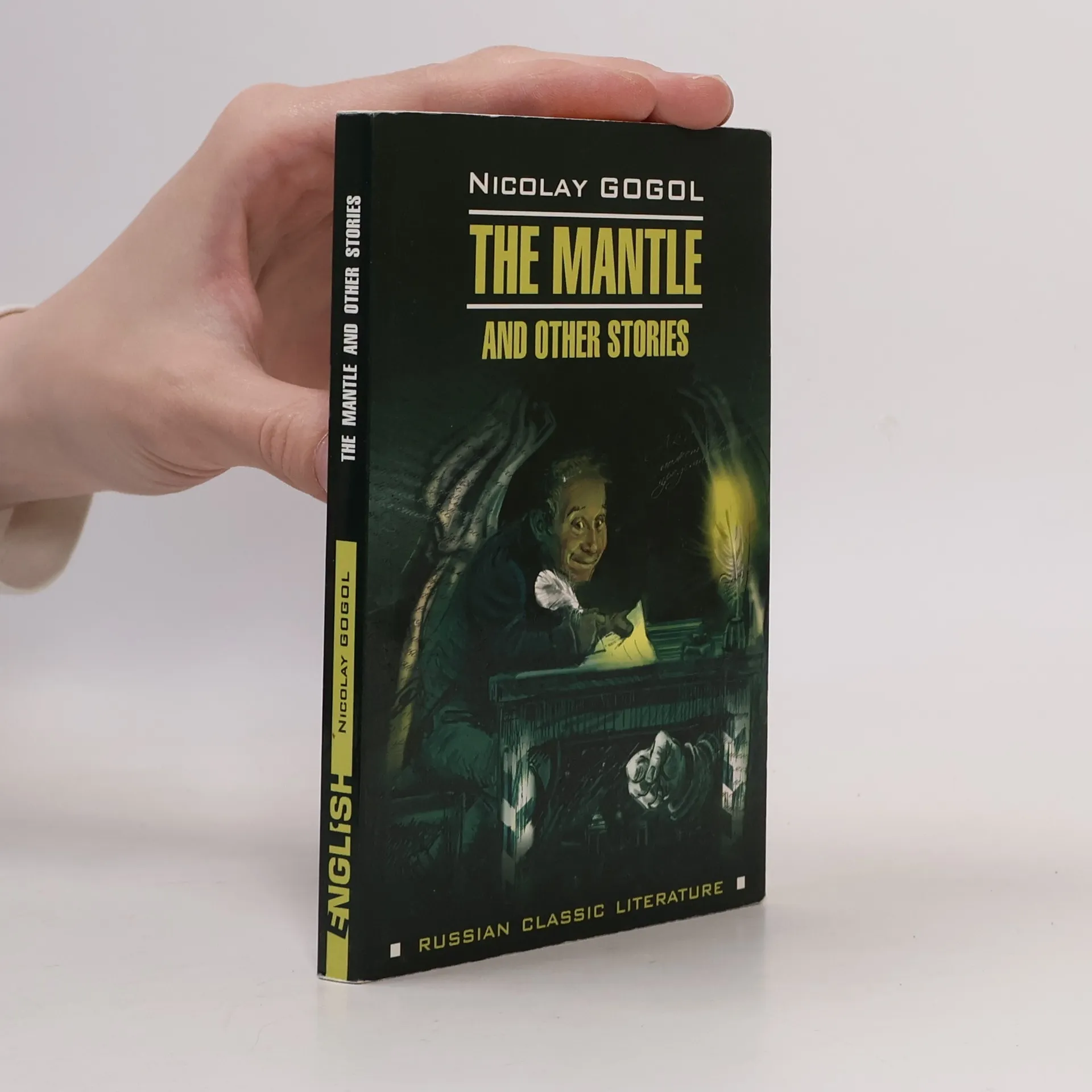
The Mantle and Other Stories by Nikolai Vasilevich Gogol
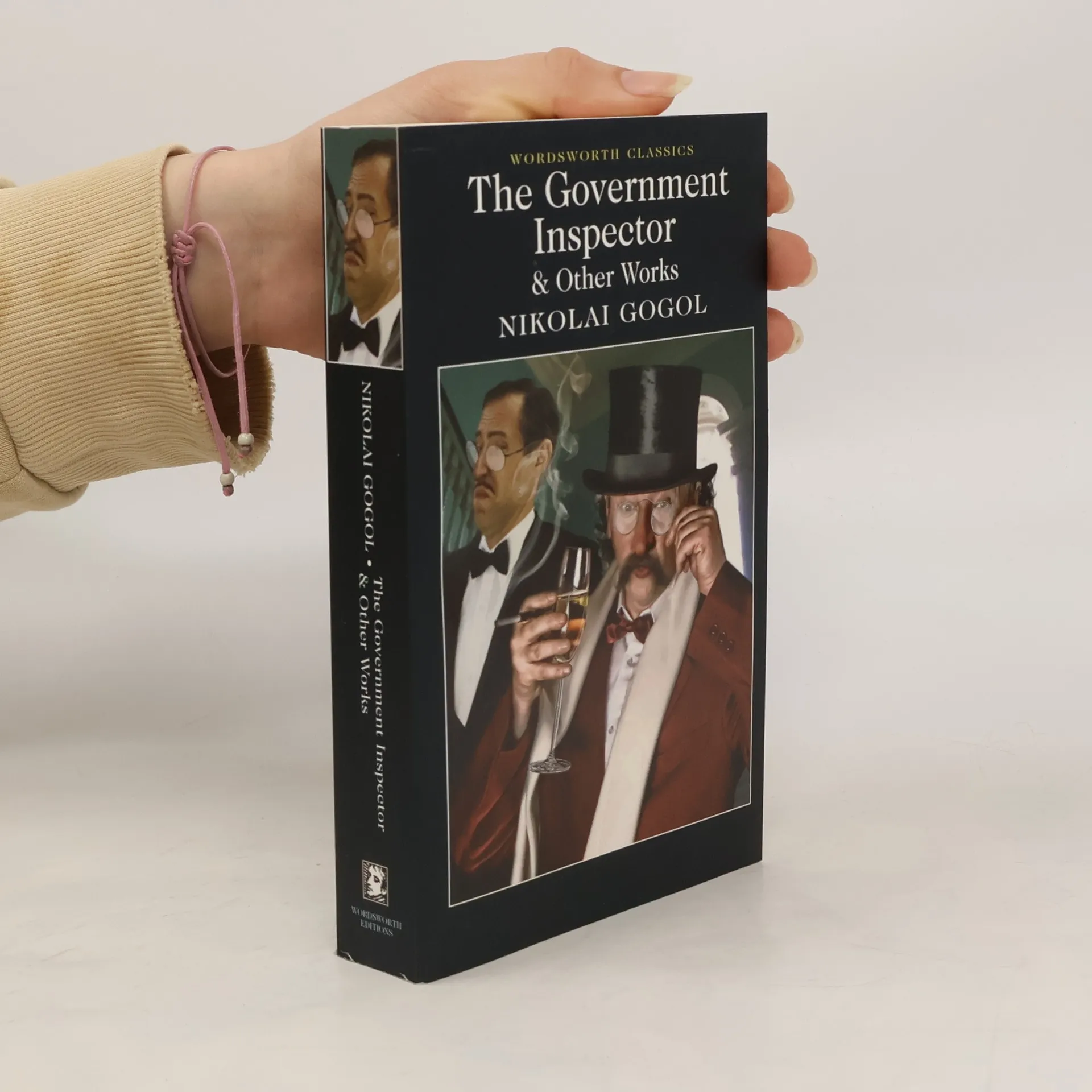
The Government Inspector, also known as The Inspector General, is a satirical play by the Ukrainian-born Russian dramatist and novelist Nikolai Gogol. The play is a comedy of errors, satirizing human greed, stupidity, and the extensive political corruption of Imperial Russia.
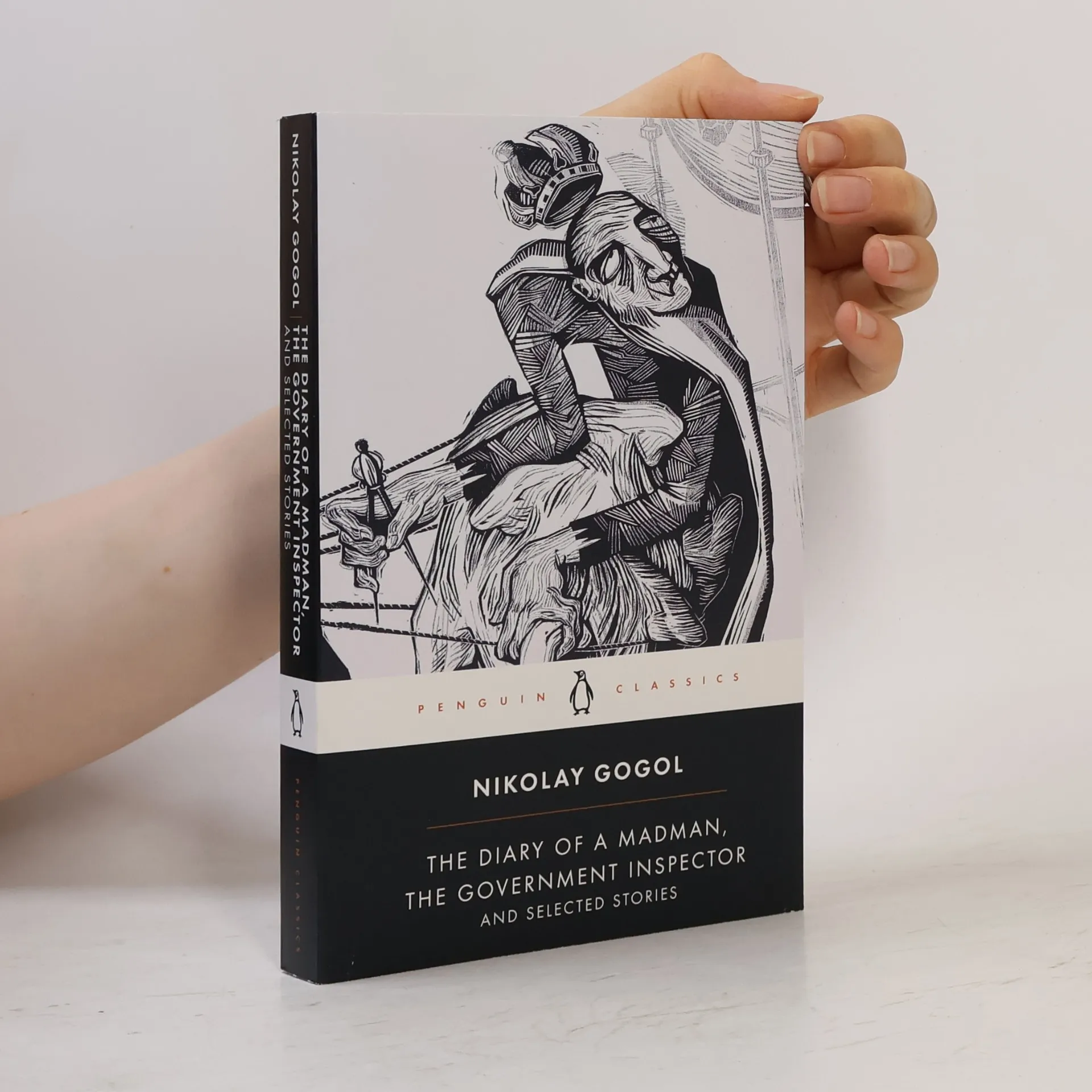
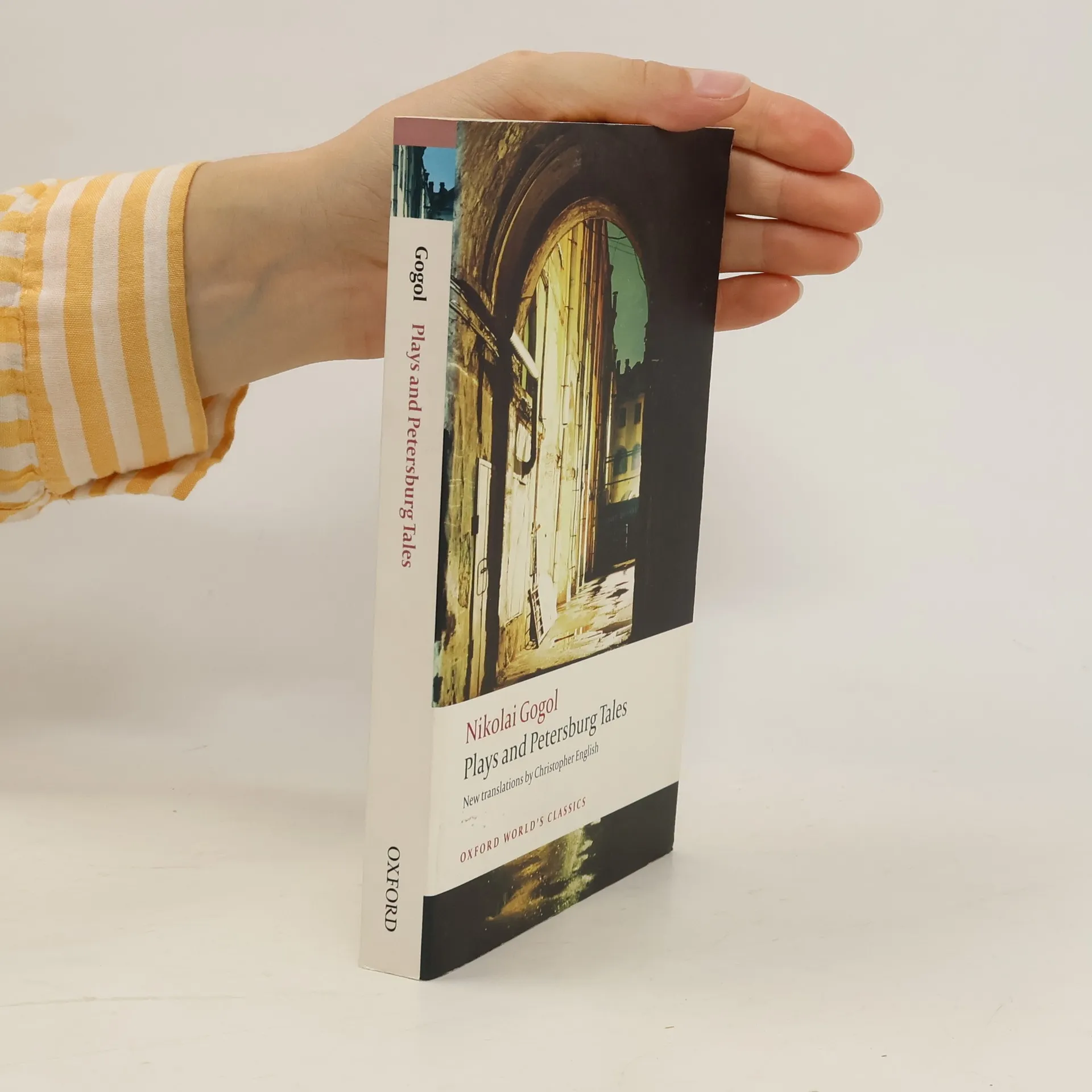
This volume brings together Gogol's Petersburg Tales - stories in which the city's inhabitants are confounded with false dreams and absurd visions - with his two most famous plays, Marriage, and The Government Inspector. Detailed notes, maps, and a scholarly introduction supplement these sparkling new translations, which bring out the vitality and humour of Russia's finest comic writer. Includes: Nevsky Prospect; The Nose; The Portrait; The Overcoat; The Carriage: Diary of a Madman; Marriage; The Government Inspector
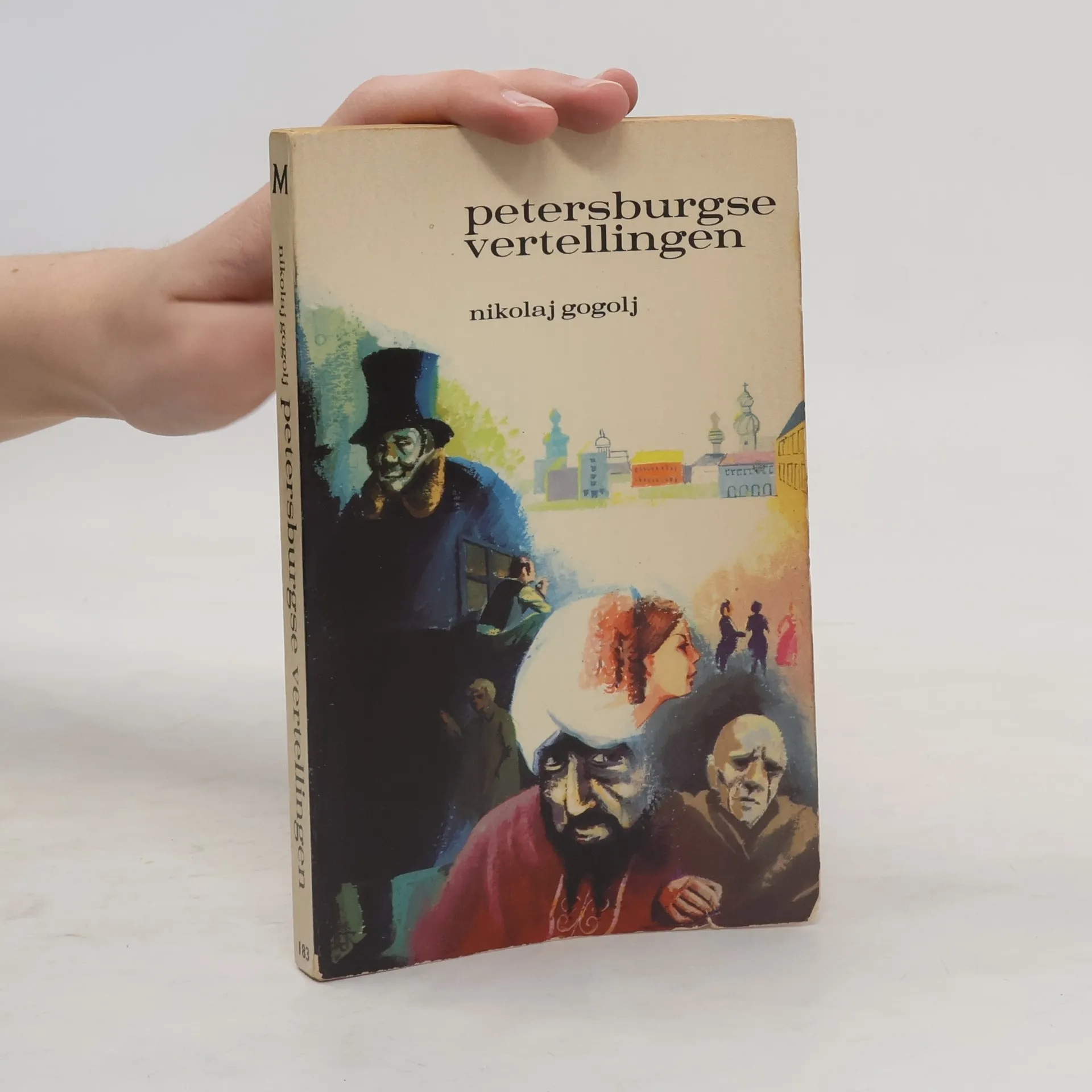
Written in the 1830s and early 1840s, these comic stories tackle life behind the cold and elegant façade of the Imperial capital from the viewpoints of various characters, such as a collegiate assessor who one day finds that his nose has detached itself from his face and risen the ranks to become a state councillor (‘The Nose’), a painter and a lieutenant whose romantic pursuits meet with contrasting degrees of success (‘Nevsky Prospect’) and a lowly civil servant whose existence desperately unravels when he loses his prized new coat (‘The Overcoat’). Also including the ‘Diary of Madman’, these Petersburg Tales paint a critical yet hilarious portrait of a city riddled with pomposity and self-importance, masterfully juxtaposing nineteenth-century realism with madcap surrealism, and combining absurdist farce with biting satire.
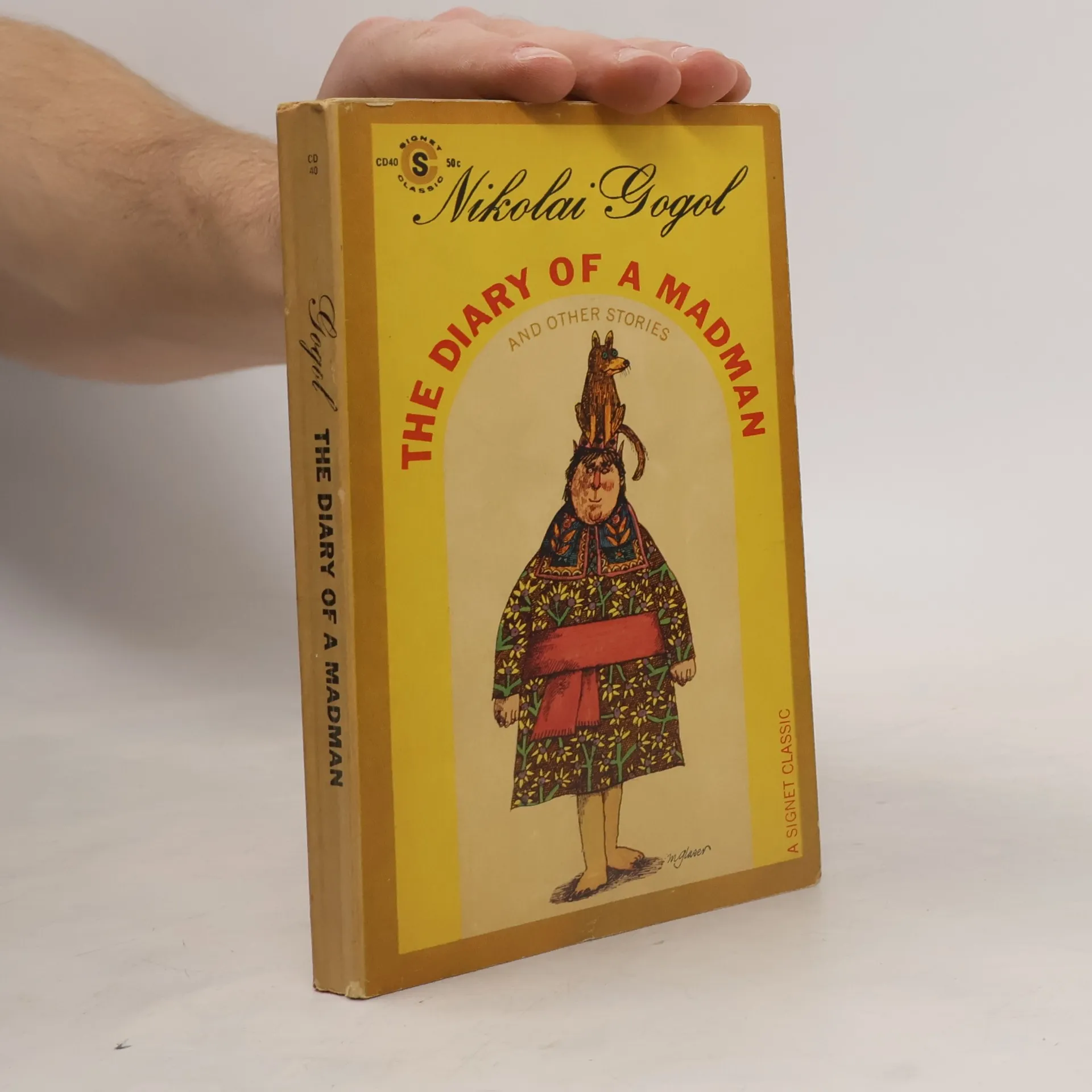
Illuminates the Russian writer's thoughts on madness, bureaucracy, and illusion in these five tales
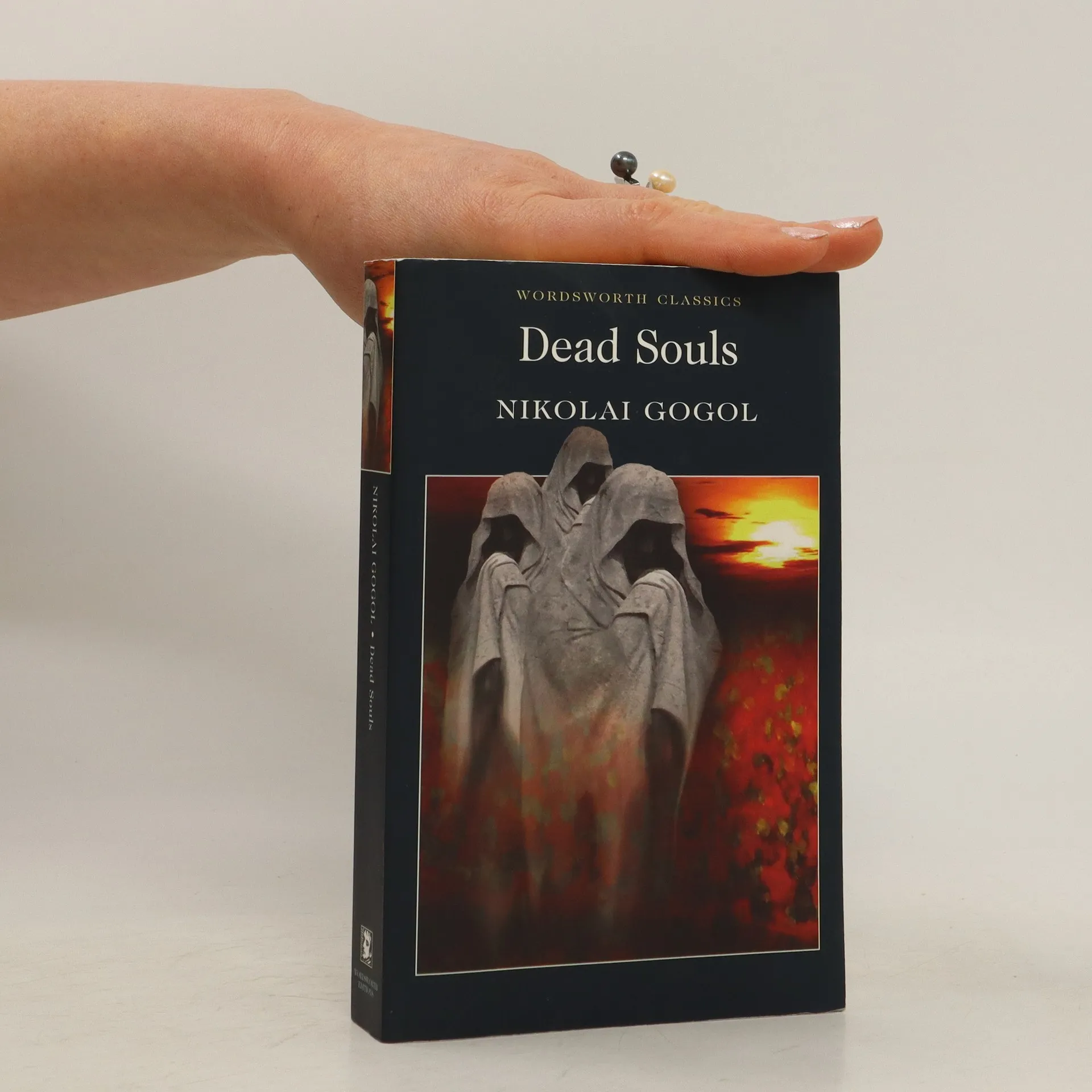
Classic fiction. With an Introduction by Tony BriggsRussia in the 1840s. There is a stranger in town, and he is behaving oddly. The unctuous Pavel Chichikov goes around the local estates buying up d̀ead souls.
Set against a backdrop of supernatural horror, a philosophy student faces terror from a witch while keeping vigil over a deceased beauty. This short story, originally published in 1835, showcases Gogol's unique blend of folklore and existential dread. Renowned for his contributions to literature, Gogol is celebrated as a pivotal figure in the development of Russian realism, influencing future generations of writers. The republished edition includes a new introductory biography, enhancing the reader's understanding of his literary significance.
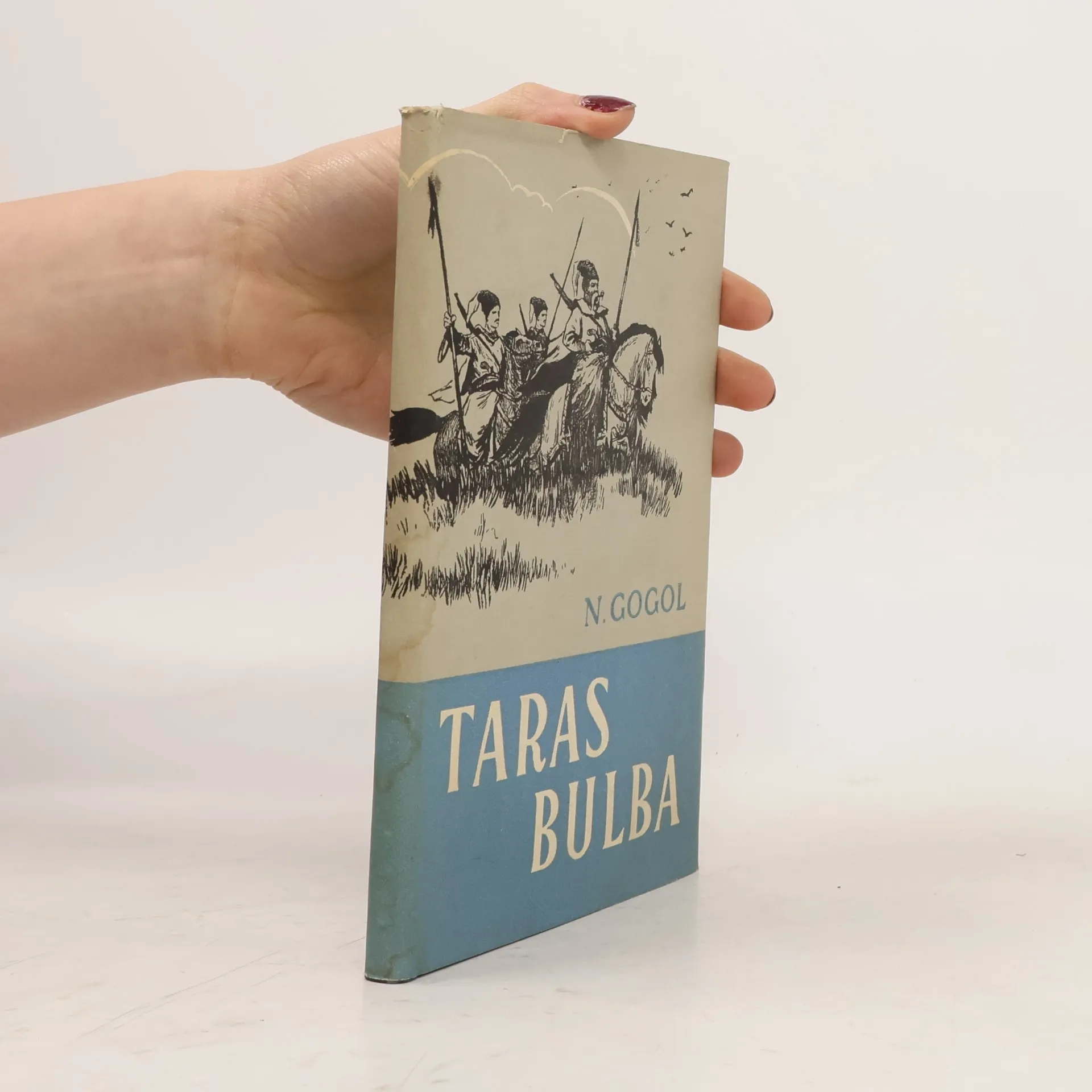
The book features "Taras Bulba" alongside other tales, highlighting its significance in literary history. Alpha Editions has meticulously reformatted and retyped the content to enhance clarity and readability, ensuring that this classic work remains accessible to contemporary and future readers. The effort to preserve its legacy reflects the timeless nature of its themes and storytelling.
Nikolai Vasilievich Gogol' (1809-1852) was a Russian writer of Ukrainian ethnicity and birth. Often called the "father of modern Russian realism, " He was one of the first Russian authors to criticize his country's way of life. Although his early works were heavily influenced by his Ukrainian upbringing, he wrote in Russian and his works belong to the tradition of Russian literature. Gogol was one of the first masters of short prose, alongside Pushkin, Merimee, Hoffmann, and Hawthorne. The main and most persistent characteristic of Gogol's style is its verbal expressiveness. He wrote with a view not so much to the acoustic effect on the ears of the listener as to the sensuous effect on the vocal apparatus of the reciter. The other main characteristic of his genius is the extraordinary intensity and vividness of impressionist vision, sometimes skirting expressionism. The Dead Souls (1842), The Inspector-General and The Overcoat (1842) are among his masterpieces.
The story of a penniless nobody from Moscow who is mistaken for a government inspector by the corrupt and self-seeking officials of a small town in Tsarist Russia, The Government Inspector, Gogol's masterpiece was regarded by Vladimir Nabokov as the greatest play in the Russian language. schovat popis
"The Nose" is a satirical short story by Nikolai Gogol. Written between 1835 and 1836, it tells of a St. Petersburg official whose nose leaves his face and develops a life of its own.
This work is a reproduction of a historical text, published in large print to enhance accessibility for individuals with impaired vision. Megali, the publishing house behind this initiative, focuses on making significant historical works more readable and inclusive for a wider audience.
Nikolai Gogol's work offers a sharp critique of society, highlighting the absurdities of bureaucracy and corruption. This collection features his renowned drama "The Government Inspector," celebrated for its biting satire, and a range of short stories that explore the lives of society's marginalized, from clerks to swindlers. Notable pieces include "Diary of a Madman," which delves into madness, "Nevsky Prospect," portraying obsession, and "The Overcoat," a poignant reflection on poverty that left a lasting impact on Russian literature.
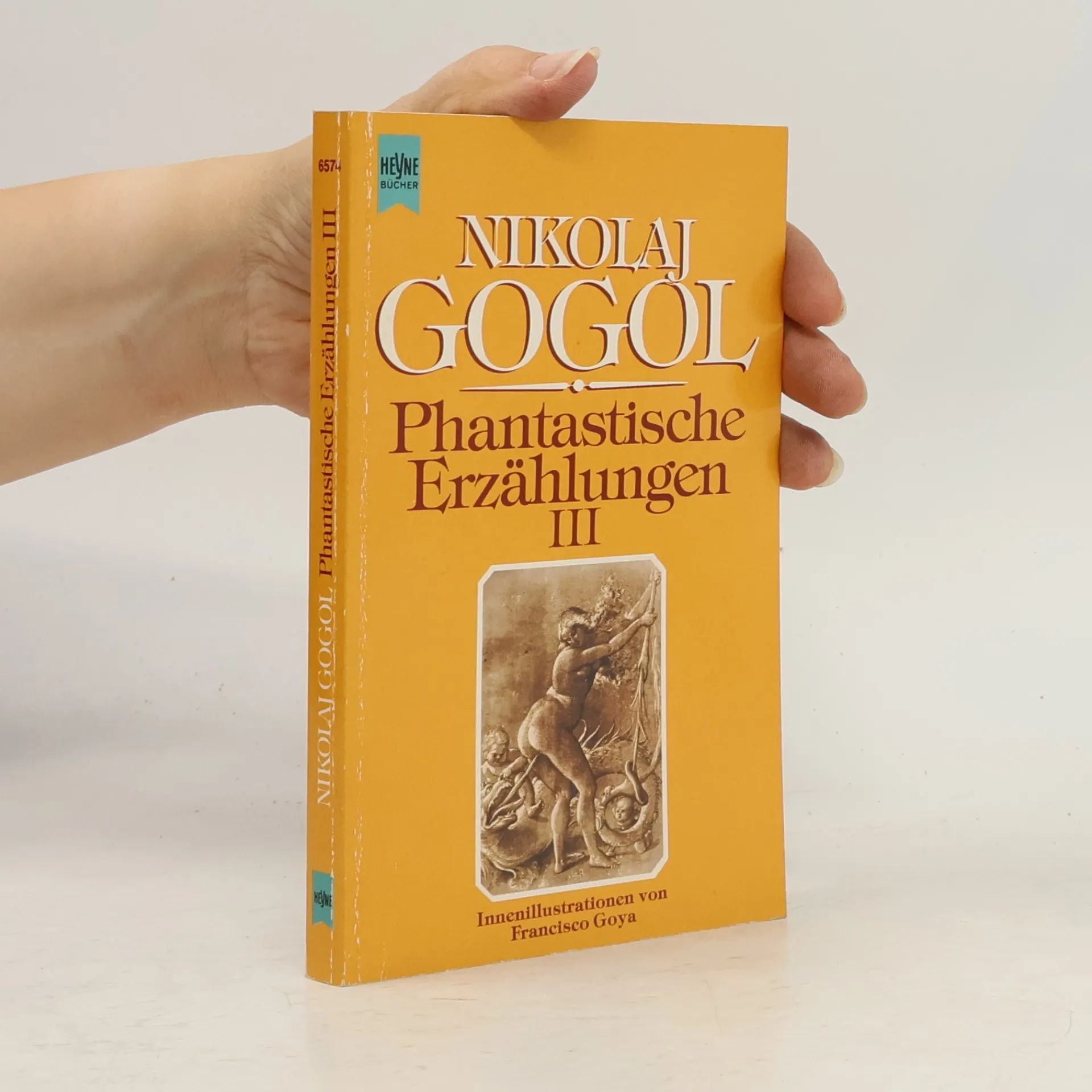
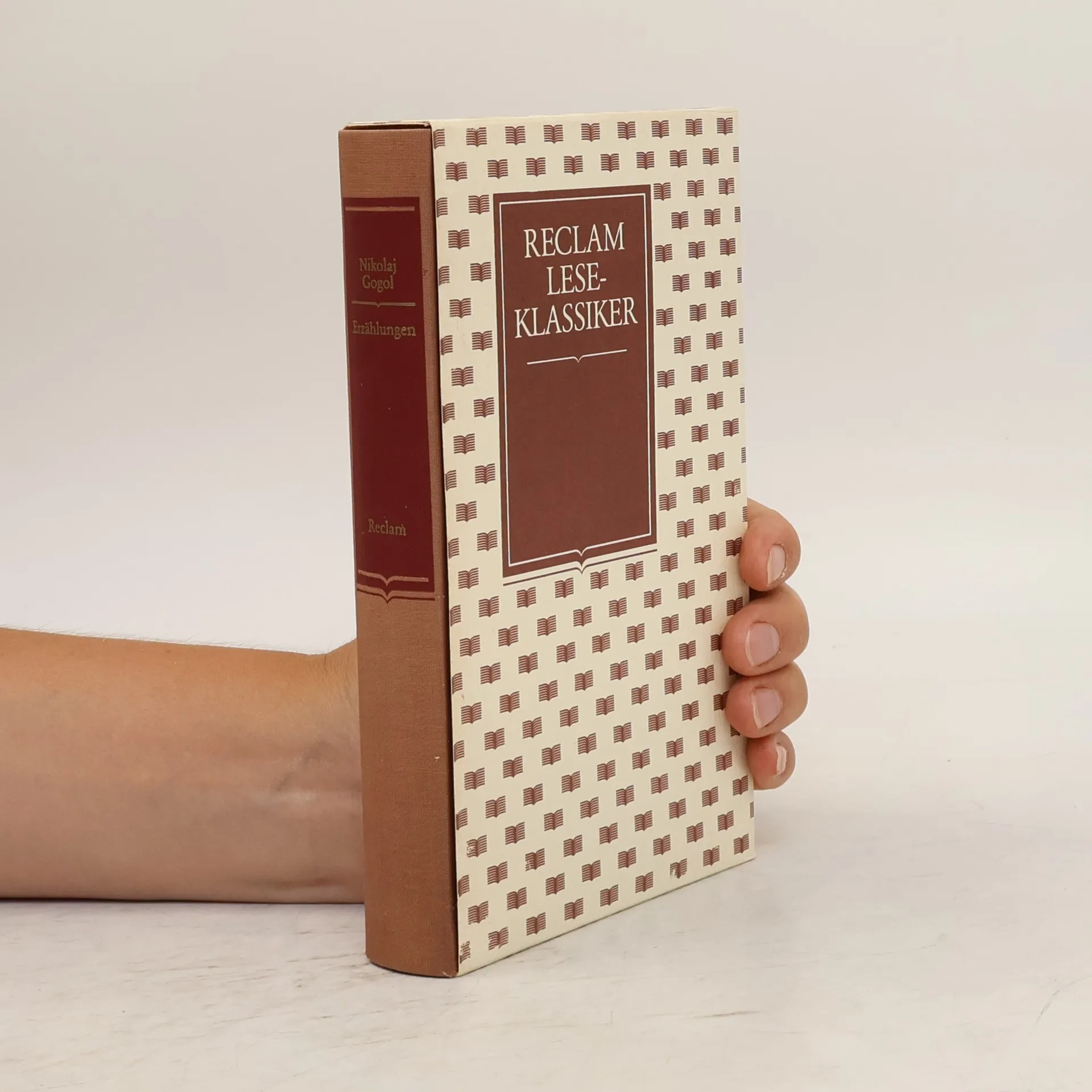
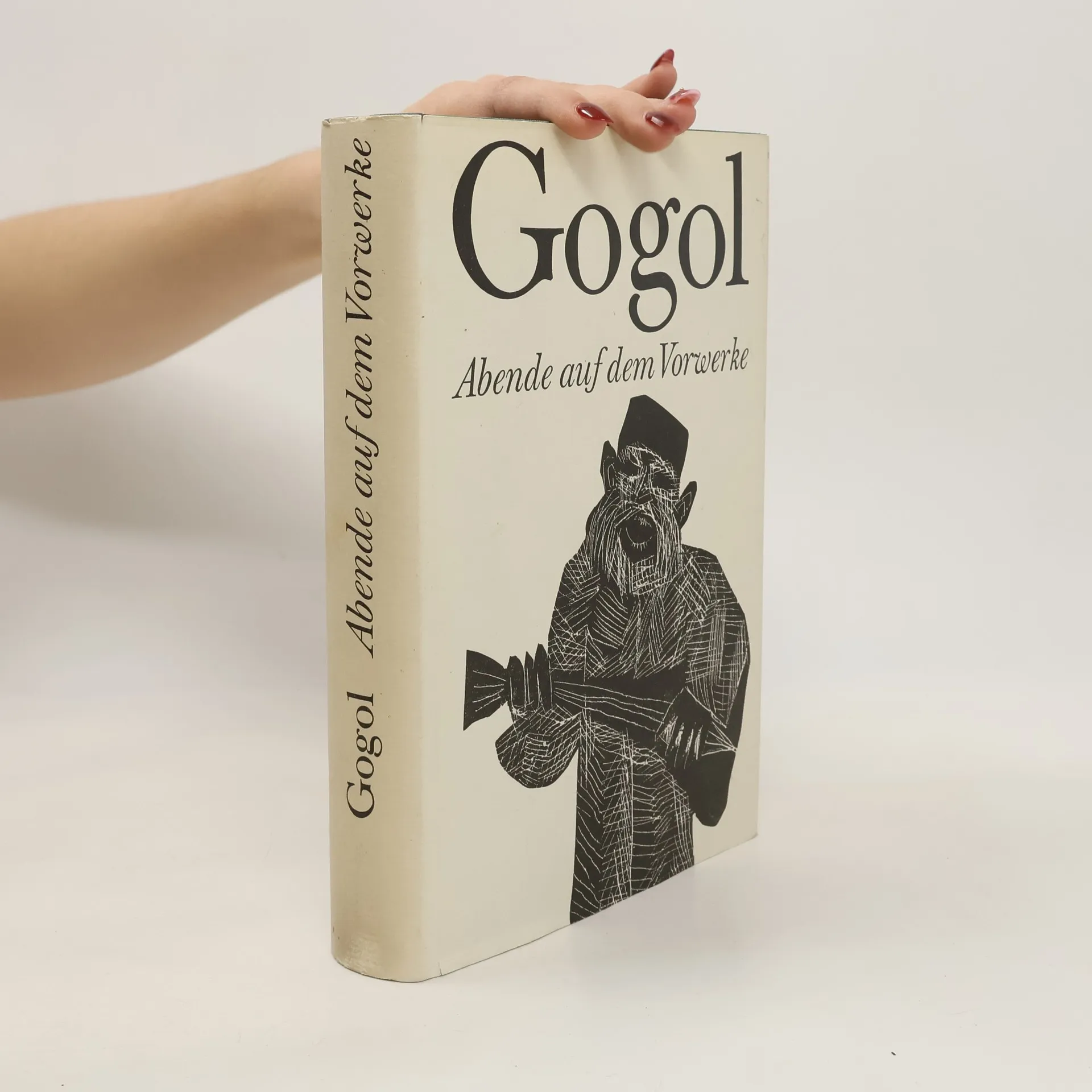
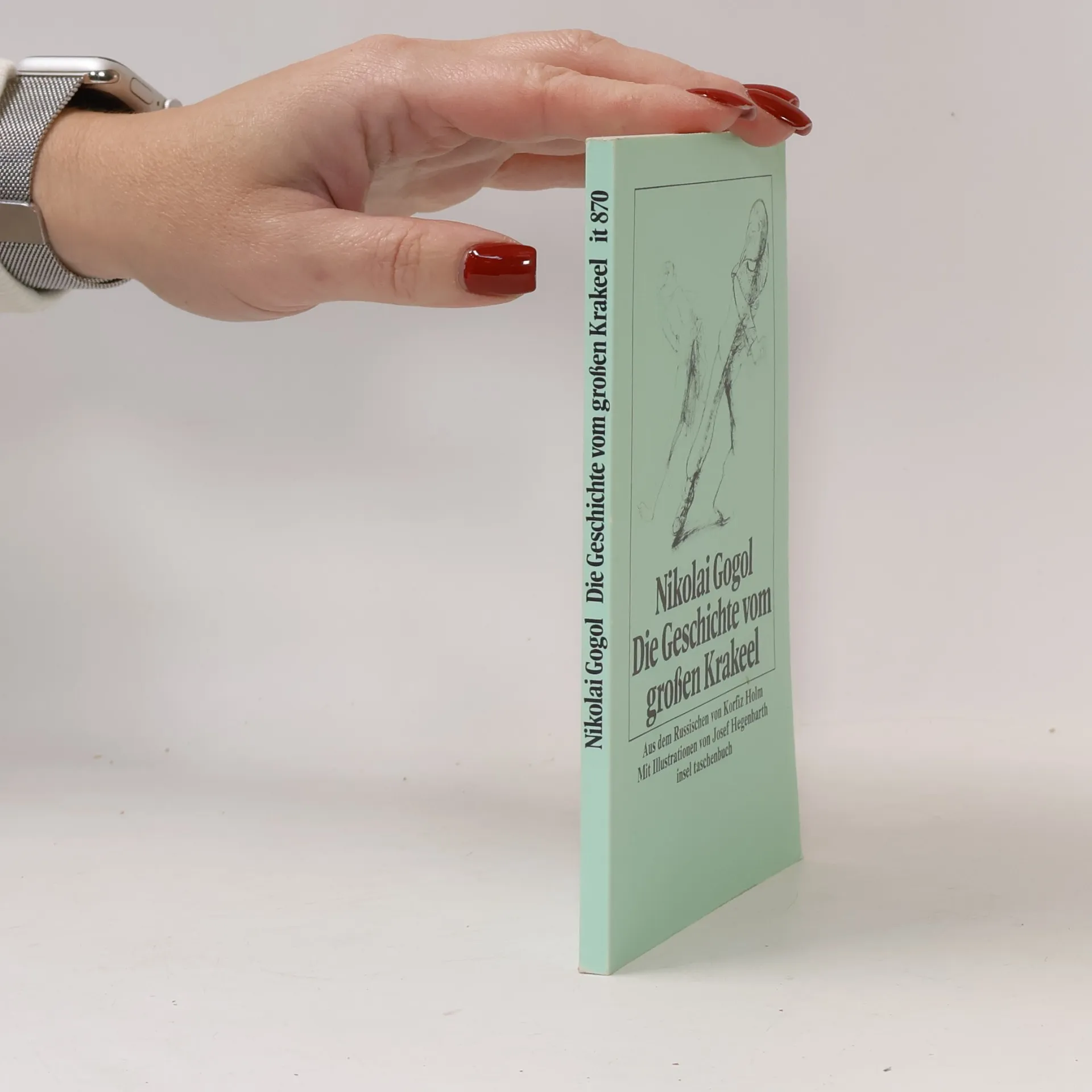
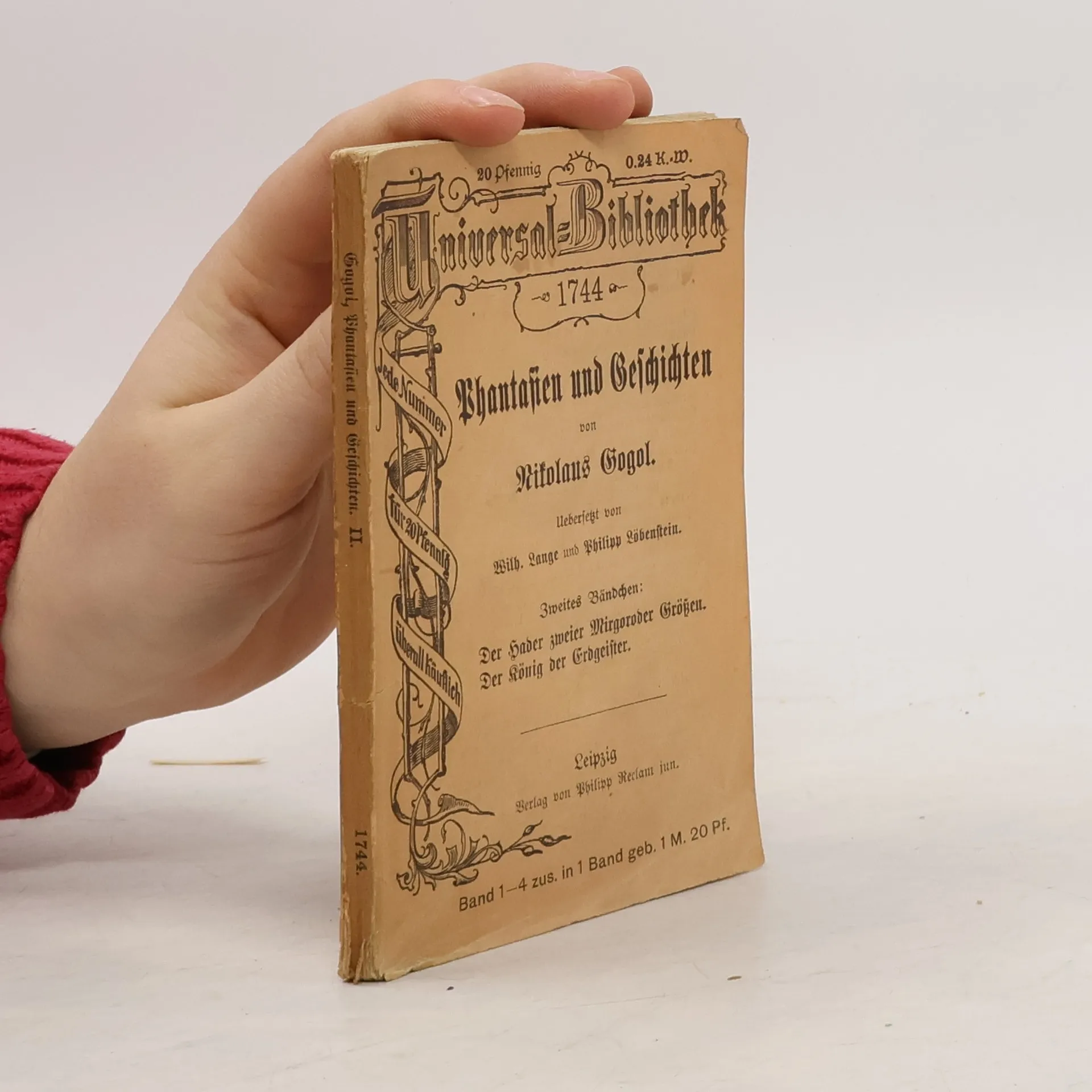
Beinhaltet die Erzählungen: Die Nacht vor Weihnachten Der Zauberer Ein Landjunker Wij, der König der Erdgeister Wie es kam, daß sich Iwan Iwanowitsch mit Iwan Nikiforowitsch entzweit hat Die Nase Der Mantel
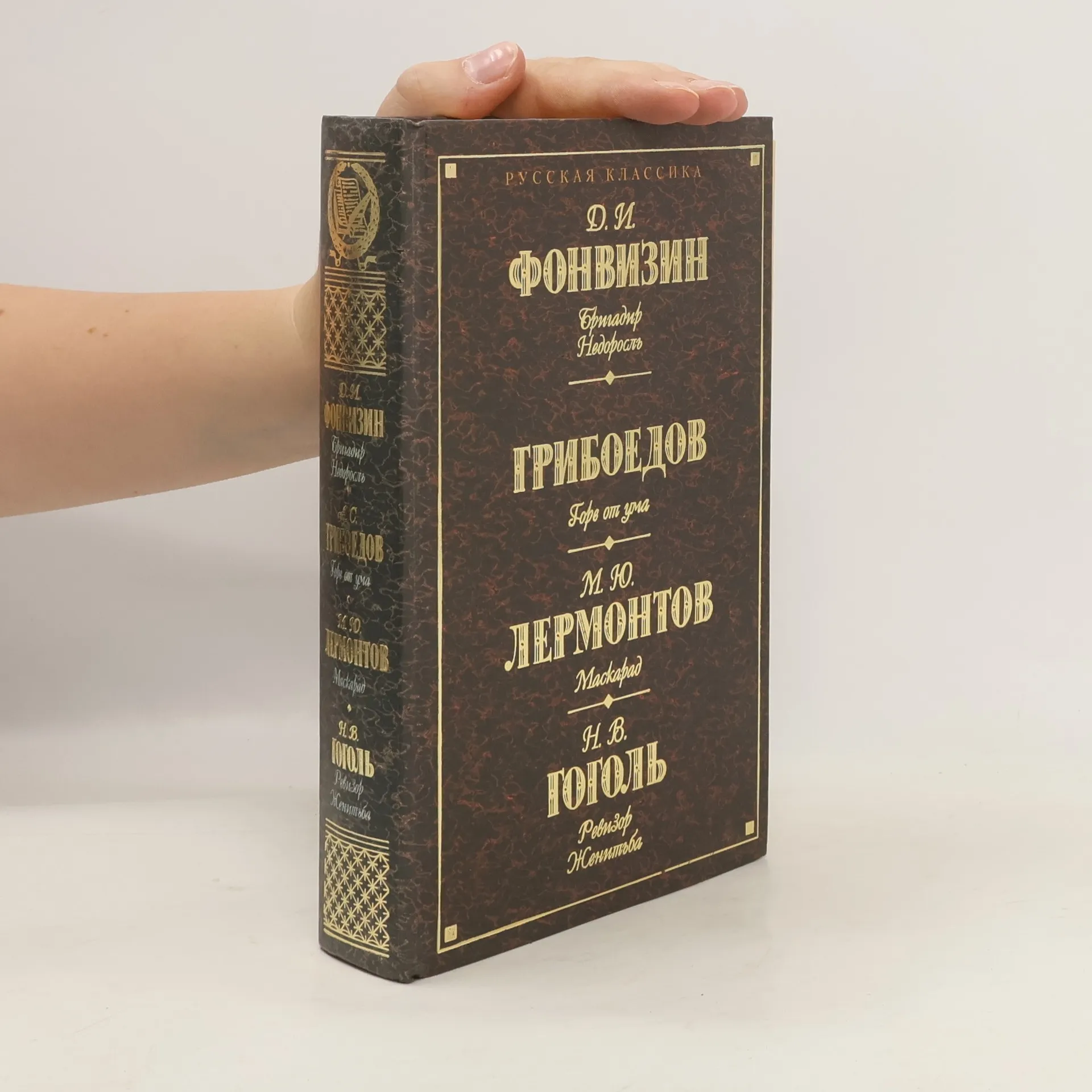
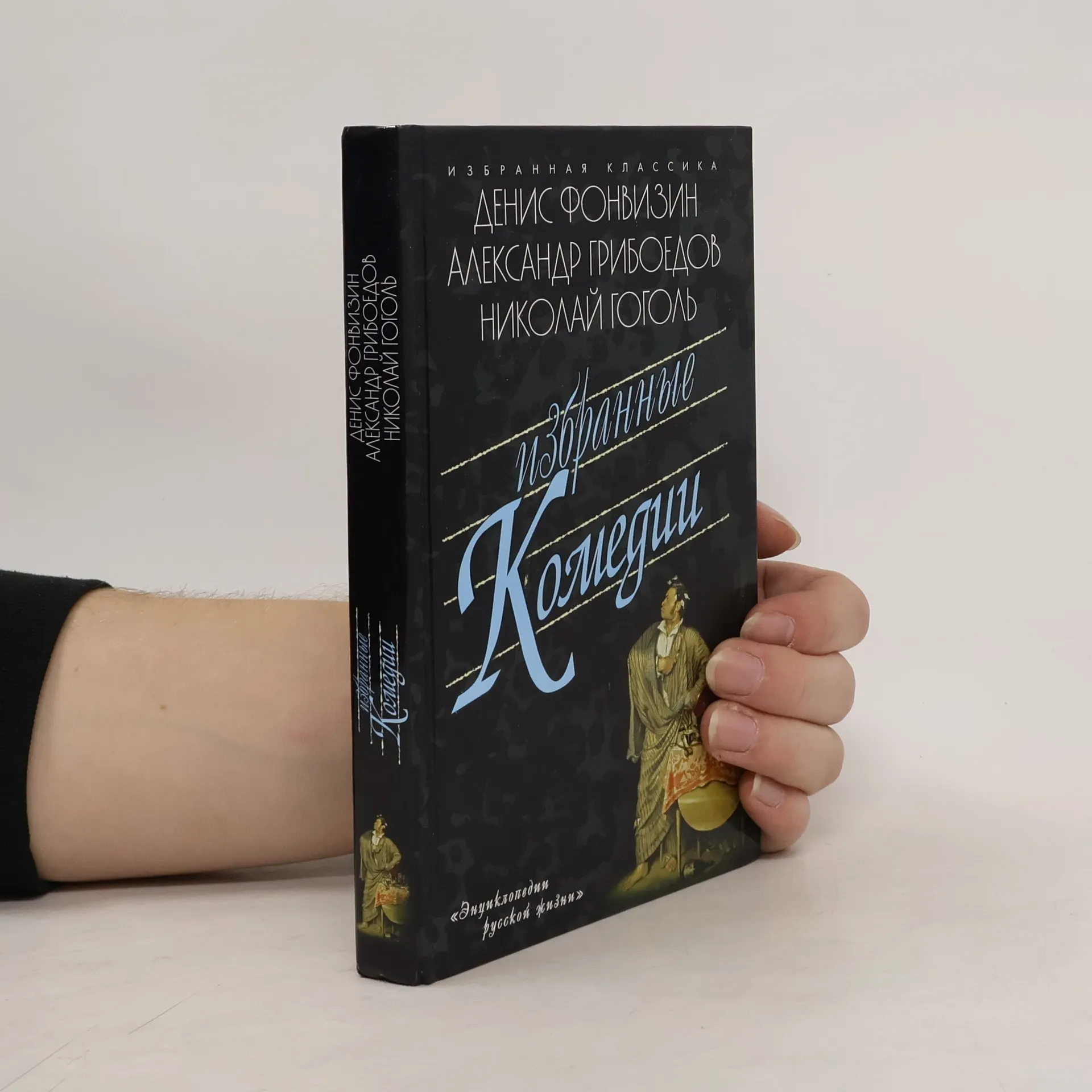
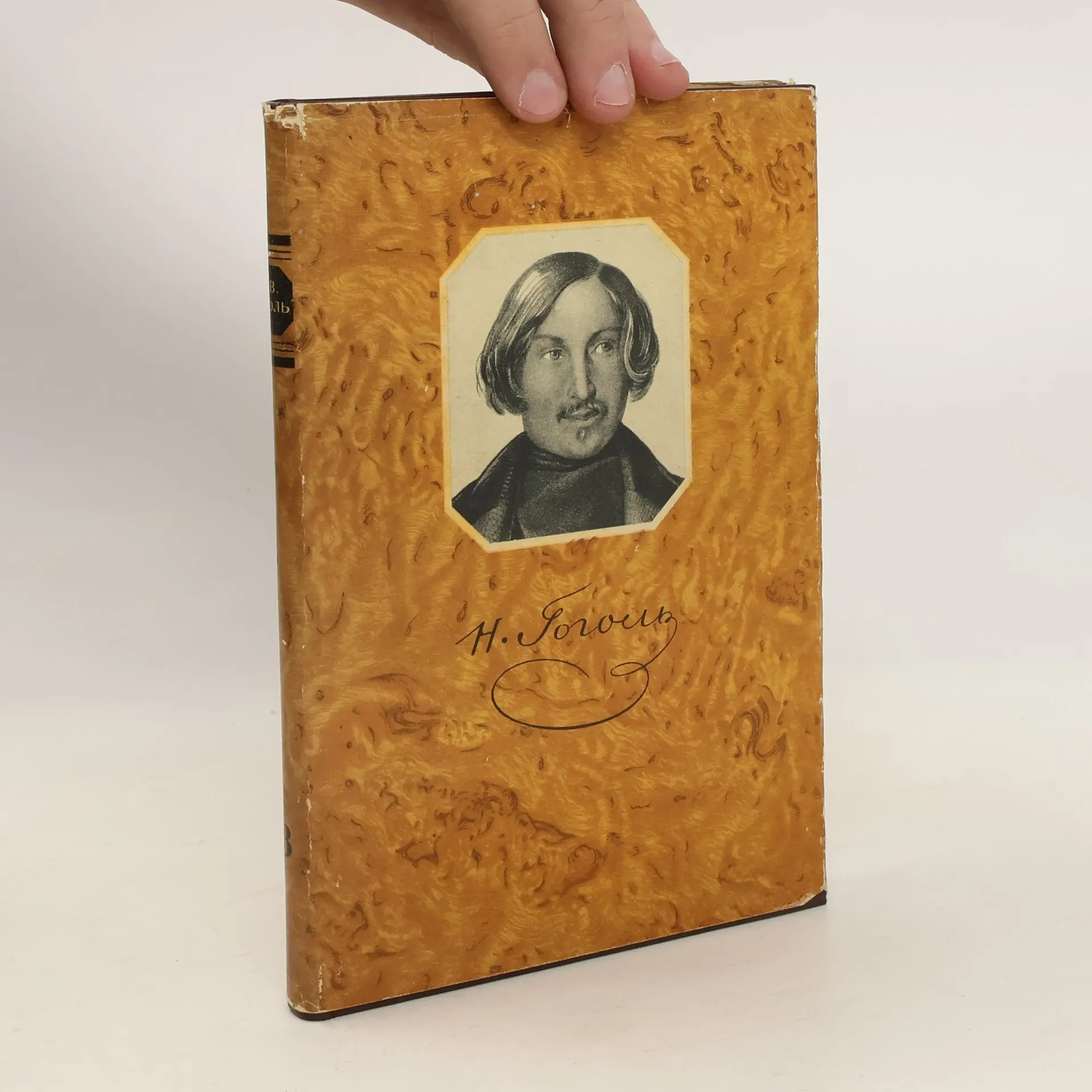
Николай Васильевич Гоголь — величайший русский писатель и драматург, чье творчество оказало значительное влияние на отечественную культуру. Его произведения любимы многими поколениями читателей, они неоднократно ставились на театральной сцене и экранизировались. «Гоголь внес в нашу литературу новые элементы, породил множество подражателей, навел общество на истинное созерцание романа, каким он должен быть; с Гоголя начинается новый период русской литературы...» (В.Г. Белинский). В настоящее издание вошли художественные произведения писателя — циклы «Вечера на хуторе близ Диканьки», «Миргород», «Петербургские повести», поэму «Мертвые души», а также пьесы «Ревизор», «Женитьба», «Игроки».
Die Nacht vor WeihnachtenIwan Fjodorowitsch Schponka und seine TanteGeschichte des Streitfalls Iwan Iwanowitsch gegen Iwan NikiforowitschAufzeichnungen eines WahnsinnigenDie NaseDie KalescheDer Mantel
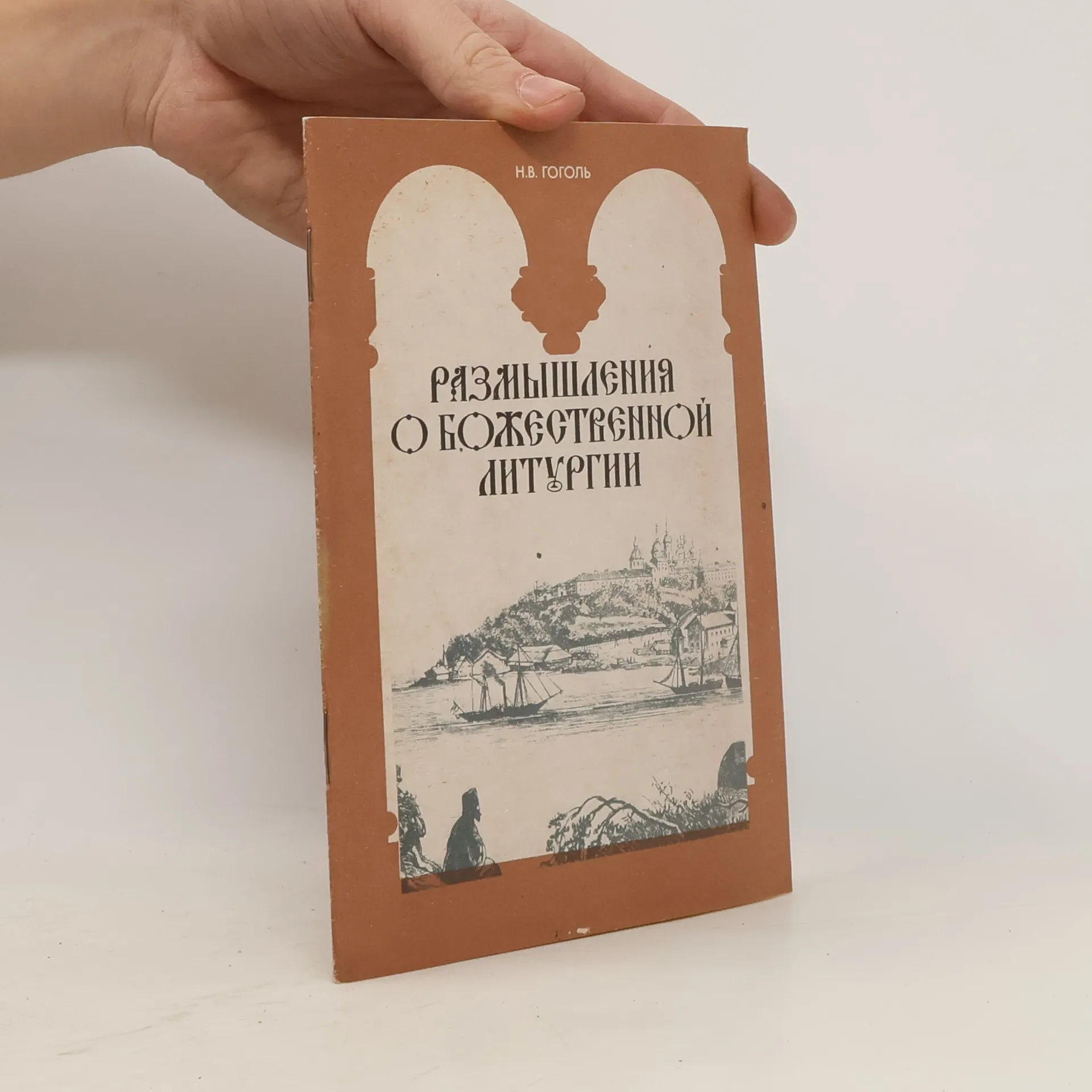
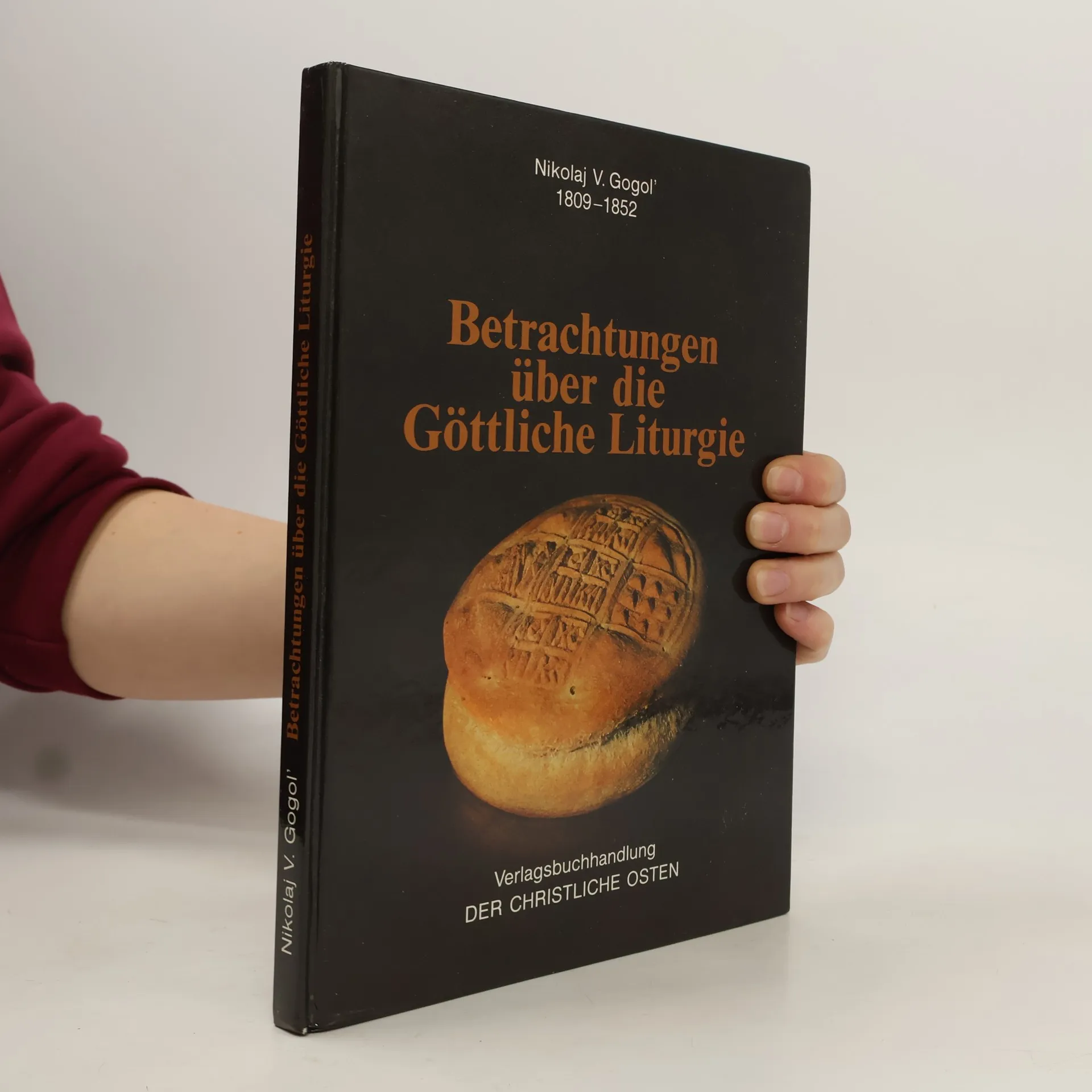
Малоизвестное произведение великого русского классика было написано во время его пребывания в Париже в 1845 году. Автор оригинальным образом раскрывает мистерию восточной литургии.
Nouvelles de Pétersbourg, Gogol - Une préparation à l'écrit et à l'oral - Résumé de chaque nouvelle - Étude des problématiques essentielles
175pages. Poche. Poche.
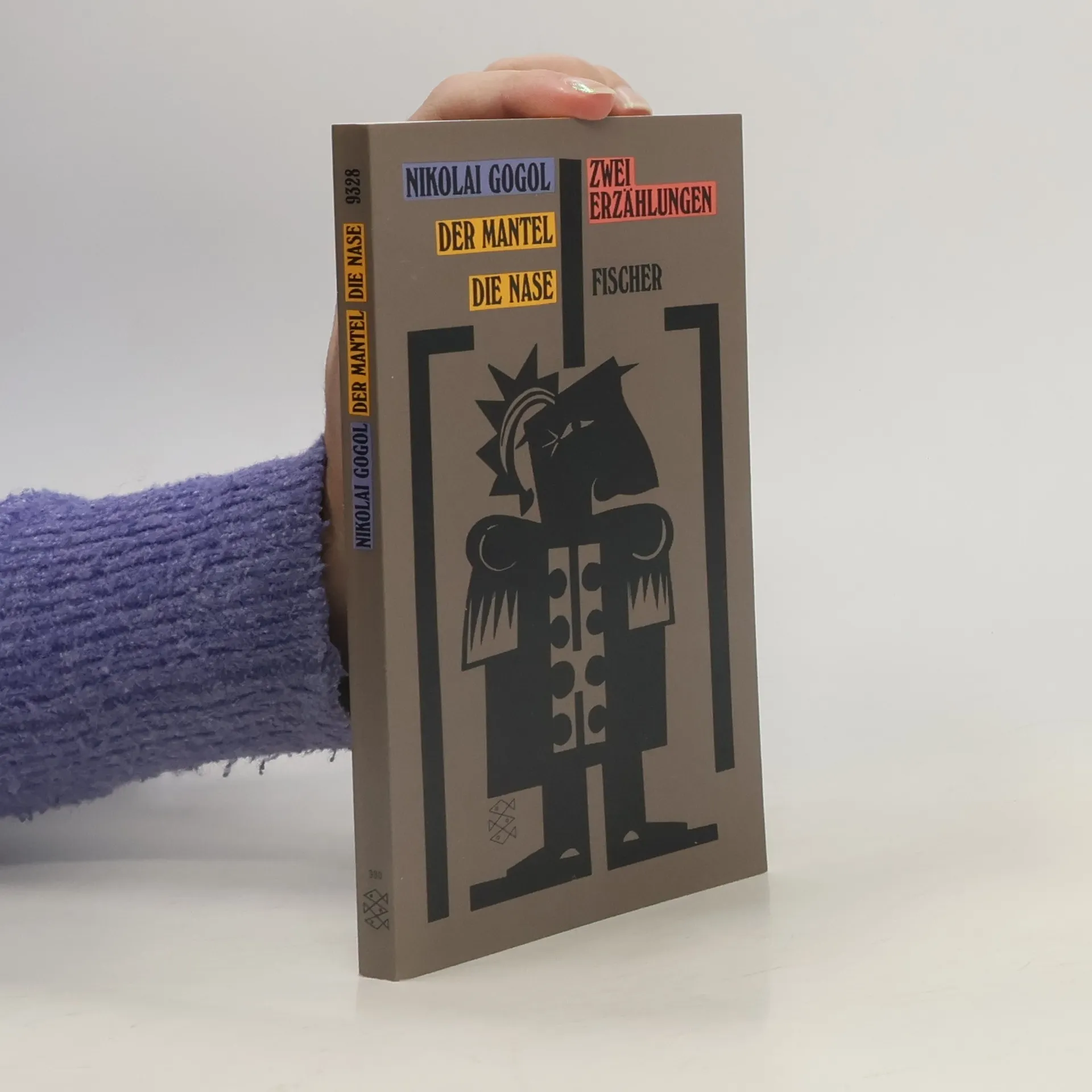
Geschichten mit Humor und archetypischen russischen Charakteren. Enthält "Der Mantel", Gogols meisterhafte Erzählung.
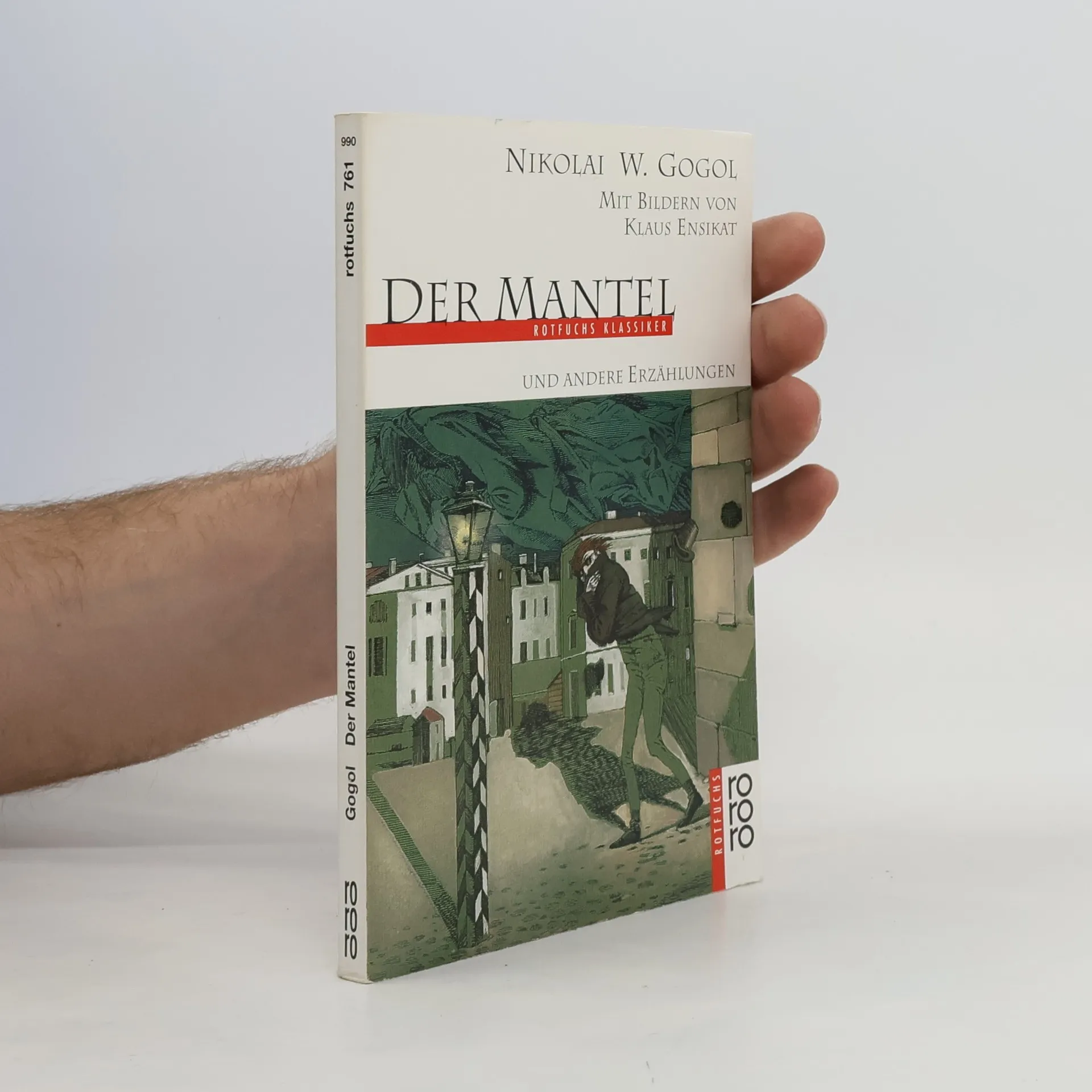
Deutsch von Josef Hahn, mit Illustrationen von Klaus Ensikat und einem Nachworte von Vladimir Nabokov. Der Titel gehört zur Reihe "Rotfuchs Klassiker" und umfasst 157 Seiten.
Ausgewählte Erzählungen aus den Novellensammlungen "Abende auf dem Vorwerke bei Dikanjka" und "Mirgorod". Auf den ersten Blick fallen die folkloristischen Elemente dieser Geschichten ins Auge, die auf ukrainischem Volksglauben und -leben basieren. Die Leser der damaligen Zeit waren vor allem von dem Humor der Erzählungen gefesselt. Doch gleichzeitig sind die Geschichten tiefer, als es auf den ersten Blick scheint. Thematisch spannt Gogol in diesen Sammlungen einen weiten Bogen. Dramatische und tragische Erzählungen wechseln sich mit idyllischen und humorvollen Berichten ab. In allen treibt das Dunkelmächte ihr gefährliches Spiel mit den Menschen, verursacht Tragödien und setzt die Idylle ständigen Bedrohungen durch den Teufel und sein Gefolge aus.
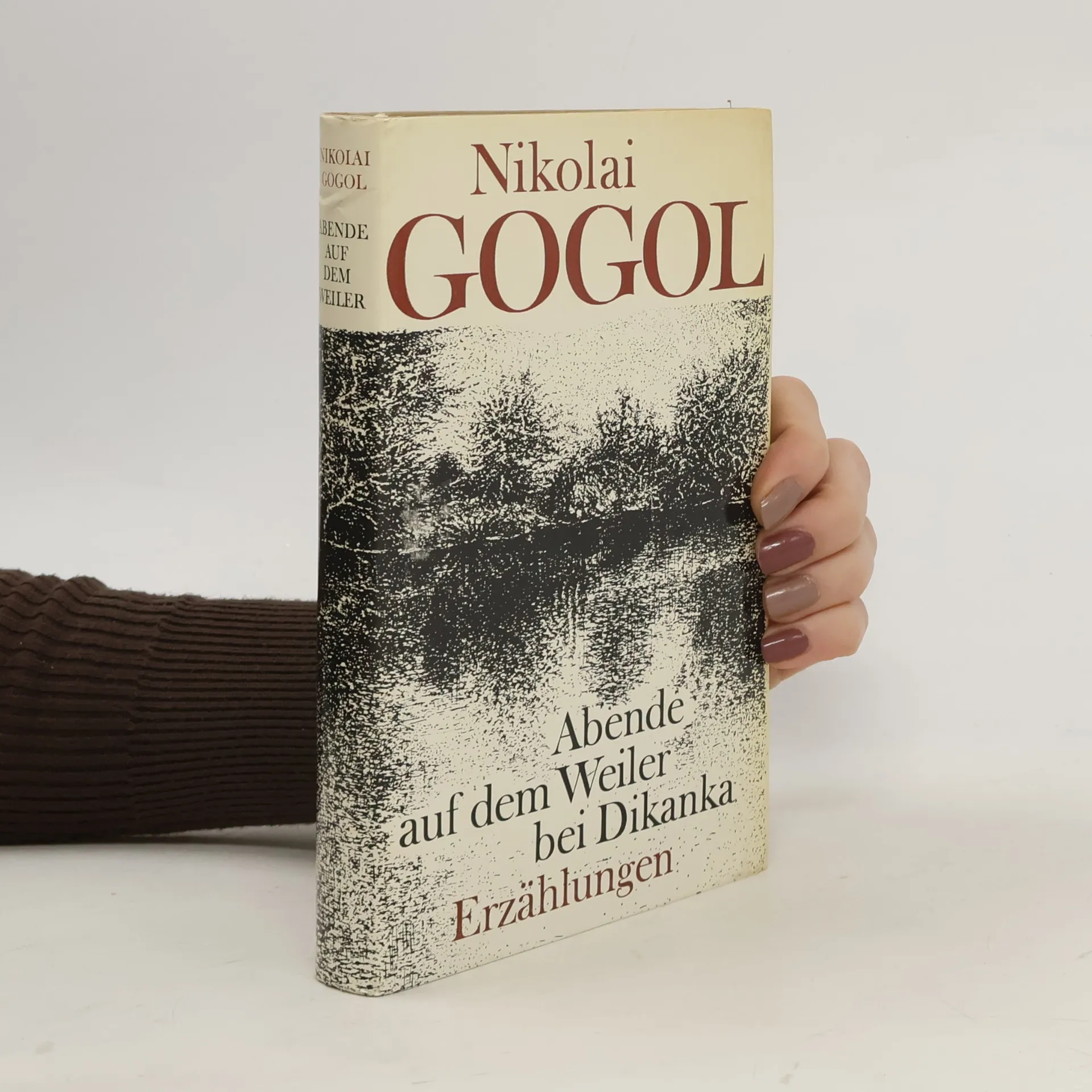
In der Reihe „Klassiker in neuer Rechtschreibung“ präsentiert Klara Neuhaus-Richter Gogols Sammlung „Abende auf dem Weiler bei Dikanka“, die 1831/32 entstand. Diese ukrainischen Erzählungen zeichnen sich durch märchenhafte Fantasie und humorvolle Darstellungen von Teufel und Hexen aus und sind ein Überraschungserfolg des Autors.
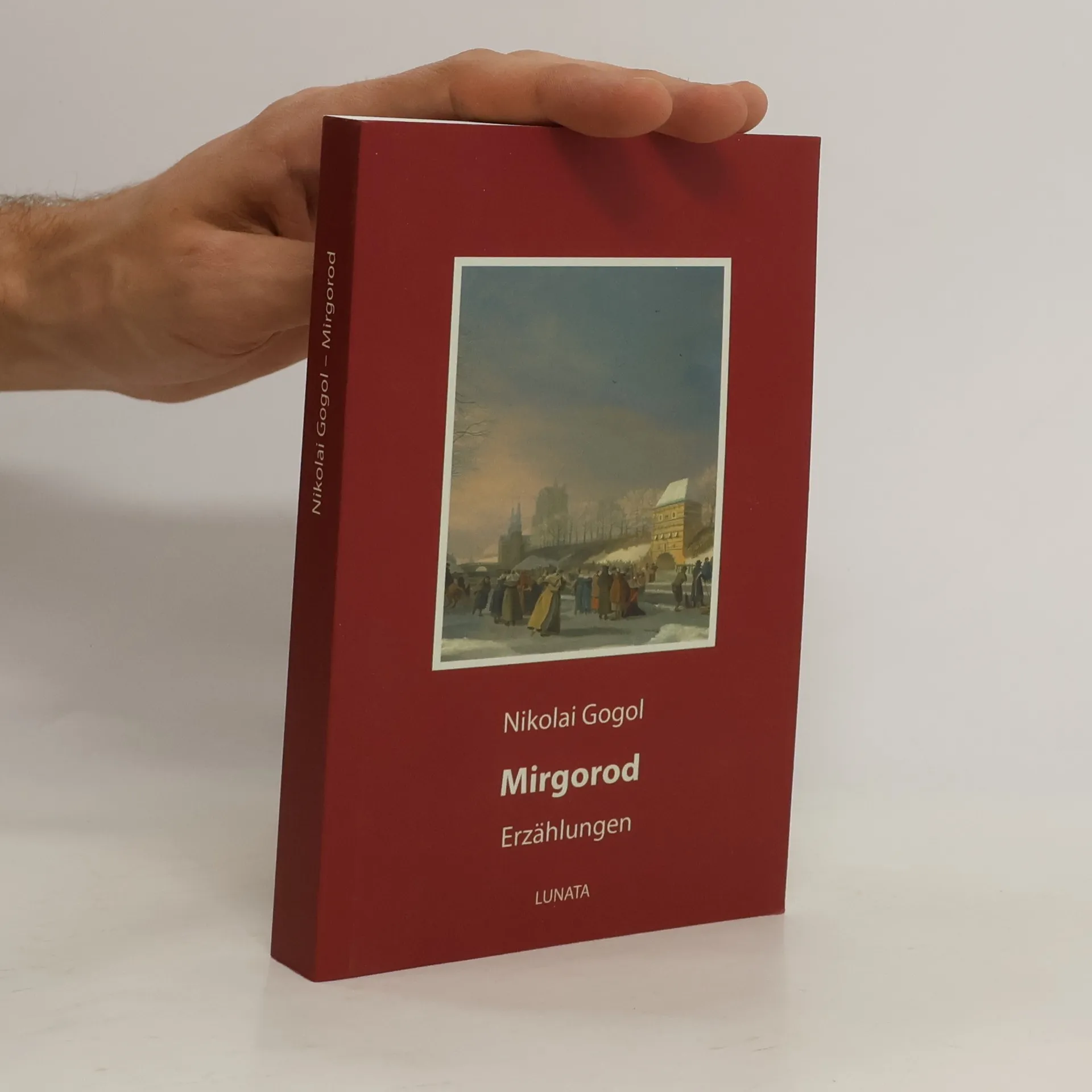
'Mirgorod' ist eine Erzählungssammlung von Nikolai Gogol, einem der bedeutendsten russischen Schriftsteller. Der Band umfasst Geschichten wie 'Gutsbesitzer aus der alten Zeit' und 'Taras Bulba' und setzt die 'Abende auf dem Gutshof bei Dikanka' fort. Die Erzählungen sind oft für Theater und Film adaptiert worden.
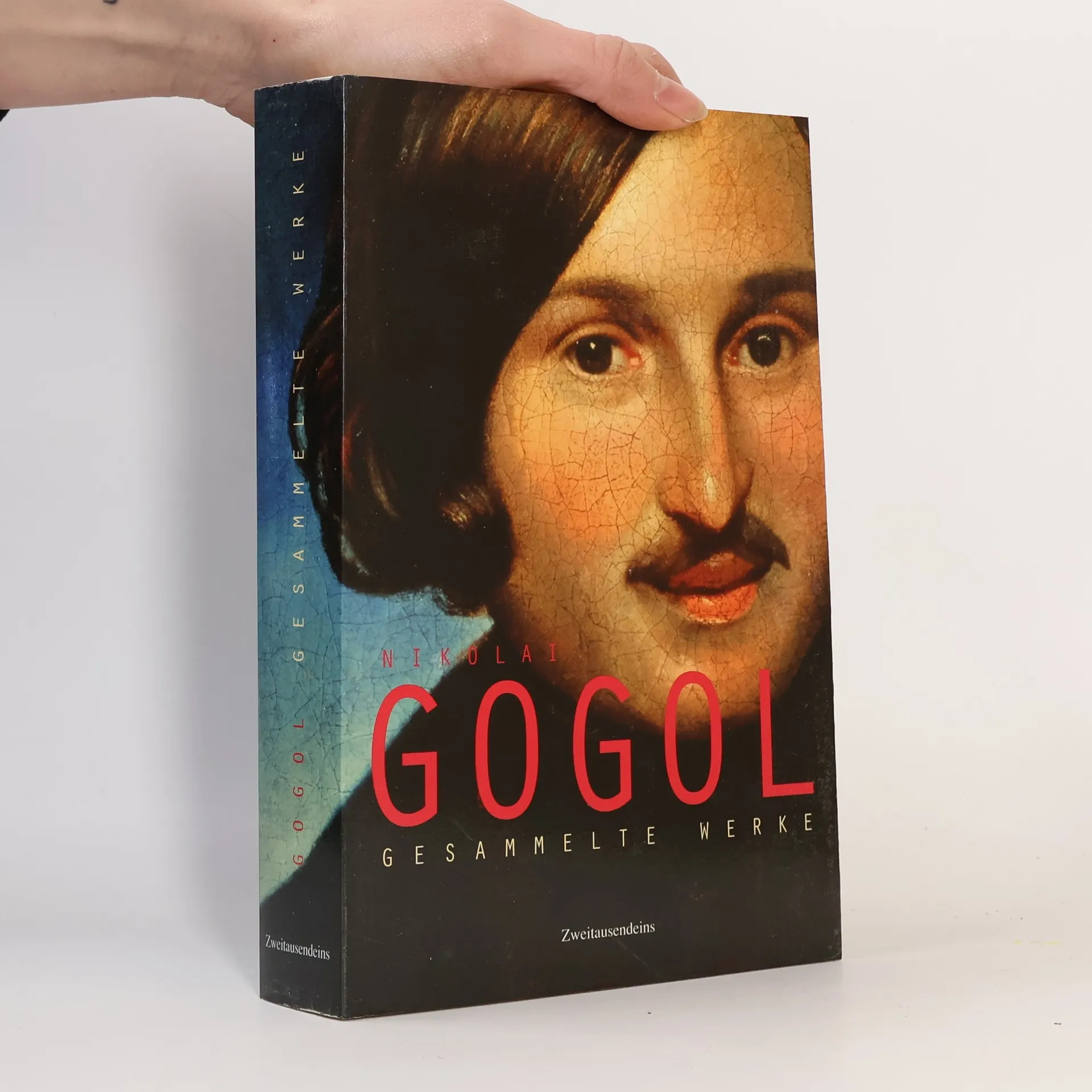
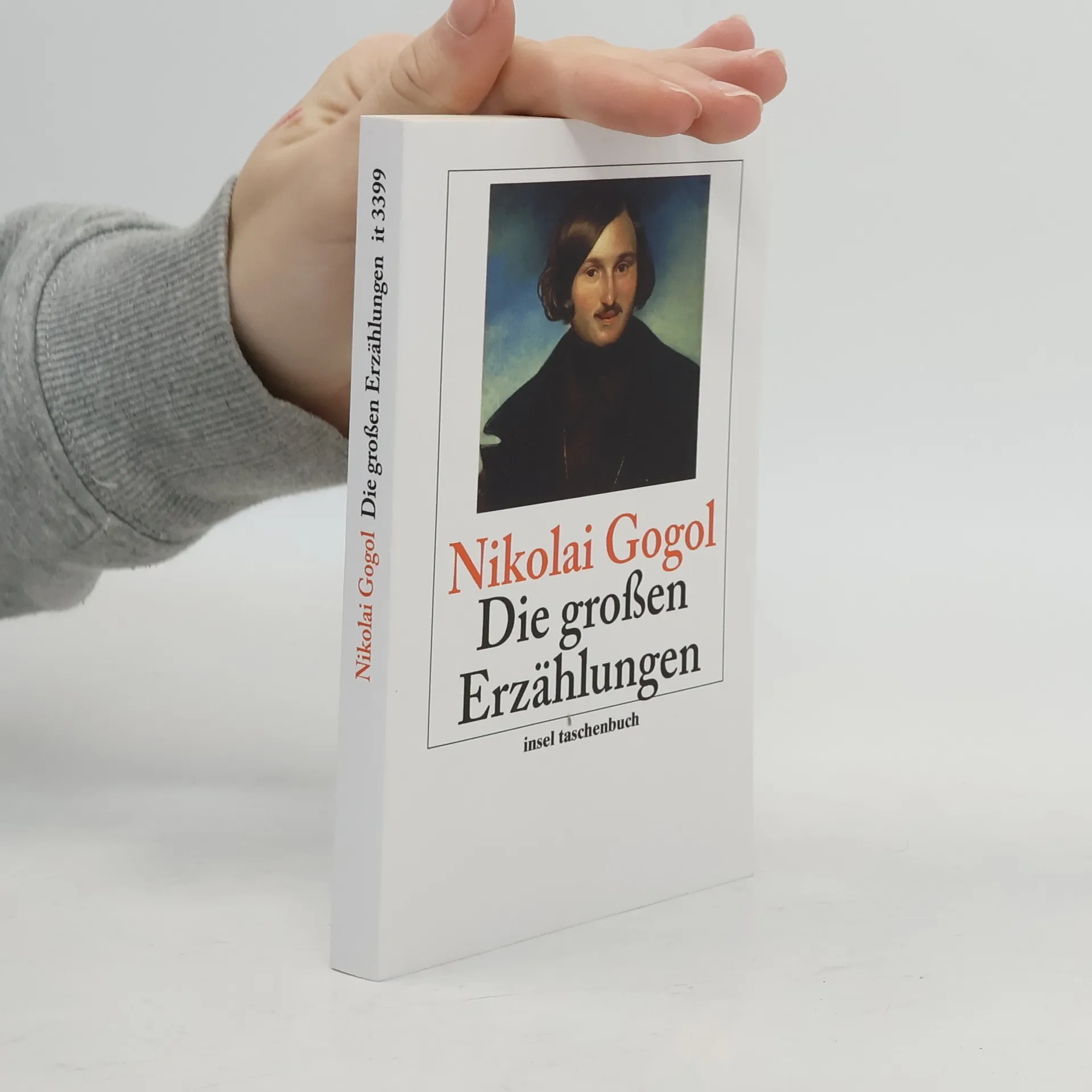
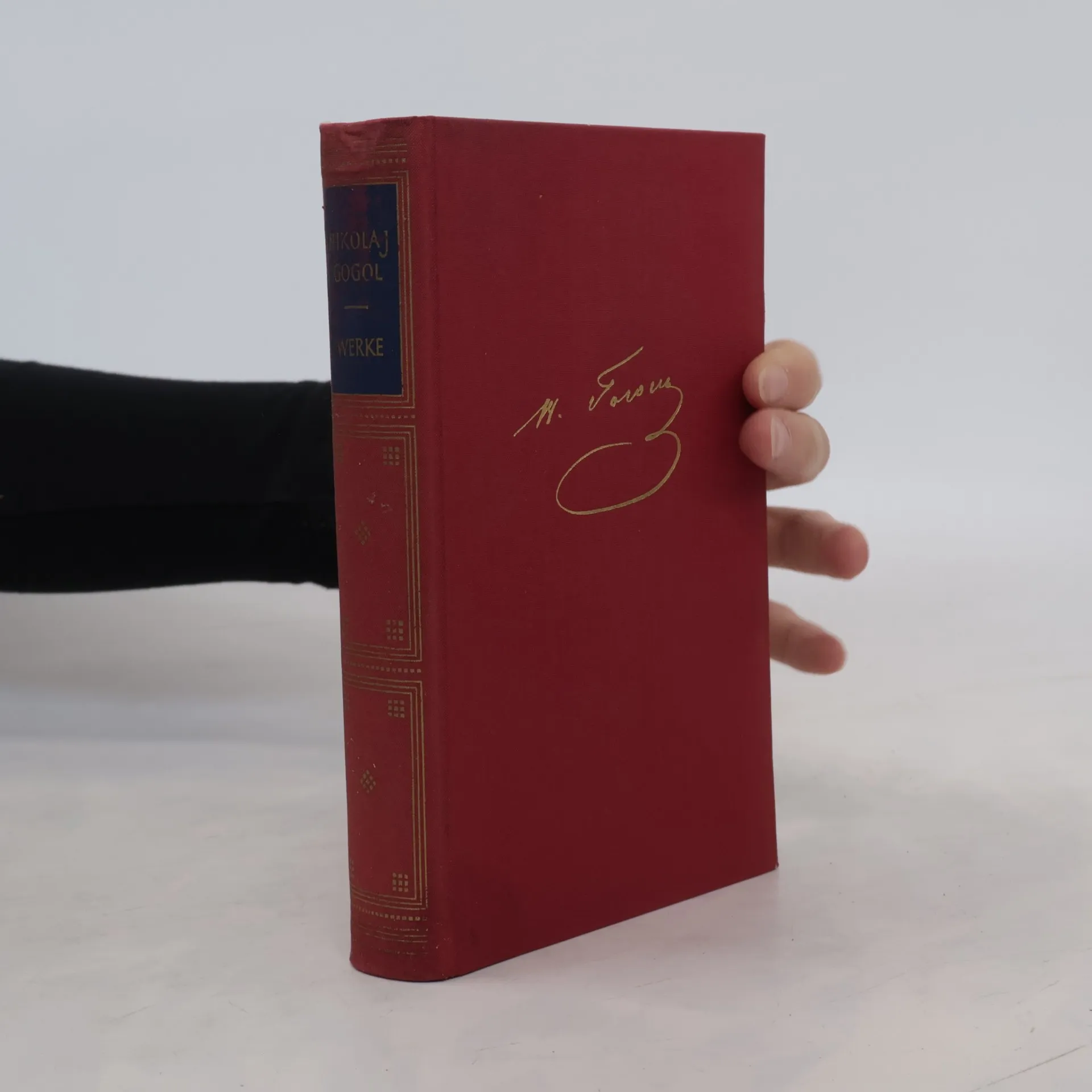
Nikolai Gogol - die wichtigsten Werke des großen Schriftstellers auf Deutsch.Taraß BulbaDer verlorene BriefDie Nacht vor WeihnachtenSchreckliche RacheDer WijPetersburger Die NaseDas PorträtDer MantelDer Newskij-ProspektAufzeichnungen eines WahnsinnigenDie Geschichte vom großen Krakeel zwischen Iwan Iwanowitsch und Iwan NikiforowitschDie toten Seelen
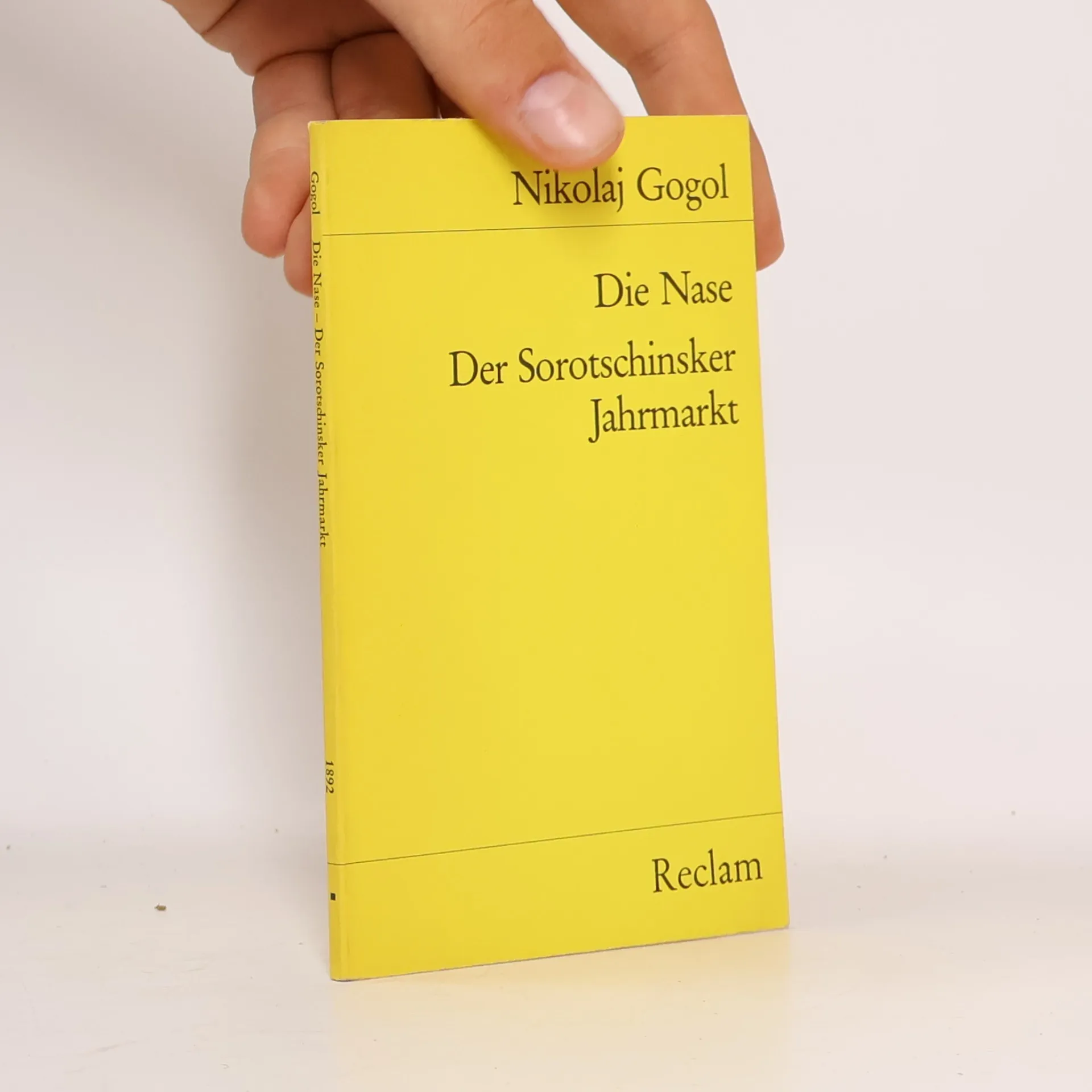
Der Sorotschinsker Jahrmarkt
Dieser Band enthält die berühmtesten Erzählungen Nikolai Gogols: die Petersburger Novellen »Aufzeichnungen eines Wahnsinnigen«, »Der Newski Prospekt«, »Die Nase«, »Der Mantel« sowie die wunderbare Erzählung »Die schreckliche Rache«.
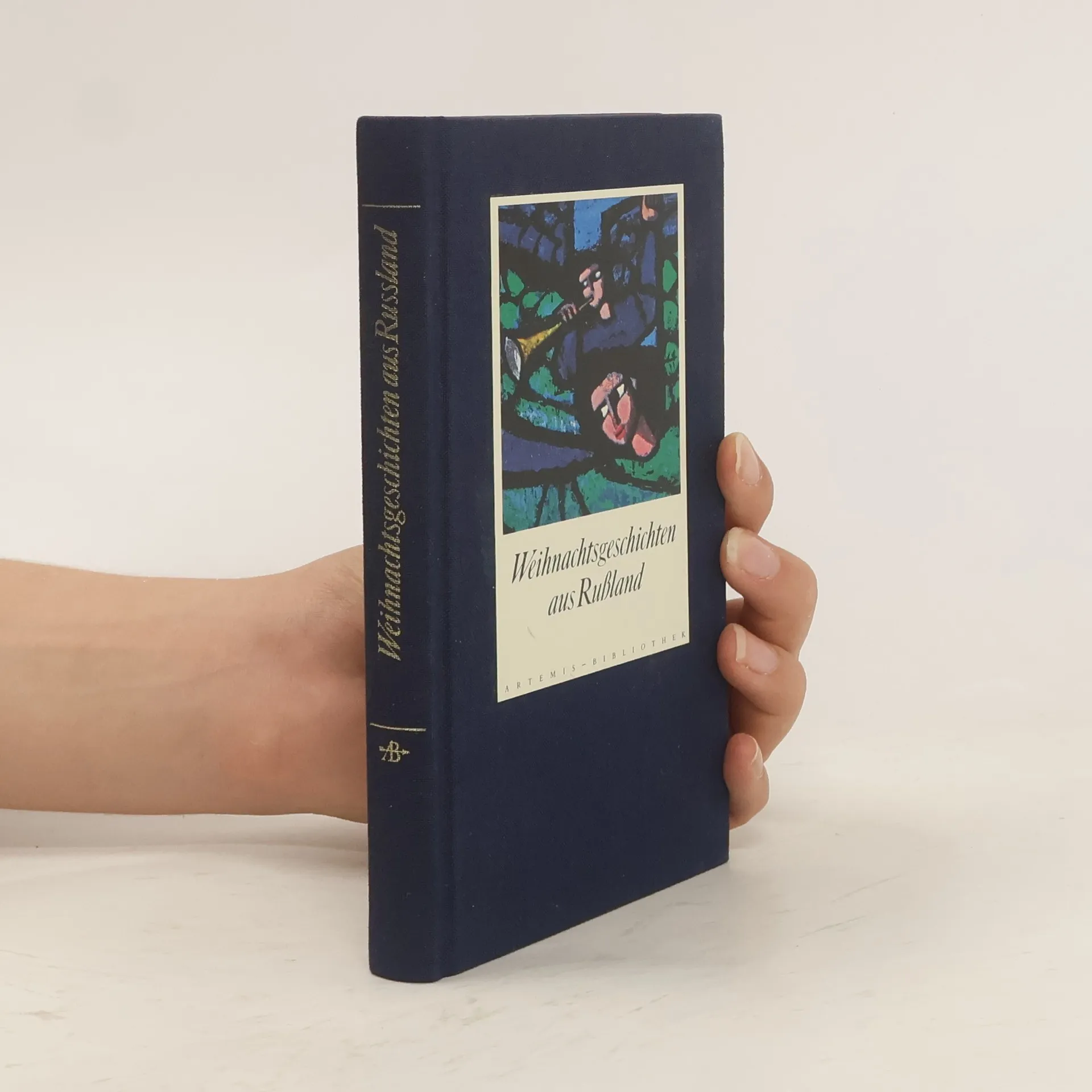
Nikolai Gogol: Die Weihnacht Fjodor M. Dostojewskij: Der Christbaum und die Hochzeit Nikolai Leskow: Das Tier Anton Tschechow: Zur Weihnachtszeit
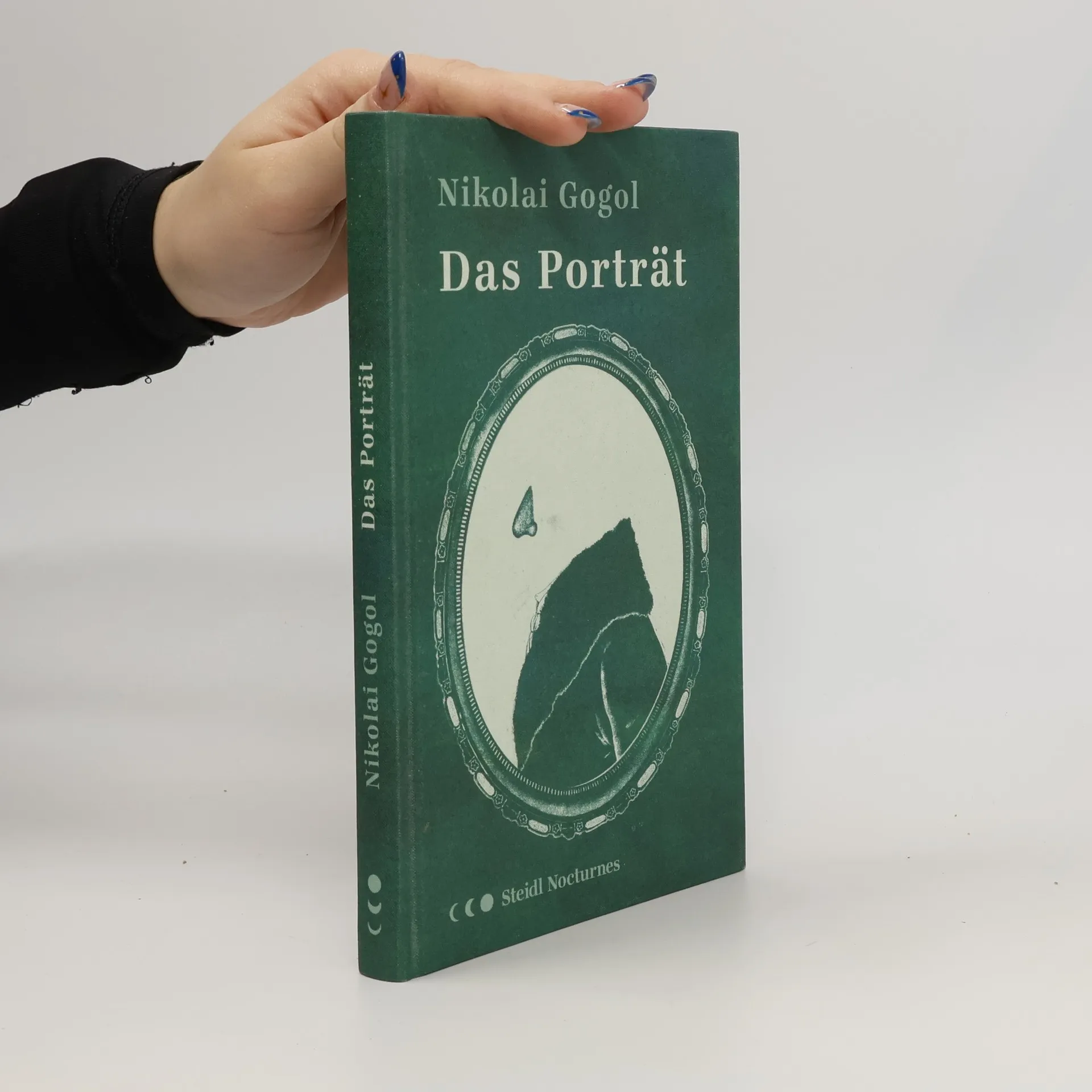
In Das Porträt erweist sich das Bildnis eines Wucherers, das der arme, begabte Maler Tschartkow im Trödelladen erwirbt, als verhängnisvoll. So wie der Wucherer alle, denen er Geld lieh, mit seinem bösen Geist erfüllte, werden auch die Besitzer seines Porträts ihres Lebens nicht mehr froh. Gogol ist in dieser Erzählung noch der hoffmannesken Schauerromantik ergeben. – In den beiden anderen Novellen des Bandes – Die Nase und Der Mantel – geht es grotesker und noch unheimlicher zu. Am Morgen des 25. März findet der Barbier Jakowlewitsch die Nase seines Kunden Kowaljow in seinem Frühstücksbrot. Im Glauben, sie Kowaljow im Rausch abgeschnitten zu haben, eilt der Barbier aus dem Haus und wirft sie in die Neva. Er wird dabei von einem Polizisten beobachtet, der ihn festnimmt und einem Verhör unterzieht. Kowaljow unterdessen stellt bei der Morgentoilette erschrocken fest, dass dort, wo seine Nase sitzen müsste, sich eine glatte Stelle befindet … Der Ministerialbeamte Akakijewitsch spart auf einen dringend benötigten neuen Wintermantel, den er sich einiges kosten lässt. An dem triumphalen Tag, da er das ersehnte Stück vom Schneider erhält, wird er vom Bürovorsteher sogar zu einem Festessen eingeladen. In der Nacht auf dem Rückweg überfallen ihn Diebe und entreißen ihm den Mantel. Der Verlust richtet ihn nach und nach seelisch und physisch zugrunde.
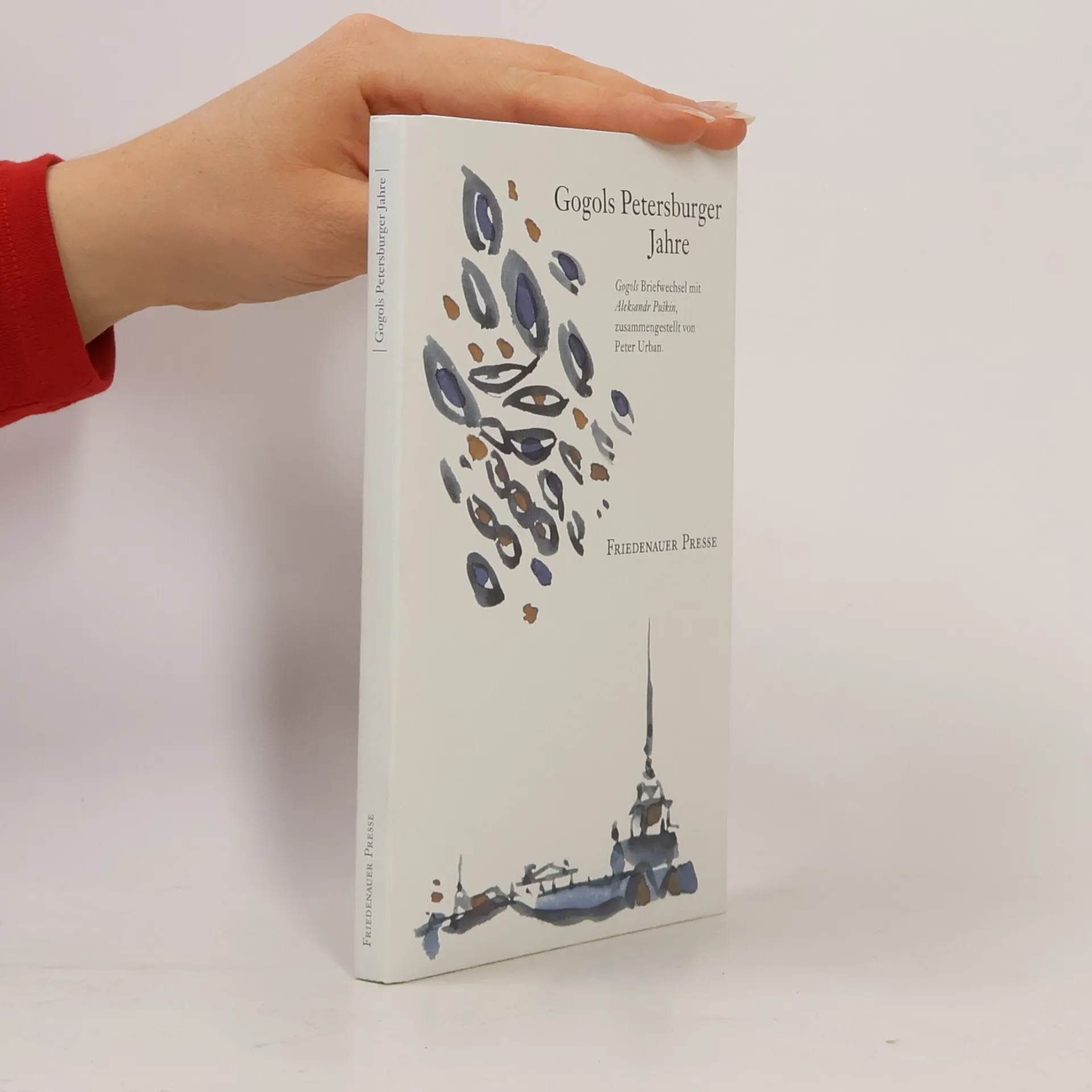
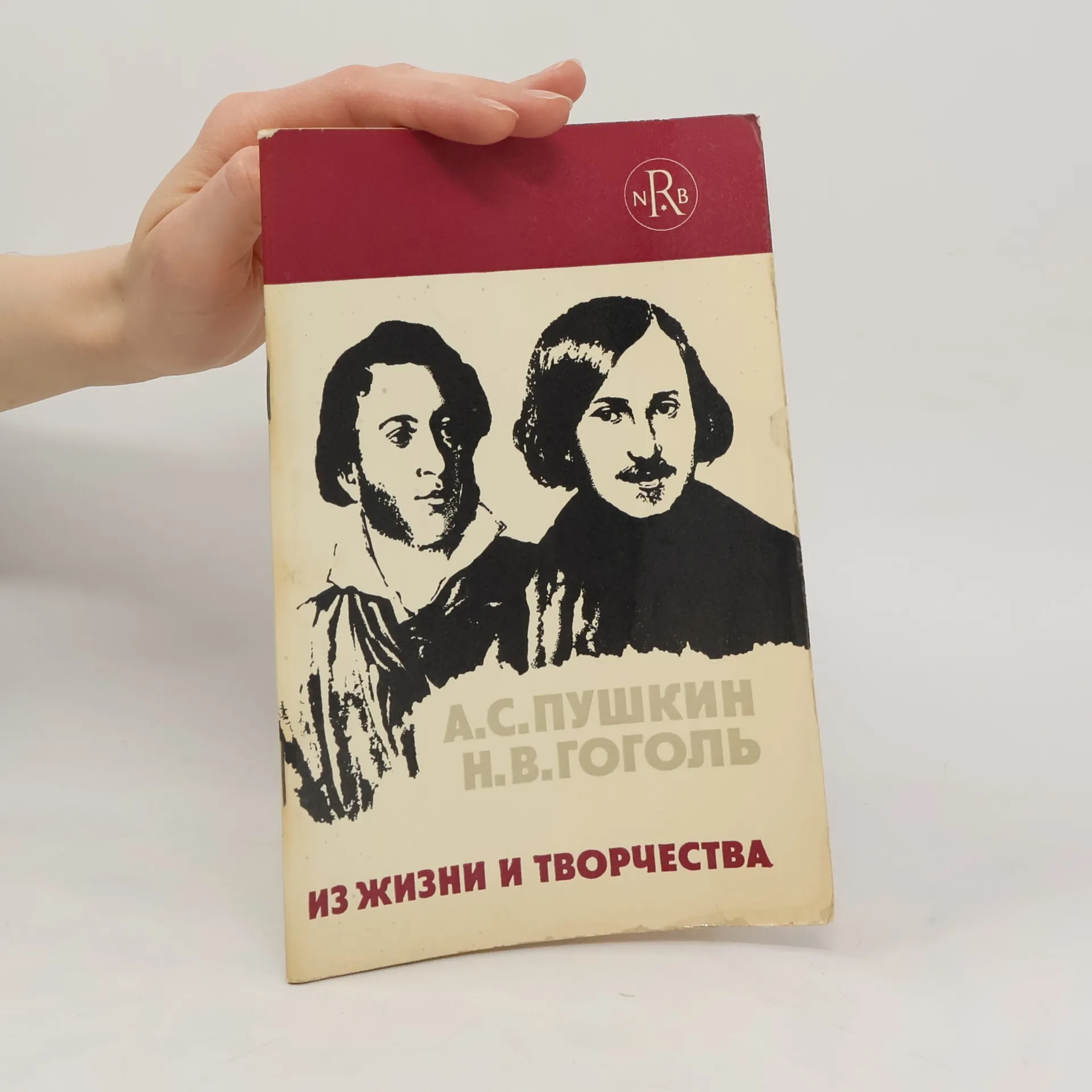
Aleksandr Puškin und Nikolaj Gogol verband eine literarisch produktive Freundschaft, die durch ihren Briefwechsel dokumentiert ist. Als sie 1830 zusammentrafen, war Puškin der bewunderte Meister, während Gogol ein schüchterner Geschichtsstudent war, der in Petersburg eine akademische Karriere anstrebte. Puškin erkannte sofort Gogols Erzähltalent und förderte ihn mit Feingefühl. Die vier Briefe von Puškin und neun von Gogol zeugen von gegenseitiger Achtung und Zuneigung, wobei beide das Talent des anderen anerkennen und feiern. Der Briefwechsel, der sich über sechs Jahre von 1831 bis 1836 erstreckt, erfasst einen historischen Moment, der entscheidend für die Entwicklung der russischen Literatur im „Goldenen Zeitalter“ war. Kaum ein bedeutender Titel dieser Zeit bleibt unerwähnt. Die Korrespondenz zeigt den Übergang von der lyrischen Dichtung, die Puškin zur Vollendung brachte, zur erzählerischen Prosa, die 1842 mit Gogols „Toten Seelen“ einen neuen Höhepunkt erreichte – ein Sujet, das Gogol von Puškin „überlassen“ bekam. Ein weiteres Zeugnis dieser Freundschaft ist Gogols Aufsatz „Einige Worte über Puškin“.
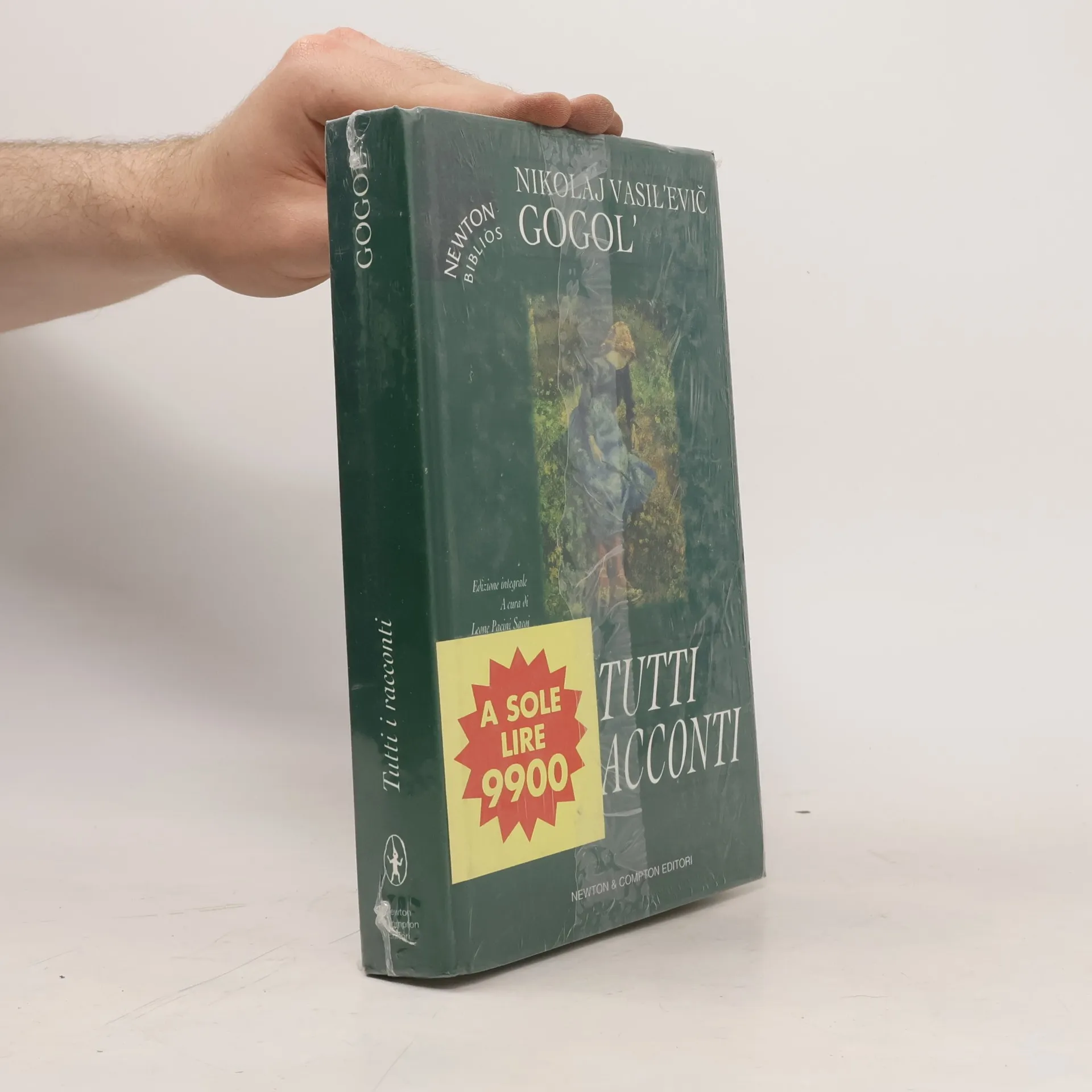
Edizione integrale. A cura di Leone Pacini Savoj
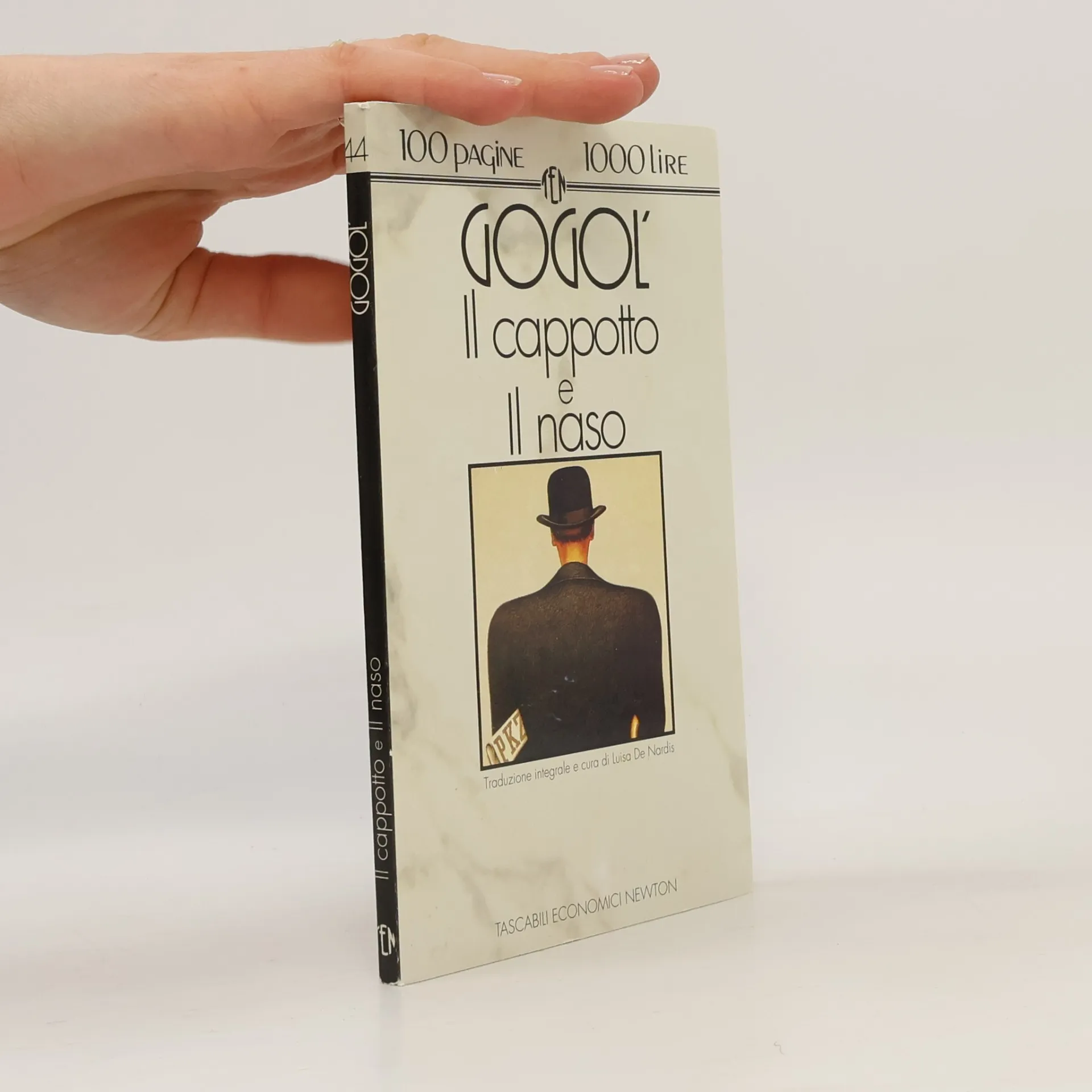
Dalle immagini romantiche del folclore popolare ucraino de Le veglie ad una fattoria presso Dikan’ka agli eventi spesso minuti e insignificanti di Mirgorod, spunto per orchestrazioni narrative in cui si esplorano attentamente tutte le dinamiche della rappresentazione; dai magici Arabeschi, in cui l’arte gogoliana raggiunge vertici altissimi, spostandosi disinvoltamente dalla creazione fantastica agli spaccati di vita pietroburghese, al grottesco che caratterizza storie come Il cappotto e Il naso, i racconti di Gogol’ rappresentano i molteplici aspetti e livelli della sua straordinaria ispirazione. E ci offrono tutte le infinite possibilità della sua immaginazione comica, gli esiti imprevedibili di una smisurata fantasia figurativa, il senso profondo della sua visione surrealista del mondo, i suoi complessi e articolati percorsi psicologici, un universo vario e multiforme di personaggi gretti e meschini protagonisti di vicende al limite del nonsenso, narrate con uno stile straordinariamente originale.
"Вечера на хуторе близ Диканьки" - первый сборник повестей Н.В.Гоголя. Он был опубликован в 1831-1832 гг. и принес автору внезапную славу. Известные литераторы приветствовали восходящую звезду отечественной словесности. А.С.Пушкин, пораженный талантом молодого писателя, с восторгом отзывался о книге: "Вот настоящая веселость, искренняя, непринужденная, без жеманства, без чопорности. А местами какая поэзия! Какая чувствительность!" Этот сборник оказался и самой светлой книгой Гоголя, любимой многими поколениями читателей. Том 1 - 1831 г. Сорочинская ярмарка Вечер накануне Ивана Купала Майская ночь, или Утопленница Пропавшая грамота Том 2 - 1832 г. Ночь перед Рождеством Страшная месть Иван Федорович Шпонька и его тетушка Заколдованное место
Der Newskijprospekt. Aufzeichnungen eines Wahnsinnigen. Die Nase. Der Mantel
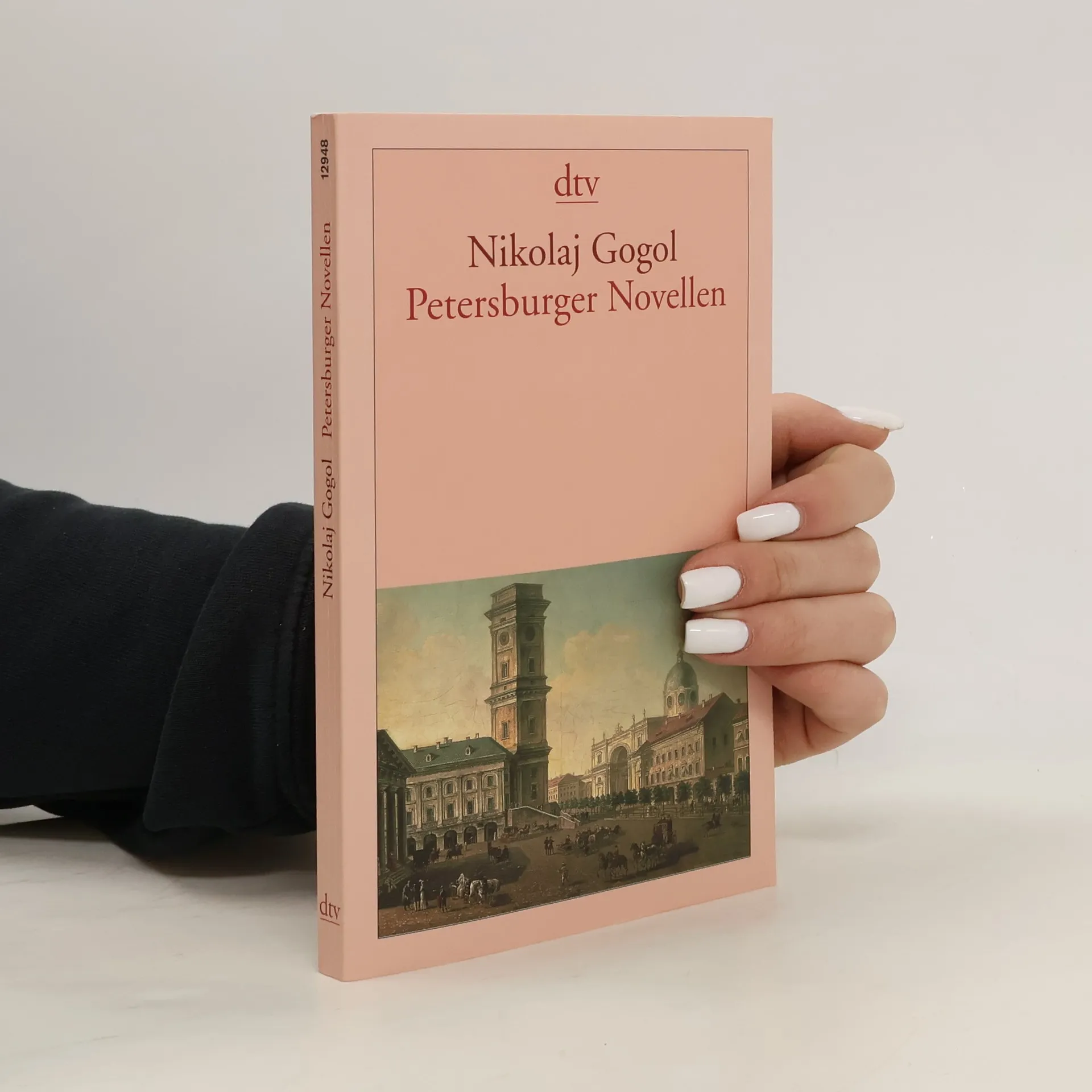
Der Newskijprospekt. Aufzeichnungen eines Wahnsinnigen. Die Nase. Der Mantel Romantische Phantastik und sozialkritischer Realismus kennzeichnen jene berühmten vier Erzählungen Nikolaj Gogols, die als ›Petersburger Novellen‹ in die Literaturgeschichte eingegangen sind. Bereits der Titel zeigt an, daß man den Meister der Groteske an einem ungewohnten Schauplatz findet: seiner virtuosen Darstellung der bäuerlichen und provinziellen Welt in ›Die Toten Seelen‹ folgt jetzt die Beschreibung der Großstadt als Symbol der Moderne. In der Novelle ›Der Newskijprospekt‹ (1835) schildert Gogol die sich im Lauf des Tages verändernde Physiognomie der legendären Prachtstraße Petersburgs und läßt die Diskrepanz zwischen mondän-glückversprechendem Schein und seelenloser Wirklichkeit offenkundig werden. Mag das Absurde in den tagebuchartigen ›Aufzeichnungen eines Wahnsinnigen‹ (1935) noch durch den fortschreitenden Prozeß der geistigen Verwirrung des Titularrates Popristschin motiviert erscheinen, so ist es in der berühmten Novelle ›Die Nase‹ (1836/42) bereits zur inhumanen »Realität« geworden. Den Abschluß der ›Petersburger Novellen‹ bildet ›Der Mantel‹ (1842), Gogols reifstes Meisterwerk, »eine Groteske, in der sich die Mimik des Lachens mit der Mimik der Trauer abwechselt« (B. Ejchenbaum).
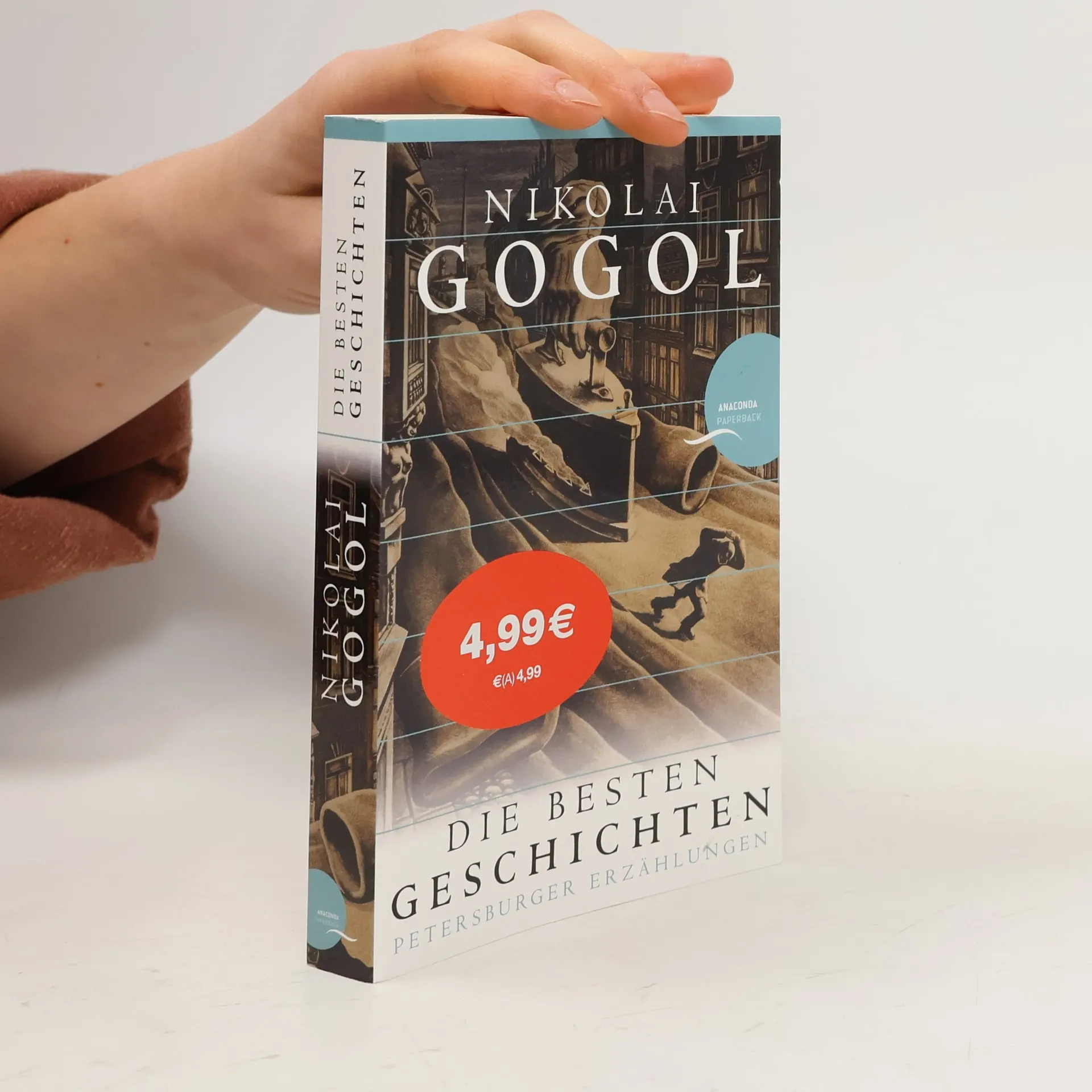
Eine Nase entweicht ihrem Besitzer und geht promenieren; ein verarmter Maler findet jede Menge Golddukaten im Rahmen eines Porträts; die Anschaffung eines neuen Mantels wird einem Kopisten zum Verhängnis – in den Geschichten von Nikolai Gogol geschehen seltsame und auch zunehmend unheimliche Dinge. Wie sich zeigt, hat dabei der Teufel gern seine Finger im Spiel. Gogol war ein Meister im Spiel mit Wirklichkeit und Phantastik. Dieser Band enthält die Novellen »Der Newski-Prospekt«, »Die Nase«, »Das Porträt«, »Der Mantel« und »Aufzeichnungen eines Wahnsinnigen«.
Erbauliche Aufsätze und Reden über Puschkin und seine Bedeutung für Russland und seine Künstler.
Lachtränen garantiert! Gogols Stück über den trägen Hofrat Podkoljossin mit seiner ausgeprägten Angst vor der Ehe sprüht nur so vor Sprach-, Charakter- und Situationskomik. Podkoljossins umtriebiger Freund, die Heiratsvermittlerin, die Braut und ihre abgewiesenen Freier verursachen einen Wirbel absurder Ereignisse - kann sich der Held durch einem Sprung aus dem Fenster retten?
Die Sammlung umfasst verschiedene Erzählungen, darunter "Der Jahrmarkt von Ssorotschinzy", "Die Johannesnacht", "Der verlorene Brief", "Die Mainacht", "Furchtbare Rache", "Die Nacht vor Weihnachten", "Der Wij", "Die Nase" und "Der Mantel".
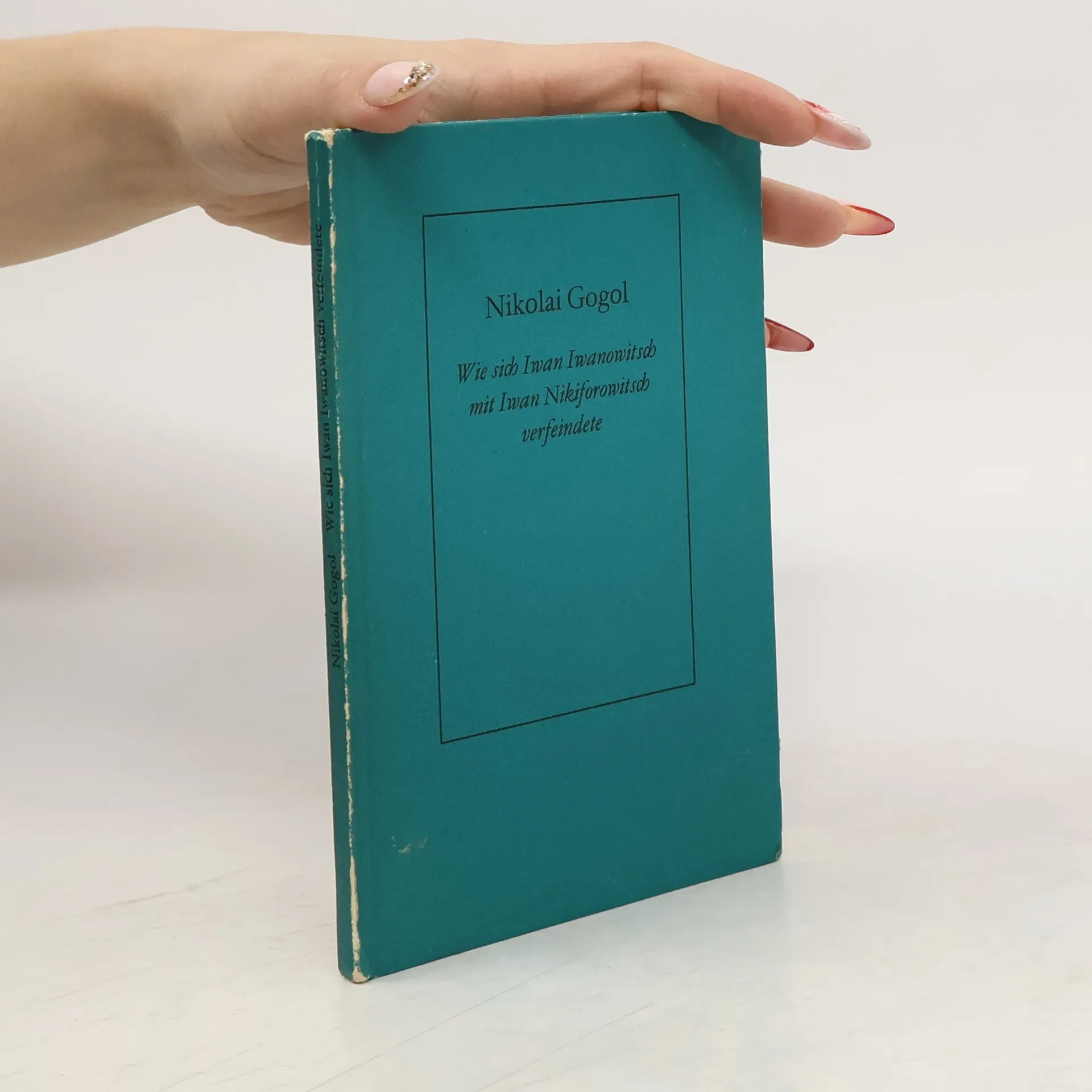
Iwan Iwanowitsch und Iwan Nikiforowitsch aus der Stadt Mirgorod waren ein Leben lang gute Nachbarn und von ihren Mitbürgern hoch geehrt, nicht zuletzt ob der einträchtigen Freundschaft, die sie auf das herzlichste verband. Doch das friedfertige Beisammensein der beiden nahm ein jähes Ende, als sich Iwan Iwanowitsch, dieser »prachtvolle Mensch«, in den Kopf setzte, Iwan Nikiforowitschs altes Gewehr gegen sein braunes Schwein einzuhandeln. Iwan Nikiforowitsch jedoch wollte lwan lwanowitschs braunes Schwein nicht und nannte Iwan Iwanowitsch einen »Gänserich«. So brach ein Streit aus, der immer heftiger wurde und dazu führte, daß sich die beiden völlig entzweiten. Ein Streit, den kein Gericht zu schlichten vermochte, der Ungeheuerliches nach sich zog und Jahrzehnte währen sollte ...
Gioielli del realismo grottesco di Gogol’, questi racconti sono tra i più significativi esiti della sua fantasia figurativa smisurata e della sua visione surrealista del mondo. Nel gelo di Pietroburgo, una città livida e ostile, è ambientato Il cappotto : è la triste vicenda di un impiegato mite e remissivo, deriso dai colleghi, eternamente sottomesso, che viene derubato del cappotto, comperato dopo spaventosi sacrifici. L’indifferenza e l’egoismo degli altri lo finiranno, ma imprevedibile sarà la vendetta studiata dall’autore. Ne Il naso , spesso ritenuto un puro divertissement, l’incredibile avventura dell’assessore collegiale Kovalëv, che si sveglia un bel mattino senza naso, offre all’autore l’opportunità di muoversi liberamente tra le infinite possibilità dell’immaginazione comica. Chiude il volume il racconto Il calesse , che prende l’avvio da una festa nella piccola cittadina di B.
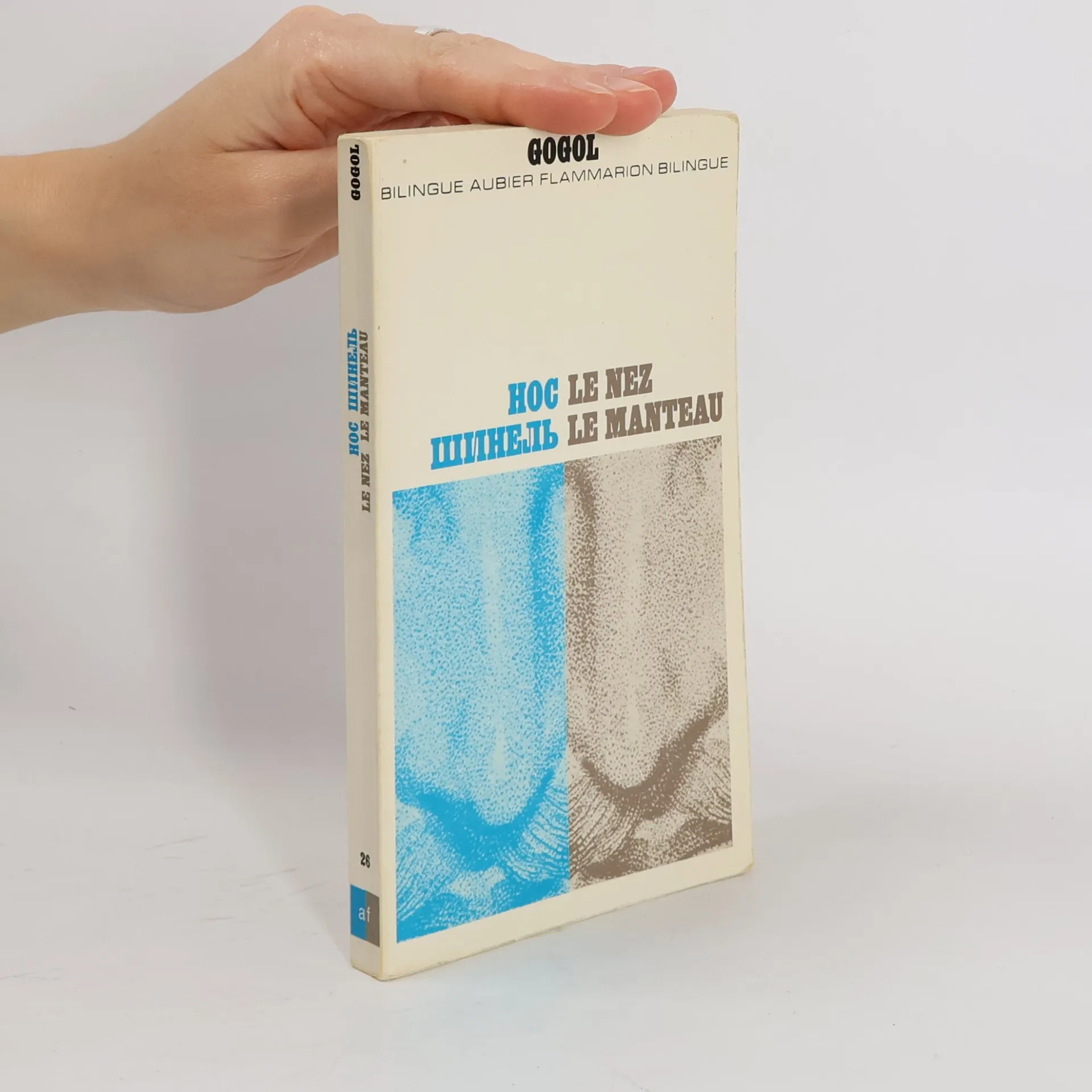
Il se passe vraiment des choses extravagantes à Pétersbourg ! On raconte qu'un matin, alors qu'il jetait un coup d'œil dans son miroir, l'assesseur de collège Kovaliov a découvert qu'il avait perdu son nez et que, depuis, le nez circule en ville paré du grade de conseiller d'Etat. Le bruit court aussi qu'un fantôme, dit-on, arrache aux passants leur pelisse en prétextant qu'il recherche un manteau volé. Tout cela est parfaitement invraisemblable. Et pourtant...
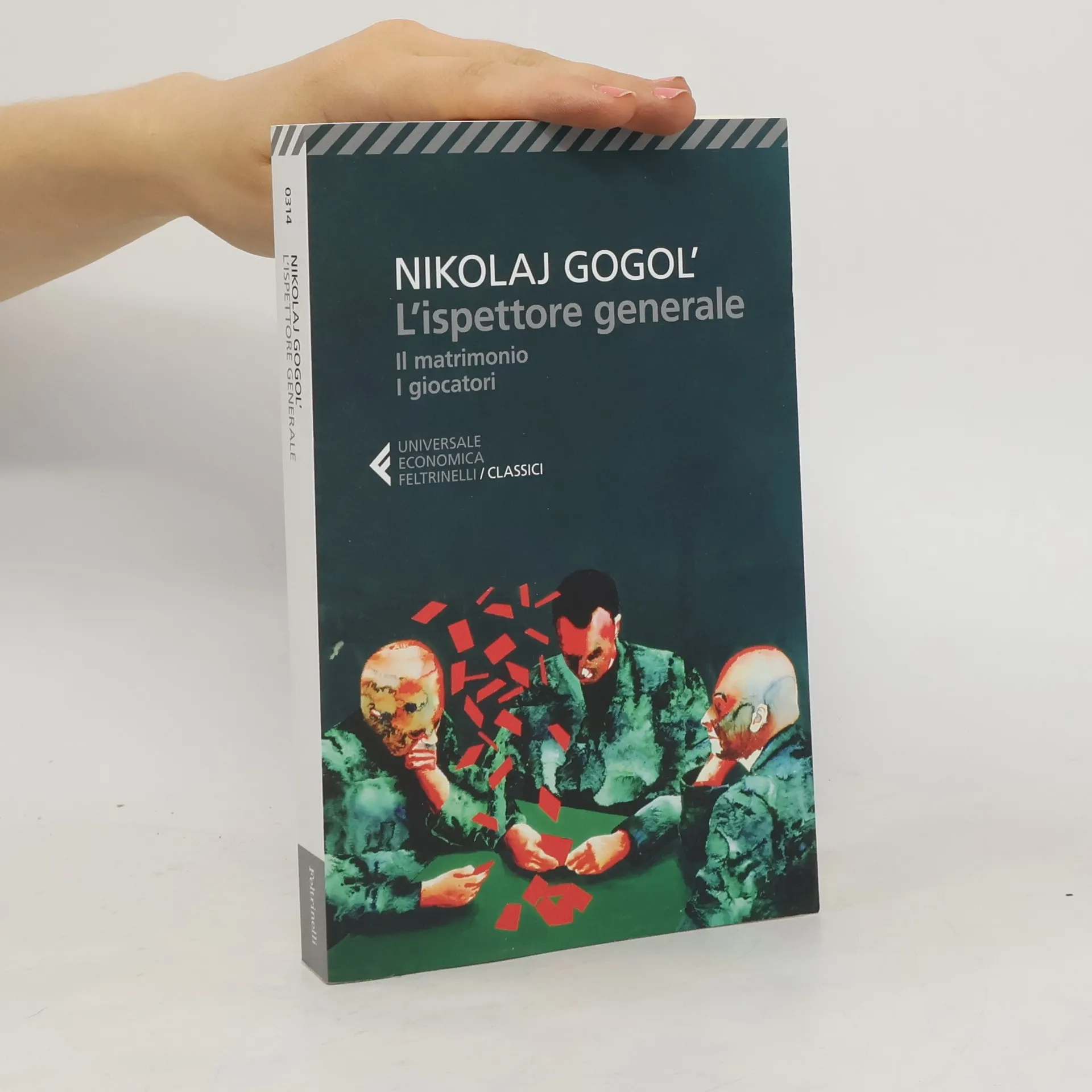
"Indubbiamente il viaggio era un motivo dominante dell'esistenza di Gogol', che da vero Wanderer romantico ne aveva fatto la ragione stessa della propria esistenza. Autentico scrittore on the road, era in grado di scrivere in carrozza, nelle sale comuni delle locande, nelle stazioni di posta [...]. Tra l'arrivo e la partenza sulla scena gogoliana dominano la paura (L'ispettore generale), l'angoscia (Il matrimonio) e la noia (Igiocatori). L'ispettore generale è a ragione considerata la commedia incentrata sul gusto per la rappresentazione che caratterizza tutta la produzione di Gogol' [...]. Ma, al di là della componente comica, nell'Ispettore generale tutti hanno paura: il podestà, i burocrati della città, lo stesso Chlestakov. E una paura viscerale, legata a ragioni pratiche di sopravvivenza, ma è anche una paura metafisica, legata a ragioni esistenziali più profonde. [...] L'ansia dell'accoppiamento e della riproduzione pervade ovviamente tutto II matrimonio, con il suo corollario di orrore del femminile sessuato che possiamo rintracciare nell'opera gogoliana nel suo complesso [...]. Il mostro che occhieggia dietro la superficie puramente comica dei Giocatori è invece quello forse più temuto dallo scrittore, la noia." (dall'introduzione di Serena Prina)
Das berühmte, klassische Weihnachtsmärchen | Neu übersetzt und farbig illustriert | Das perfekte Geschenk zu Weihnachten
›Die Nacht vor Weihnachten‹, eine Erzählung Nikolai Gogols, neben Dostojewski und Tolstoi einer der bedeutendsten Scrhiftsteller der russischen Literatur. In dem verschneiten ukrainischen Dörfchen Dikana treiben der Teufel und die Hexe Solocha in einer finsteren Nacht ihr Unwesen. Der Teufel will sich rächen an dem gutmütigen Schmied Wakula, der die schöne Oxana begehrt, dafür dass dieser sein Antlitz verhöhnte. Oxana hingegen verschmäht Wakula, es sei denn, er bringt ihr ein paar Schuhe, so schön wie das der Zarin. Ein bezauberndes Weihnachtsmärchen.
Erzählungen als Fortsetzung der »Abende auf dem Weiler bei Dikanka«
Die Erzählungen in dieser Ausgabe von Gogols "Mirgorod" setzen die Tradition der "Abende auf dem Weiler bei Dikanka" fort und bieten Einblicke in die ukrainische Kultur und Folklore. Die Sammlung umfasst Klassiker wie "Taras Bulba" und "Der Wij", die in verschiedenen Übersetzungen präsentiert werden. Zusätzlich enthält die Ausgabe eine Biografie des Autors, die seinen Werdegang und seine Beziehungen, insbesondere zu Puschkin, beleuchtet. Der Text wurde an die neue deutsche Rechtschreibung angepasst und ist in lesefreundlichem Großdruck gesetzt.
Die Sammlung umfasst zwei bedeutende Werke von Nikolai W. Gogol, "Das Porträt" und "Der Wij", beide erstmals 1835 veröffentlicht und in der Übersetzung von Alexander Eliasberg präsentiert. Die Erzählungen thematisieren die Abgründe der menschlichen Psyche und die gesellschaftlichen Verhältnisse im Russland des 19. Jahrhunderts. Die Ausgabe bietet zudem eine Biografie des Autors, der als Schlüsselfigur der russischen Literatur gilt. Illustriert ist das Buch mit einem Kunstwerk von Francisco Goya, was die Verbindung zwischen Literatur und bildender Kunst unterstreicht.