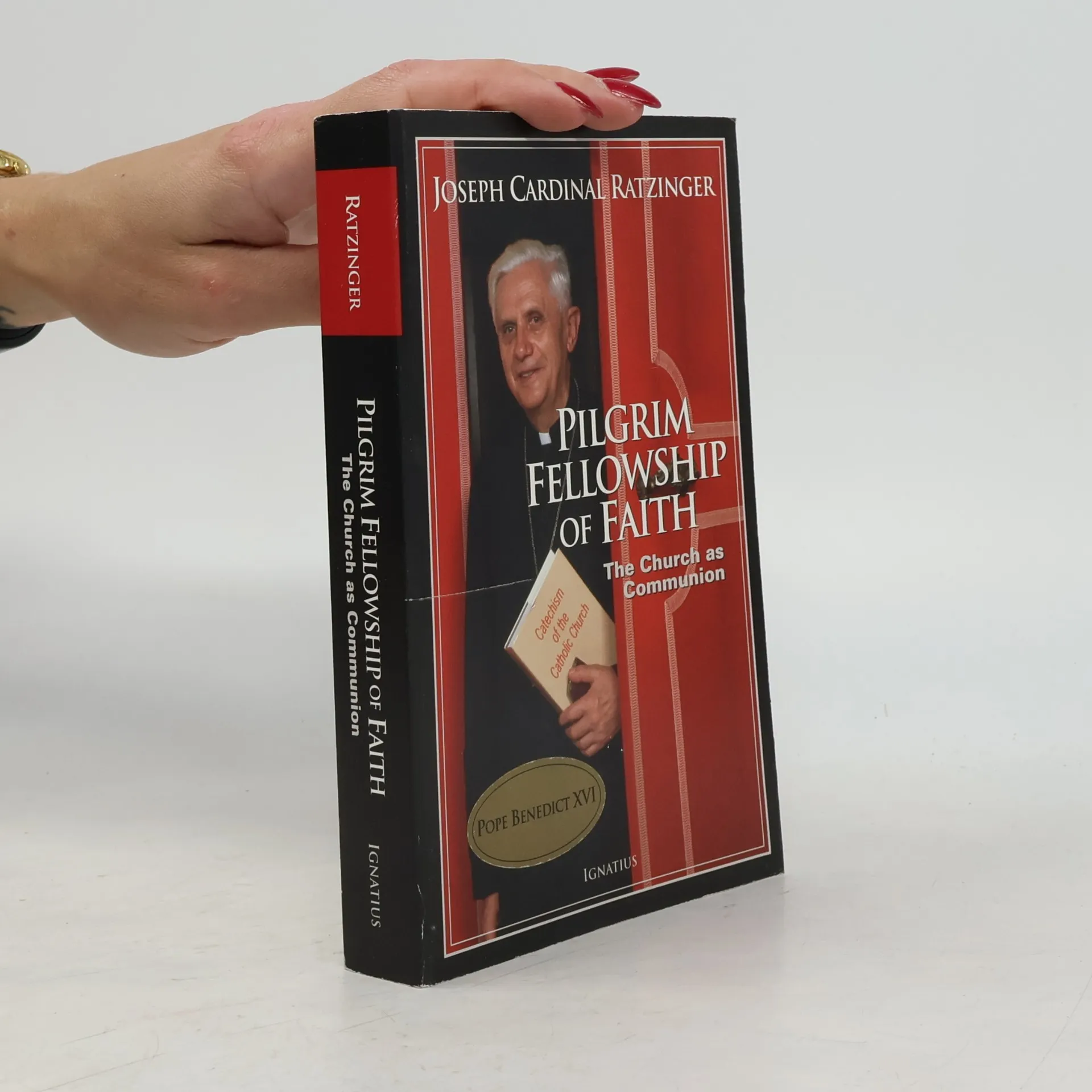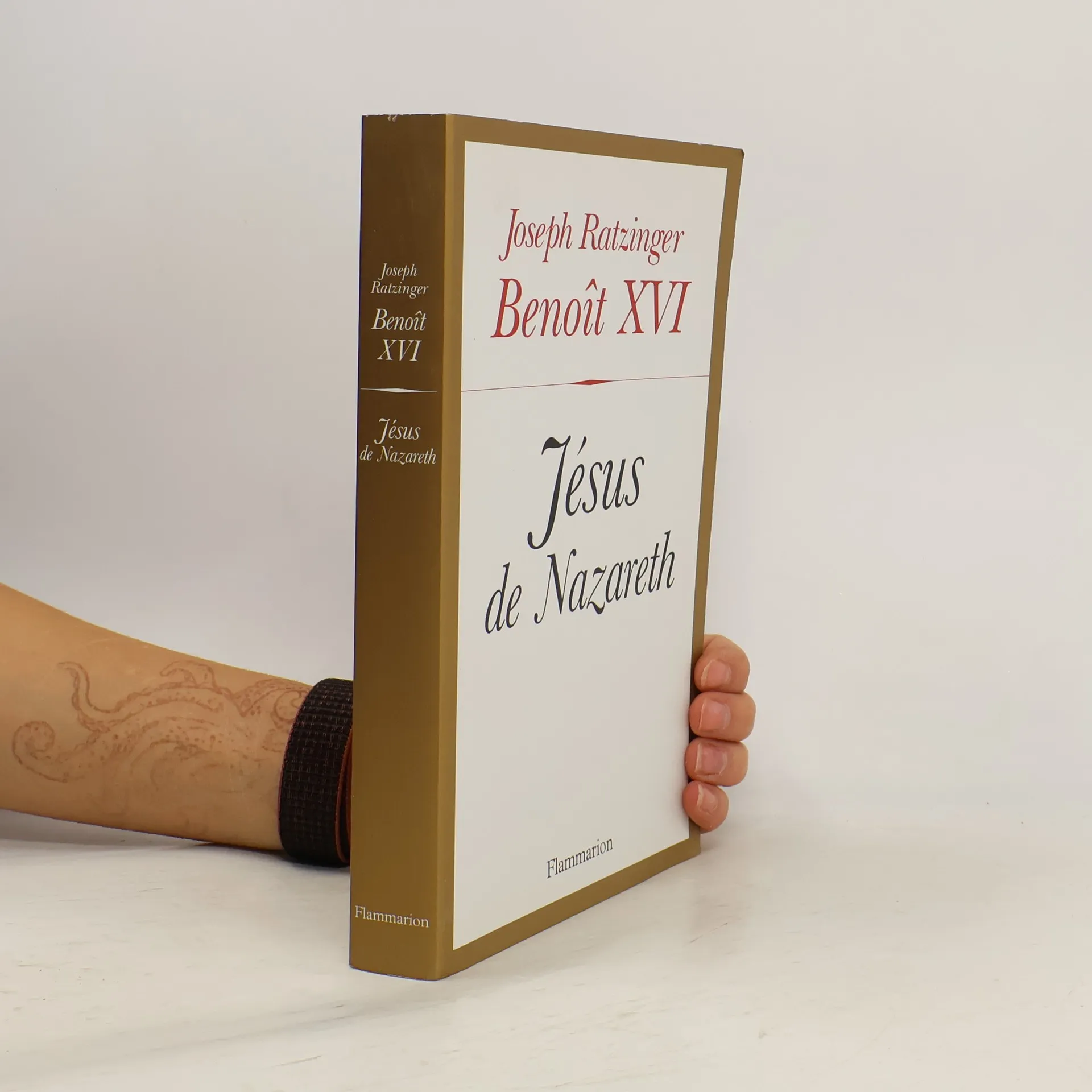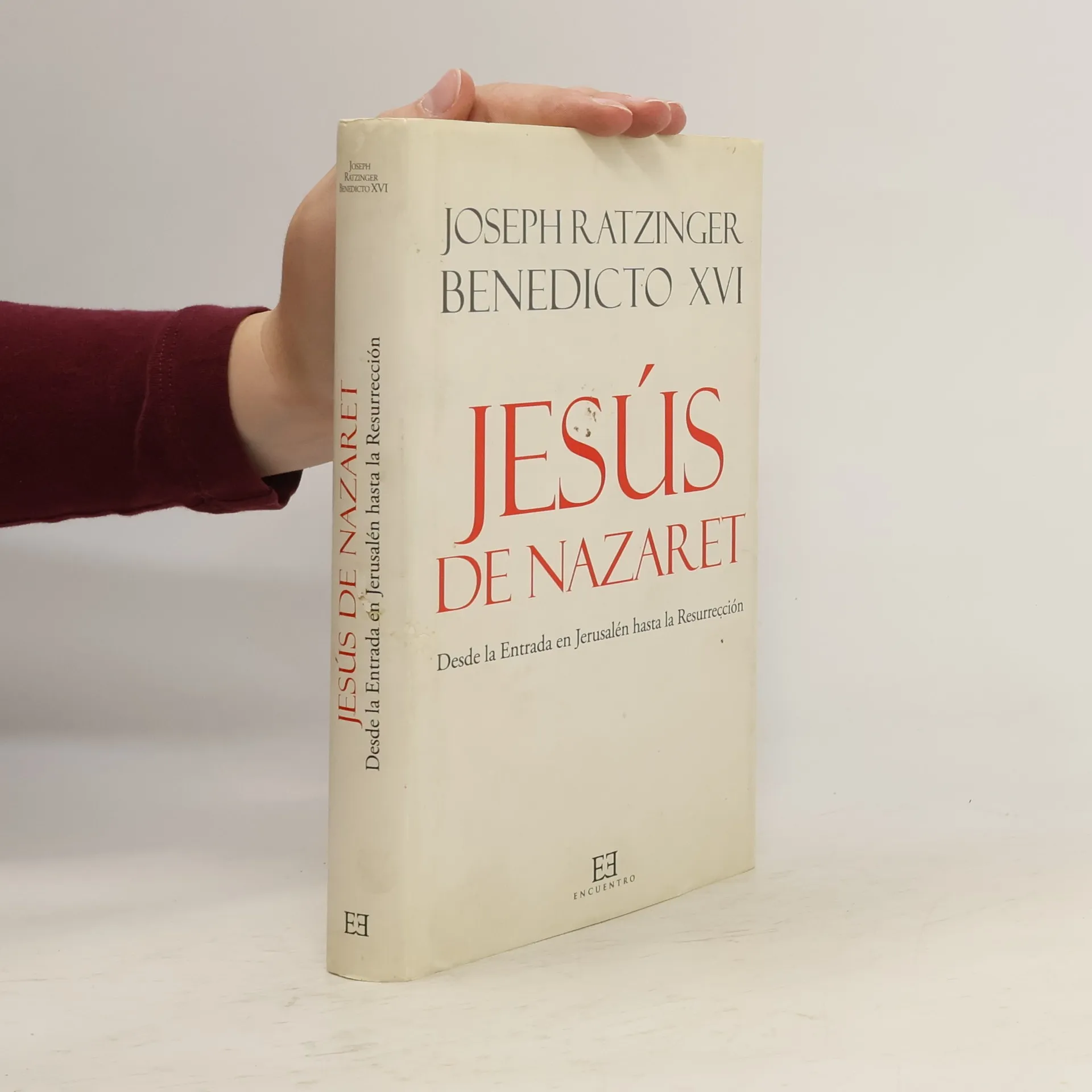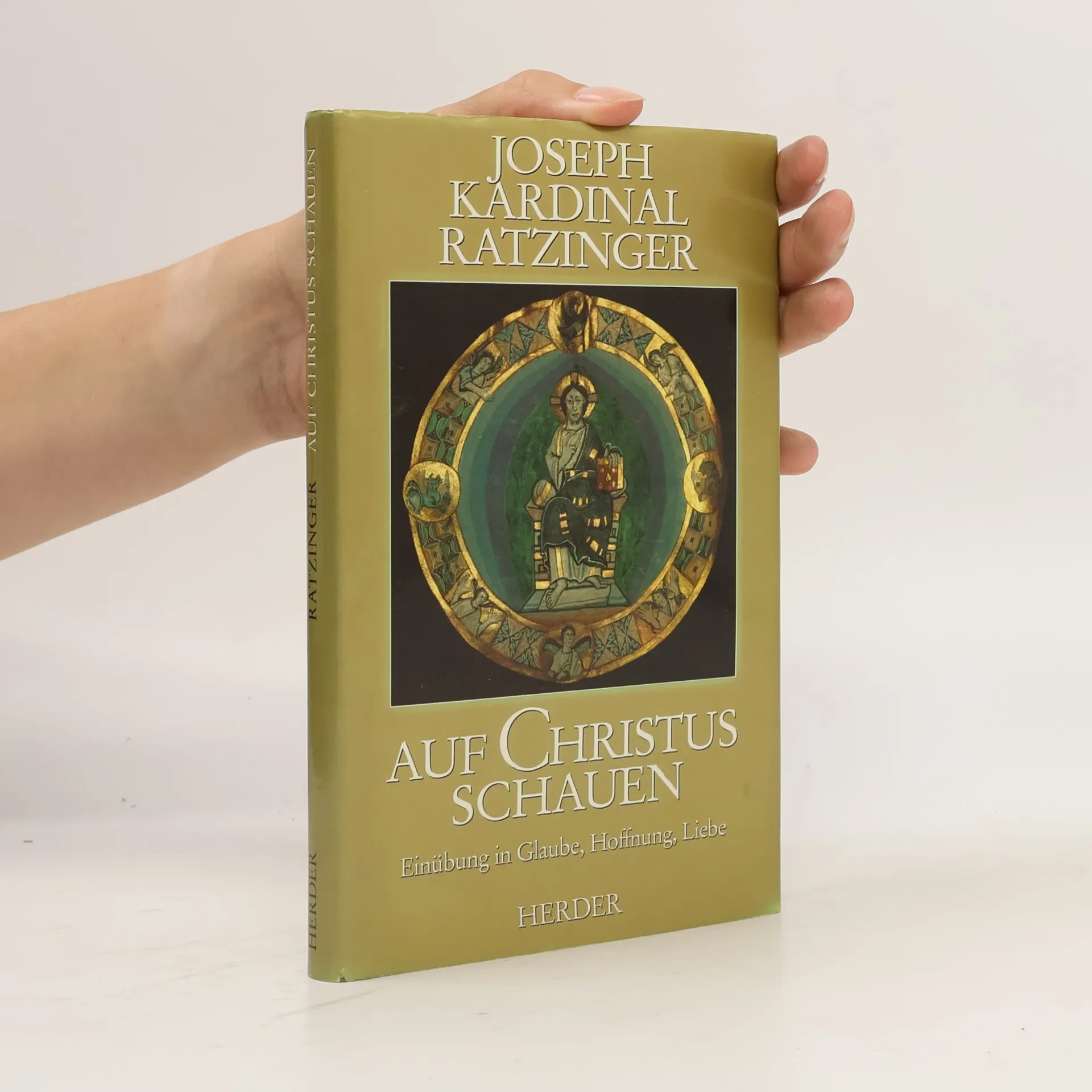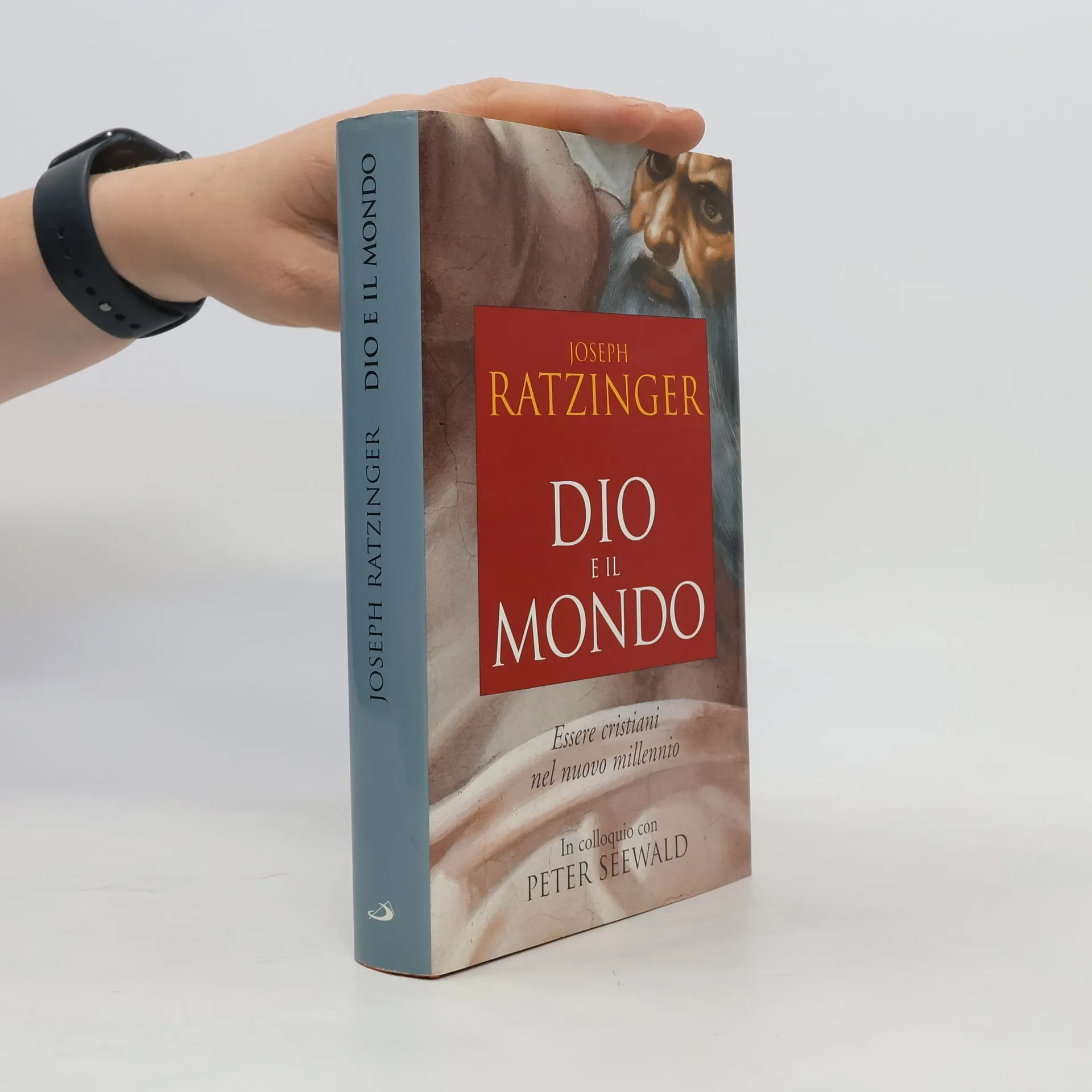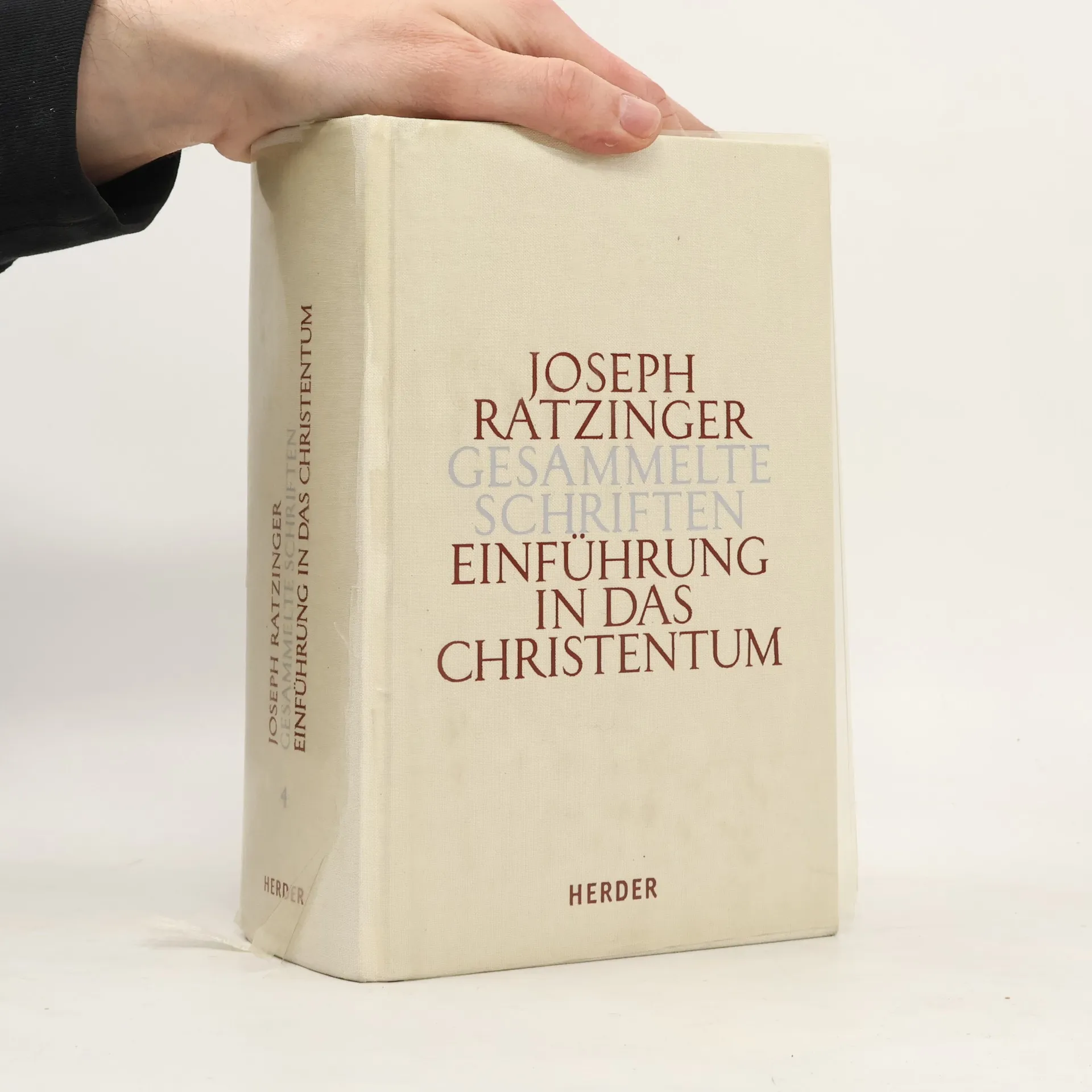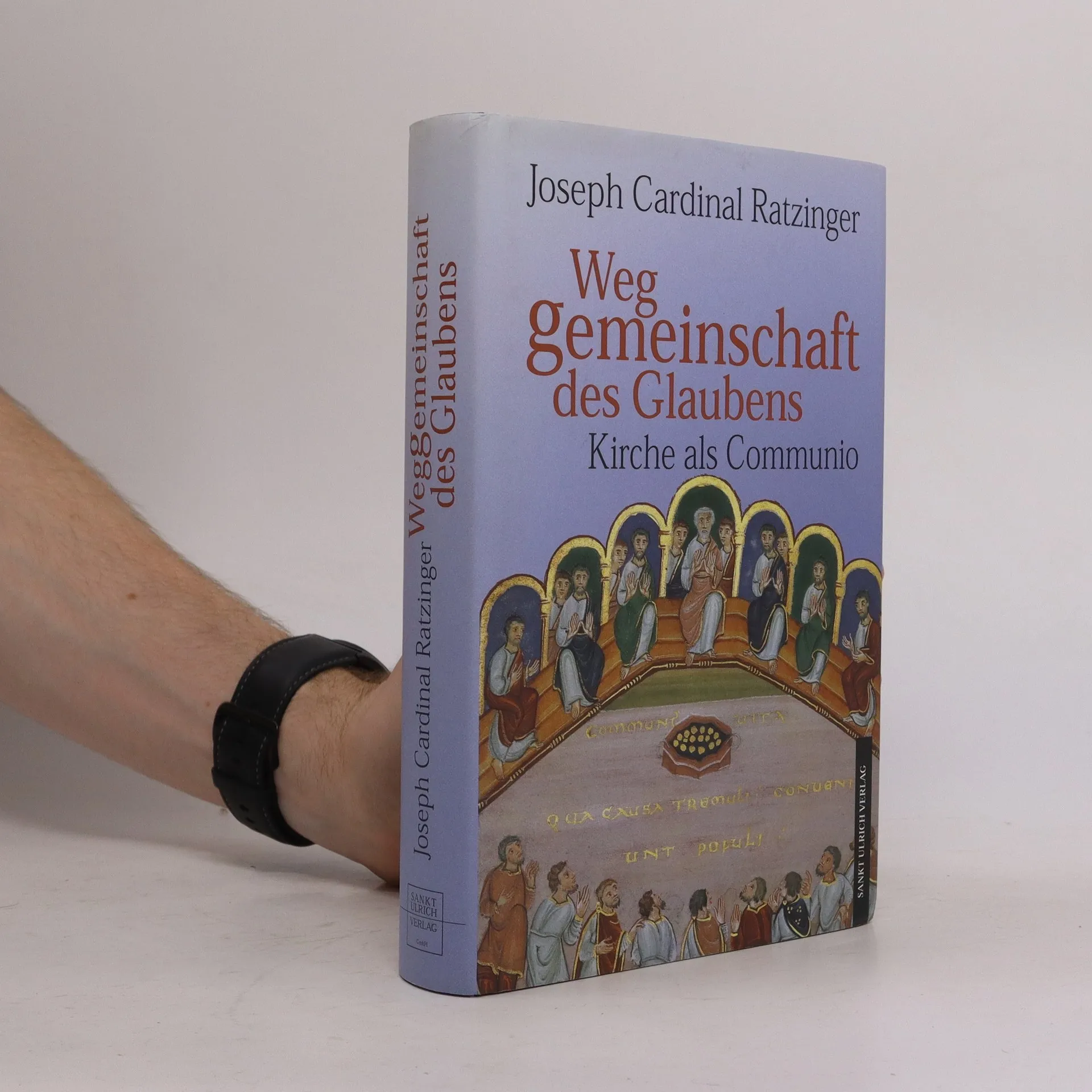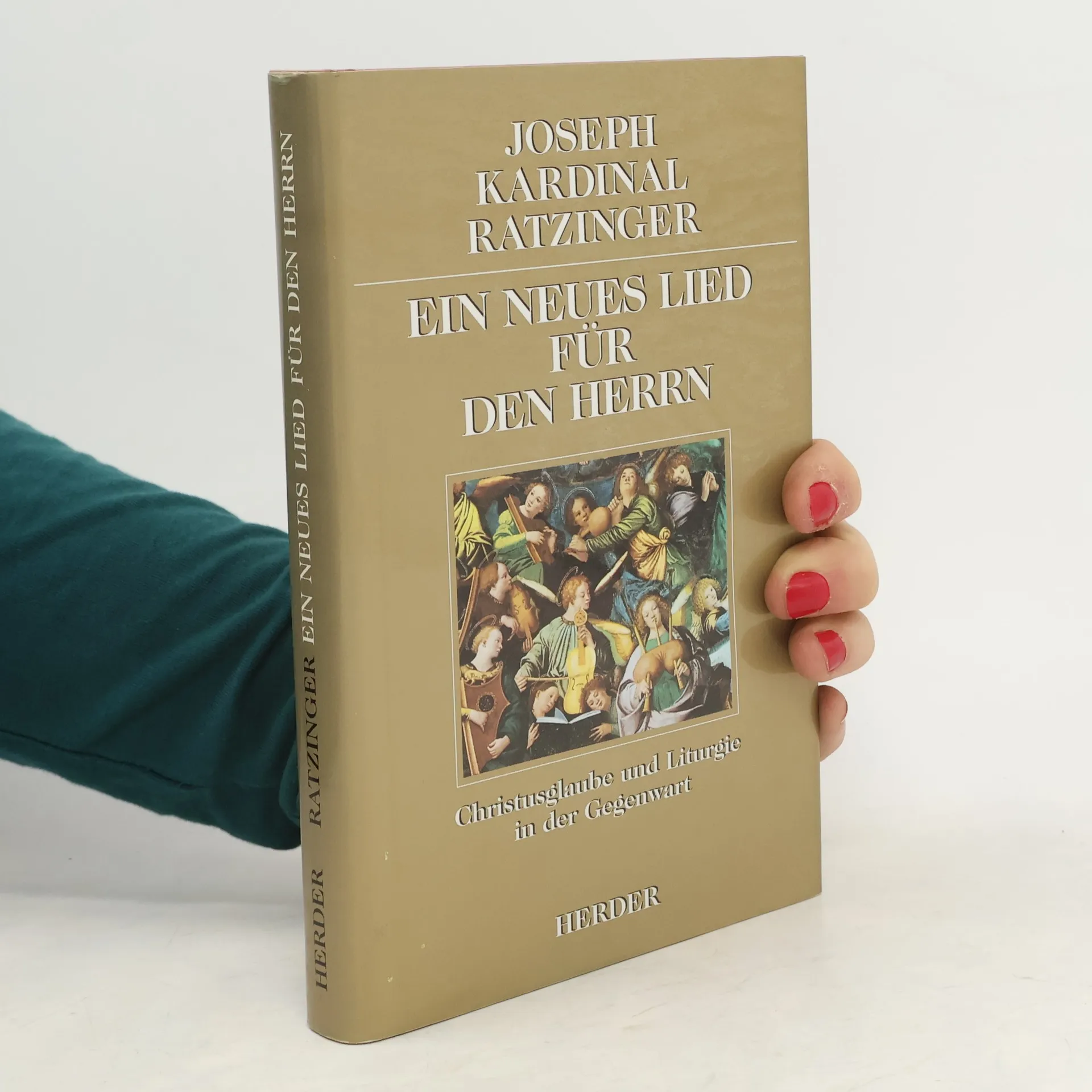

Explains of the significance of the liturgy today, exploring its nature as the central expression of faith, its form, the importance of time and space in it, the role of music and art in relation to it, and the need for renewal.
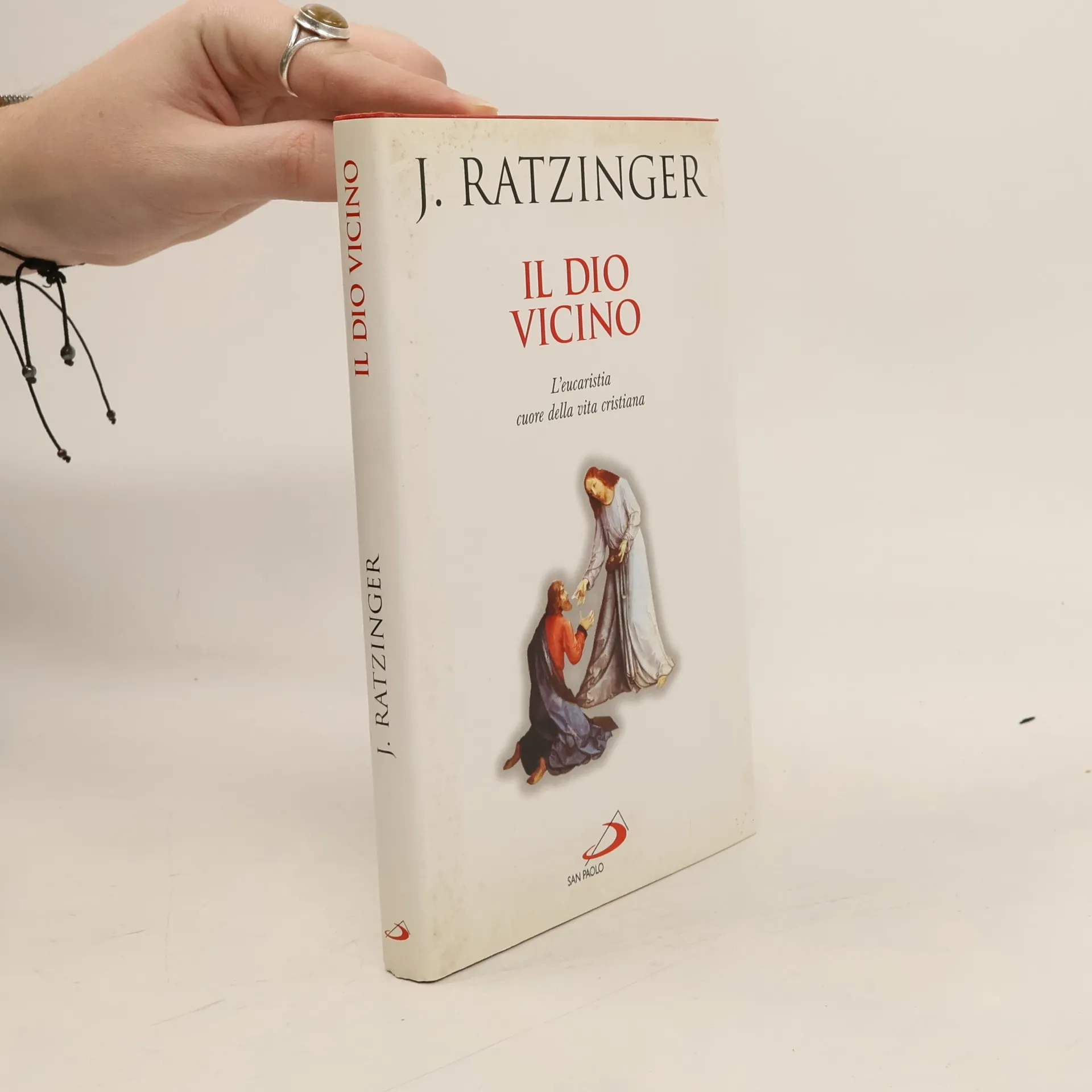
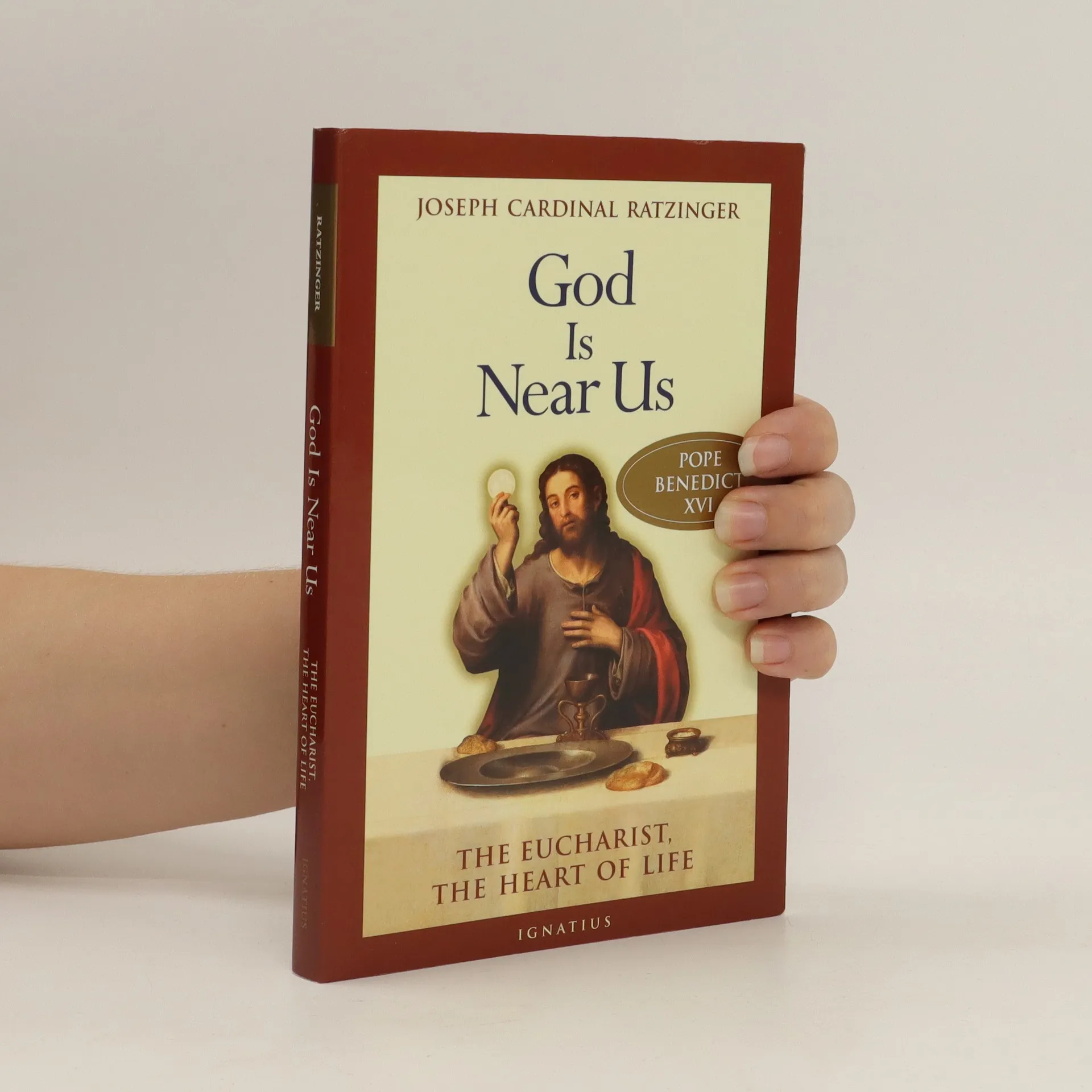
According to the Second Vatican Council, "We ought to try to discover a new reverence for the Eucharistic mystery." This statement emphasizes that the significance of the Eucharist transcends our actions; our efforts serve the greater act that precedes our own. The liturgy is both the pinnacle of the Church's activity and the source of its power. This profound understanding of the Eucharist is explored in depth by Cardinal Ratzinger in a collection of previously unpublished texts. As the Prefect of the Congregation for the Doctrine of the Faith, Ratzinger, an esteemed scholar, guides readers into the core of the Christian faith and its central mystery. He examines the biblical, historical, and theological aspects of the Eucharist while highlighting the importance of personal devotion and adoration of the Blessed Sacrament. Ratzinger asserts that the transformation of the world on a social level is rooted in the celebration of the Eucharist. He illustrates how the omnipotent God and Creator draws near to us in the Holy Eucharist, which he describes as the Heart of Life. This exploration invites readers to deepen their understanding and appreciation of this sacred mystery.
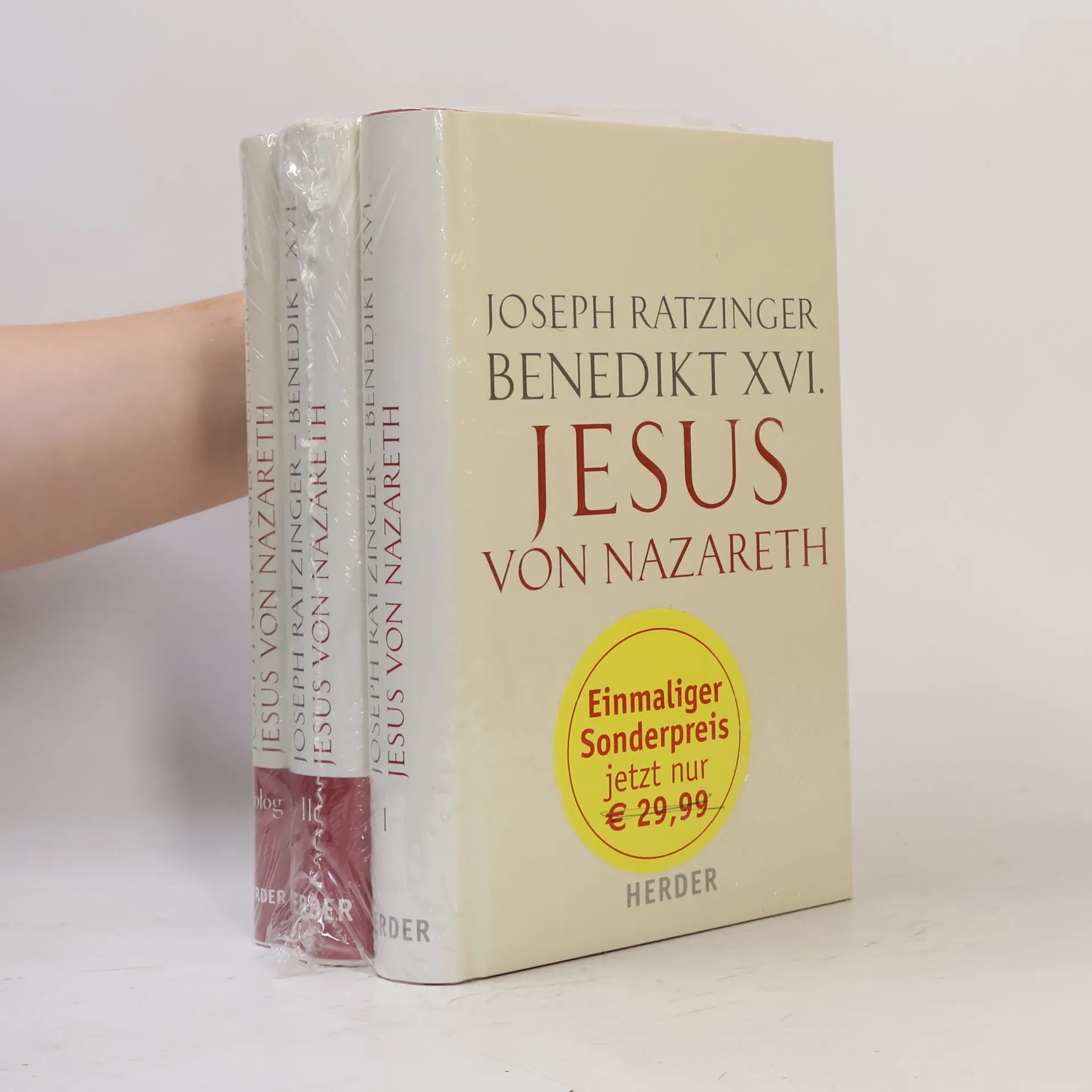
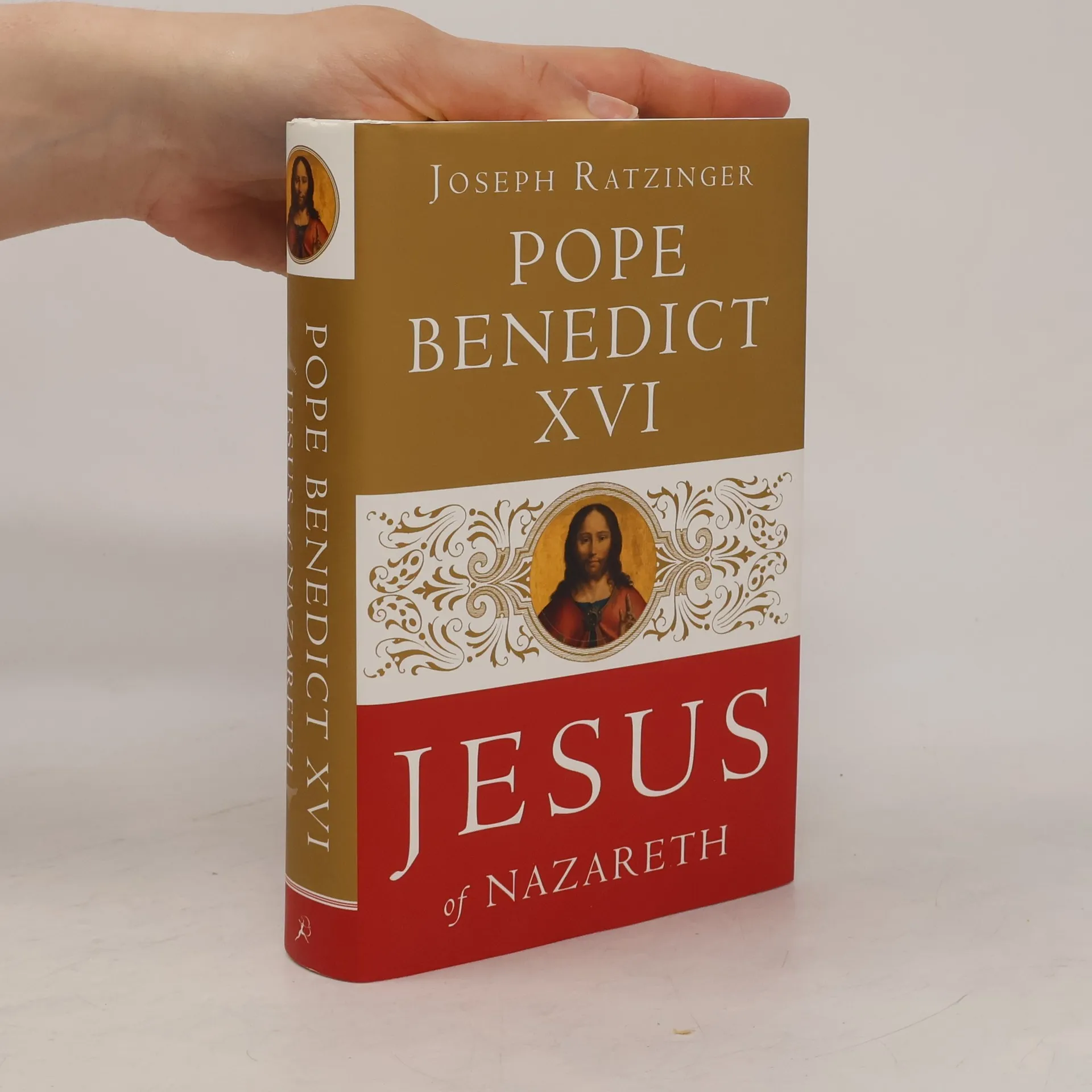
The New York Times bestselling final volume in the Pope’s Jesus of Nazareth series, detailing how the stories of Jesus’ infancy and childhood are as relevant today as they were two thousand years ago. In 2007, Joseph Ratzinger published his first book as Pope Benedict XVI in order “to make known the figure and message of Jesus.” Now, the Pope focuses exclusively on the Gospel accounts of Jesus’ life as a child. The root of these stories is the experience of hope found in the birth of Jesus and the affirmations of surrender and service embodied in his parents, Joseph and Mary. This is a story of longing and seeking, as demonstrated by the Magi searching for the redemption offered by the birth of a new king. It is a story of sacrifice and trusting completely in the wisdom of God as seen in the faith of Simeon, the just and devout man of Jerusalem, when he is in the presence of the Christ child. Ultimately, Jesus’ life and message is a story for today, one that speaks to the restlessness of the human heart searching for the sole truth which alone leads to profound joy.
Considered by Ratzinger devotees as his greatest work on the Liturgy, this profound and beautifully written treatment of the great prayer of the Church will help readers rediscover the Liturgy in all its hidden spiritual wealth and transcendent grandeur as the very center of our Christian life. In his own foreward to the book, Cardinal Ratzinger compares this work to a much earlier classic of the same title by Romano Guardini because Ratzinger feels that his insights here are similar with what Guardini achieved in his time regarding a renewed understanding of the Liturgy. My purpose here is to assist this renewal of understanding of the Liturgy. Its basic intentions coincide with what Guardini wanted to achieve. The only difference is that I have had to translate what Guardini did at the end of the First World War, in a totally different historical situation, into the context of our present-day questions, hopes and dangers. Like Guardini, I am not attempting to involve myself with scholarly discussion and research. I am simply offering an aid to the understanding of the faith and to the right way to give the faith its central form of expression in the Liturgy.
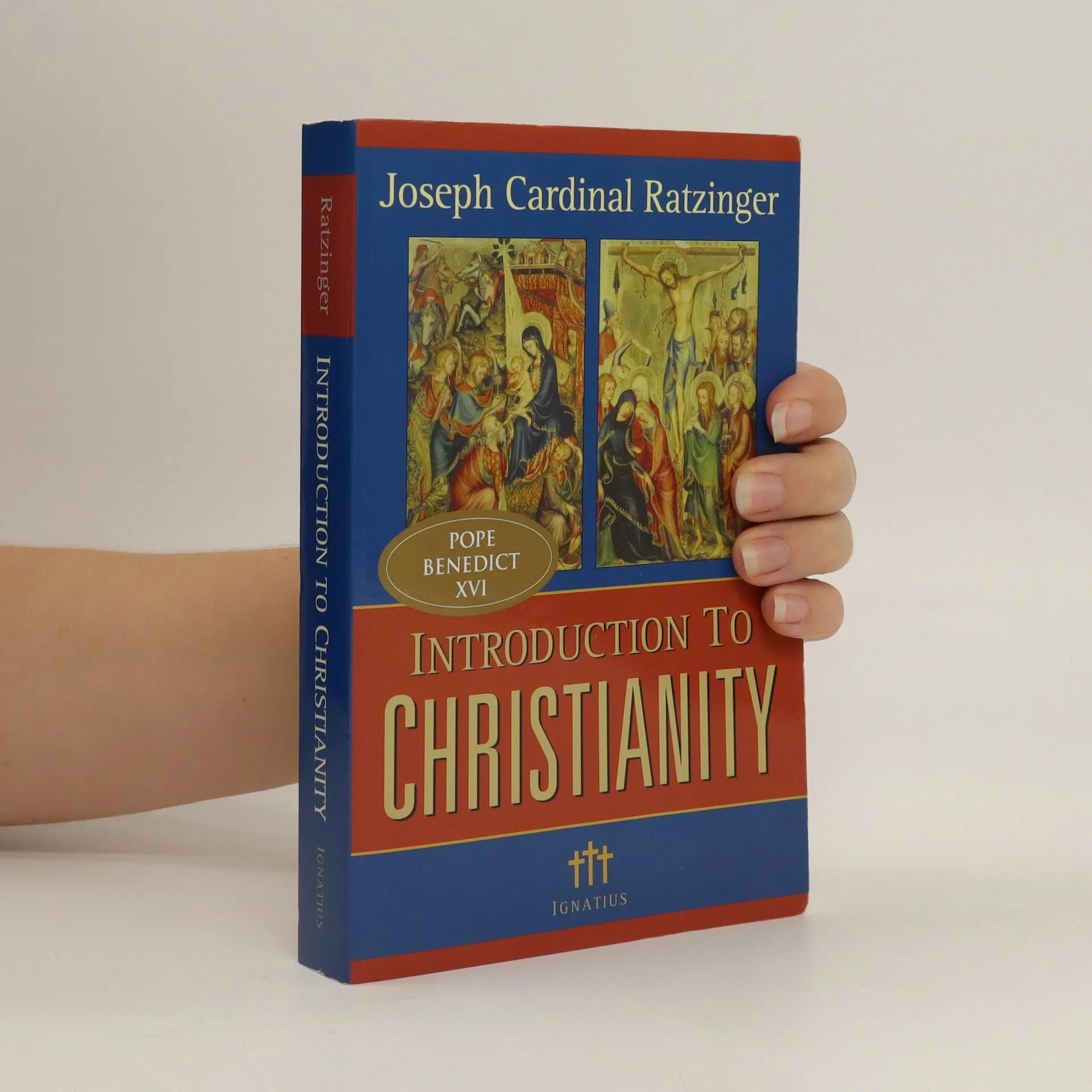
Provides an elucidation of the Apostles' Creed, examining the theological and practical significance of each line and exploring such fundamental questions to Christianity as belief, faith, and the nature of Christ and of the Trinity.
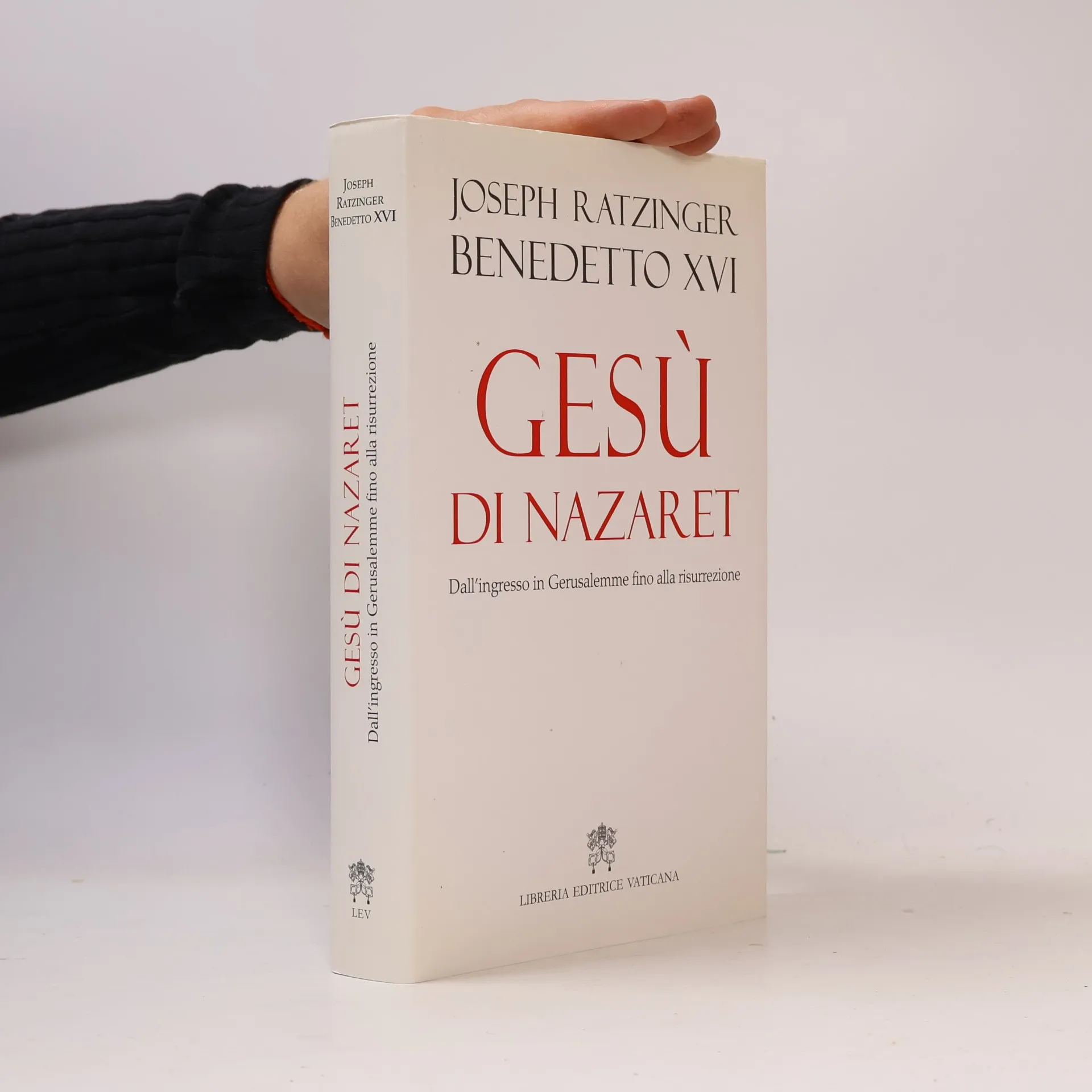
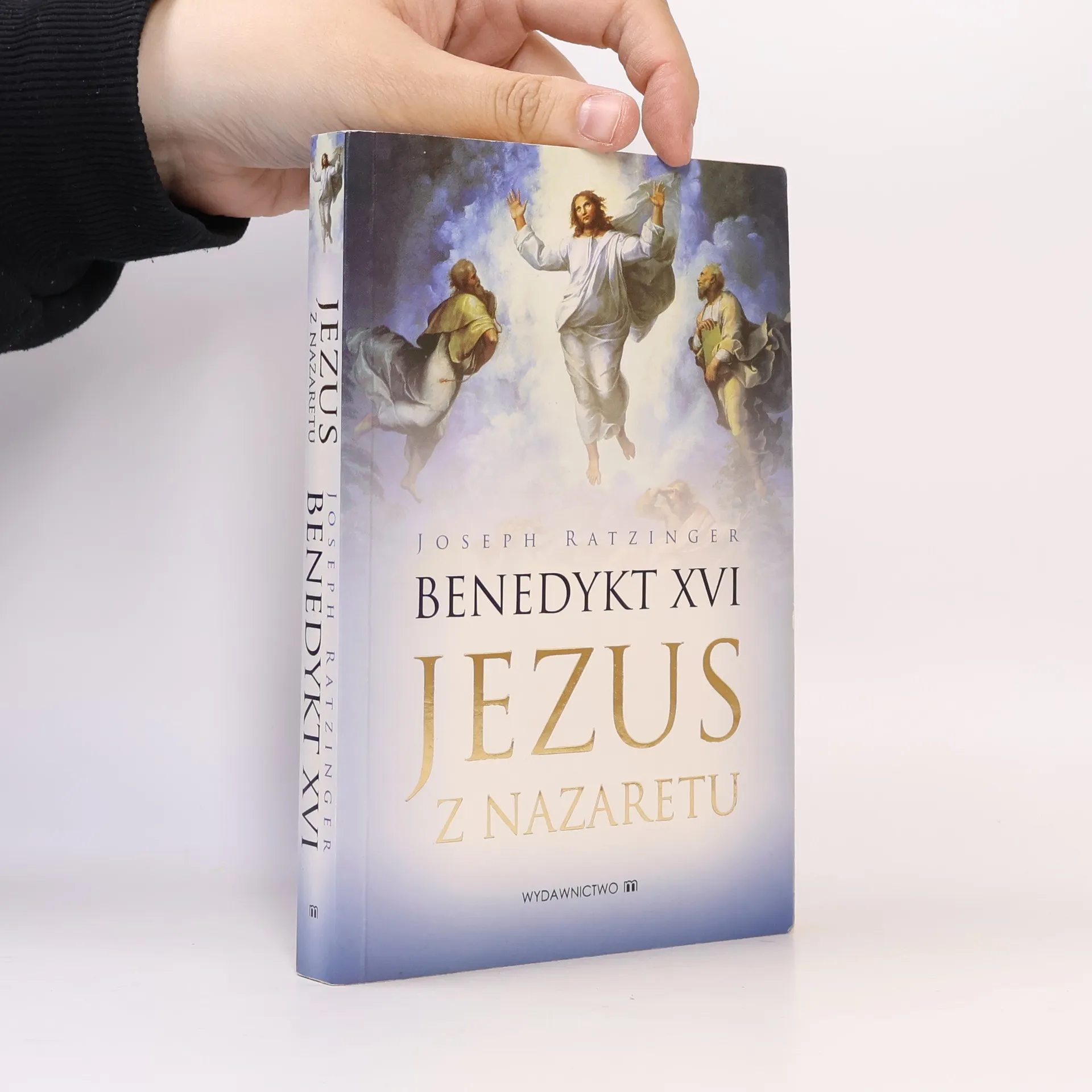
"Ho voluto fare il tentativo di presentare il Gesù dei Vangeli come il Gesù reale, come il "Gesù storico" in senso vero e proprio. Io sono convinto che questa figura è molto più logica e dal punto di vista storico anche più comprensibile delle ricostruzioni con le quali ci siamo dovuti confrontare negli ultimi decenni. Io ritengo che proprio questo Gesù - quello dei Vangeli- sia una figura storicamente sensata e convincente. Solo se era successo qualcosa di straordinario, se la figura e le parole di Gesù avevano superato tutte le speranze e le aspettative dell'epoca, si spiega la sua crocifissione e si spiega la sua efficacia. Già circa vent'anni dopo la morte di Gesù troviamo pienamente dispiegata nel grande inno a Cristo della Lettera ai Filippesi(2,6-11) una cristologia, in cui si dice che Gesù era uguale a Dio ma spogliò se stesso, si fece uomo, si umiliò fino alla morte sulla croce e che a Lui spetta l'omaggio del creato, l'adorazione che nel profeta Isaia (45,23) Dio aveva proclamata come dovuta a Lui solo. La ricerca critica si pone a buon diritto la domanda: che cosa è successo in questi vent'anni dalla crocifissione di Gesù? Come si è giunti a questa cristologia? Come mai dei raggruppamenti sconosciuti poterono essere così creativi, convincere e in tal modo imporsi? Non è più logico che la grandezza si collochi all'inizio e che la figura di Gesù abbia fatto saltare tutte le categorie disponibili e abbia potuto così essere compresa solo a partire dal mistero di Dio?"
At life’s many crossroads, the sacraments of the Church—Baptism, Confirmation, Confession, Holy Eucharist, Matrimony, Holy Orders, and Anointing of the Sick—bring people into contact with the saving work of God. In this collection of homilies, Joseph Ratzinger (Pope Benedict XVI) explains these celebrations of the Church and shows how they always offer an opportunity to announce our faith in Christ and to deepen our understanding of it. Ratzinger endeavored as a theologian to develop an understanding of the sacraments that would help to make participation in them, and in the Paschal Mystery, more fruitful. Many of these homilies connect the sacraments with a profound interpretation of Scripture. The scriptural passages interpreted in each homily are listed at the beginning of the chapter, so that this volume can also be used for scriptural meditation. Since the Church herself is both a sacrament—that is, a sign of God’s saving action in the world—and the place where the sacraments take place, two of the chapters are about the Church, the body of believers where God dwells.
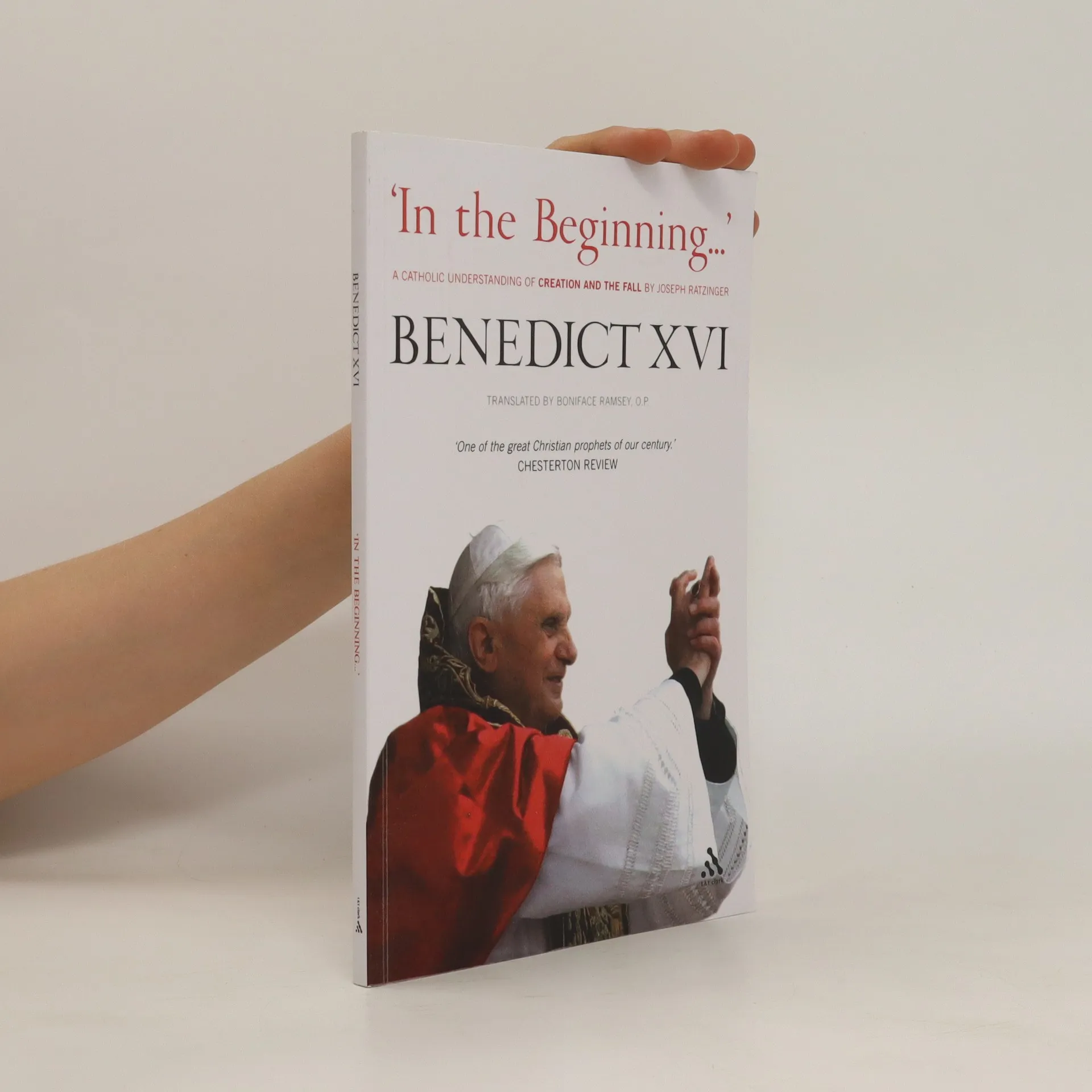
These five superb homilles by the newly elected Pope, Benedict XVI, provide a clear and biblically based explanation of the first few chapters of the Bible. Reissued with a new cover and ISBN to celebrate Joseph Ratzinger's election. While the stories of the creation of the world and the fall of humankind have often given rise to conflict - fundamentalists twist them into science and history while rationalists approach them by 'divorcing God from creation' - the Pope presents the Catholic middle ground in explaining the vitality of these early Old Testament writings. Beginning each homily with the selected text from Genesis, the Pope discusses, in turn, God the creator, the meaning of the biblical creation accounts, the creation of human beings, sin and salvation, and the consequences of faith in creation. In the Beginning presents a compelling account of the value of creation for our times.
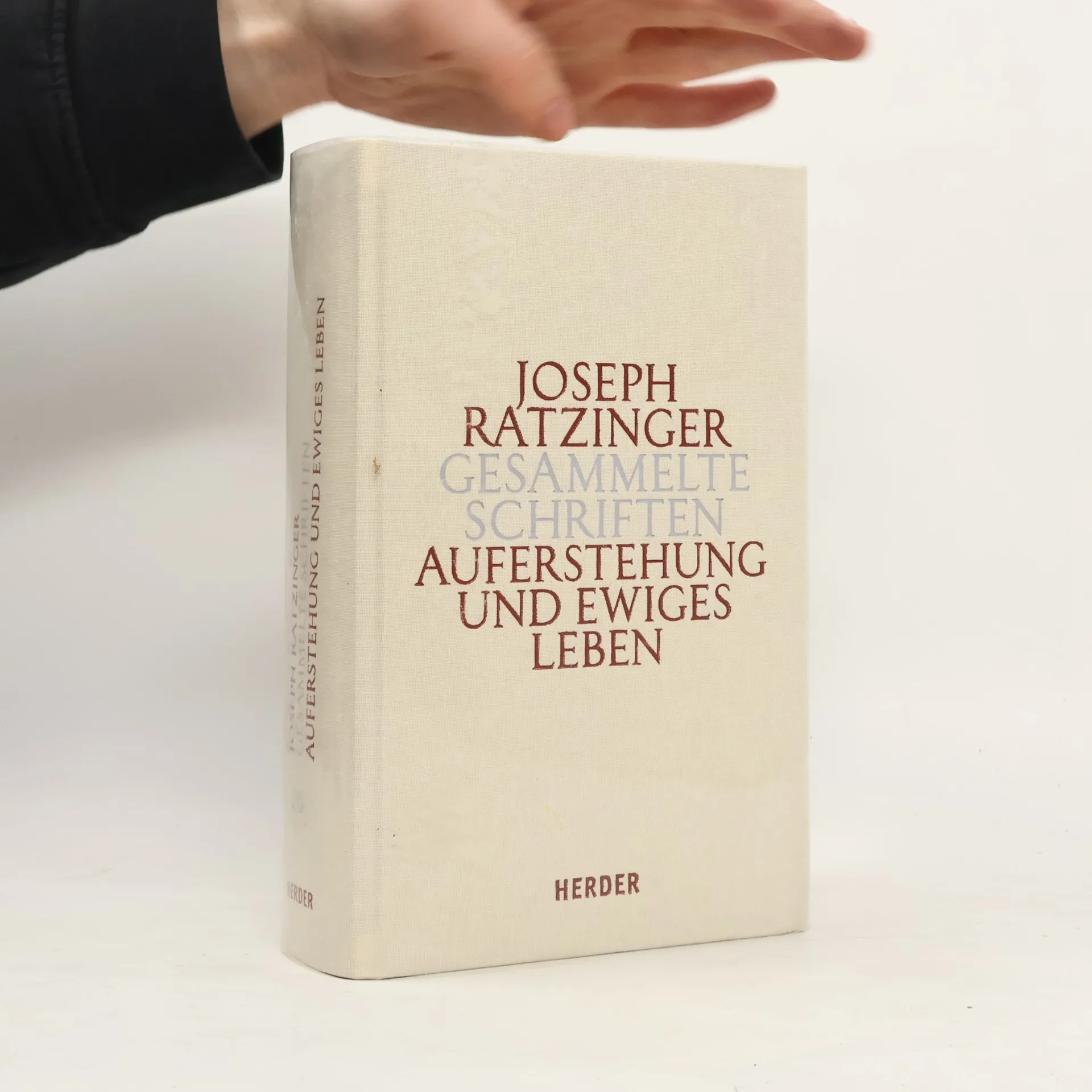
Presents a balanced perspective of the doctrine at the center of Christian
belief - the Church's faith in eternal life. This work brings together recent
emphasis on the theology of hope for the future with more traditional elements
of the doctrine. It also includes a preface by Joseph Ratzinger/Pope Benedict
XVI.
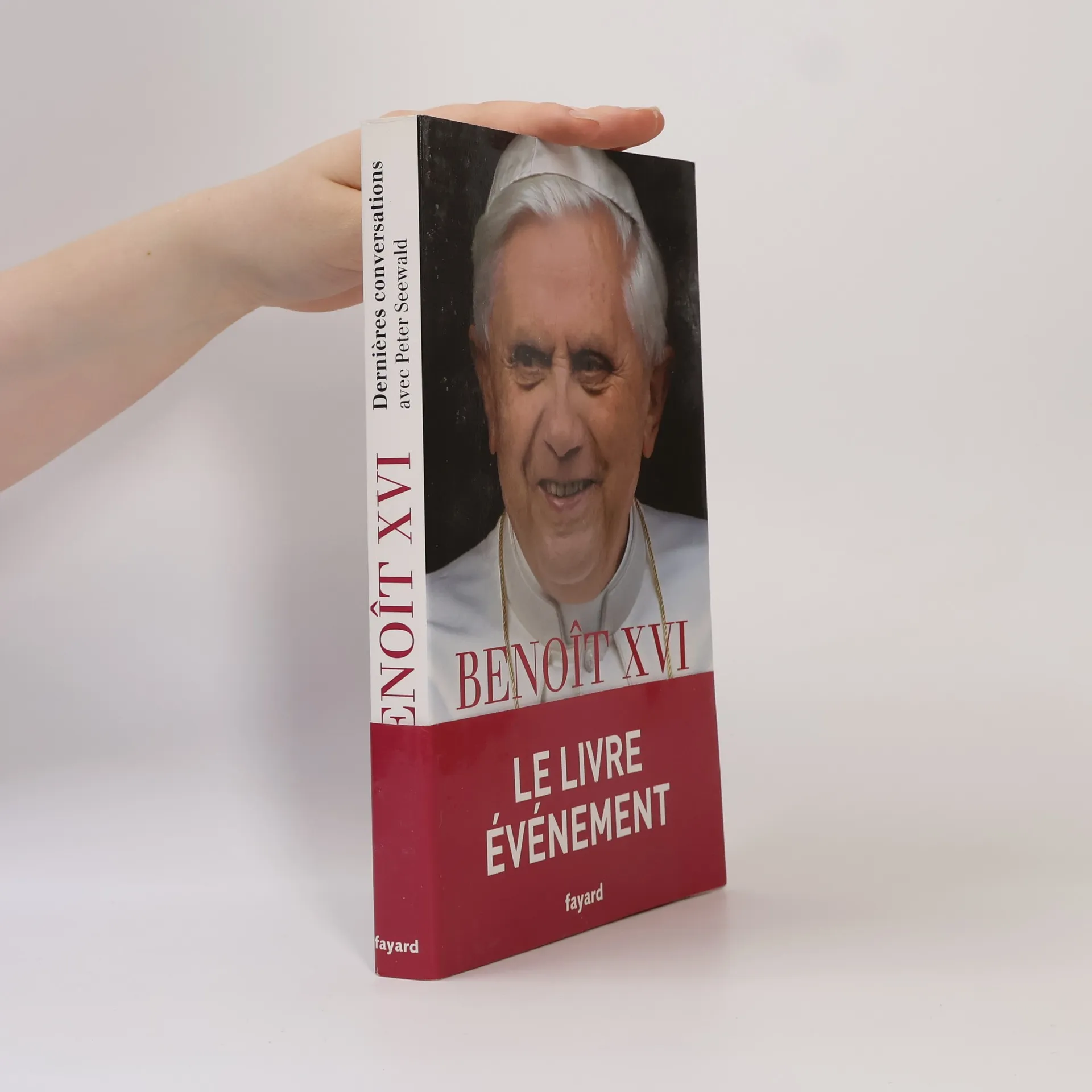
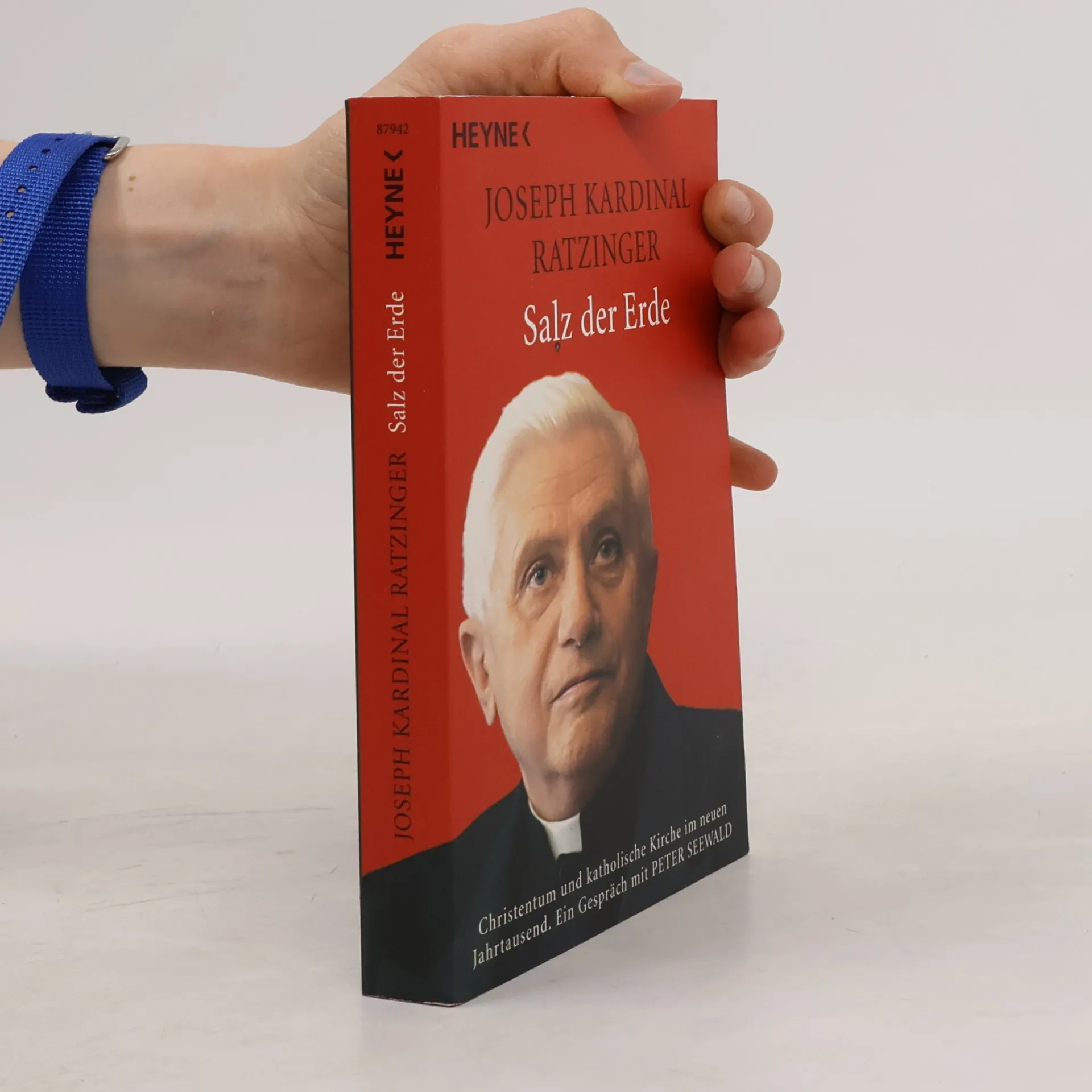
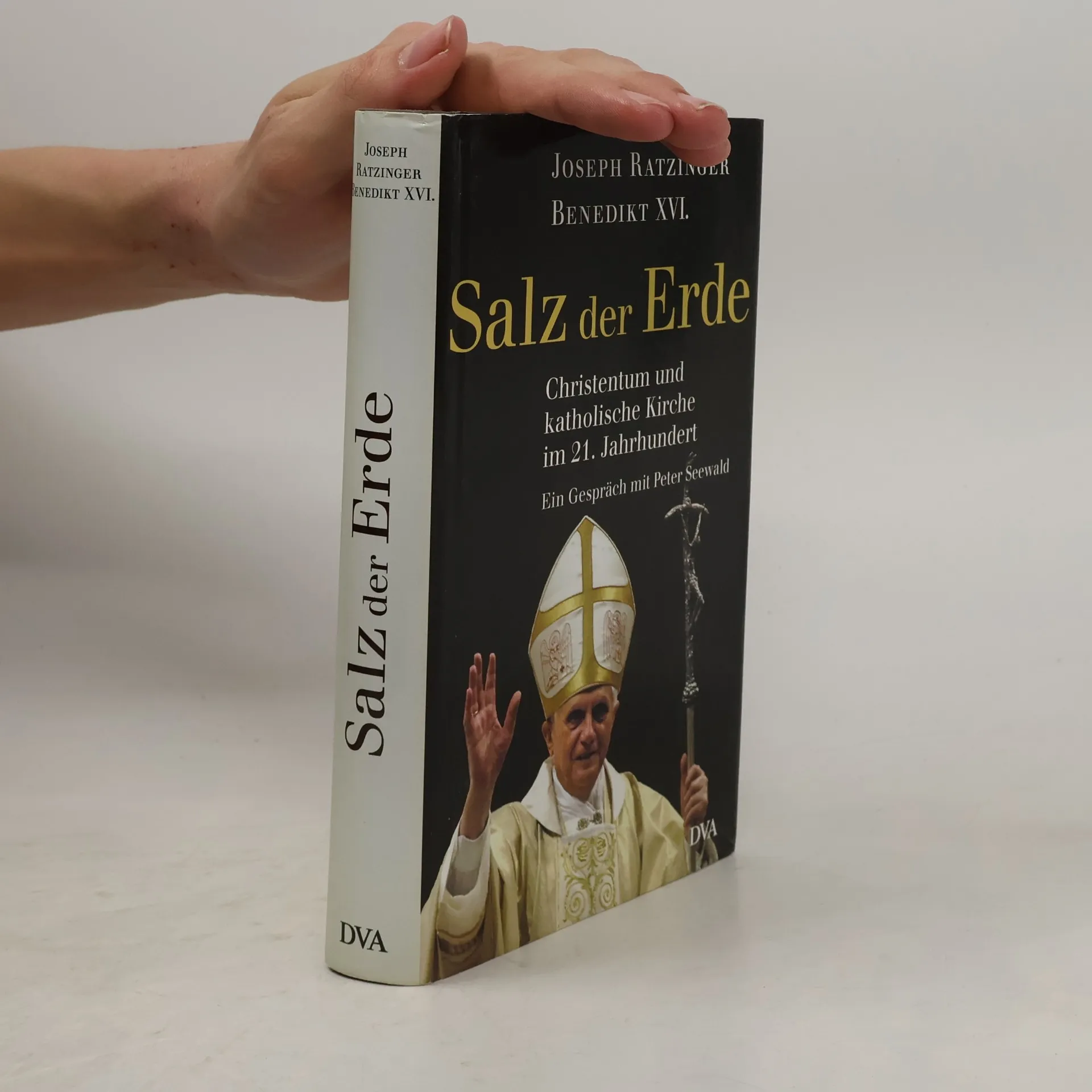
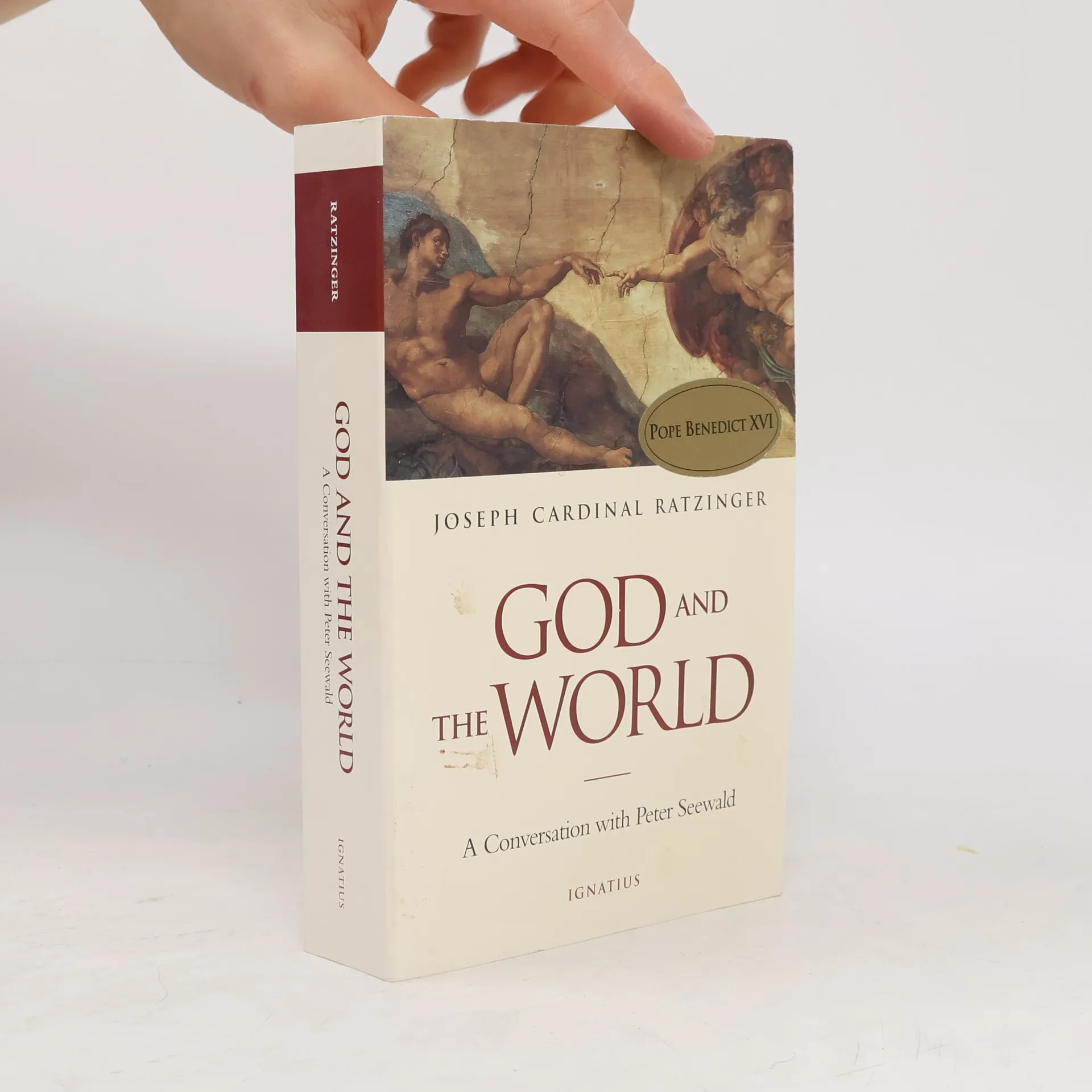
Popes do not usually grant book-length interviews to journalists. And never before has a pope given as in-depth and extensive an interview as this one, answering so many direct questions on so many personal and controversial topics. Five years after his election, Pope Benedict XVI openly discusses the criticisms of his pontificate, the crisis in the Church brought on by the clergy sexual abuse scandal, the need for Church reform, the problems of uniting faith and reason today, as well as contemporary issues such as abortion, climate change, same-sex unions, the global economic crisis, and the new atheism. He also examines the quest for unity among Christians, the relations with Islam, the message of Fatima, and the prospects for peace. An unabashed follower of Jesus Christ, Benedict addresses the Church's drive for a new evangelization and the challenges it involves