Eric Dregni crafts compelling narratives that explore the quirky and often overlooked aspects of culture and everyday life. His writing is characterized by keen observation, humor, and a deep appreciation for the peculiarities that make different societies unique. Drawing from his extensive travels and experiences, Dregni invites readers on journeys through diverse landscapes, uncovering the fascinating details that shape human connection. His distinctive voice offers a refreshing perspective, making his work both insightful and highly entertaining.
Hail Minnesota for its strange sites, bizarre history, and peculiar folks! Come along and climb the Witch's Tower, sit down in a two-story outhouse, and spend a night in the Drunk Tank at the JailHouse Historic Inn. Then go gape at the country's largest collection of underwear. After all that, relax at the Bowling Hall of Fame. This new paperback version of Weird Minnesota is a wild and wacky trip you'll never forget.
A journey to uncover Norway's supposed bliss unfolds as a comic travelogue exploring what truly makes Norwegians happy—and whether that happiness is transferable. Frequently topping the World Happiness Report, Norway raises questions about the nature of its contentment. Eric Dregni, having previously lived in the country his great-great-grandfather fled, is skeptical. When his son Eilif was born, they received generous benefits from the Norwegian government, but Dregni wonders if happiness extends beyond a robust welfare system, especially during the long, sunless winters. When Eilif turns fifteen, they return to Norway to investigate.
Their visit in May, a month of festivals and endless daylight, reveals both the joy and the high cost of living, prompting them to stay with friends and family. This arrangement provides insight into the Norwegian model of democratic socialism, which minimizes economic disparity. They learn about the cultural principles contributing to local happiness, such as environmentalism, which promotes flyskam (flight shame) and encourages vacations in family cabins, alongside hefty taxes on gas guzzlers. Through community volunteerism (dugnad) and a “slow” lifestyle (sakte), they explore the complexities of Norwegian identity, including the commodification of Viking history and the darker aspects of Black Metal music. This unique father-son adventure invites readers to ponder whether Norwegian happiness
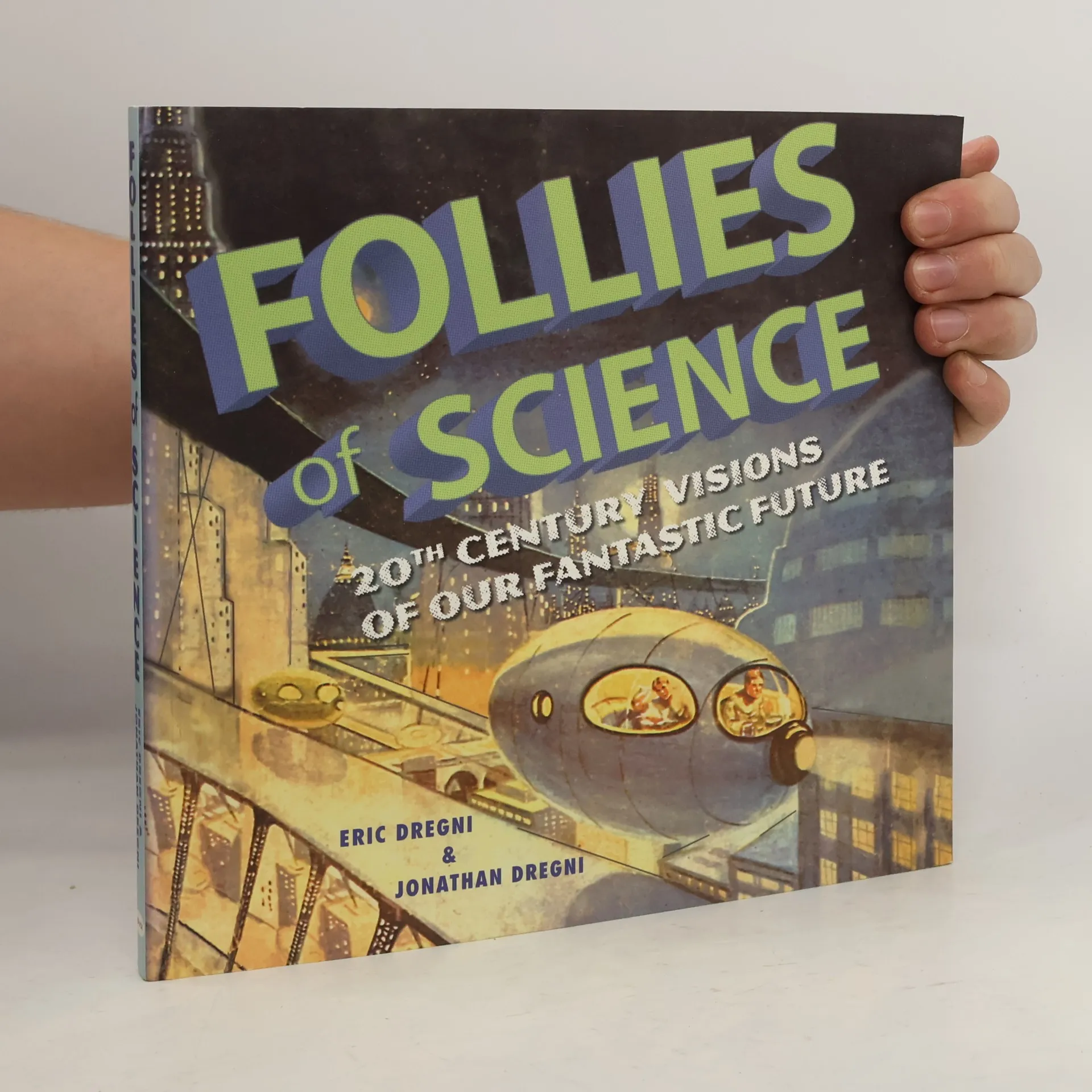
Promises for the future were made; some sadly broken and some unfortunately honored. While we didn’t get household jetpacks or personal serving robots, we did receive intriguing building materials like asbestos, lead, and foam. What was the utopian vision for early twentieth-century households? Follies of Science captures this knowledge, showcasing the allure of lead paint on walls, DDT foggers eliminating mosquitoes, and the concept of homeowners residing in “The Foam House of the Future.” The imagery of commuters zooming to work on jet packs adds to the fantastical vision. Illustrated with both full-color and black-and-white classic images, the book invites readers to explore what could have been and what should not have been. Eric Dregni, author of nine books, including Midwest Marvels and The Scooter Bible, has a diverse background as a 2004 Fulbright Fellow in Norway, where he researched Scandinavian culture. He currently splits his time between Italy, Norway, and Minneapolis, where he curates the El Dorado Conquistador Museum and plays guitar in the mock-rock band Vinnie & the Stardüsters. Jonathan Dregni, a futurist and sci-fi enthusiast, raises a family near the future domed cities of Minneapolis and St. Paul.
Not since their heyday in the 1950s and 60s have motorscooters enjoyed the kind of following they do today. Featured are evocative colour photos and histories of scooters from the early 1900s through today. From popular makes like Vespa, Cushman, and Japan, to less-celebrated examples from around the globe, this unique salute to the motorscooter provides as fun a ride as its subject.
The Scooter Bible is an entertaining and authoritative photographic history of the little motorbikes that could, beginning with the first scooter in 1902 and continuing right through to modern electric scooters.
Die Vespa war von Anfang an weit mehr als ein preiswertes Transportmittel. Der Motorroller aus Pontedera brachte mit der gewonnenen Fahrfreiheit ein neues Lebensgefühl der Jugendlichen zum Ausdruck und wurde bald zur Kultmarke über Italiens Grenzen hinaus. Zahllose Prominente begeisterten sich ebenso dafür, egal ob Audrey Hepburn, Ursula Andres, John Wayne, Brad Pitt oder James Dean, nicht zu vergessen, die britische Mod-Szene in den 1960er Jahren! Motorlegenden. Das Buch bietet ein breites, buntes und kultiges Kaleidoskop mit viel Zeitkolorit und Lifestyle rund um den trendigen Motorroller aus Italien.