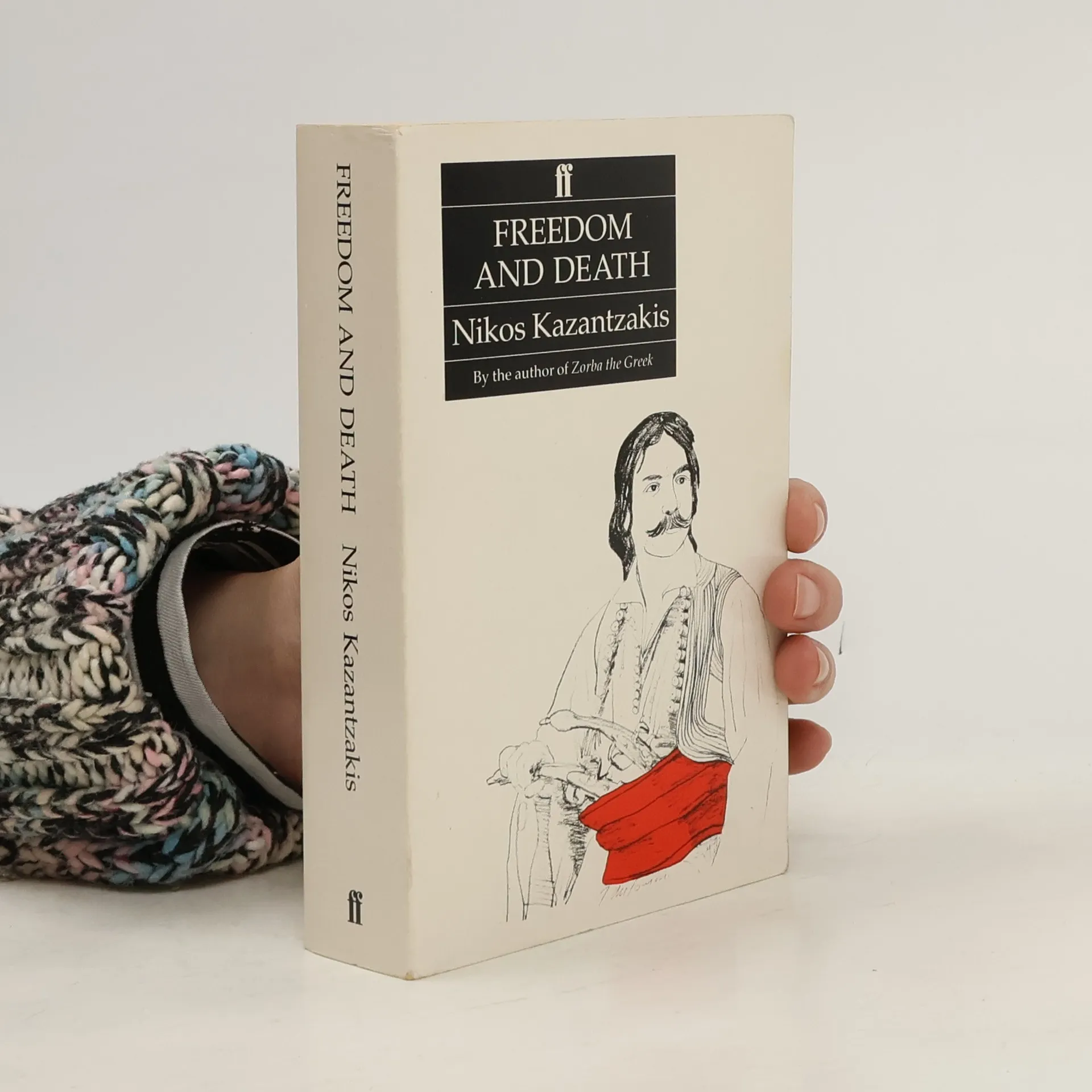
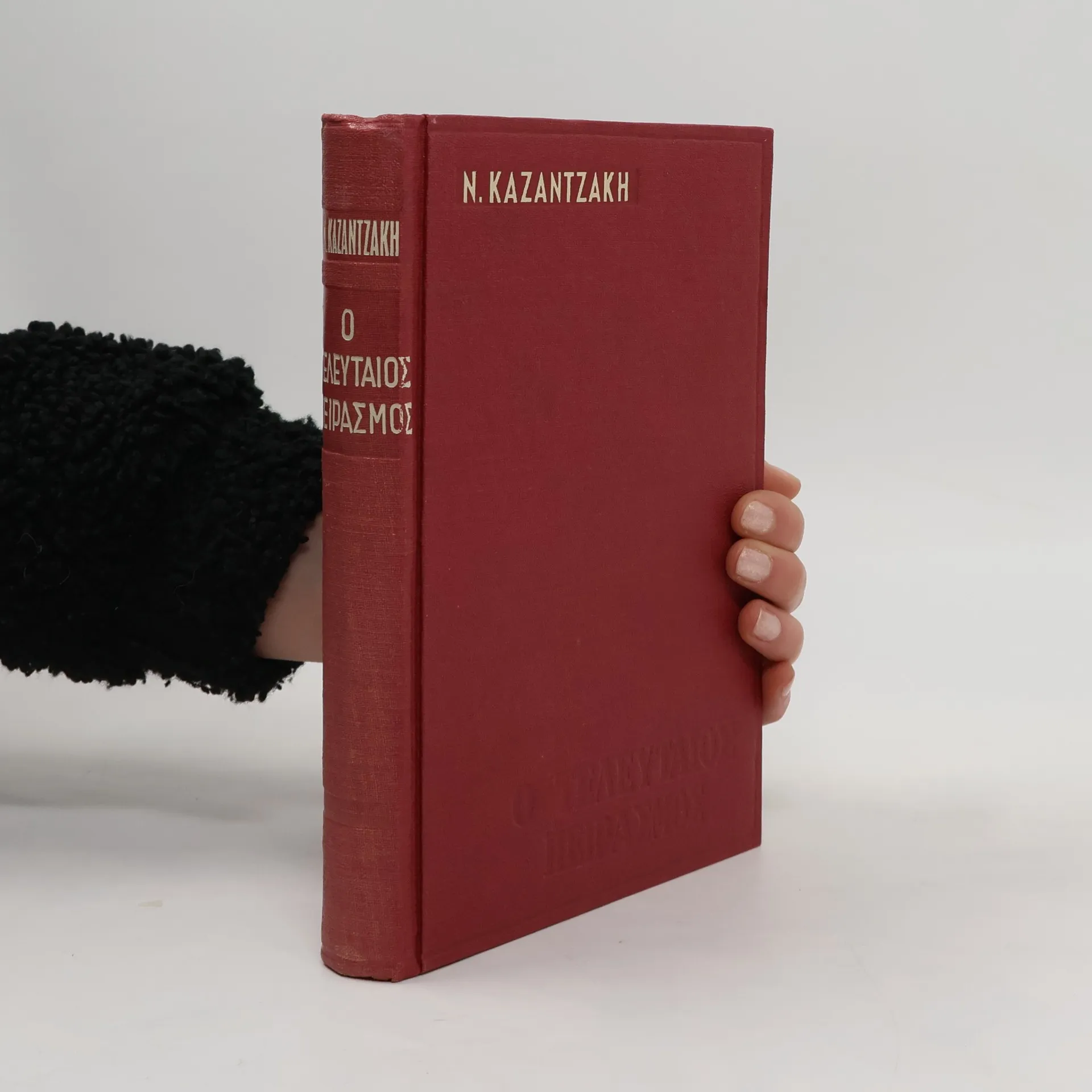
The inhabitants of a Greek village, ruled by the Turks, plan to enact the life of Christ in a mystery play but are overwhelmed by their task. A group of refugees, fleeing from the ruins of their plundered homes, arrive asking for protection - and suddenly the drama of the Passion becomes reality.
Nikos Kazantzakis (1883-1957) was born in and lived in Greece most of his life. He was the author of poetry, plays, articles and novels, including The Last Temptation of Christ, Zorba the Greek and The Greek Passion.
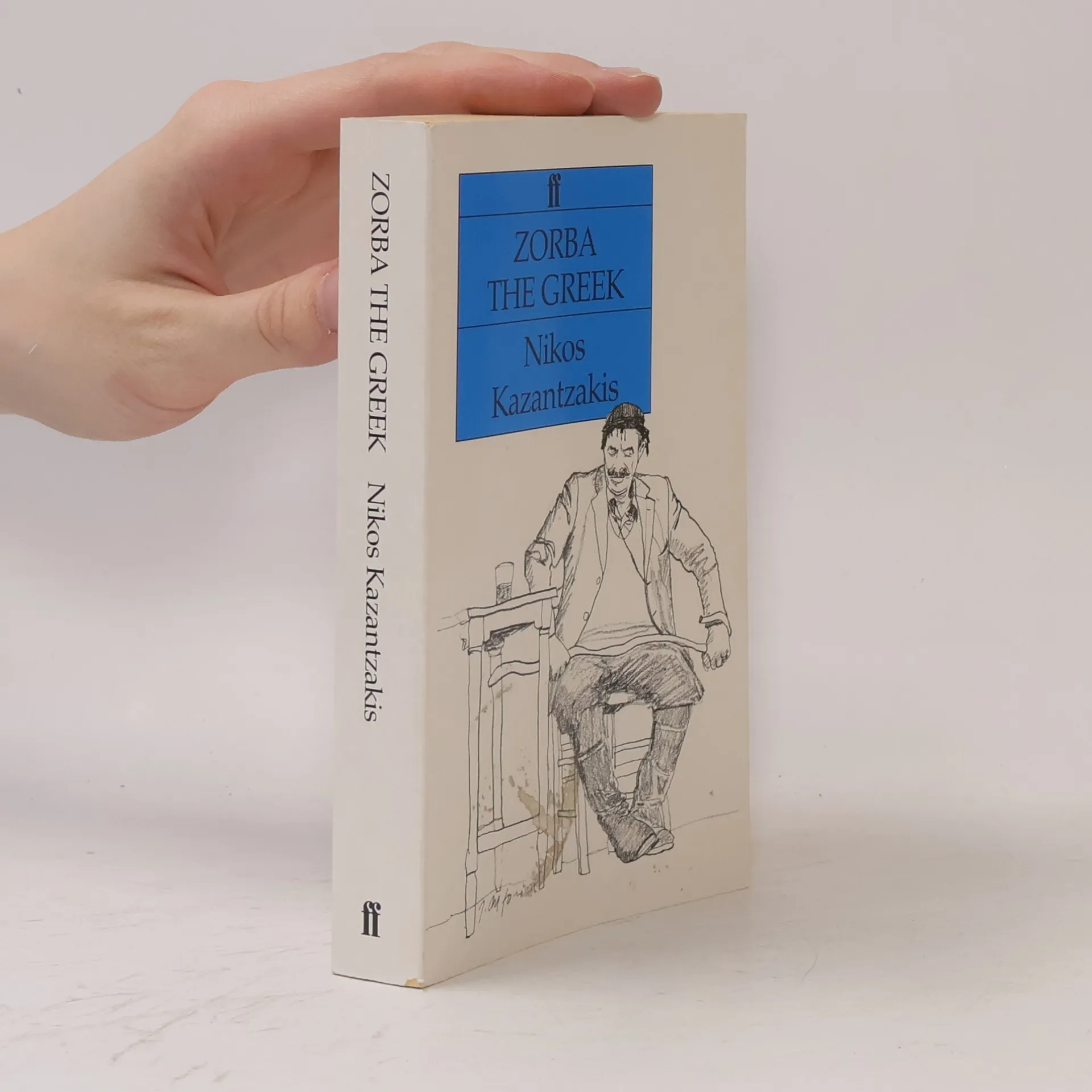
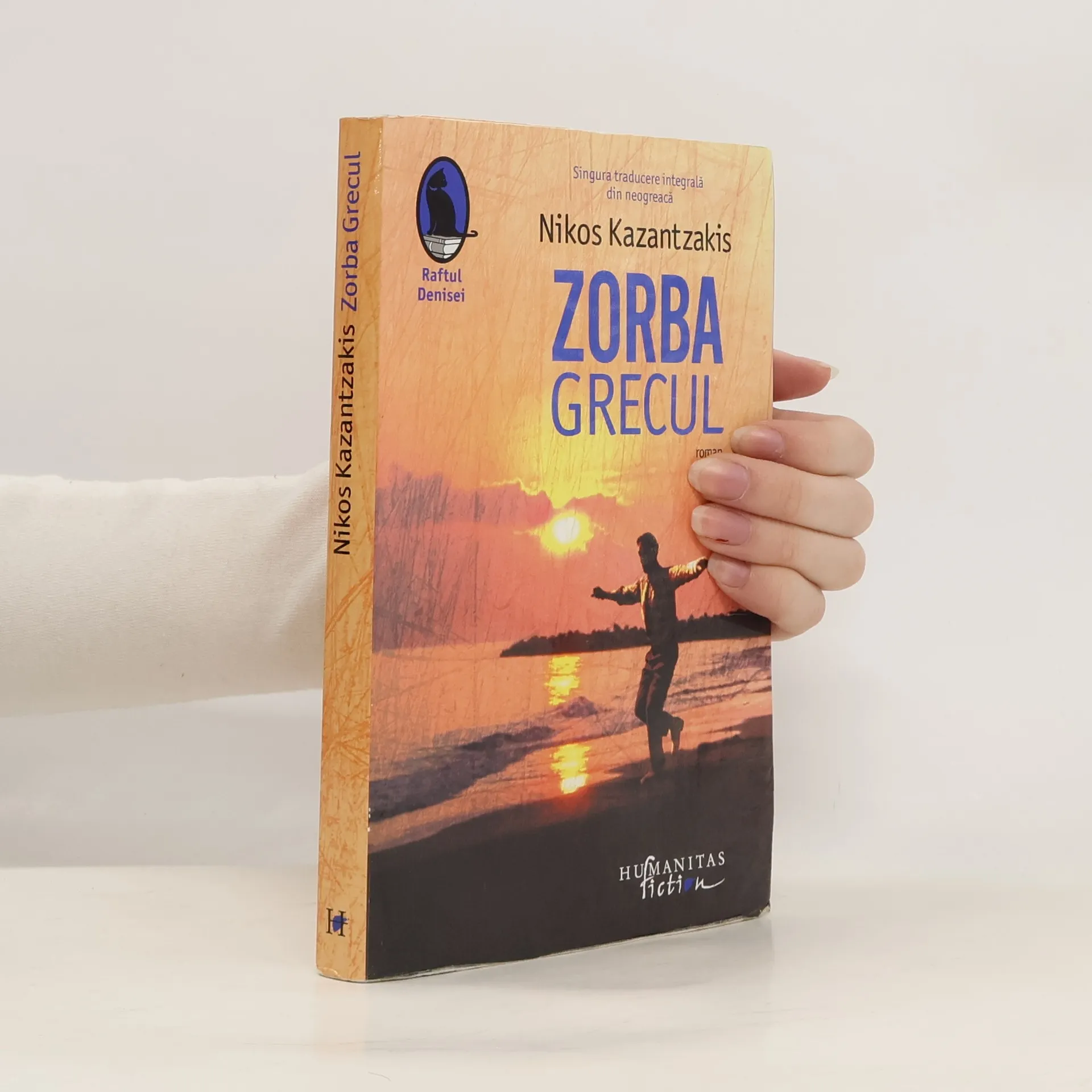
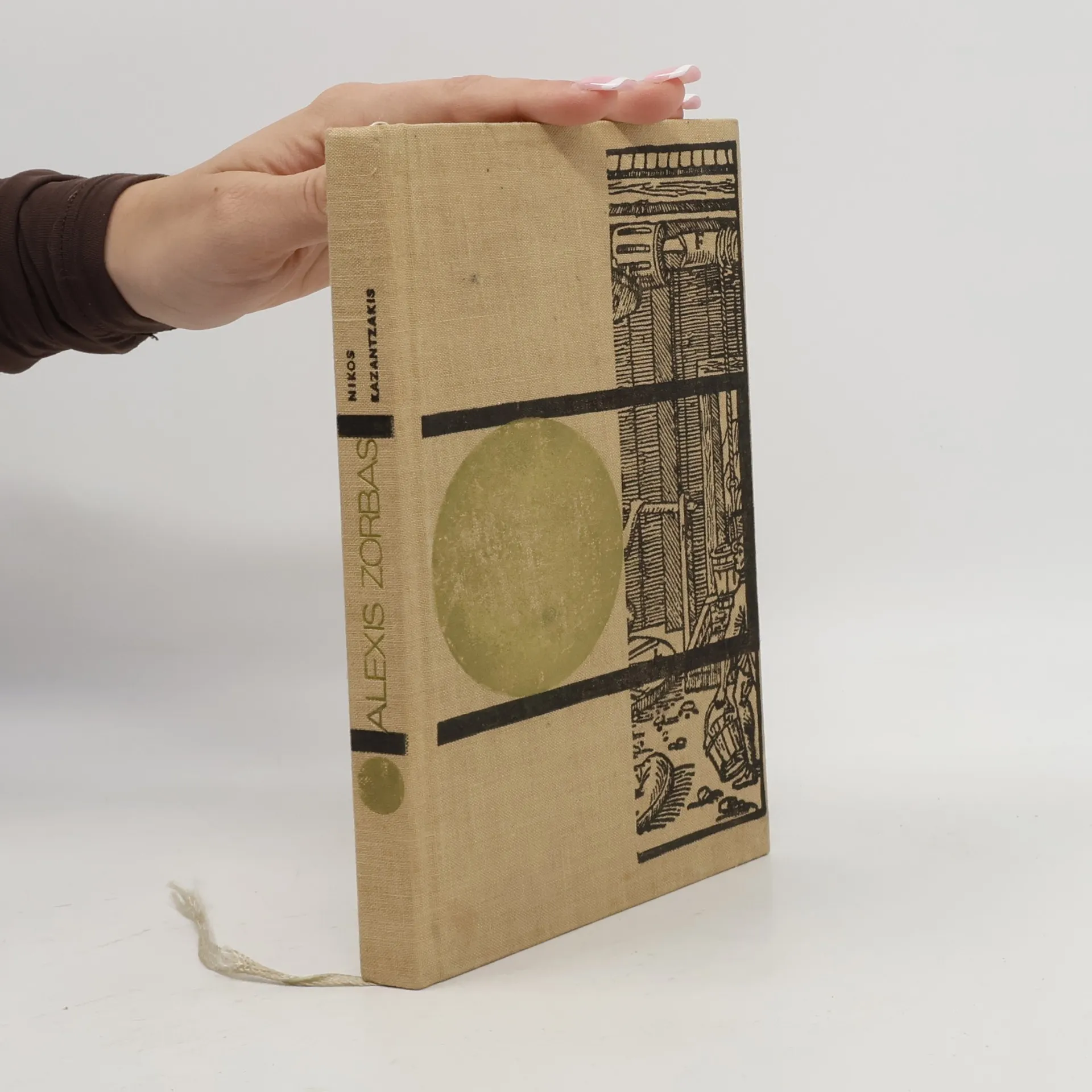
The classic novel, international sensation, and inspiration for the film starring Anthony Quinn explores the struggle between the aesthetic and the rational, the inner life and the life of the mind. The classic novel Zorba the Greek is the story of two men, their incredible friendship, and the importance of living life to the fullest. Zorba, a Greek working man, is a larger-than-life character, energetic and unpredictable. He accompanies the unnamed narrator to Crete to work in the narrator’s lignite mine, and the pair develops a singular relationship. The two men couldn’t be further apart: The narrator is cerebral, modest, and reserved; Zorba is unfettered, spirited, and beyond the reins of civility. Over the course of their journey, he becomes the narrator’s greatest friend and inspiration and helps him to appreciate the joy of living. Zorba has been acclaimed as one of the most remarkable figures in literature; he is a character in the great tradition of Sinbad the Sailor, Falstaff, and Sancho Panza. He responds to all that life offers him with passion, whether he’s supervising laborers at a mine, confronting mad monks in a mountain monastery, embellishing the tales of his past adventures, or making love. Zorba the Greek explores the beauty and pain of existence, inviting readers to reevaluate the most important aspects of their lives and live to the fullest.
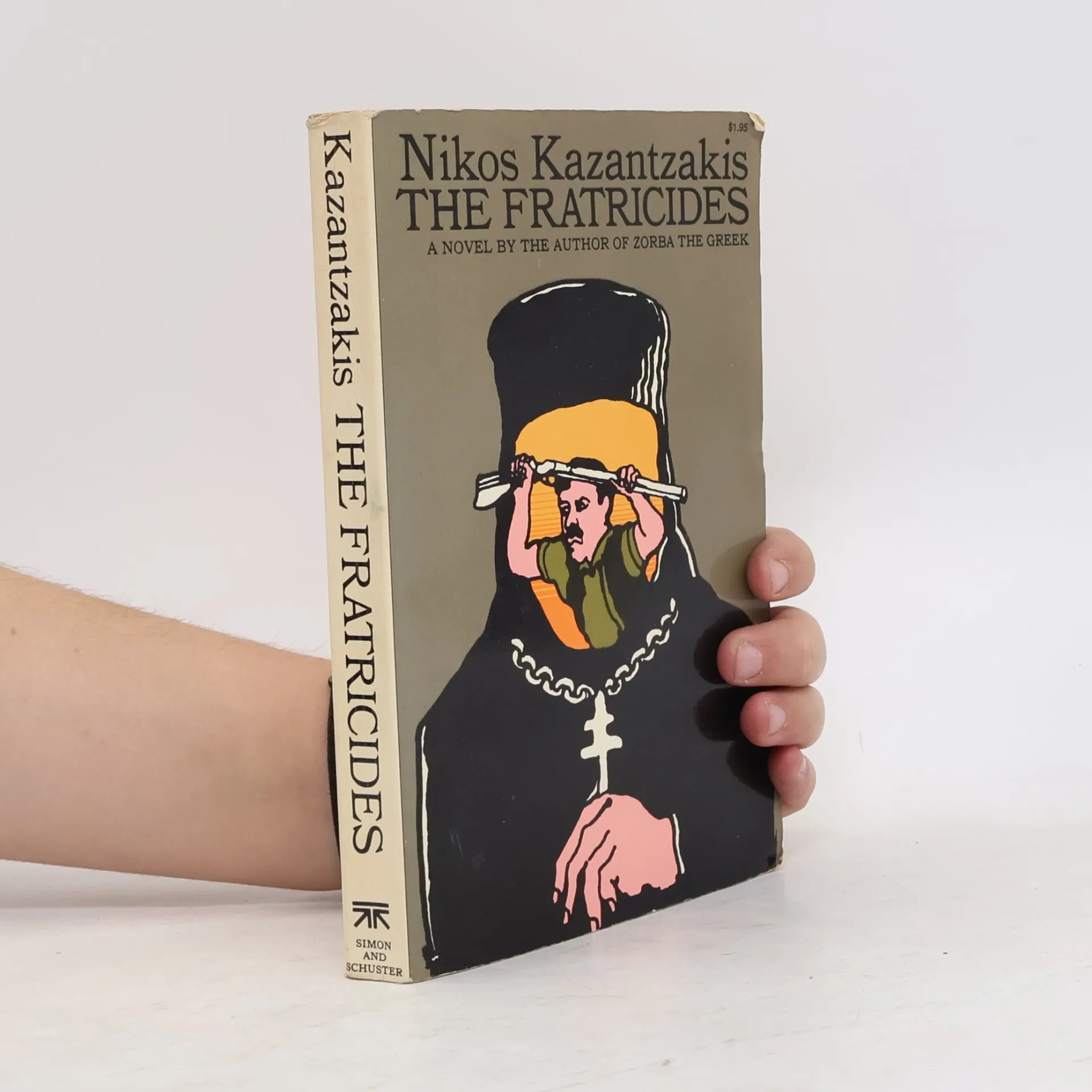
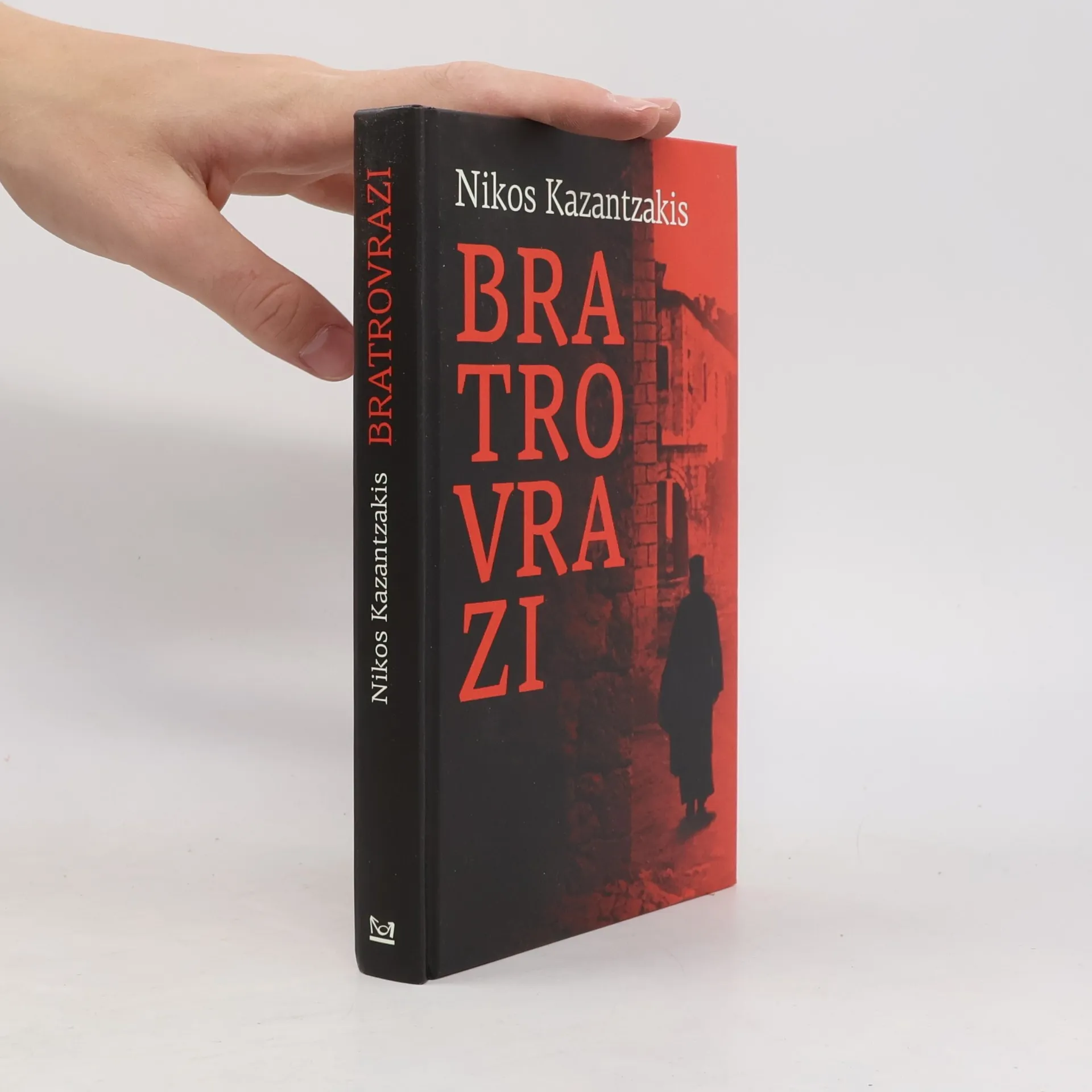
The Fratricides is about internecine strife in a village in the Epirus during the Greek civil war of the late 1940s. Many of the villagers, including Captain Drakos, son of the local priest Father Yanaros, have taken to the mountains and joined the Communist rebels. It is Holy Week and, with murder, death and destruction everywhere, Father Yanaros feels that he himself is bearing the sins of the world.
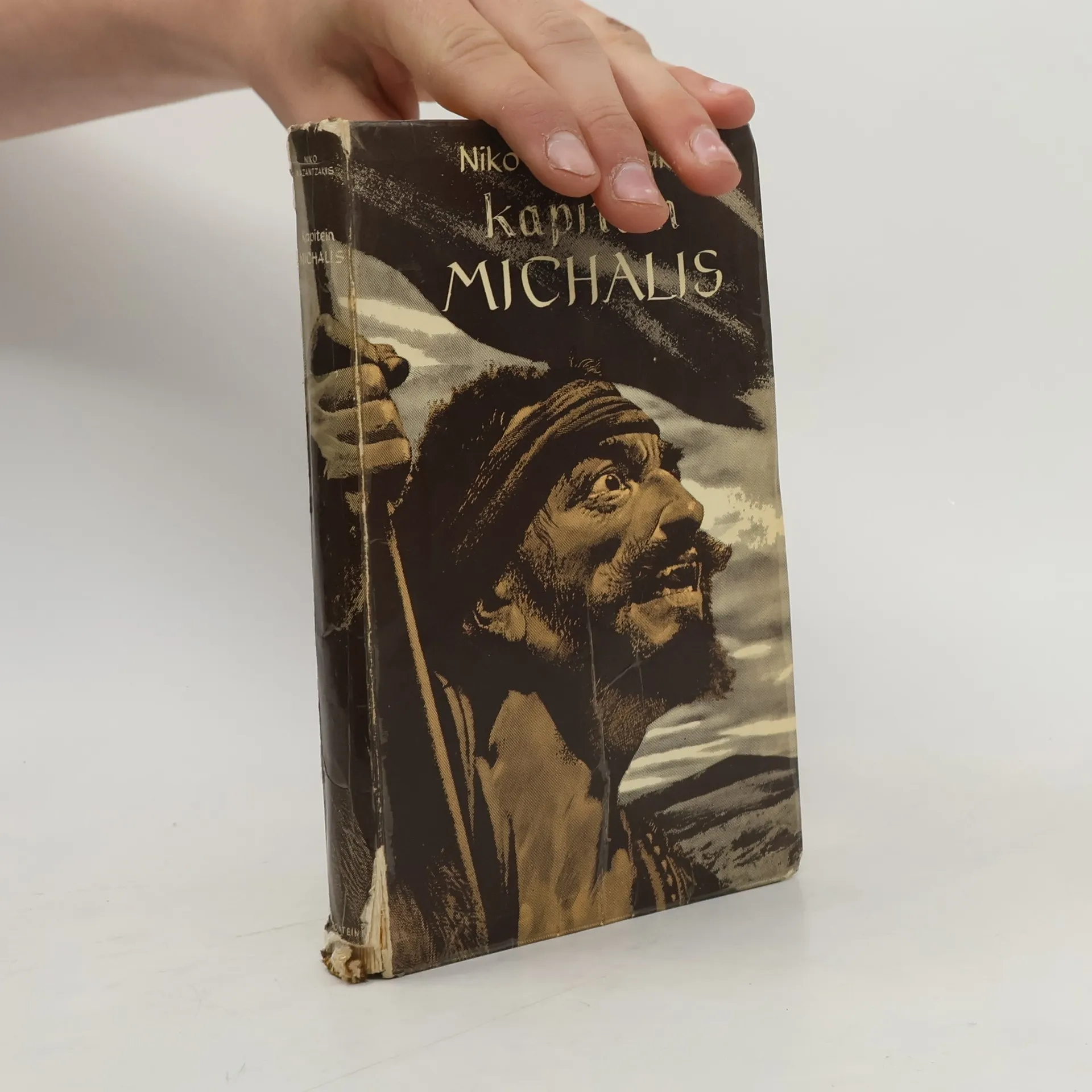
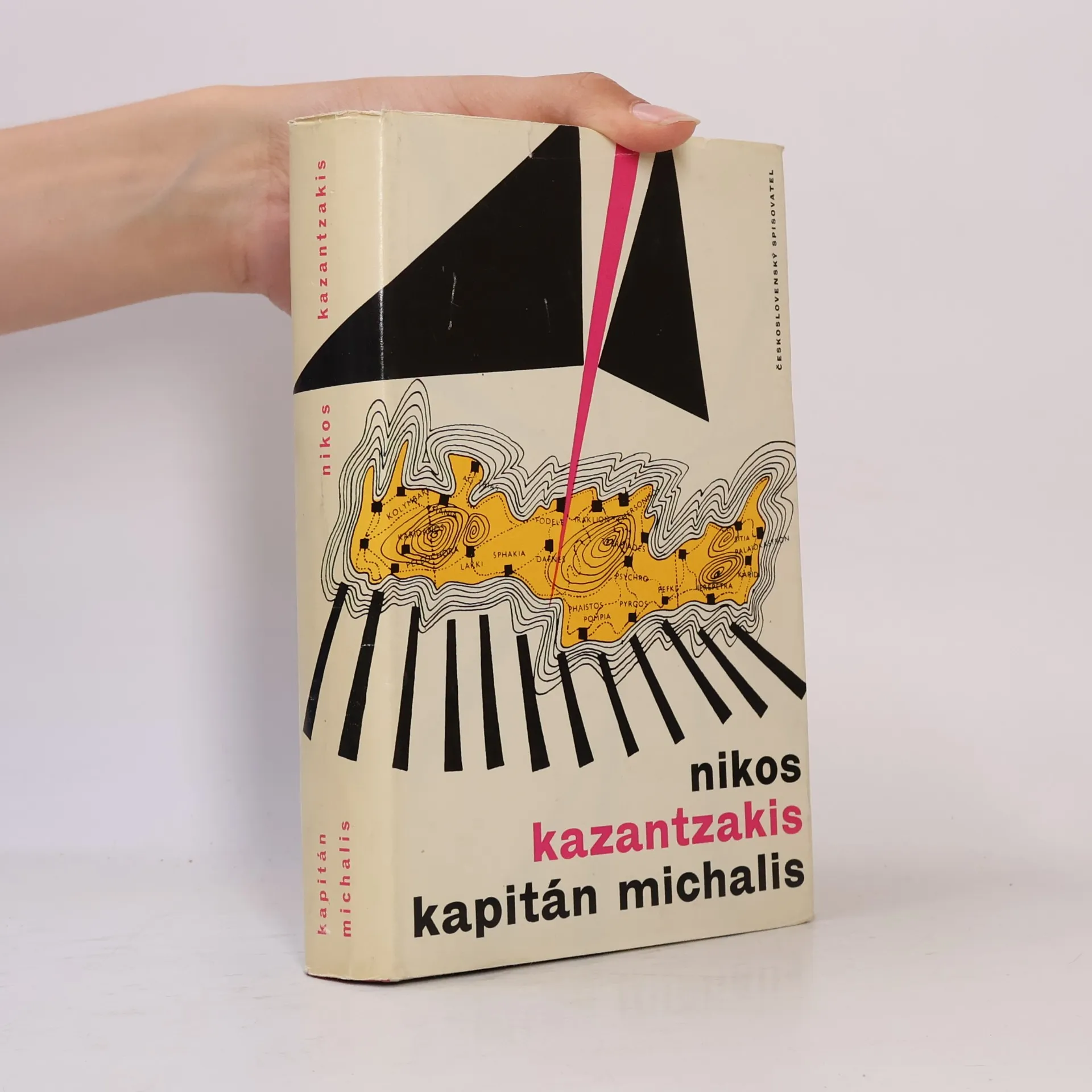
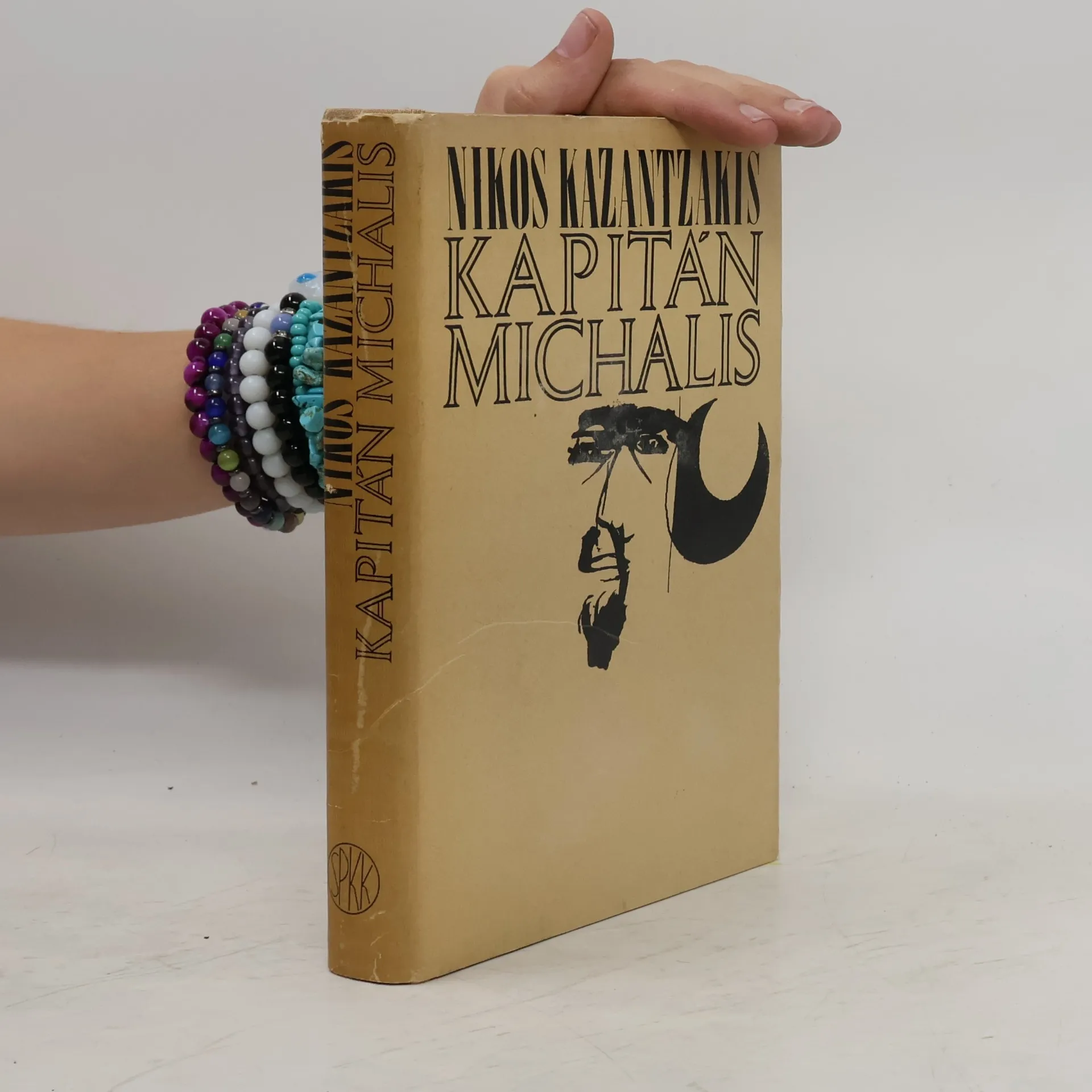
The context is Crete in the late nineteenth century, the epic struggle between
Greeks and Turks, between Christianity and Islam. A new uprising takes place
to rival those of 1854, 1866 and 1878, and the island is thrown into confusion
yet again. The life of the local community continues shakily, but is disrupted
by explosions of violence.
Blending historical fact and classical myth, the author transports the reader
3,000 years into the past, to a pivotal point in history: the final days
before the ancient kingdom of Minoan Crete is to be conquered and supplanted
by the emerging city-state of Athens.
A tale of a European traveler to China who falls in love with a Chinese woman and becomes caught up in the dangers of revolutionary activity and brutal war.
Ein tragisches Stück über den antiken griechischen Kriegerkönig Odysseus und ein Vorläufer von Nikos Kazantzakis' epischem Gedicht „Die Odyssee: Eine moderne Fortsetzung“, inspiriert von Homers „Die Odyssee“.
The Iliad tells the story of Greek warrior Achilles' great anger and the tragic death of Hector during the Trojan War, encapsulating the brutality of war. Its epic sweep has gripped generations of readers, and this new translation is elegant and accurate, respecting the original line numbers, and accompanied by authoritative editorial matter.
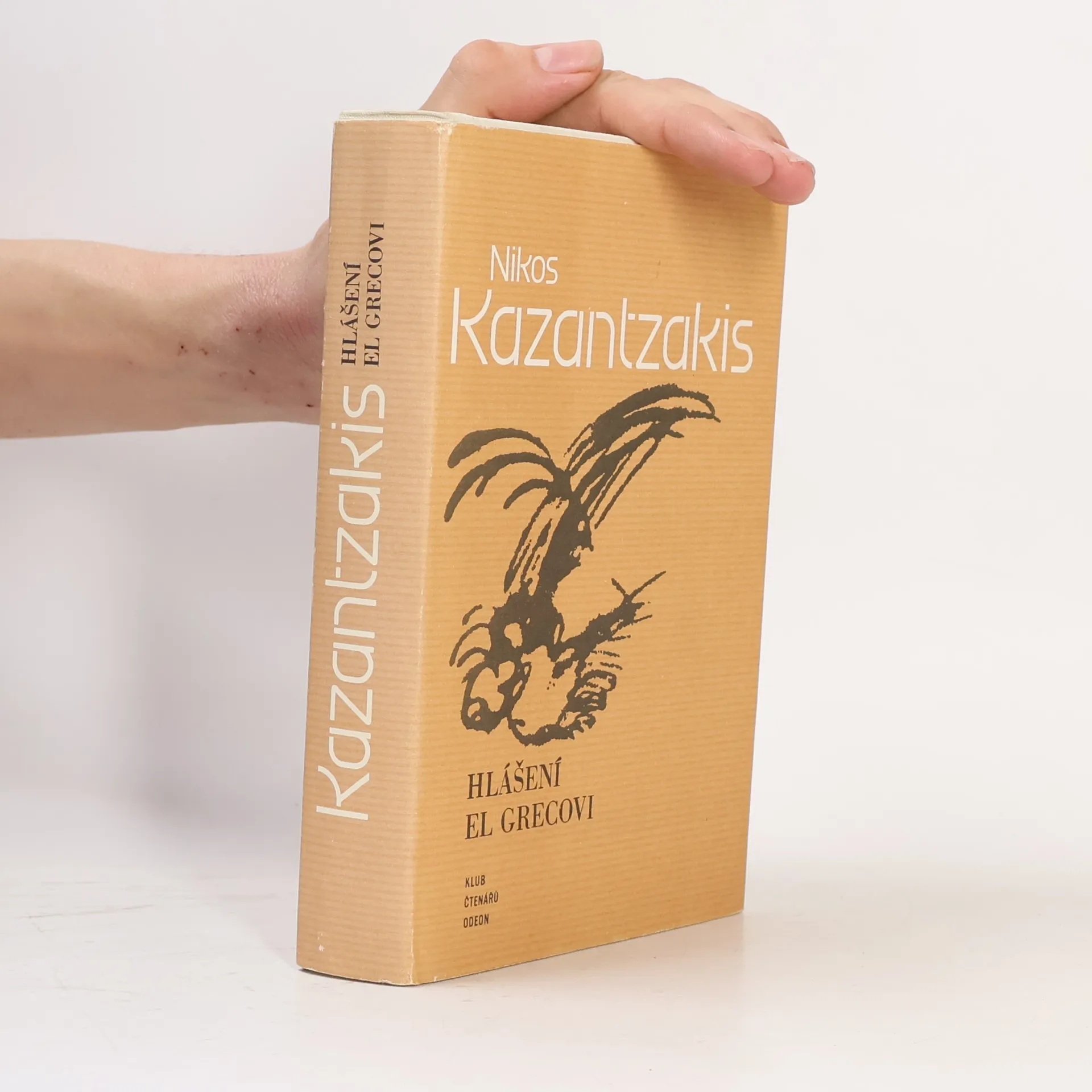
„Und meine Zweifel in Bezug auf die großen Ideen, die mich nacheinander bezauberten und mich dann enttäuschten, sodass ich sie fallen ließ, alle zusammen bildeten einen unerschütterlichen Glauben an die Essenz.“ Nikos Kazantzakis‘ großer Bericht ist nicht bloß eine in vielen Details beschriebene Reise zurück zu den Orten und Menschen seines Lebens, sondern vielmehr die rückblickende Beschreibung seiner metaphysischen Reise. Es ist die Niederschrift eines Suchers, der, gehetzt vom nahenden Fortgehen, seinen so wichtigen Bericht noch verfasst: Vielleicht nicht immer blütenrein, vielleicht nicht immer unbedingt Kopfnicken und Einverständnis erwartend – doch ehrlich und beharrlich. Es ist die Positionsbeschreibung des Autors und Menschen Kazantzakis – keine Betrachtung, die auf Vollständigkeit und Endgültigkeit pocht, sondern lediglich darauf, dass das, was er schreibt, der eigenen Perspektive gerade zum Zeitpunkt der Niederschrift vollständig entspricht; stets vertrauend darauf, dass sich dieser Blick weiten und verändern wird. Der Bericht an El Greco ist kein abschließender, sondern einer, der sich fortschreibt, denn, wie Kazantzakis schreibt: „Ein Vogel mit roten, grünen und gelben Flügeln ist die Welt, und das Kind rennt ihm nach, um ihn zu fangen.“
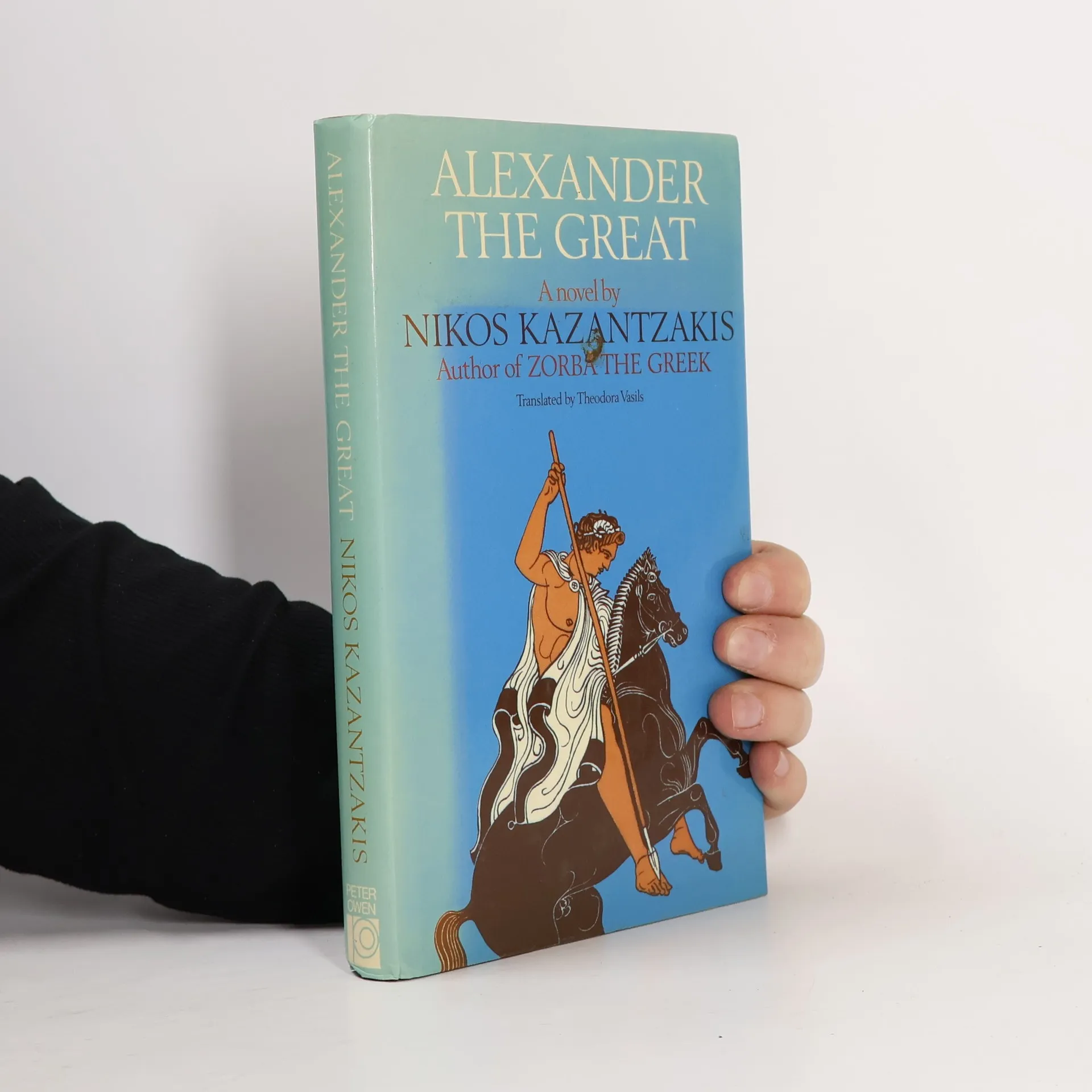
Der Schriftsteller Nikos Kazantzakis (1883-1957) – weltberühmt etwa durch „Alexis Sorbas“ – behandelt in diesem Roman das Leben Alexanders des Großen (356 bis 323 v. Chr.) und nimmt sich der Sache aus einer neuen Sicht an: Er beschreibt den Werdegang des Königs der Makedonier aus der Perspektive eines Kindes, später eines Jugendlichen, der schließlich an der Seite des großen Feldherren zum Mann heranwächst. Trotz der literarischen Darstellungsweise ist der gesamte Feldzug bis ans Ende der damals bekannten Welt historisch nachvollziehbar – beginnend mit der Zähmung des späteren Streitrosses Boukephalos durch den jungen Thronfolger bis zum plötzlichen Tode Alexanders im Jahr 323 v. Chr. Ein spannend geschriebenes, lebendiges Buch, das Alexanders Weg über die Gebirge Afghanistans, durch die Urwälder Indiens, durch Wüsten, über Flüsse und Meere nacherzählt. Ergänzt wird der Text durch Karten- und Bildmaterial. Es ist eines der unbekannteren Werke von Kazantzakis, das bisher noch nicht ins Deutsche übersetzt wurde – dies aber auf jeden Fall verdient hat. Geschrieben um 1940 auf der Insel Ägina im Saronischen Golf hat es bis heute nichts von seiner Aktualität verloren – eher im Gegenteil.
Známý román o duševně rozpolceném člověku, hledajícím životní poslání…
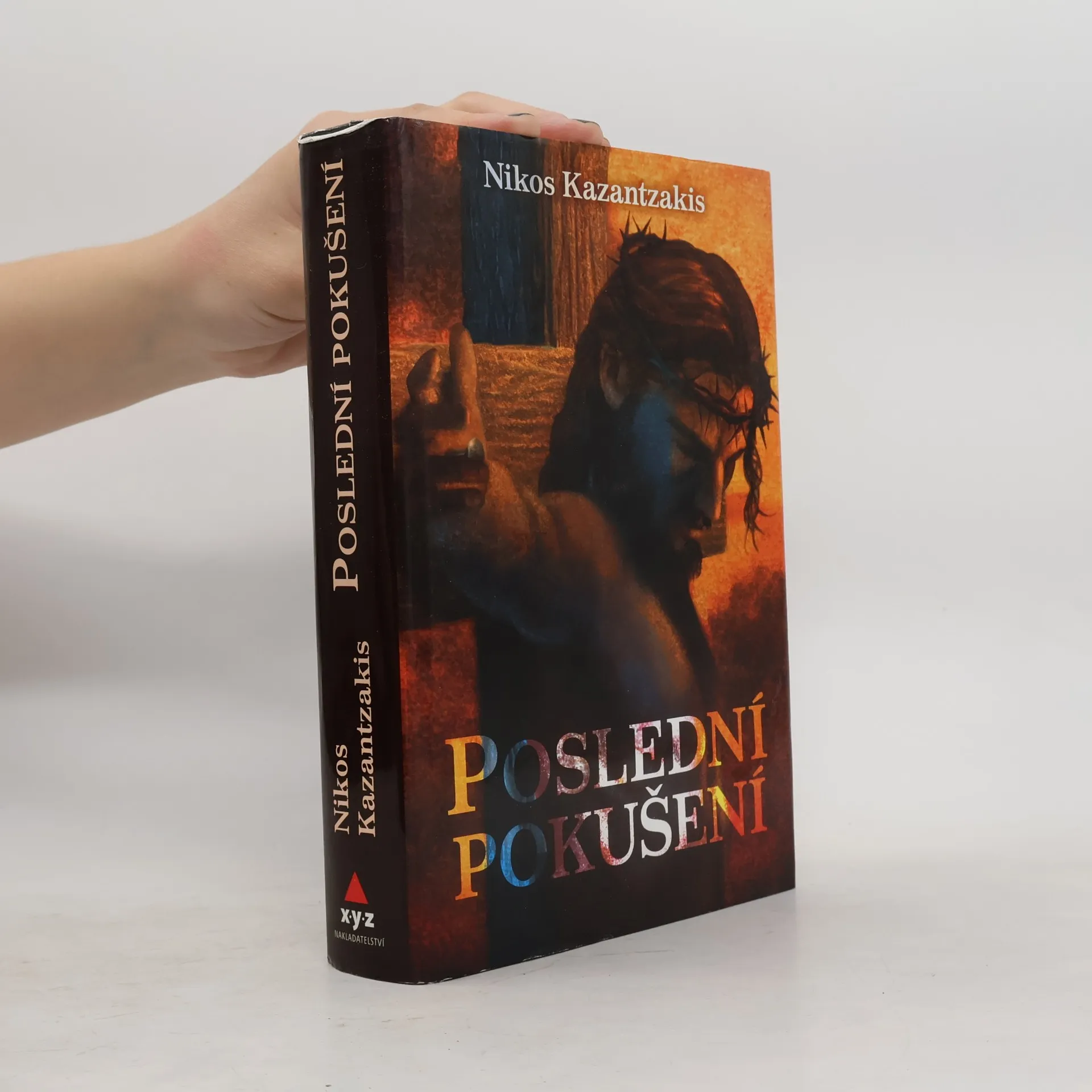
Ježíš pochybuje o sobě samém a vzpírá se úkolu, k němuž je předurčen Bohem. Nechce být Vyvoleným, a když se rozhodne přece jen naplnit svůj osud, dopustí se řady omylů a chyb. Ani na kříži není bývalý tesař zcela přesvědčen, že zvolil správnou cestu; musí ve snu prožít zbytek života jako obyčejný člověk, aby se s konečnou platností přesvědčil, že je a že chce být Mesiášem. Navíc pochopí, že sebeobětování bude mít smysl, jen pokud bude dobrovolné.
Nikos Kazantzakis napsal svůj slavný román, jehož původní název zní Život a skutky Alexise Zorbase, během jediného měsíce v roce 1943. Byl záhy přeložen do mnoha jazyků a dnes je řazen mezi klasická díla světové literatury. Román je částečně biografický a Kazantzakis v něm spodobnil svého přítele Georgiose, s nímž si r. 1919 najal pilu ve vesnici Pastrov v kraji Mani na Peloponésu. Právě on se stal předobrazem hlavního protagonisty Alexise Zorby, venkovana žijícího v souladu s přirozenými zákony. Celá kniha je směsí fikce, reality i filozofie. Román byl navíc také úspěšně zfilmován, v titulní roli se představil slavný Anthony Quinn.
Autor v knize přináší vhled do duchovních cvičení ve snaze poznat Boha. Obsahuje pět stupňů v podobě duchovních cviků – rozjímání, vyložených v pěti stejnojmenných kapitolách: Příprava, Pouť, Vidina, Konání a Ticho.
Ačkoli Kazantzakisův román Bratrovrazi patří k jeho méně známým dílům, zralostí, významem, a hlavně nadčasovostí se vyrovná těm ostatním. Autor, v hloubi duše pacifista, přibližuje čtenáři střet znepřátelených stran za občanské války v Řecku (1946–1949) z jiného úhlu pohledu, přičemž užívá neobvyklé literární prostředky. Uprostřed událostí stojí bezelstný, lidsky přirozený, nezávislý kněz, který se snaží nalézt odpověď na otázku, na čí straně je právo. Vyvíjí obrovské úsilí usmířit obě strany a zastavit zbytečné krveprolití. Vede nekonečný dialog s Bohem a zároveň se dovolává jeho pomoci. Marně. Poté, co v jeho farnosti dojde k nevyhnutelné tragédii, za niž cítí osobní vinu, zoufalý odchází do světa s posláním hlásat mír a usmíření mezi všemi lidmi... Nalezne je, či ne?
Občanská válka představuje pro jakýkoli národ jednu z největších pohrom. Bratr bojuje proti bratrovi. Málokdo má v sobě takovou vnitřní sílu, aby se stal „malým velkým hrdinou“, jako naše ústřední postava, a postavil se proti všem.
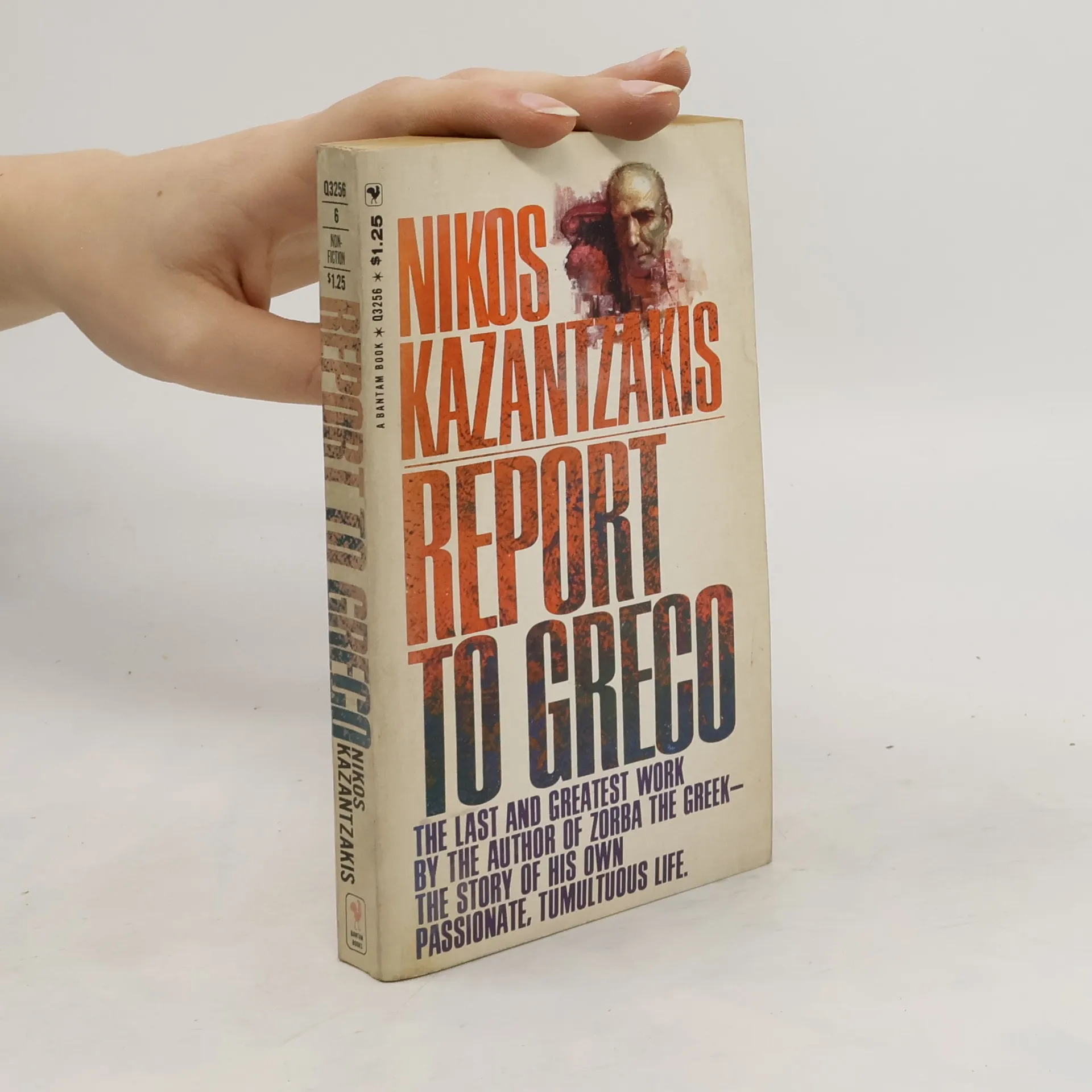
Autobiografický román, v němž autor líčí průběh vlastního života v kontextu vývoje evropských dějin do 20. let tohoto století. V zahloubaném vyprávění napříč světem hledá odpovědi na největší životní otázky a prochází postupně čtyřmi stádii vývoje, jehož nositely jsou Ježíš, Buddha, Lenin a Řek Zorbas.
Česky by se dal název přeložit – Vše co učinil v životě Alexis Zorbas Inspirací pro tuto postavu byl autorův přítel Georgios Zorbas, se kterým autor v roce 1916 pracoval na těžbě lignitu. Knihu napsal v roce 1946 a kniha se dočkala takového ohlasu, že ji v roce 1964 zfilmoval Michalis Kakojannis s Anthony Quinnem v hlavní roli. Zdatně mu sekundoval Alan Bates. Kniha vyšla v edici Soudobá Světová próza – svazek 236, obálku navrhl Dominik Wallenfels a u nás vyšla poprvé v roce 1966.