

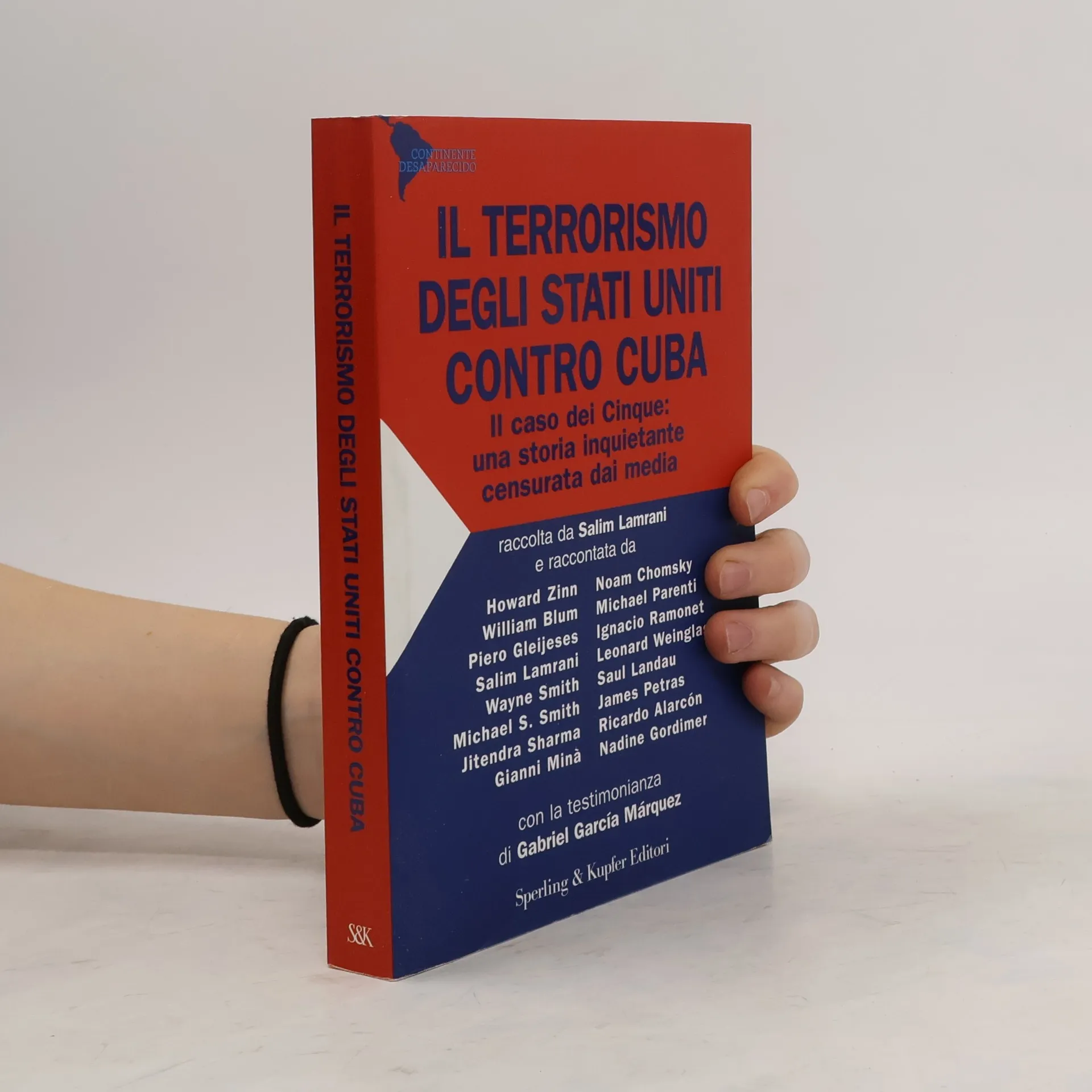
Il terrorismo degli Stati Uniti contro Cuba
- 266 pages
- 10 hours of reading
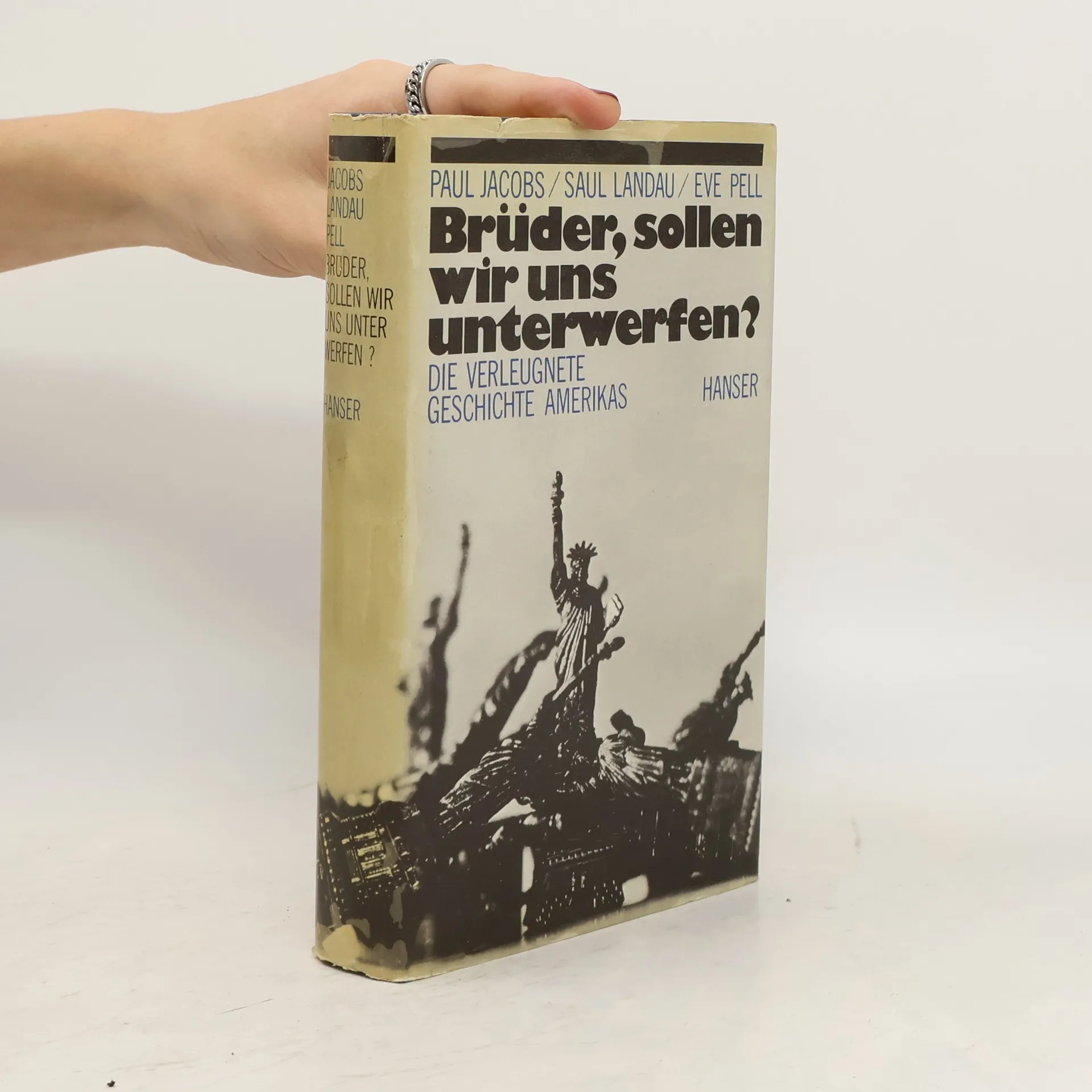
Saul Landau was an internationally recognized scholar, author, and commentator who dedicated forty years to social, political, and human rights issues. His work delved into profound societal problems, utilizing his talents as an author and filmmaker to provoke thought and discussion. His writings explore the complexities of human society and the pursuit of justice. Landau's legacy lies in his tireless efforts to educate and advocate for human rights through his extensive body of work.


Hugo Chavez, the populist leader of Venezuela, stands as a formidable challenger to U.S. global authority. Leading one of the largest oil-producing nations, he has significantly influenced world oil prices, diminishing the power of multinational oil companies while directing wealth to the impoverished in his country and beyond. As the democratically elected president of a major South American democracy, Chavez's staunch opposition to the Bush administration's Free Trade Area of the Americas (FTAA) has severely hindered U.S. ambitions in the region. The situation escalated in 2005 when Pat Robertson, a Bush ally, suggested Chavez's assassination, prompting public outrage and raising questions about potential CIA involvement and U.S. invasion plans. Chavez hinted at receiving intelligence regarding such plans during a September 2005 interview. The April 2002 coup attempt against him, which he survived after mass protests, further complicates the narrative. Venezuelan-American attorney Eva Golinger and journalist Jeremy Bigwood leveraged the Freedom of Information Act to uncover U.S. government documents related to its intervention in Venezuela. Their findings in The Chavez Code reveal undeniable evidence that the U.S. was aware of the coup plot beforehand, hinting at a more sinister history of U.S. involvement in Latin America.
Die verleugnete Geschichte Amerikas