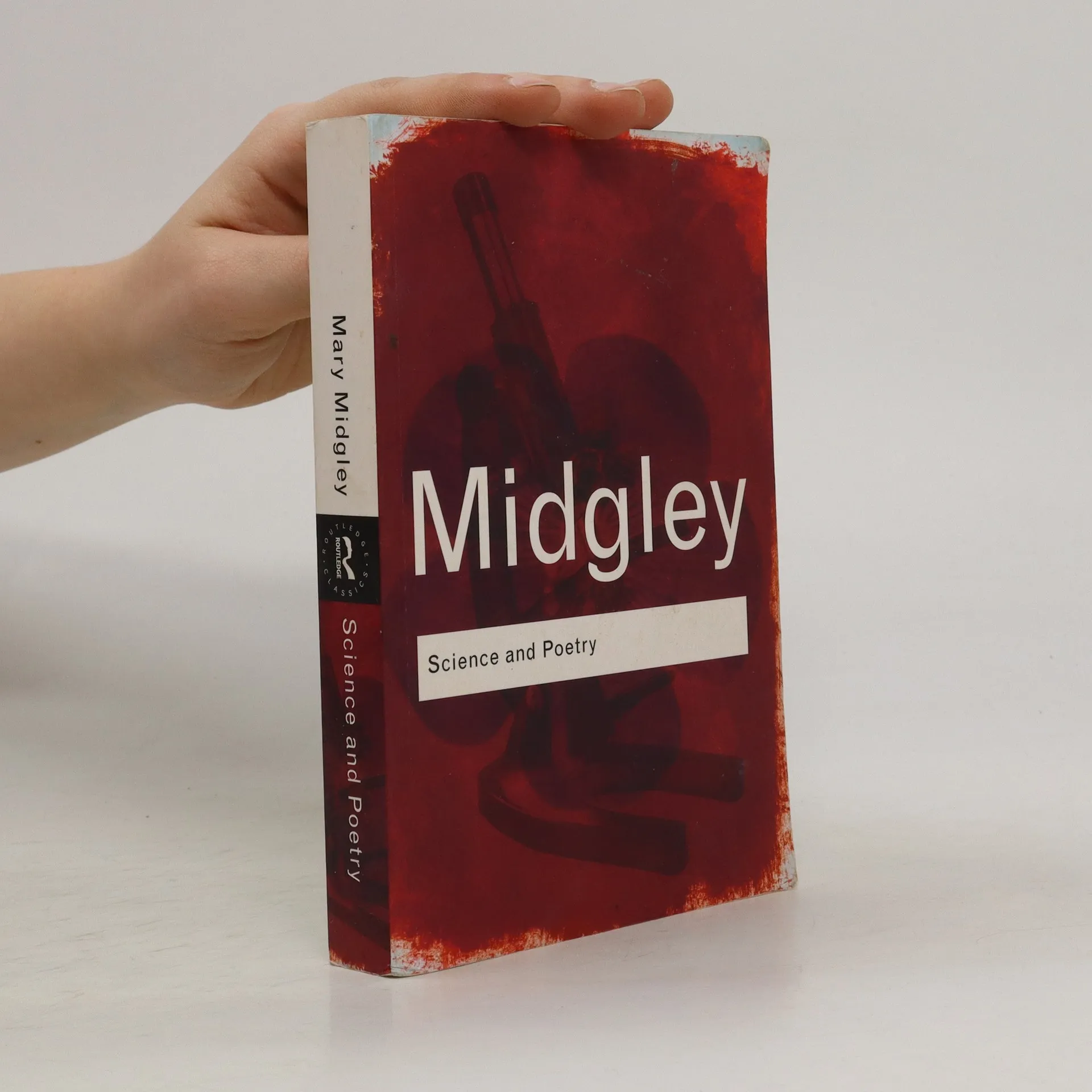
Science, according to the received wisdom of the day, can in the end answer any question we choose to put to it - even the most fundamental questions about ourselves, our behaviour and our cultures. Many go as far as to claim that science is all we need to explain the world. But for Mary Midgley, science, while undeniably a key element in this quest, can never be the whole story as it cannot truly explain what it means to be human. She asserts her corrective view that without poetry (or literature, or music, or history, even theology) we cannot hope to understand our humanity. Reading this remarkable book, which draws equally on both the great artists and poets for its inspiration, the reader is struck by both the simplicity and power of her argument and the sheer pleasure to be gained from reading one of our most accessible philosophers.
Mary Midgley Books
Mary Midgley was a British philosopher renowned for her work on ethics and animal rights. She was a staunch opponent of reductionism and scientism, arguing against the idea that science could adequately replace the humanities. Her thought was deeply engaged with what can be learned from nature, particularly from animals, themes that permeated her extensive writings. Midgley critically examined the philosophical underpinnings of popular science and was celebrated as a sharp critic of scientific overreach.

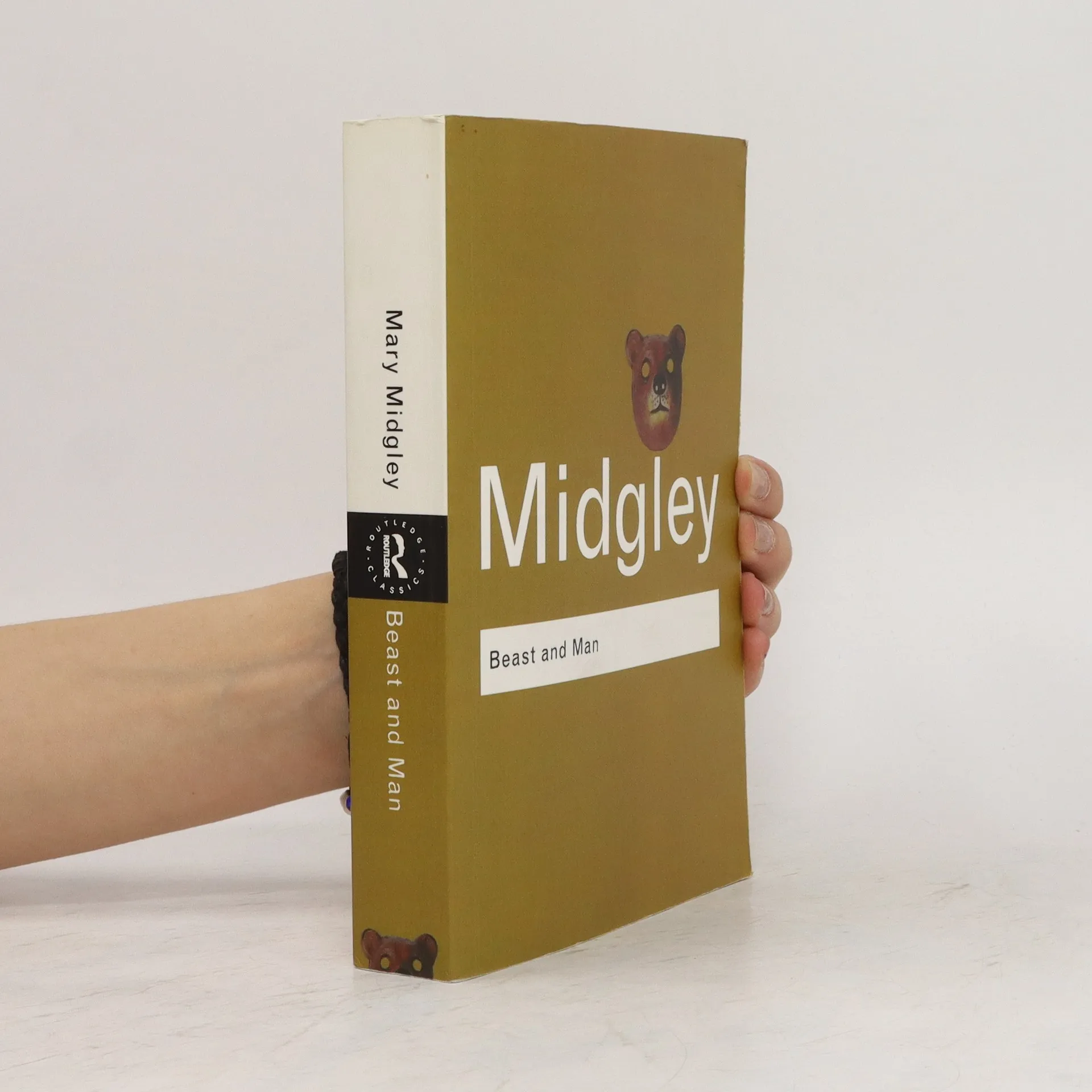
In this major work, Mary Midgley, one of our foremost intellectuals tells us that humans are rather more like animals than we have previously allowed ourselves to believe.
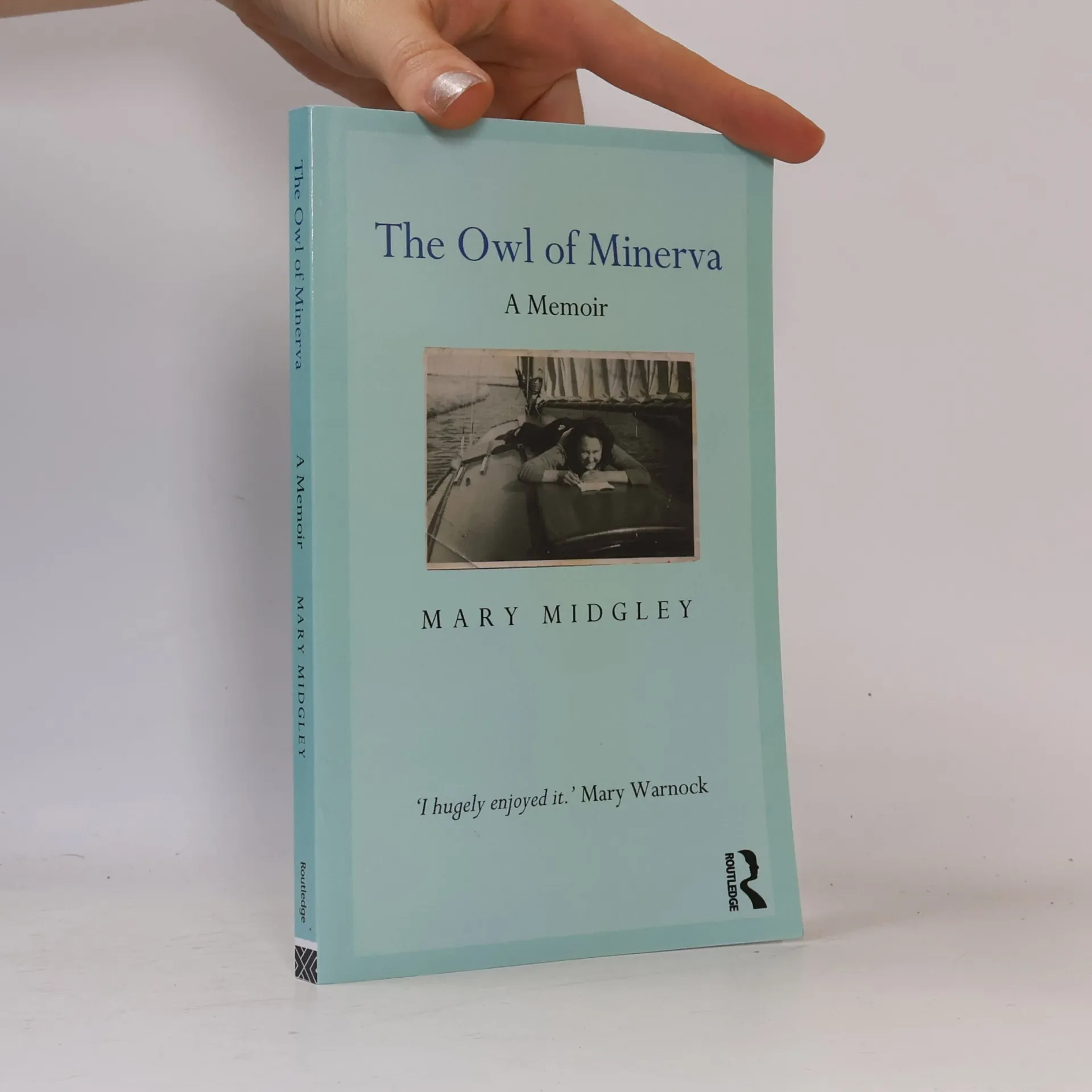
Owl of Minerva
- 220 pages
- 8 hours of reading
Mary Midgley is one of the UK's foremost moral philosophers. This book presents her story in this moving account of friendships found and lost, bitter philosophical battles and of a profound love of teaching. It sheds light on Mary's friends, her moral philosophy and her meetings with major philosophers, including Wittgenstein and Isaiah Berlin.
Challenging the reduction of human motivation to mere self-interest, this book delves into the complexity of our moral constitution. It critiques simplistic views like the 'selfish gene' concept from neo-Darwinian thought, arguing that while these perspectives can provide insights, they ultimately fail to capture the full spectrum of human motives. The exploration invites readers to reconsider the intricacies of human nature beyond one-dimensional interpretations.
The Myths We Live By is a powerful, clearly written book that shows us what goes wrong when we try to apply the metaphors of science to the problems of our lives. Essential reading for anyone concerned about how to understand the world today. schovat popis
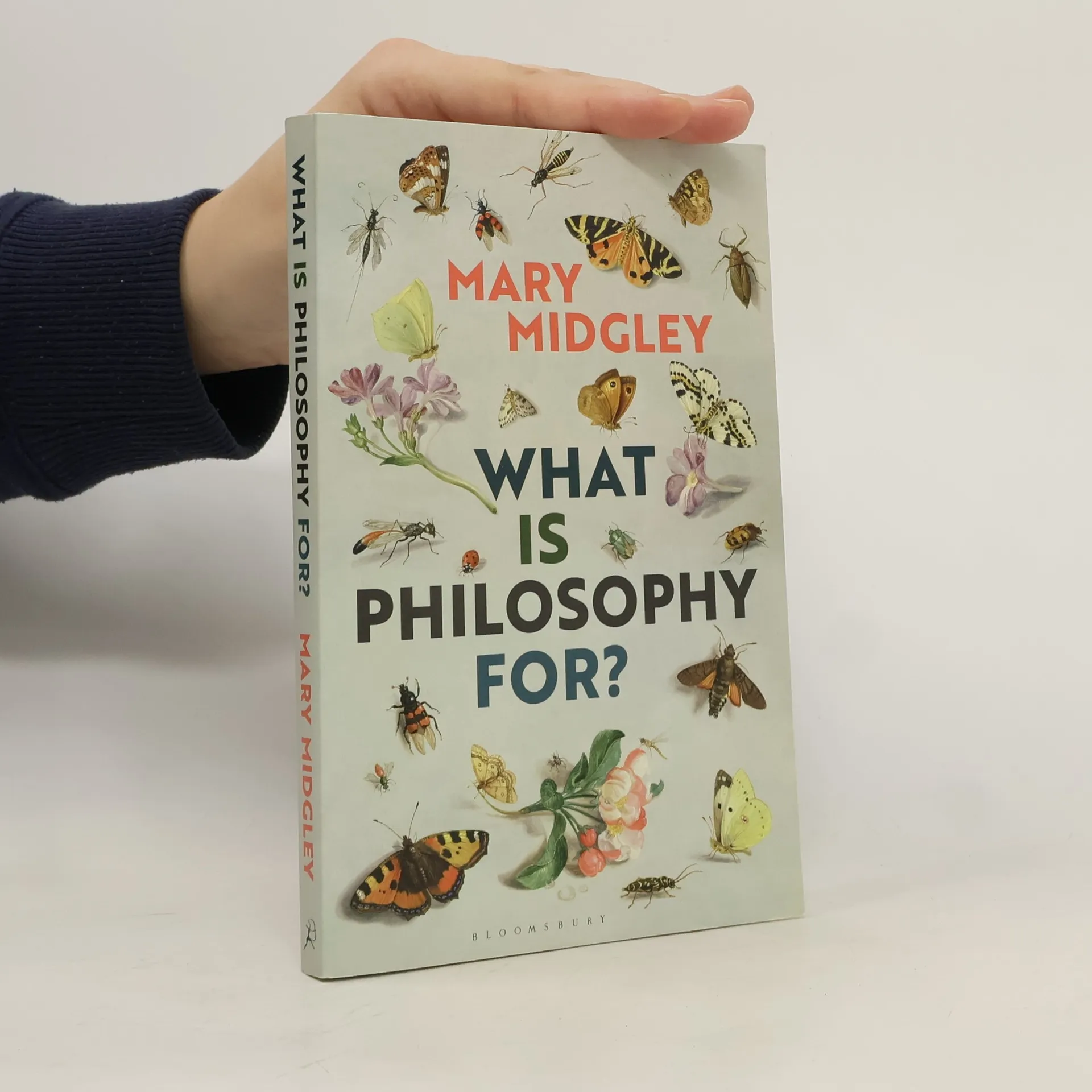
What Is Philosophy for?
- 232 pages
- 9 hours of reading
"Why should anybody take an interest in philosophy? Is it just another detailed study like metallurgy? Or is it similar to history, literature and even religion: a study meant to do some personal good and influence our lives? Mary Midgley addresses these provocative questions in her most up-to-date statement on the various forms of our current intellectual anxieties and confusions and how we might deal with them. In doing so, she provides a robust, yet not uncritical, defence of philosophy and the life of the mind. This defence is expertly placed in the context of contemporary debates about science, religion, and philosophy. It asks whether, in light of rampant scientific and technological developments, we still need philosophy to help us think about the big questions of meaning, knowledge, and value"--Page 4 of cover
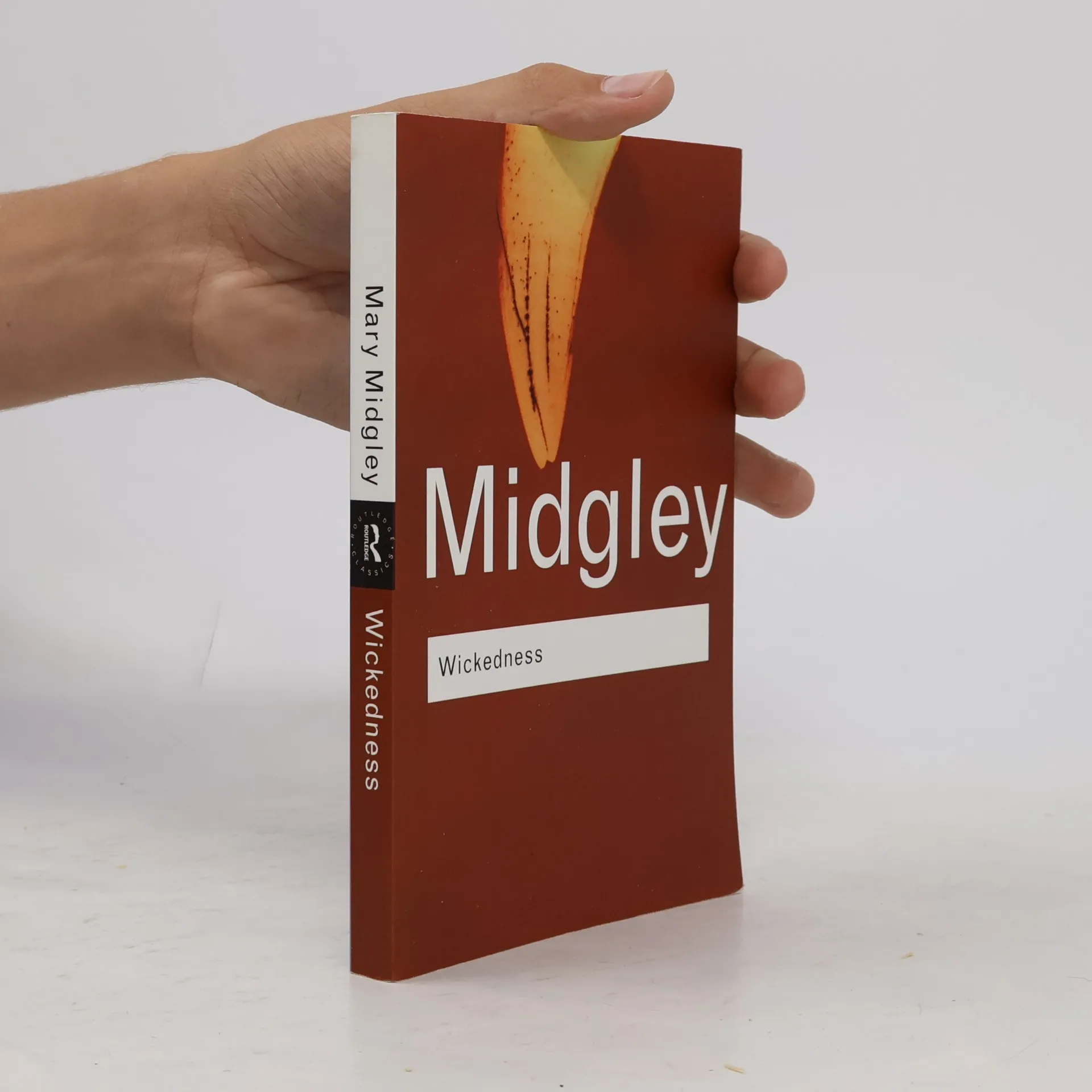
Routledge Classics: Wickedness
- 252 pages
- 9 hours of reading
To look into the darkness of the human soul is a frightening venture, yet here Mary Midgley does so with her customary brilliance and clarity - to read Wickedness is to understand her reputation as one of the great moral philosophers. schovat popis