
Carolyn Steedman is a historian focusing on the lives of the English working class and labor relations within the Industrial Age. Her work delves into the everyday experiences and intricate dynamics between masters and servants that shaped modern England. Steedman's analysis probes the depths of social structures, revealing subtle nuances in human interactions within the spheres of labor and domesticity. She brings a sharp, insightful lens to historical research, uncovering the less obvious narratives and lived realities of the past.
Focusing on everyday legal experiences, from that of magistrates, novelists
and political philosophers, to maidservants, pauper men and women, down-at-
heel attorneys and middling-sort wives, History and the Law reveals how people
thought about, used, manipulated and resisted the law between the eighteenth
and the twentieth centuries.
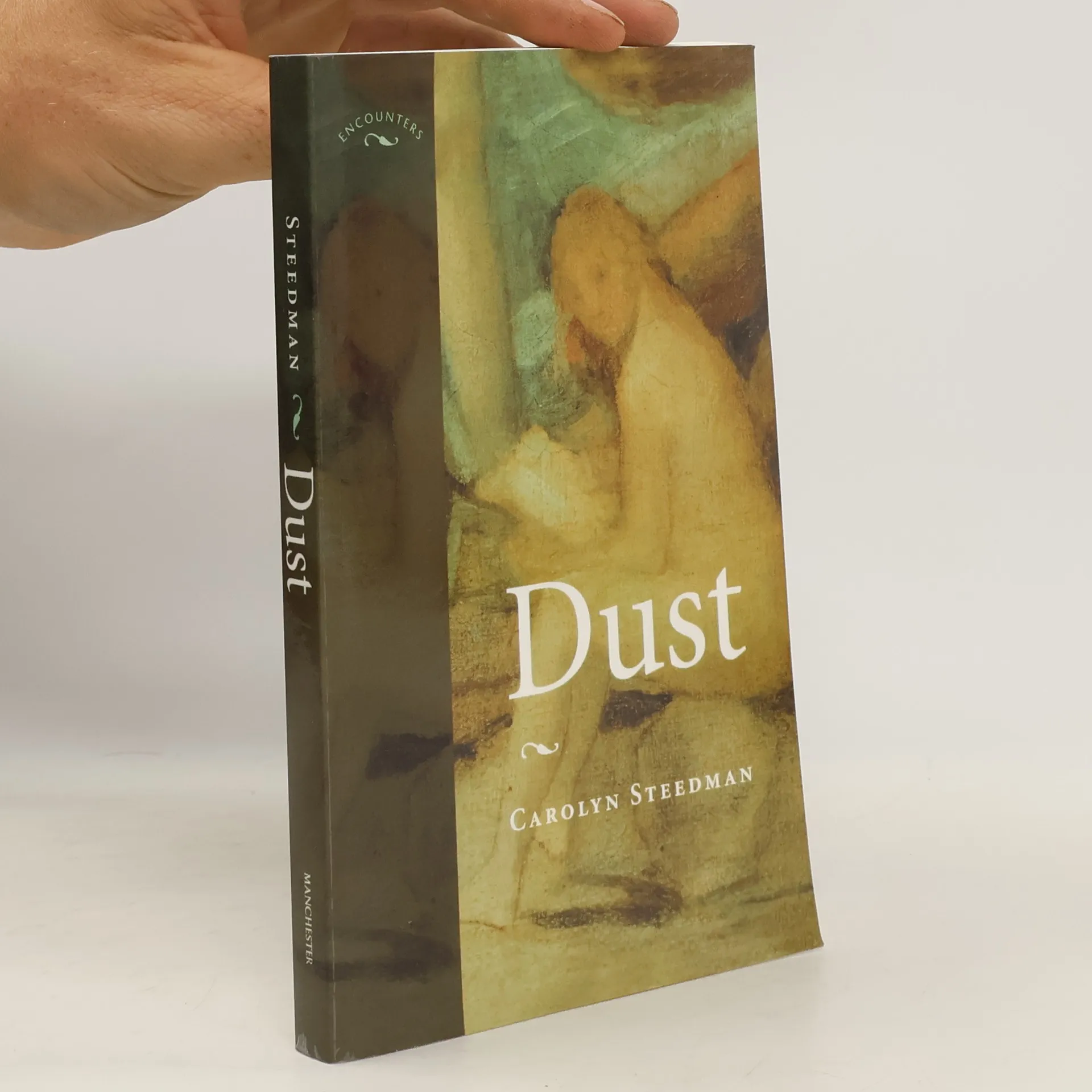
Dust is a witty and highly original investigation into the development of
modern history writing. This book considers how history writing belongs to the
currents of thought shaping the modern world, and suggests that, like dust,
the 'matter of history' can never go away or be erased. -- .
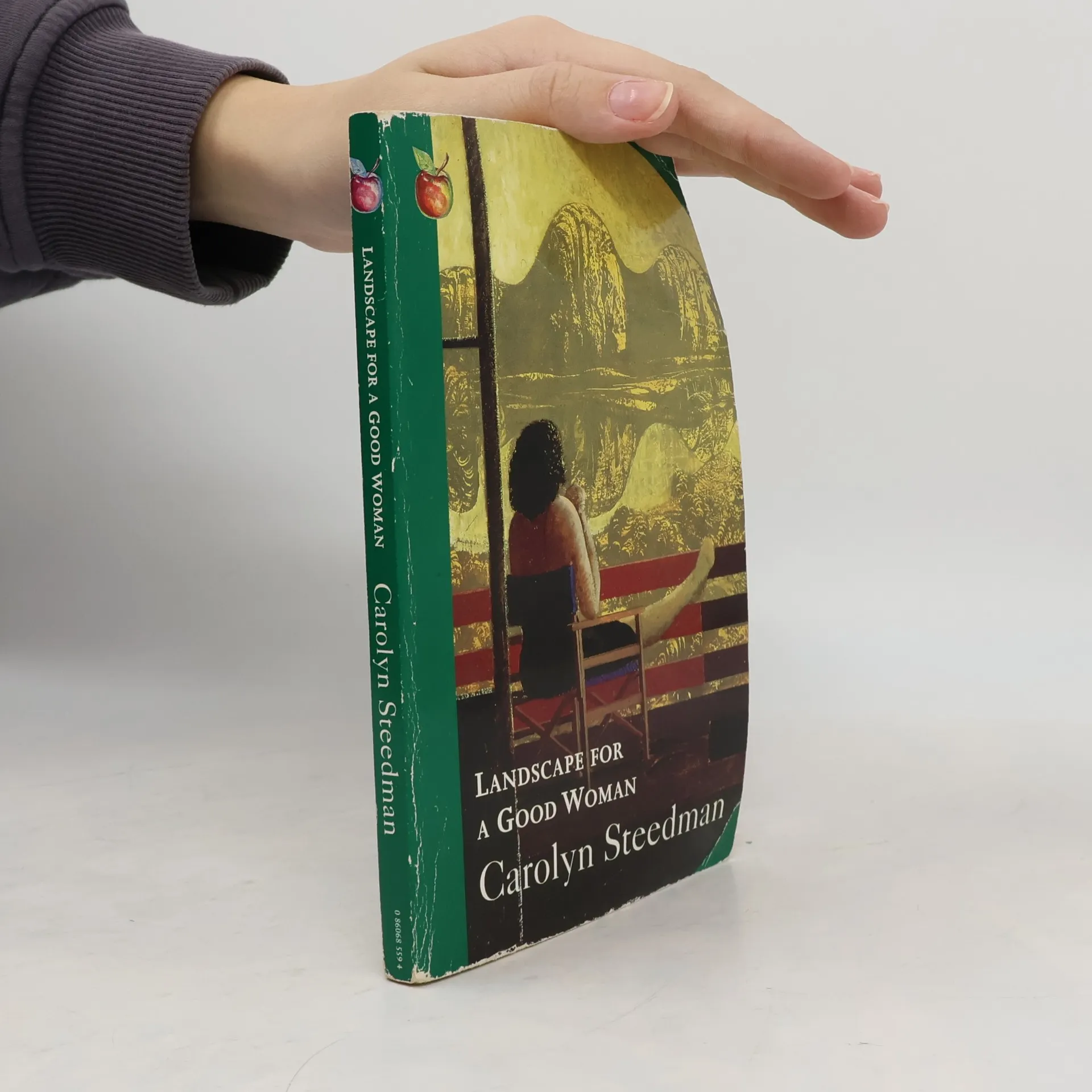
Carolyn Steedman's 1950s South London childhood was shaped by her mother's longing: "What she actually wanted were real things, real entities, things she materially lacked, things that a culture and a social system withheld from her... When the world didn't deliver the goods, she held the world to blame." When Carolyn Steedman grows up and begins to look for reflections of her and her mother's lives in history, theory, and literature, she finds that "the tradition of cultural criticism that has employed working-class lives, and their rare expression in literature, has made solid and concrete the absence of psychological individuality - of subjectivity." Through an in-depth comparison of personal experience and prevailing political and social science theory on the psychology and attitudes of working-class people, Landscape for a Good Woman challenges an intellectual tradition that denies "its subjects a particular story, a personal history, except when that story illustrates a general thesis." In this poignantly written and thoroughly researched work, the common theoretical conclusion that the survival struggles of working-class people precludes the time necessary for more genteel "elaboration of relationships" is shot full of delightfully life-affirming holes. -- For great reviews of books for girls, check out Let's Hear It for the Girls: 375 Great Books for Readers 2-14. -- From 500 Great Books by Women; review by Jesse Larsen