Set in 1905, the narrative explores themes of greed, deception, and complex familial relationships, particularly the flawed love between fathers and sons. Against a backdrop of opulence and corruption, it delves into the contradictory attitudes Americans hold towards wealth and excess, offering a fresh perspective on societal values during this era.
Set in 1948, the story explores the impact of World War II on a seemingly unchanging island summer colony, where multi-generational families cling to nostalgia. As the islanders confront the uncertainty of returning to their "old days," Helen Wadsworth grapples with the lingering effects of the war, suggesting that personal and collective histories are not easily left behind. The narrative delves into themes of change, resilience, and the struggle to reclaim a lost sense of normalcy.
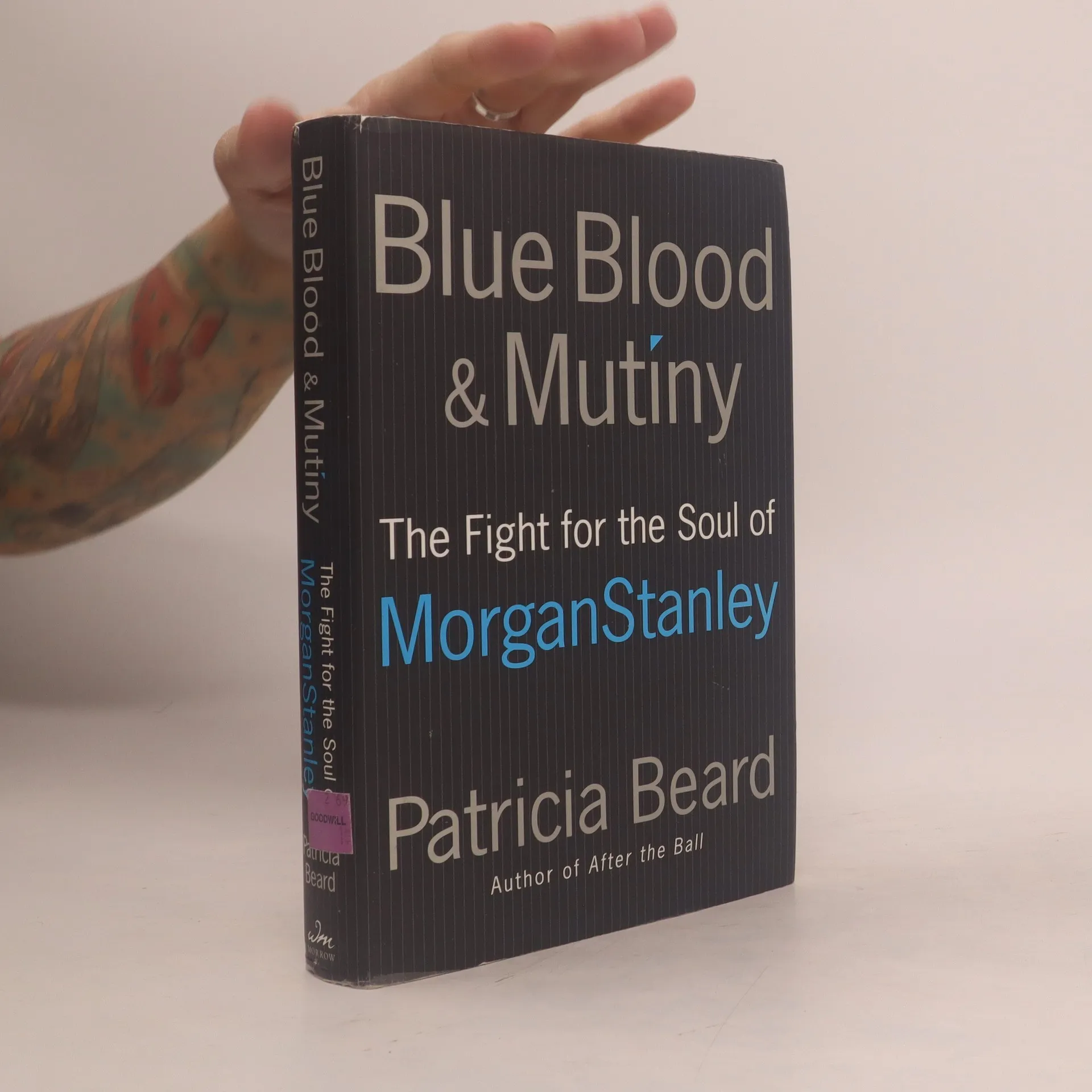
The inside story of the power struggle that rocked Wall Street's most prestigious financial institution unfolds in this gripping narrative. A revolt led by eight retired executives within Morgan Stanley culminated in a shocking coup d'état in just four months. Acclaimed journalist Patricia Beard reveals the behind-the-scenes drama that shook high finance. In March 2005, a full-page ad in the Wall Street Journal called for the removal of CEO Philip Purcell, initiated by the so-called "Eight Grumpy Old Men," including an ex-chairman and an ex-president. Under Purcell's leadership, the firm experienced a 50 percent decline in stock price since its 2000 peak and faced numerous lawsuits that tarnished its reputation. Following the ad, Purcell retired under pressure, and former president John Mack, who had been ousted by Purcell, took over as CEO. This revolt signifies more than just financial metrics; it represents a clash of cultures and a struggle for the soul of American business. Morgan Stanley, founded on J. P. Morgan Jr.'s ethos of "A First Class Business in a First Class Way," saw its ideals challenged during Purcell's tenure. This account opens the doors of a once-closed bastion of Wall Street, exploring the conflict between a collegial meritocracy and a contemporary corporate model, making it essential reading for anyone interested in the future of American business.