

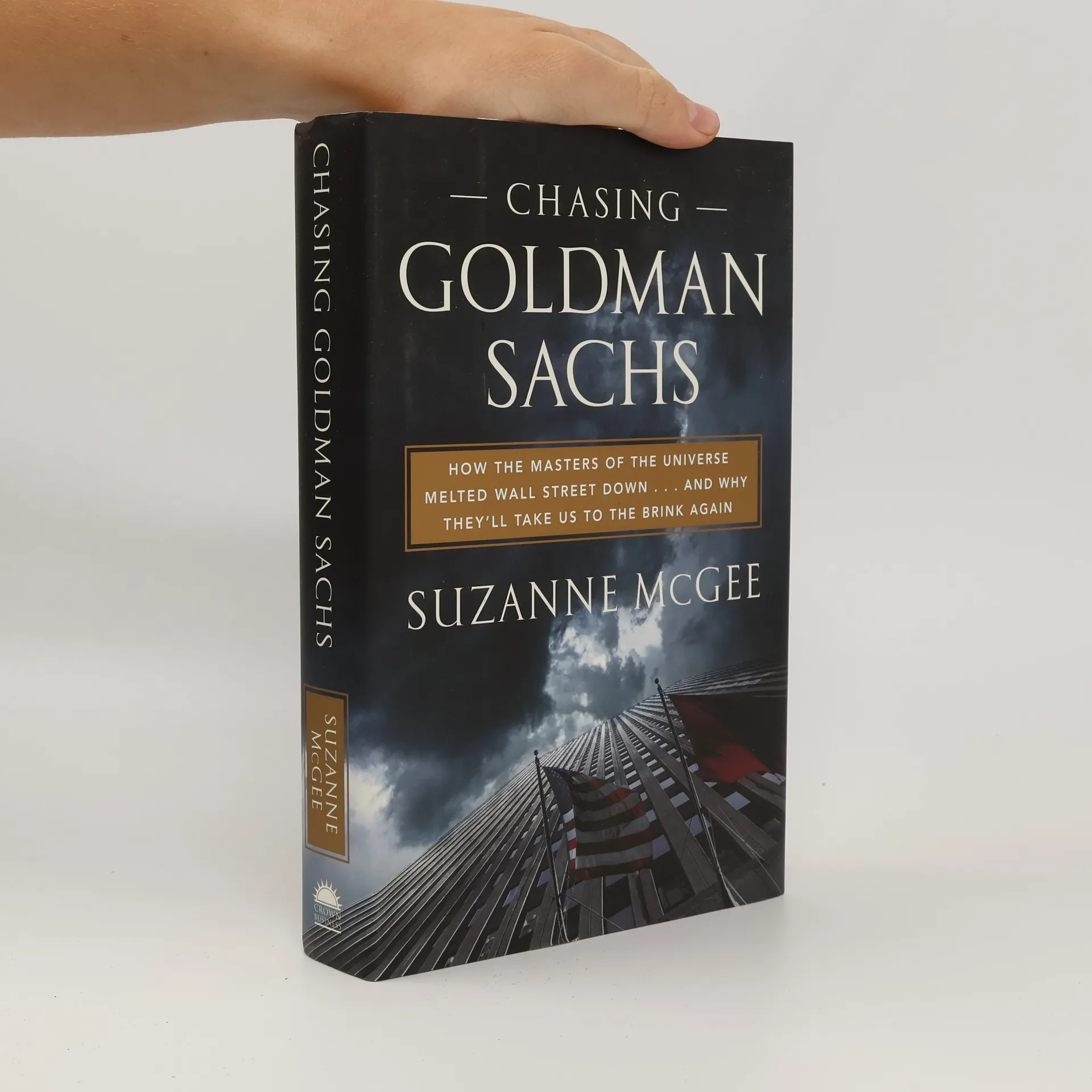
Chasing Goldman Sachs
How the Masters of the Universe Melted Wall Street Down . . . And Why They'll Take Us to the Brink Again
- 398 pages
- 14 hours of reading
The financial crisis revealed the precarious state of the financial system, which, despite being saved, remains unreformed. Suzanne McGee delves into the factors that shifted Wall Street from its traditional role as a capital-generating entity to one driven solely by short-term interests, often at the expense of the broader economy. A key influence was the “Goldman Sachs envy” that afflicted leaders like Richard Fuld of Lehman Brothers and Stanley O’Neil of Merrill Lynch, who believed that taking on excessive risk would yield greater profits. This hubris led to mismanagement and catastrophic failures, damaging the economy and impacting millions of investors. McGee illustrates how the proliferation of hedge funds complicated Wall Street's ability to function as a vital financial grid, essential for capital flow. Just as an overloaded power grid can collapse, so too can a financial system distorted by self-serving motives. Through comprehensive analysis and interviews with industry insiders, she offers insights into the financial "utility" that affects everyone, both directly and indirectly. While Wall Street is as crucial to society as utilities like electricity and water, its current operations reflect a persistent mindset of "chasing Goldman Sachs." As the banking sector undergoes significant transformation, McGee assesses its current state and outlines the necessary steps for meaningful reform, particularly for institutions