Landscape
- 256 pages
- 9 hours of reading
'Landscape' provides a stimulating and accessible introduction to the contemporary understandings of this important concept within human geography and related disciplines.



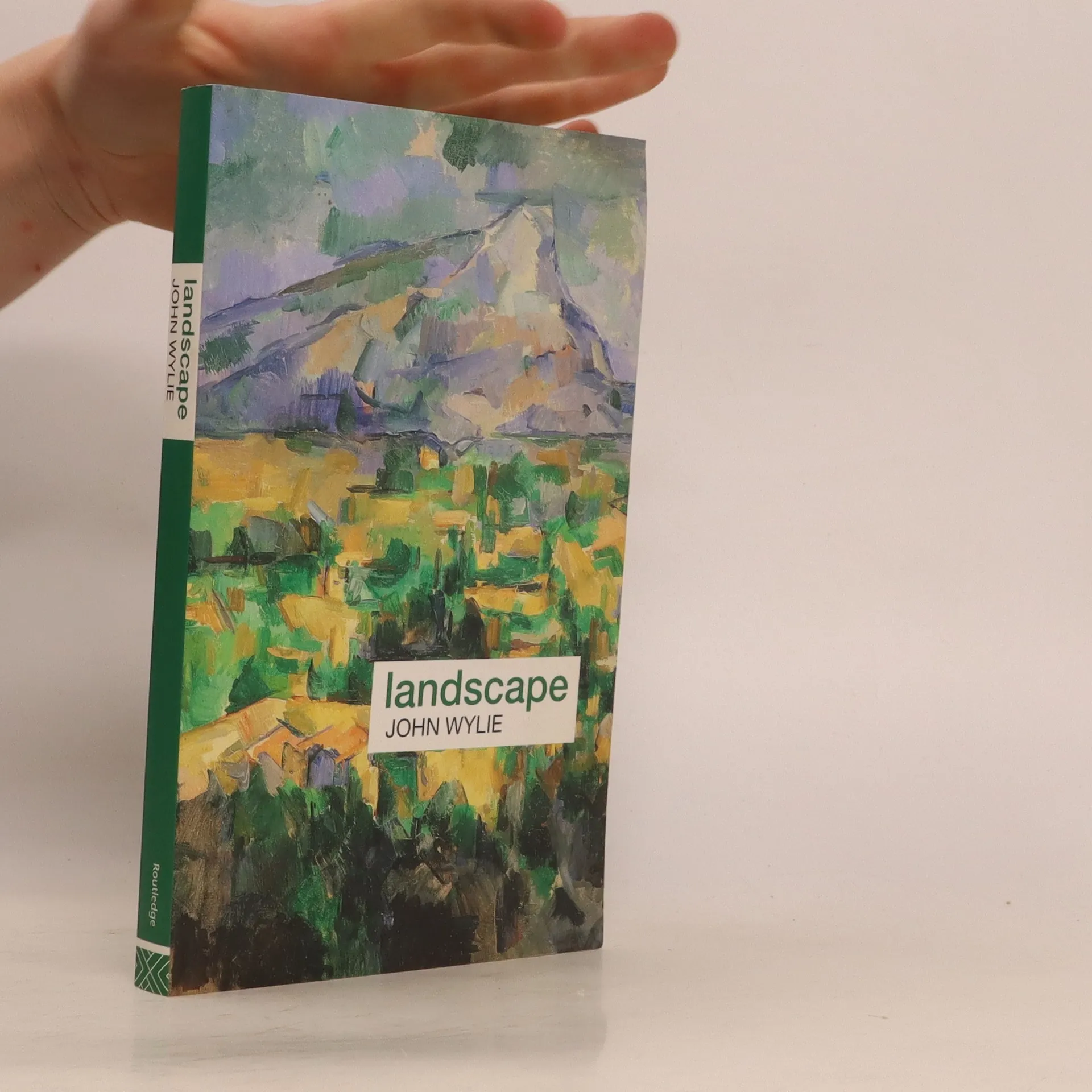
'Landscape' provides a stimulating and accessible introduction to the contemporary understandings of this important concept within human geography and related disciplines.
Multiethnic Japan challenges the received view of Japanese society as ethnically homogeneous. Employing a wide array of arguments and evidence--historical and comparative, interviews and observations, high literature and popular culture--John Lie recasts modern Japan as a thoroughly multiethnic society.Lie casts light on a wide range of minority groups in modern Japanese society, including the Ainu, Burakumin (descendants of premodern outcasts), Chinese, Koreans, and Okinawans. In so doing, he depicts the trajectory of modern Japanese identity.Surprisingly, Lie argues that the belief in a monoethnic Japan is a post–World War II phenomenon, and he explores the formation of the monoethnic ideology. He also makes a general argument about the nature of national identity, delving into the mechanisms of social classification, signification, and identification.
The Limitations of Scientific Knowledge and the Necessity of Utopian Imagination
Highlighting the interplay between scientific knowledge and societal response, the book examines the reasons behind our inaction regarding the global environmental crisis. It argues that while understanding the science is crucial, it is equally important to address the social, political, and economic factors that contribute to our negligence. This comprehensive perspective encourages a more holistic approach to tackling environmental issues, advocating for a blend of knowledge and action.
By the late twentieth century, Japan had gained worldwide attention as an economic powerhouse. Having miraculously risen from the ashes of World War II, it was seen by many as a country to be admired if not emulated. But by the early 1990s, that bubble burst in spectacular fashion. The Japanese economic miracle was over. In this book, John Lie argues that in many ways the Japan of today has the potential to be even more significant than it was four decades ago. As countries face the prospect of a world with decreasing economic growth and increasing environmental dangers, Japan offers a unique glimpse into what a viable future might look like—one in which people acknowledge the limits of the economy and environment while championing meaningful and sustainable ways of working and living. Beneath and beyond the rhetoric of growth, some Japanese are leading sustainable lives and creating a sustainable society. Though he does not prescribe a one-size-fits-all cure for the world, Lie makes the compelling case that contemporary Japanese society offers a possibility for how other nations might begin to valorize everyday life and cultivate ordinary virtues.
The Seventh Edition does not simply compare the United States to other countries, but shows students how global processes play out in their lives. Drawing on research from both macro and micro sociology, the author team shows how sociologists bring the two together to give a comprehensive picture of modern society.