

In 1961 Trinidad, a lush yet impoverished island is on the brink of independence. Narpat, a dedicated sugar cane farmer, grapples with the corruption and materialism that plague his community. Unlike his greedy neighbors, he strives to impose order through strict moral codes and dietary rules, which lead to significant deprivation for his wife and four children. As Narpat becomes increasingly obsessed with building a factory to secure their livelihood, his wife struggles with neglect and her own health deteriorates. Their youngest son, Jeeves, witnesses the toll this obsession takes on his family, especially as he helplessly faces his mother's decline and eventual death. In his sorrow, Jeeves clings to the fables his father once shared, which embody themes of duty and sacrifice. These stories inspire him to seek redemption for his father amidst the chaos. The narrative intricately weaves together the harsh realities of poverty, caste, and corruption with rich character development and beautiful prose, ultimately celebrating the resilience of the human spirit while highlighting the pain of unfulfilled dreams.
Rabindranath Maharaj Book order (chronological)
Rabindranath Maharaj's fiction delves into the everyday realities and challenges faced by individuals within Indo-Caribbean communities in Canada and Trinidad. His writing is noted for its sympathetic and humane understanding of his characters, offering a perspective that is less critical than some of his contemporaries. Maharaj explores the interplay of tradition and innovation, urban and rural life, aiming to highlight emerging voices. His work captures the complexities of immigrant society with a warm and insightful approach.

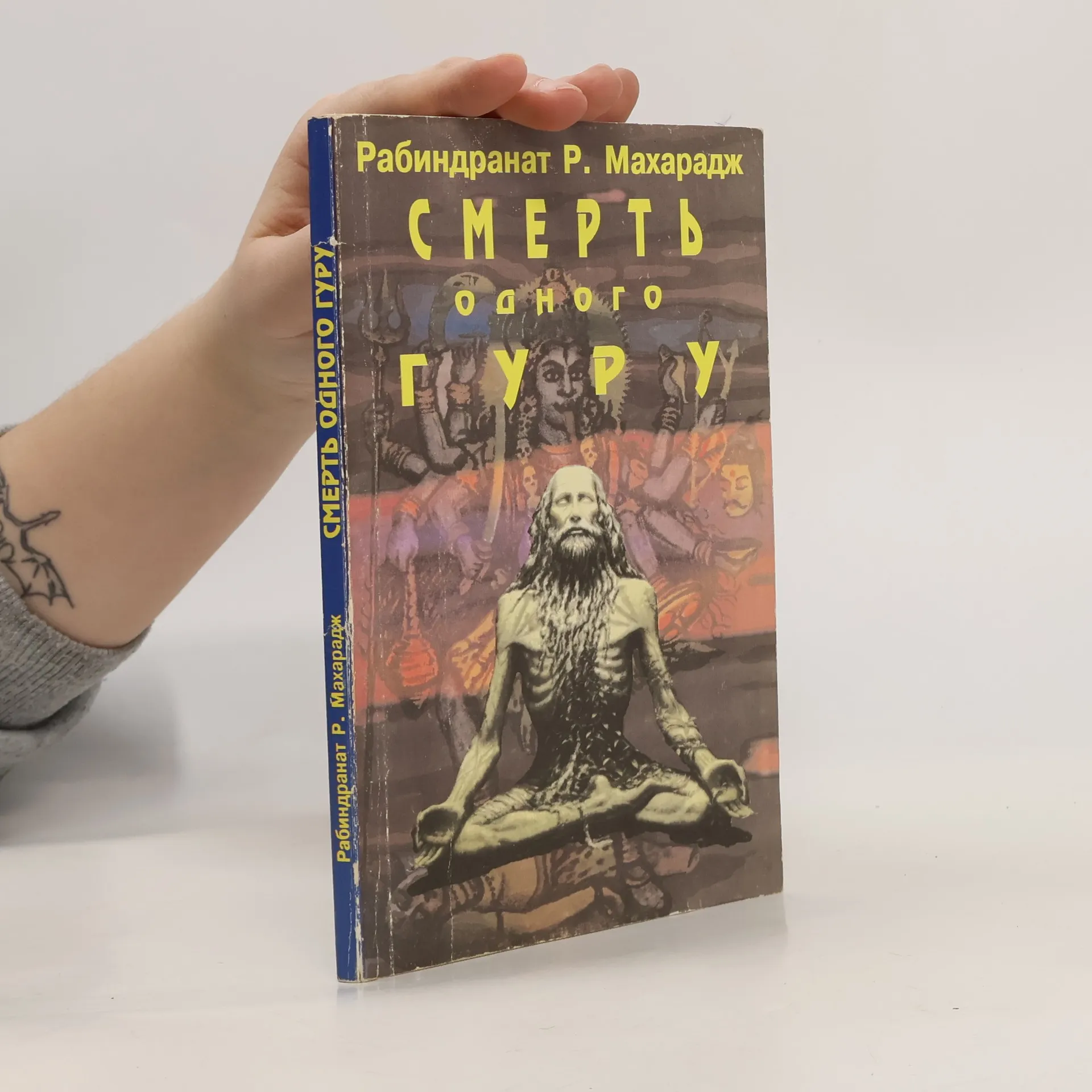
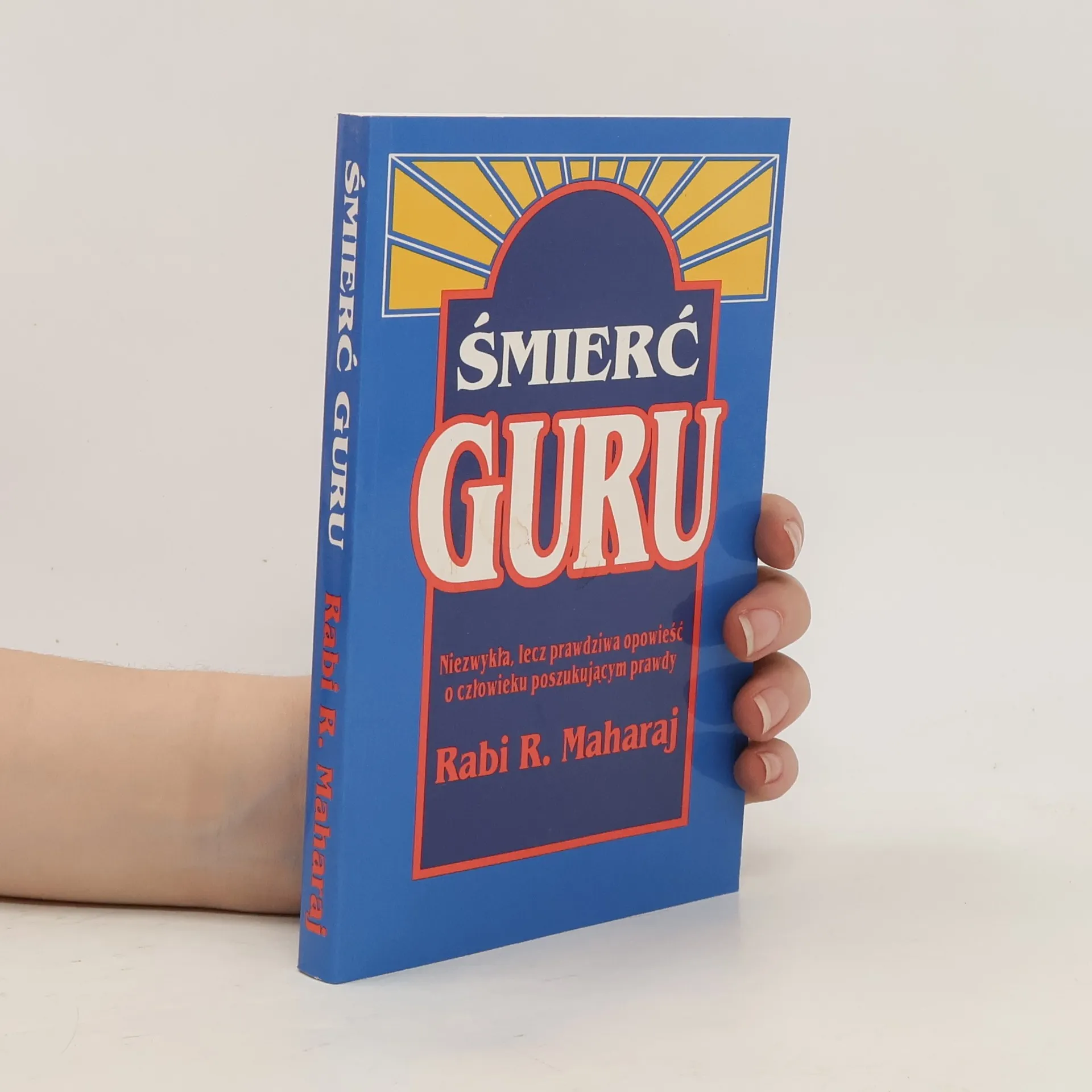

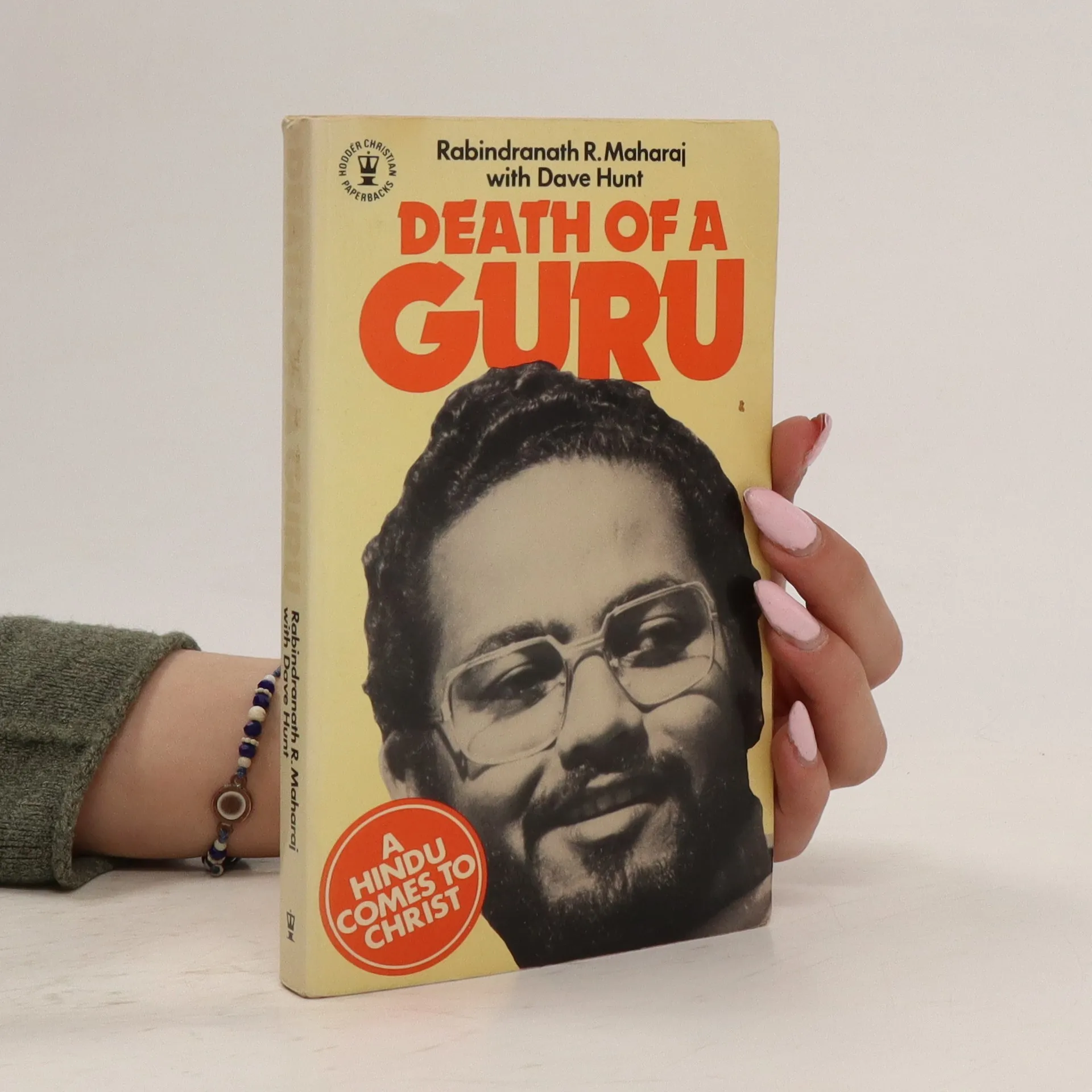
Śmierć guru
- 271 pages
- 10 hours of reading
Death of a Guru
- 224 pages
- 8 hours of reading
Rabi R. Maharaj came from a long line of Brahmin priests and gurus and trained as a yogi. He meditated for many hours each day, but gradually disillusionment set in. He describes Hindu life and custom, vividly and honestly tracing his difficult search for meaning and his struggle to choose between Hinduism and Christianity. At a time when Eastern mysticism, religion, and philosophy fascinate many in the West, Maharaj offers fresh and important insights from the perspective of his own experience. "A unique revelation of the inward struggles of a Hindu and the ultimate triumph over death that he discovered. I found it challenging and inspiring. Must reading."--Hal Lindsey