David J. Hand is a distinguished mathematician and statistician whose work delves into classification, data mining, and the foundations of statistics. His research, applied across fields such as psychology and the retail credit industry, focuses on understanding data complexity and identifying unexpected phenomena. Hand's unique ability to bridge theoretical mathematics with practical applications has informed his numerous publications, and his approach to data continues to shape his broad research interests.
The author has written an accessible book presenting the central issues and placing particular emphasis on comparison, performance assessment and how to match method to application. He reviews the different approaches and guides researchers (and the huge class of users and potential users) to suitable classes of techniques. He points the way to more detailed study in "further reading" sections in each chapter.
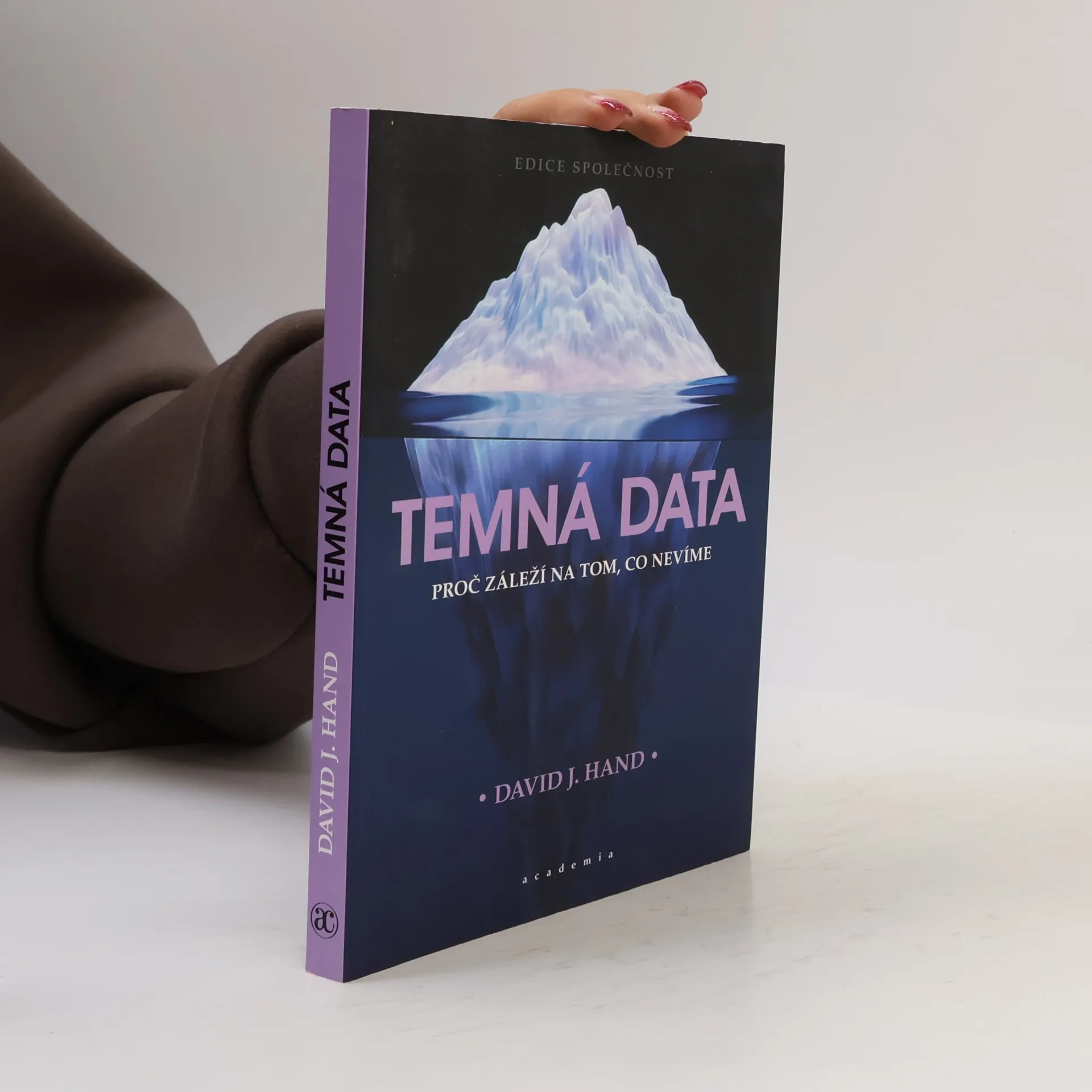
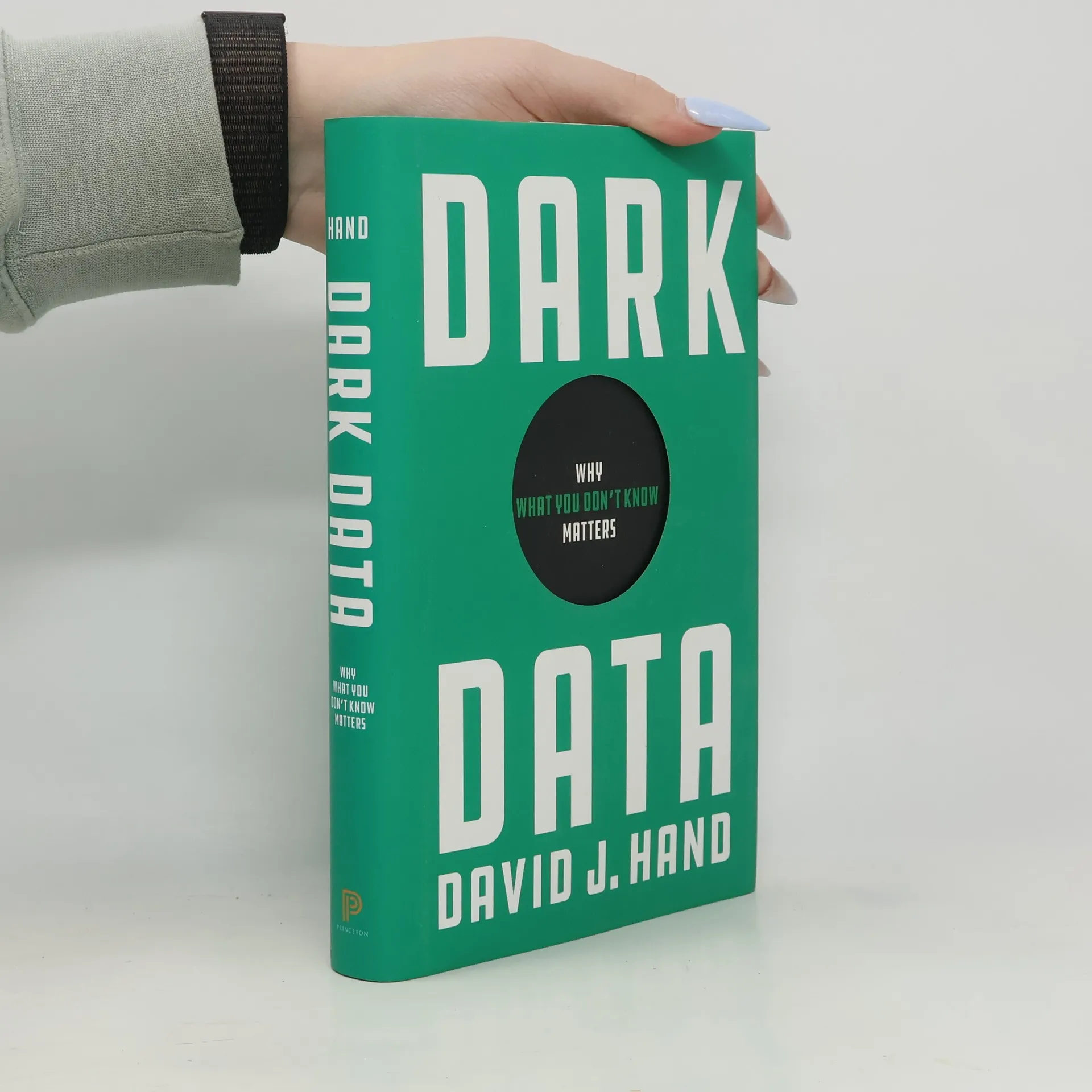
Data represent the world, but they cannot capture everything. As measurements, data reflect only what has been recorded and may not include all relevant information for our inquiries. Ignoring what is missing can lead to misguided questions, erroneous conclusions, and poor decisions. David Hand explores the concept of "missing data," or "dark data," likening it to dark matter—known to exist but not directly measurable. He discusses how to identify missing data, the contexts in which it often occurs, and strategies to address it. Dark data can stem from various sources, such as asymmetric information in conflicts, delays in financial trading, participant dropouts in clinical trials, or selective reporting to enhance performance in various sectors. The key takeaway is that simply amassing more data, often referred to as big data, does not guarantee improved understanding or decision-making. Instead, we must remain aware of the unknowns in our data. To mitigate the impact of dark data, we can recognize its causes, design more effective data-collection methods, and formulate better questions that lead to deeper insights and improved decisions.
This Very Short Introduction explores the concept of measurement, its mathematical underpinnings, and its wide range of application from the sciences and social sciences to economics and commerce
Statistics has evolved into an exciting discipline which uses deep theory and
powerful software to shed light on the world around us: from clinical trials
in medicine, to economics, sociology, and countless other subjects vital to
understanding modern life. This Very Short Introduction explores and explains
how statistics works today.
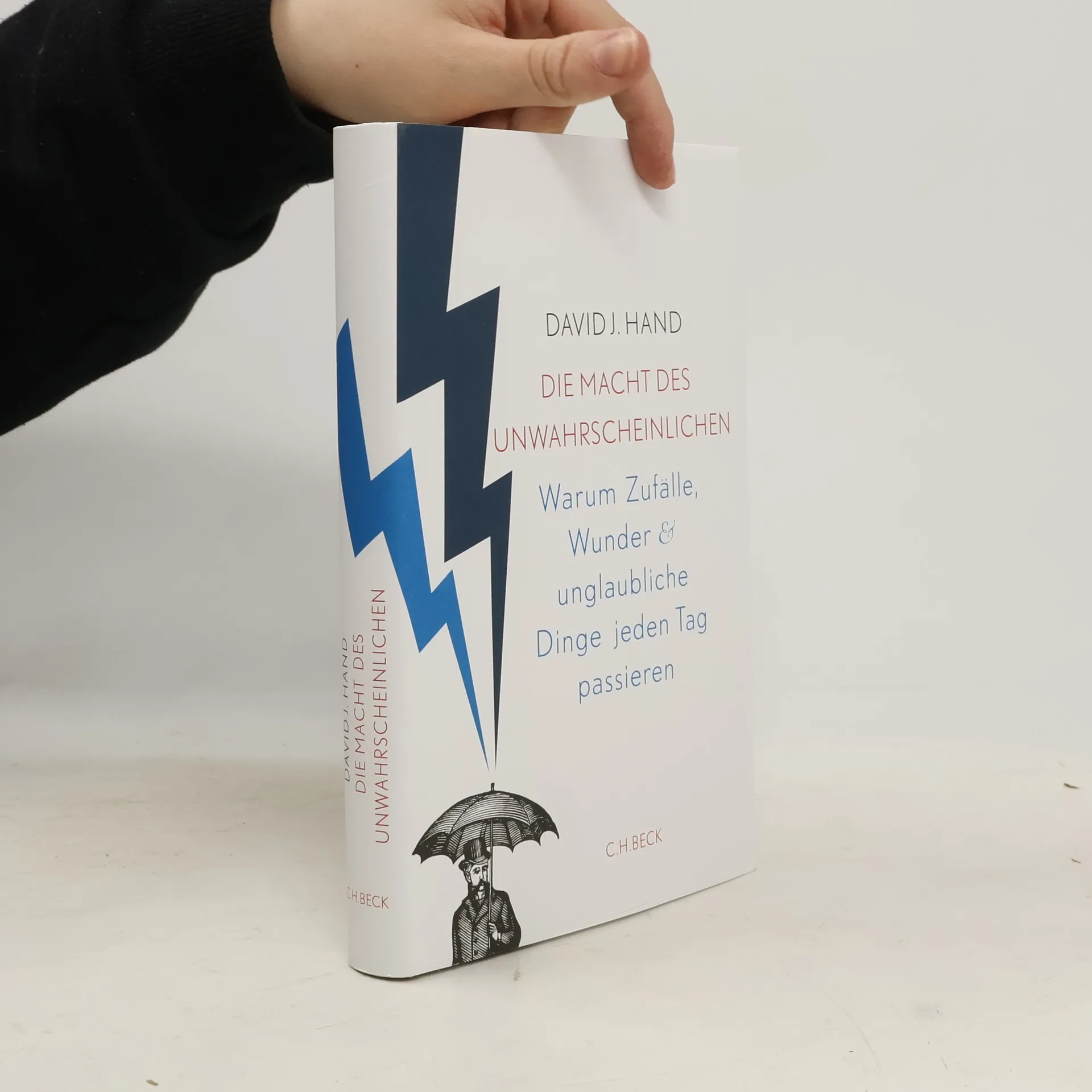
Warum Zufälle, Wunder und unglaubliche Dinge jeden Tag passieren
288 pages
11 hours of reading
Glückspilze, die mehrfach im Lotto gewinnen, Unglücksraben, die wiederholt der Blitz trifft, extreme Krisen an den Finanzmärkten aus vermeintlich heiterem Himmel: Außerordentlich unwahrscheinliche Dinge - Wunder im positiven, Katastrophen im negativen Sinne - geschehen immer wieder. Die Frage ist nur: Warum? Und: Wie? Lieben Sie Geschichten über bestürzende Zufälle und außerordentlich seltene Ereignisse? Dann sollten Sie genauso zu diesem Buch greifen, wie wenn Sie endlich eine seriöse Methode kennenlernen möchten, Ihre Chance auf einen Lottogewinn zu erhöhen. So anschaulich wie vergnüglich weiht David Hand uns in die Macht des Unwahrscheinlichen und seine physikalischen, statistischen und psychologischen Gesetze ein. Kommen diese zusammen, ist die Wirkung verblüffend. Dann können wir uns darauf gefasst machen, dass das Unvorstellbare eintritt. Jeden Tag.
V éře velkých dat je snadné podlehnout dojmu, že máme všechny informace, které k správnému rozhodování potřebujeme. Ve skutečnosti však nejsou data, která máme, nikdy úplná. Stejně jako většina vesmíru sestává z temné hmoty, neviditelné a přesto přítomné, je vesmír informací plný temných dat, která k vlastní škodě přehlížíme. Kniha zkoumá množství způsobů, kterými nás mohou chybějící data zaslepit vůči skutečnosti a vést nás k závěrům a skutkům, jež jsou pomýlené, nebezpečné, ba dokonce katastrofální. Učí nás nejen jak se mít na pozoru před problémy, které představuje to, co nevíme, ale také jak využít temných dat k vlastní výhodě tím, že budeme lépe chápat to, o čem se rozhodujeme. Dnes se na základě dat rozhodujeme všichni. David Hand nám ukazuje, jak se pokud možno nerozhodovat špatně.