

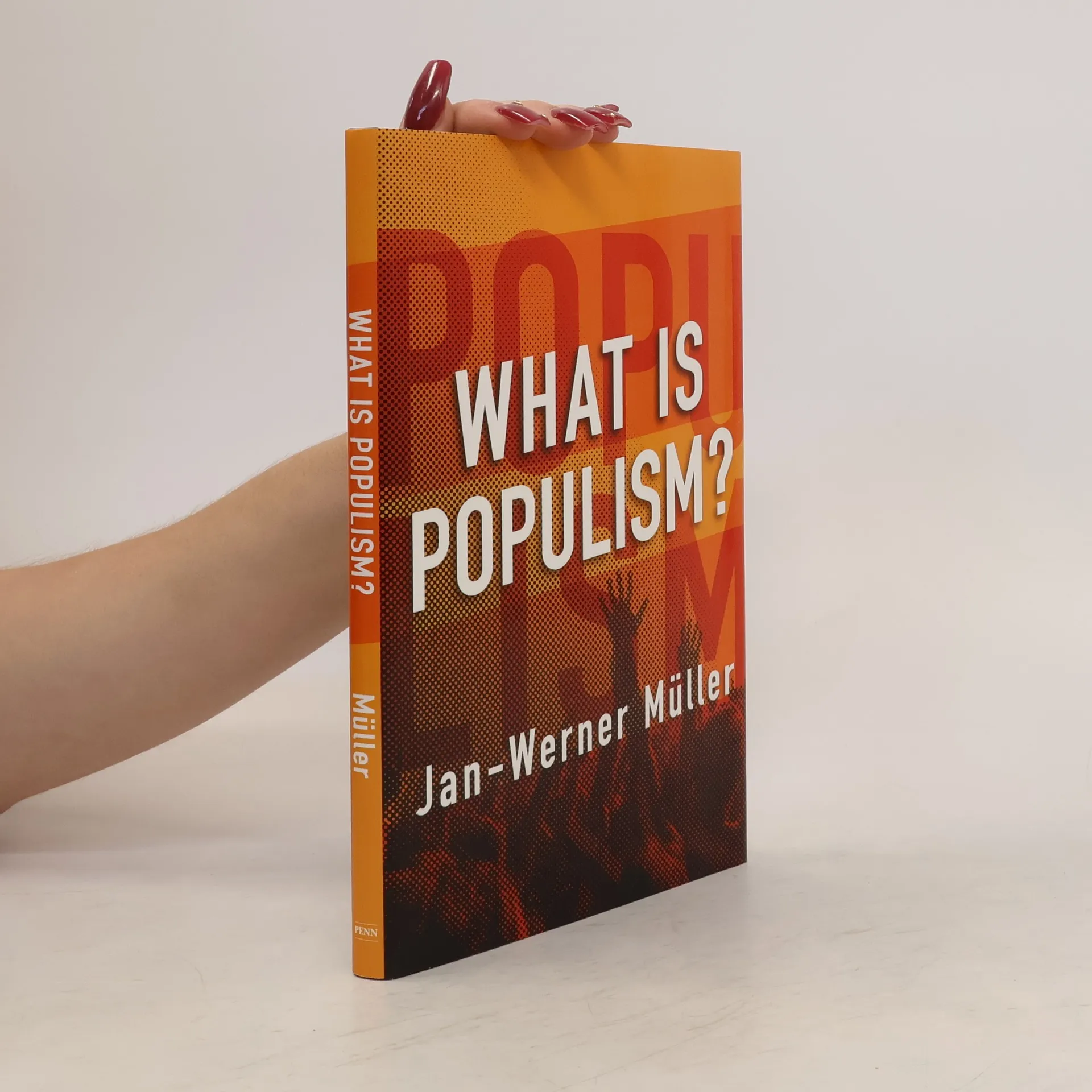
Jan-Werner Müller is a professor of politics at Princeton University, focusing on political thought. His work delves into the essence of political phenomena and the historical evolution of political ideas in Europe. Müller's essays and analyses are valued for their depth and timeliness, frequently appearing in leading global newspapers and literary journals.
The Handy History Answer Book provides abundant information about many of the most frightful events of the past 5,000 years, including wars, disasters, epidemics, and so on. But it also supplies a context for the time with a wealth of information on invention, philosophy, science, politics, culture, sports, business, law, media, and religion. Presented in a question-and-answer format, It surveys significant people, times, and events worldwide, with a special focus on U.S. history from its origins to the present
The contributors of this volume seek to answer such questions as: 'How did the Germans overcome 'Germanic Ideology', or did they?' 'Why is there no libertarianism in Germany?' 'What do German conservatives wish to conserve?'. Emphasizing shared patterns of thought, the contributors trace the contours of political thought in a divided nation with a difficult past, and ion the shadow of the culture and political values of the United States.
"This work argues that at populism's core is a rejection of pluralism. Populists will always claim that they and they alone represent the people and their true interests. Müller also shows that, contrary to conventional wisdom, populists can govern on the basis of their claim to exclusive moral representation of the people: if populists have enough power, they will end up creating an authoritarian state that excludes all those not considered part of the proper 'people.' The book proposes a number of concrete strategies for how liberal democrats should best deal with populists and, in particular, how to counter their claims to speak exclusively for 'the silent majority' or 'the real people'"--Provided by the publisher.
After the acrimony of Brexit, the shock of Trump and the continued pull of Putin and Xi, it seems that democracy is in a state of decay. And as governments around the world struggle to combat the coronavirus, often adopting draconian measures as a response, there is a sense, a panic, that democracy's decline may be terminal. But how many of us are certain about what democracy actually is? Political philosopher Jan-Werner Müller lucidly argues that in order for us to understand the true risks of our current moment, we must first establish an understanding of first principles. What is essential for democracy to flourish? How can we defend it without forever distorting its DNA? In this elegant volume, he explains how democracy is founded not just on liberty and equality, but also on uncertainty. Drawing on history, art and examples from around the globe, he shows that we need to re-invigorate political parties and free media, the institutions that have been essential for democracy's success ever since the nineteenth century. Challenging conventional wisdom, Müller suggests concretely how democracy's crucial institutions could be renovated, re-empowering citizens while also preserving a place for professionals such as journalists and judges. Taking on many of the most difficult political questions we face, this book is a vital rethinking of what democracy can mean in an age of big data, curated news feeds, collapsing parties and social alienation and how we can reinvent our democratic social contract
The Rik Veda is presented as a timeless and dynamic cosmic text, with a fresh translation that captures its meditative essence. Jan Müller’s commentary enhances understanding, revealing multiple interpretations and the depth of the Veda's teachings. This work appeals to both classical philologists and philosophical seekers, as it navigates the complexities of ancient wisdom while making it accessible to contemporary readers. The text serves as a guide for literature lovers and those seeking answers to life's profound questions.
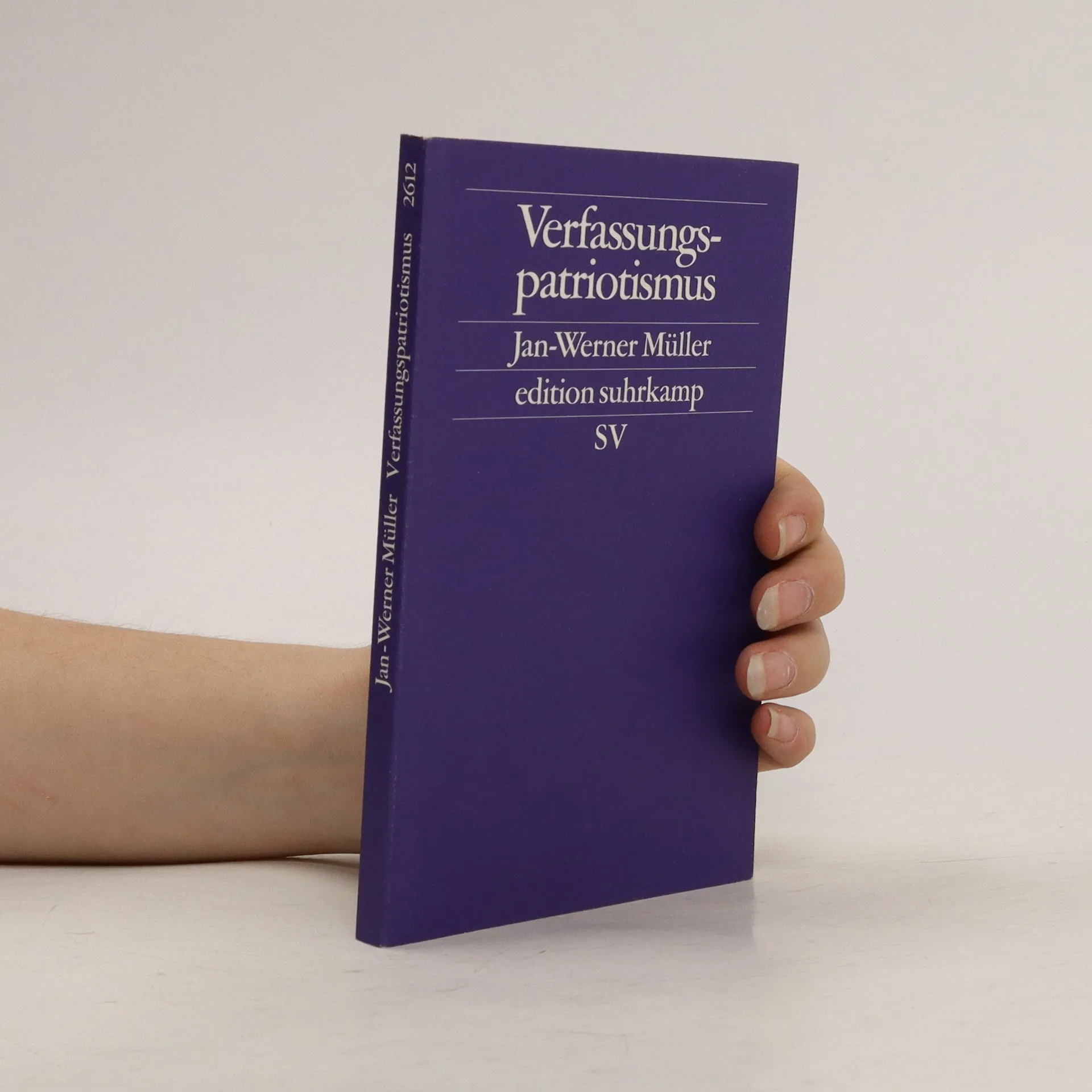
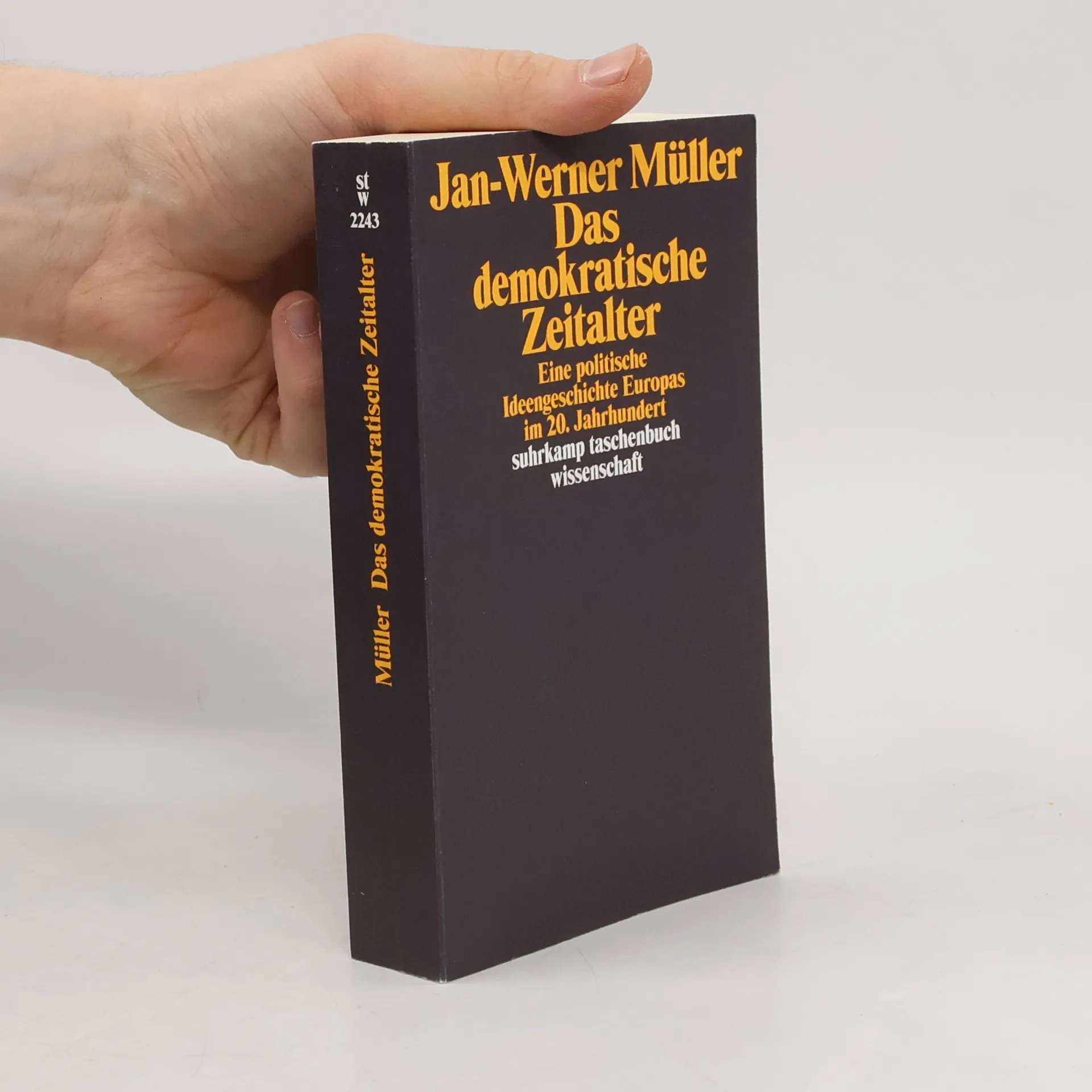
Dolf Sternberger und Jürgen Habermas entwickelten das Konzept des Verfassungspatriotismus als Antwort auf die Situation der Bundesrepublik nach dem Zweiten Weltkrieg: Als alle Formen des kulturell oder ethnisch motivierten Patriotismus diskreditiert waren, plädierten sie für die rationale Identifikation mit den universellen Werten und Prinzipien des Grundgesetzes. Ist diese Form des Patriotismus in der postnationalen Konstellation, in der Nationalstaaten durch Migration kulturell vielfältiger werden und in der politische Kompetenzen auf supranationale Staatenverbände wie die Europäische Union übergehen, in der Lage, Solidarität und kollektive Identifikation zu stiften? Dieser Frage geht Jan-Werner Müller in seiner präzisen ideengeschichtlichen Rekonstruktion nach.
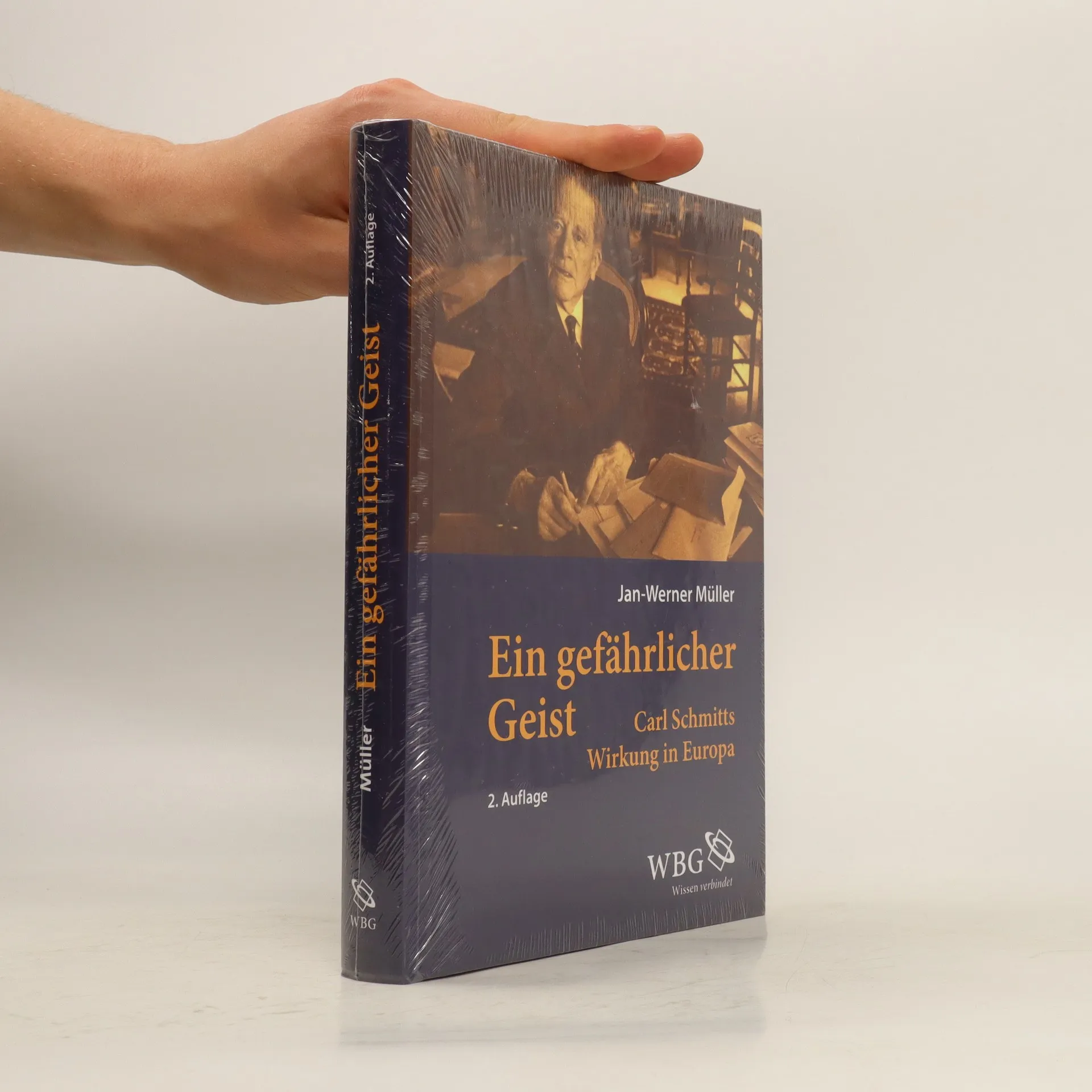
Wenige Denker haben so polarisiert wie Carl Schmitt (1888-1985), wenige hatten eine so vielfältige und intensive Wirkungsgeschichte. Schmitt gehörte zu den Intellektuellen, die sich dem ›Dritten Reich‹ zur Verfügung stellten und in ihm Karriere machten. Hier liegt die erste umfassende Aufarbeitung des Einflusses vor, die der umstrittene Staatsrechtler und Philosoph im Nachkriegseuropa hatte. Der Weg seiner Schüler und Anhänger in den verschiedenen Ländern wird akribisch dokumentiert, die Weiterentwicklung seiner Ideen bis hin zu Konzeptionen der Globalisierung verfolgt.