

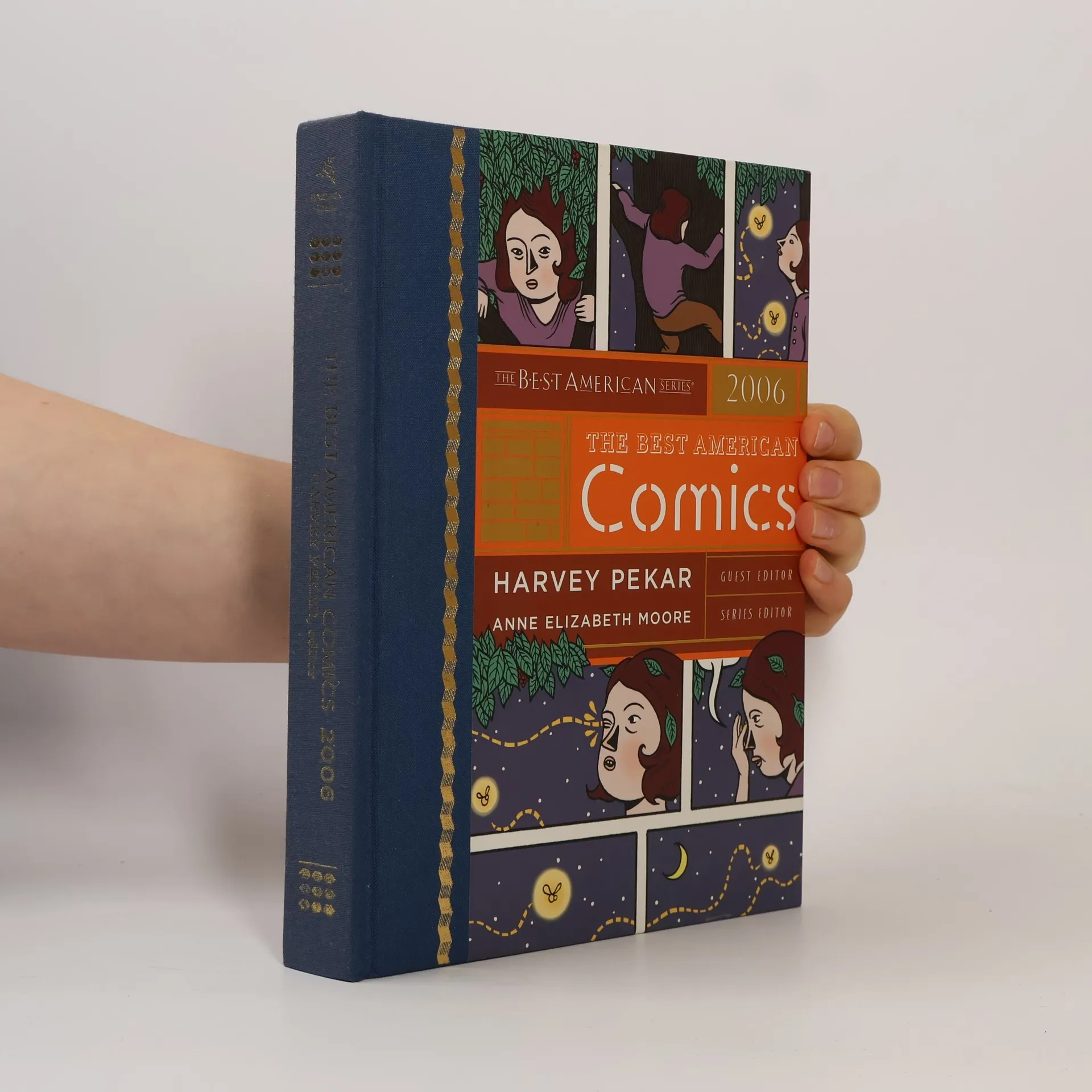
The popularity of the graphic genre continues to rage, and The Best American Comics is a diverse, exciting annual selection for fans and newcomers alike. The inaugural volume includes stories culled from graphic novels, pamphlet comics, newspapers, magazines, mini-comics, and the Web.Contributors include Robert Crumb, Chris Ware, Kim Deitch, Jaime Hernandez, Alison Bechdel, Joe Sacco, and Lynda Barry—and unique discoveries such as Justin Hall, Esther Pearl Watson, and Lilli Carré.
Anne Elizabeth Moore Books
Anne Elizabeth Moore is a cultural critic and writer whose work delves into themes of gender, media, and global capitalism. Through her essays and critical analyses, she examines how integrity and identity are undermined by commercial forces. Her writing often draws on experiences working with young women in Cambodia and communities in the US, highlighting the interconnectedness of local issues and global structures. Moore is known for her analytical approach, which uncovers the hidden mechanisms of influence and consumption, and her work is considered a significant contribution to feminist and critical studies.

Gentrifier
- 272 pages
- 10 hours of reading
Taking on the thorny ethics of owning and selling property as a white woman in a majority Black city and a majority Bangladeshi neighborhood with both intelligence and humor, this memoir brings a new perspective to a Detroit that finds itself perpetually on the brink of revitalization. In 2016, a Detroit arts organization grants writer and artist Anne Elizabeth Moore a free house--a room of her own, à la Virginia Woolf--in Detroit's majority-Bangladeshi "Banglatown." Accompanied by her cats, Moore moves to the bungalow in her new city where she gardens, befriends the neighborhood youth, and grows to intimately understand civic collapse and community solidarity. When the troubled history of her prize house comes to light, Moore finds her life destabilized by the aftershocks of the housing crisis and governmental corruption.This is also a memoir of art, gender, work, and survival. Moore writes into the gaps of Woolf's declaration that "a woman must have money and a room of one's own if she is to write"; what if this woman were queer and living with chronic illness, as Moore is, or a South Asian immigrant, like Moore's neighbors? And what if her primary coping mechanism was jokes?Part investigation, part comedy of a vexing city, and part love letter to girlhood, Gentrifier examines capitalism, property ownership, and whiteness, asking if we can ever really win when violence and profit are inextricably linked with victory.
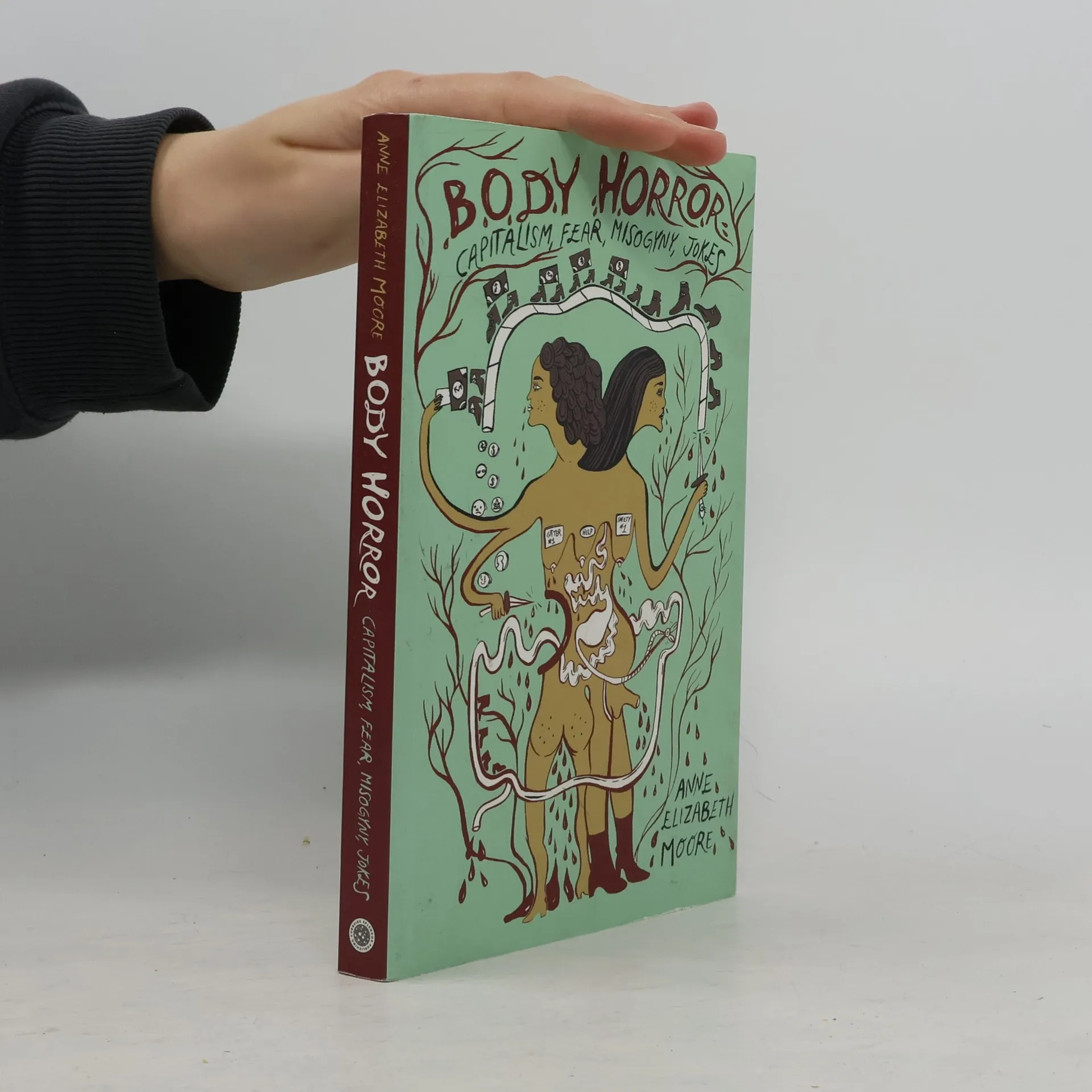
Unspeakable acts are committed on women's bodies under capitalism everyday. In Body Horror , Anne Elizabeth Moore explores the global toll of capitalism on women with thorough research, surprising humor, and ease—especially when examining her own experiences with disease and health care—to create a portrait of contemporary American culture that is gory and fascinating. Anne Elizabeth Moore is the author of Unmarketable and Cambodian Grrrl , co-editor and publisher of the now-defunct Punk Planet, a founding editor of Best American Comics, a Fulbright scholar, former UN Press Fellow, and USC Annenberg/Getty Arts Journalism Fellow.