Patrick Henry was an attorney and politician renowned for his powerful oratory during the movement for American independence in 18th-century Virginia. As a Founding Father, he served as the first and sixth post-colonial Governor of Virginia. Henry famously led the opposition to the Stamp Act of 1765 and is remembered for his "Give me liberty, or give me death!" speech. Alongside Samuel Adams and Thomas Paine, he is recognized as a leading champion of Republicanism and a key promoter of the American Revolution.
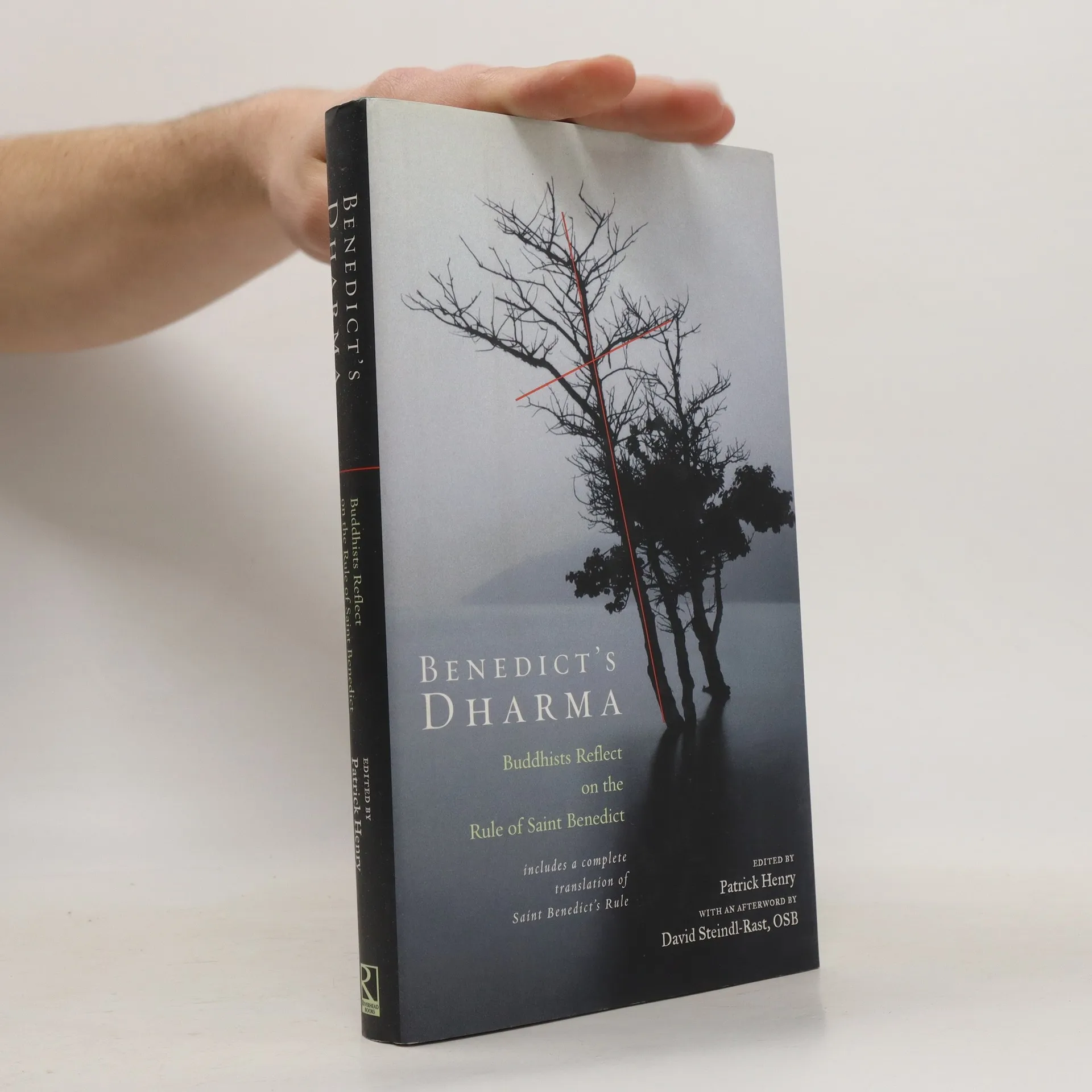
Four prominent Buddhist scholars, Norman Fischer, a Zen prest; Joseph Goldstein, cofounder of the Insight Mediation Society, Judith Simmer-Brown, Buddist Studies program at Naropa University and Yifa, and Fo Guang a nun from Shan Monastery in Tawian discuss and debate the Saint Benedict's Rule that still govern and regulates daily life in a Christian monastery. The personal anecdotes and debates reveal the wisdom and many similarities between their traditions of monastic life and those of Christians
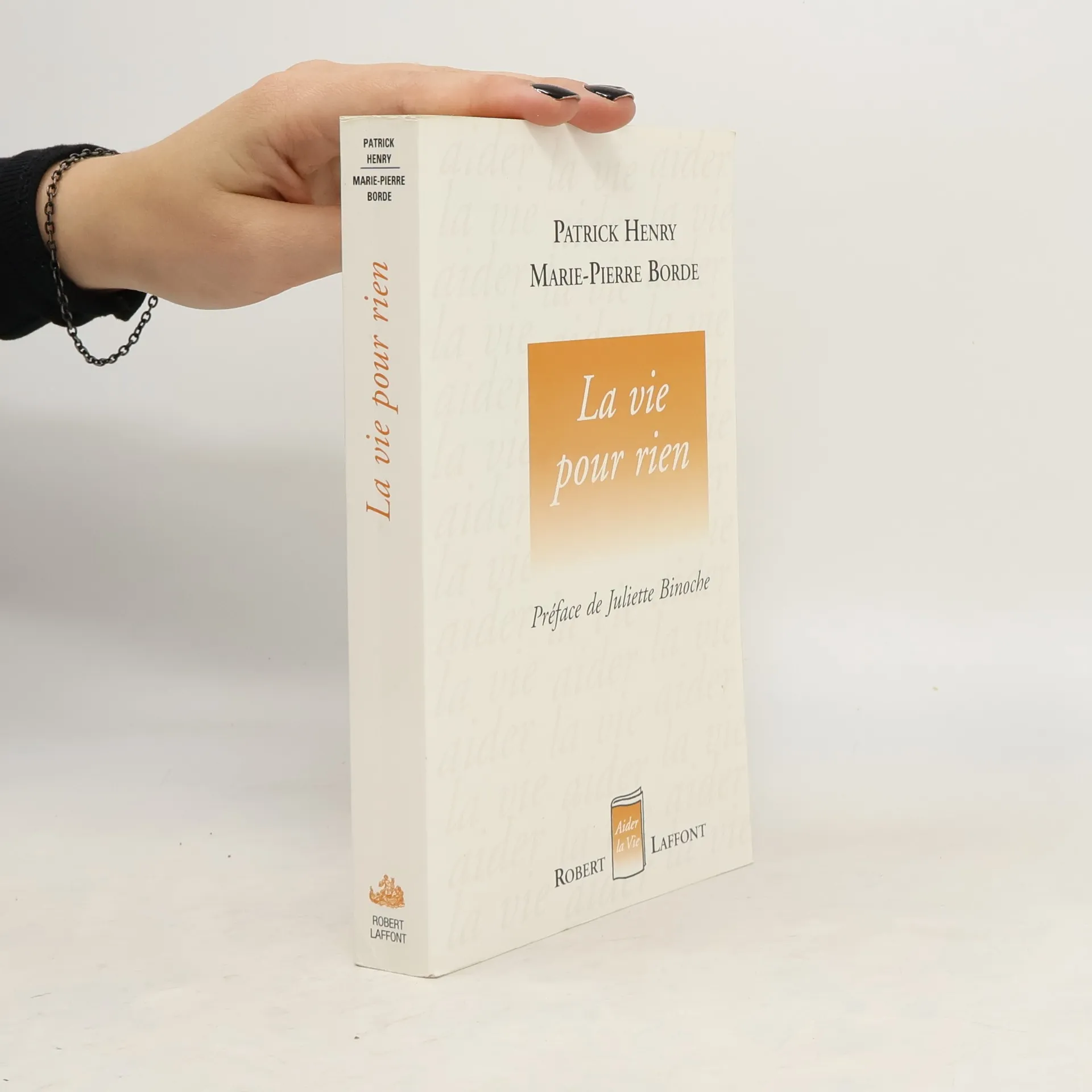
Clodos, vagabonds ou hommes à la rue, où qu'ils soient ils dérangent. On les dit plus nombreux, plus alcoolisés, plus jeunes, plus dangereux... Mais eux, qui ne peuvent plus vouloir et n'ont plus de mots pour s'exprimer, que " disent-ils " ?Patrick Henry, qui fut leur premier médecin, et Marie-Pierre Borde, devenue infirmière pour aller vers ces exclus, racontent.En 1984, au centre d'hébergement de la Maison de Nanterre, Patrick Henry crée une consultation médicale unique en Europe où dix mille hommes et femmes de Paris en rupture sociale, et pour qui le mot réinsertion ne signifie rien, trouvent un accueil médical et une écoute.Ni Patrick ni Marie-Pierre ne pensaient devenir des " professionnels " mais peu à peu, d'abord à Nanterre, aujourd'hui au sein de la RATP, ils ont cherché à comprendre. Ensemble, portés par leur amour, animés par leur passion commune pour cet " autre ", hier encore un des nôtres, ils l'aident à ressentir, même au cœur d'une extrême solitude, la santé et le contact humain comme des nécessités vitales.Ce livre d'une exceptionnelle intelligence humaine devrait nous délivrer de nos idées reçues, de nos indifférences, de nos peurs, et surtout nous donner la possibilité de savoir tendre la main à ceux qui sont les plus exclus : les clochards.