

Explore the latest books of this year!
Bookbot

The Museum of Modern Art

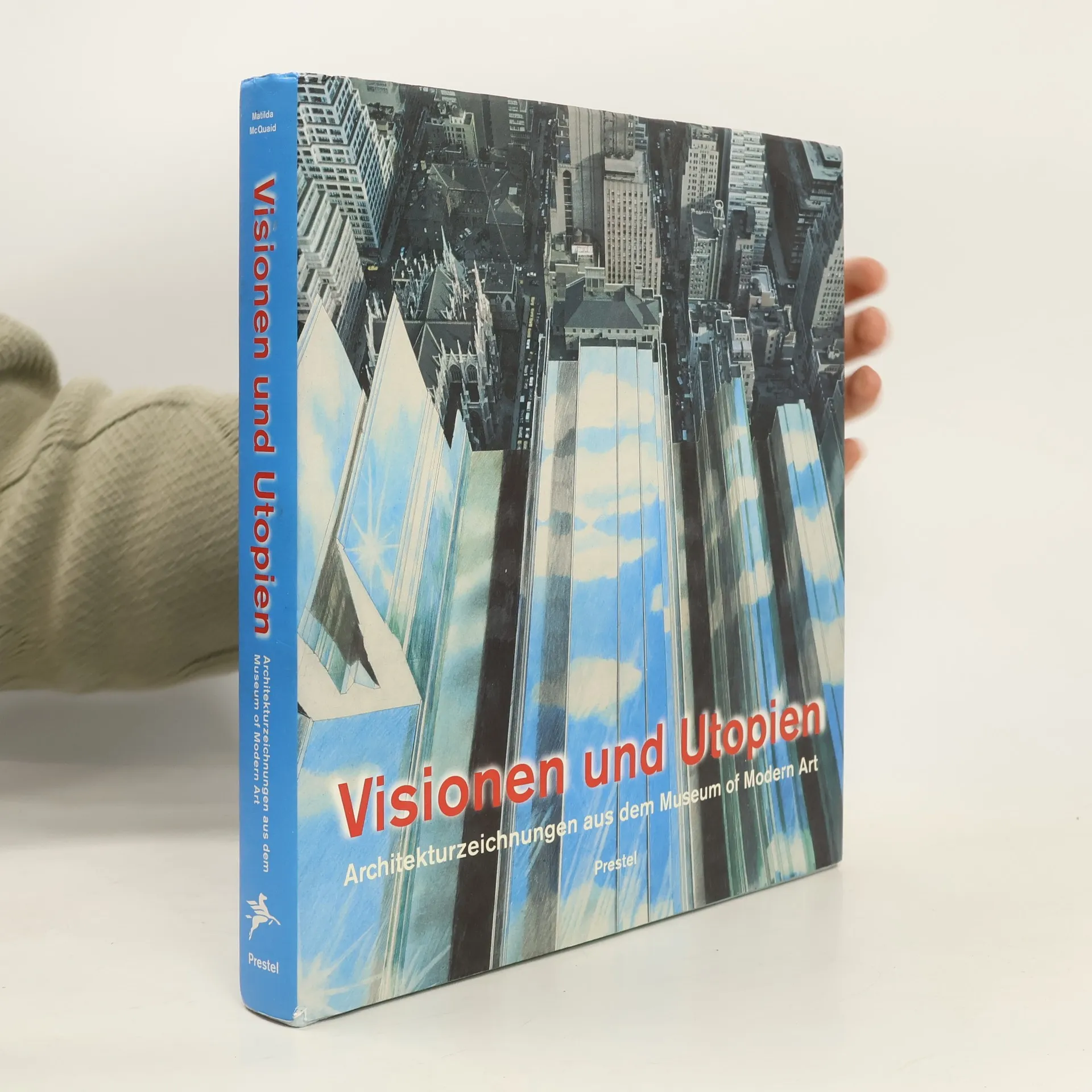
    Visionen und Utopien
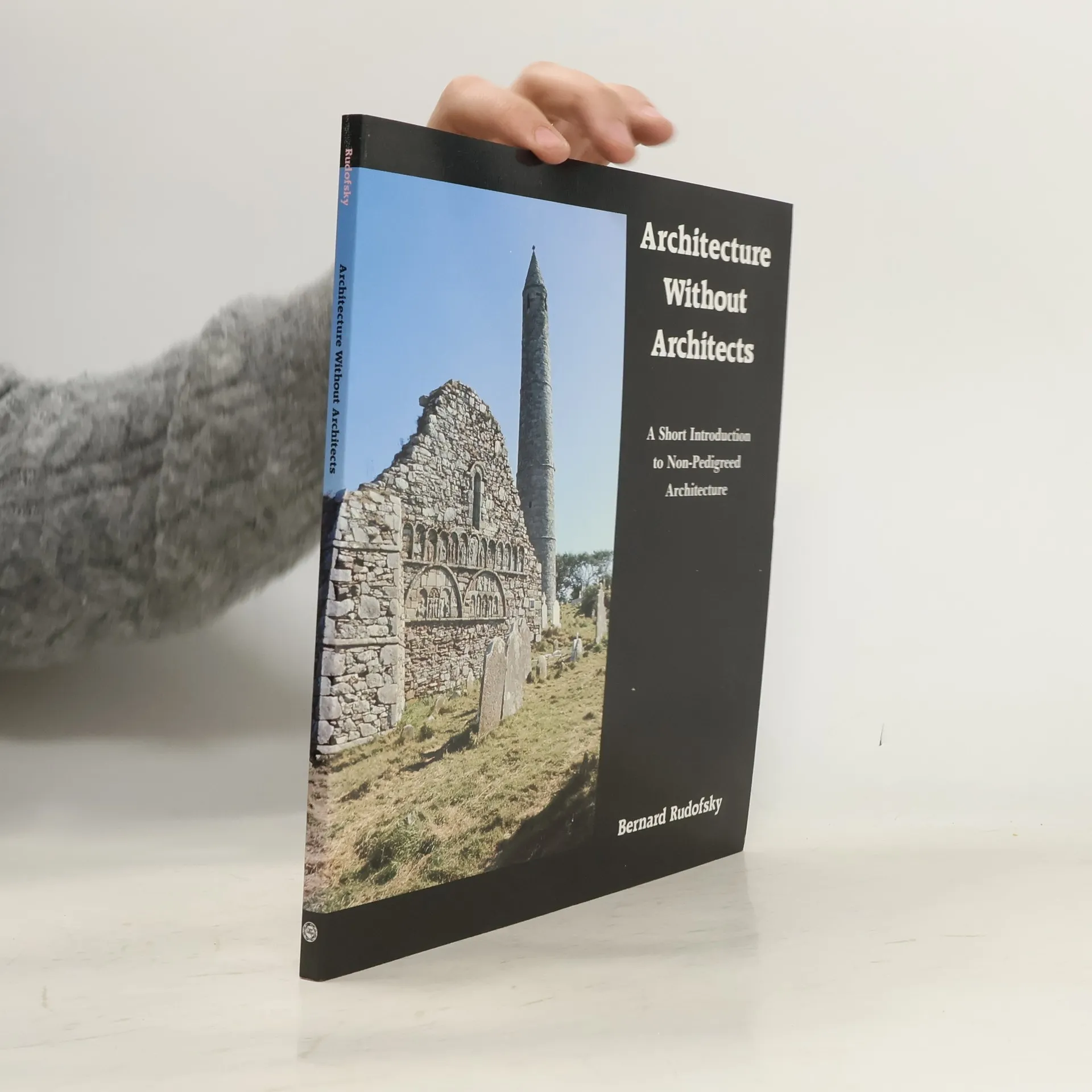
    Architecture without architects : a short introduction to non-pedigreed architecture
    • Visionen und Utopien

      • 254 pages
      • 9 hours of reading

      Das Museum of Modern Art in New York beherbergt eine der umfangreichsten Sammlungen von Architekturzeichnungen des 20. Jahrhunderts. Der Band Visionen und Utopien des Prestel Verlags präsentiert die spannendsten Entwürfe von Architekten wie Ettore Sottsass, Otto Wagner, Mario Botta, Norman Forster, Ludwig Mies van der Rohe und Oscar Niemeyer. Diese Sammlung beleuchtet das gesamte Spektrum der modernen Architektur und dokumentiert auch das Scheitern großer Ambitionen, wie Hans Holleins misslungenes Monument, das den Holocaust thematisiert. Die Architekturzeichnung wird als eigene Kunstform gewürdigt, was viele Architekten durch ihre Signaturen auf den Blättern unterstreichen. Besonders eindrucksvoll sind die Arbeiten aus den 1990er-Jahren, darunter Frank O. Gehrys picassoeske Tuschezeichnung der Universität von Toledo, Lauretta Vinciarellis fast monochrome Papierfantasie "Orange Sound" und Chuck Hobermans dreidimensionale Computerskizze für eine Iris Kuppel. Der Prestel Verlag plant, weitere Bände mit Design-Objekten und Grafik-Design aus den MoMa-Beständen herauszubringen. Wenn diese ebenso schön gestaltet sind wie Visionen und Utopien, dürfen wir uns auf weitere visuelle Höhepunkte freuen. --Thomas Köster

      Visionen und Utopien2003
    • In this book, Bernard Rudofsky steps outside the narrowly defined discipline that has governed our sense of architectural history and discusses the art of building as a universal phenomenon. He introduces the reader to communal architecture--architecture produced not by specialists but by the spontaneous and continuing activity of a whole people with a common heritage, acting within a community experience. A prehistoric theater district for a hundred thousand spectators on the American continent and underground towns and villages (complete with schools, offices, and factories) inhabited by millions of people are among the unexpected phenomena he brings to light. The beauty of "primitive" architecture has often been dismissed as accidental, but today we recognize in it an art form that has resulted from human intelligence applied to uniquely human modes of life. Indeed, Rudofsky sees the philosophy and practical knowledge of the untutored builders as untapped sources of inspiration for industrial man trapped in his chaotic cities.

      Architecture without architects : a short introduction to non-pedigreed architecture1987
      4.2