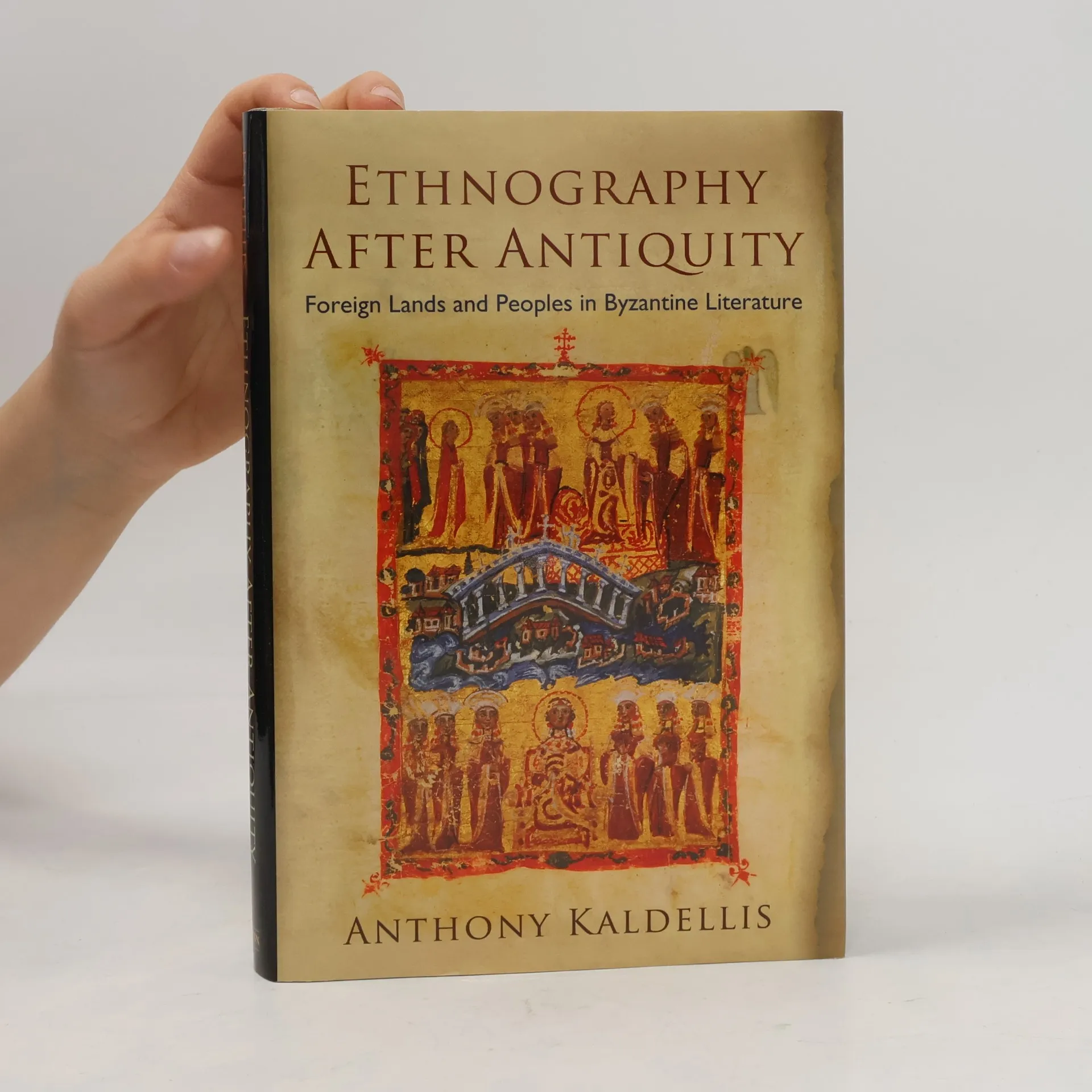
Focusing on the political and military history of Byzantium, this comprehensive narrative spans from the establishment of Constantinople in 324 AD to its fall to the Ottoman Turks in the fifteenth century. It offers an accessible exploration of twelve centuries, highlighting significant shifts in religion, society, administration, demography, and economy without the use of jargon. This work serves as a vital resource for understanding the complexities and transformations of the eastern Roman Empire.
Anthony Kaldellis Books

Streams of Gold, Rivers of Blood
- 440 pages
- 16 hours of reading
A long overdue and thrillingly paced narrative of one of the most dramatic periods in Medieval history, Streams of Gold, Rivers of Blood provides an engaging chronicle of the various imperial upheavals, from the conquests of Basil to the collapse of Constantinople, concluding with the First Crusade.
The book challenges the conventional understanding of the Byzantine Empire, arguing that the term "Byzantine" was never used by its rulers. Kaldellis emphasizes the importance of recognizing the Romanness of the empire's inhabitants, suggesting that their identity has been misunderstood and misrepresented by later generations. Through this exploration, the author seeks to reshape the historical narrative surrounding the empire and its people.
Hellenism in Byzantium
The Transformations of Greek Identity and the Reception of the Classical Tradition
- 482 pages
- 17 hours of reading
Exploring the identity of being 'Greek' during late antiquity and the Byzantine era, this book delves into cultural, social, and political dimensions. It analyzes how Greek identity evolved amidst changing empires and influences, highlighting the significance of language, religion, and heritage. Through a comprehensive examination of historical texts and artifacts, it sheds light on the complexities of identity formation and the enduring legacy of Greek culture in a transformative period of history.
Streams of Gold, Rivers of Blood
- 399 pages
- 14 hours of reading
A long overdue and thrillingly paced narrative of one of the most dramatic periods in Medieval history, Streams of Gold, Rivers of Blood provides an engaging chronicle of the various imperial upheavals, from the conquests of Basil to the collapse of Constantinople, concluding with the First Crusade.
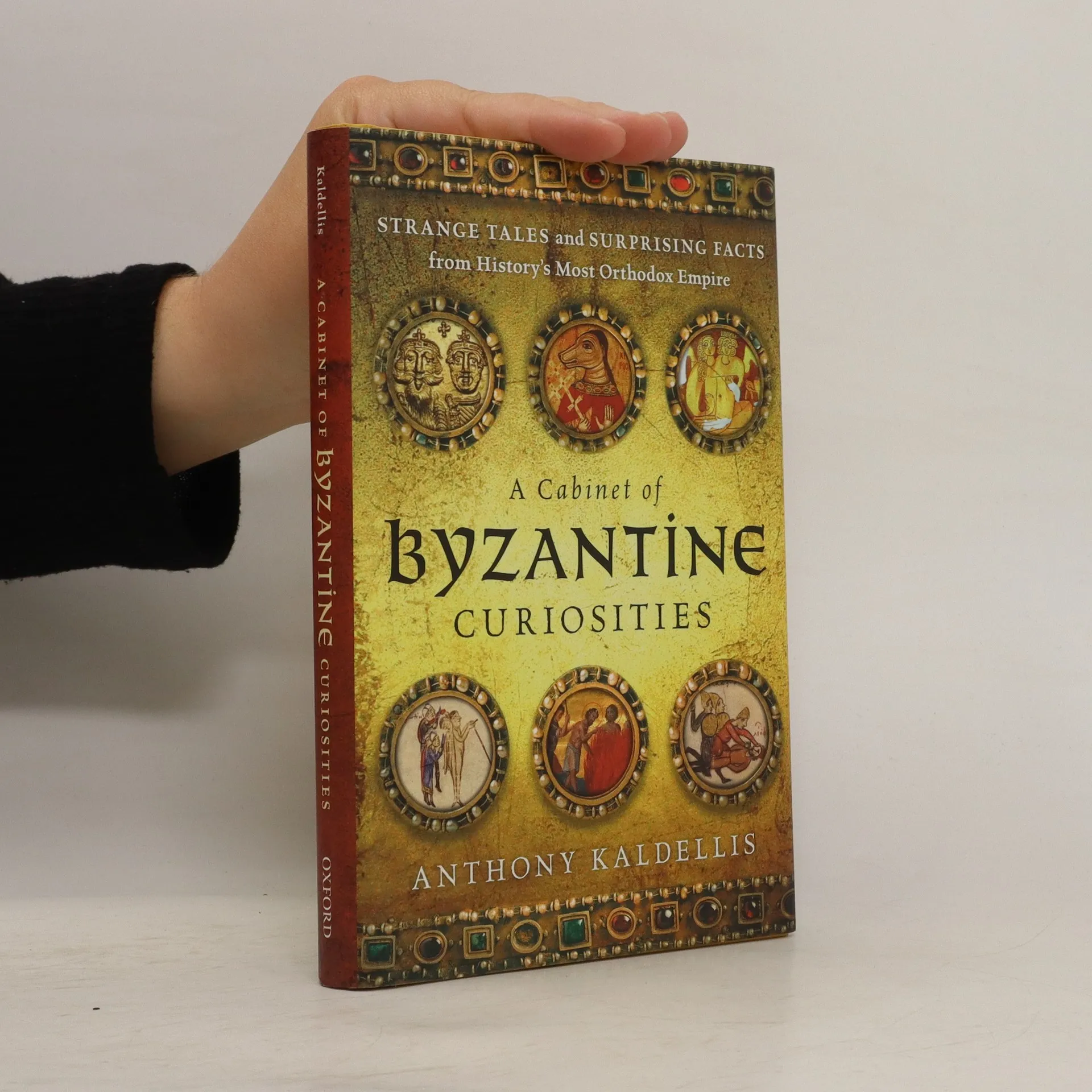
A Cabinet of Byzantine Curiosities
- 256 pages
- 9 hours of reading
A Cabinet of Byzantine Curiosities will reinforce these old prejudices, while also stimulating a deeper interest among readers in one of history's most interesting civilizations. Many of the zanier tales and trivia that are collected here revolve around the political and religious life of Byzantium.
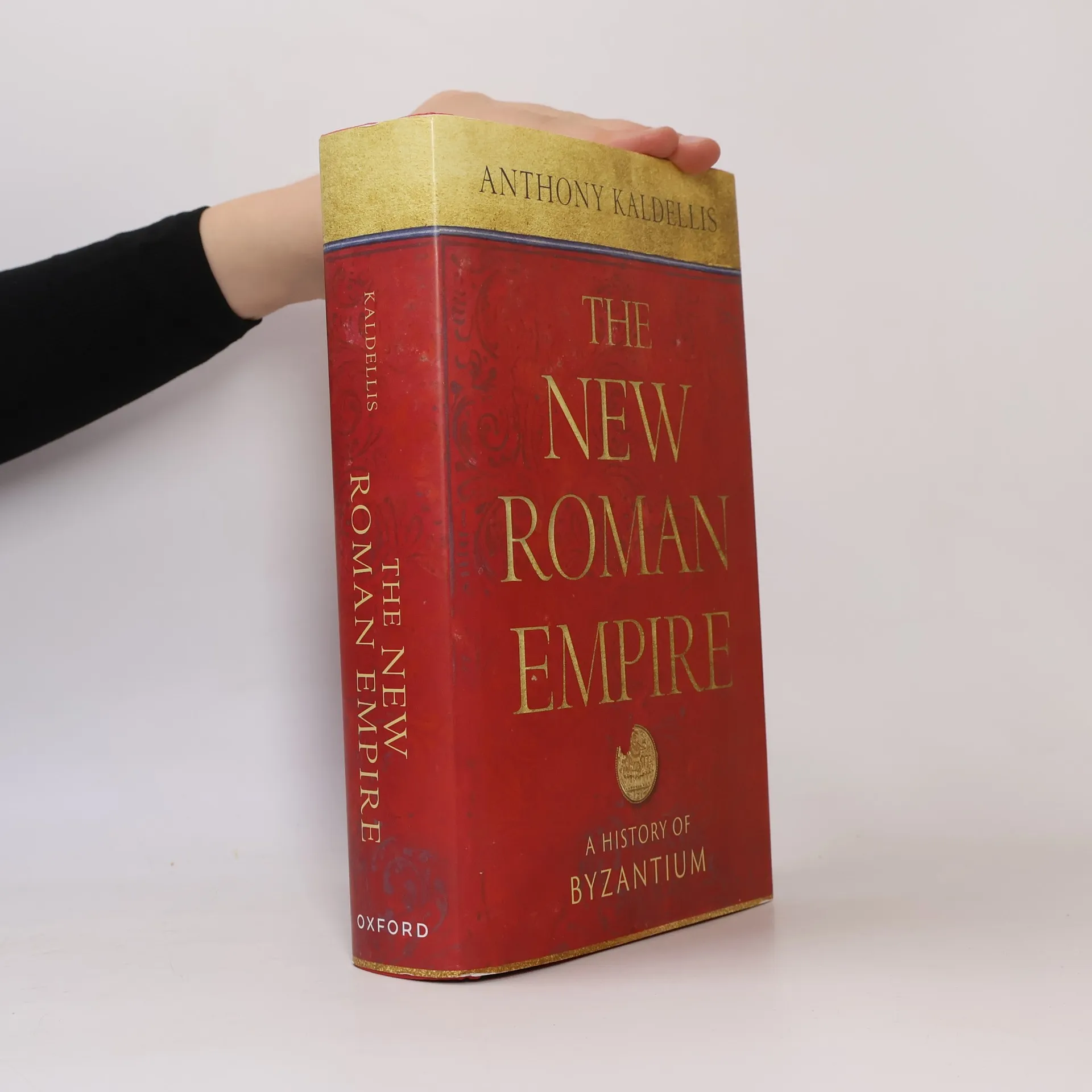
Ethnography After Antiquity
Foreign Lands and Peoples in Byzantine Literature
- 288 pages
- 11 hours of reading
Although Greek and Roman authors produced ethnographic texts about foreign cultures, Byzantine literature seemingly lacks ethnography after the seventh century C.E., a puzzling gap for a culture closely tied to the Roman Empire. Positioned at the crossroads of significant historical upheavals, the Byzantines possessed extensive knowledge of the cultures they encountered. This examination delves into both the presence and absence of ethnography in Byzantine writings, investigating the political and religious reasons behind the documentation (or lack thereof) of other peoples. Through analyses of classical histories, military manuals, Constantine VII's "De administrando imperio," and religious texts, Anthony Kaldellis reveals that Byzantine authors utilized foreign accounts to critique their own society or assert Romano-Christian superiority over Islam. He concludes that cultural differences were not solely viewed through a theological lens; rather, it was their Roman identity, distinct from what they deemed heretical or barbarian cultures, that shaped their perspectives. By addressing the unexplained gap between antiquity and the revival of ethnography in the late Byzantine period, this work provides fresh insights into how Byzantium navigated its identity amidst a rapidly changing world.