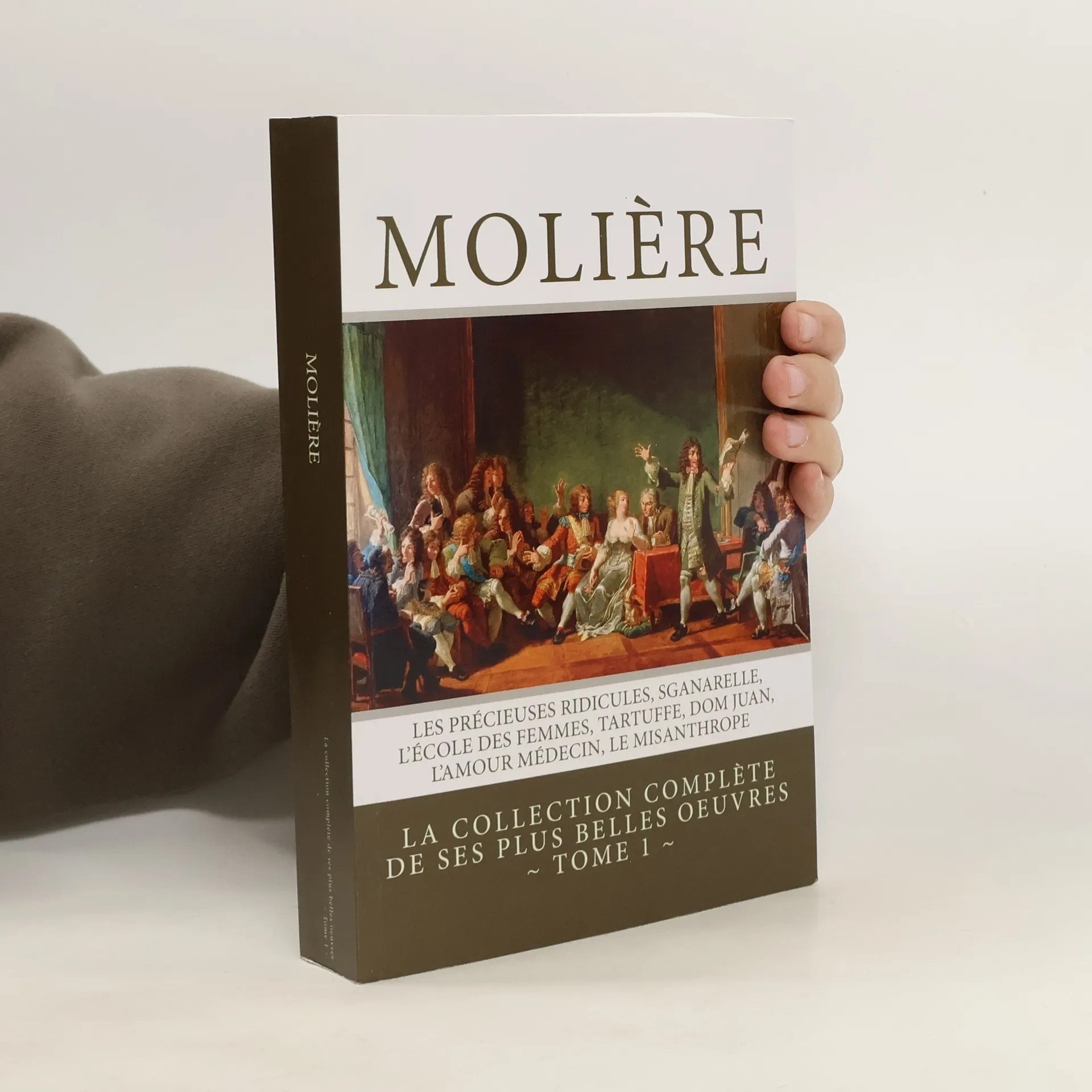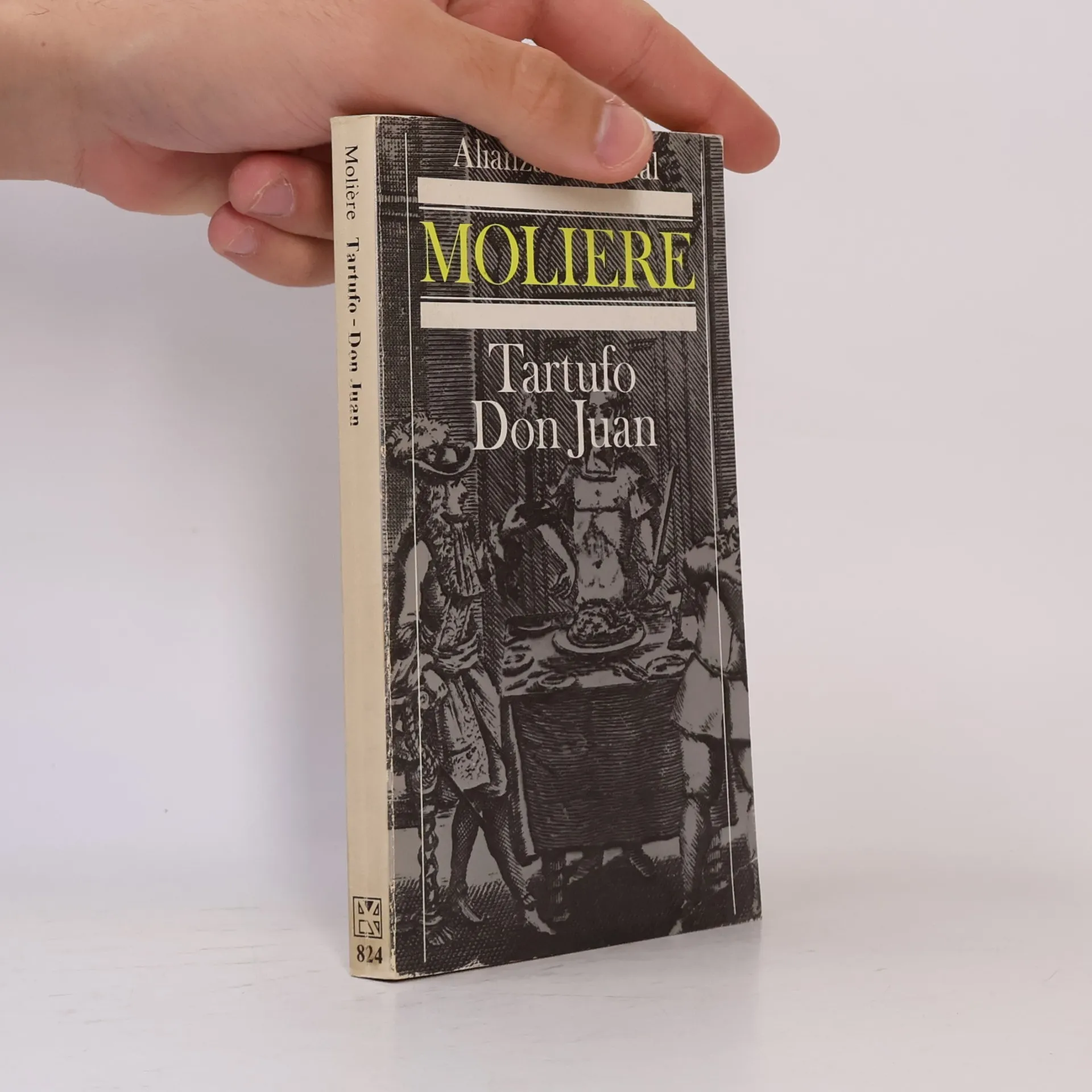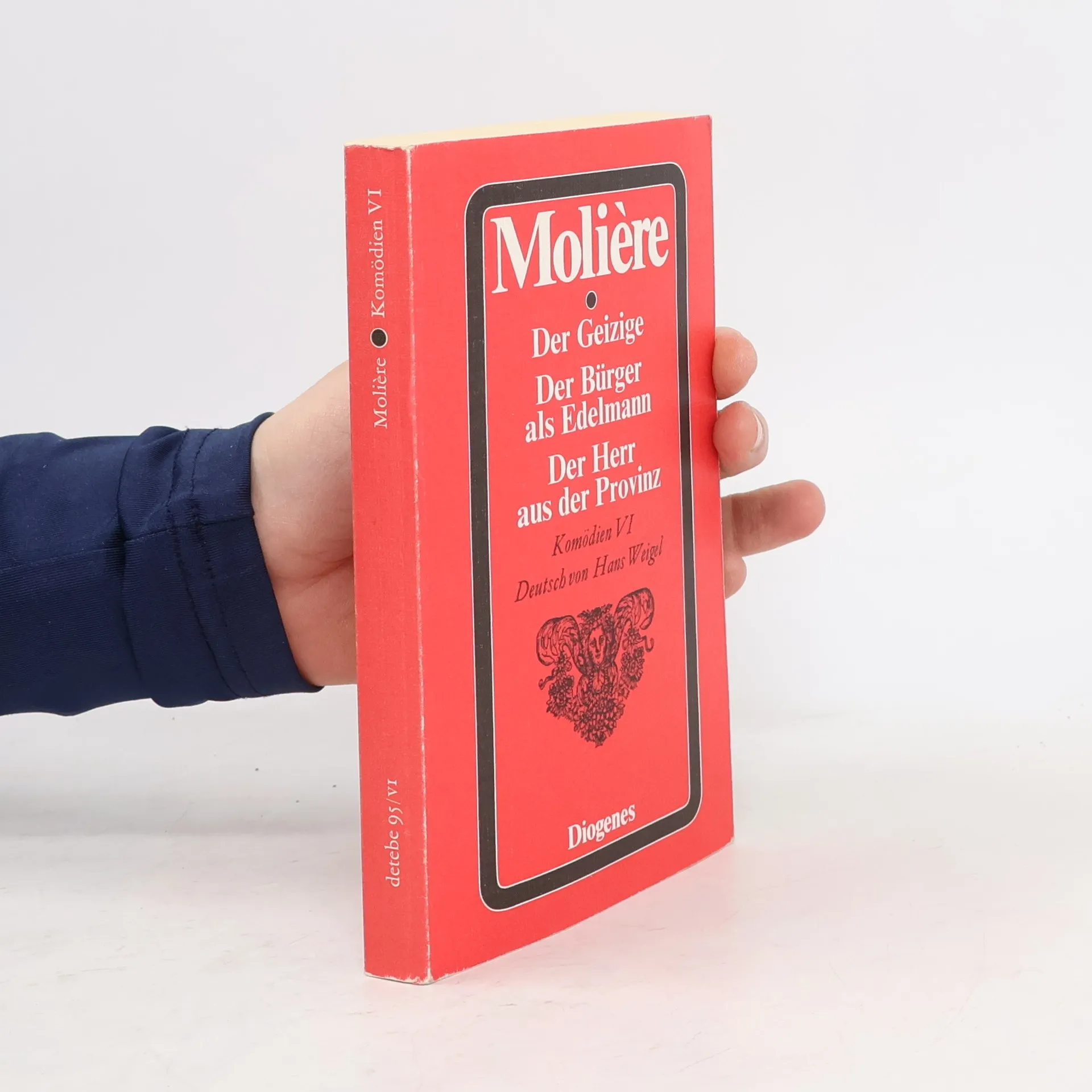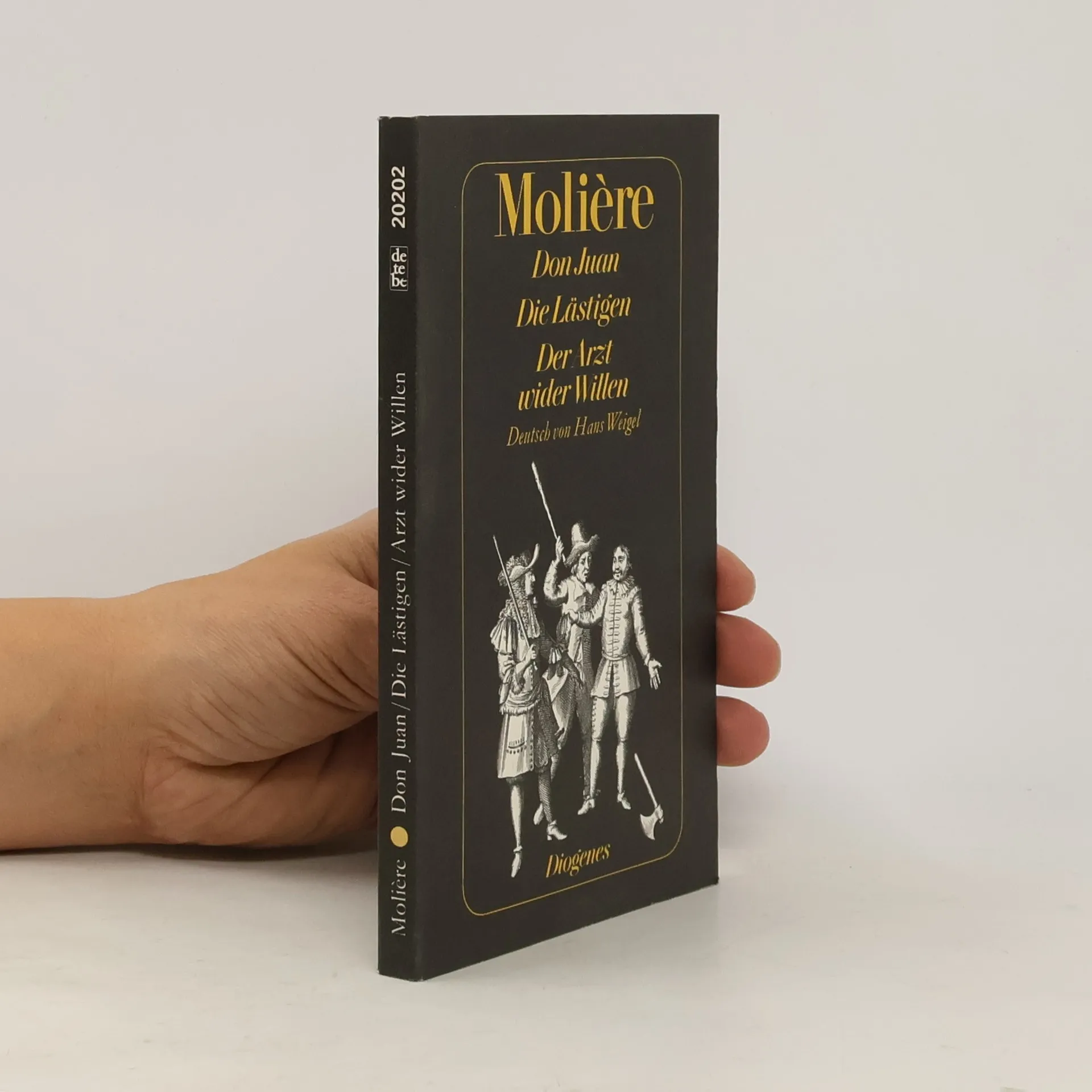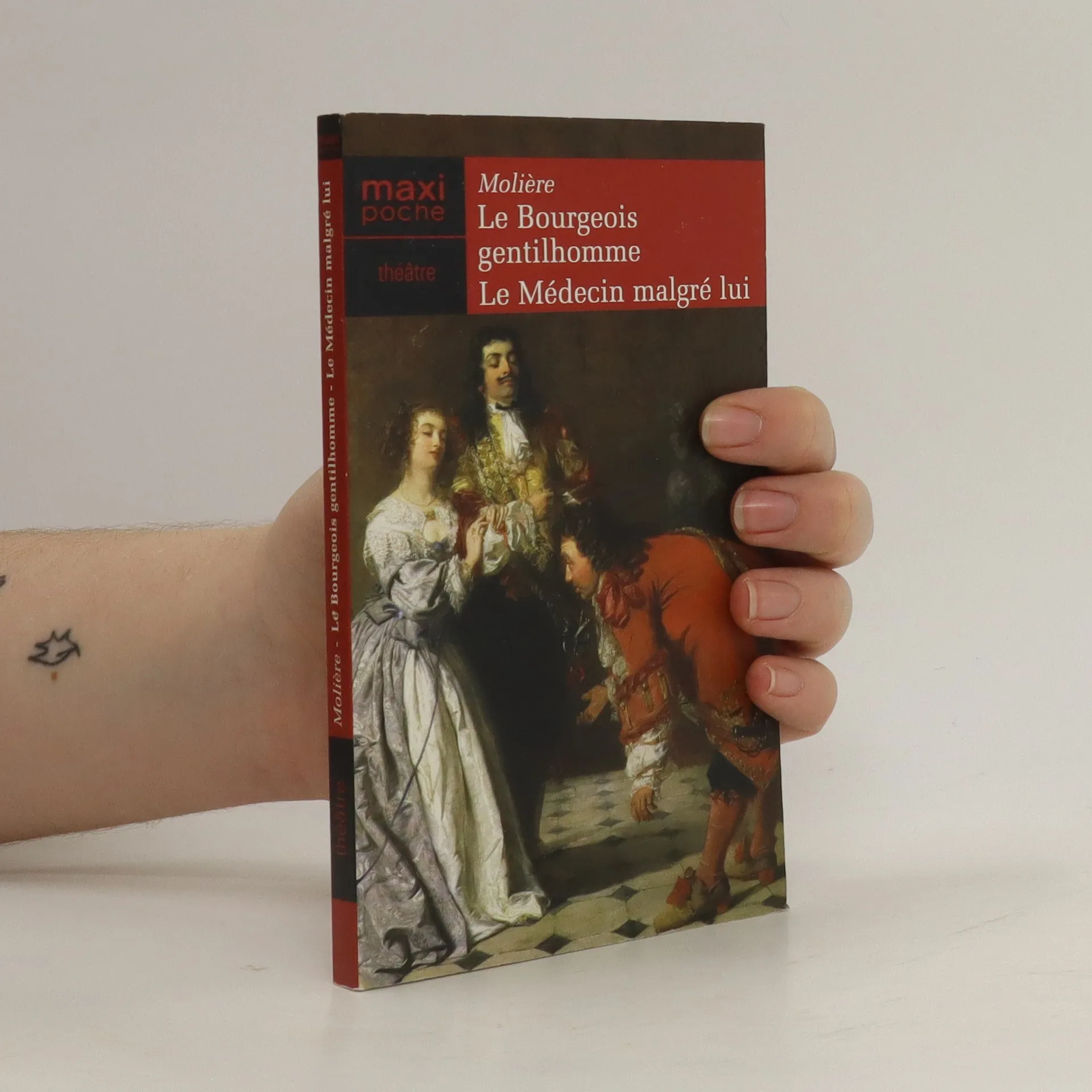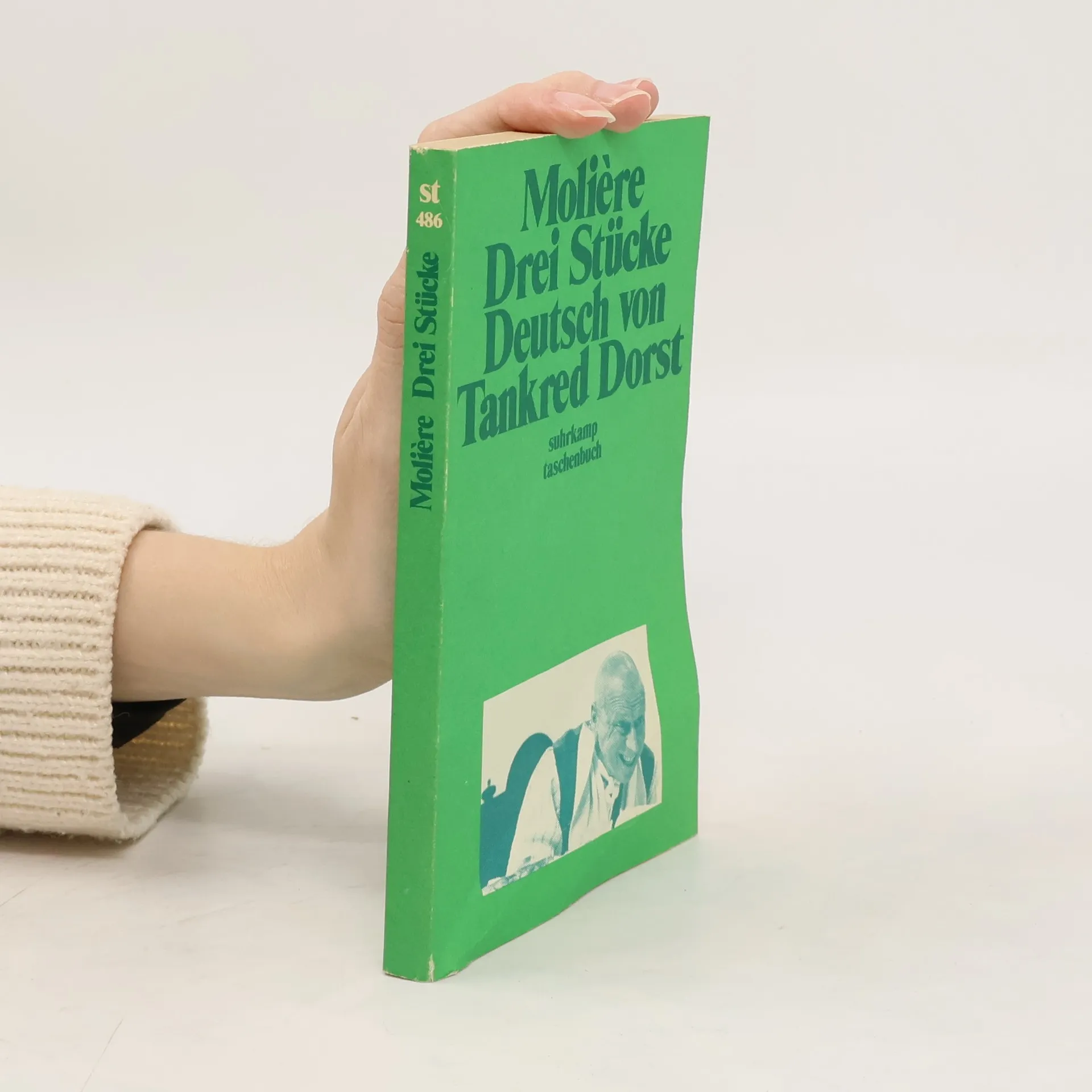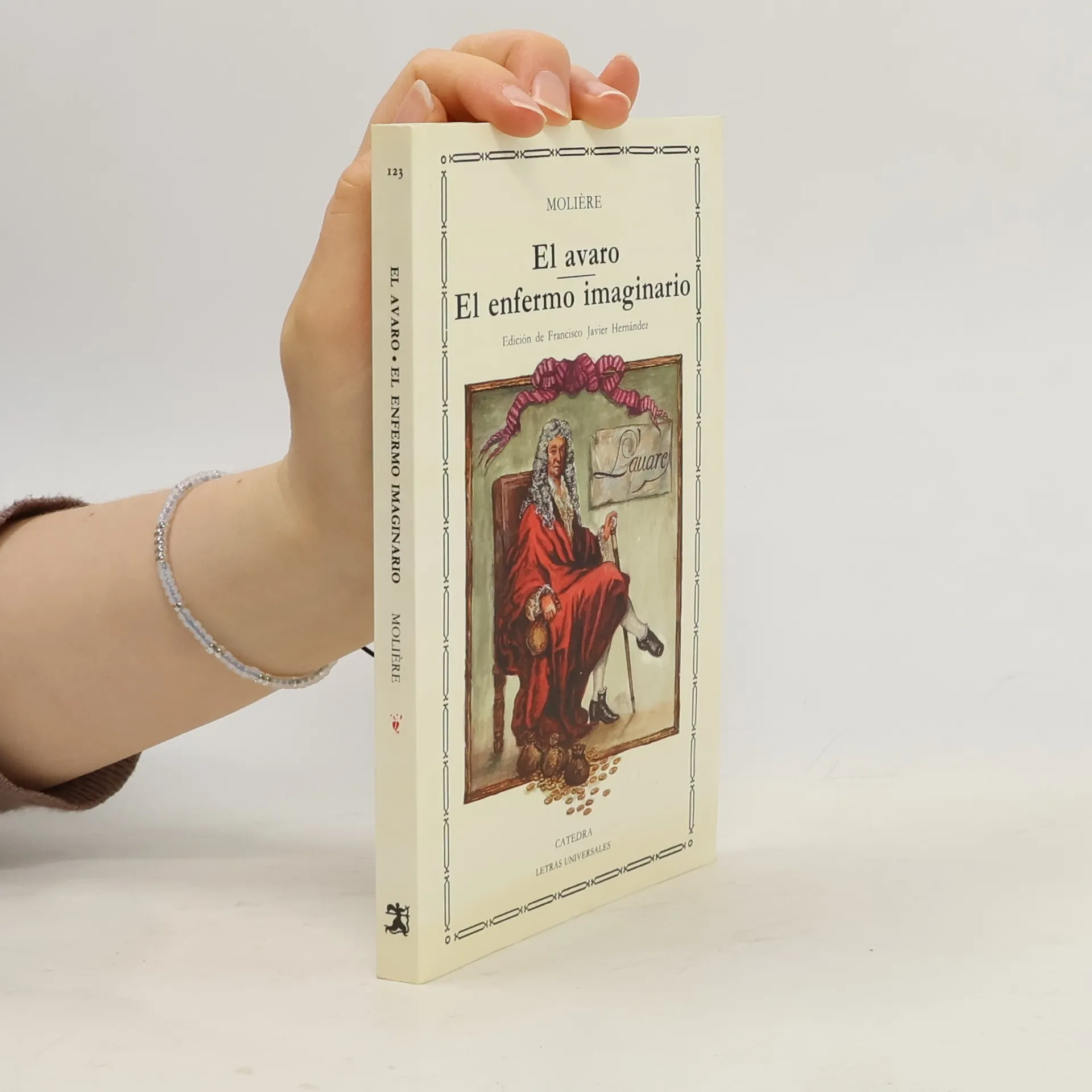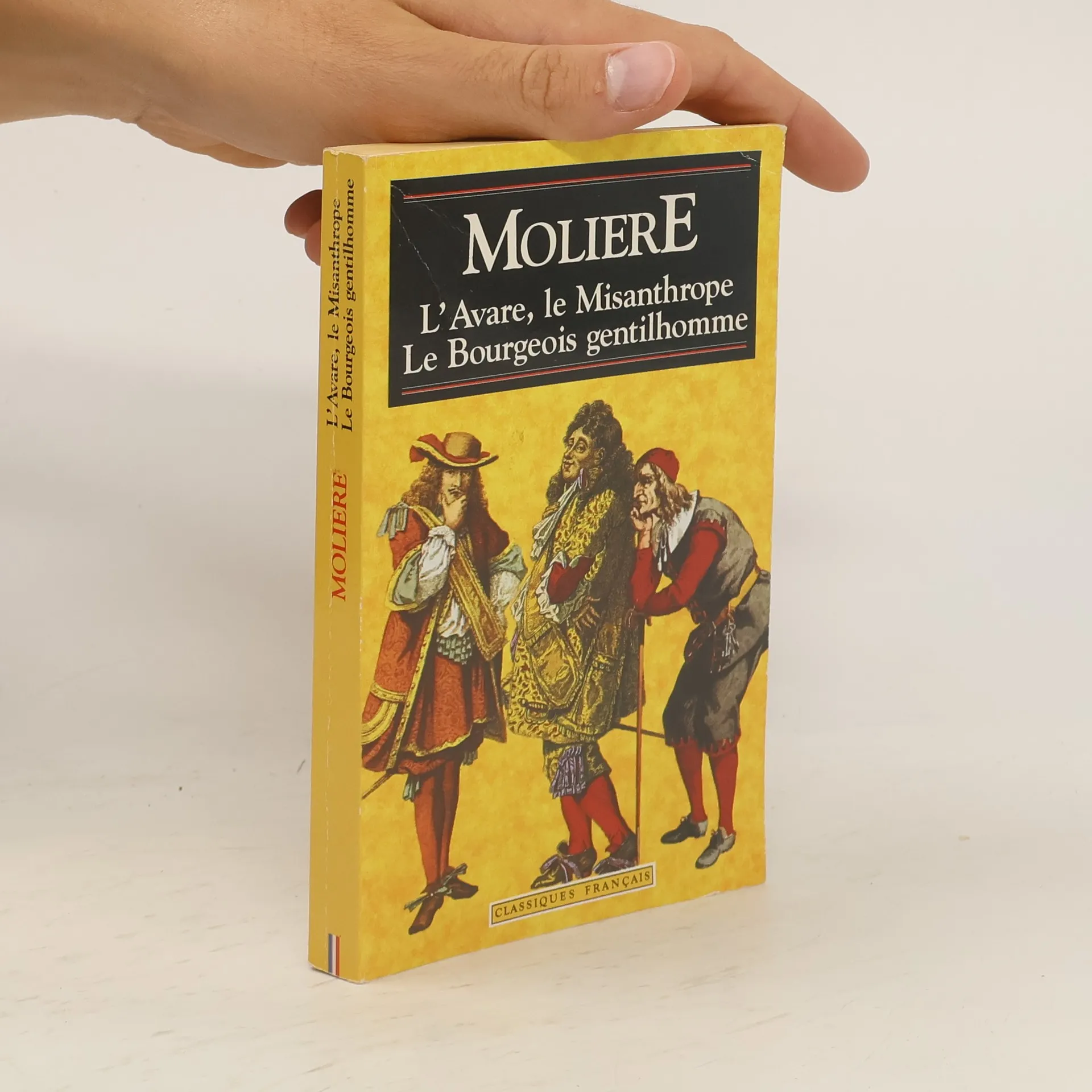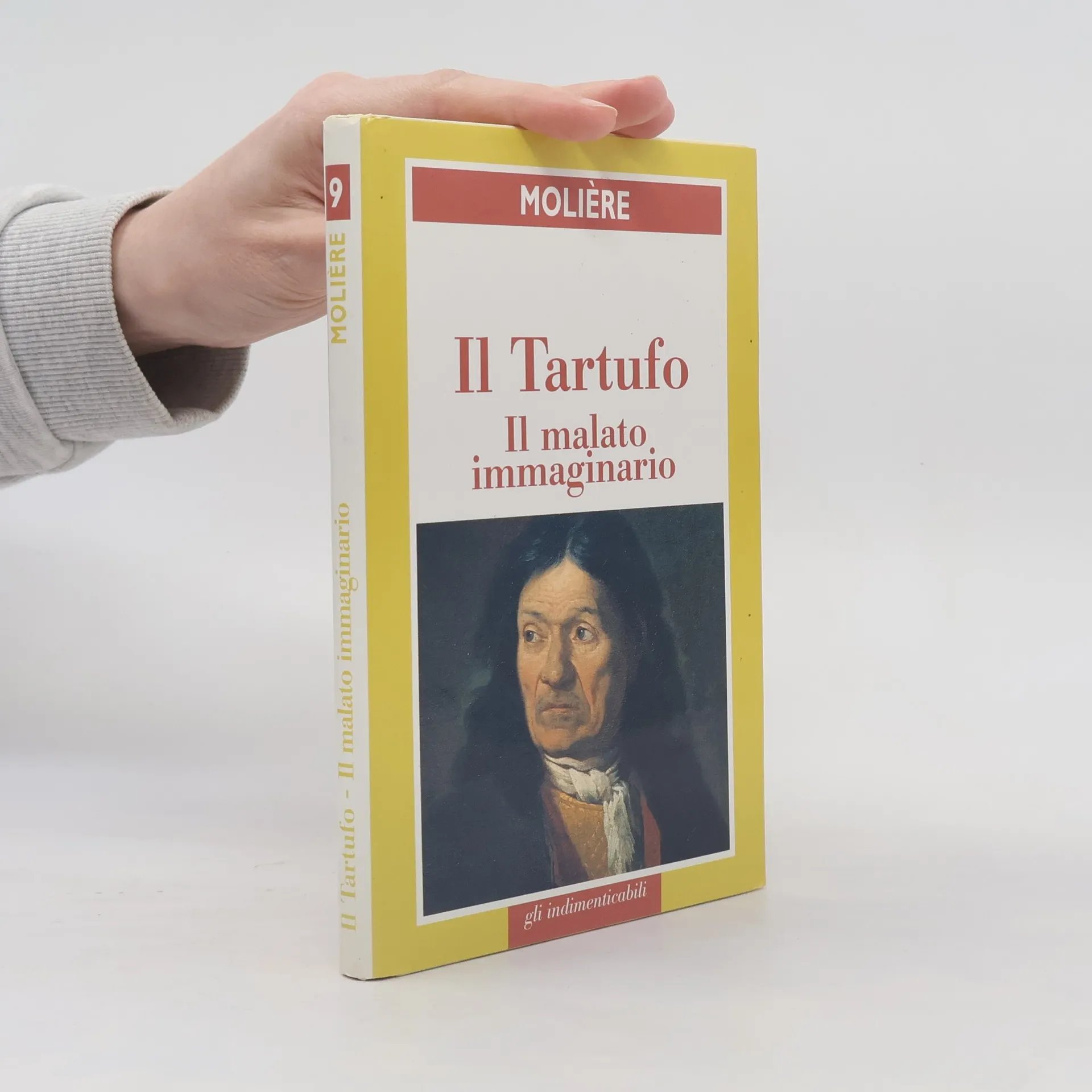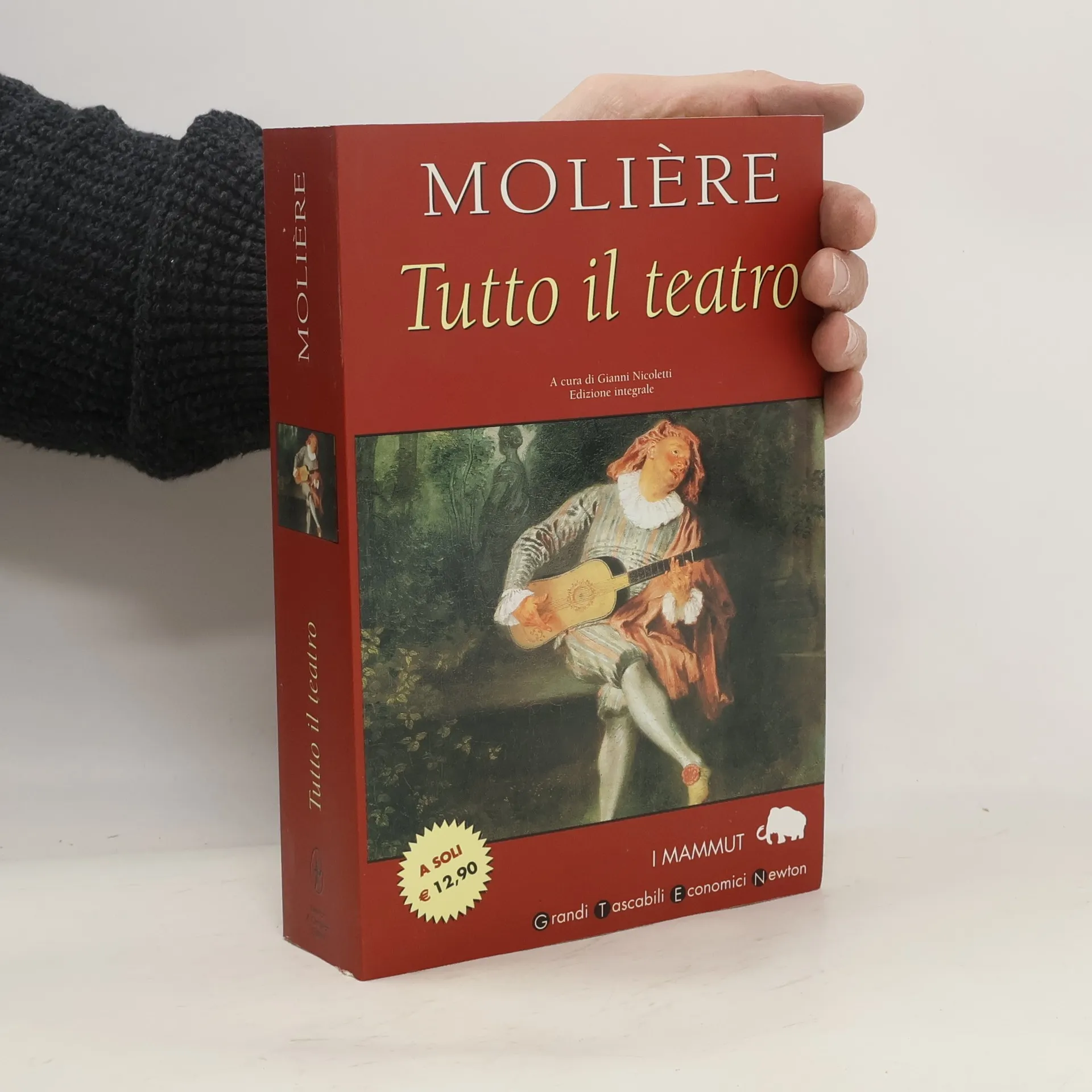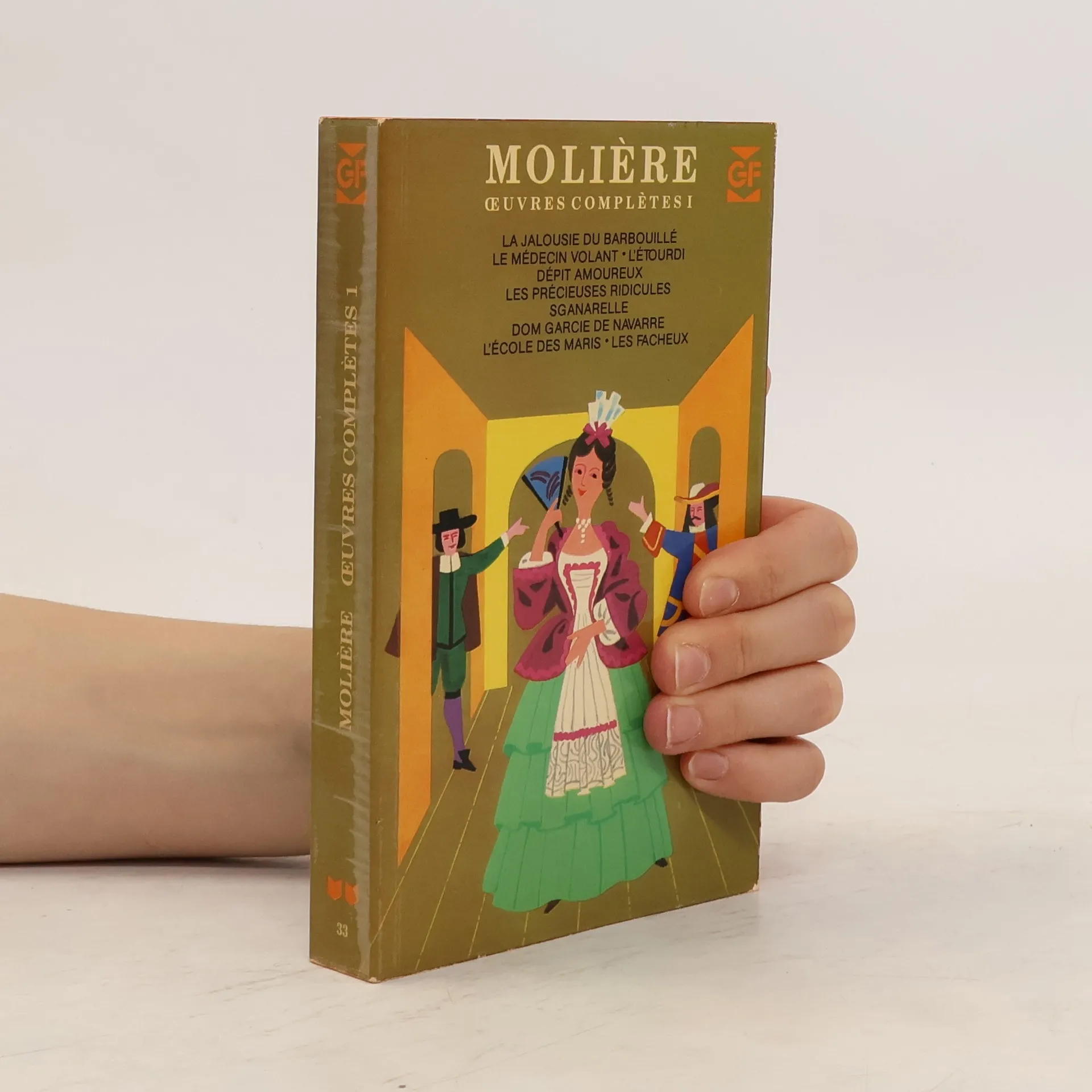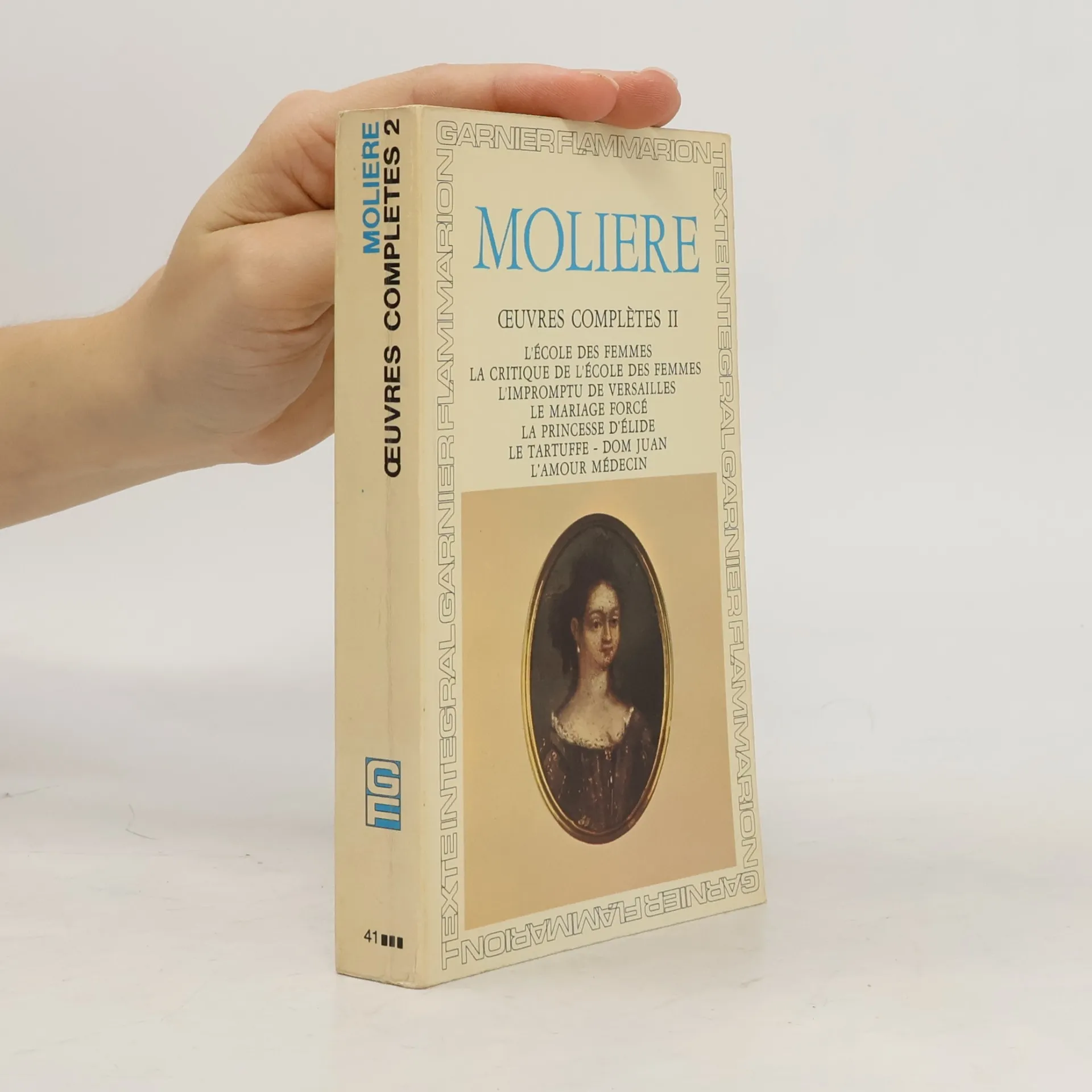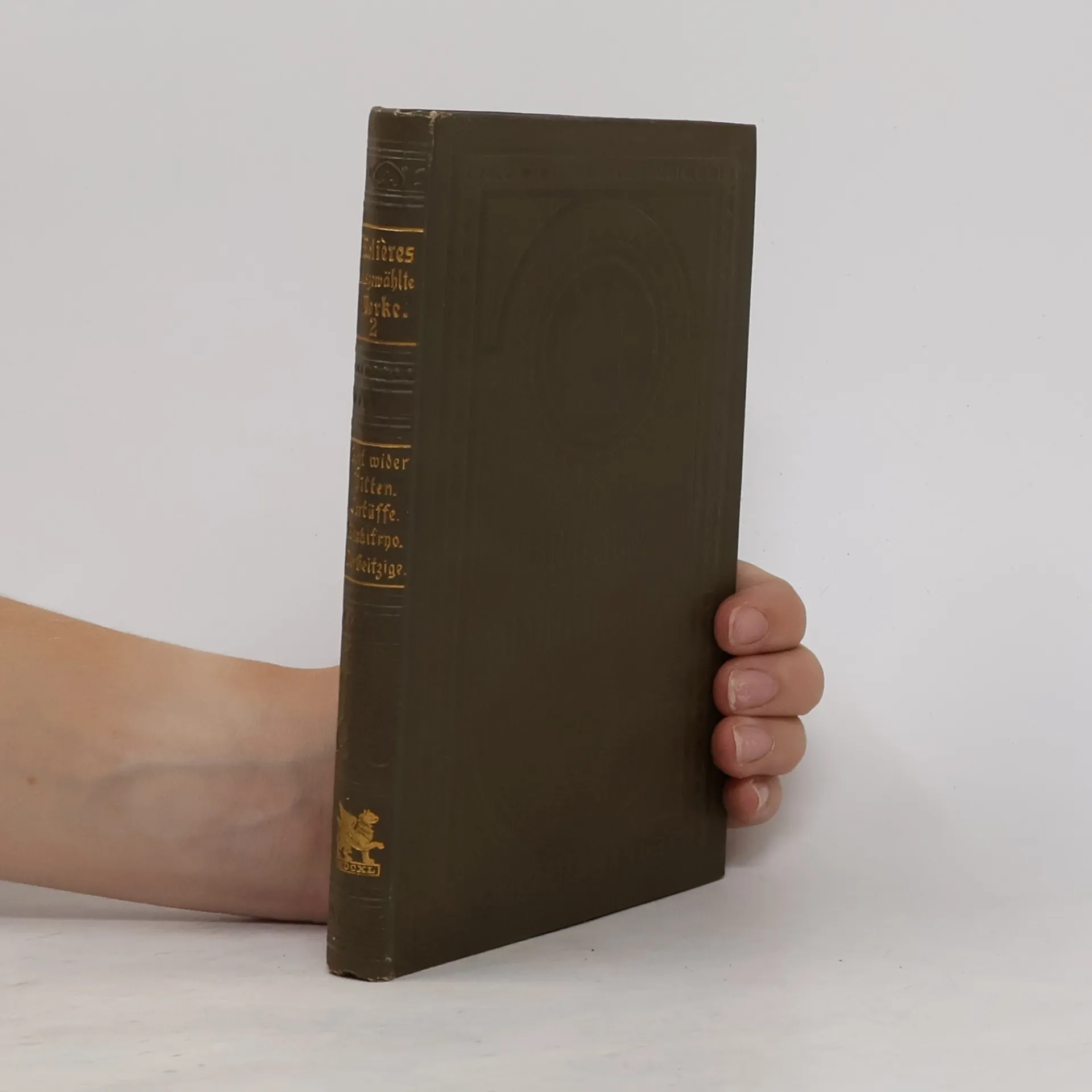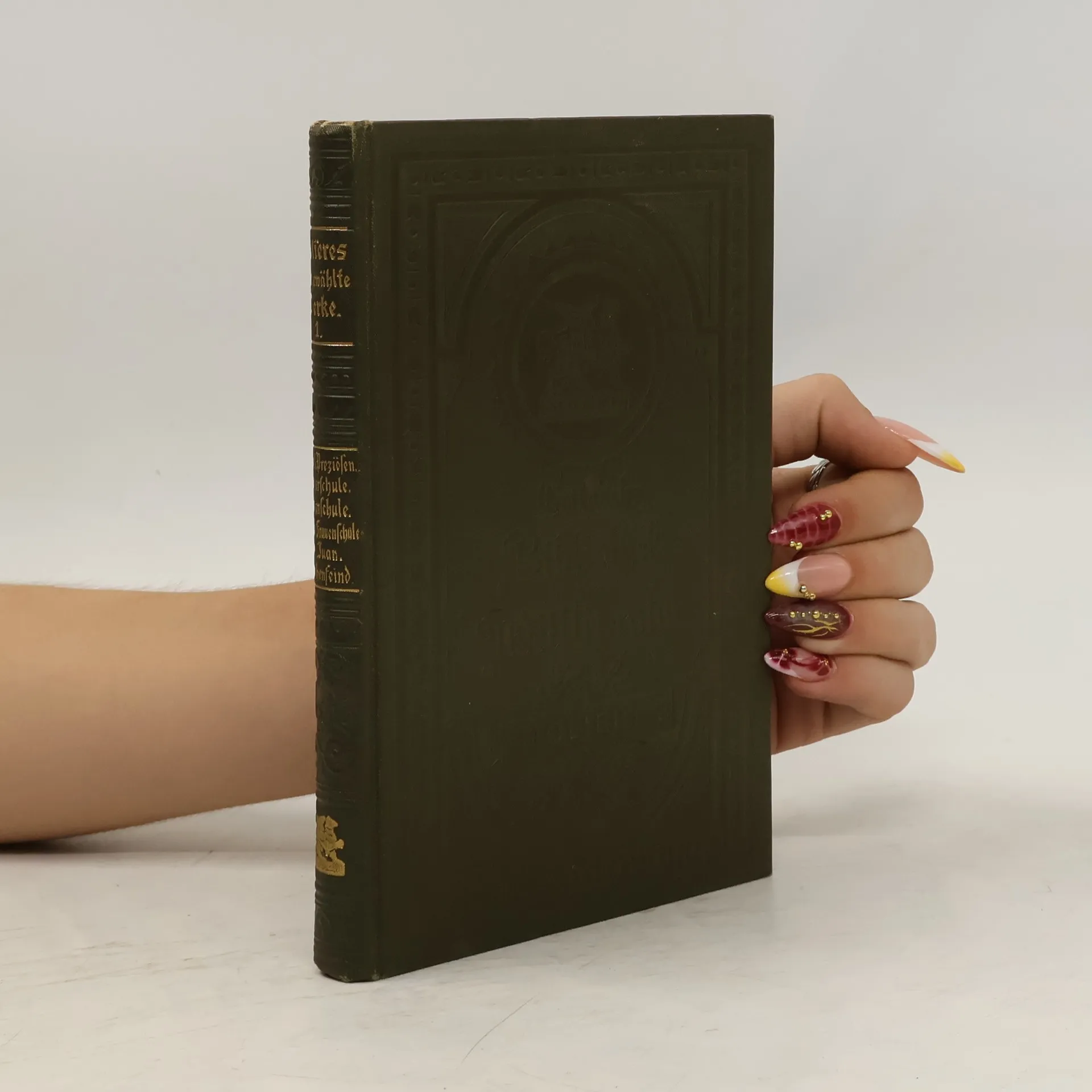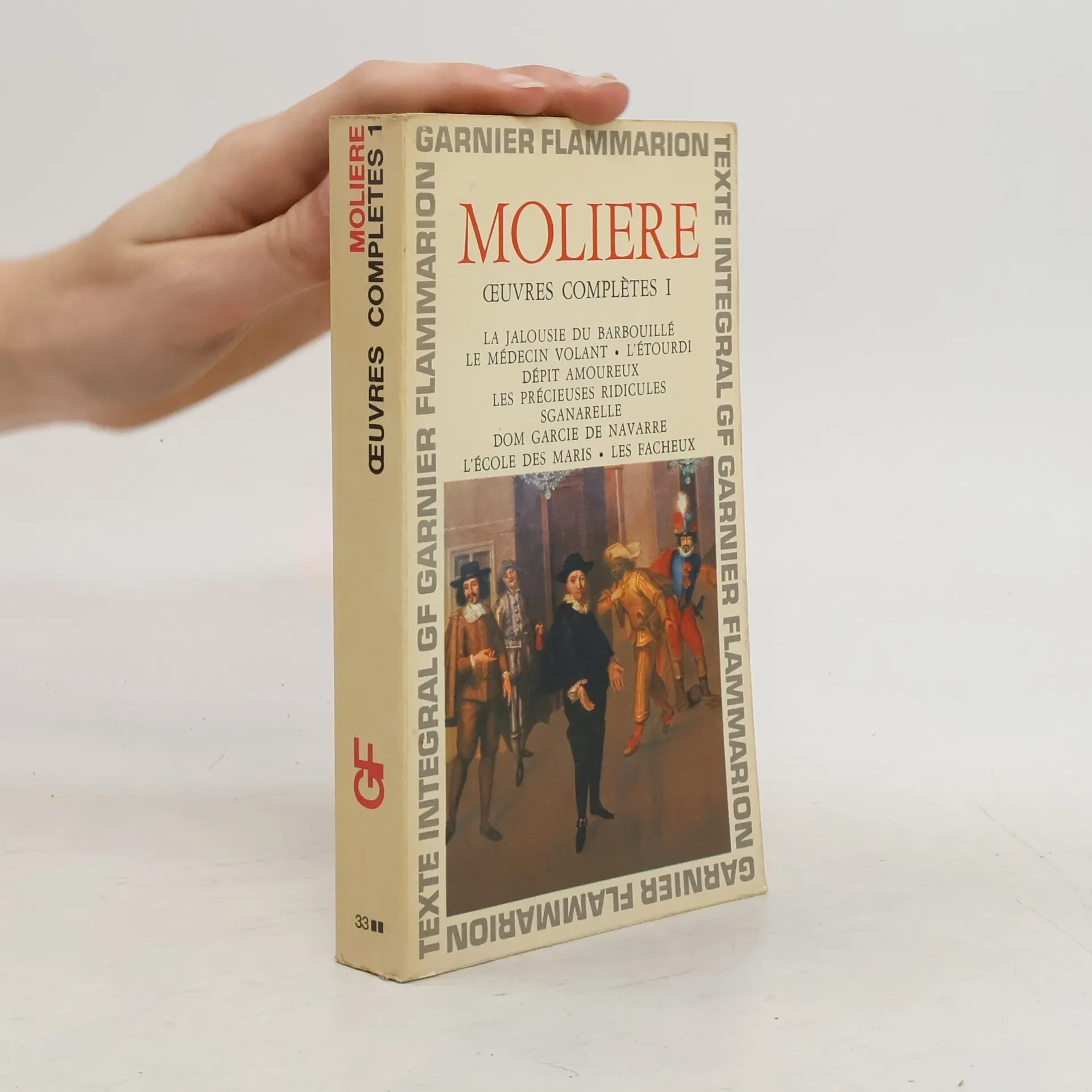

Jean-Baptiste Poquelin, known by his stage name Molière, stands as one of Western literature's foremost masters of comedy. His plays expertly blended elements of commedia dell'arte with refined French theatrical tradition, delivering sharp satires that exposed societal hypocrisy and human foibles. Through his groundbreaking work, Molière fundamentally reshaped French comedy, earning acclaim from both the court and Parisian audiences while also facing censure for his daring themes. His enduring legacy lies in his profound understanding of human nature and his unparalleled ability to provoke laughter and thought.
Celebrating the 400th anniversary of Molière's birth, this two-volume gift set compiles Richard Wilbur's acclaimed translations of Molière's plays. Renowned for their excellence in English verse, these translations showcase Wilbur's literary prowess and bring the timeless works of the celebrated playwright to a new audience. This collection not only highlights Molière's genius but also underscores the significance of Wilbur's contributions to the world of drama and literature.
"One of the most accomplished American poets of his generation, Richard Wilbur (1921-2017) was also a prolific translator of French and Russian literature. His verse translations of Molïre's plays are especially admired by readers and are still performed today in theaters around the world. Wilbur, the critic John Simon once wrote, makes Molïre into as great an English verse playwright as he was a French one. Now, for the first time, all ten of Wilbur's unsurpassed translations of Molïre's plays are brought together in two-volume Library of America edition, fulfilling the poet's vision for the translations. This first volume comprises Molïre's delightful early farces The Bungler, Lover's Quarrels, and The Imaginary Cuckhold, or Sganarelle; the comedies The School for Husbands and The School for Wives, about the efforts of middle-aged men to control their young wives or fiancés, which so delighted female theater goers in Moliere's seventeenth-century France; and Don Juan, Molïre's retelling of the Don Juan story, performed only briefly in the playwright's lifetime before pious censure forced it to close and not part of the repertoire of the Comédie-Fraṅaise until 1847. This volume includes the original introductions by Richard Wilbur and an introduction by Adam Gopnik on the exquisite art of Wilbur's translations."--Provided by publisher
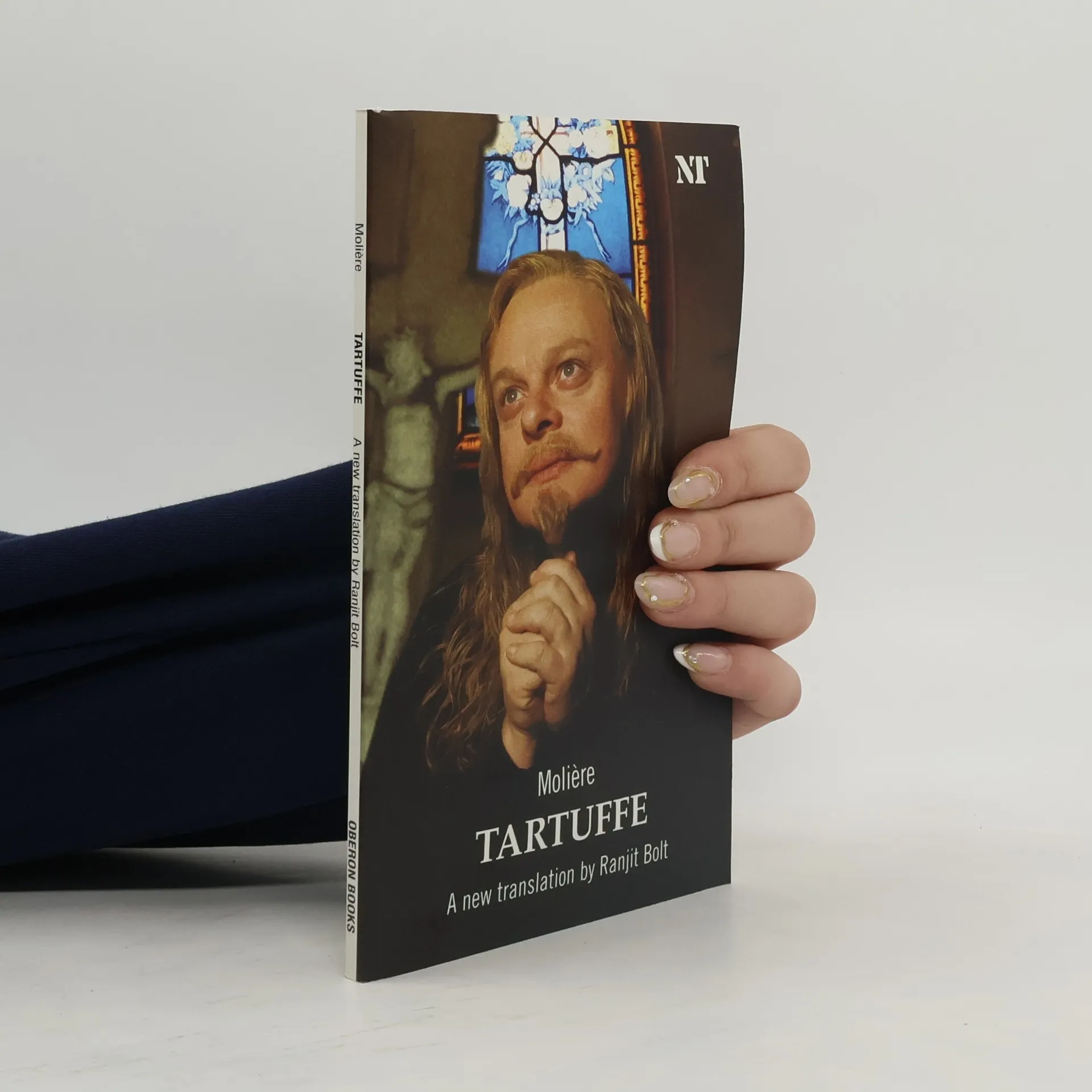
For the 400th anniversary of Moliere's birth, Richard Wilbur's unsurpassed translations of Molière's plays--themselves towering achievements in English verse--are brought together by Library of America in a two-volume edition One of the most accomplished American poets of his generation, Richard Wilbur (1921-2017) was also a prolific translator of French and Russian literature. His verse translations of Molière's plays are especially admired by readers and are still performed today in theaters around the world. "Wilbur," the critic John Simon once wrote, "makes Molière into as great an English verse playwright as he was a French one." Now, for the first time, all ten of Wilbur's unsurpassed translations of Molière's plays are brought together in two-volume Library of America edition, fulfilling the poet's vision for the translations. The second volume includes the elusive masterpiece, The Misanthrope, often said to occupy the same space in comedy as Shakespeare's Hamlet does in tragedy; the fantastic farce Amphitryon, about how Jupiter and Mercury commandeer the identities of two mortals ; Tartuffe, Molière's biting satire of religious hypocrisy; and The Learned Ladies, like Tarfuffe, a drama of a household turned suddenly upside down. This volume includes the original introductions by Richard Wilbur and a foreword by Adam Gopnik on the exquisite art of Wilbur's translations.
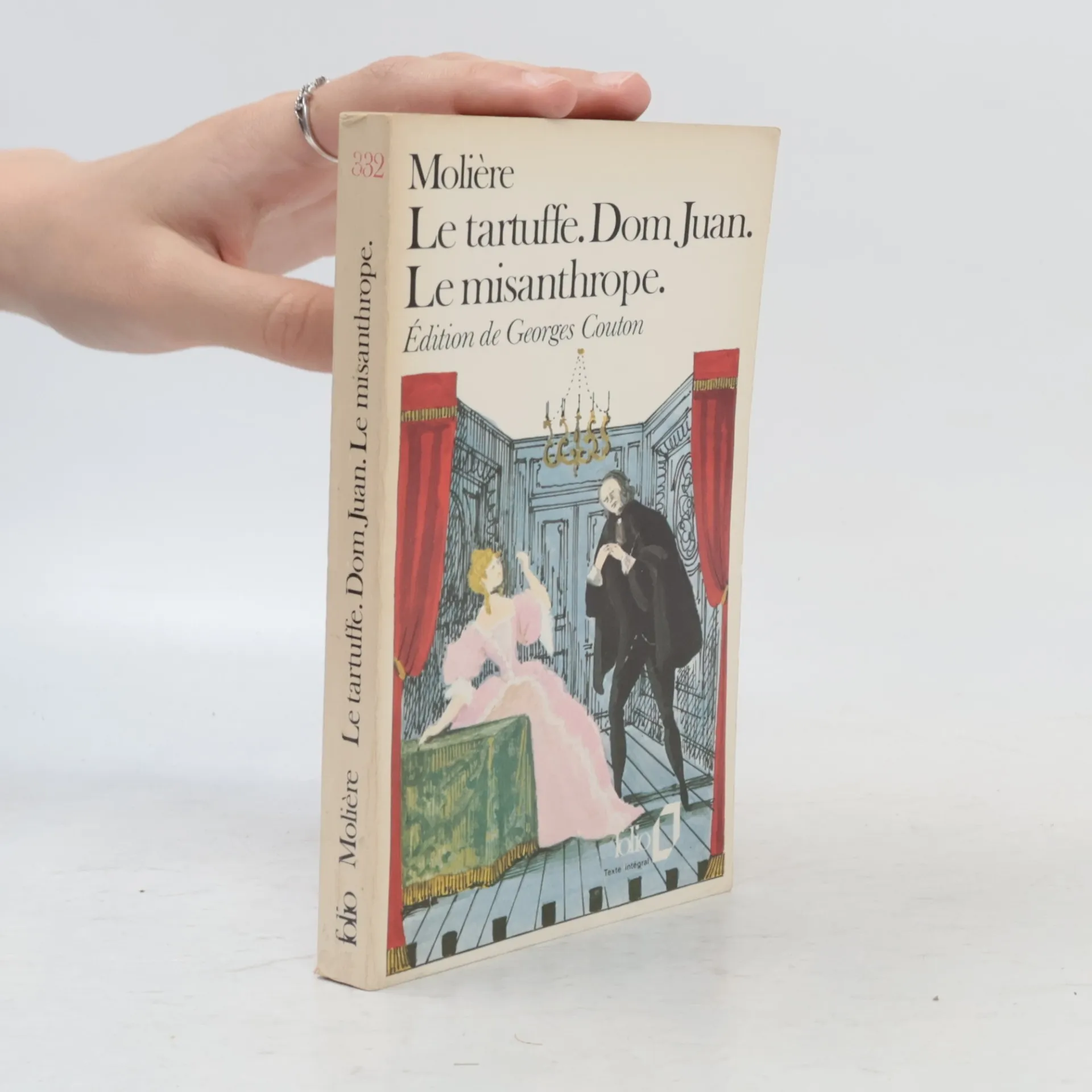
Of all the French dramatists, it is Molière (1622–73) who had the greatest sense of fun and he who, single-handed, transformed earthbound comedy into art. The Misanthrope, a drama of true love unrequited, is his knowledge masterpiece. As the portrait of a man doomed to a social wilderness because he cannot bow to convention nor compromise his principles, it is a comedy taken it the limit where laughter touches on grief. Also in this volume are Tartuffe, the first great comedy of human obsession (in this case, religion); The Imaginary Invalid, a joyful and absurd burlesque on the doctor-patient relationship; A Doctor in Spite of Himself, Molière's most famous farce; and The Sicilian, a comédie-ballet.
Set in a vibrant garden, this comedy showcases Eraste's humorous struggles as he pursues the flirtatious Orphise amidst a parade of eccentric characters. Molière cleverly intertwines sparkling verse and lively dance, poking fun at societal quirks while maintaining a courtly charm. As Eraste navigates interruptions from a self-proclaimed genius, a verbose scholar, and a scheming financier, he must balance his romantic aspirations with the absurdities surrounding him. Ultimately, love prevails, complemented by whimsical dance interludes and a playful fight scene.
This collection comprises seven of Moliere's plays that continue to have political and moral relevance today. Six of the plays are revised versions of the original translations by the late George Graveley and the seventh, "George Dandin", is a new translation by Ian Maclean.
A unique collection of Moliere's four greatest verse comedies in new
translation: The Misanthrope, Tartuffe, The School for Wives and The Clever
Women, plus two short plays, The School for Wives Criticized and The Impromptu
at Versailles.
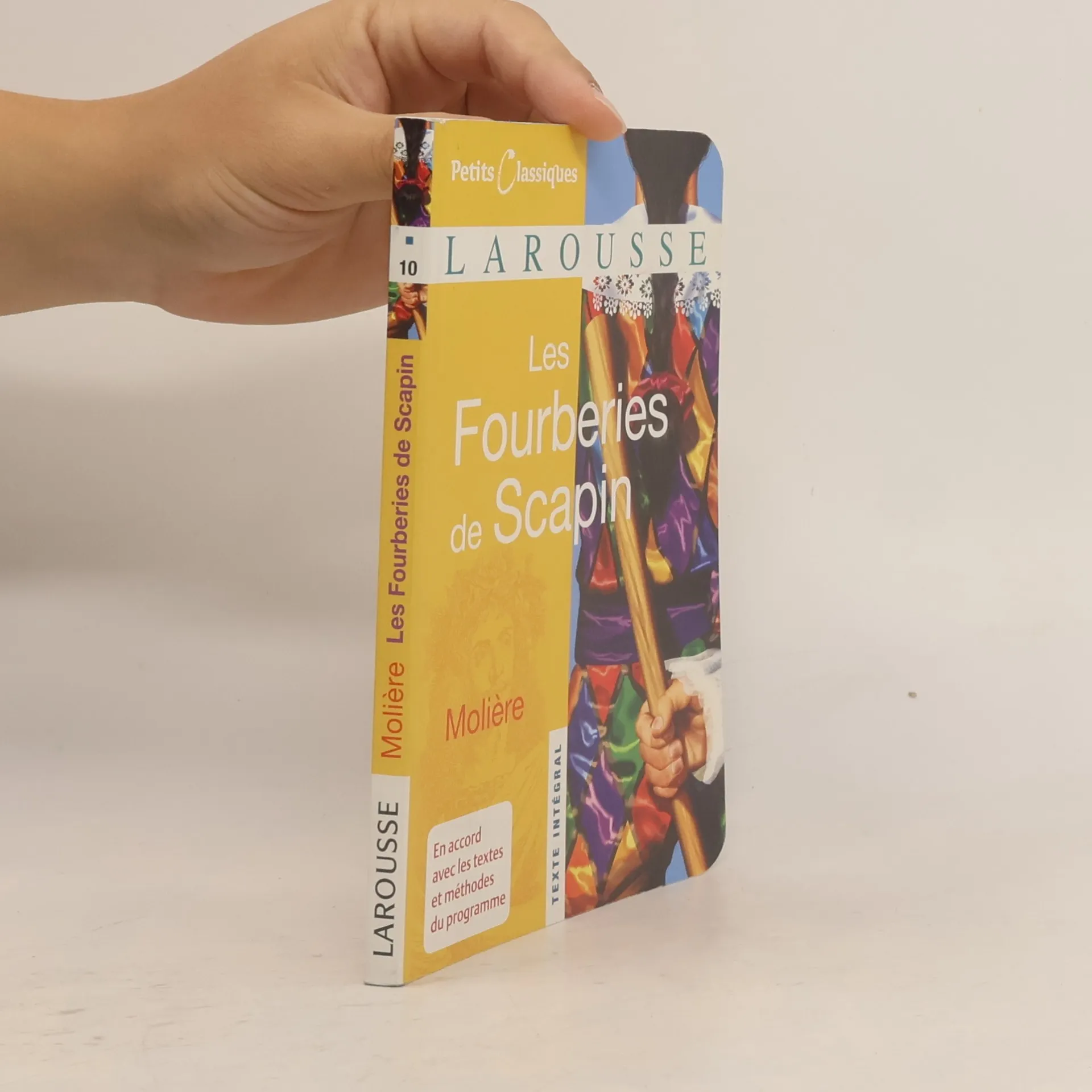
The Impostures of Scapin is a 3-act comedy in prose. In his fathers' absence, Octave has secretly married Hyacinthe, the woman he loves, but on his return his father has decided to marry him to an unkown. As to Leander it is Zerbinette he loves, but his father has also decided otherwise. So what are these two young men without money going to do against the power and authority of their fathers? Call on Scapin of course, the merry, playfull and talketive valet: only one of his many tricks can turn around the difficult situation! Being the key figure in the commedia dell'arte that he is, it's not surprising that Molière chose Scapin for a leading part in one of his best farces ever. And it's also nott surprising that this play was one of the most played and most acclaimed in the repertoire of Molière: it's universal humor continues to entertain everybody, even those who are not easily amused.