David Bentley Hart is an Eastern Orthodox scholar of religion, as well as a philosopher, writer, and cultural commentator. His work delves into profound questions of faith, reason, and the nature of reality. Through his writings, he explores the intersection of theology and philosophy, seeking to illuminate the spiritual dimension of human existence. Hart's distinctive ability to blend scholarly depth with accessible prose makes him a significant voice in contemporary thought.
The second edition of this acclaimed New Testament translation features a compelling new preface and over a thousand textual revisions, enhancing its clarity and impact. David Bentley Hart invites readers to rediscover the texts with a fresh perspective, emphasizing their originality and relevance.
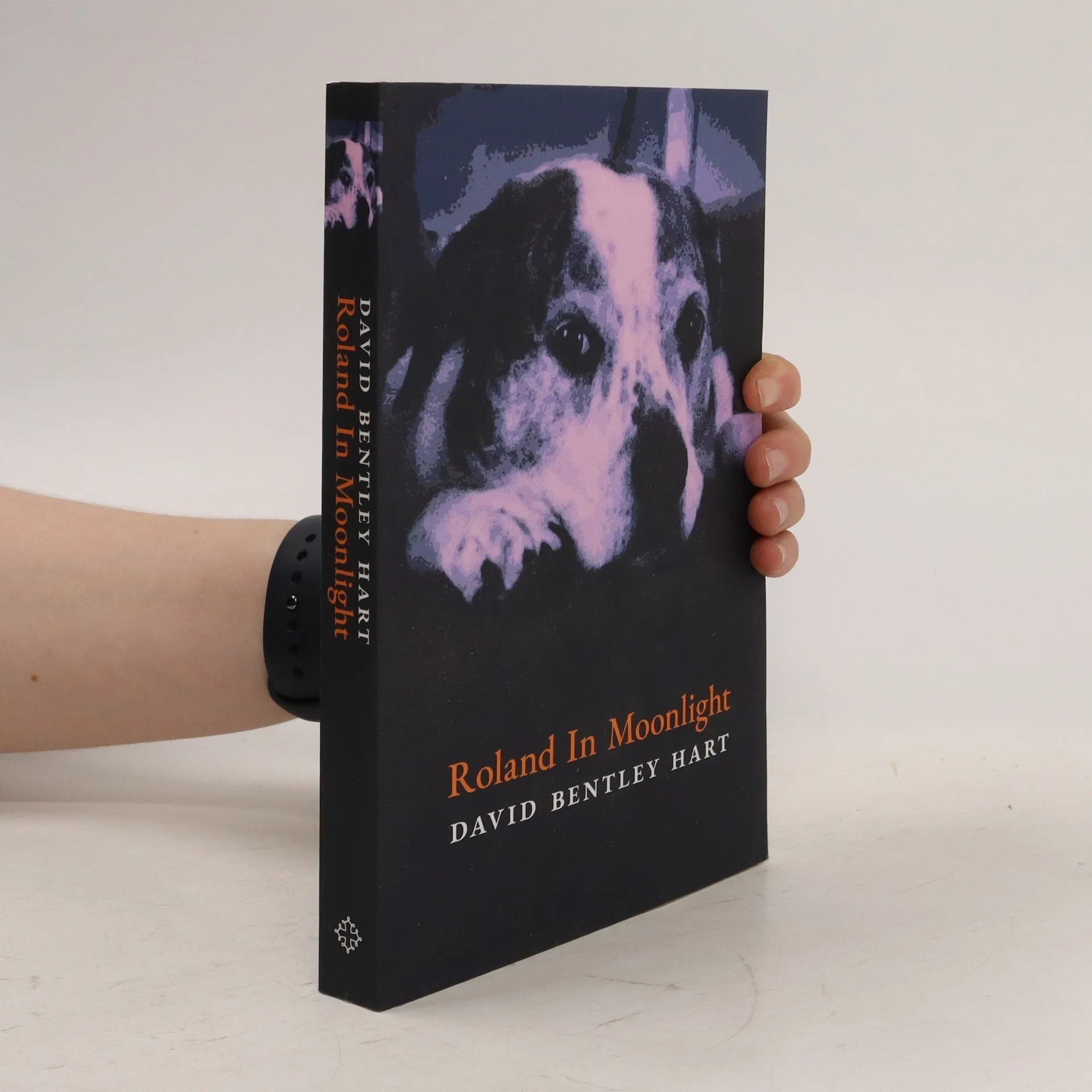
The narrative explores the profound connection between humans and dogs, highlighting the unique relationship between David Bentley Hart and his dog, Roland. This account delves into their interactions, revealing insights into companionship, loyalty, and the shared experiences that transcend species. Through their bond, the story reflects on the deeper meanings of love and understanding that can exist between humans and animals.
This splendid extended essay in "theological aesthetics" explores the Christian understanding of beauty and sublimity, aiming to transcend the violence inherent in the postmodern world. It begins by examining the evolution of metaphysics through the thoughts of Kant, Hegel, Nietzsche, Heidegger, and others. Hart focuses particularly on Nietzsche's narrative of the "will to power," which has been widely adopted today, and offers a revision of nihilism's genealogy, emphasizing the significant "interruption" that Christian thought brings to metaphysical history. This foundation leads to a retrieval of the classic Christian perspectives on beauty and sublimity, linking them to the question of being. The main section, structured as a dogmatica minora, presents a pointed reading of the Christian narrative in four parts: Trinity, creation, salvation, and eschaton. Through a blend of narrative and argument, Hart illustrates the resilience of Christian metaphysics against modern and postmodern critiques, demonstrating its capacity to transcend them. Strikingly original and deeply rewarding, this work serves as both a critical account of metaphysical history and a compelling contribution to the field.
This work delves into the intricate mystery of consciousness through the lens of a renowned philosopher, blending various genres to challenge conventional thinking. It invites readers to engage with profound questions about the nature of awareness, perception, and existence, offering innovative insights that transcend traditional philosophical boundaries. The exploration not only stimulates intellectual curiosity but also encourages a deeper understanding of the self and the universe.
Set in a clockwork universe marked by oppressive surveillance, the story follows Michael Ambrosius as he navigates a coming-of-age journey disrupted by a mysterious child from the stars. Drawing inspiration from the Gnostic Hymn of the Pearl, the narrative delves into themes of good versus evil, reality versus illusion, and the quest for truth in a deluded world. Hart's imaginative tale combines dark fantasy with humor and adventure, exploring friendship, loyalty, and the rescue of true goodness amidst chaos.
From one of the most revered scholars of religion, an incisive explanation of how the word "God" functions in the world's great faiths Despite the recent ferocious public debate about belief, the concept most central to the discussion--God--frequently remains vaguely and obscurely described. Are those engaged in these arguments even talking about the same thing? In a wide-ranging response to this confusion, esteemed scholar David Bentley Hart pursues a clarification of how the word "God" functions in the world's great theistic faiths. Ranging broadly across Judaism, Christianity, Islam, Vedantic and Bhaktic Hinduism, Sikhism, and Buddhism, Hart explores how these great intellectual traditions treat humanity's knowledge of the divine mysteries. Constructing his argument around three principal metaphysical "moments"--being, consciousness, and bliss--the author demonstrates an essential continuity between our fundamental experience of reality and the ultimate reality to which that experience inevitably points. Thoroughly dismissing such blatant misconceptions as the deists' concept of God, as well as the fundamentalist view of the Bible as an objective historical record, Hart provides a welcome antidote to simplistic manifestoes. In doing so, he plumbs the depths of humanity's experience of the world as powerful evidence for the reality of God and captures the beauty and poetry of traditional reflection upon the divine.
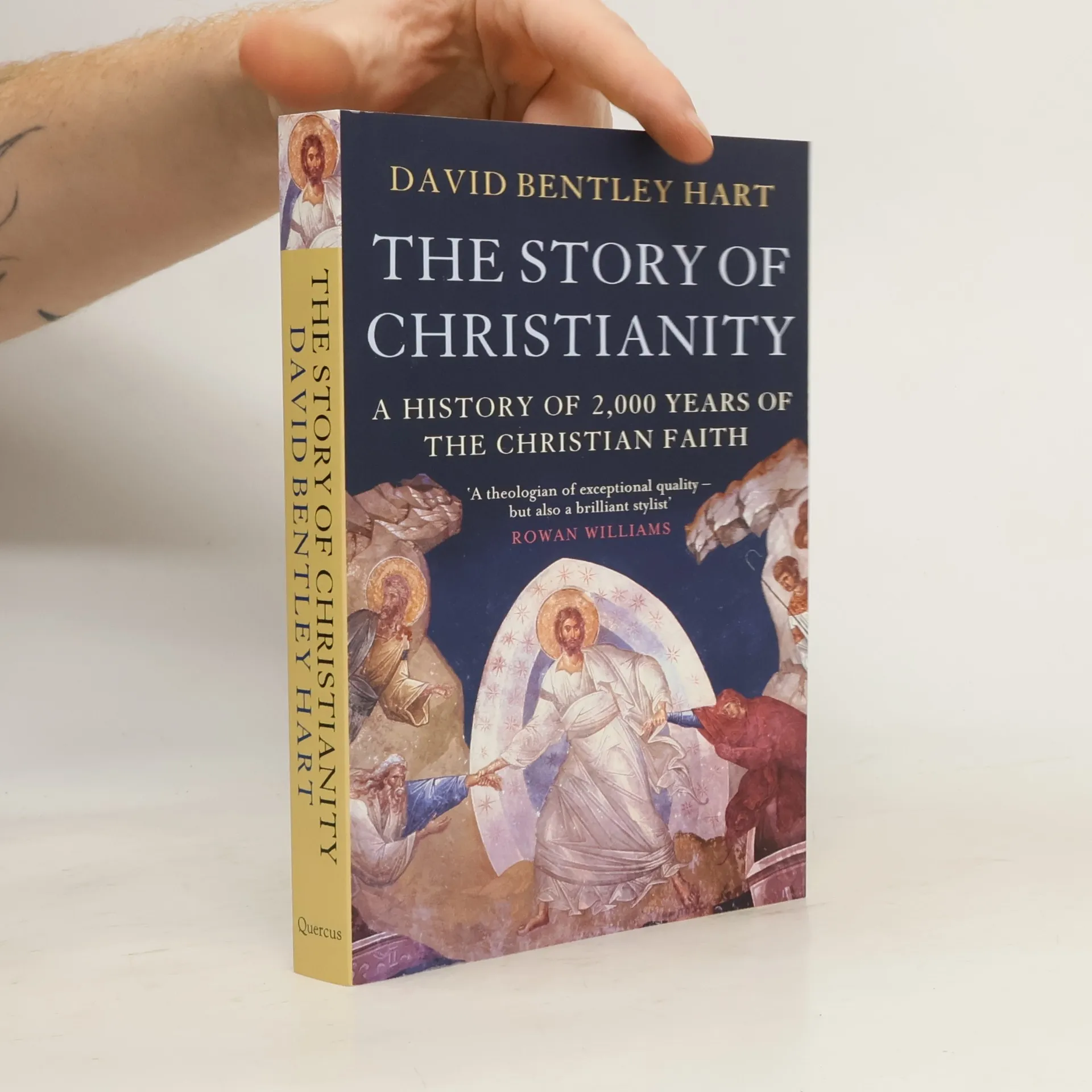
In The Story of Christianity, acclaimed theologian David Bentley Hart provides a sweeping and informative portrait of a faith that has shaped the western world and beyond for over 2,000 years. From the persecutions of the early church to the papal-imperial conflicts of the Middle Ages, from the religious wars of 16th- and 17th-century Europe to the challenges of science and secularism in the modern era, and from the ancient Christian communities of Africa and Asia to the 'house churches' of contemporary China, The Story of Christianity triumphantly captures the complexity and diversity of Christian history.
As news reports of the horrific December 2004 tsunami in Asia reached the rest of the world, commentators were quick to seize upon the disaster as proof of either God s power or God s nonexistence, asking over and over, How could a good and loving God if such exists allow such suffering? In The Doors of the Sea David Bentley Hart speaks at once to those skeptical of Christian faith and to those who use their Christian faith to rationalize senseless human suffering. He calls both to recognize in the worst catastrophes not the providential will of God but rather the ongoing struggle between the rebellious powers that enslave the world and the God who loves it wholly.
David Bentley Hart provides a profound exploration of the supernatural within Christian theology, particularly focusing on its resurgence in Roman Catholic thought. His meditations address the complex relationship between nature and supernature, challenging a specific Thomistic interpretation while advocating for a model that aligns more closely with Eastern and patristic traditions, as well as progressive medieval and modern Catholic thought. Hart argues for the near-total elimination of distinctions between the natural and supernatural realms in the lives of spiritual beings, promoting a radical monistic view of Christian metaphysics grounded in credal orthodoxy. As a prominent theologian, Hart resists the revival of “two-tier Thomism” prevalent in Anglophone theology. Through this rigorous examination, he delves into metaphysics of participation, high Trinitarianism, Christology, and the soteriological concept of theosis, drawing logical conclusions that challenge conventional perspectives. This work is likely to engage readers interested in theological metaphysics and offers insights from traditions like Vedanta, suggesting that Christian philosophers, theologians, and scholars can still learn significantly from these perspectives.
In this carefully argued essay, leading theologian David Bentley Hart
critiques common understandings of Christian tradition by offering a
compelling portrayal of a living tradition held together by apocalyptic
expectation--the promised transformation of all things in God.
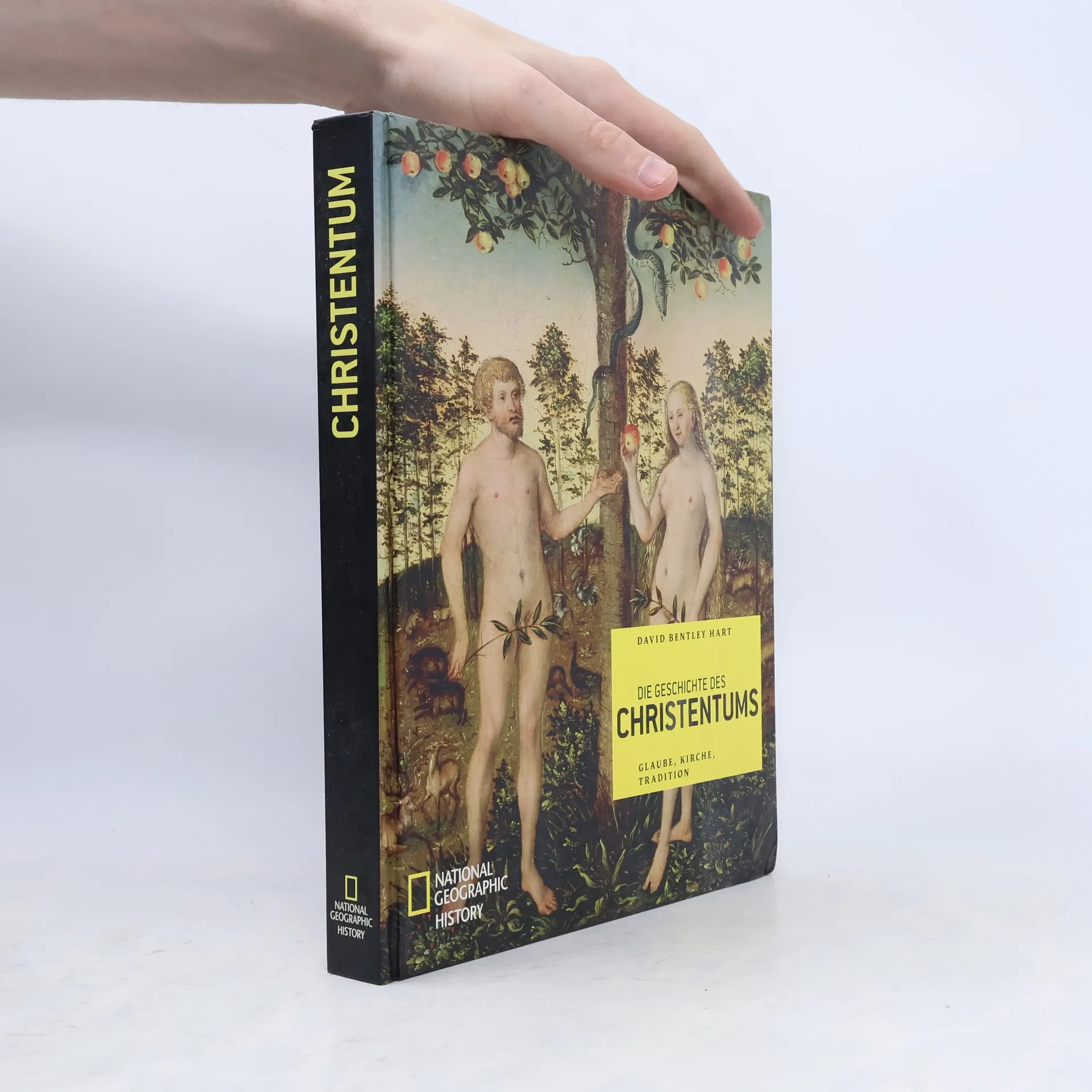
Das Buch beleuchtet die Ursprünge, Richtungen und Traditionen des Christentums, der größten Religionsgemeinschaft mit über zwei Milliarden Gläubigen. Es zeigt unterhaltsam den kulturellen Einfluss des Christentums und bietet zahlreiche Illustrationen sowie Zeitleisten, die die wesentlichen Aspekte dieser über 2000 Jahre alten Religion verdeutlichen.