These three works exemplify the Roman historian Sallust's condemnation of the
excesses of the late Republic. In the conspiracy of Catiline and the war
against Jugurtha he sees moral and political corruption and the tragedy of
civil strife. This new translation captures Sallust's distinctive style and
considers his work as history and literature.
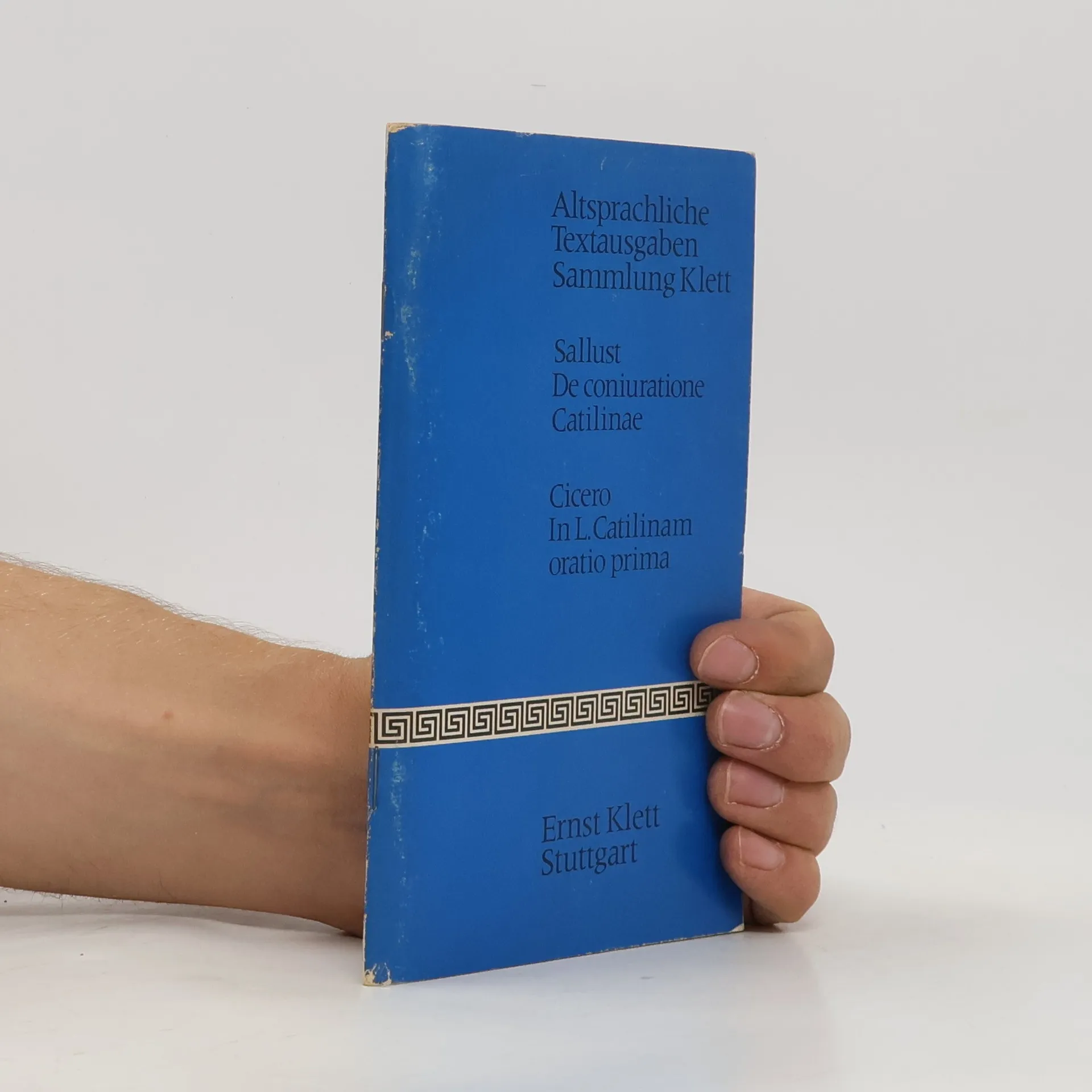
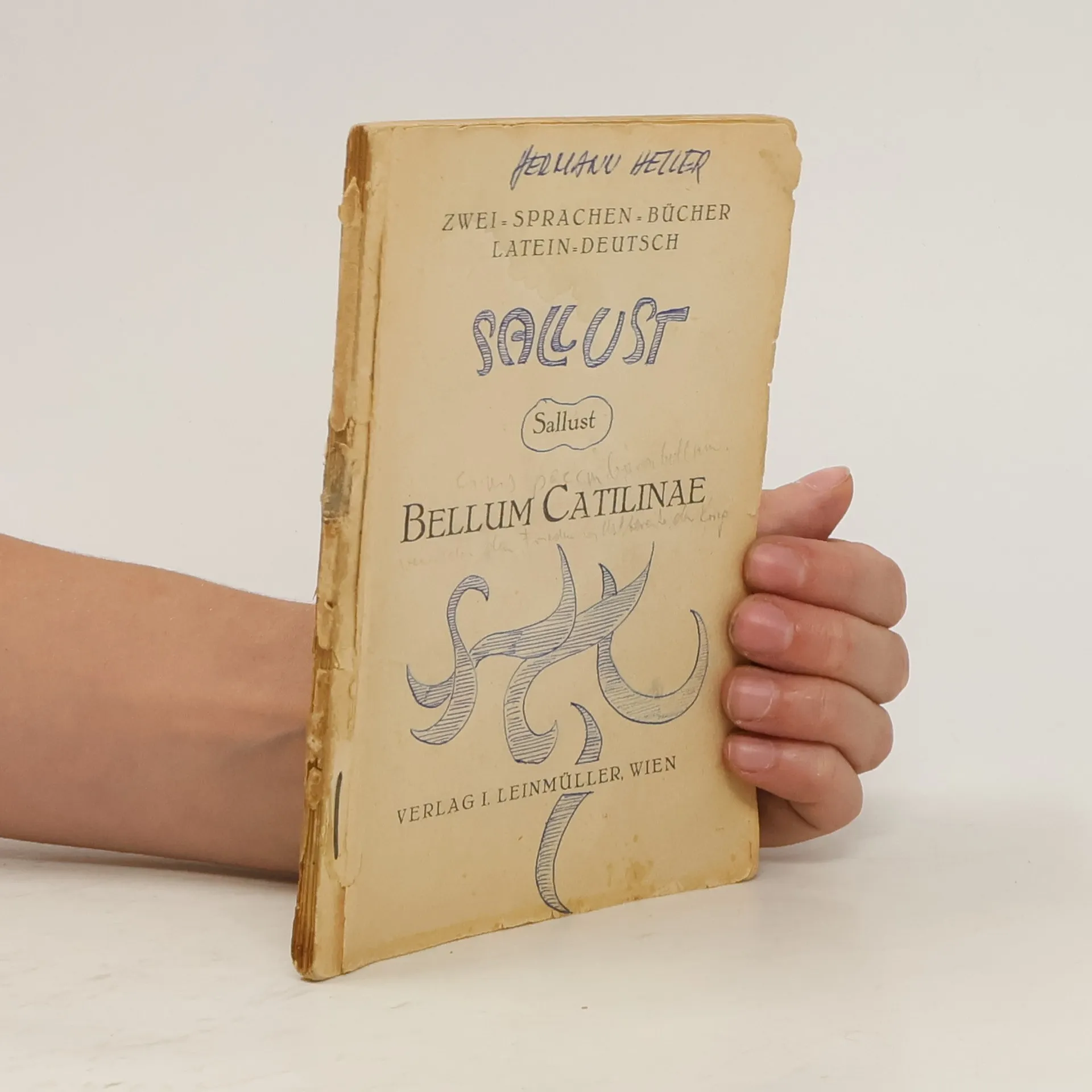
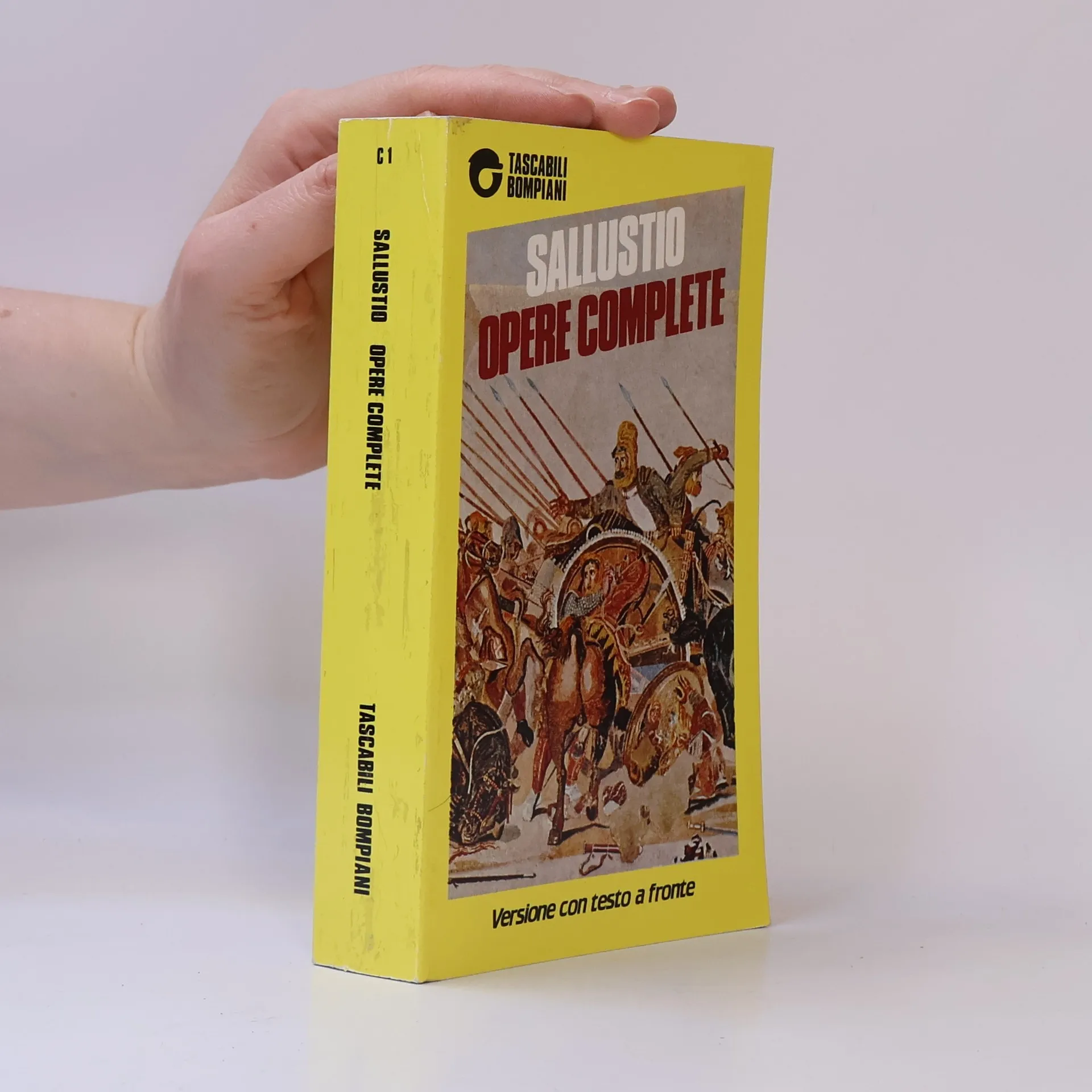
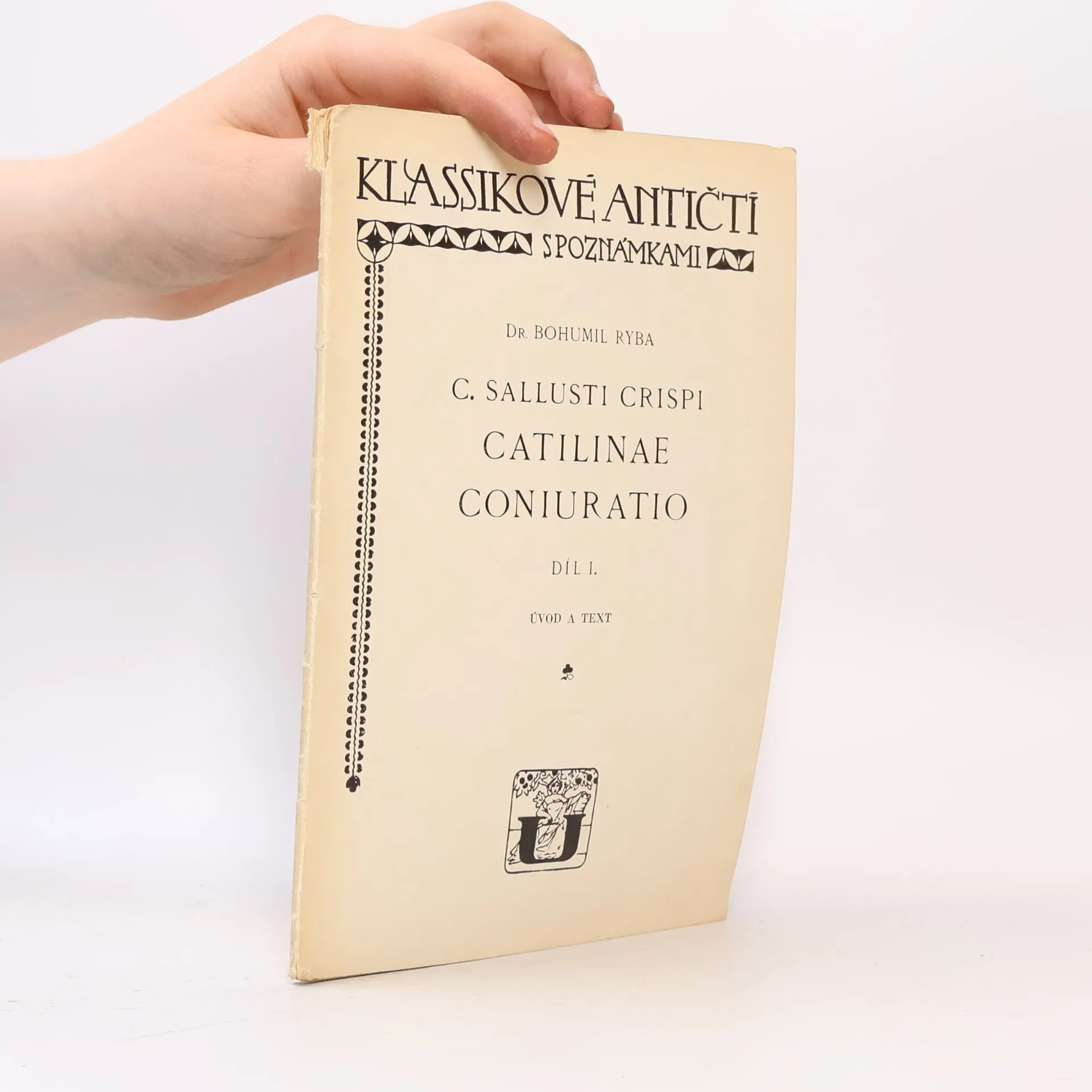
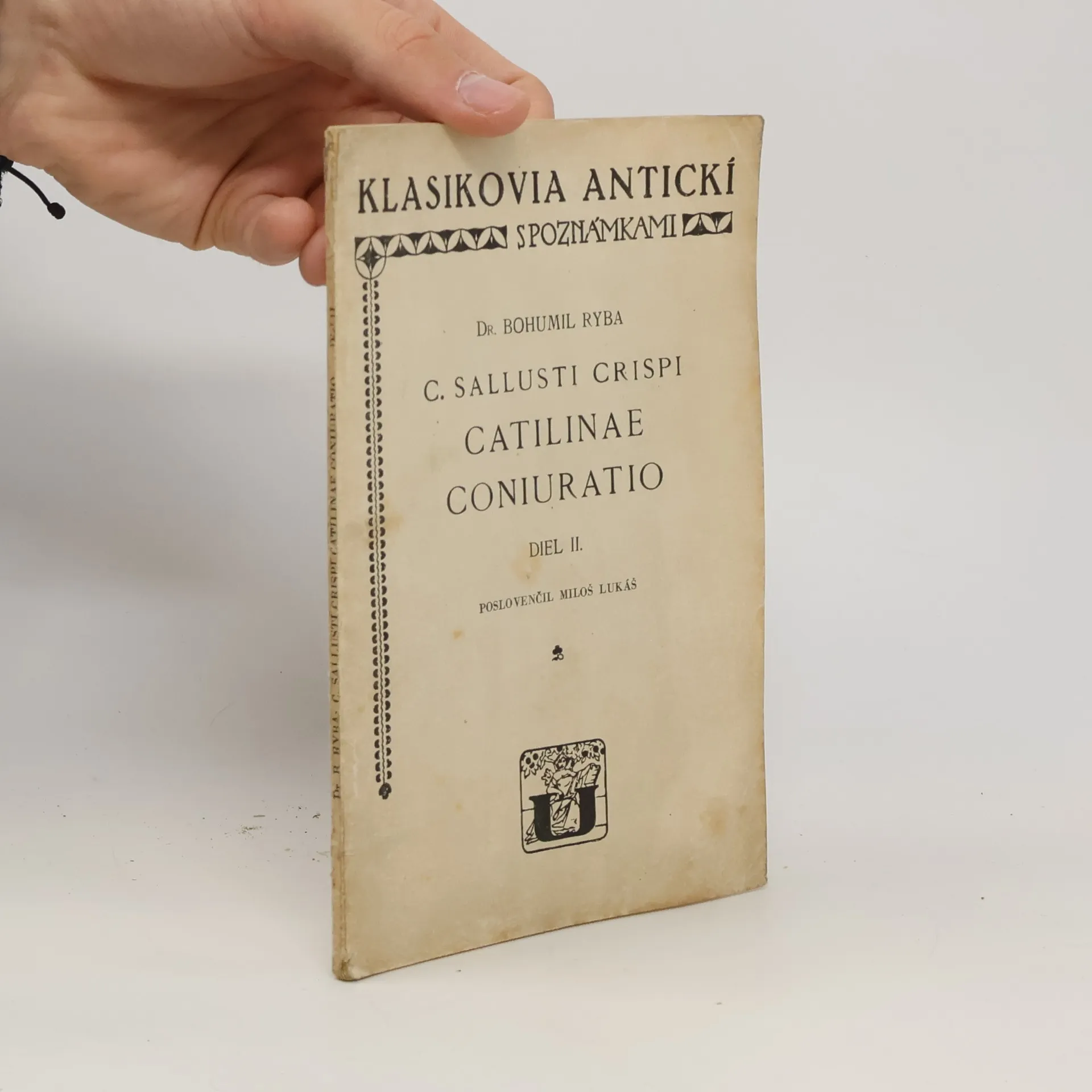
The Conspiracy of Catiline is a historical monograph by Gaius Sallustius Crispus, detailing the 63 BC conspiracy led by Lucius Sergius Catilina, which aimed to establish a dictatorship in Rome and ultimately resulted in Catiline's death. Sallust views this conspiracy as indicative of the moral and social decay within the Roman ruling class, criticizing the corruption among senators. Written between 43 and 40 BC, the work has survived through medieval manuscripts under various titles, including Bellum Catilinae. The term "conspiracy" underscores Sallust's negative perspective on the events. The narrative structure is non-linear, alternating between factual accounts and digressions, which disrupts the continuity of the story. Following the Hellenistic monograph model, it includes a prologue, a character portrait, political digressions, and speech analyses. This work offers a cohesive perspective on Roman history during the Republic's final century, emphasizing the social and political context. Covering events from June 64 BC to January 62 BC, it culminates in the Battle of Pistoia and Catiline's demise. Amid a crisis for the Republic, various political factions emerged, with Catiline leading a diverse group of conspirators united by their contempt for the status quo.
The book is a reproduction of a historical work, presented in large print to enhance accessibility for individuals with impaired vision. Published by Megali, a company dedicated to making classic literature more readable, this edition aims to preserve the original content while catering to the needs of a wider audience.
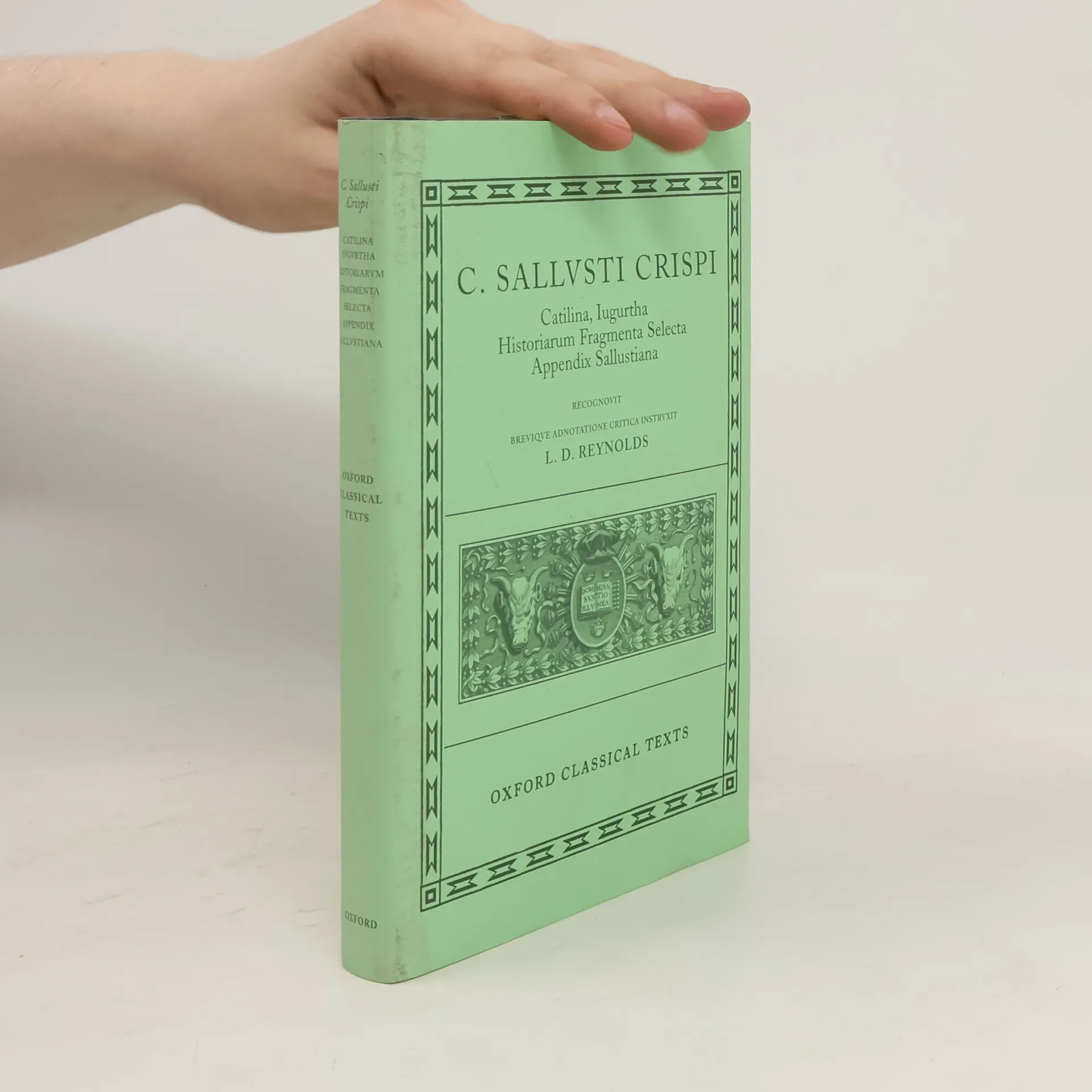
Sallustius (86– c . 35 a.C.n.) est primus scriptor Romanus cuius opera completa supersunt, senator Reipublicae Romanae et contemporaneus iuvenis Ciceronis, Pompei et Iulii Caesaris. Bellum Catilinae narrat de coniuratione anno 63 a.C.n. a L. Sergio Catilina duce, qui complures senatores interficere et imperium capere conatus est, sed a Cicerone impeditus est. Vividum Sallustii narratio de vita publica Romana ostendit Rempublicam in declinatione, moraliter corruptam et interiore contentione vexatam. In Bello Iugurthino describit pugnam Romae in Africa contra regem Numidarum ab anno 111 ad 105 a.C.n. et imaginem damnosam aristocratiae Romanae praebet. Etiam in hoc volumine sunt praecipua fragmenta ex Historiis Sallustii, quae Romam post mortem dictatoris Sullae depingunt.
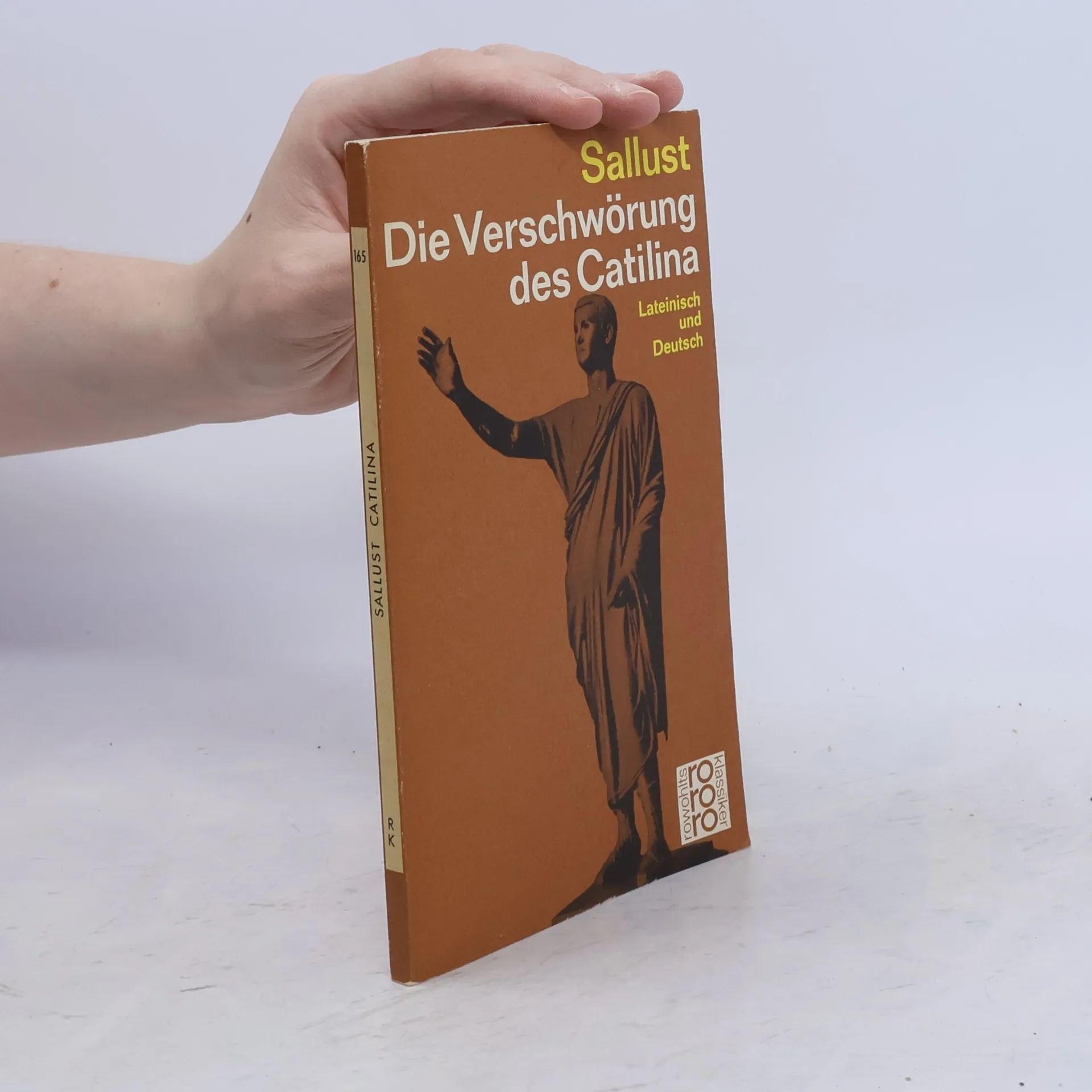
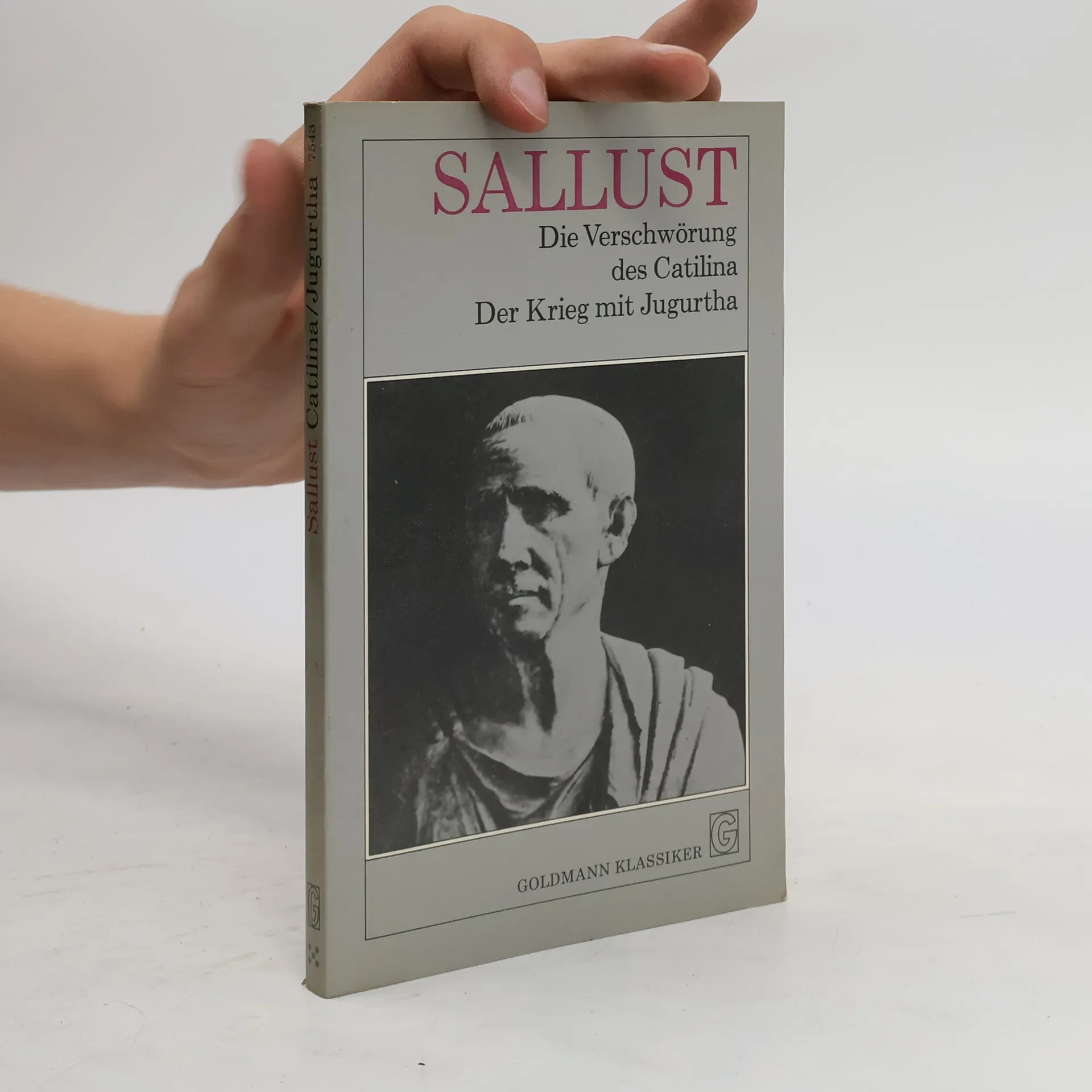
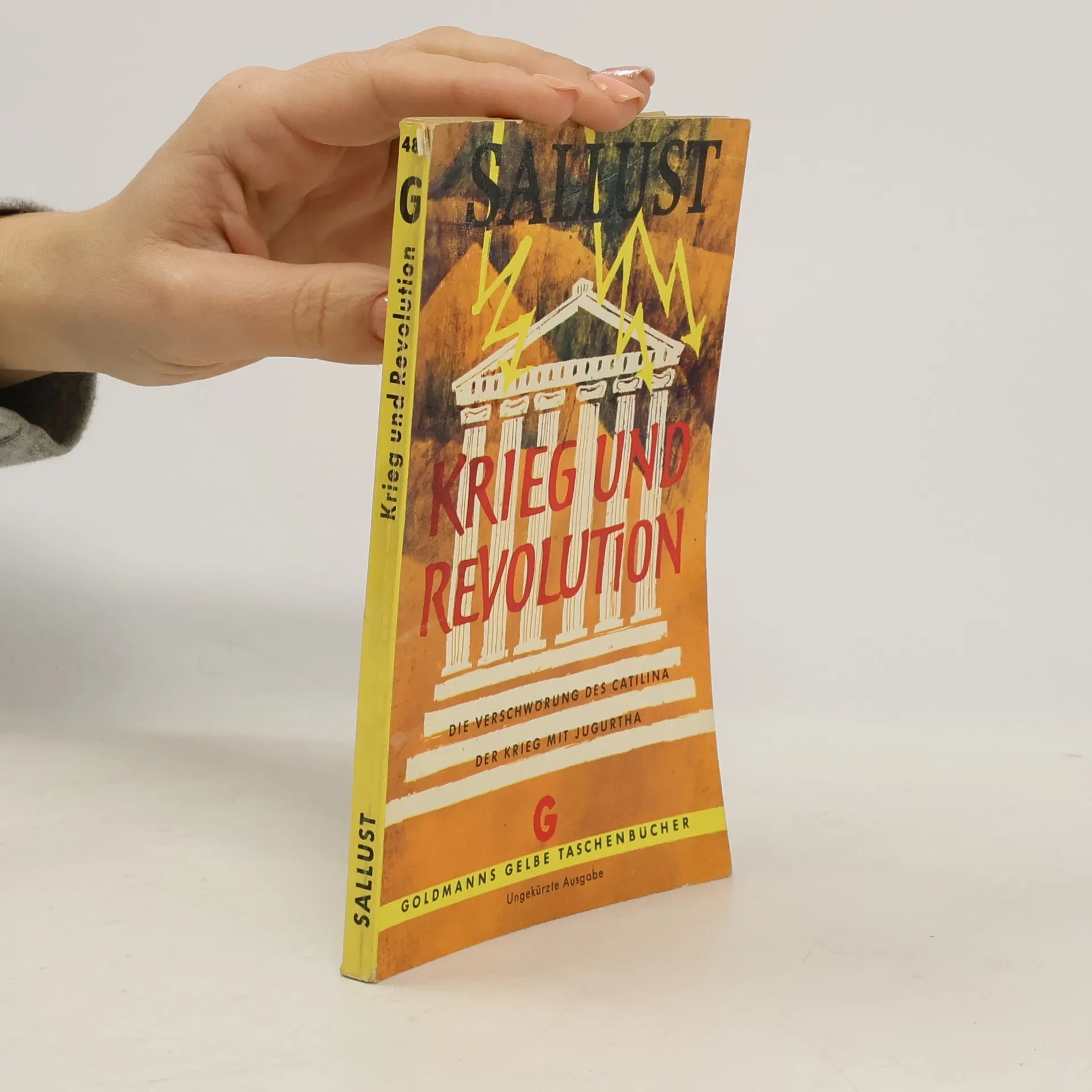
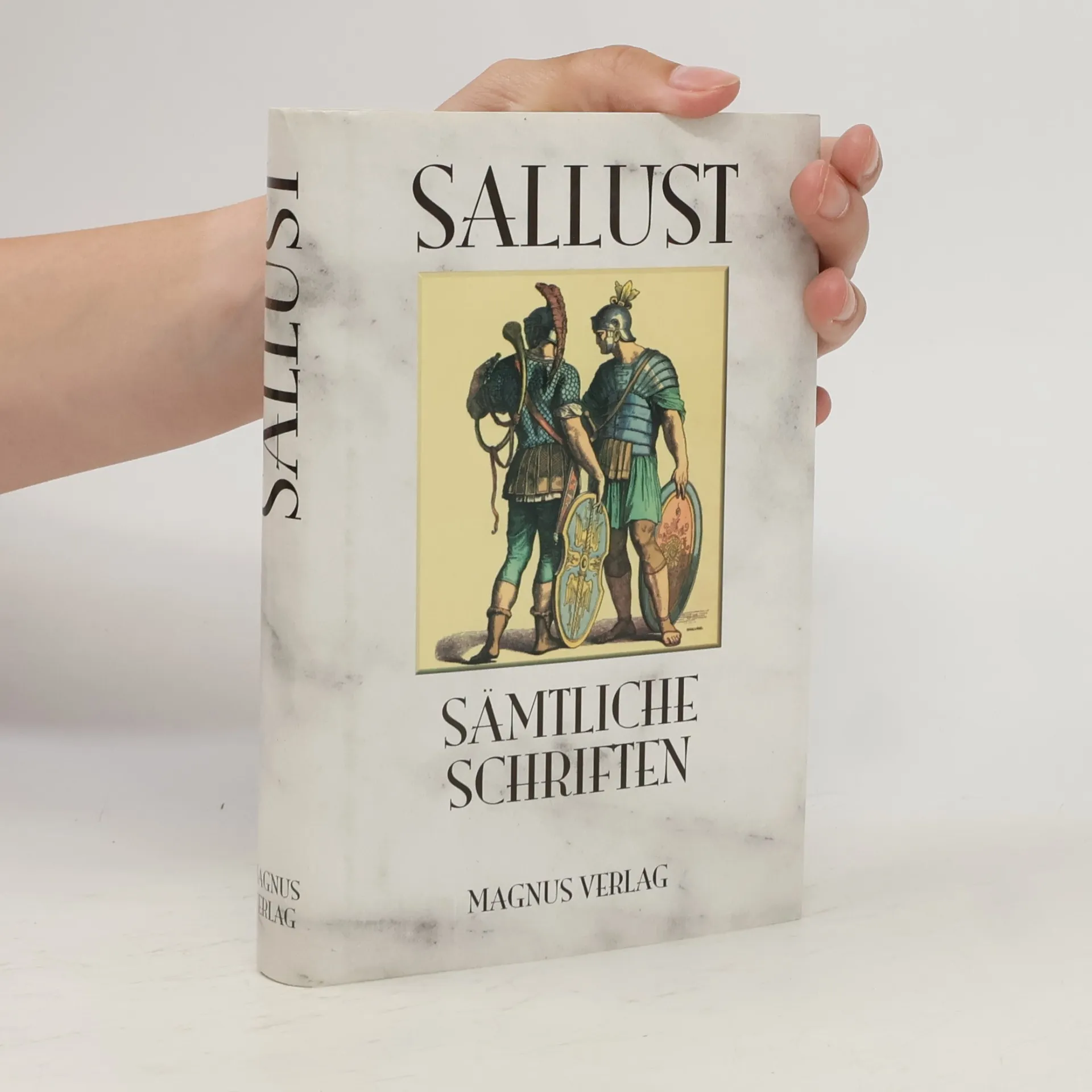
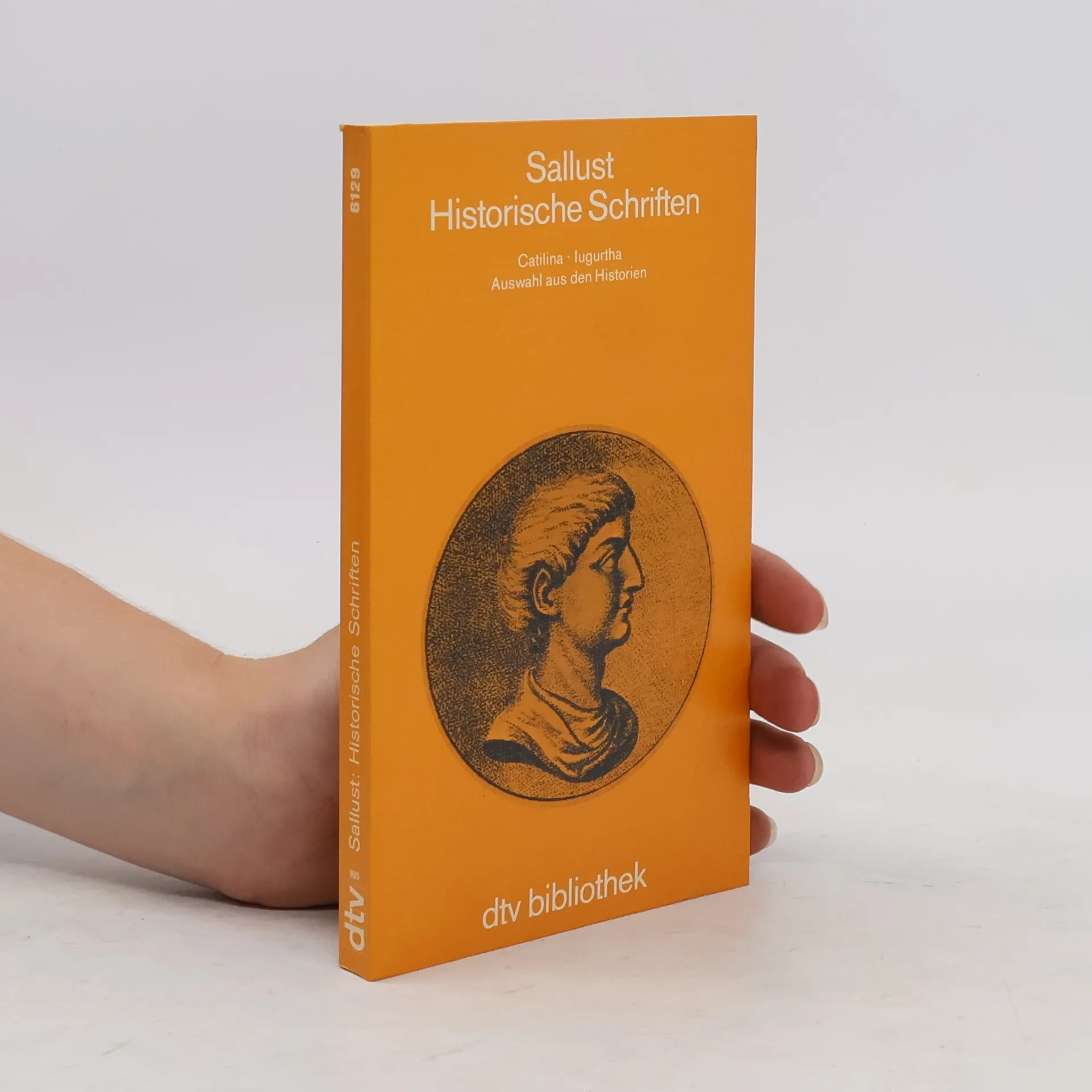
Eine Sammlung von Texten von Sallustius, mit einer einführenden Studie von Nicolae Lascu. Enthält "Die Verschwörung des Catilina", "Der Krieg gegen Jugurtha" und Fragmente aus "Geschichten".
Gaius Sallustius Crispus (86-35 v. Chr.), der in jungen Jahren selbst eine Karriere in der römischen Staatsführung angestrebt hatte, wandte sich nach den ersten Erfahrungen entsetzt ab von einem Politikbetrieb, der ihm ausschließlich von persönlichem Ehrgeiz geprägt schien. Als entschiedener Anhänger Iulius Caesars wurde er schließlich doch noch Quästor, Senatsmitglied und Volkstribun, später Prätor und Prokonsul, in welchen Ämtern er den moralischen Ansprüchen seiner Schriften allerdings nicht gerecht wurde. Nach Caesars Tod zog er sich erneut von der Politik zurück und lebte im Norden Roms in einer Villa, von der noch heute die Horti Sallustiani zeugen, wo er sich der Geschichtsschreibung widmete. Erhalten sind von ihm die beiden Monographien Die Verschwörung des Catilina und Der Krieg mit [Numiderkönig] Iugurtha, ferner Fragmente aus seinem Geschichtswerk Historiae, vor allem Reden und einige Schlachtenschilderungen sowie der berühmte Brief des Königs Mithridates von Pontos. Die sogenannte Appendix Sallustiana umfasst zwei Briefe an Caesar über den Zustand der römischen res publica und eine Schmähschrift gegen den politischen Gegner Marcus Tullius Cicero. Die darin aufgeworfenen Fragen nach der Verführbarkeit von Politikern durch Lobbyisten oder danach, welche Notstandsmaßnahmen ein Staat ergreifen darf, haben an Aktualität nichts eingebüßt.
»In einem Stil, der selbst in den Verknüpfungen der Sätze, erst recht in Wortwahl und Konstruktion stets individuell abgewandelt ist, hat Sallust nicht nur dem Krieg mit Jugurtha und einer Krise der römischen Innenpolitik ein Denkmal gesetzt, sondern er kann als repräsentativ gelten für die senatorische Geschichtsschreibung, die modernem historischem Bewußtsein besonders nahe zu kommen scheint; ein Appell an die Entscheidung und Verantwortung des Menschen, die Gründe, die den Verlauf der Geschichte unberechenbar machen, zu erforschen.« – Karl Büchner
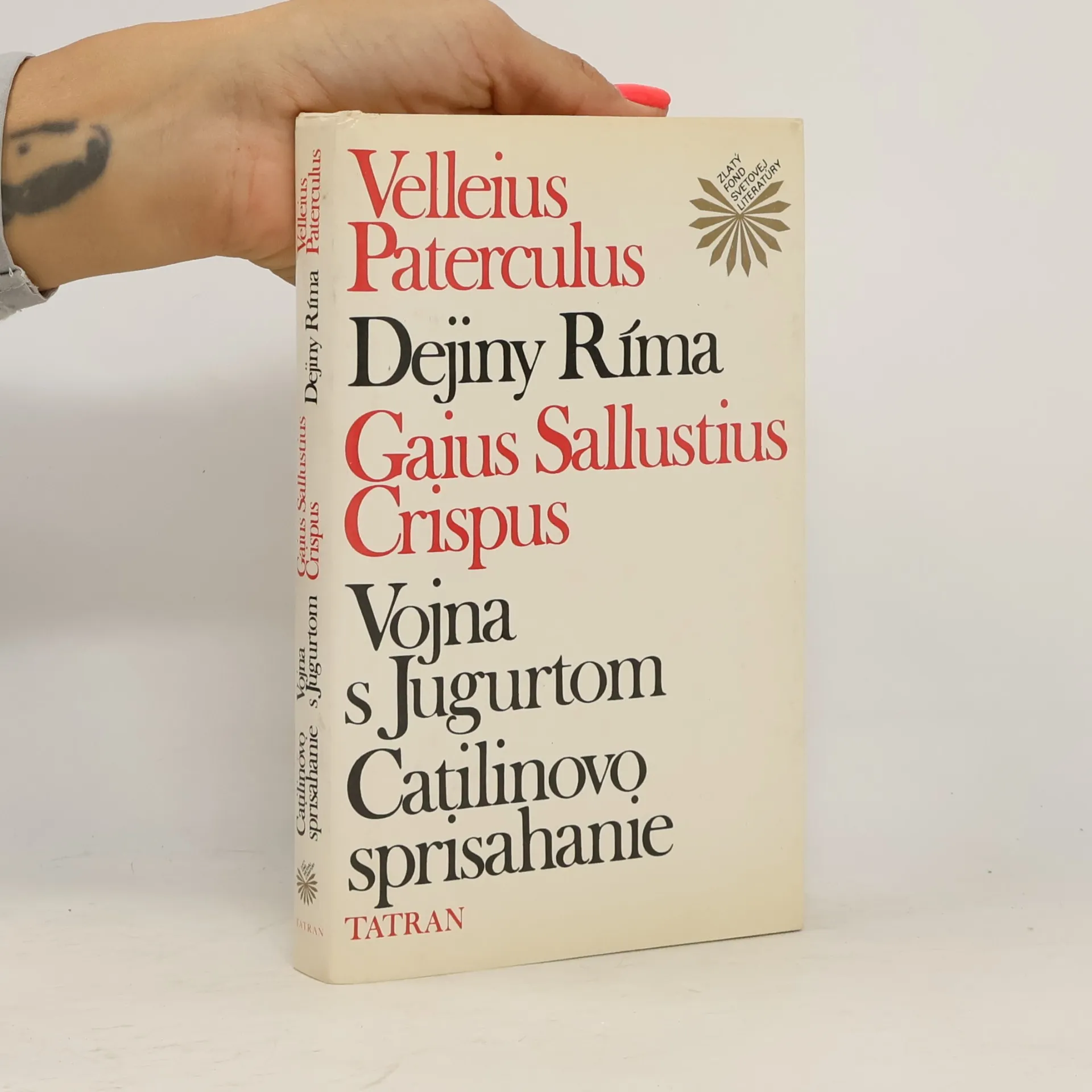
Kniha obsahujúca diela dvoch starorímskych historikov - C. Velleia Patercula a Gaia Sallustia Crispa. Obaja títo historici zachytili vo svojich dielach udalosti odohrávajúce sa v čase od 2. storočia p. n. l. do 1. storočia n. l. Dielo Velleia Patercula - "Rímske dejiny" - je prehľadom rímskych dejín od čias Caesara, v ktorom autor venuje pozornosť najmä vedúcim osobnostiam, ale i vtedajším kultúrnym pamiatkam. Toto dielo je cenným dokladom o živote v Ríme na začiatku nášho letopočtu a význam má pre nás aj skutočnosť, že opravuje pochmúrny obraz cisára Tiberia, ako ho zachytil hustorik Tacitus. Ďalšími dielami v knižke sú historické monografie Gaia Sallustia Crispa - "Vojna s Jugurtom" a "Catilinovo sprisahanie". Autor v nich odhaľuje a kritizuje úplatnosť rímskych vodcov aj politikov, vrcholiaci mravný úpadok i vnútornú krízu republikánskeho zriadenia smerujúcemu ku svojmu koncu.
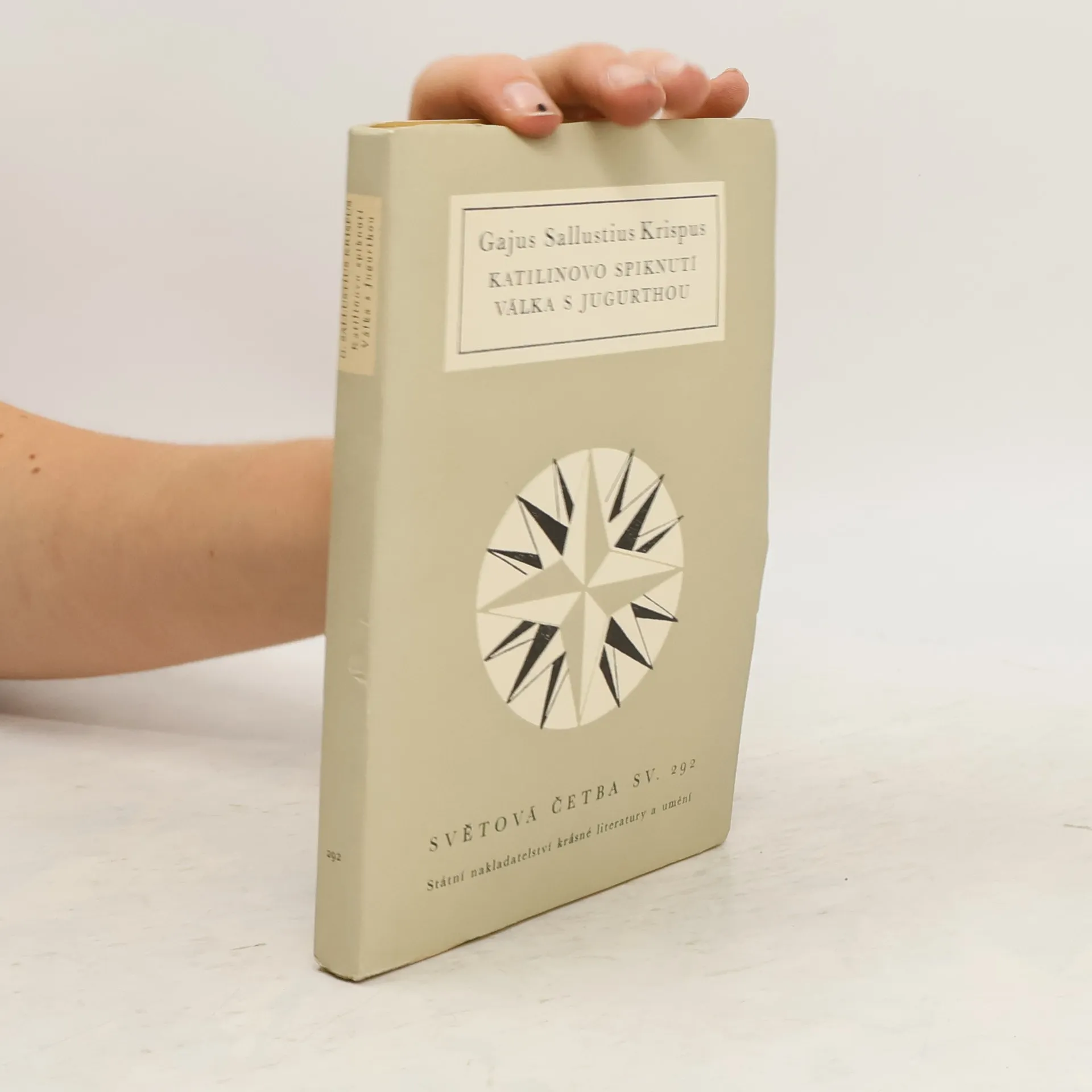
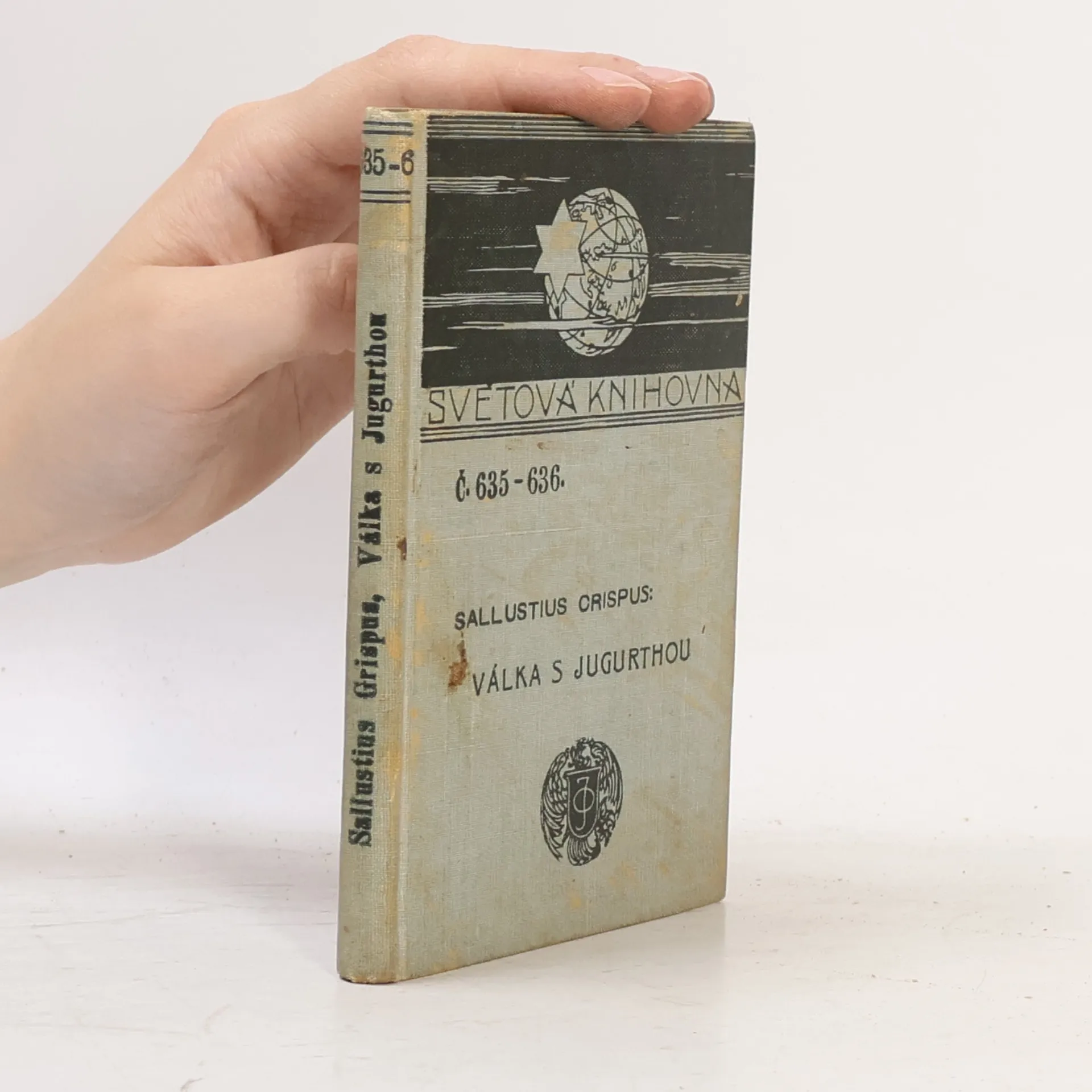
Obě drobná dílka římského politika a dějepisce z konce republiky kreslí výstižně dvě důležitá údobí z dějin starého Říma. Ve spisku "Katilinovo spiknutí" se Sallustius snaží ospravedlnit Caesarovu politiku a zároveň polemizuje s Ciceronem, který ve svých řečích líčíval Katilinovysnahy o svržení vlády jakožto hrůzostrašné nebezpečí hrozící celému římskému státu. V barvitém, přímo dobrodružném vyprávění "Války s Jugurthou" prožíváme s římskými kolonizátory urputné boje o znovunabytí svrchovanosti nad severoafrickou provincií Numidií, prostírající se na území dnešního Alžírska. Římští politikové a vojevůdci i afričtí králové jsou zde vykresleni v celé své proradnosti, úplatnosti a zbabělství a jen vzácně se mezi nimi vyskytne pevný a čestný charakter. Příhody z dobývání bohatých měst, osamělých oáz v liduprázdné poušti, ze ztékání nepřístupných skalních pevností i zajímavé subjektivní úvahy, jimiž autor komentuje soudobé politické události, činí ze Sallustiova díla poutavou a poučnou četbu i pro ty, kdo neznají blíže římské dějiny.
Obě drobná dílka římského politika a dějepisce z konce republiky kreslí výstižně dvě důležitá údobí z dějin starého Říma. Ve spisku "Katilinovo spiknutí" se Sallustius snaží ospravedlnit Caesarovu politiku a zároveň polemizuje s Ciceronem, který ve svých řečích líčíval Katilinovysnahy o svržení vlády jakožto hrůzostrašné nebezpečí hrozící celému římskému státu. V barvitém, přímo dobrodružném vyprávění "Války s Jugurthou" prožíváme s římskými kolonizátory urputné boje o znovunabytí svrchovanosti nad severoafrickou provincií Numidií, prostírající se na území dnešního Alžírska. Římští politikové a vojevůdci i afričtí králové jsou zde vykresleni v celé své proradnosti, úplatnosti a zbabělství a jen vzácně se mezi nimi vyskytne pevný a čestný charakter. Příhody z dobývání bohatých měst, osamělých oáz v liduprázdné poušti, ze ztékání nepřístupných skalních pevností i zajímavé subjektivní úvahy, jimiž autor komentuje soudobé politické události, činí ze Sallustiova díla poutavou a poučnou četbu i pro ty, kdo neznají blíže římské dějiny.








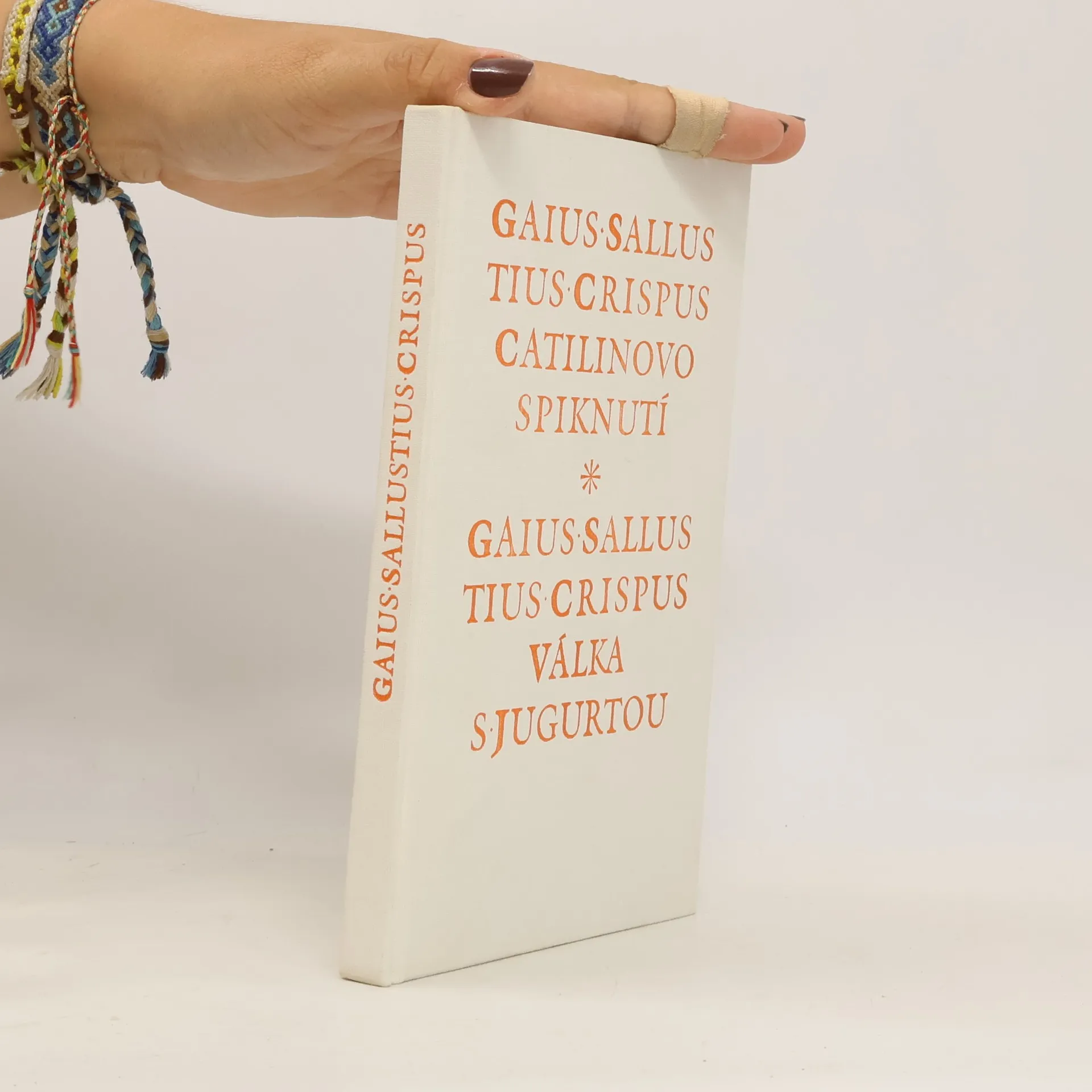

![Spiknutí Catilinovo = [De coniuratione Catilinae]](https://rezised-images.knhbt.cz/1920x1920/267240.webp)