Mary Augusta Ward was a British novelist who wrote under the married name Mrs. Humphry Ward. Emerging from a prominent intellectual family, her writing often delved into the social and moral questions of her era. She was known for her keen observations and psychologically rich characters, exploring the complexities of human relationships and societal shifts. Ward's work established her as an influential voice, offering insightful commentary on the life and times she depicted.
The narrative follows a beautiful and dependent Englishwoman who, amidst the backdrop of war, confronts the painful truths about her reliance on others. Through her experiences, she discovers the inherent dishonesty in her clinging nature, leading to personal growth and a deeper understanding of herself and her relationships.
Set in rural England, the novel explores the impact of the rural revolution on individuals and communities. Characters confront the challenges of adapting to rapid change, revealing themes of resilience, love, and societal expectations. The narrative delves into identity and the conflict between tradition and progress, reflecting broader social and economic shifts. With eloquent prose and nuanced characterizations, it invites readers to contemplate the enduring nature of the human spirit amid transformation.
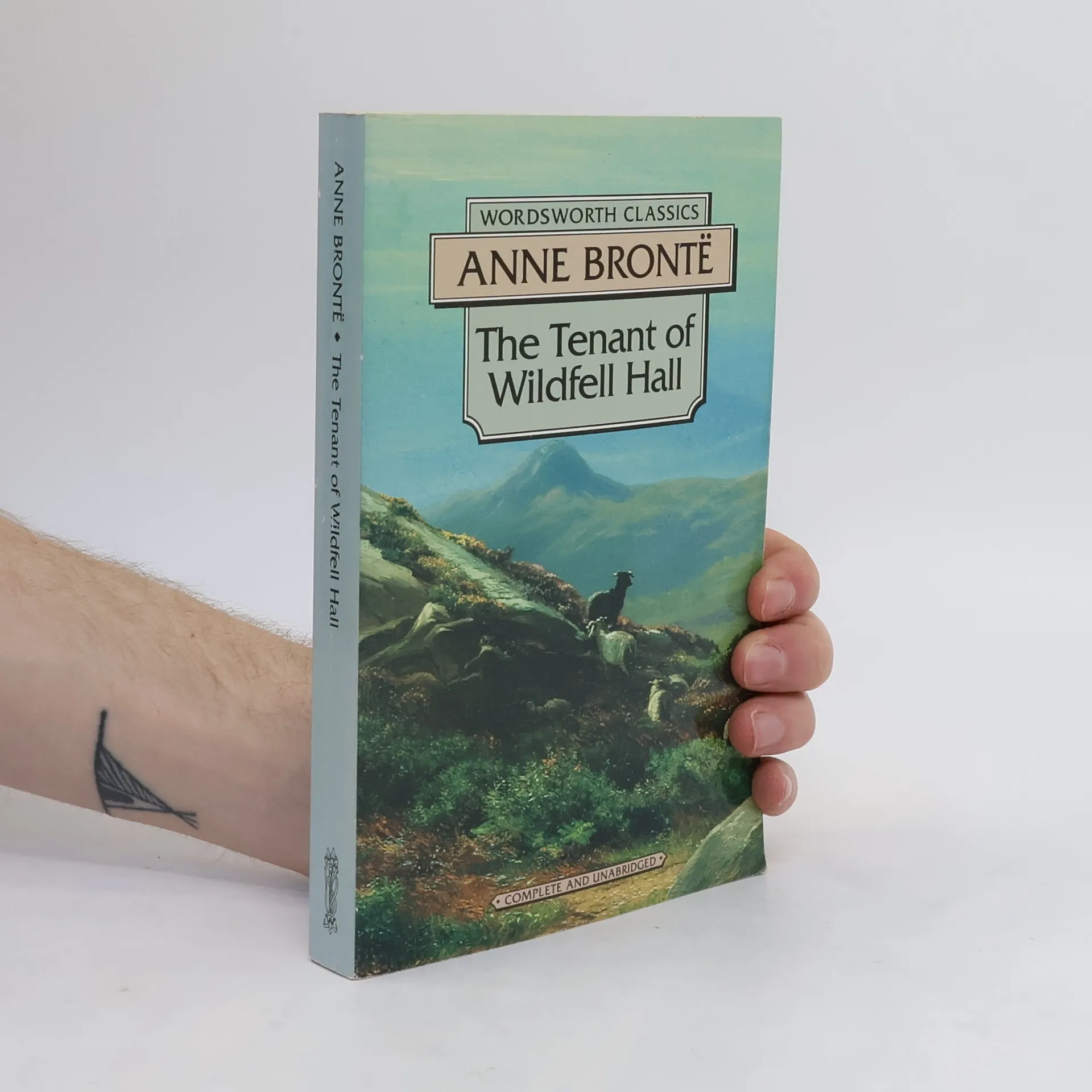
Published in June 1848, less than a year before her death, Anne Bronte's second (and last) novel, The Tenant of Wildfell Hall, is the somber account of the breakdown of a marriage in the face of alcoholism and infidelity. The novel enjoyed a modest success that led its publisher, theunscrupulous T.C. Newby, to issue a "Second Edition" less than two months later. The present edition, which completes the Clarendon Edition of the Novels of the Brontes, offers a text based on the collation of the first edition with the second. The introduction details the work's composition andearly printing history, including its first publication in America; and the text is fully annotated. Appendices record the substantive variants in the first English and American editions, and discuss the author's belief in the doctrine of universal salvation.
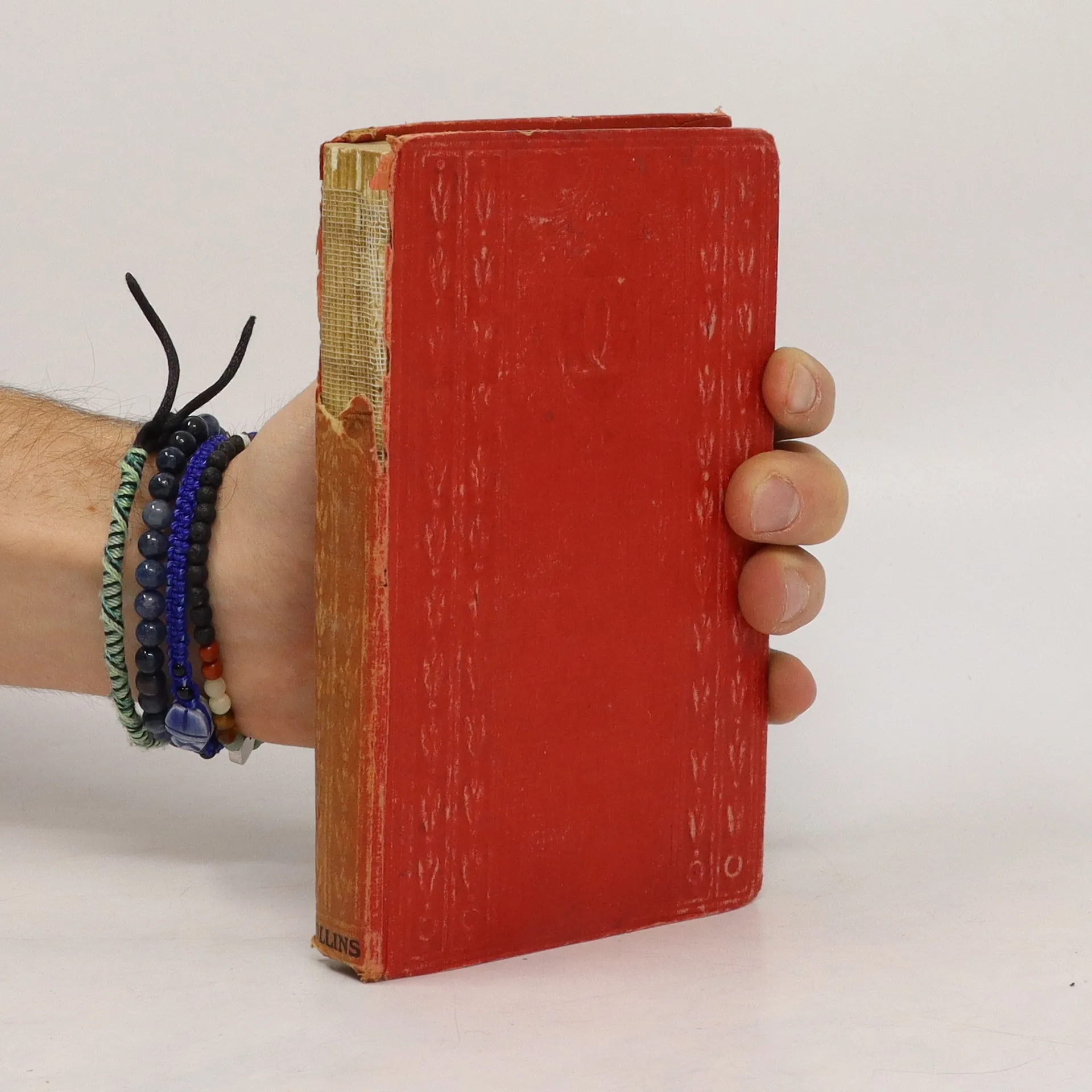
Set in a small English village, the narrative follows Bessie Costrell, a woman grappling with the complexities of love, betrayal, and societal expectations. As she navigates her relationships and the harsh realities of her life, Bessie's journey reflects the struggles of women in a patriarchal society. The story intricately weaves themes of class, morality, and the search for personal identity, showcasing the challenges and resilience of its protagonist against the backdrop of early 20th-century England.
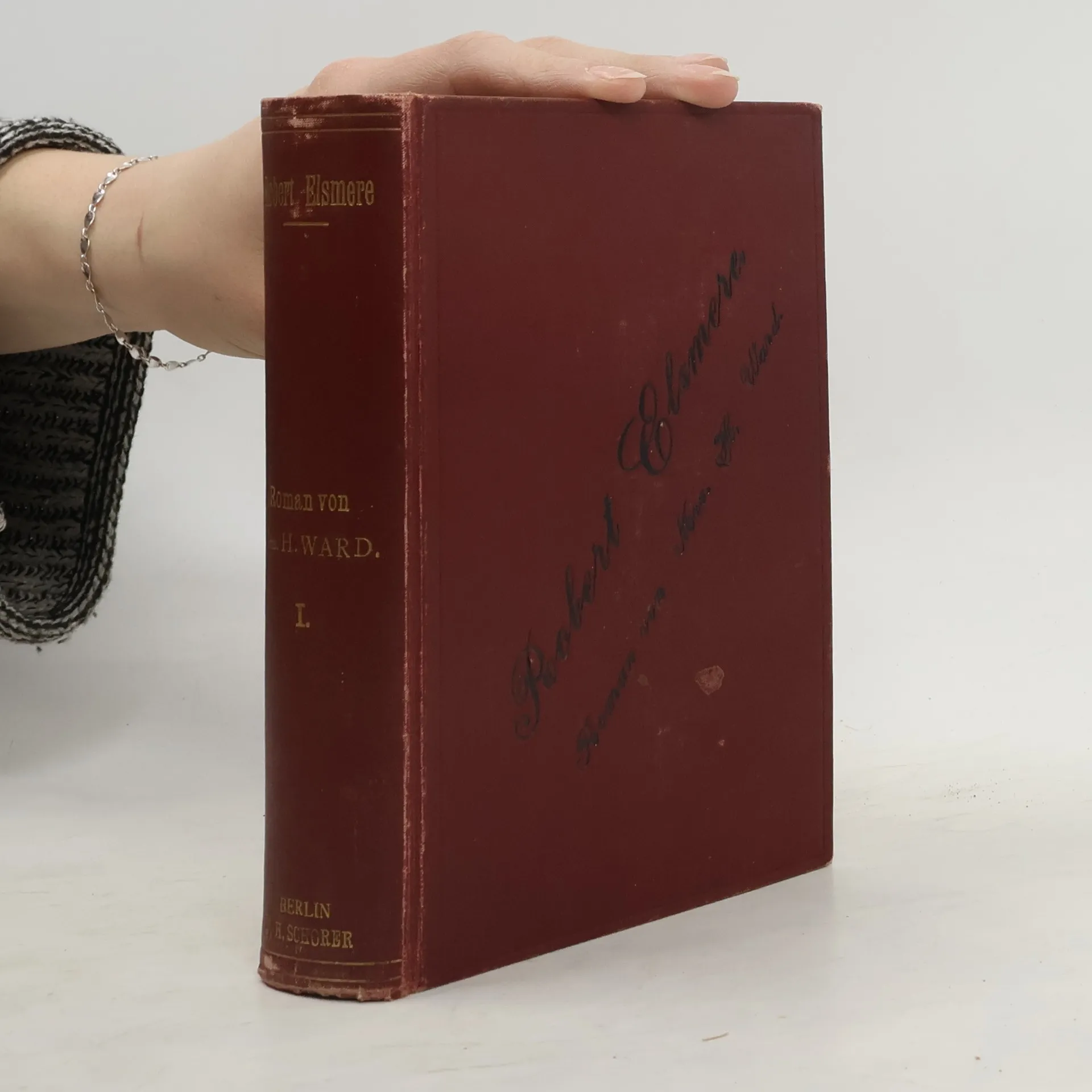
The narrative centers on Robert Elsmere, a clergyman confronting a crisis of faith in Victorian England. As he navigates religious skepticism and moral dilemmas, the story explores themes of intellectualism and social reform. Ward intricately portrays Elsmere's journey of belief and character development against the backdrop of the era's social and religious dynamics. This historical novel invites readers to reflect on the tensions between tradition and modernity, making it a profound exploration of faith, doubt, and the quest for truth in Victorian society.
Exploring themes of education and Victorian values, the author, a prominent British novelist, began her career with children's literature before transitioning to more ambitious works. Her notable novel, Miss Bretherton, delves into the life of an actress, reflecting her interest in modern life. A strong advocate for social causes, she founded the Women's National Anti-Suffrage League and infused her narratives with significant religious themes, gaining popularity in both Great Britain and the United States.
The narrative centers on a clergyman, Robert Elsmere, who confronts a crisis of faith against the backdrop of Victorian Christianity. Themes of religious skepticism, intellectualism, and moral dilemmas are explored as Elsmere navigates social reform and personal beliefs. Set in Victorian England, the story intricately examines the intersection of faith and the era's intellectual currents, prompting reflections on doubt and truth. With rich character development and attention to historical detail, this work invites readers to consider the broader societal changes of the time.
Focusing on accessibility, this book is a reproduction of a historical work presented in large print. The publishing house Megali is dedicated to enhancing reading experiences for individuals with impaired vision, ensuring that classic texts are more easily readable.
Set against the backdrop of late nineteenth-century England, the story follows Sir George Tressady, a young politician grappling with the challenges of personal ambition and societal expectations. As he navigates the complexities of love, duty, and moral dilemmas in his quest for political success, the narrative vividly captures the tensions between traditional values and the evolving social landscape. Mrs. Humphry Ward's insightful characterizations and rich descriptions provide a compelling exploration of the ethical conflicts faced by individuals in a changing world.