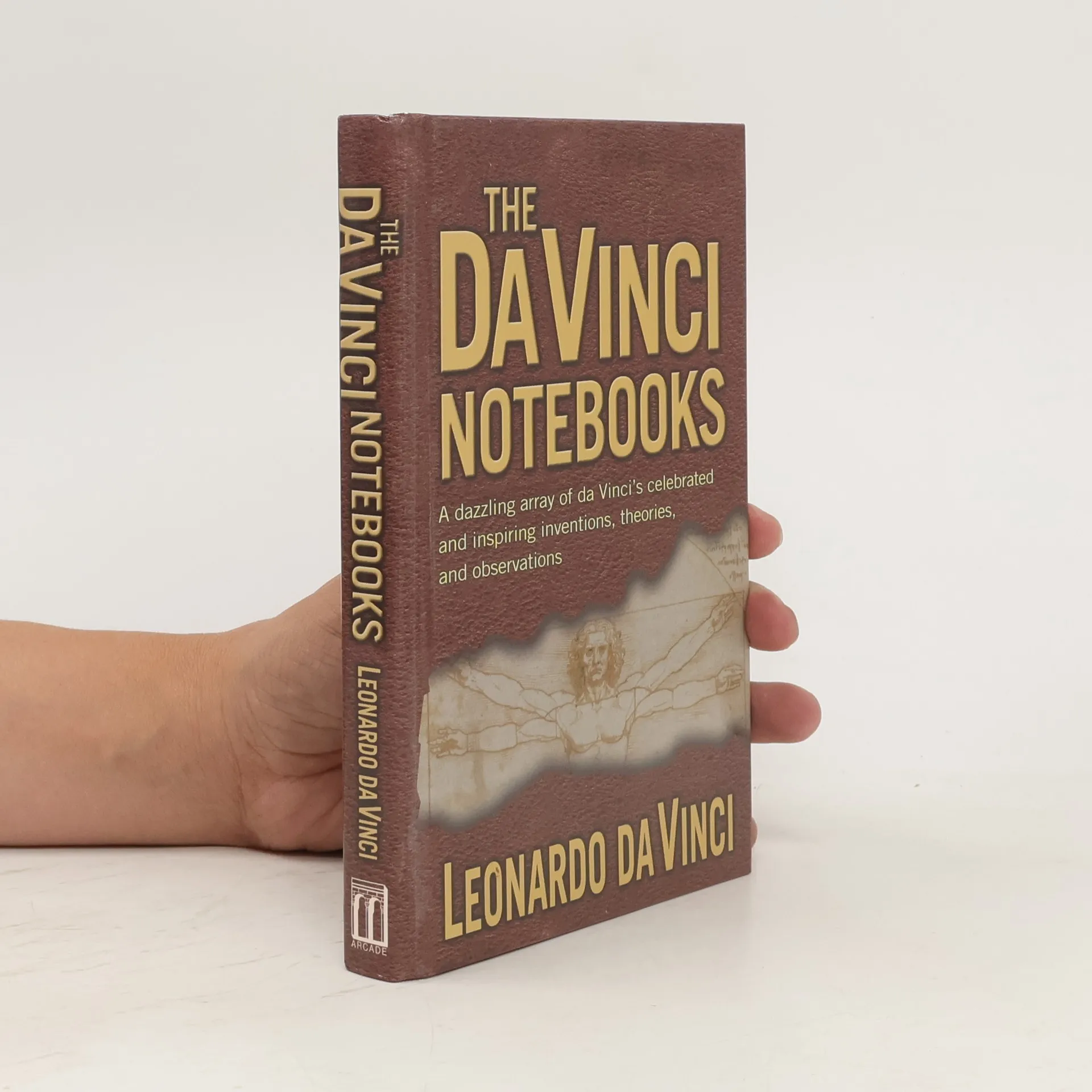
A selection of sketches, diagrams, and notebook writings by the Italian Renaissance master offers insight into his theories and observations as well as his role in period art, town planning, science, and philosophy
Dmitri Sergejewitsch Mereschkowski Books
August 2, 1865 – December 9, 1941


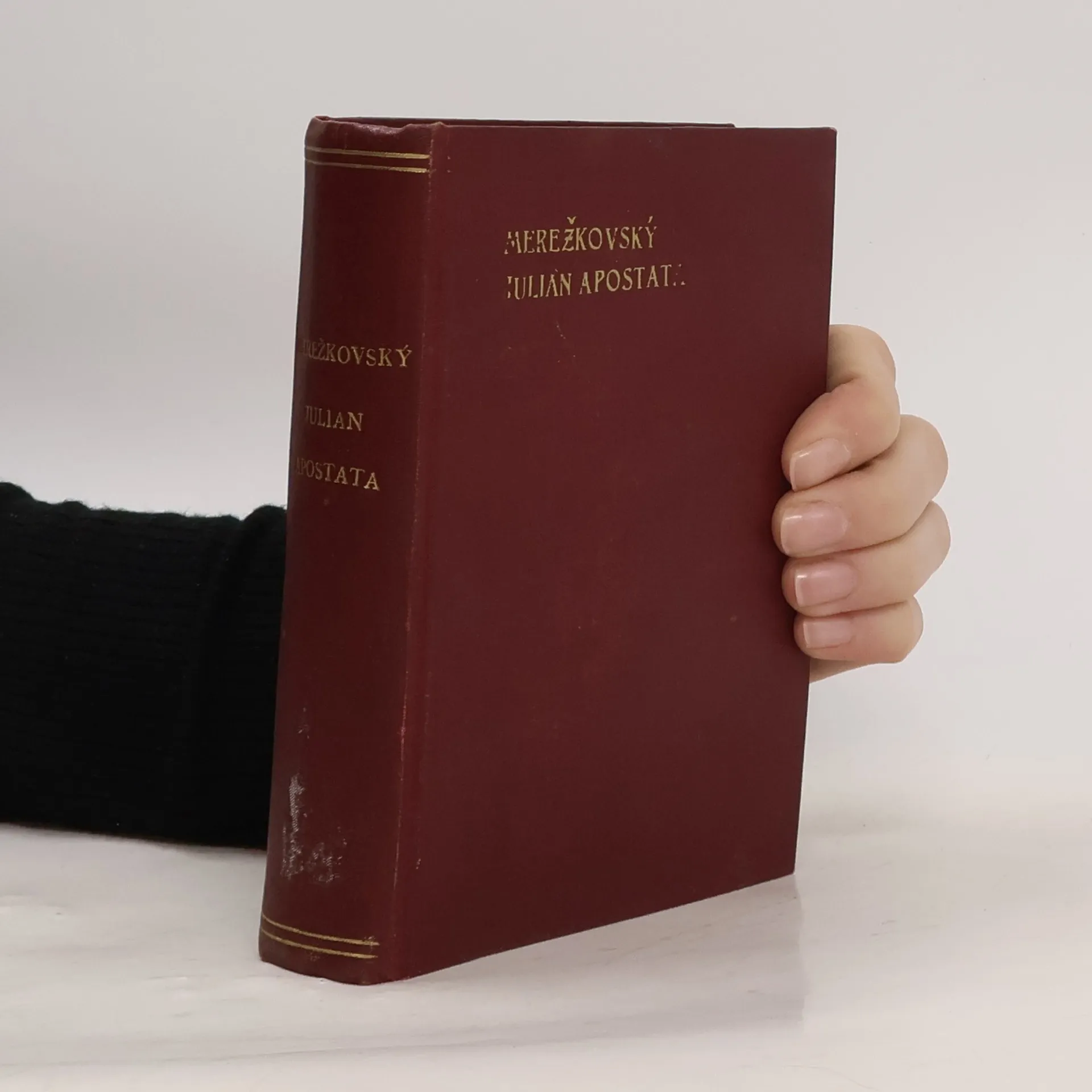
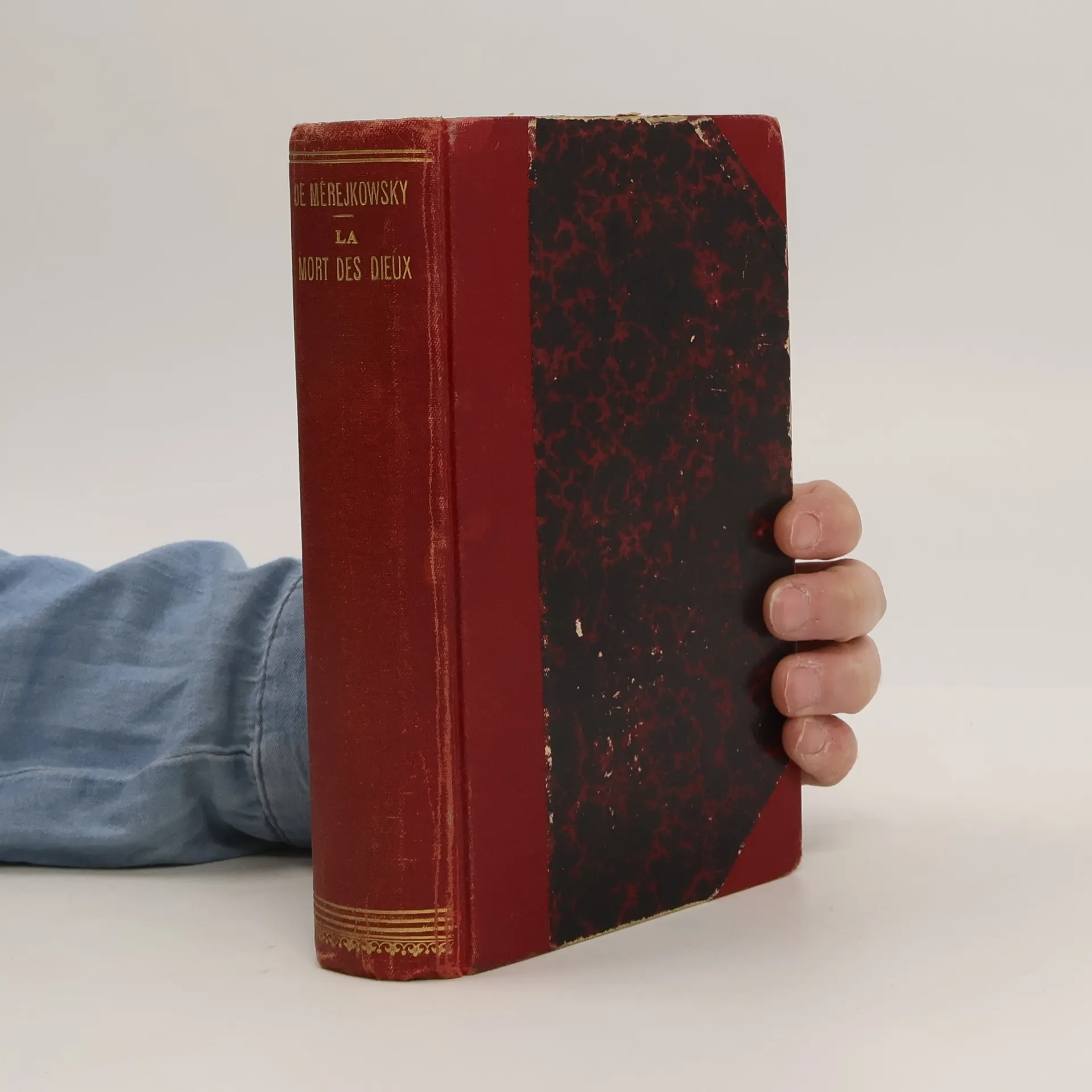
The Death of the Gods
- 298 pages
- 11 hours of reading
Set against the backdrop of Emperor Julian's efforts to revive the Olympian gods amidst the rising tide of Christianity, this novel delves into the spiritual struggle of a pivotal historical moment. Dmitriy Merezhkovsky weaves an apocalyptic vision in the first installment of The Christ and Antichrist Trilogy, examining the implications of faith and belief as they evolve into the twentieth century. The narrative juxtaposes ancient deities with the burgeoning influence of Christianity, offering a profound exploration of themes of faith and redemption.
Peter and Alexis
- 516 pages
- 19 hours of reading
Set against the backdrop of early 20th-century Christianity, the narrative delves into the tumultuous relationship between Peter the Great and his son, Tsarevich Alexei. This conflict symbolizes the larger struggle between good and evil, embodying the clash between Christ and the Antichrist. As the final installment of The Christ and Antichrist Trilogy, it presents an apocalyptic vision of faith and humanity's destiny, culminating in a profound exploration of spiritual and moral dilemmas.
Resurrection of the Gods
- 442 pages
- 16 hours of reading
Set during the Italian Renaissance, the narrative explores Leonardo da Vinci's journey of self-discovery as he evaluates a rediscovered statue of Venus. This pivotal moment intertwines humanist ideals with his faith in art, reflecting Dmitriy Merezhkovsky's theory of the Third Testament, which envisions Christianity's fulfillment in the modern era. As the second installment of a trilogy, it builds on the themes established in The Death of the Gods and precedes Peter and Alexis, showcasing Merezhkovsky's unique spiritual and historical insights.
Tolstoy As Man and Artist with an Essay on Dostoyevsky
- 206 pages
- 8 hours of reading
This is a reproduction of a book published before 1923. This book may have occasional imperfections such as missing or blurred pages, poor pictures, errant marks, etc. that were either part of the original artifact, or were introduced by the scanning process. We believe this work is culturally important, and despite the imperfections, have elected to bring it back into print as part of our continuing commitment to the preservation of printed works worldwide. We appreciate your understanding of the imperfections in the preservation process, and hope you enjoy this valuable book.
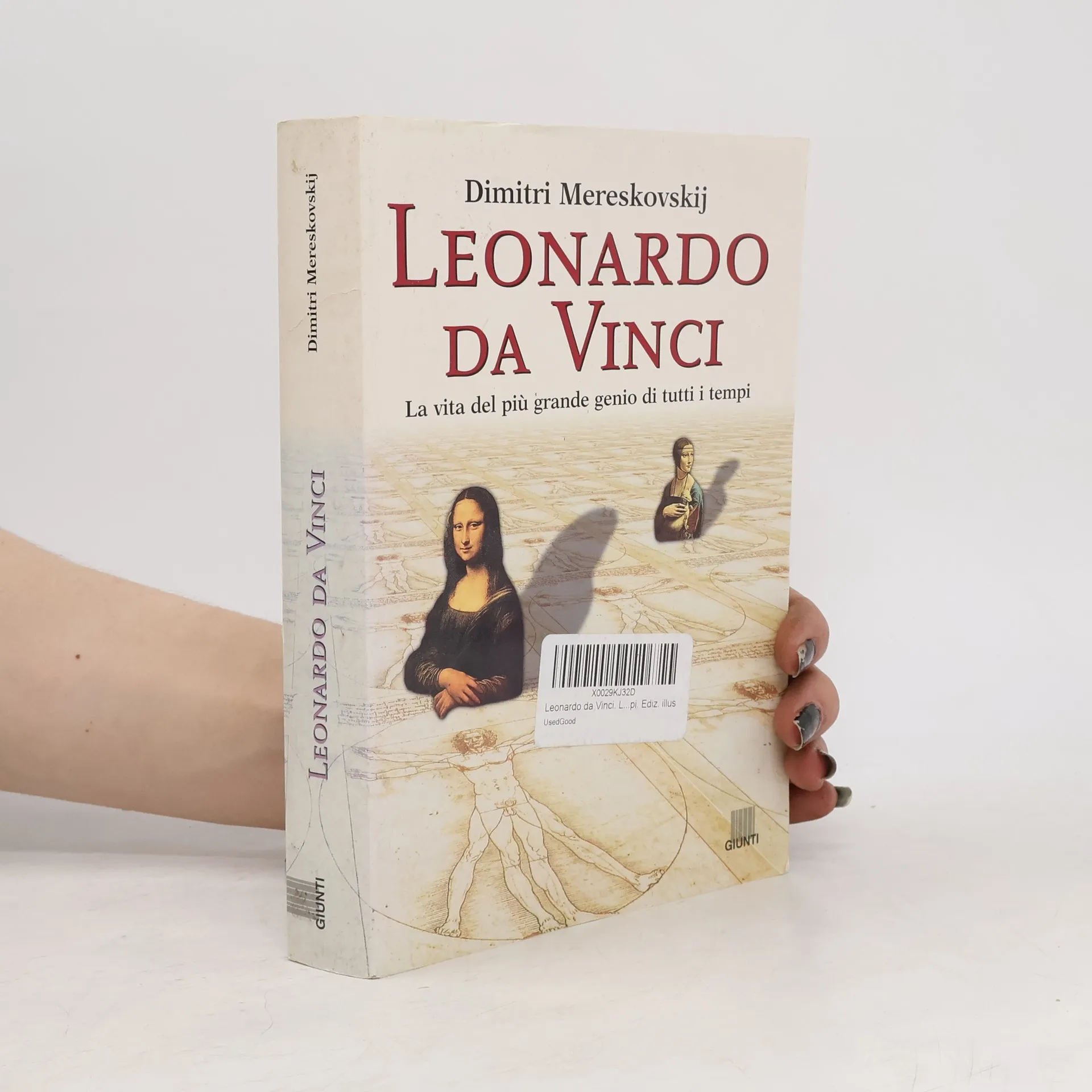
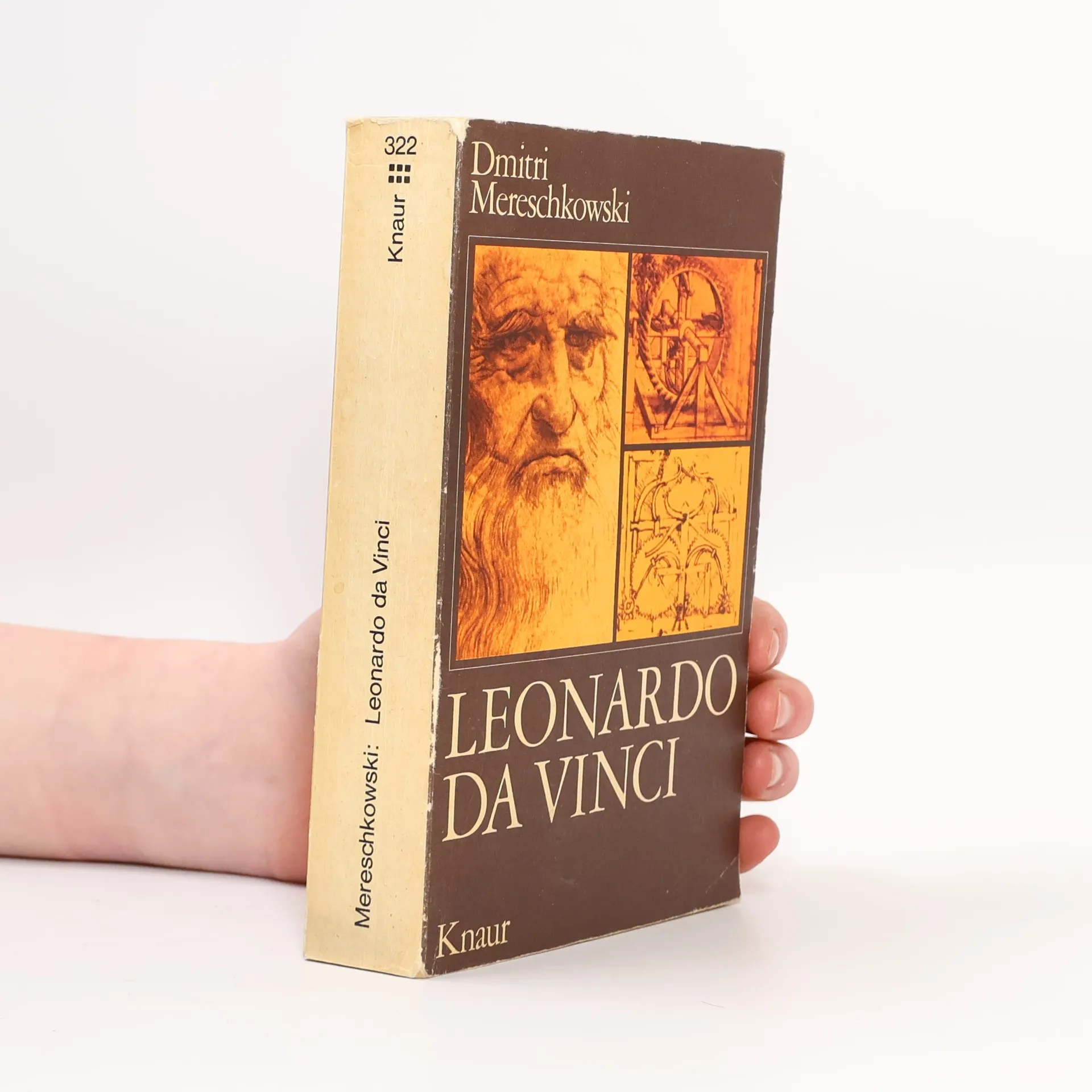
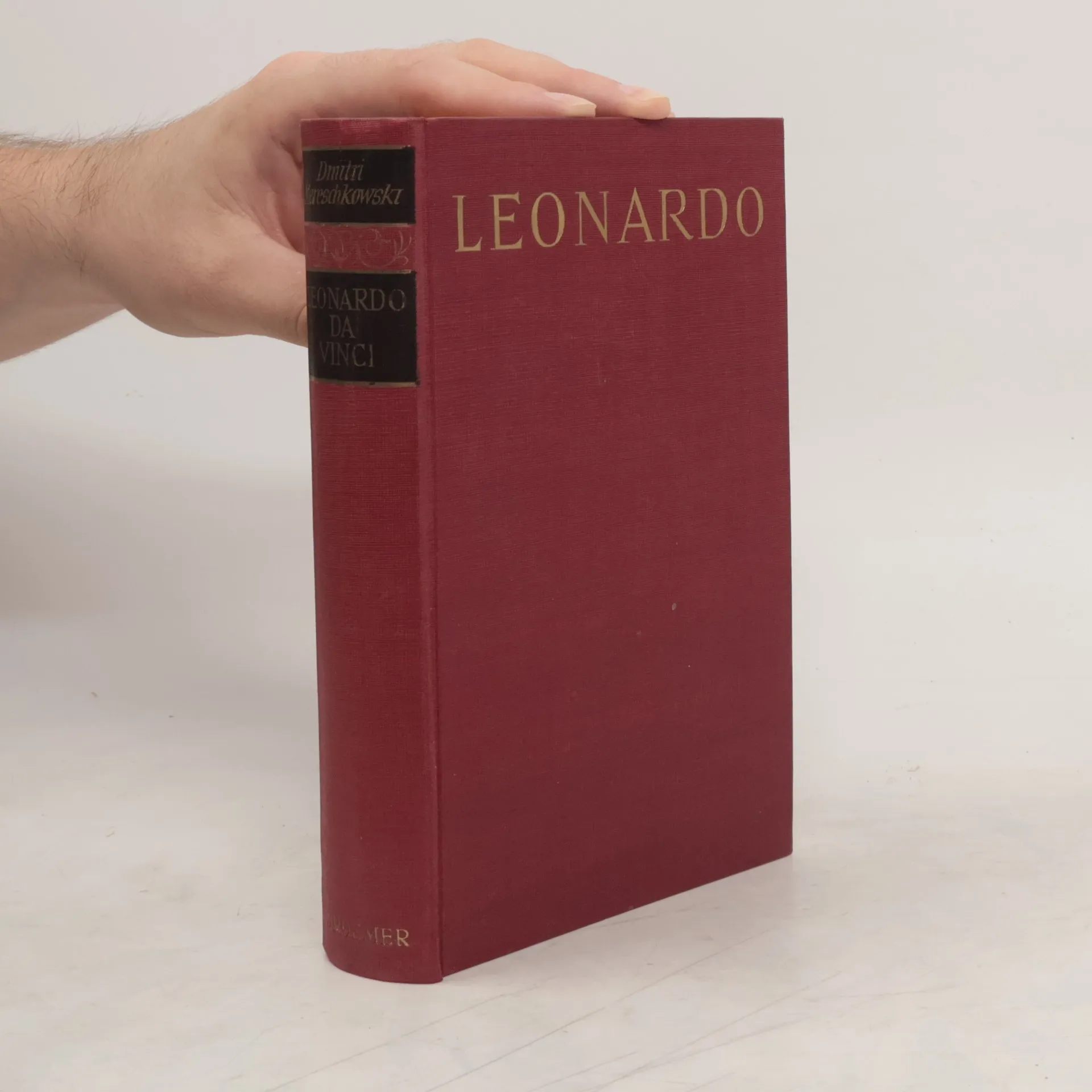
Leonardo da Vinci
Historischer Roman
Dostojewski
- 52 pages
- 2 hours of reading
Dmitri Sergejewitsch Mereschkowski (1865-1941) war ein russischer Autor des literarischen Symbolismus um 1900, bekannt für historische Romane wie "Julianus Apostata" und "Leonardo da Vinci". Zudem verfasste er zahlreiche Essays, darunter einen über Dostojewski aus dem Jahr 1914.
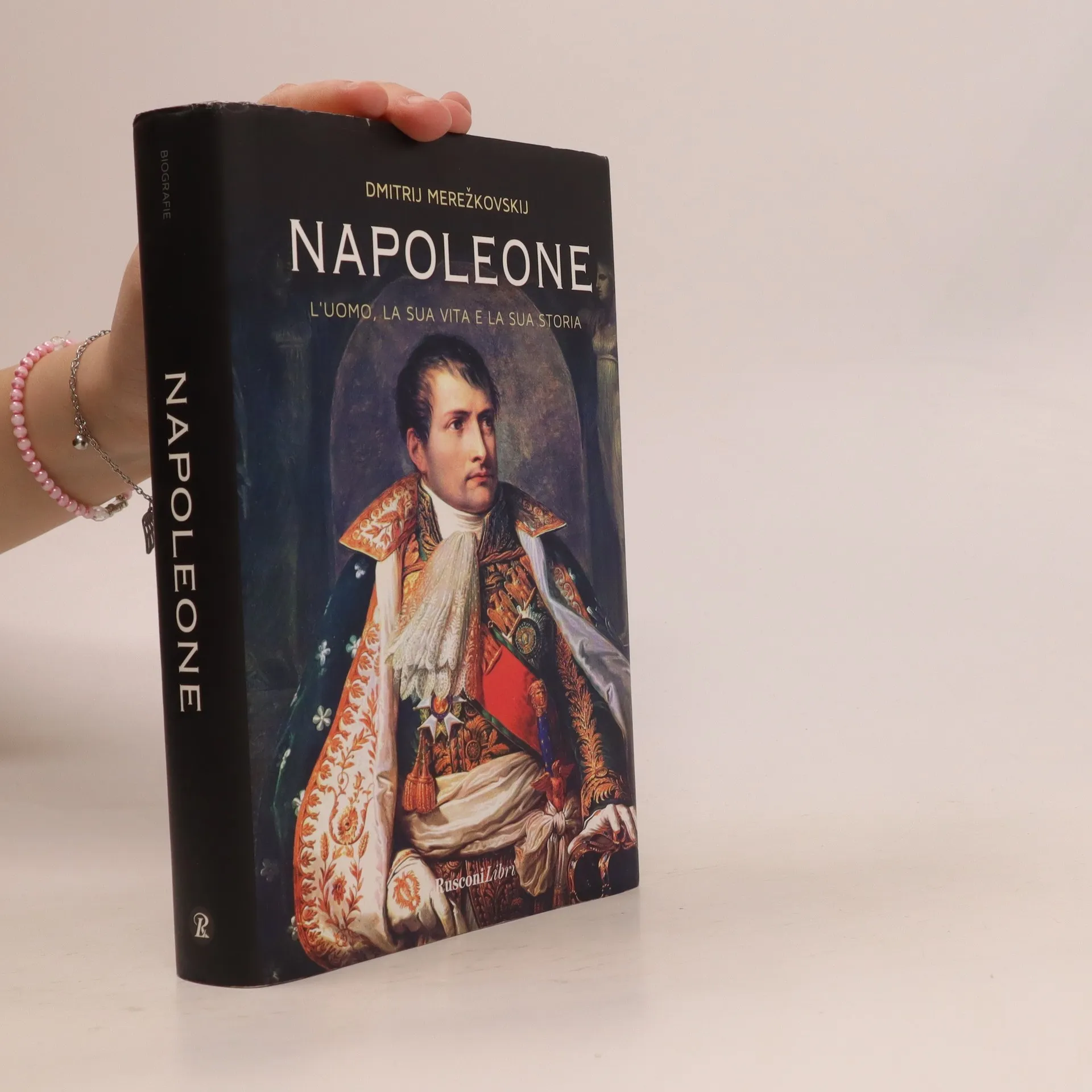
Napoleone. L'uomo, la sua vita, la sua storia
- 528 pages
- 19 hours of reading
Il libro racconta con fascino e completezza d’informazioni la parabola del grande politico e generale francese. La prima sezione del volume, L’uomo, traccia un’analisi a tuttotondo di Bonaparte, nel tentativo di individuare pregi e difetti, lati manifesti e nascosti del carattere del grande condottiero. La seconda parte, invece, La sua vita e la sua storia, narra l’intera esistenza di Napoleone, dall’infanzia e dalle prime frequentazioni scolastiche, fino al consolato, al ruolo di Imperatore, alle vittorie, alle sconfitte, alle abdicazioni e alla morte, avvenuta misteriosamente nel 1821, durante l’esilio a Sant’Elena. Il volume rappresenta una risorsa fondamentale per chiunque voglia comprendere a fondo la figura dell’uomo che più influenzò la storia europea tra fine ‘700 e inizio ‘800, lasciando un’indelebile immagine di sé anche nei secoli a venire.
Deslumbrante alegoría de la Italia renacentista, en la que destaca la figura de Leonardo da Vinci por su genio inimitable y por su intento de superar los conflictos espirituales de su tiempo. La obra maestra de un clásico de la literatura rusa.
Leonardo DaVinci
- 575 pages
- 21 hours of reading
Александр Первый
- 476 pages
- 17 hours of reading
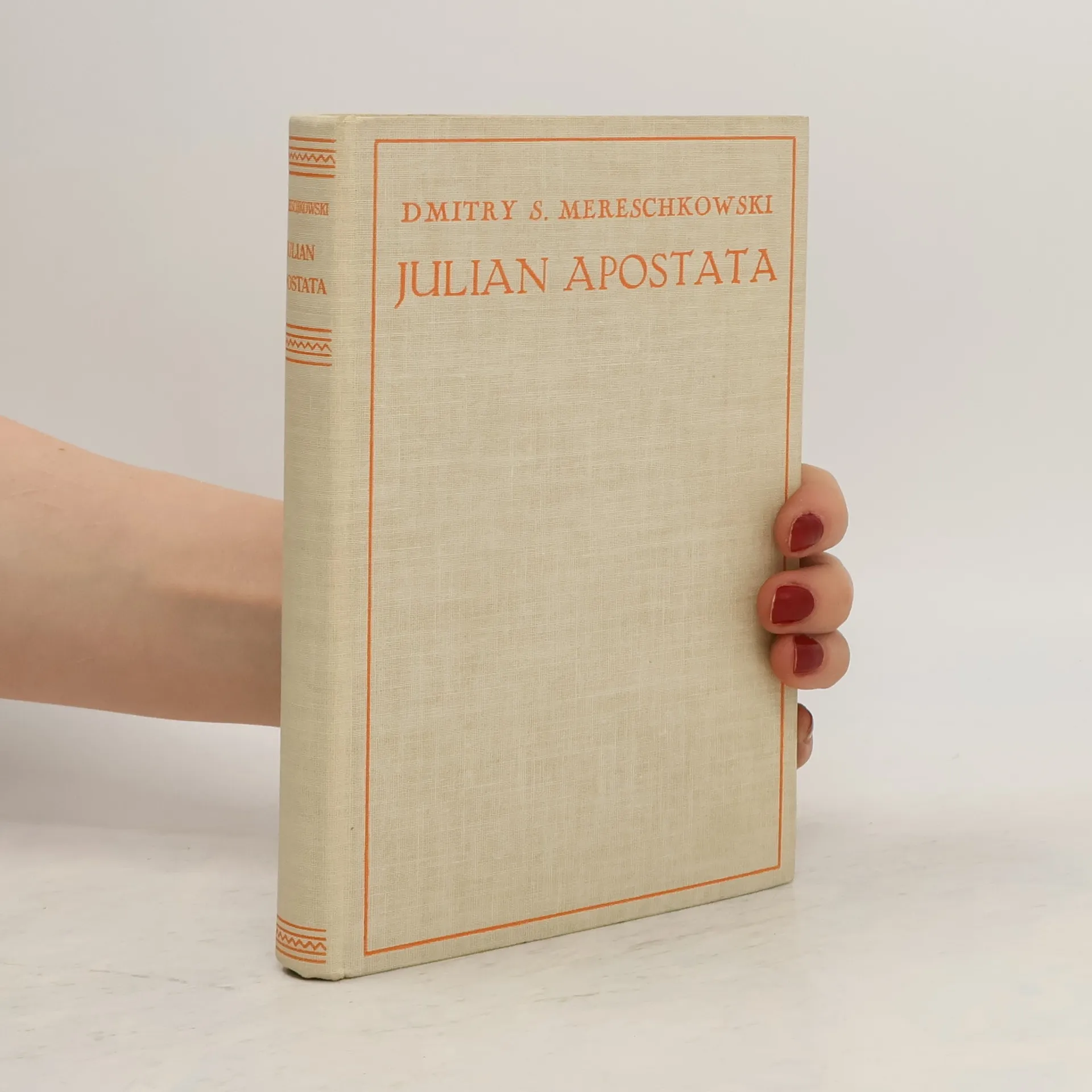
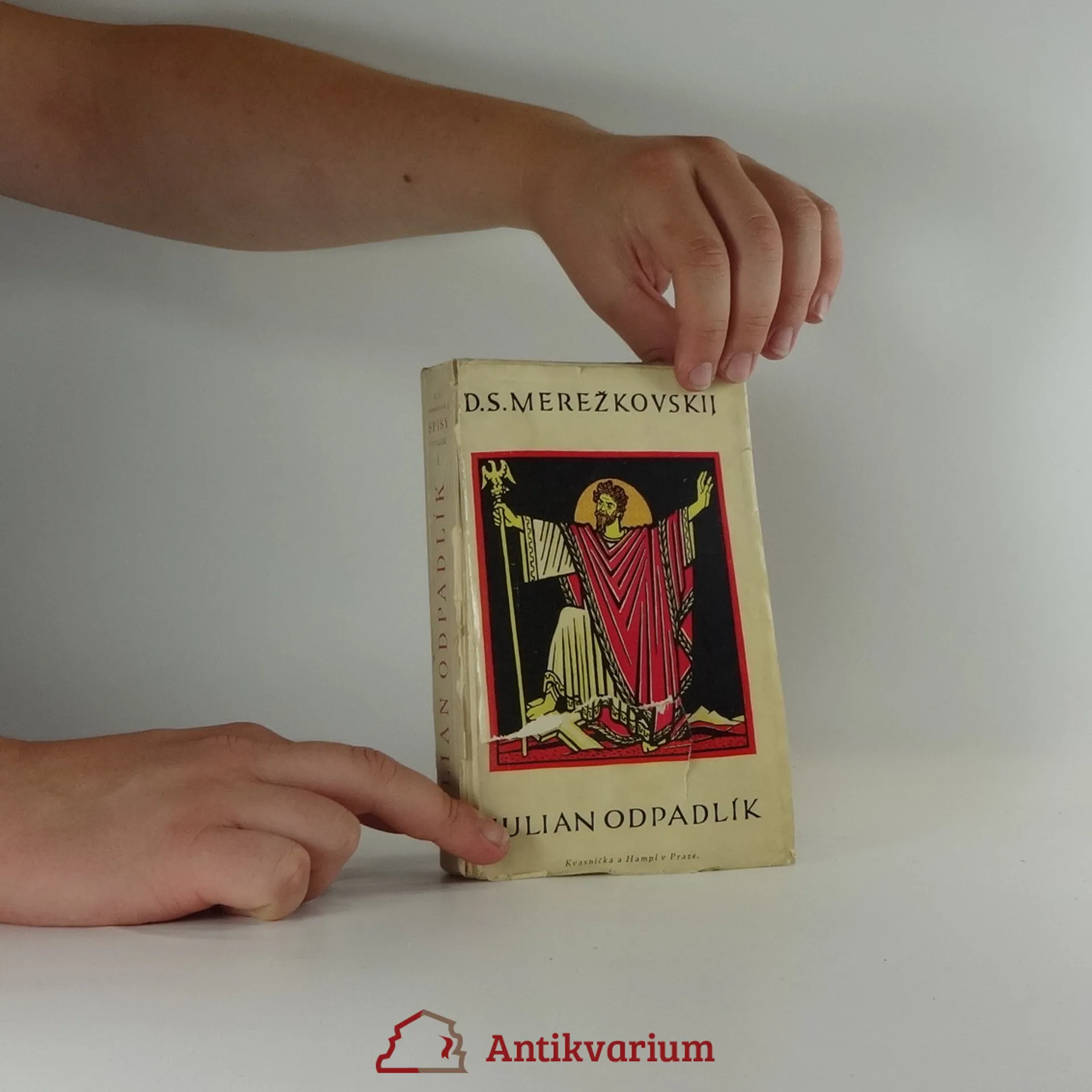
Julian Apostata
der letzte Hellene auf dem Throne der Cäsaren
Leonardo da Vinci 1
Kristus a antikrist
Die Essays von Hermann Bahr, Dmitri Sergejewitsch Mereschkowski und Otto Julius Bierbaum bieten eine tiefgehende Analyse des Werkes von Fjodor Dostojewski. Jeder Autor beleuchtet unterschiedliche Aspekte des literarischen Schaffens, von psychologischen und philosophischen Fragestellungen bis hin zu gesellschaftlichen und kulturellen Einflüssen. Die Texte laden dazu ein, Dostojewskis komplexe Charaktere und deren Konflikte besser zu verstehen und reflektieren die zeitgenössischen Reaktionen auf seine Werke. Eine fesselnde Lektüre für Literaturinteressierte und Dostojewski-Fans.
Der historische Roman entführt die Leser in die turbulente Zeit des 14. Dezember, als sich politische Intrigen und persönliche Schicksale überschneiden. Die Handlung beleuchtet die Herausforderungen und Konflikte der Protagonisten, die in einem von Umbrüchen geprägten Umfeld agieren. Mit lebendigen Charakteren und einem tiefen Einblick in die gesellschaftlichen Verhältnisse jener Epoche wird ein fesselndes Bild der Geschichte gezeichnet, das sowohl Spannung als auch emotionale Tiefe vermittelt.
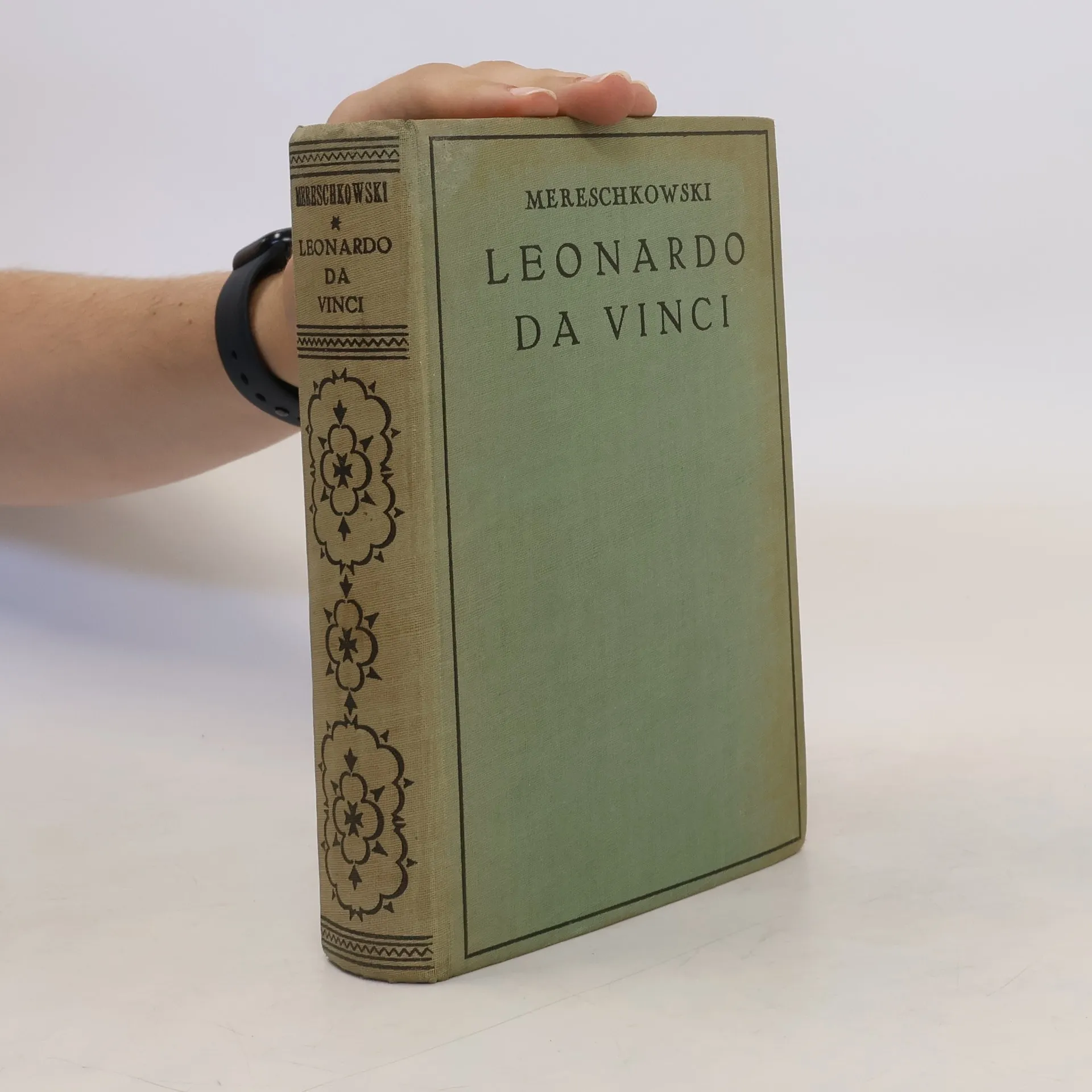
Leonardo da Vinci
Historischer Roman aus der Wende des 15. Jahrhunderts
Peter & Alexej
- 368 pages
- 13 hours of reading
'Peter und Alexej' von Dmitri Mereschkowski ist ein historiosophischer Roman, der Russland als Erbe des Christus-Antichrist-Konflikts betrachtet. Im Mittelpunkt stehen Peter der Große als "Antichrist" und der Zarewitsch Alexej als "rein christliche" Figur.
Der letzte Heilige
- 239 pages
- 9 hours of reading
Peter und Alexej
- 544 pages
- 20 hours of reading
Die Werke des berühmten russischen Symbolisten Dmitri Mereschkowski sind faszinierend und rätselhaft, genauso wie sein Leben. Obwohl in jungen Jahren überzeugter Positivist, verlor er nie seinen Glaube an das Christentum und entwickelte später sogar eine eigene Form der christlichen Lehre. Die ungewöhnlich lockere und gleichzeitig feste Beziehung zu seiner Frau und literarischen Kollegin Sinaida Hippius, diente seinen Zeitgenossen als Beispiel für eine moderne und eigenartige Form der Ehe und für einen sehr fruchtbaren geistigen Bund. Der historisch-philosophische Roman „Peter und Alexej“ ist der dritte Teil der Trilogie „Christ und Antichrist“, in der Mereschkowski seine Philosophie der Geschichte und seine Vision der Zukunft der Menschheit zum Ausdruck bringt. Alle drei Teile waren in Europa ein großer Erfolg und verschafften dem Autor einen hohen Bekanntheitsgrad. Dieser Zyklus zählt zu den besten Beispielen des experimentellen Romans, der später in den Werken von James Joyce und Thomas Manns sehr fruchtbar weiterentwickelt wurde. In „Peter und Alexej“ treffen Christ und Antichrist in der Zeit der Petrinischen Reformen in Russland aufeinander. Der Roman erschien im Jahre 1905 in Sankt-Petersburg und wurde 1922 in Berlin wieder aufgelegt. Die deutsche Übersetzung stammt von Alexander Eliasberg.
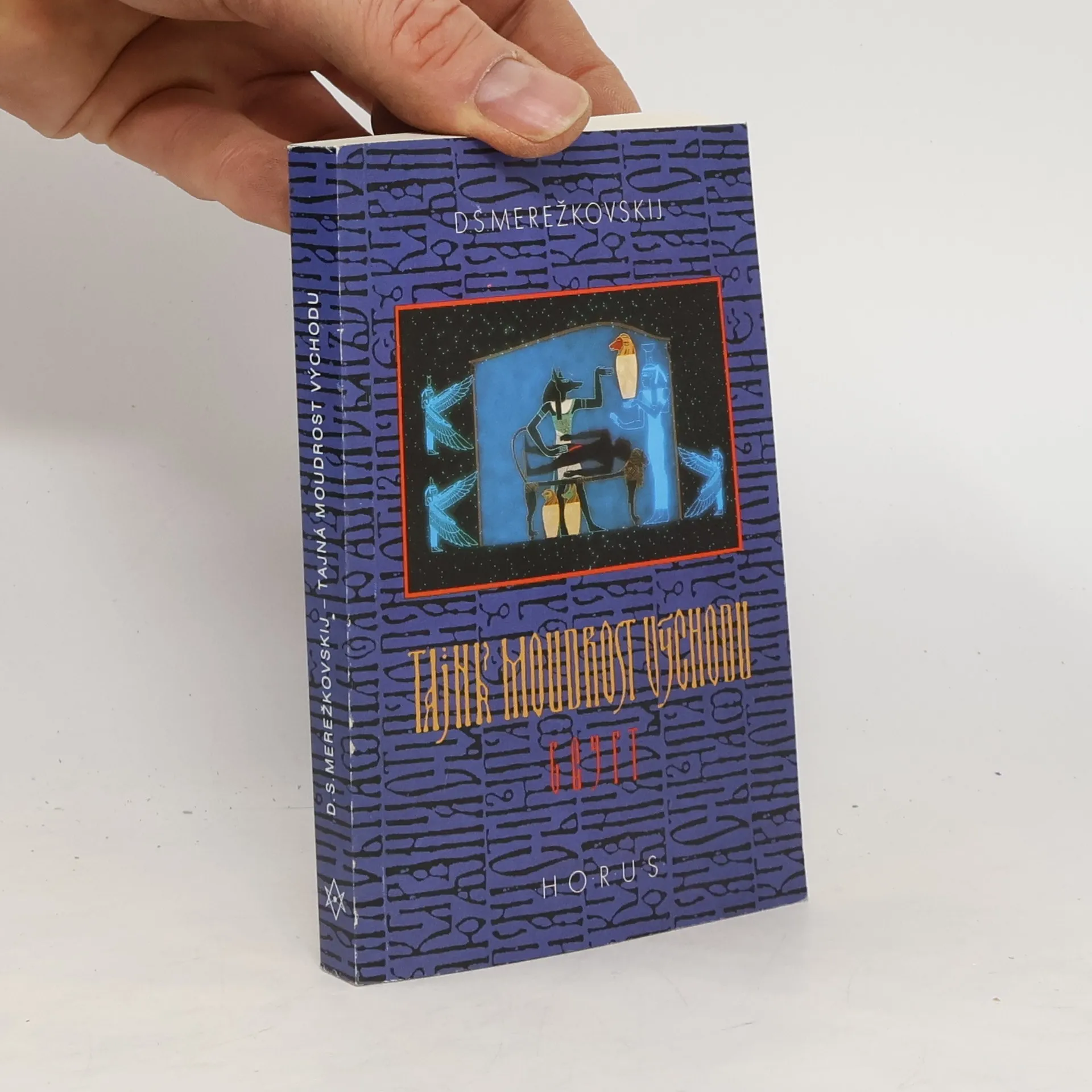
Die Geheimnisse des Ostens
(Das Geheimnis der Drei)
Der russische Religionsphilosoph Mereschkowskij sucht zum Zwecke einer Weiterentwicklung bzw. Fundierung der Grundlagen des Christentums Analogien oder Impulse in der Geschichte der Mythologie des Ostens, hier aus Ägypten und Babylon. Trotz der damit verbundenen Gefahr einer heterodoxen Auslegung kommen andere Aspekte in die Trinitätsspekulation und insbesondere die „Weiblichkeit“ des Heiligen Geistes in den Fokus.
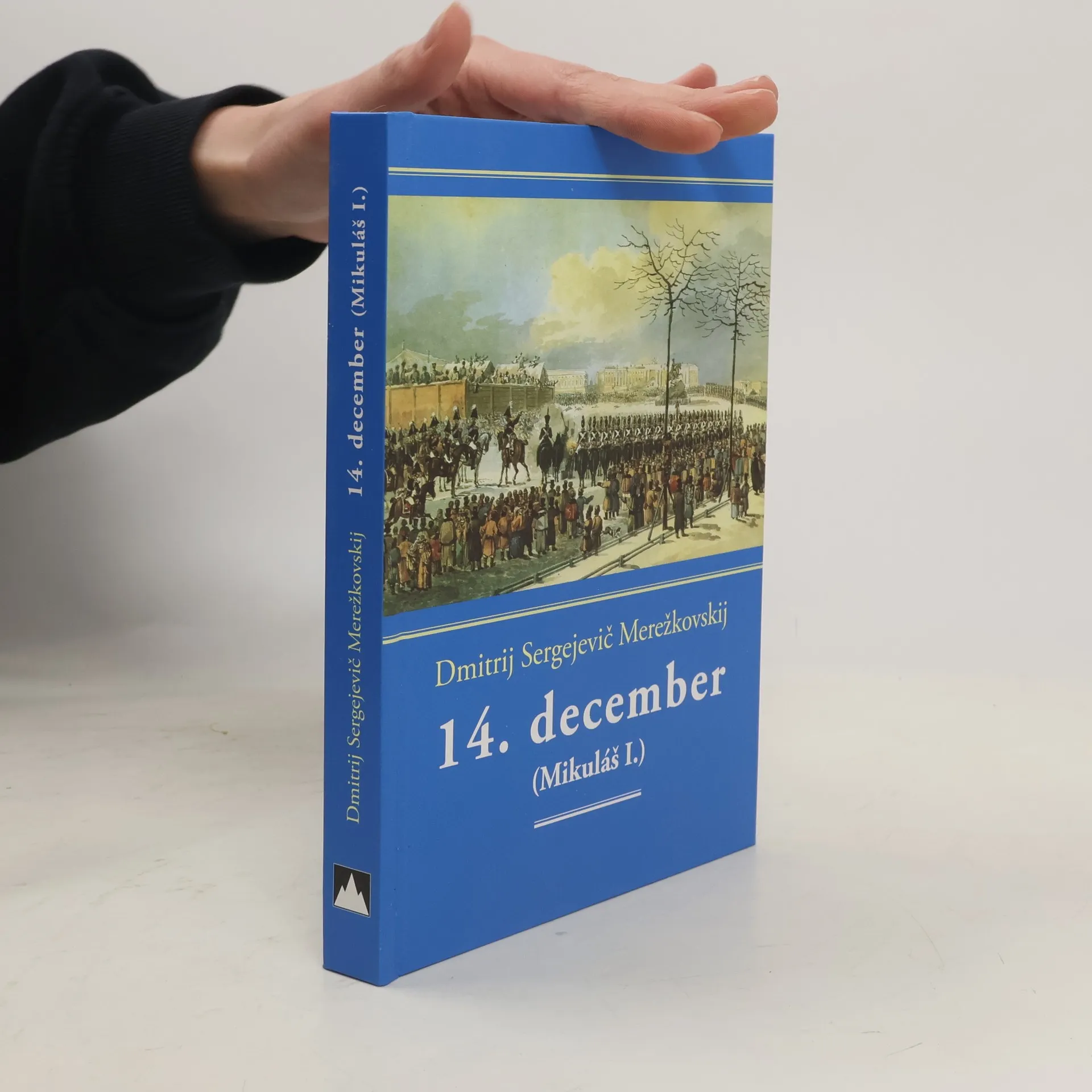
14.december
- 270 pages
- 10 hours of reading
Dmitrij Sergejevič Merežkovskij (1865-1941) patrí medzi uznávaných autorov myšlienkovo i esteticky podnetných historických románov. Slovenský čitateľ sa mohol oboznámiť s jeho trilógiou Kristus a Antikrist, ktorá sa zaoberá osobnosťami ako Julián Apostata, Leonardo da Vinci a Peter Veľký. Merežkovskij napísal aj román o dekabristoch v neľahkej situácii po Októbrovej revolúcii v Rusku v roku 1917, krátko pred emigráciou. Tento román vyjadruje skepsu voči revolučným hnutiam, čo je v súlade s jeho filozofiou dejín. V texte sa prelínajú historické a osobné línie, pričom autor zachytáva lásku nielen k vlasti, ale aj k žene. Dielo je považované za najdynamickejší a kompozične najdokonalejší román Merežkovského, v ktorom sa estetický aspekt textu ústrojne spája s filozofickým. Autorova práca s historickými faktami, vrátane fiktívneho denníka jednej z postáv, ukazuje jeho encyklopedické vedomosti a kreativitu. Merežkovskij vzdal hold tragikomickým hrdinom dekabristom, čím dielo predstavuje dôstojnú rozlúčku s jeho milovaným Ruskom.
Ruský spisovatel a náboženský myslitel, hledající svým dílem syntézu těla a ducha, se v této práci vrací ke kolébce moderních civilizací, aby nalezl původní harmonii světa.
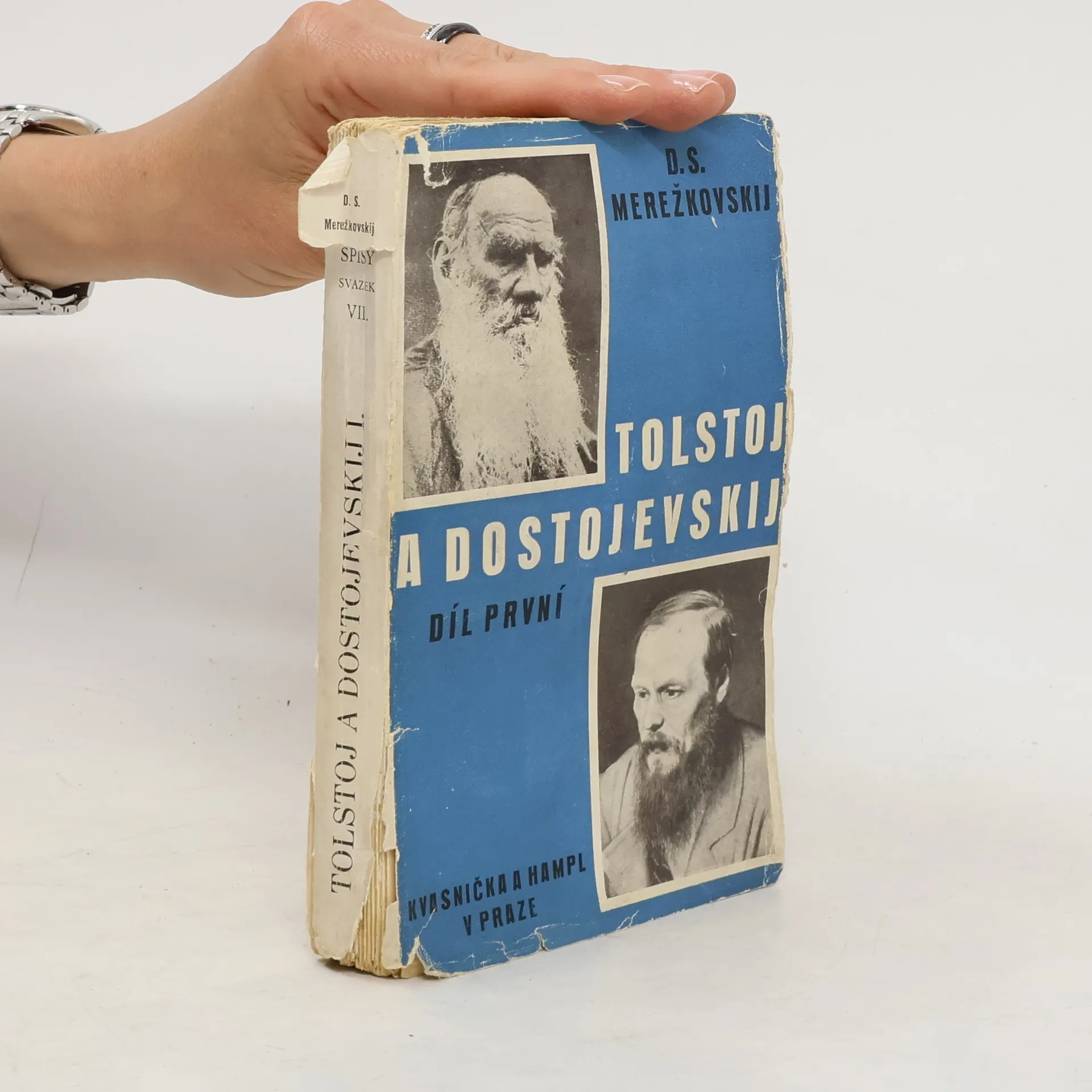
Tolstoj a Dostojevskij
Život, tvorba, náboženství I.
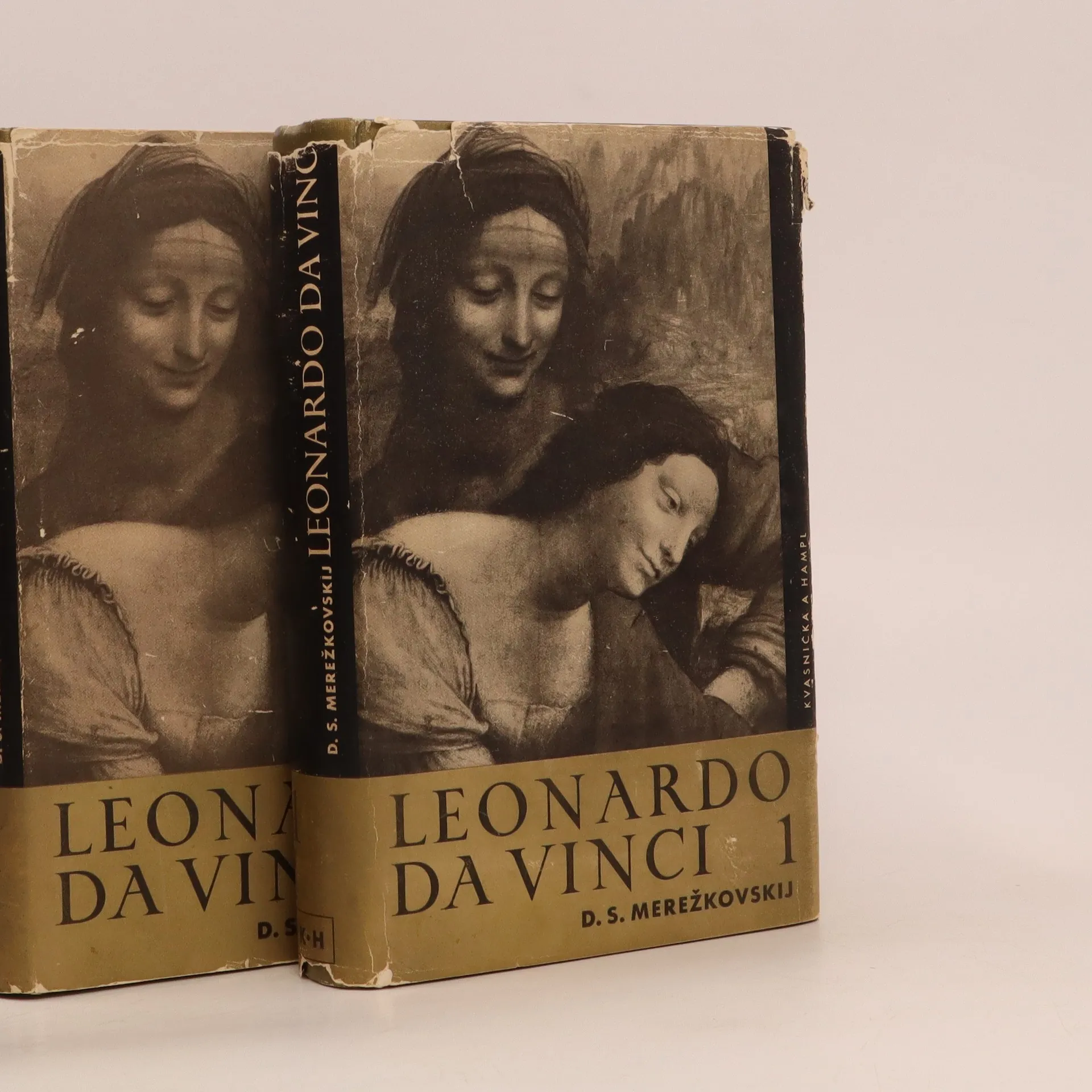
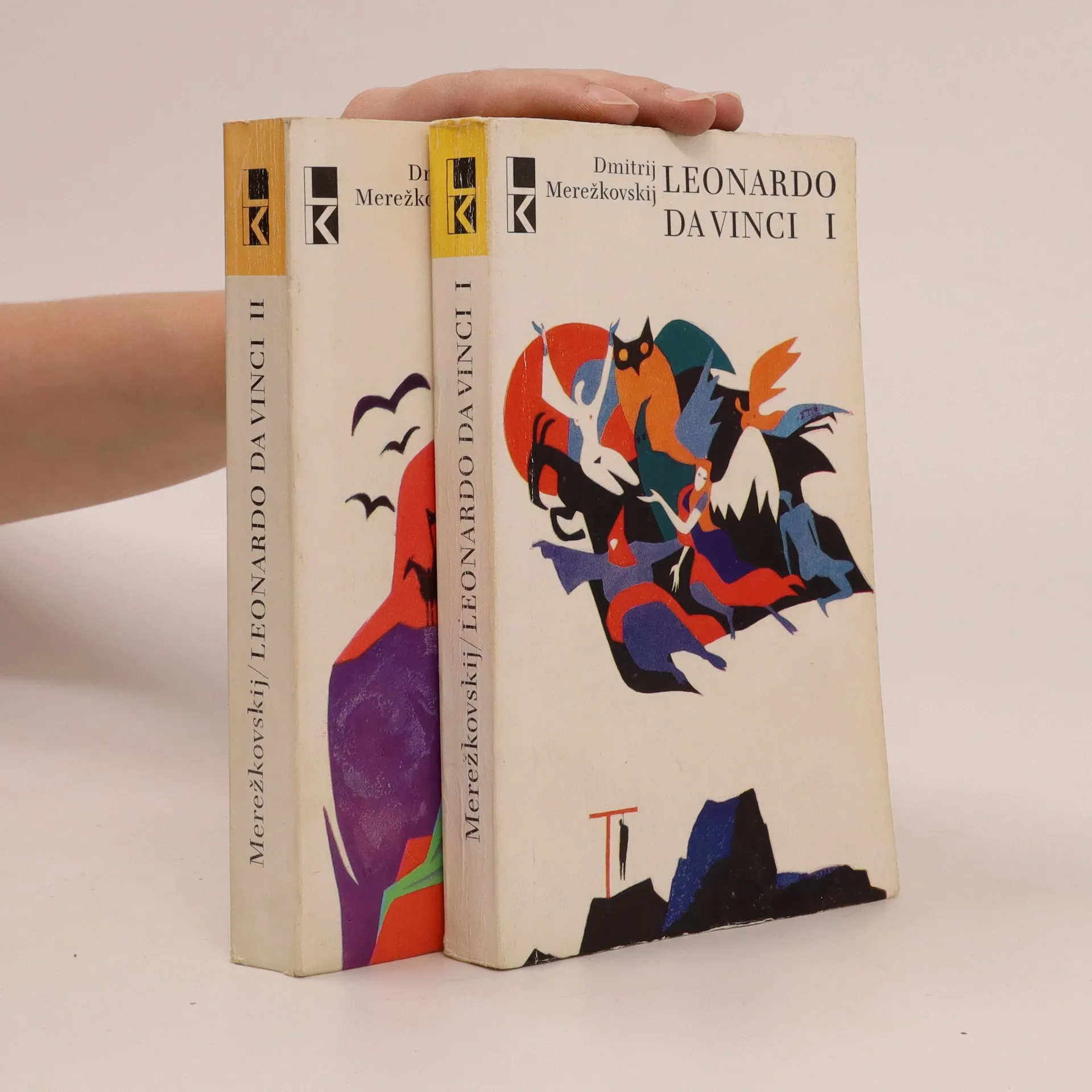
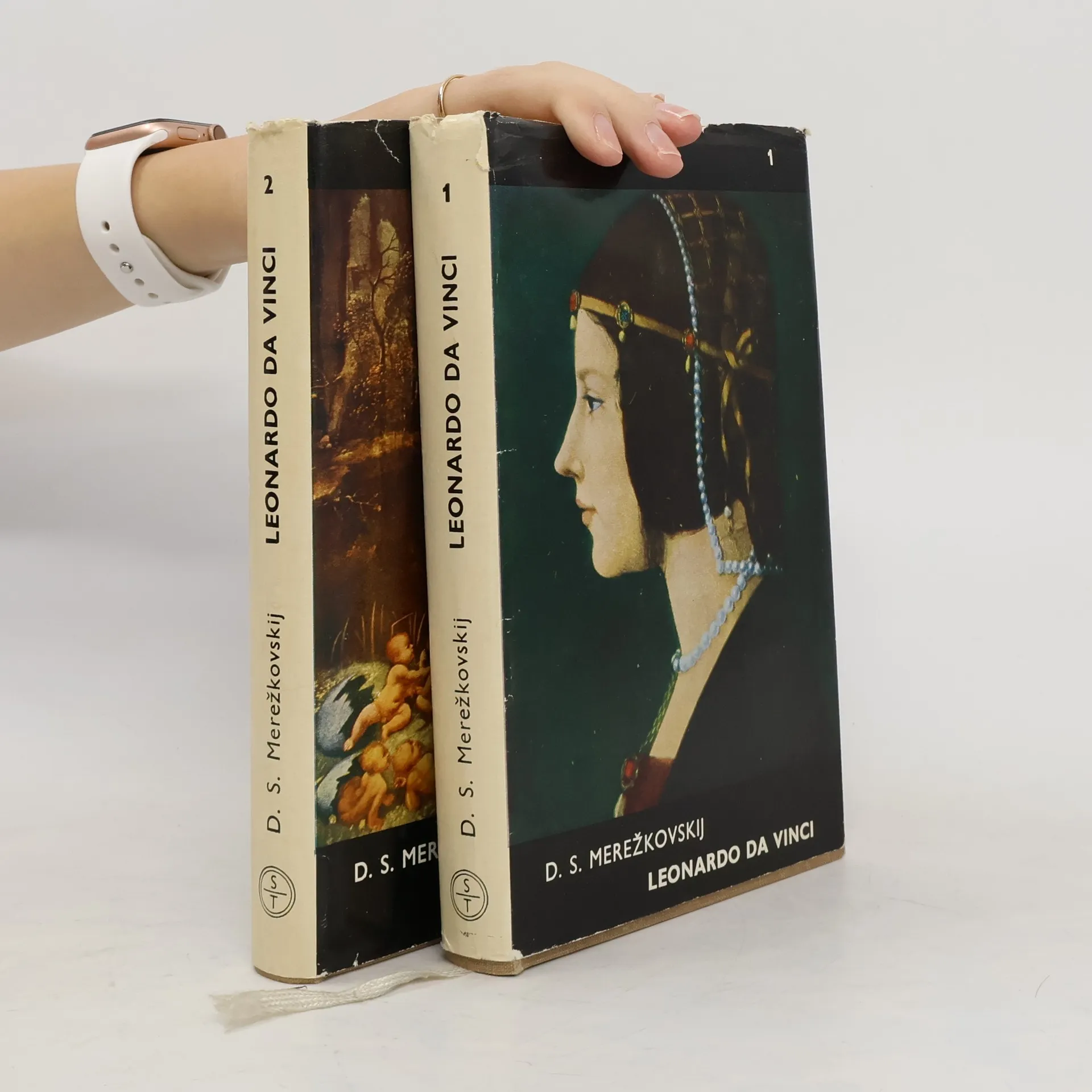
Leonardo da Vinci 1-2
- 2 volumes
Dmitrij Sergeevič Merežkovskij v tomto díle zkoumá život a dílo renesančního génia Leonarda da Vinci. Kniha se zaměřuje na klíčové momenty v jeho životě, od raného dětství až po jeho pozdní léta, a odhaluje nejen jeho umělecké úspěchy, ale také jeho vědecké a technické inovace. Hlavní postavy zahrnují samotného Leonarda, jeho učitele, patrony a další významné osobnosti té doby, které ovlivnily jeho práci a myšlení. Tematicky se kniha dotýká otázek umění, vědy, spirituality a lidské existence. Merežkovskij se snaží zachytit komplexnost Leonardovy osobnosti, jeho vnitřní konflikty a touhu po poznání. Autor se také zabývá vlivem historického a kulturního kontextu na Leonardovo dílo, což poskytuje čtenáři hlubší porozumění renesančnímu myšlení a jeho dopadu na moderní svět. Kniha tak nabízí nejen biografický pohled, ale i filozofickou reflexi o umění a jeho místě v lidském životě.
Leonardo da Vinci. Díl I.-II.
- 2 volumes
Leonardo da Vinci I.-II. díl
- 2 volumes
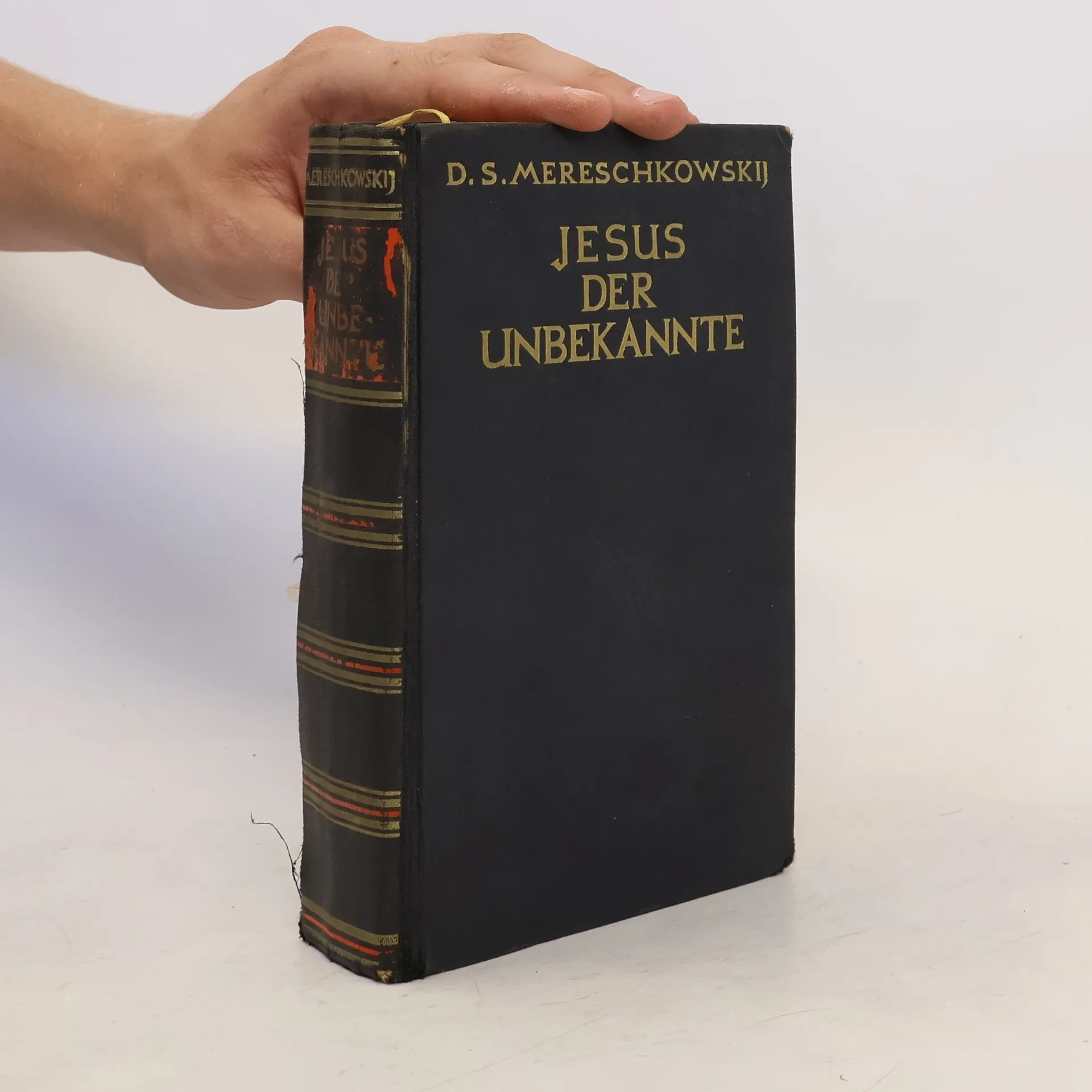
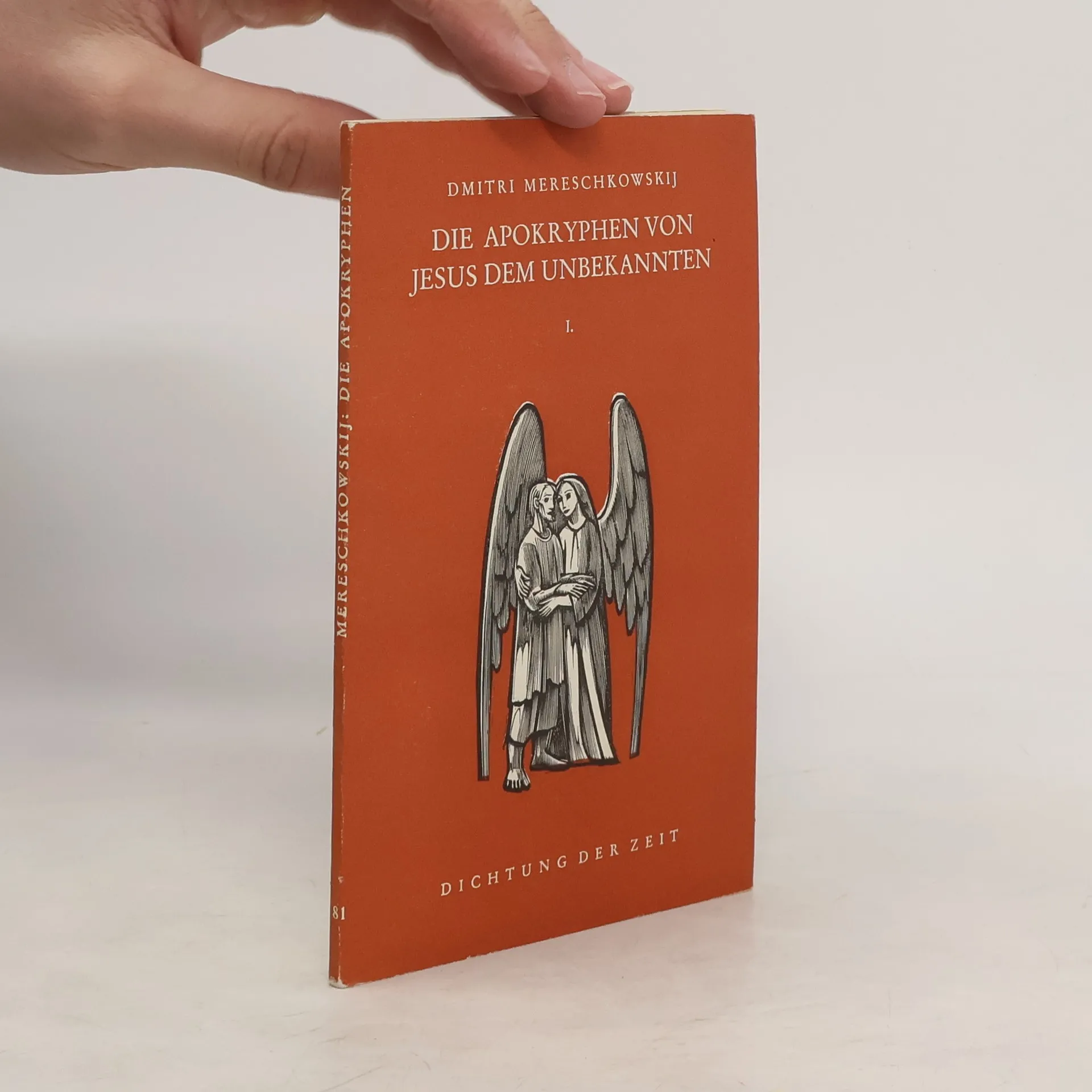
Obsáhlé dílo, rozdělené na čtyři části, z nichž první je věnována otázce "Byl Kristus?" neznámému evangeliu a charakteristice čtyř evangelistů. V druhé části je líčen životní běh Ježíše Neznámého, v třetí části jeho zázraky, ve čtvrté pak jeho utrpení a zmrtvýchvstání.