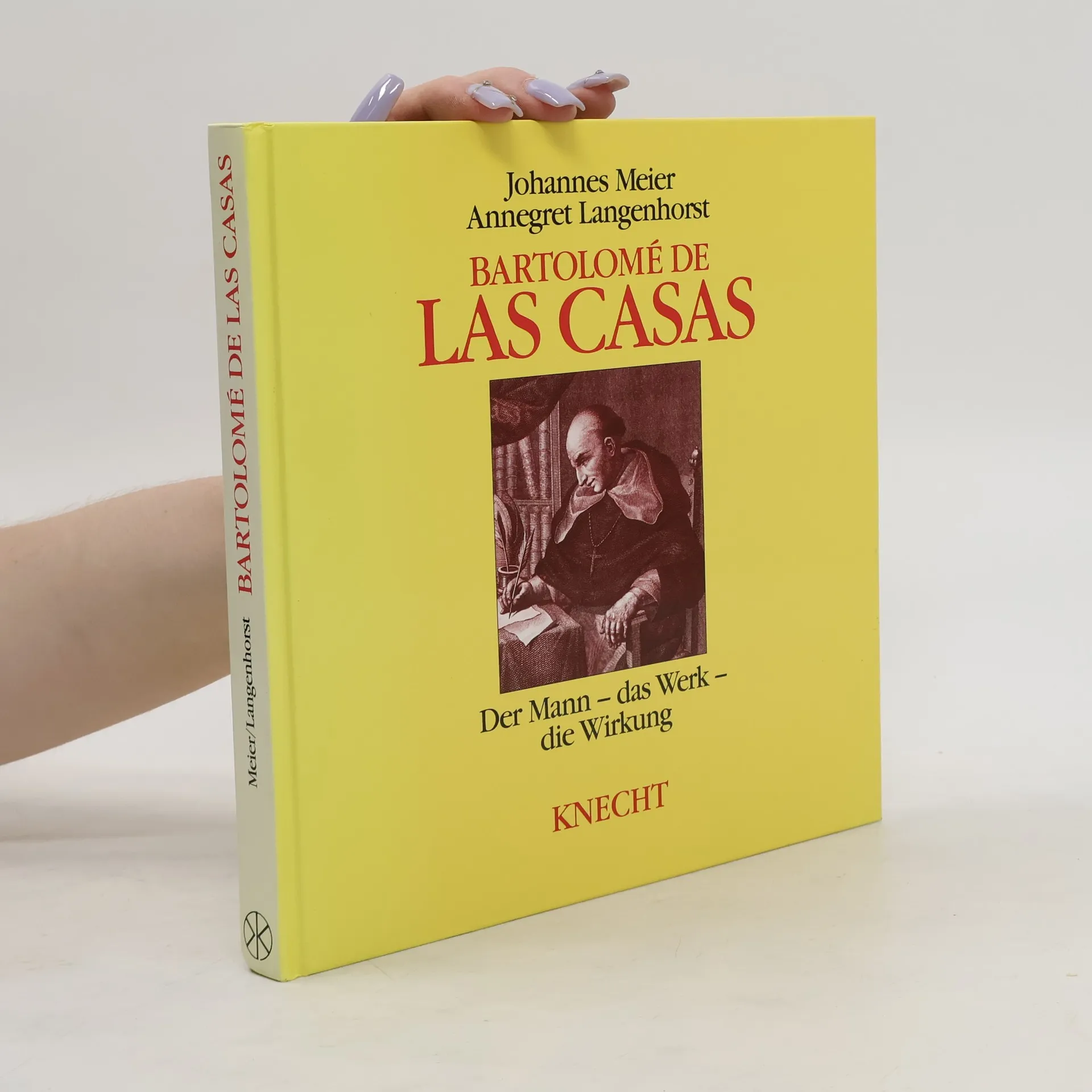
Bartolomé de las Casas was a 16th-century Spanish historian and social reformer who became the first resident Bishop of Chiapas and the first officially appointed "Protector of the Indians." His extensive writings chronicle the early decades of colonization in the West Indies, focusing particularly on the atrocities committed against indigenous peoples. After an initial advocacy for African slaves, which he later retracted to condemn all forms of bondage, he dedicated fifty years to actively combating violent colonial abuses of native populations. He strove to convince the Spanish court to adopt a more humane colonization policy, resulting in several improvements to the legal status of natives and an increased colonial focus on the ethics of conquest. Las Casas is often regarded as one of the earliest advocates for universal human rights.
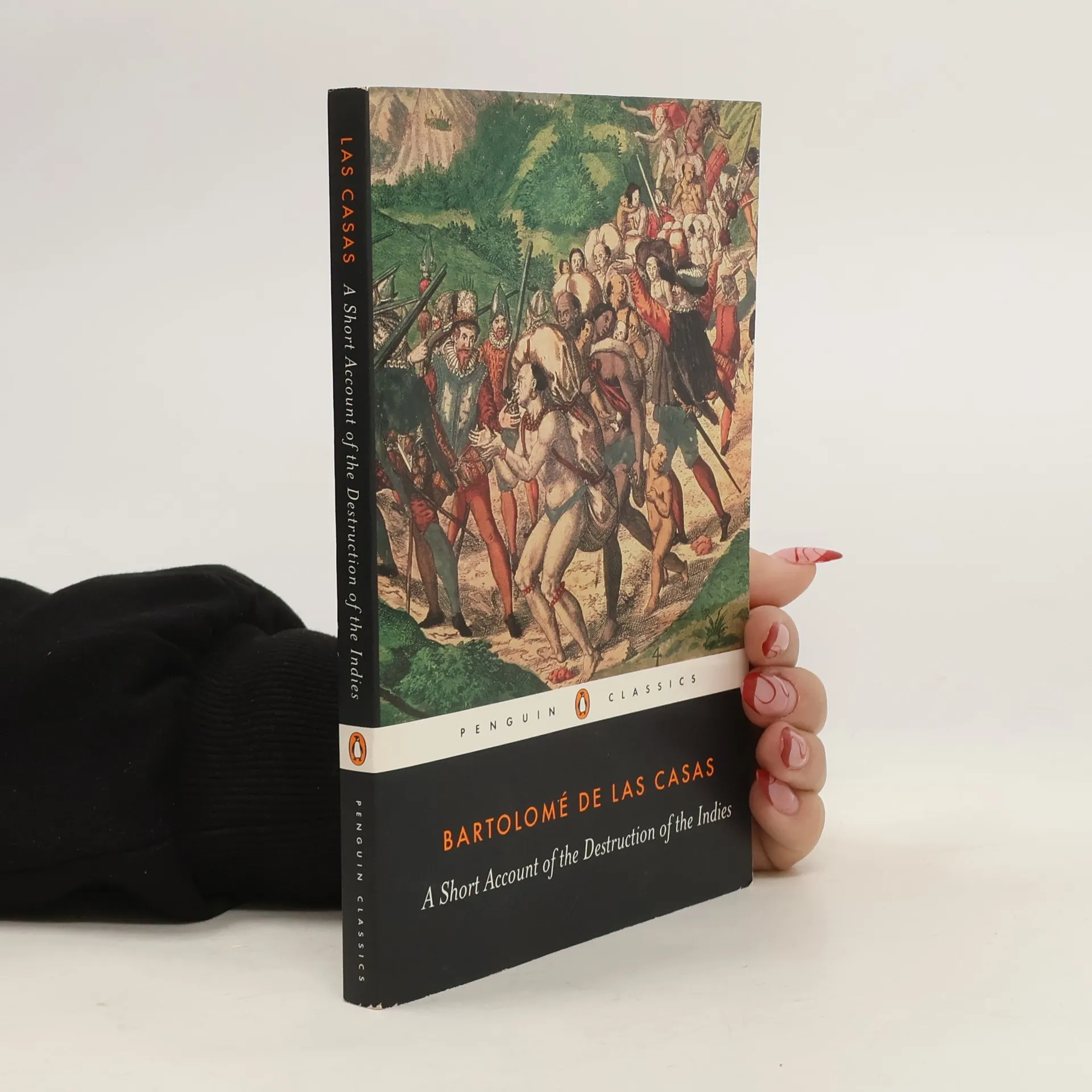
A catalogue of mass slaughter, torture and slavery, which showed that the
evangelizing vision of Columbus had descended under later conquistadors into
genocide. It demands that the Indians be entitled to the basic rights of
humankind.
Written by a Spanish historian and Dominican friar, this book gives a firsthand account of the Spanish conquest of the Americas and the treatment of indigenous peoples. A powerful and controversial work that still resonates today.
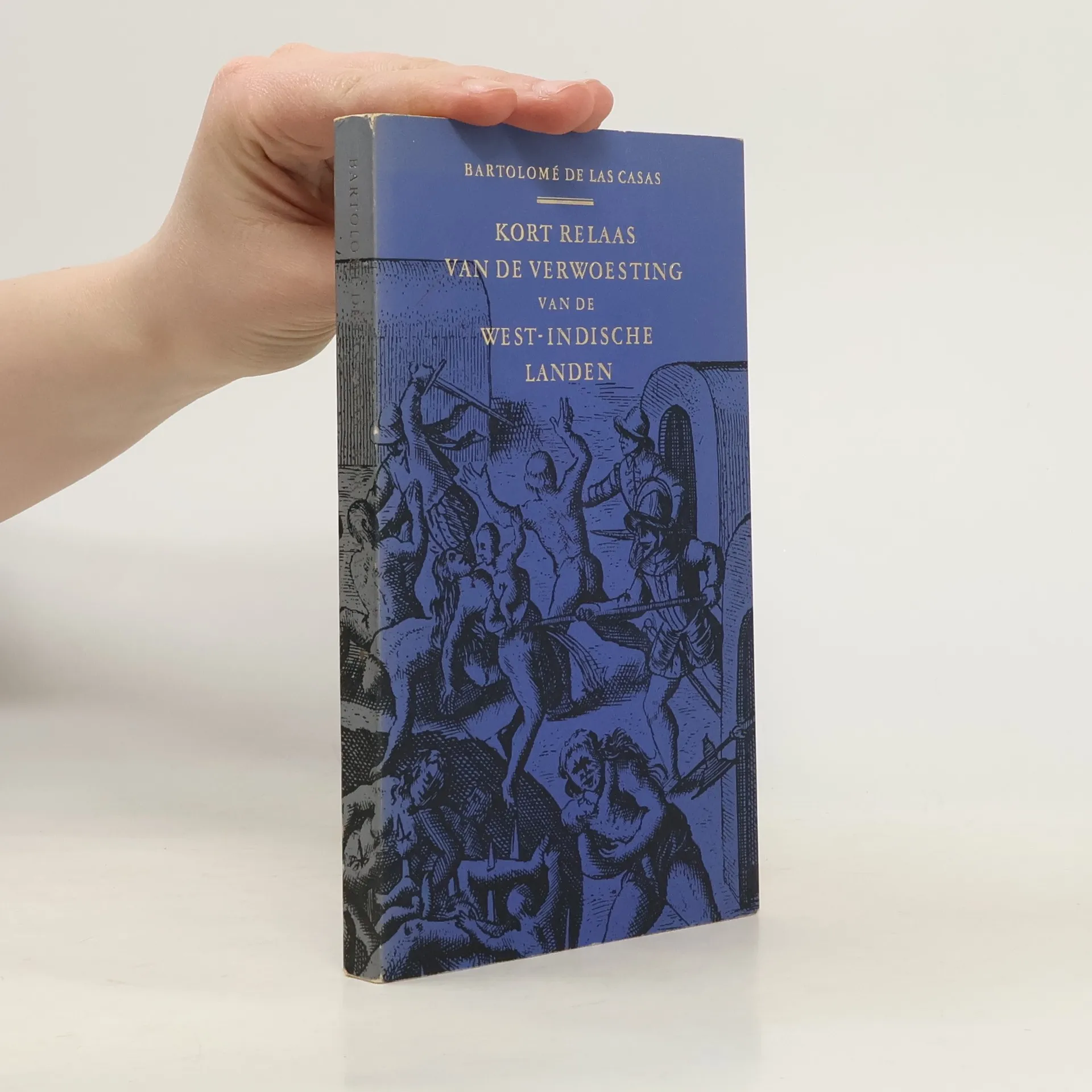
This work provides a detailed account of the initial voyages and discoveries by the Spaniards in America, highlighting their extreme cruelties towards the Indigenous population, resulting in the deaths of over forty million people. It includes proposals made to the King of Spain aimed at preventing further devastation in the West Indies. The text is part of a broader collection, Sabin Americana, which encompasses a wealth of materials related to the Americas from their discovery through the early 20th century. This collection features original narratives of exploration, westward expansion, military conflicts, and the experiences of Native Americans, alongside themes of slavery and religious history. Spanning over 400 years, it offers insights into the societal, political, and cultural dynamics of North, Central, and South America, as well as the Caribbean. The collection includes a variety of document types such as sermons, political tracts, newspapers, and maps. For the first time, high-quality digital scans of these original texts are available through print-on-demand, enhancing accessibility for libraries, students, scholars, and general readers.
Bartolomé de Las Casas championed the rights of the Indians in Mexico and Central America, challenging the belief that they were "beasts" meant for enslavement. In a dramatic 1550 debate with Juan Ginés de Sepúlveda, he argued passionately before a royal commission in Valladolid that native inhabitants should be recognized as fellow human beings, skilled in arts and crafts, and capable of learning. His classic treatise on the humanity of native peoples had significant implications for the Spanish Crown and the Church's policies on slavery in the New World. This emotionally charged defense explores just war, intercultural relationships, colonialism, and racism. Written near the end of his career as "Protector of the Indians," it encapsulates the teachings of his life. Now available in paperback for the first time, with a new foreword by Martin E. Marty, this enduring work remains relevant in the twenty-first century. Skillfully translated from Latin by the Reverend Stafford Poole, it serves as an eloquent plea for human freedom, appealing to scholars interested in the Americas' founding and the New World's development.
Die Brevísima relación de la destrucción de las Indias ist ein Buch, das 1552 von dem spanischen Dominikaner Bartolomé de las Casas veröffentlicht wurde, dem Hauptverteidiger der Indios in Amerika, in dem er die Auswirkungen der spanischen Kolonisierung der Neuen Welt auf die Ureinwohner anprangerte.
Les anges gardiens sont des êtres mystérieux difficiles à capter et à comprendre. Pourtant leur présence peut-être ressentie de tous. Il suffit de savoir comment intercepter leurs énergies afin de communiquer avec eux. Découvrez les facettes cachés des anges gardiens : d’où viennent-ils ? Comment trouver le vôtre ? Quels sont leurs moyens de communication avec les humains ?Le guide complet des anges retrace leur histoire et leurs légendes à travers le temps et répond à toutes vos interrogations.