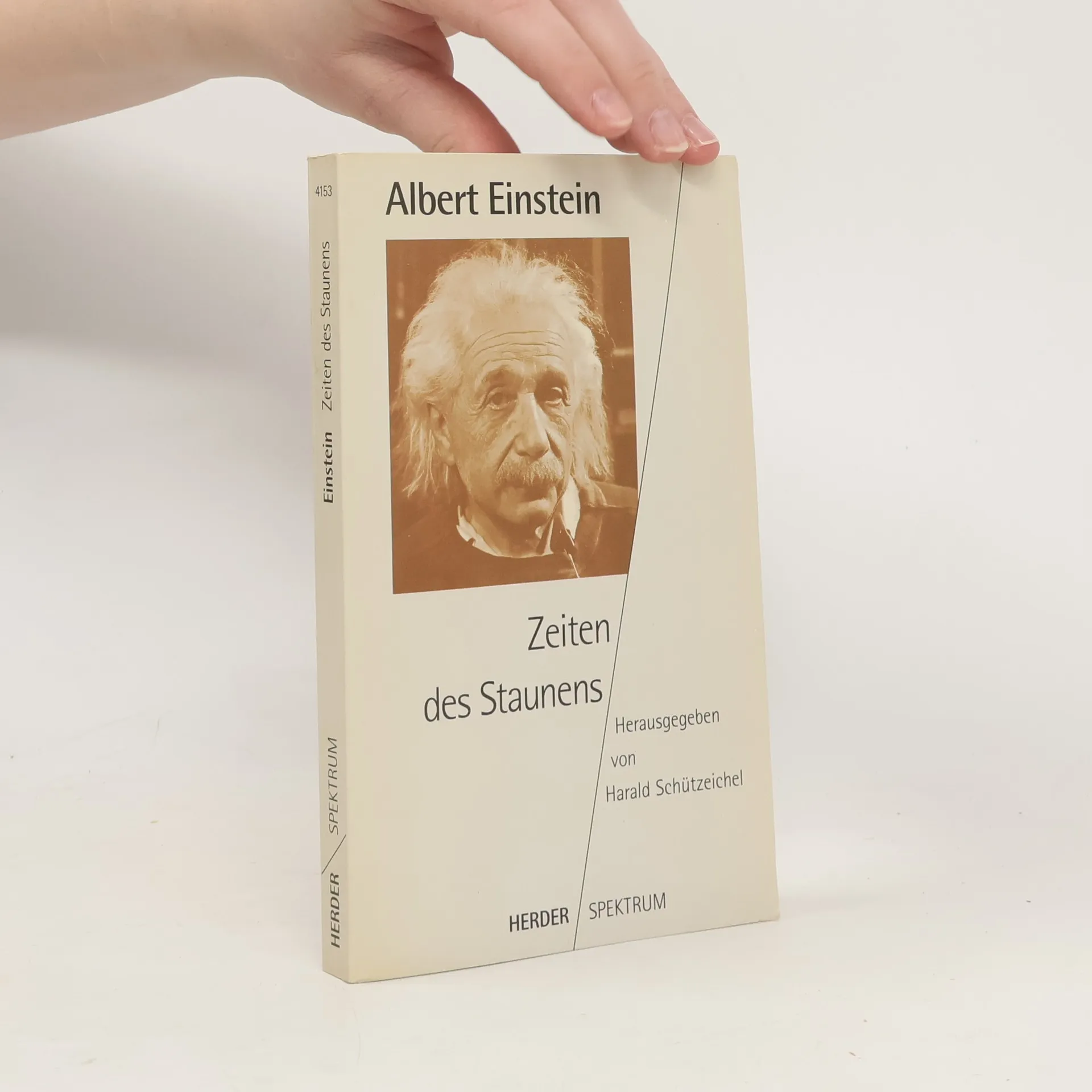
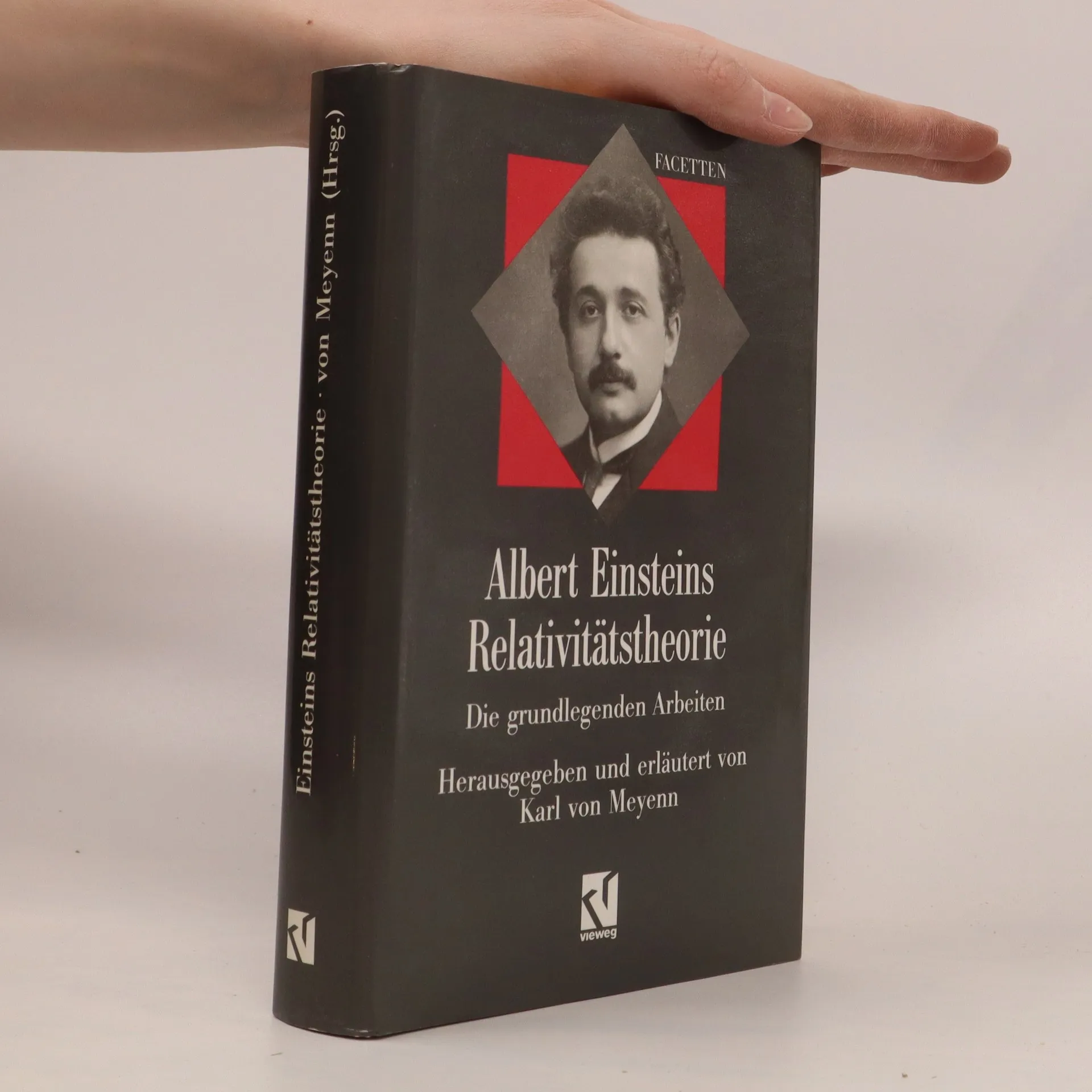
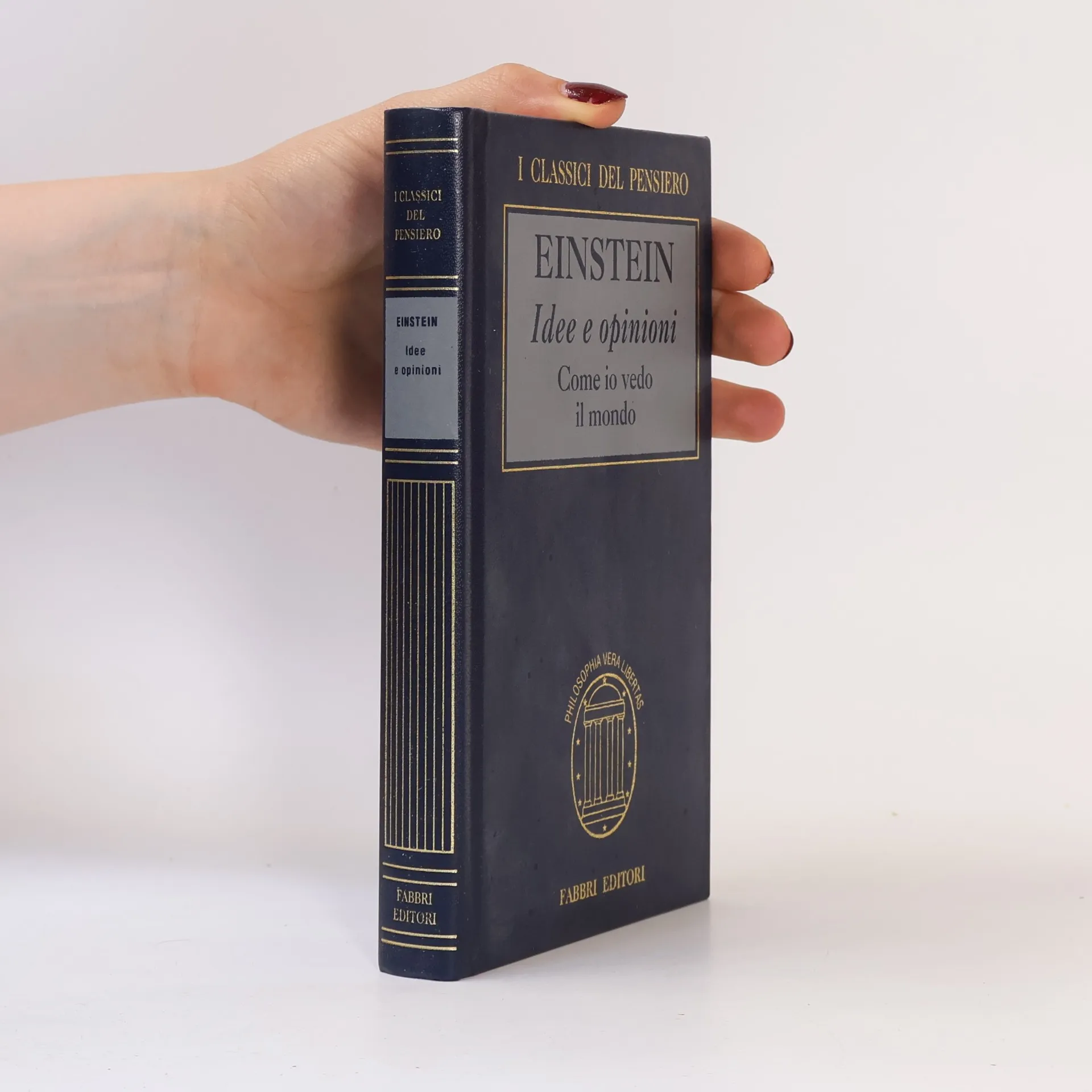
Albert Einstein was a theoretical physicist whose work on relativity fundamentally altered our understanding of space, time, gravity, and the universe. His iconic mass-energy equivalence formula, E=mc², remains one of the most recognizable scientific equations globally. He was awarded the Nobel Prize for his contributions to theoretical physics, particularly for his explanation of the photoelectric effect, which was pivotal in establishing quantum theory. Beyond his scientific breakthroughs, Einstein was a staunch advocate for peace and social justice, notably warning about the dangers of nuclear weapons. His name has become synonymous with genius.
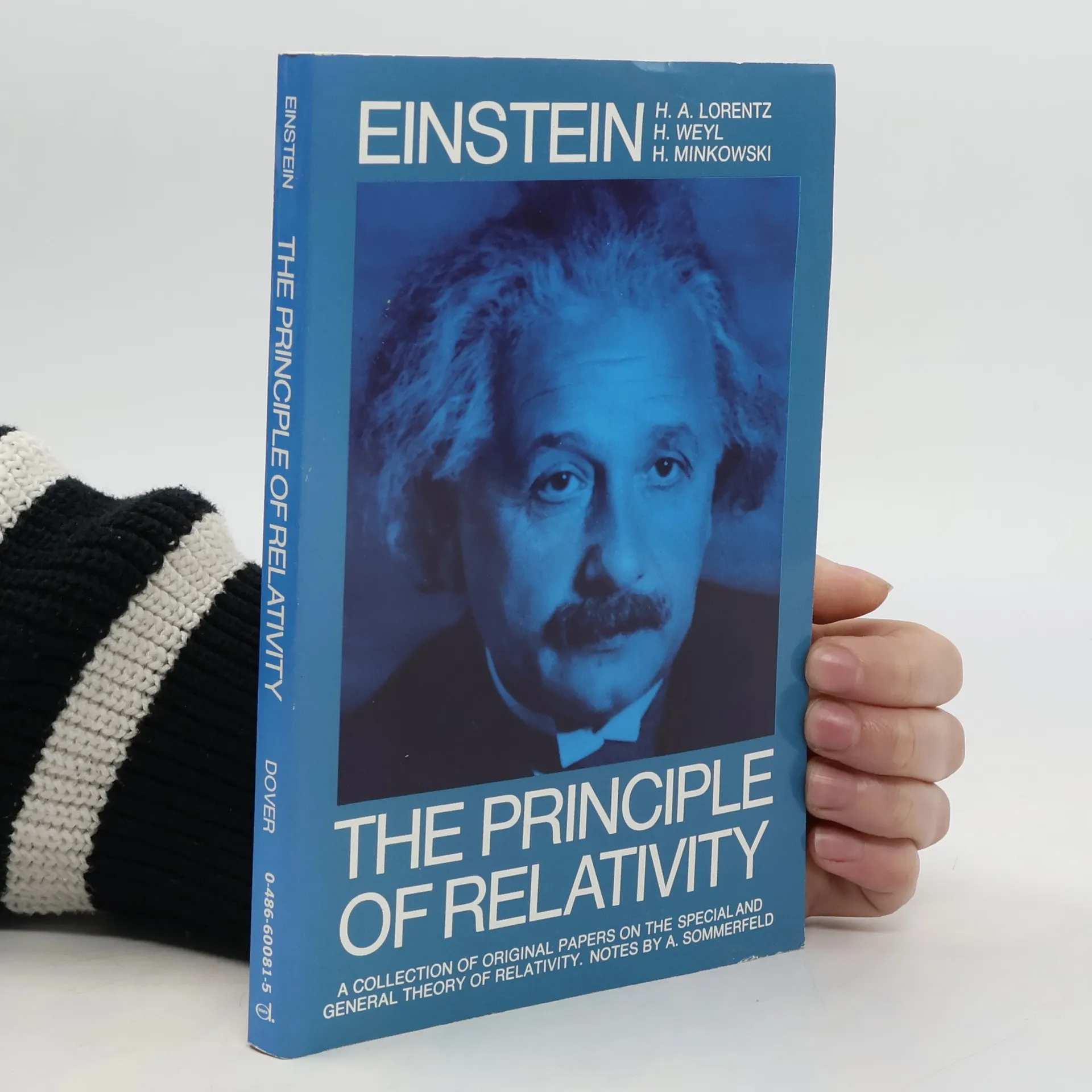
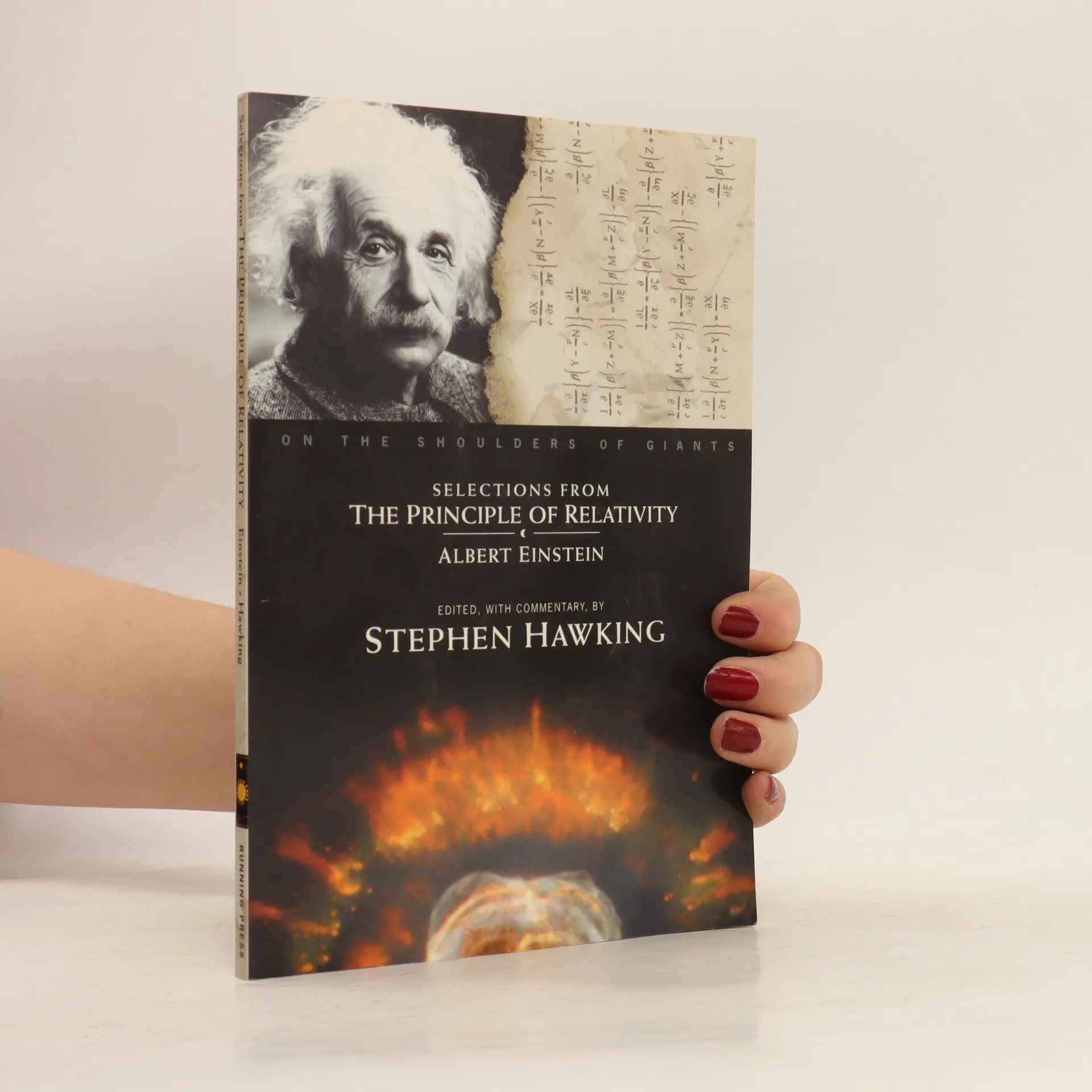
Einstein’s essay, On the Electrodynamics of Moving Bodies, introduces his famous “principle of relativity,” one of the twentieth century’s most revolutionary concepts. In his introduction to this seminal work, the renowned physicist Stephen Hawking cuts through Einstein’s mathematical complexities to explain this revolutionary concept in language that excites and informs the reader. This book features selections from a translation of the original essay, The Principle of Relativity, as well as an insightful biography of Einstein and Hawking’s informative summary.
This collection of original papers on the special and general theories of relativity is an unabridged translation of the 4th edition of Das Relativitatsprinzip, together with a revised edition of an additional paper by H.A. Lorentz.
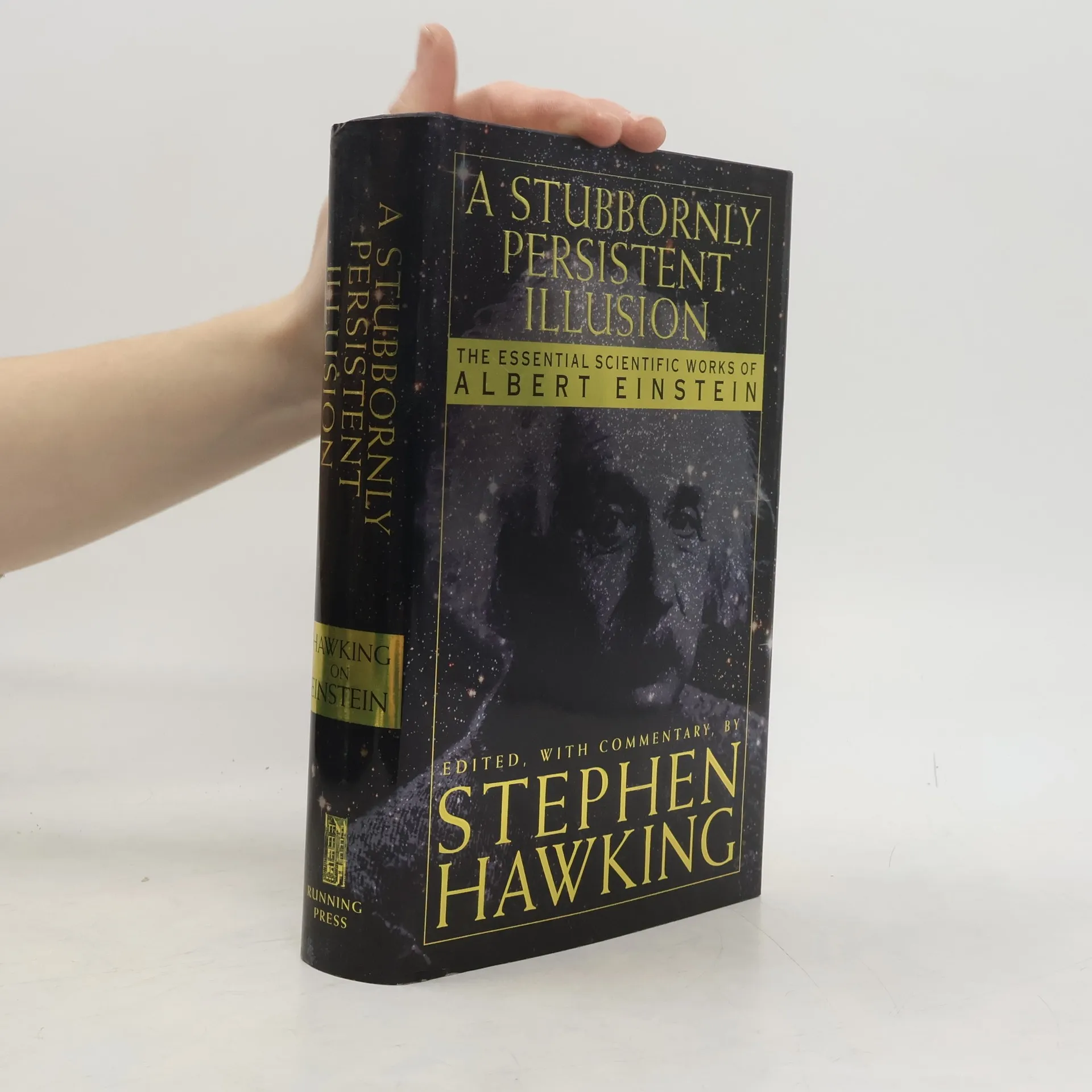
Best-selling author and physicist Stephen Hawking assembles the most groundbreaking works by Albert Einstein together into one volume. From the text that revealed the famous “Theory of Relativity”-renowned as the most important scientific discovery of the 20th Century-to his significant works on quantum theory, statistical mechanics, and the photoelectric effect, here are the writings that changed physics, and subsequently, the way we view the world. Einstein also thought deeply on both political issues and religious thought, so many of Einstein’s philosophical essays are included. Hawking provides introductions to each work, which provides both historical and scientific perspective. From the papers that shaped modern scientific thought to Einstein’s later musings on his landmark findings, A Stubbornly Persistent Illusion is a collection of Einstein’s most important work, with commentary from our greatest living physicist.
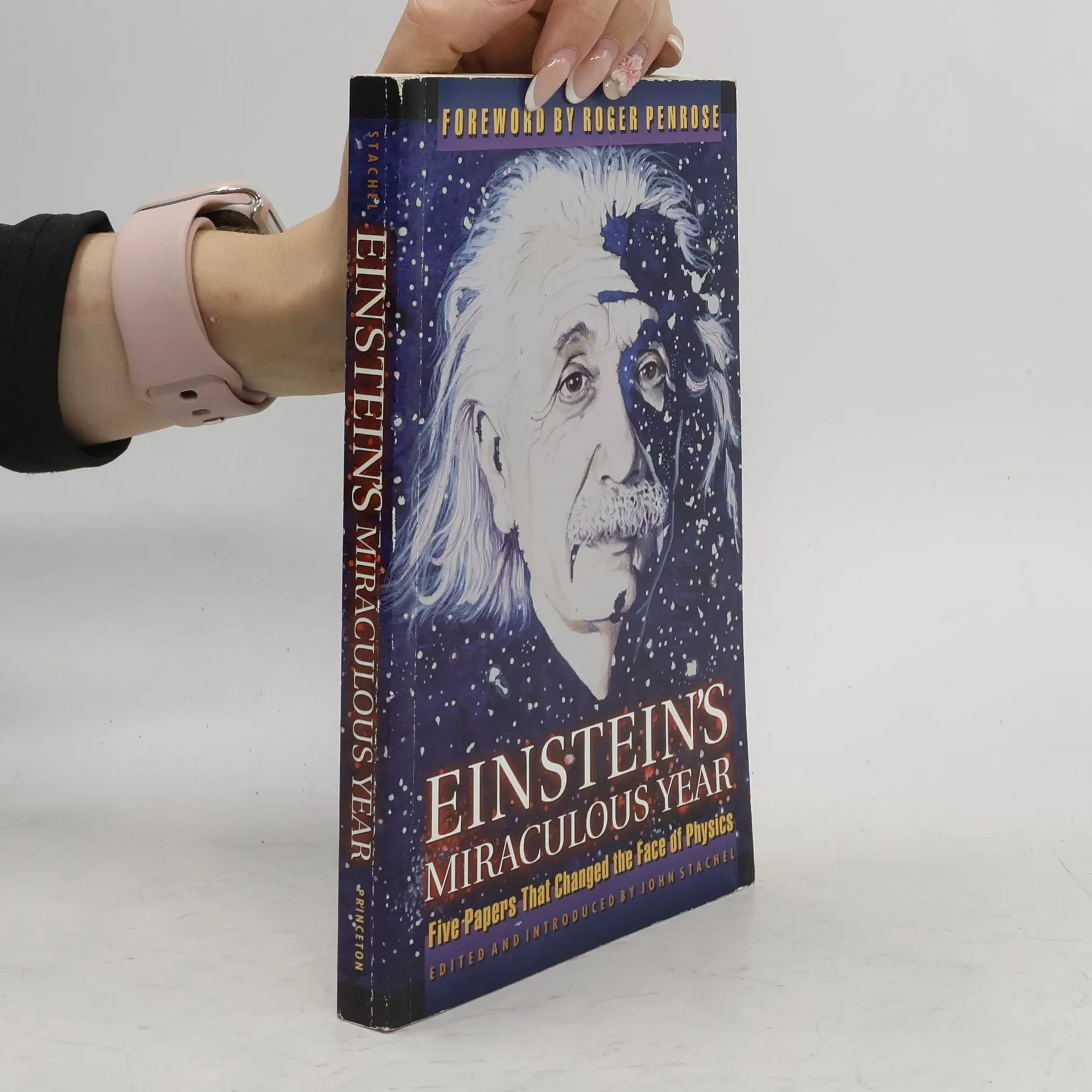
The year 1905 is referred to as Einstein's "miraculous year." With five publications, the then 26-year-old patent examiner revolutionized the classical physics worldview. The formulation of the special theory of relativity (E = mc²) and the advancement of quantum theory established him as one of the most significant scientists and thinkers of all time.
s/t: A Clear Explanation that Anyone Can Understand How better to learn the Special Theory of Relativity and the General Theory of Relativity than directly from their creator, Albert Einstein himself? In Relativity: The Special and the General Theory, Einstein describes the theories that made him famous, illuminating his case with numerous examples and a smattering of math (nothing more complex than high-school algebra). Einstein's book is not casual reading, but for those who appreciate his work without diving into the arcana of theoretical physics, Relativity will prove a stimulating read.
IDEAS AND OPINIONS contains essays by eminent scientist Albert Einstein on subjects ranging from atomic energy, relativity, and religion to human rights, government, and economics. Previously published articles, speeches, and letters are gathered here to create a fascinating collection of meditations by one of the world's greatest minds.
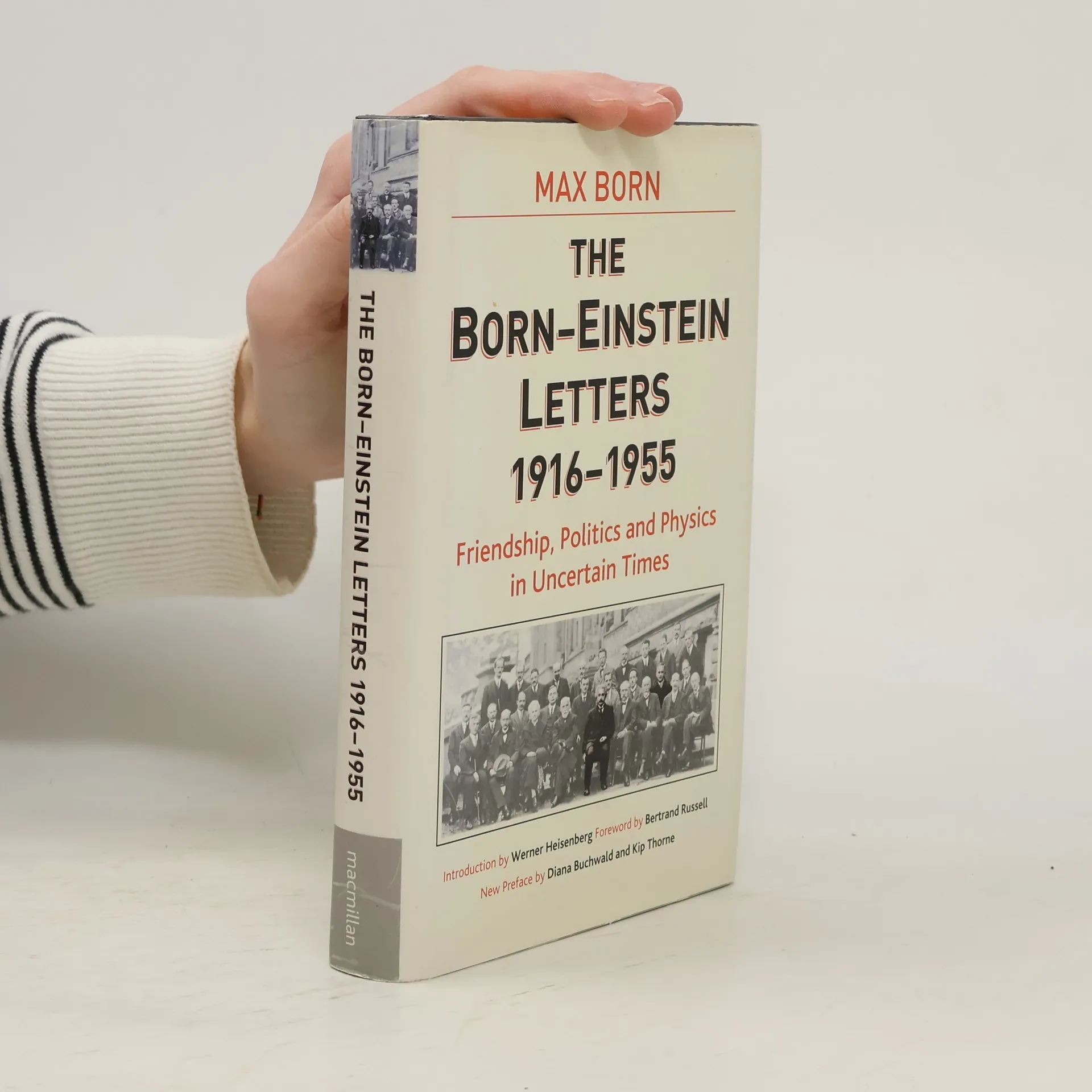
Friendship, Politics and Physics in Uncertain Times
235 pages
9 hours of reading
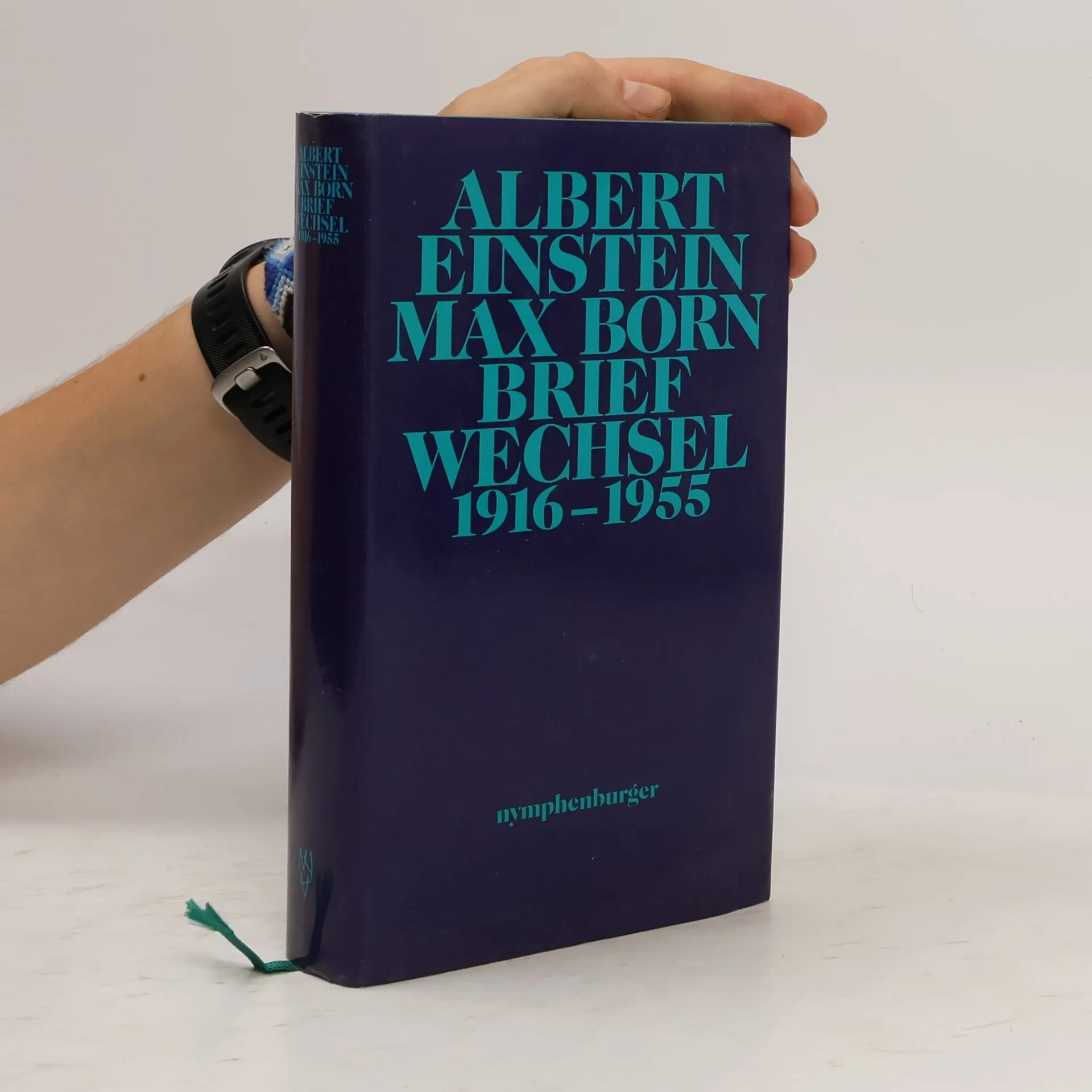
Albert Einstein and Max Born were great friends. Their letters span 40 years and two world wars. In them they argue about quantum theory, agree about Beethoven's heavenly violin and piano duets (that they played together when they met) and chat about their families. Equally important, the men commiserate over the tragic plight of European Jewry and discuss what part they should play in the tumultuous politics of the time. Fascinating historically, The Born-Einstein Letters is also highly topical: scientists continue to struggle with quantum physics, their role in wartime and the public's misunderstanding. First published by Macmillan in 1971, this book is re-issued, with a substantial new preface by leading US physicists Kip Thorne and Diana Buchwald, as part of 2005's Relativity Centenary celebrations.
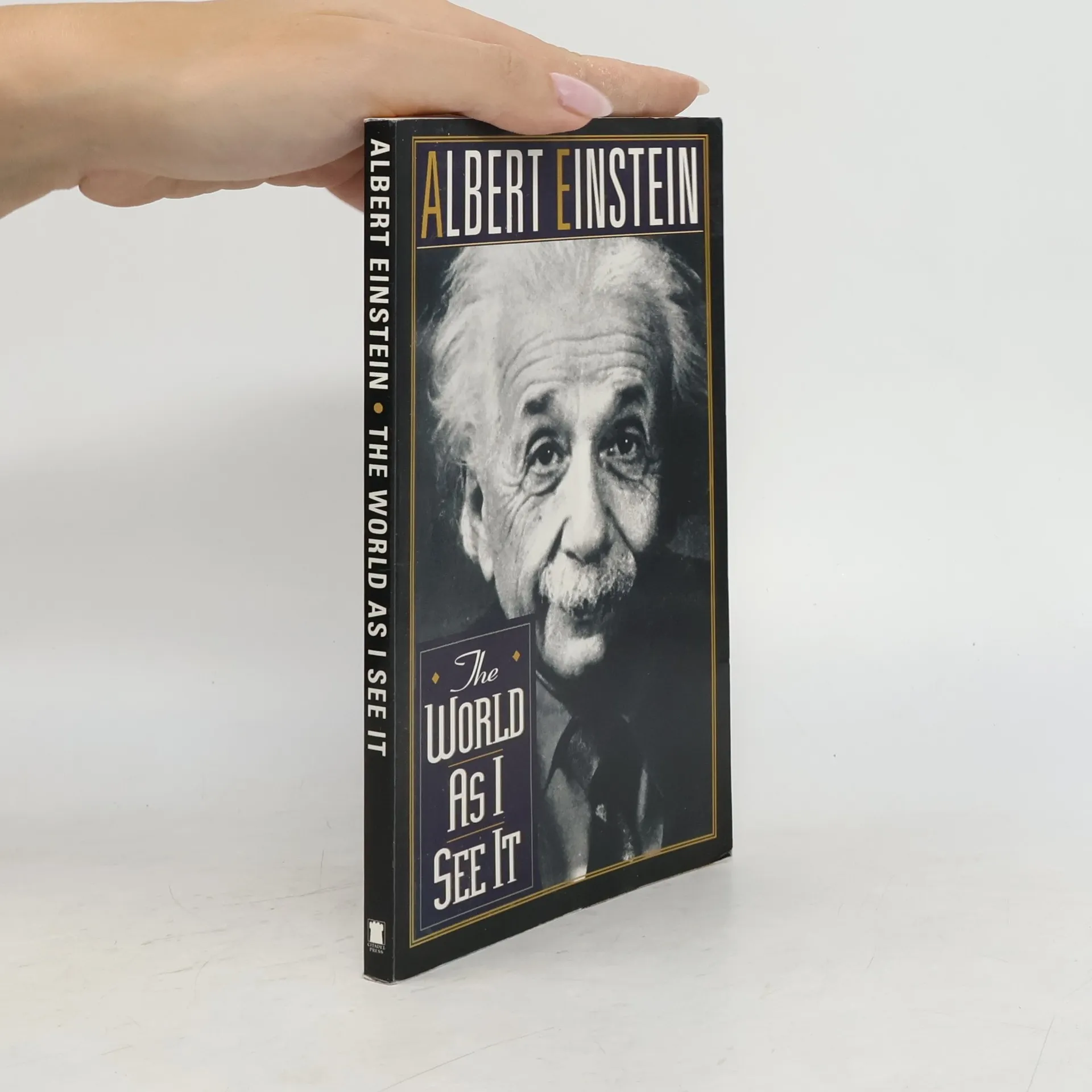
Draws from various sources to relate Albert Einstein's ethical and philosophical views on the cosmos, touching on such topics as God, prayer, wealth, peace, creativity, nature, imagination, and curiosity.
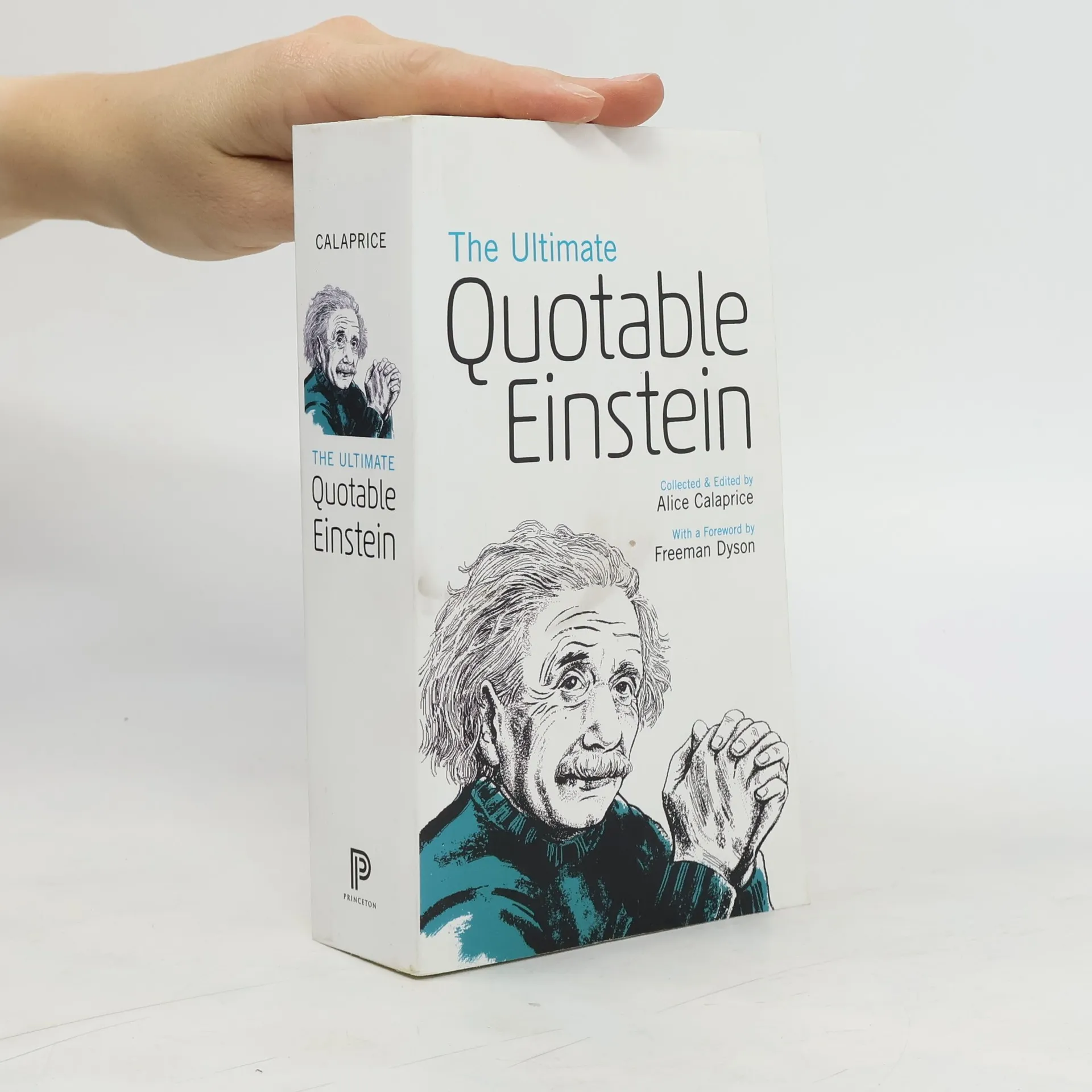
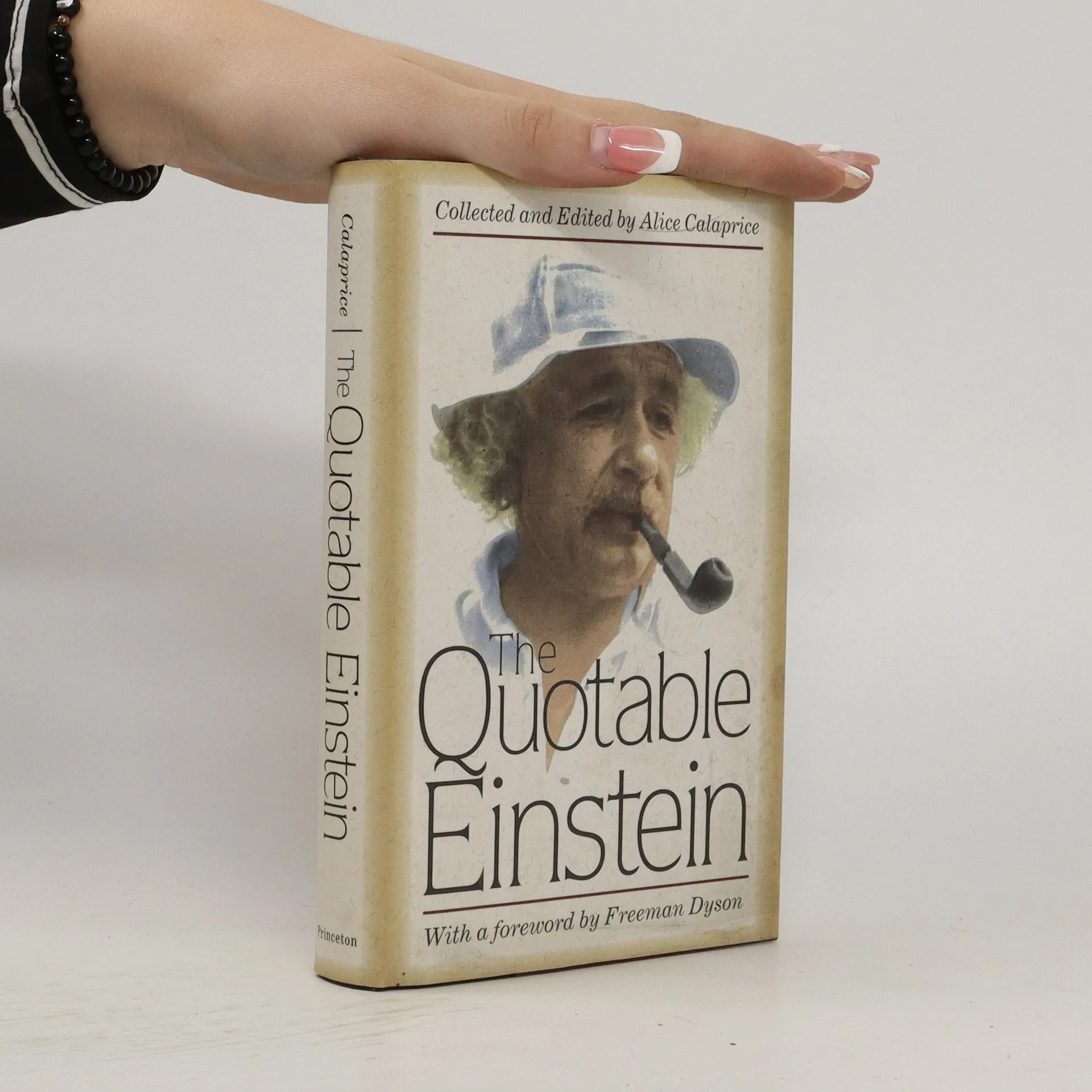
Offers a collection of Einstein quotations that has sold tens of thousands of
copies worldwide and been translated into twenty-five languages. This title
includes On and to Children, On Race and Prejudice, and Einstein's Verses: A
Small Selection - as well as a chronology of Einstein's life and
accomplishments.
Collects quotations by Einstein and arranges them thematically on such subjects as death, education, family, life, pacifism, religion, wealth, and wisdom
This volume of collected essays by Albert Einstein covers the period of his life between 1931 and 1950. Einstein did not belong to that group of scholars who live in the ivory tower of their research work oblivious of the world around them. On the contrary, he was always an astute and critical observer of the trends and needs of his time. This collection reflects the philosophical as well as political and social attitudes of its author, and we feel privileged to offer them to the public with hardly any editorial change-- a moving document of the workings of a conscientious, profound, and deeply humane mind.
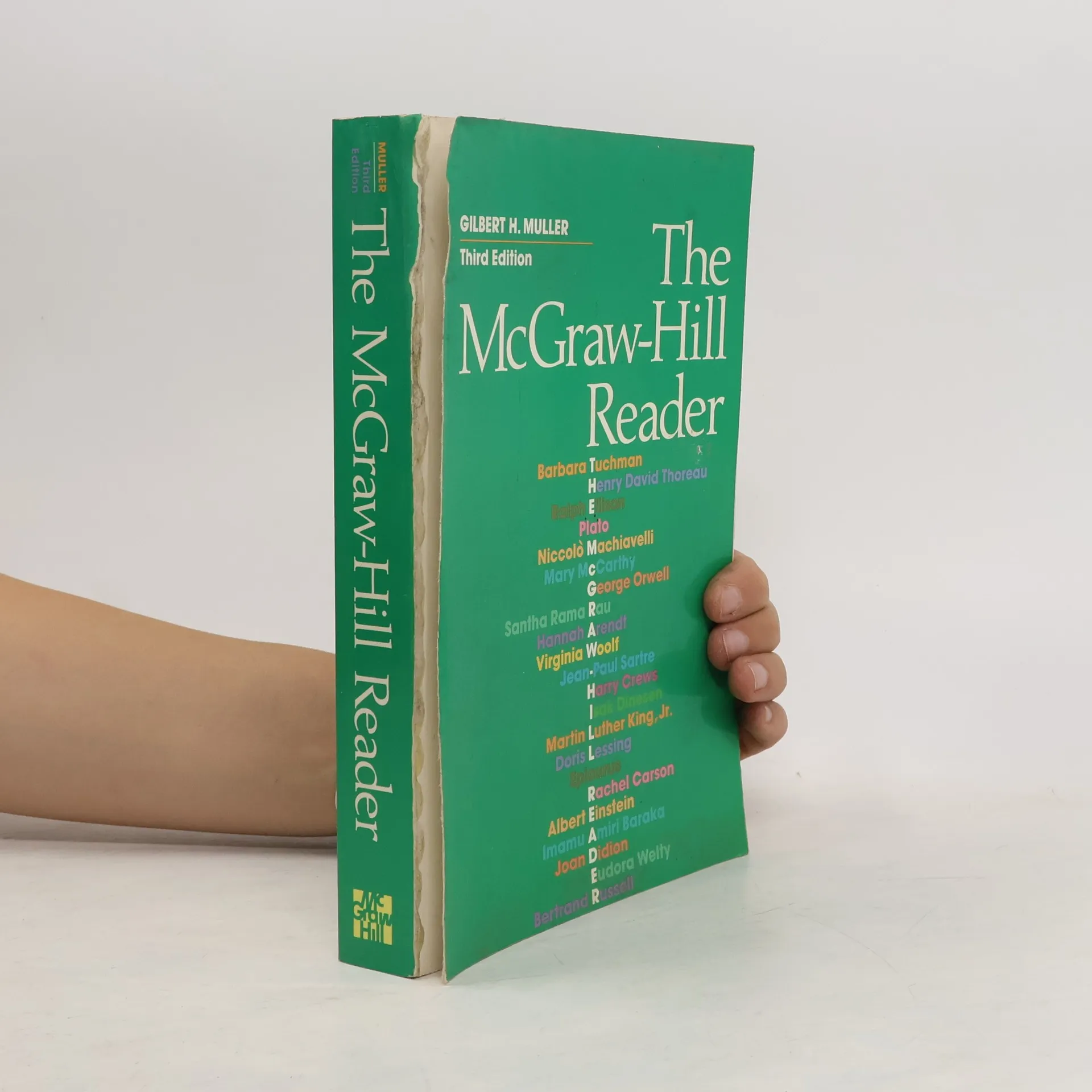
Approaching a liberal arts tradition in the classroom, across the curriculum, and beyond, The McGraw-Hill Reader offers rich and diverse readings in education, the social sciences, business and economics, the humanities, and the sciences. This new eleventh edition offers a new focus on reading and composing across various media; it includes over 100 selections from prominent thinkers and writers; each essay was chosen to provoke critical thought and encourage effective writing.
This work provides a unique insight into the life and contributions of Albert Einstein, one of the most influential figures in modern history. Featuring a selection of intriguing documents and photographs from his personal archives, it serves as a lens to explore the multifaceted character of this renowned scientist, humanist, and Jew. Many items are published for the first time, showcasing the complexity of Einstein's personality and the brilliance of his intellect. The Albert Einstein Archives, located at The Jewish National & University Library at The Hebrew University of Jerusalem, houses these invaluable papers. As a co-founder of The Hebrew University, Einstein's enduring connection to the institution is highlighted through his bequest of his literary estate and personal papers in his Last Will and Testament. The book delves into various aspects of Einstein's life, including his scientific achievements, political activities, and personal interests, while also addressing his Jewish identity and views on civil liberties. Through this exploration, readers gain a deeper understanding of Einstein's legacy and the myths surrounding him, alongside a timeline of his significant milestones and a bibliography for further study.
This unique anthology brings together material from 38 well-known writers, artists, and scientists who attempt to describe the process by which original ideas come to them. Contributors include Albert Einstein, Wolfgang Amadeus Mozart, Amy Lowell, Rudyard Kipling, Max Ernst, Katherine Anne Porter, Henry Miller, Carl Gustav Jung, Mary Wigman, Yasuo Kuniyoshi, Henri Poincaré and many others.
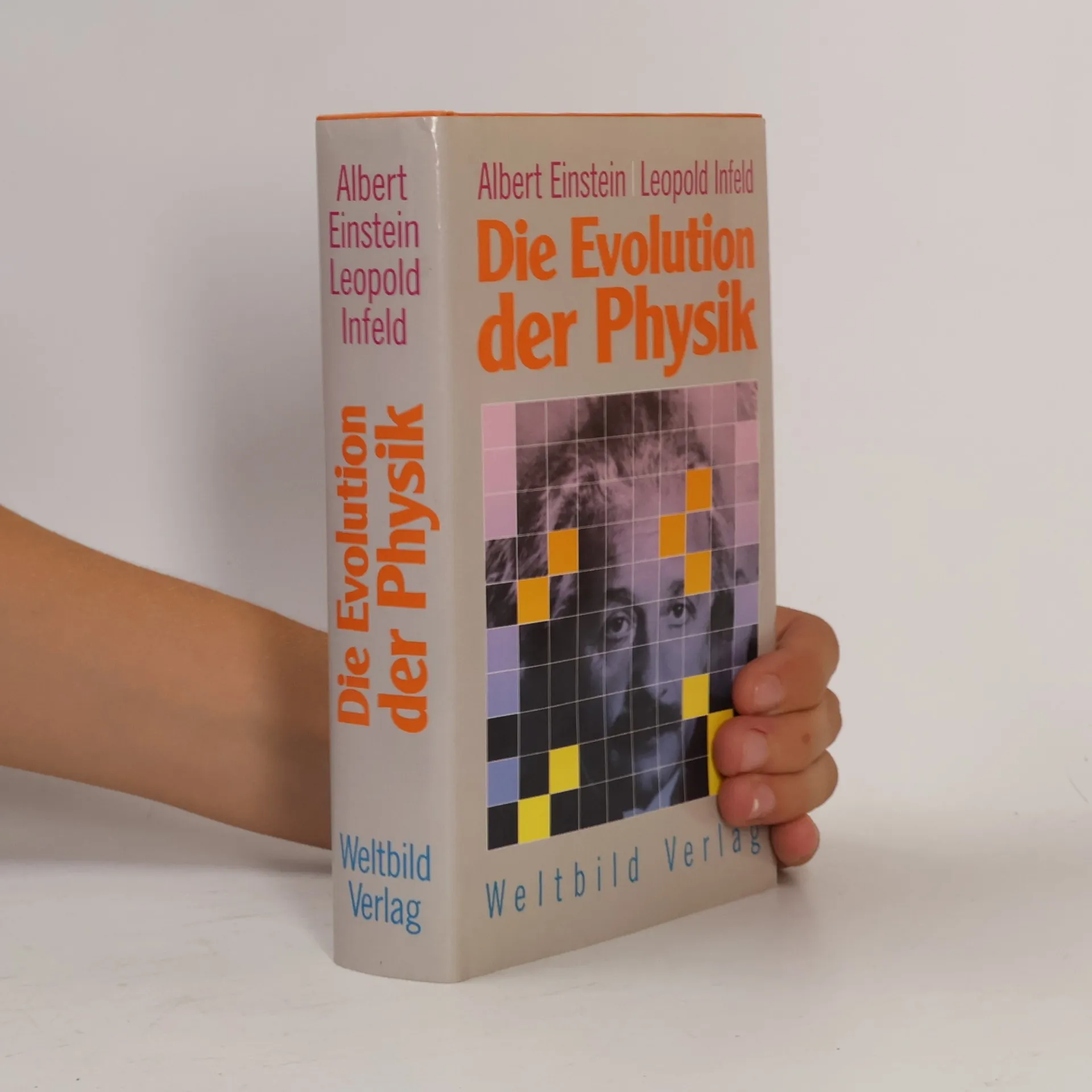
„Not macht erfinderisch. Manchmal ist die Erfindung ein Buch, und gelegentlich gerät das Buch zum Glücksfall, der aus einer Notlage hervorgegangen ist. Leopold Infeld, ein Mitarbeiter Albert Einsteins am Institute for Advanced Study in Princeton, stand 1937 ohne Geld da, weil ihm die Verlängerung seines bescheidenen Stipendiums verweigert worden war. Da beide ihre Zusammenarbeit unbedingt fortsetzen wollten, sollte der Lebensunterhalt für Infeld durch ein gemeinsames populäres Buch beschafft werden. Dieses Vorhaben gelang glänzend, und zwar in jeder Hinsicht.“ (Albrecht Fölsing)
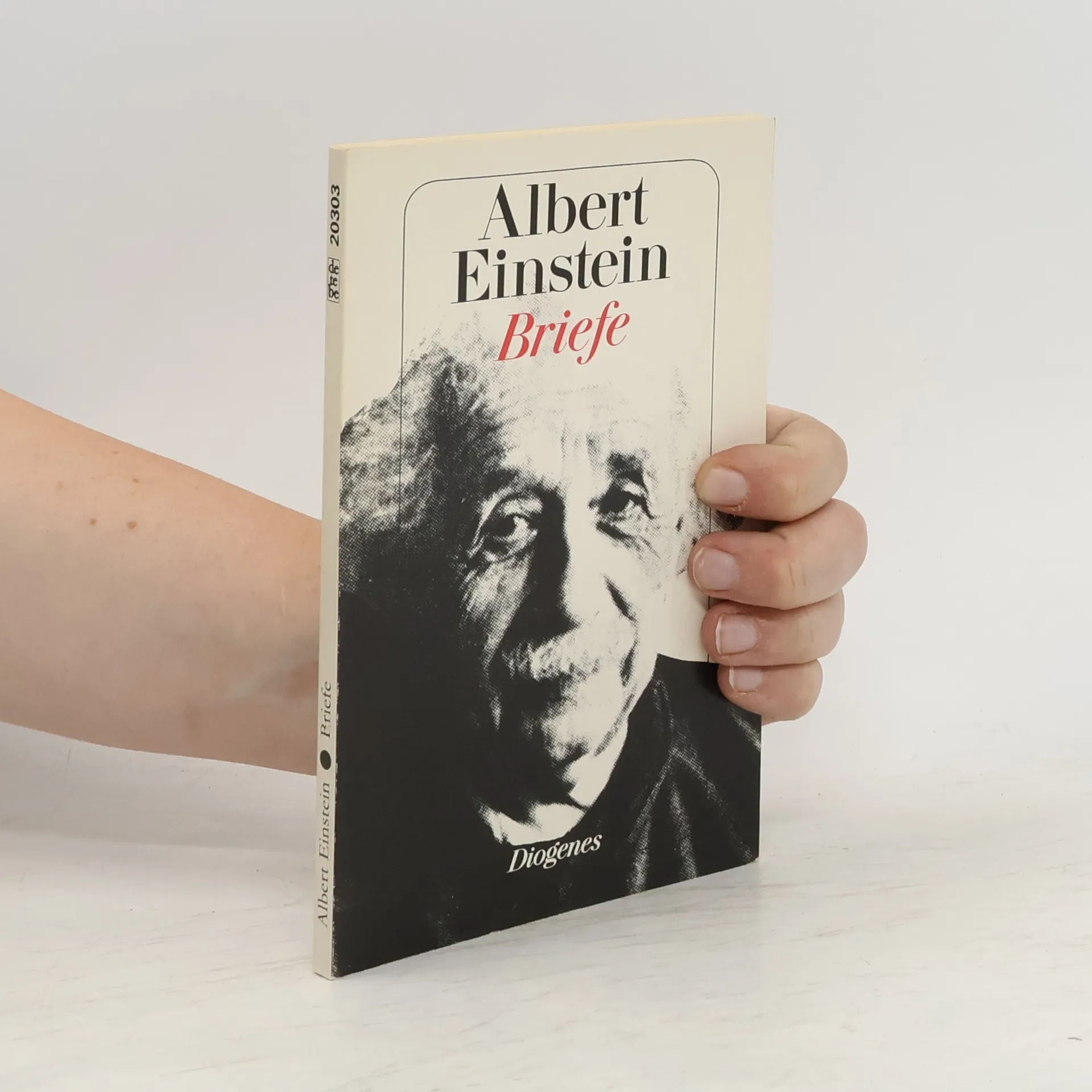
Albert Einstein war nicht nur der größte Wissenschaftler seiner Zeit, sondern auch der berühmteste. Mehr noch: er beantwortete Briefe. Und diese Kombination macht das vorliegende Buch möglich. Es ist keine Biografie und erklärt nicht Einsteins Ideen. Es hat keine Kapitel, keine Inhaltsübersicht, kein Register und, auf den ersten Blick, keinen zugrundeliegenden Plan und keine Gliederung. Es besteht zum größten Teil aus Zitaten aus bisher unveröffentlichten Briefen und Zeugnissen, die Einstein ohne Gedanken an eine Publikation schrieb. Dennoch sind sie wunderbar lesbar, unterhaltsam und eindrücklich und zeigen Einstein neben dem Wissenschaftler und Menschen als grandiosen Briefeschreiber, der selbstironisch meinte: »Wenn alle Leute so lebten wie ich, wahrlich, die Romanschriftstellerei wäre dann niemals auf die Welt gekommen.«
Eine klassische Sammlung von Korrespondenz zwischen zwei Nobelpreisträgern, die Born-Einstein-Briefe, ist auch hochaktuell: Wissenschaftler kämpfen weiterhin mit der Quantenphysik, ihrer Rolle im Krieg und dem Missverständnis der Öffentlichkeit.
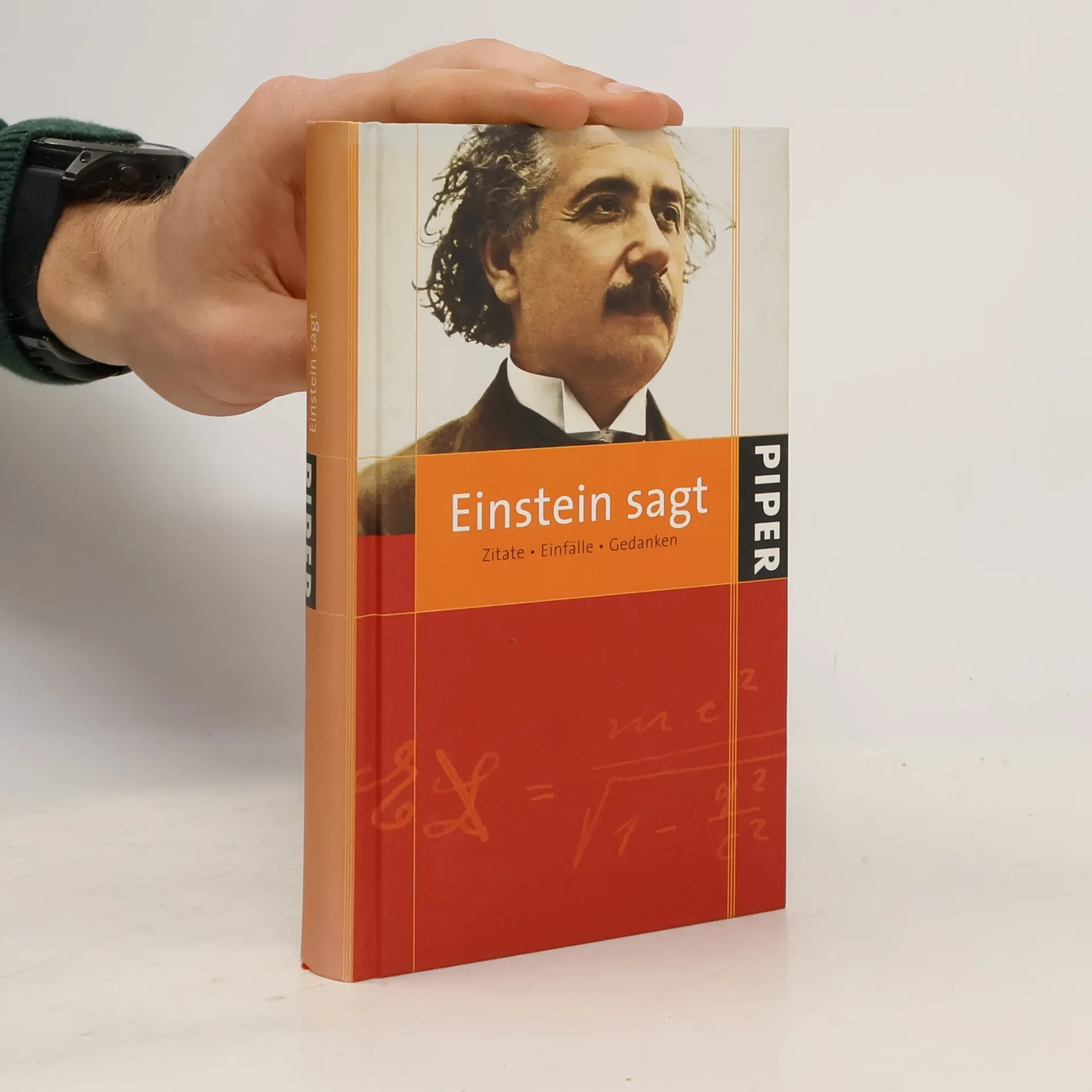
Mit Einstein ist es wie mit Goethe: Wer ihn zitiert, liegt richtig. Dieses Buch bietet Albert Einstein im Originalton – und eine Fülle von »geflügelten Worten« und Stoßseufzern, Bonmots und Denkanstößen aus der Feder und aus dem Herzen des Jahrhundertgenies.
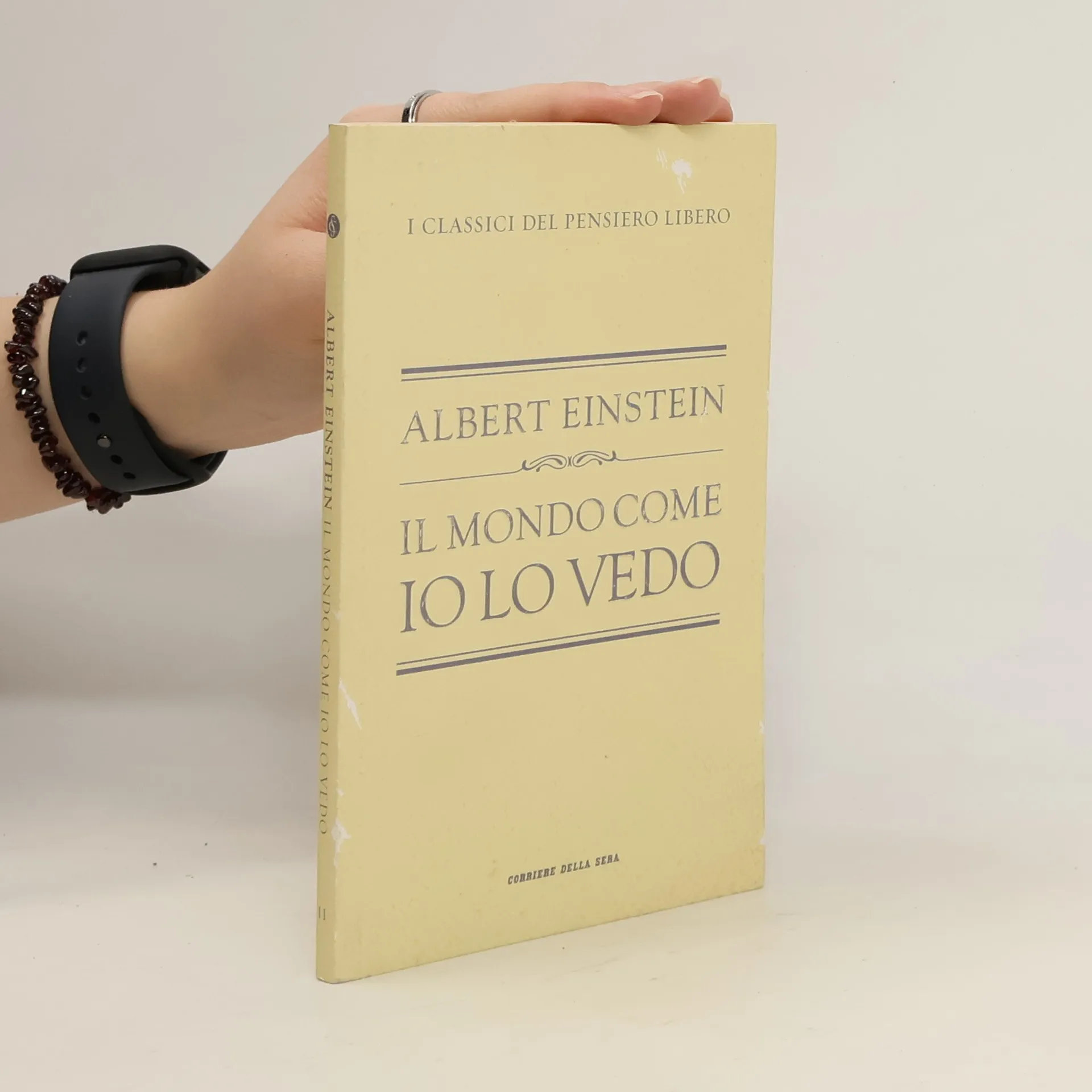
Il significato della relatività illustra i concetti fondamentali e i procedimenti matematici della teoria. Fu pubblicato in Germania nel 1922. Oltre al testo originale, si riproducono qui l’appendice del 1945 e l’ultimo scritto scientifico di Einstein, cioè la seconda appendice uscita postuma nel 1956. Il mondo come io lo vedo costituisce la prima raccolta di lettere e articoli non scientifici di Einstein, pubblicata in Germania nel 1934 e subito tradotta in inglese. L’antologia raccoglie gli interventi dello scienziato su temi cruciali: il rapporto tra scienza e religione, l’asservimento del mondo scientifico tedesco ai dettami di Hitler, il femminismo, il sionismo e l’ebraismo. Ne emerge la figura pubblica di un uomo di scienza che, con ironia e spirito critico, volle esprimere il proprio impegno civile su tutti i fronti.
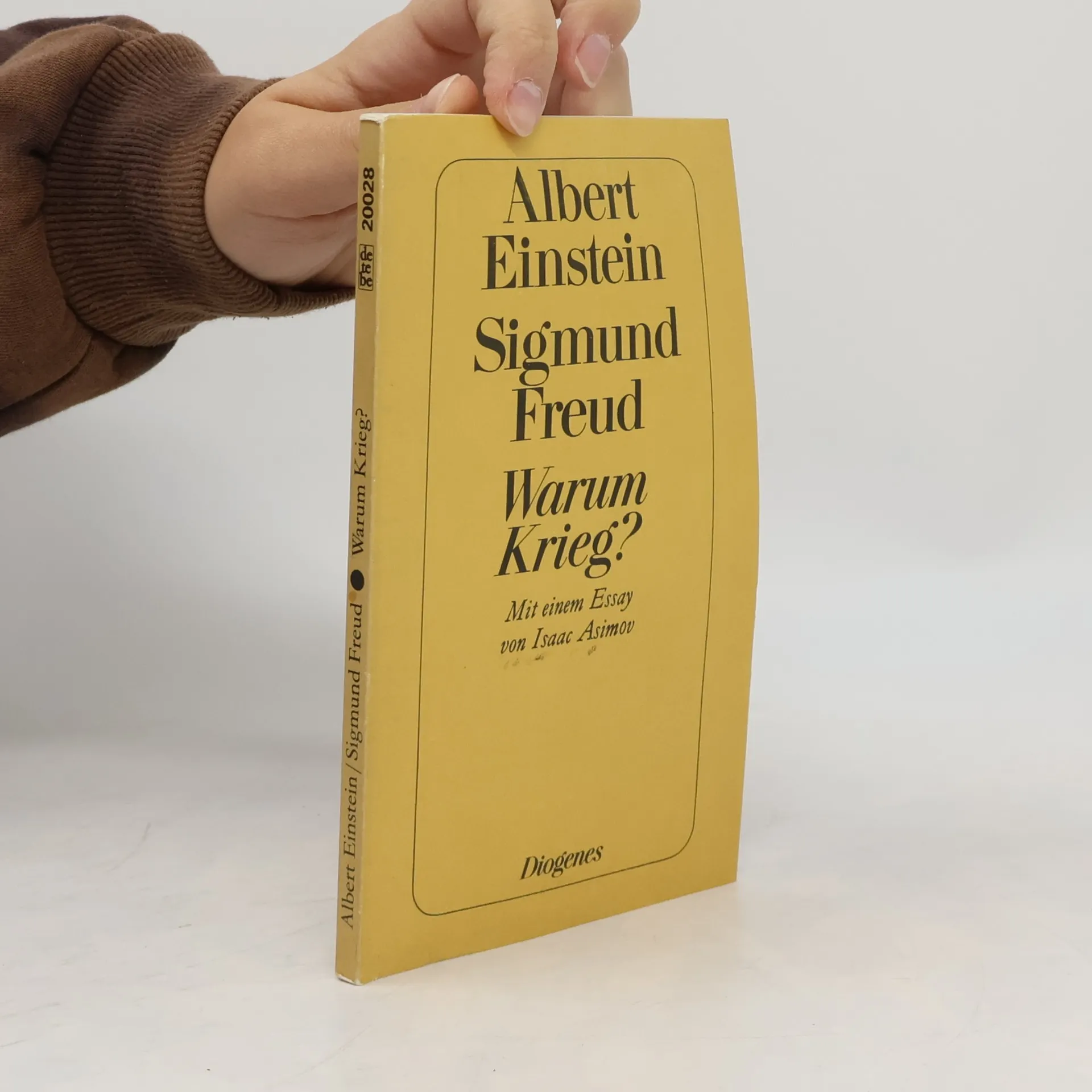
»Wenn Veränderungen nicht schneller als bis zum Jahre 2000 eintreten, wird die Menschheit ihrer Auslöschung entgegensehen... Was früher noch Diskussionsthema war, ist bei Isaac Asimov zum Rechenexempel geworden. Vor 40 Jahren zog Sigmund Freud bittere Bilanz, als der Völkerbund die beiden grössten naturwissenschaftlichen Genies des 20. Jahrhunderts fragte: Warum Krieg? Diese Antworten erschienen 1933 in einer bibliophilen Ausgabe von 2000 Exemplaren; weiteren Bedarf hatte das deutsche Reich nicht anzumelden.«
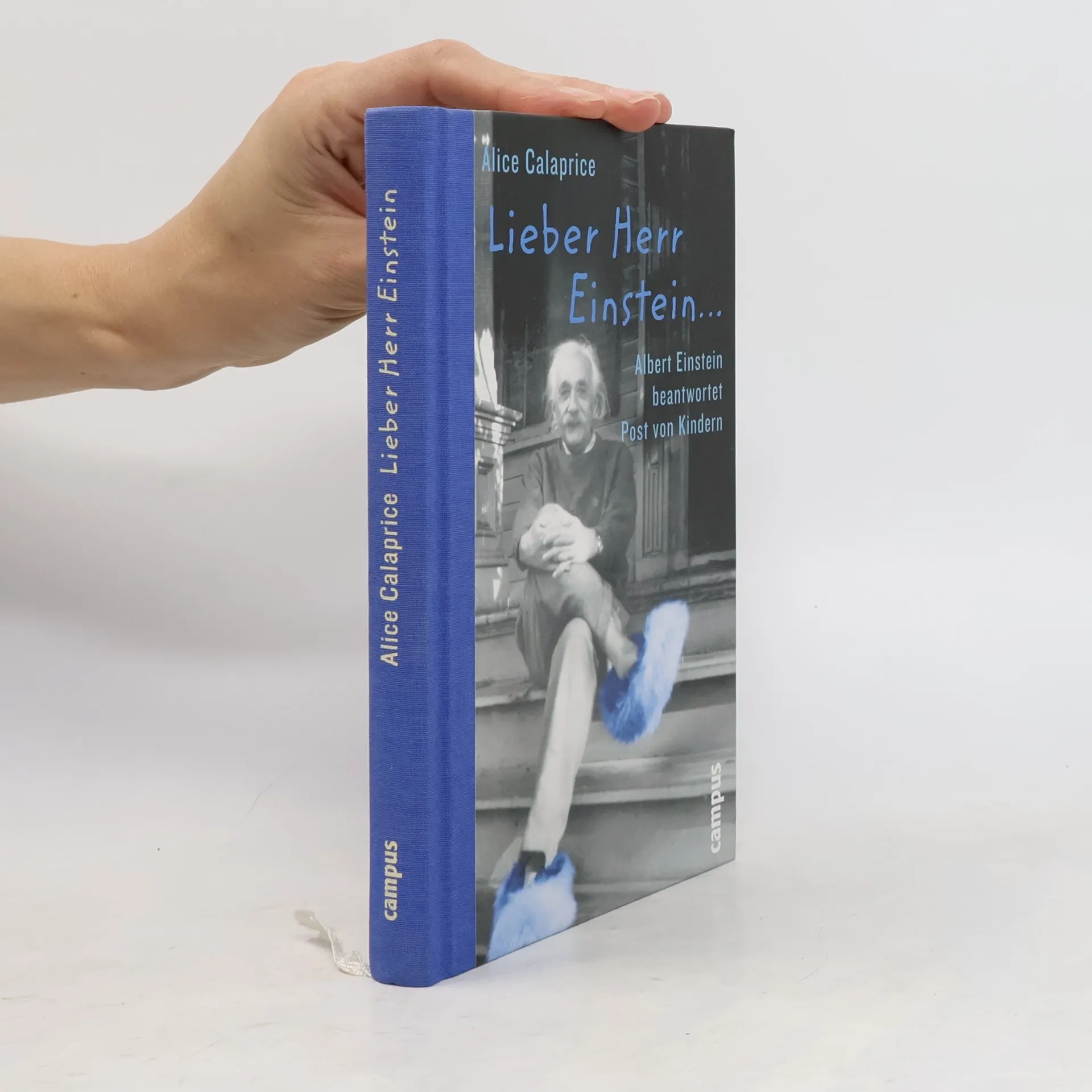
»Lange Haare, ein bescheidenes Bäuchlein, aber keine Warzen oder krummen Beine«, so beschrieb sich Einstein selbst in einem Brief an ein Mädchen in Stuttgart, zum Trost, weil es ihn nicht persönlich sehen konnte. Einstein liebte Kinder – und die Kinder liebten ihn und seinen Humor. Diese wunderschönen, anrührenden und witzigen Briefe zeigen das Genie von einer sehr persönlichen Seite. Alice Calaprice, die über 20 Jahre lang die Edition der Gesamtausgabe des Werks von Albert Einstein betreute, ergänzt diese einmalige Sammlung mit zahlreichen Fotos. Daneben verrät sie kleinen wie großen Lesern Wissenswertes und persönliche Details aus dem Leben des großen Physikers.
Als die Liebesbriefe von Albert Einstein und seiner ersten Frau gefunden wurden, war das eine Sensation: erstmals ein Blick in die Gefühlswelt des genialen Physikers. Die Liebesbriefe, die 1897 beginnen, zeigen Einstein als verliebten jungen Mann, seine Studienkollegin Mileva als starke, unabhängige Persönlichkeit. Erst durch diese Briefe erfuhr die Welt von ihrer gemeinsamen Tochter, deren Schicksal bis heute unbekannt ist.
Eine klassische Sammlung von Korrespondenz zwischen zwei Nobelpreisträgern, die Born-Einstein-Briefe, ist auch hochaktuell: Wissenschaftler kämpfen weiterhin mit der Quantenphysik, ihrer Rolle in Kriegszeiten und dem Missverständnis der Öffentlichkeit.
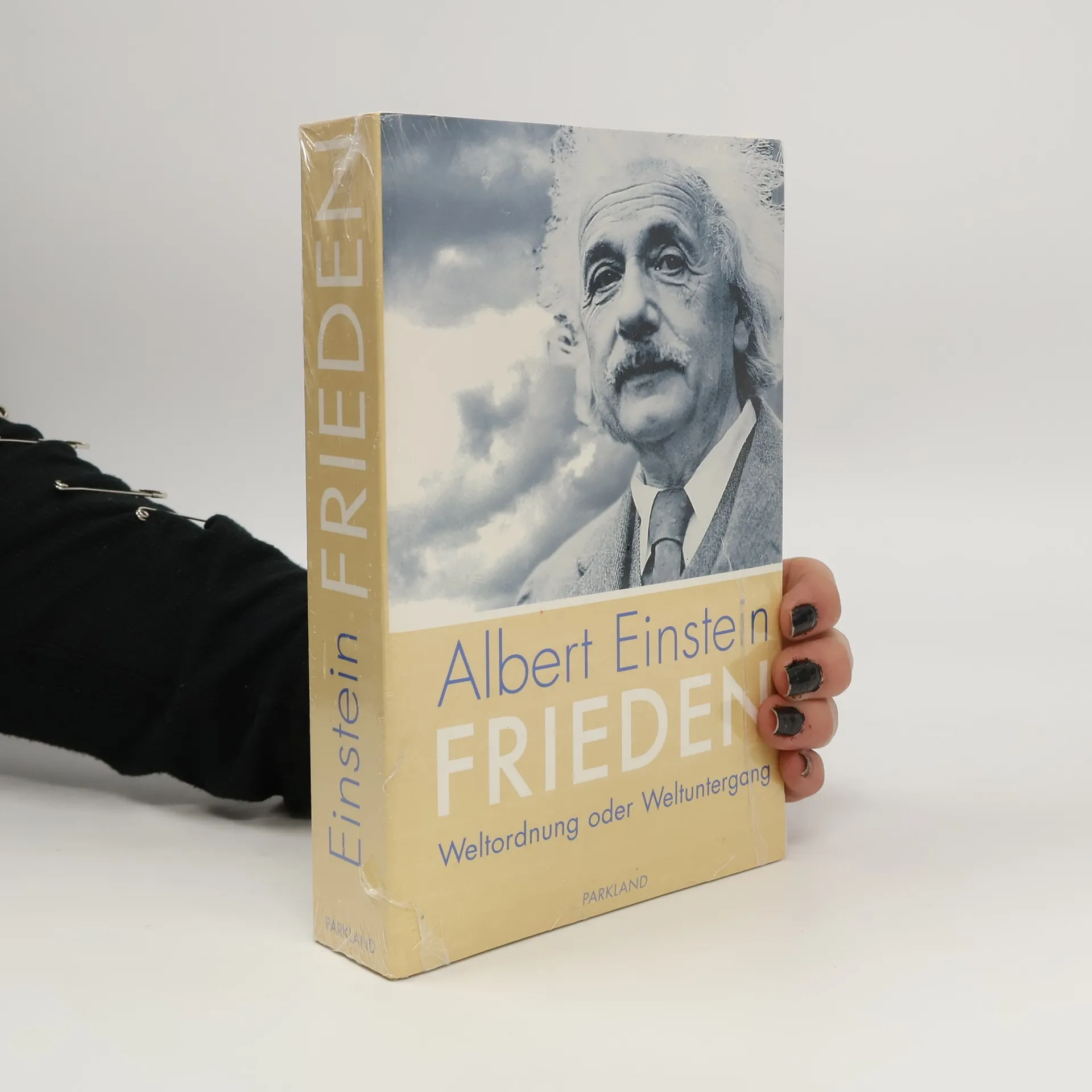
„Über den Frieden“ vereinigt alle Schriften, Reden und Briefe Albert Einsteins über Krieg und Frieden. Es enthält viele bedeutende, historische Dokumente, wie den berühmten Briefwechsel, der zwischen Einstein und Freud über „Warum Krieg“ kurz vor Hitlers Machtergreifung stattfand, und den Briefwechsel zwischen Einstein und Bertrand Russell kurz vor Einsteins Tod.
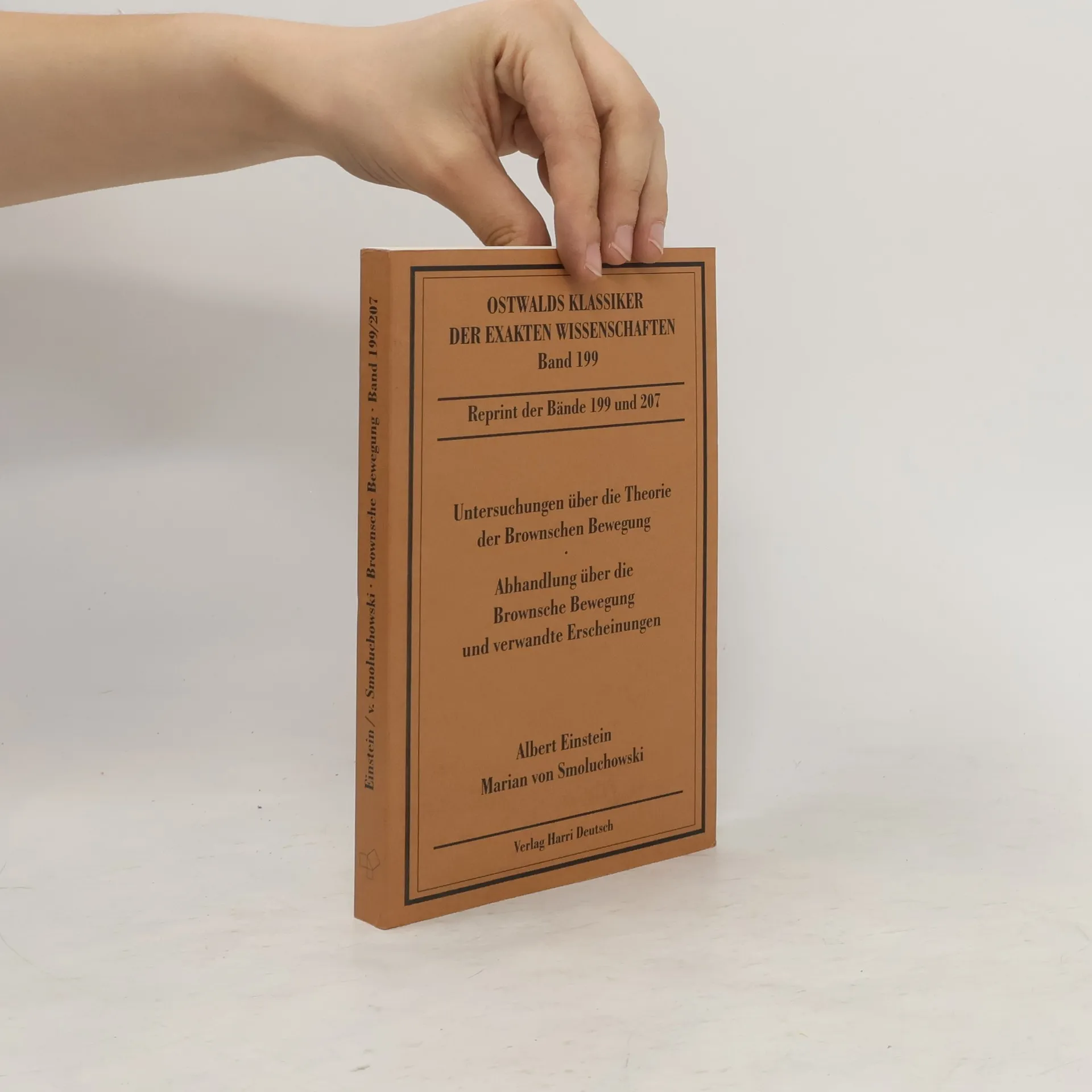
Die hier veröffentlichten Arbeiten von A.~Einstein und M.~v.~Smoluchowski behandeln das durch den englischen Botaniker R.~Brown entdeckte Phänomen der nach ihm benannten Brownschen Bewegung. Brown hatte die ständige Bewegung kleiner, in einer Flüssigkeit schwimmender Teilchen zuerst unter dem Mikroskop beobachtet. Als er sie auch in organischen Zellen wahrnahm, vermutete er, eine spezifische Lebenserscheinung („Urmoleküle“) gefunden zu haben. Fast zeitgleich beschäftigten sich Einstein (1905) und v.~Smoluchowski (1906) mit Browns Beobachtungen und fanden ähnliche physikalische Erklärungen für die Erscheinung. Die hier zusammengestellten Arbeiten können somit als Grundlage gesehen werden, uns die Atome sichtbar zu machen.
InhaltsverzeichnisVorwort: Albert Einsteins grundlegende Arbeiten zur Relativitätstheorie.Einleitung: 50 Jahre Relativitätstheorie.Erster Teil: Die Abhandlungen zur Speziellen Relativität.Abhandlung [1]: Äther und Relativitätstheorie.Abhandlung [2]: Zur Elektrodynamik bewegter Körper.Abhandlung [3]: Ist die Trägheit eines Körpers von seinem Energieinhalt abhängig?.Abhandlung [4]: Über das Relativitätsprinzip und die aus demselben gezogenen Folgerungen.Zweiter Teil: Die Abhandlungen über Gravitation und Allgemeine Relativität.Abhandlung [5]: Einiges über die Entstehung der Allgemeinen Relativitätstheorie.Abhandlung [6]: Über den Einfluß der Schwerkraft auf die Ausbreitung des Lichtes.Abhanldung [7]: Erklärung der Perihelbewegung des Merkur aus der allgemeinen Relativitätstheorie.Abhandlung [8]: Die Feldgleichungen der Gravitation.Abhandlung [9]: Die Grundlage der allgemeinen Relativitätstheorie.Abhandlung [10]: Lense-like action of a star by deviation of light in the gravitational field.Abhandlung [11]: On gravitational waves.Abhandlung [12] Generalized theory of gravitation.
Ihr Leitfaden zu einem urteilsfreien Leben - Extra: Mit gechannelten Botschaften von Lady Diana, Albert Einstein, Edgar Cayce, Mutter Teresa, Mahatma Gandhi, Abraham Lincoln, Apostel Paulus, Merlin, Aristoteles, Oliver Wendell Holmes und anderen
Hans Rudolf Hiltys Anthologie beleuchtet die Schweiz der 30er Jahre und des Zweiten Weltkriegs durch Texte von Schweizer und internationalen Autoren, die als Emigranten oder Flüchtlinge lebten. Sie thematisiert die gesellschaftlichen Herausforderungen, die europäische Schicksale und die Nachkriegsveränderungen. Ein eindrucksvolles Zeitzeugnis.
Kniha ozřejmuje psychické faktory patologické povahy, které svou živoucí součinností hrají roli ve válce a v jejích přípravách. MUDr. Emil Flusser (4. 5. 1888 – po 28. 4. 1942) – působil mezi dvěma světovými válkami jako dětský lékař v Českých Budějovicích, s celou rodinou zahynul v nacistických táborech smrti.
Tato sbírka přináší asi 550 citátů pronesených Einsteinem i týkajících se jeho osoby, které jsou poprvé shromážděny tématicky. Můžeme zde nalézt Einsteinovy myšlenky o Americčanech a Americe, o Němcích a o Německu, o Židech a sionismu, o válce a o míru, politice, víře, vědě i o osobnějších otázkách, jako jsou potraty, mládí a stáří, láska a manželství, hudba, domácí zvířata. Pro každého je zde něco, co ho potěší - i něco, co se ho dotkne. Čtenář objeví kapitoly věnované tomu, co Einstein řekl o jiných lidech, co řekli druzí o něm, dále obsahují biografické údaje a současný rodokmen, kde se objevují už i Einsteinova pravnoučata, odpovědi na nečastější otázky o Einsteinovi a vybranou bibliografii.
Kniha je opatřena zasvěceným úvodním slovem princetonského fyzika Freemana Dysona. Sbírka uvádí dokumentaci - odkazuje především k hlavním pramenům jako Einsteinův archiv a Sebrané spisy Alberta Einsteina.
Sbírka představuje Einsteina čtenářům z mhoha stránek - jednou popudivého, jindy laskavého, vřele vtipného i chladně odmítavého. Člověka, který byl zpočátku zmatený se slávy, kterou na něj svět naložil a který pak začal nenávidět lesk publicity. Vidíme také, jaké porodělal Einstein vývoj od prvího výroku sedmnáctiletého chlapce až k jeho posledním slovům, která pronesl ve svých sedmdesáti šesti letech.
Druhý svazek sebraných esejů Alberta Einsteina pokrývá období 1934–1950 a navazuje na první antologii, která se zaměřila na léta 1922 až 1934. Einstein se neuzavíral do své vědecké práce, ale byl pozorným a kritickým pozorovatelem společenských trendů a potřeb. Často se vyjadřoval k humanitárním otázkám, což je klíčovým rysem jeho myšlení. Tento svazek odráží jeho filozofické, politické a sociální postoje prostřednictvím projevů, článků, dopisů a dosud nepublikovaných textů. Předkládáme je veřejnosti téměř bez redakčních zásahů, čímž zachováváme autenticitu jeho myšlení. Einstein upozorňuje na tendenci soukromého kapitálu soustředit se v rukou několika jedinců, což vede k oligarchii, jejíž moc je obtížně kontrolovatelná demokratickými institucemi. Politické strany, financované soukromými kapitalisty, často izolují voliče od legislativy, což oslabuje zastupování zájmů znevýhodněných skupin. Soukromí kapitalisté také ovládají klíčové zdroje informací, což ztěžuje občanům dospět k objektivním závěrům a efektivně využívat svá politická práva.
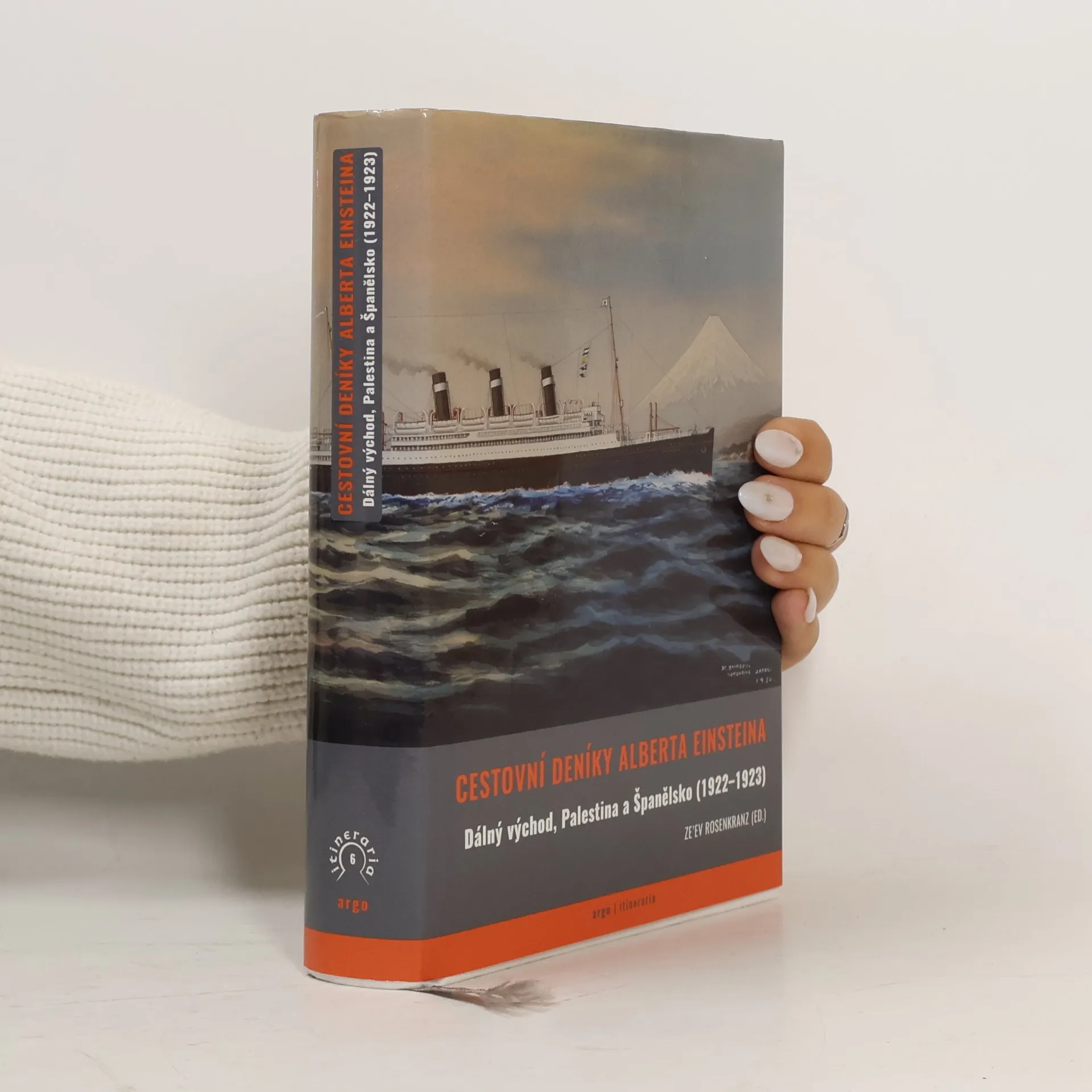
Dálný východ, Palestina a Španělsko (1922-1923).
Na podzim roku 1922 se Albert Einstein, v té době již vědecká celebrita par excellence, spolu se svou tehdejší manželkou Elsou vydal na skoro šestiměsíční cestu na Blízký, Střední a Dálný východ. Zastavil se v Honkongu a Singapuru, krátce pobyl v Číně, šest týdnů přednášel v Japonsků a necelé dva týdny strávil v Palestině. Nakonec pobyl i tři týdny ve Španělsku. Edice jeho brilantních cestovních postřehů, jakkoli někdy stručných telelegrafických a někdy i irelevantních, dokládají Einsteniův zájem nejen o vědu, ale i o filozofii, umění či politické dění. V denících se zmiňuje i o setkání s významnými osobnostmi, vědci či státníky a o důležitých událostech: o audienci u španělského krále, o své inaugurační přednášce na místě budoucí Hebrejské univerzity v Jeruzalémě či o zahradní slavnosti u japonské císařovny. Ceníky však rovněž odhalují Einstenovy poněkud předsudečné a stereotypizující názory o různých národech či rasách. Edici Ze´eva Rosenkranze uvádí editorova rozsáhlá historická studie, kniha dále zahrnuje faksimile deníkových stránek, řádu ilustrací, fotografií a dalšího doprovodného materiálu.
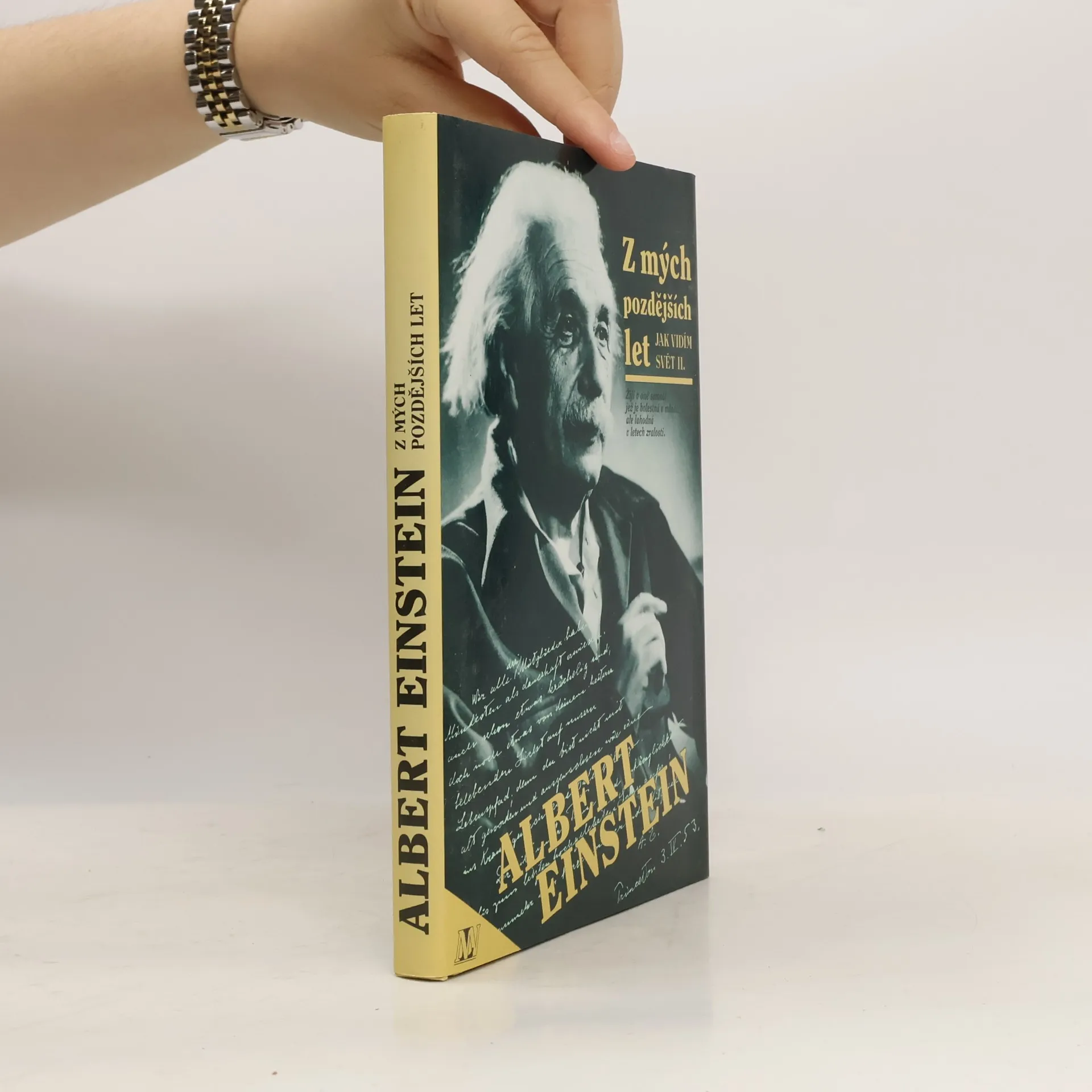
Výběr článků, řečí a projevů Alberta Einsteina, který má podat obraz jeho osobnosti. Albert Einstein věří v člověka, v pokojný svět vzájemné pomoci a ve veliké poslání vědy. I. Jak vidím svět II. O politice a pacifismu III. Německo roku 1933 IV. Židovství V. Věda
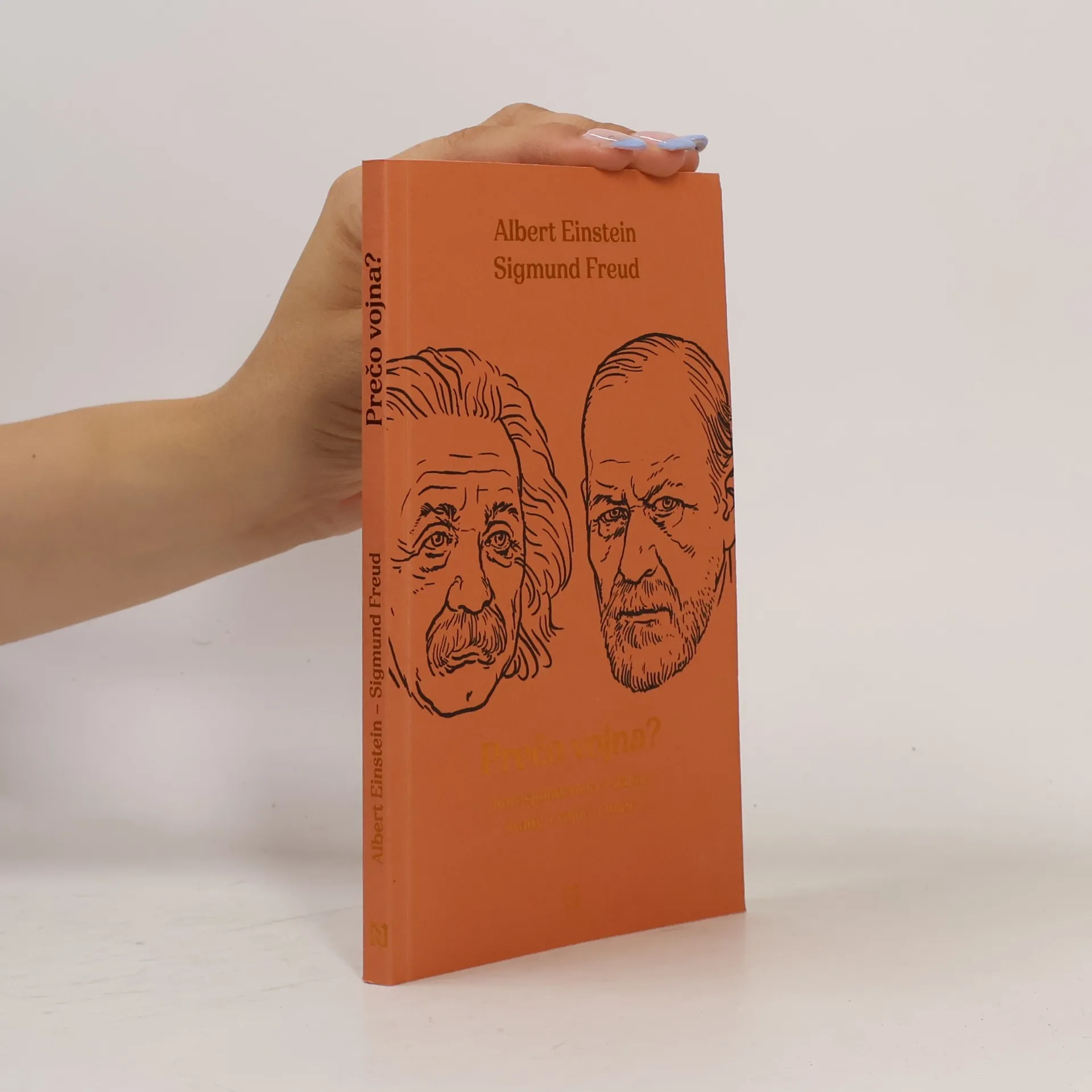
Korešpondencia medzi Albertom Einsteinom a Sigmundom Freudom z tridsiatych rokov 20.storočia rovnako ako ich ďalšie texty venované otázkam vojny a mieru nadobúdajú vo svetle aktuálnych udalostí až obludnú platnosť. Neschopnosť medzinárodných inštitúcií vynútiť si dodržiavanie pravidiel, priveľká moc sústredená do rúk narcistických osôb, úloha kultúry, či otázka prečo sa ľudstvo aj napriek tragickým skúsenostiam znovu a znovu uchyľuje k deštrukcii, to všetko sú témy, ktoré títo myslitelia zahrnuli do svojho jedinečného a nadčasového interdisciplinárneho skúmania.
Kniha ponúka výber z korešpondencie dvoch veľkých osobností a ich ďalšie texty, v ktorých reagujú na spúšť, ktorú po sebe zanechala prvá svetová vojna, netušiac, že tá ďalšia a ešte ničivejšia ešte len prichádza. Albert Einstein sa na Sigmunda Freuda obracia s otázkou, či existuje spôsob, ako odvrátiť od ľudstva hrozbu vojny - s nádejou, že ju osvetlí z perspektívy jeho hlbokých znalostí ľudského pudového života. Freud sa k tejto otázke vracia aj v ďalších textoch a skúma sklamanie, ktoré vojna vyvolala, a zmenu postoja k smrti, ku ktorej nás – ako každá iná vojna – núti.









![Briefwechsel 1916 [neunzehnhundertsechzehn] - 1955](https://rezised-images.knhbt.cz/1920x1920/74073585.webp)