

Explore the latest books of this year!
Bookbot

Don DeLillo

    November 20, 1936

    Don DeLillo is an American author celebrated for his novels that offer intricate portrayals of American life during the late 20th and early 21st centuries. His work delves into themes of mass media, consumerism, and modern technology, exploring their profound impact on human psychology and society. With a distinctive style and sharp insights into American culture, DeLillo has solidified his position as a significant voice in contemporary literature.

    Don DeLillo
    White Noise
    Underworld
    Libra
    Penguin Essentials: Libra
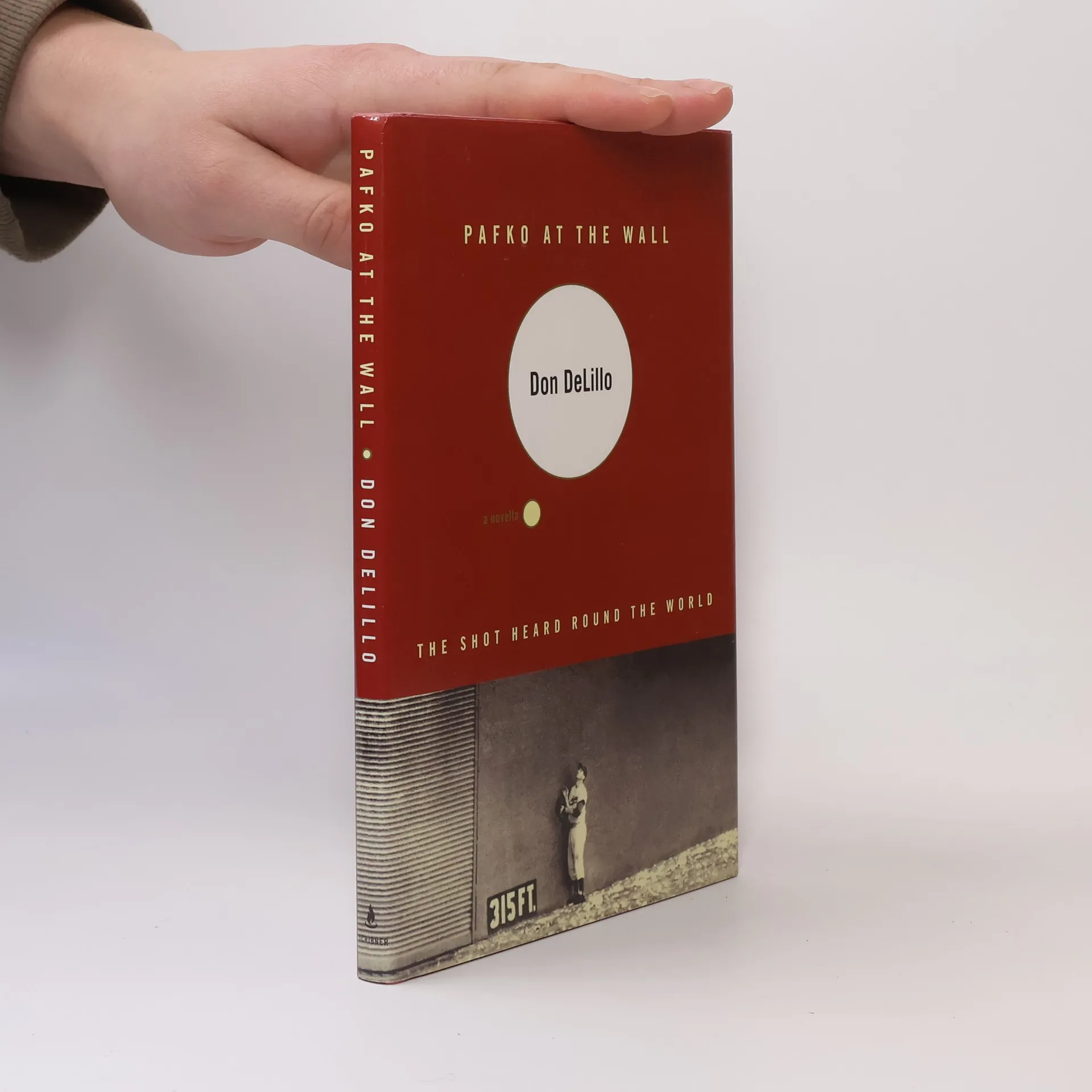
    Pafko at the Wall
    Don Delillo: Three Novels of the 1980s (Loa #363): The Names / White Noise / Libra
    • This first volume in the Library of America Don DeLillo edition features three essential novels from the 1980s, each accompanied by new prefaces from the author. In The Names (1982), DeLillo's breakthrough work, James Axton, a risk analyst, investigates ritual murders linked to a cult fascinated by ancient languages, leading to profound reflections on identity, disconnection, and language. White Noise (1985), a blend of campus satire and midlife character study, presents a darkly humorous portrayal of postmodern America, where brand names infiltrate daily life and individuals are reduced to their data. Libra (1988) serves as a counter-history of the JFK assassination, offering a nuanced view of Lee Harvey Oswald and exploring the complexities of historical narratives. DeLillo notes that the novel, while rooted in history, also seeks to clarify and balance it. The volume includes two rare essays: "American Blood," a 1983 Rolling Stone article addressing the JFK assassination and its surrounding speculation, and "Silhouette City," which examines extremist right-wing groups and the rise of neo-Nazism in the U.S. Together, these works showcase DeLillo's incisive exploration of contemporary themes.
      Don Delillo: Three Novels of the 1980s (Loa #363): The Names / White Noise / Libra
      4.3
    • "There's a long drive. It's gonna be. I believe. The Giants win the pennant. The Giants win the pennant. The Giants win the pennant. The Giants win the pennant." -- Russ Hodges, October 3, 1951 On the fiftieth anniversary of "The Shot Heard Round the World," Don DeLillo reassembles in fiction the larger-than-life characters who on October 3, 1951, witnessed Bobby Thomson's pennant-winning home run in the bottom of the ninth inning. Jackie Gleason is razzing Toots Shor in Leo Durocher's box seats; J. Edgar Hoover, basking in Sinatra's celebrity, is about to be told that the Russians have tested an atomic bomb; and Russ Hodges, raw-throated and excitable, announces the game -- the Giants and the Dodgers at the Polo Grounds in New York. DeLillo's transcendent account of one of the iconic events of the twentieth century is a masterpiece of American sportswriting.

      Pafko at the Wall
      4.2
    • Penguin Essentials: Libra

      • 464 pages
      • 17 hours of reading

      'Think of two parallel lines. One is the life of Lee H. Oswald. One is the conspiracy to kill the President. What bridges the space between them? What makes a connection inevitable? There is a third line. It comes out of dreams, visions, intuitions, prayers, out of the deepest levels of the self.' A troubled adolescent endlessly riding New York's subway cars, Lee Harvey Oswald enters adulthood believing himself to be an agent of history. This makes him fair game to a pair of discontented CIA operatives convinced that a failed attempt on the life of the US president will force the nation to tackle the threat of communism head on. Libra is a gripping, masterful blend of fact and fiction, laying bare the wounded American psyche and the dark events that still torment it. 'An audacious blend of fiction and fact' The Times

      Penguin Essentials: Libra
      4.1
    • Libra

      • 464 pages
      • 17 hours of reading

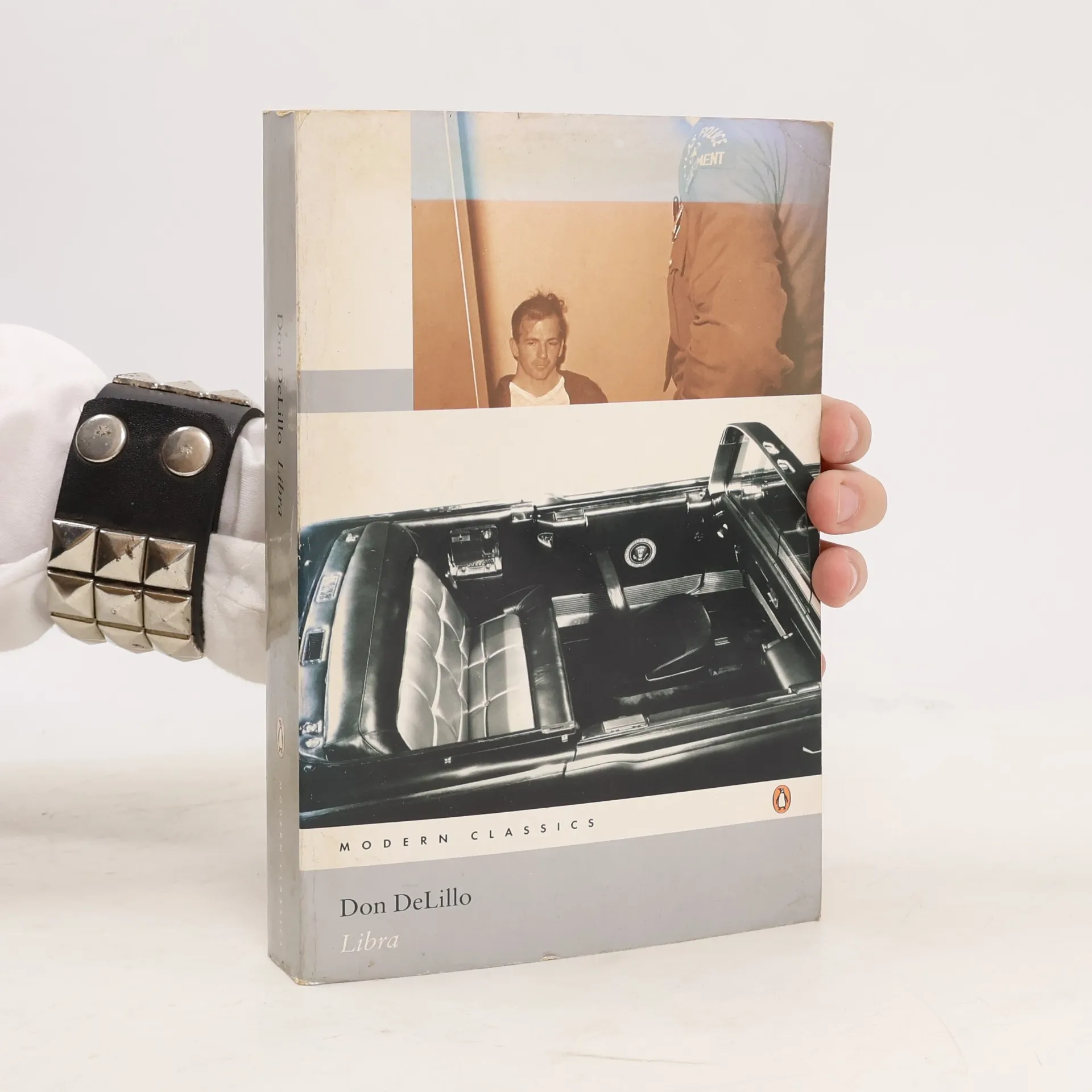
      A fictional speculation on the assassination of John F Kennedy. It chronicles Lee Harvey Oswald's odyssey from troubled teenager to a man of precarious stability who imagines himself an agent of history.

      Libra
      4.1
    • Underworld

      • 827 pages
      • 29 hours of reading

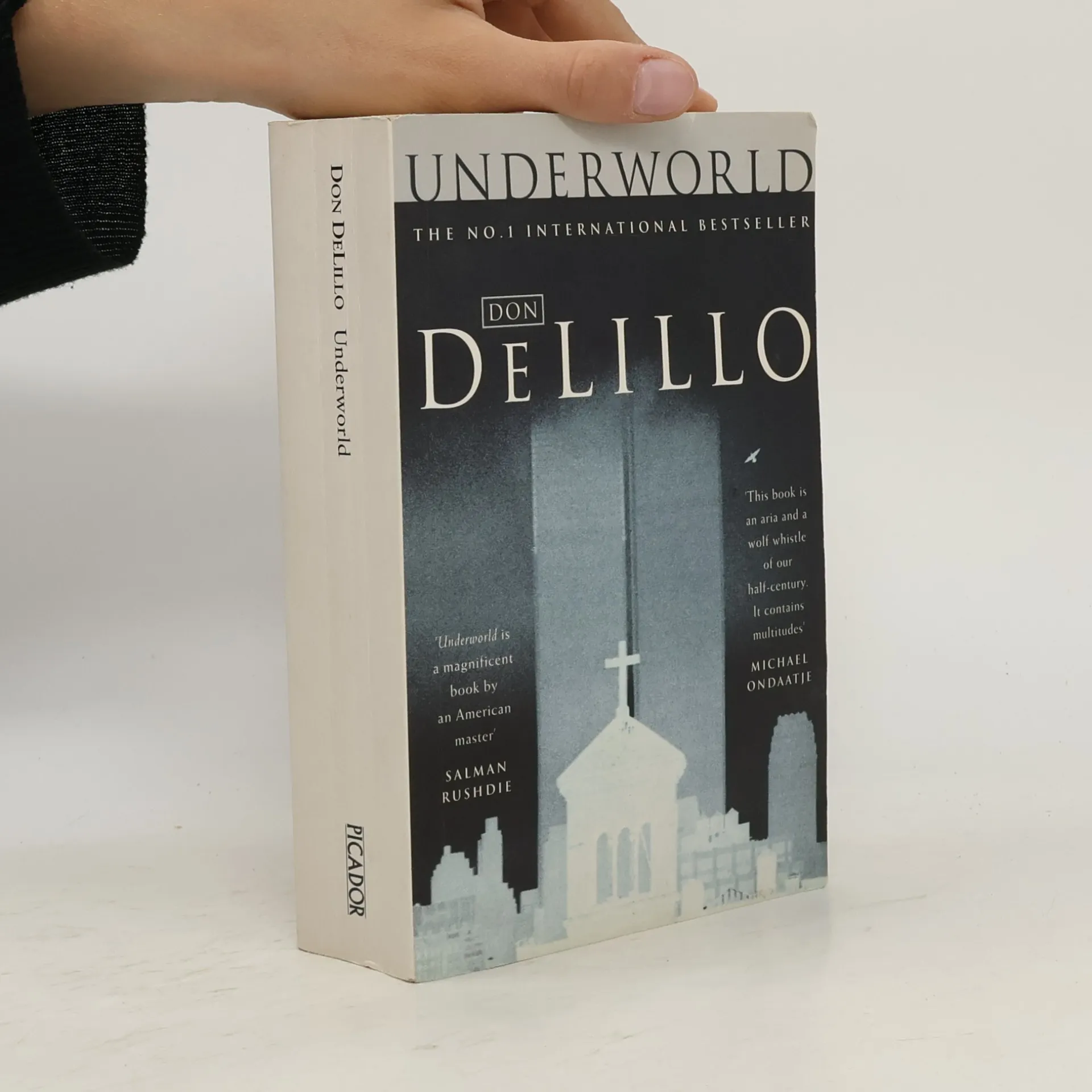
      Opens at the Shea Stadium at the World Series Game of 1951, where the ball is caught by a young, black man in the crowd, and continues to change hands throughout the book. The various recipients of the ball tell the story of post-war US history giving a panorama of America from the 50s to the 90s.

      Underworld
      4.0
    • White Noise

      • 320 pages
      • 12 hours of reading

      NATIONAL BOOK AWARD WINNER • An “eerie, brilliant, and touching” (The New York Times) modern classic about mass culture and the numbing effects of technology. “Tremendously funny . . . A stunning performance from one of our most intelligent novelists.”—The New Republic The inspiration for the award-winning major motion picture starring Adam Driver and Greta Gerwig Jack Gladney teaches Hitler Studies at a liberal arts college in Middle America where his colleagues include New York expatriates who want to immerse themselves in “American magic and dread.” Jack and his fourth wife, Babette, bound by their love, fear of death, and four ultramodern offspring, navigate the usual rocky passages of family life to the background babble of brand-name consumerism. Then a lethal black chemical cloud floats over their lives, an “airborne toxic event” unleashed by an industrial accident. The menacing cloud is a more urgent and visible version of the “white noise” engulfing the Gladney family—radio transmissions, sirens, microwaves, ultrasonic appliances, and TV murmurings—pulsing with life, yet suggesting something ominous.

      White Noise
      3.9
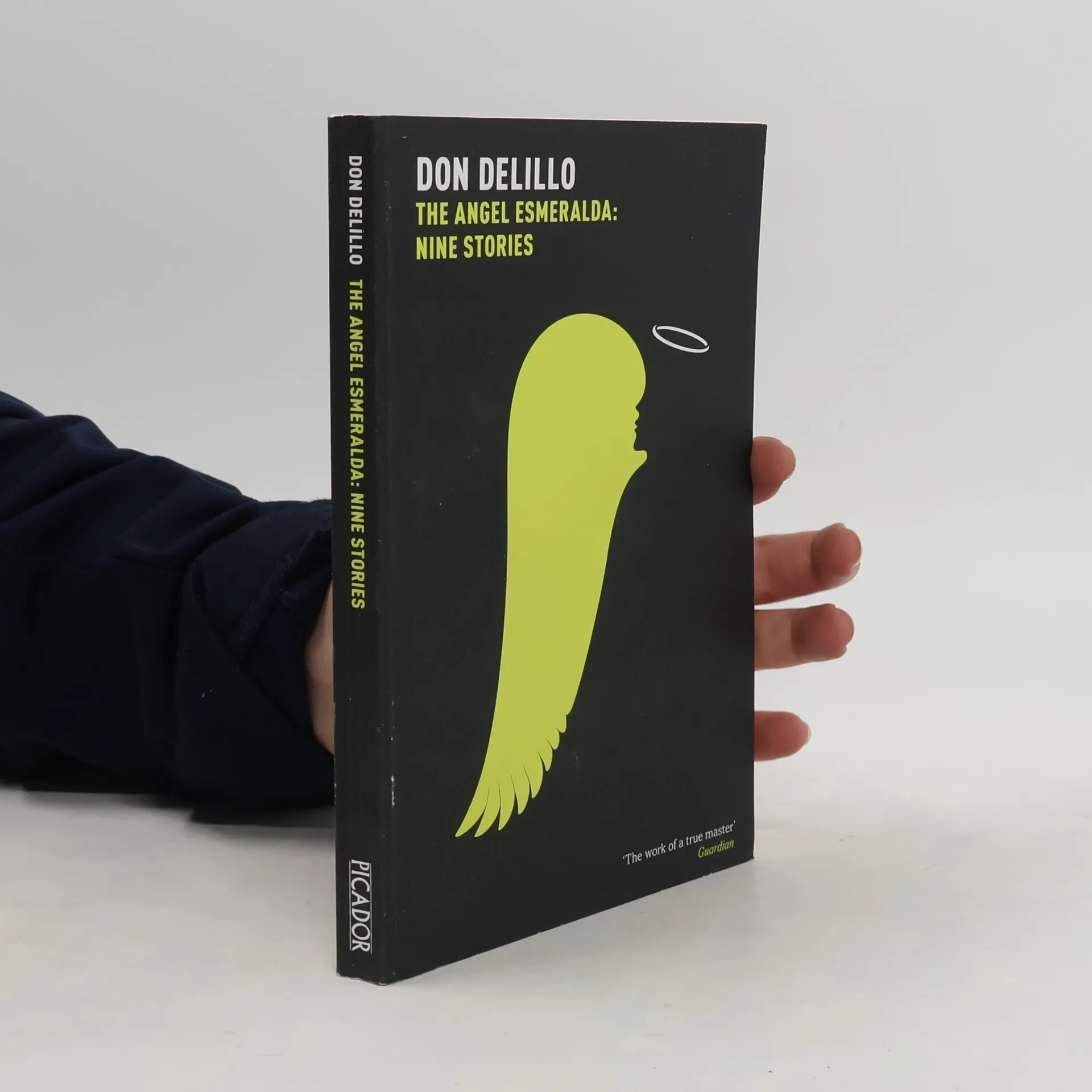
    • This is Don DeLillo's first collection of short stories, written between 1979 and 2011; in it he represents the wide range of human experience in contemporary America - and forces us to confront the uncomfortable shadows lurking in the background. His characters are plagued by their own deep, often unconscious, longings; they are subjected to shocking violations, exposed to unexpected acts of terror. No matter whether he is focused upon the slums of New York or astronauts in orbit around the Earth, DeLillo chooses never to turn away from the unsettling manner in which humans are brought together. These nine stories describe the extraordinary journey of a great American writer who changed the literary landscape. 'Don DeLillo's richly compressed short stories are the work of a true master . . . In these stories or lucid dreams - sometimes drily shocking or mournfully funny, always masterfully designed - DeLillo himself isolates that stray thought, and makes of it great art.' Guardian

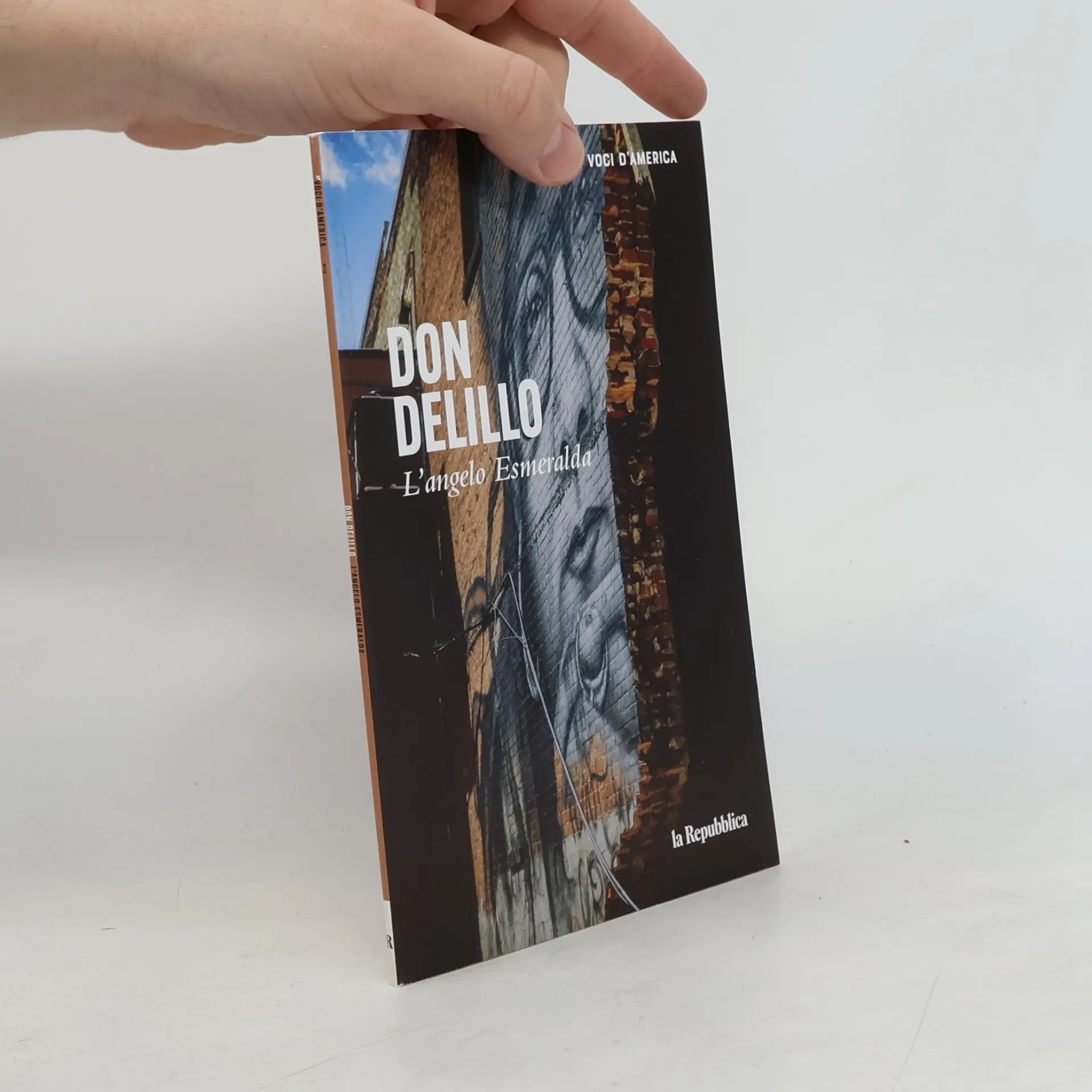
      The Angel Esmeralda
      3.8
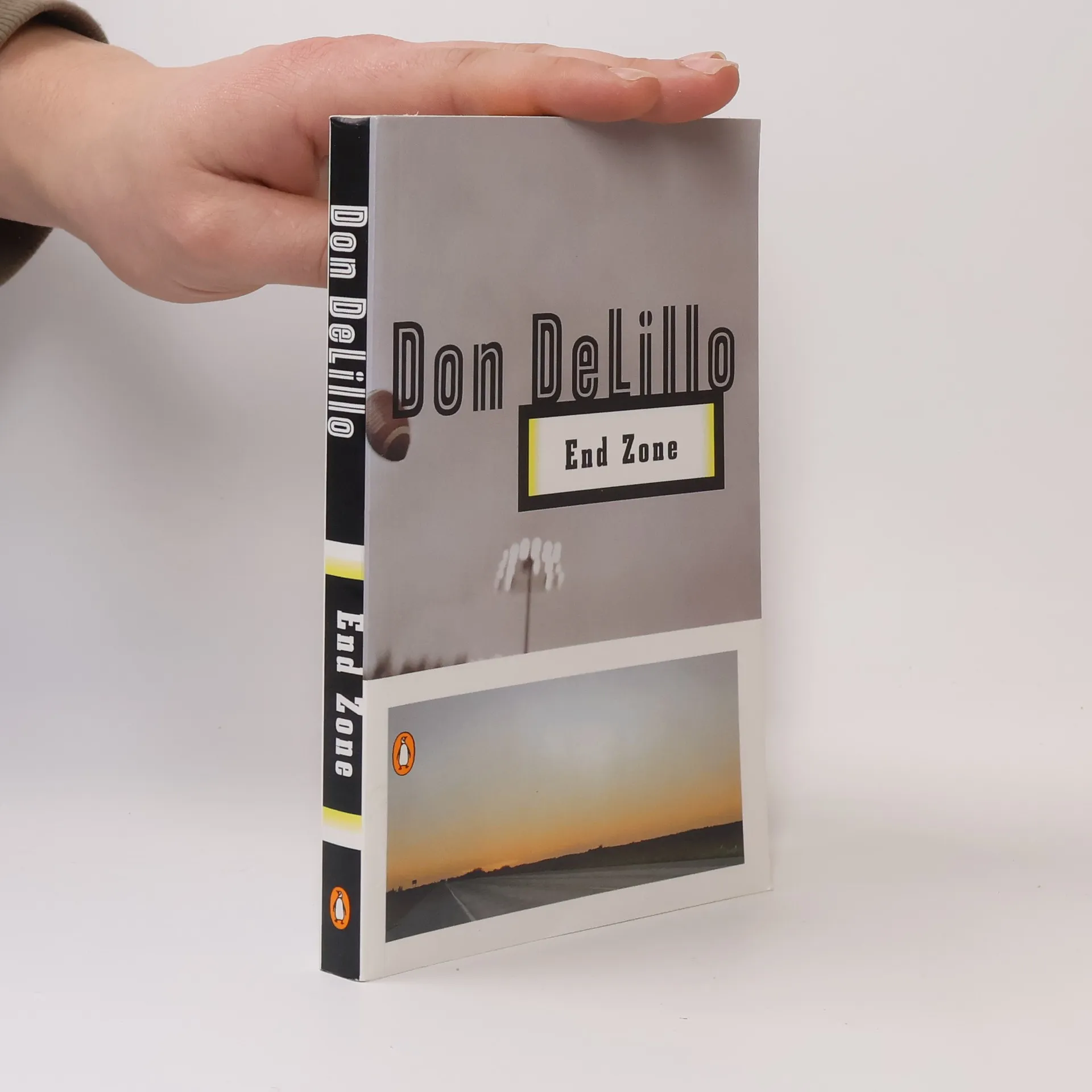
    • End Zone

      • 240 pages
      • 9 hours of reading

      A rich parody of the parallels between the jargon of football and the jargon of battle - and a touch of cold-war existentialism - makes this powerful novel as hilarious as it is relevant.

      End Zone
      3.7
    • Mao II

      • 256 pages
      • 9 hours of reading

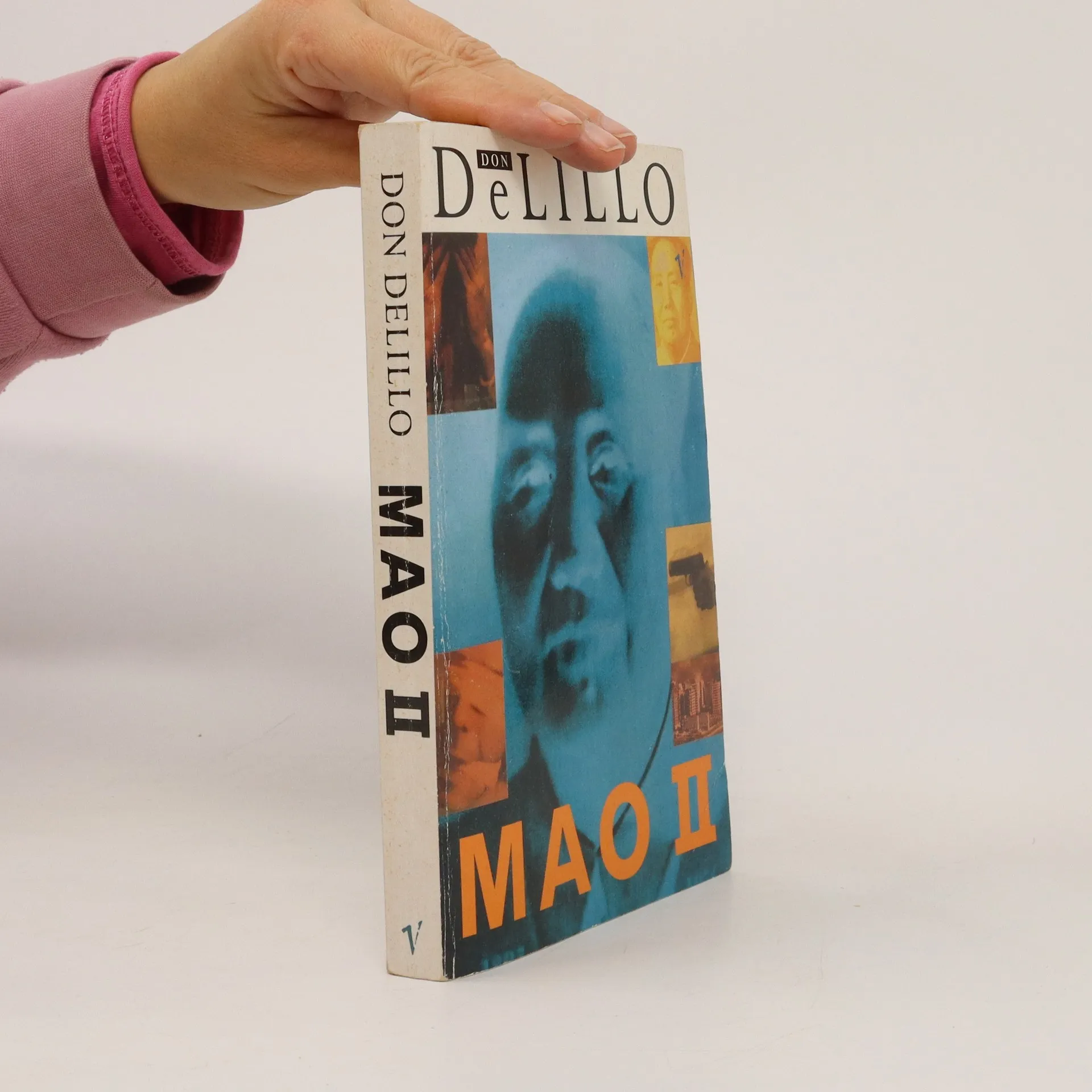
      "Bill Gray, a famous, reclusive novelist, emerges from his isolation when he becomes the key figure in an event staged to force the release of a poet hostage in Beirut. As Bill enters the world of political violence, a nightscape of Semtex explosives and hostages locked in basement rooms, Bill's dangerous passage leaves two people stranded: his brilliant, fixated assistant, Scott, and the strange young woman who is Scott's lover - and Bill's. An extraordinary novel from Don DeLillo about words and images, novelists and terrorists, the mass mind and the arch-individualist, Mao II explores a world in which the novelist's power to influence the inner life of a culture now belongs to bomb-makers and gunmen. Mao II is the work of an ingenious writer at the height of his powers." -- Publisher's description.

      Mao II
      3.7
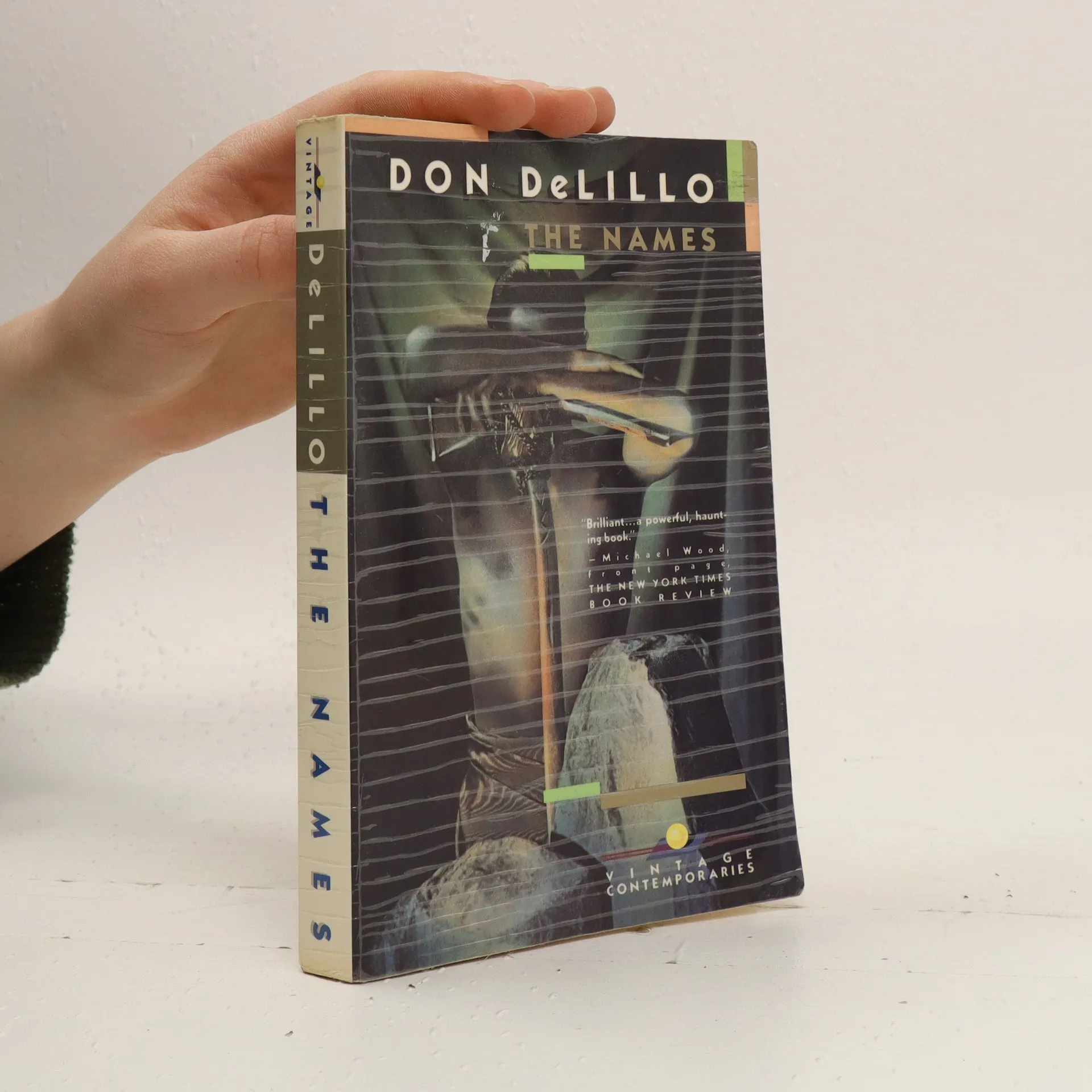
    • The names

      • 339 pages
      • 12 hours of reading

      Set against the backdrop of a lush and exotic Greece, The Names is considered the book which began to drive "sharply upward the size of his readership" (Los Angeles Times Book Review). Among the cast of DeLillo's bizarre yet fully realized characters in The Names are Kathryn, the narrator's estranged wife; their son, the six-year-old novelist; Owen, the scientist; and the neurotic narrator obsessed with his own neuroses. A thriller, a mystery, and still a moving examination of family, loss, and the amorphous and magical potential of language itself, The Names stands with any of DeLillo's more recent and highly acclaimed works. "The Names not only accurately reflects a portion of our contemporary world but, more importantly, an original world of its own is created."--Chicago Sun-Times"DeLillo sifts experience through simultaneous grids of science and poetry, analysis and clear sight, to make a high-wire prose that is voluptuously stark."--Village Voice Literary Supplement"DeLillo verbally examines every state of consciousness from eroticism to tourism, from the idea of America as conceived by the rest of the world, to the idea of the rest of the world as conceived by America, from mysticism to fanaticism."--New York Times

      The names
      3.7