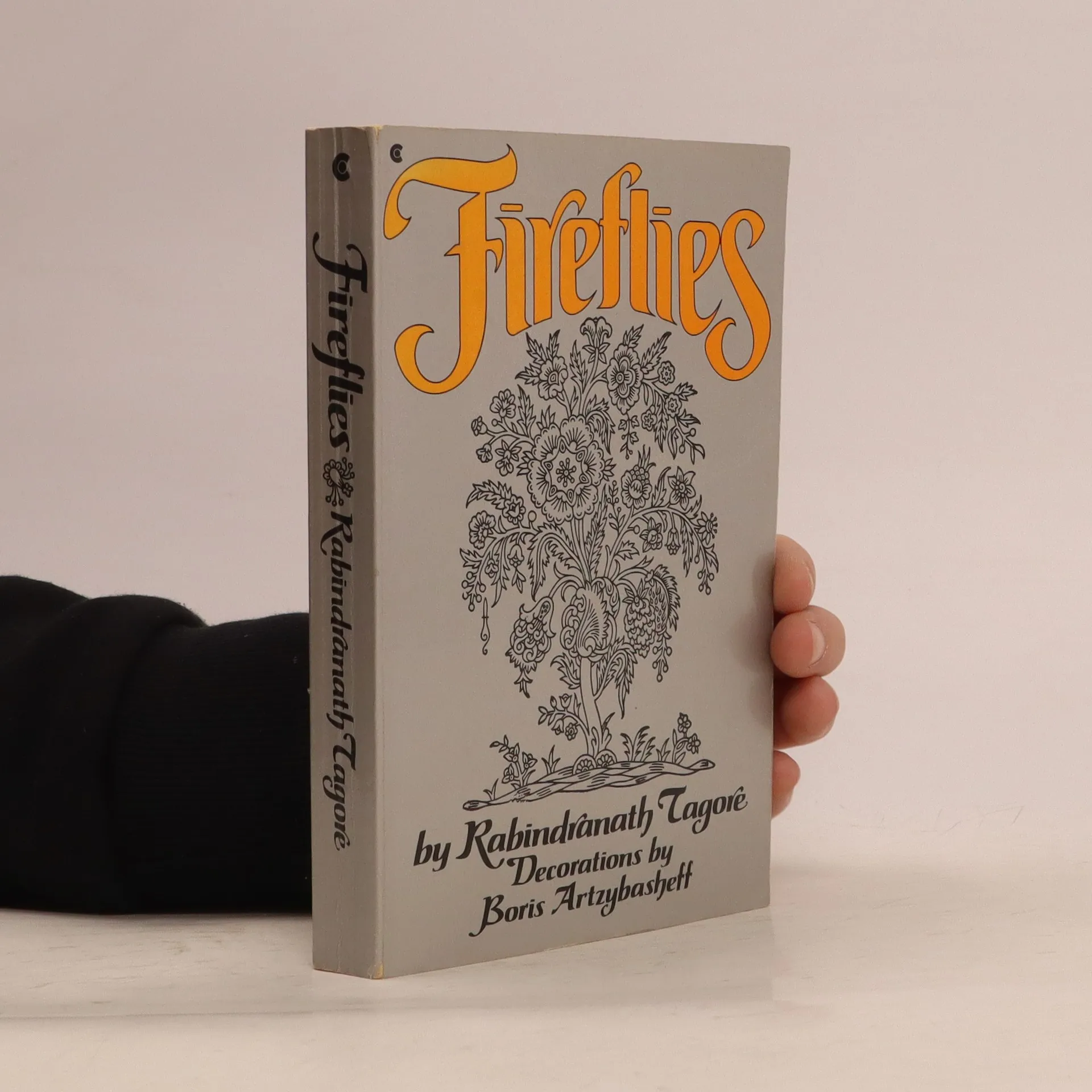
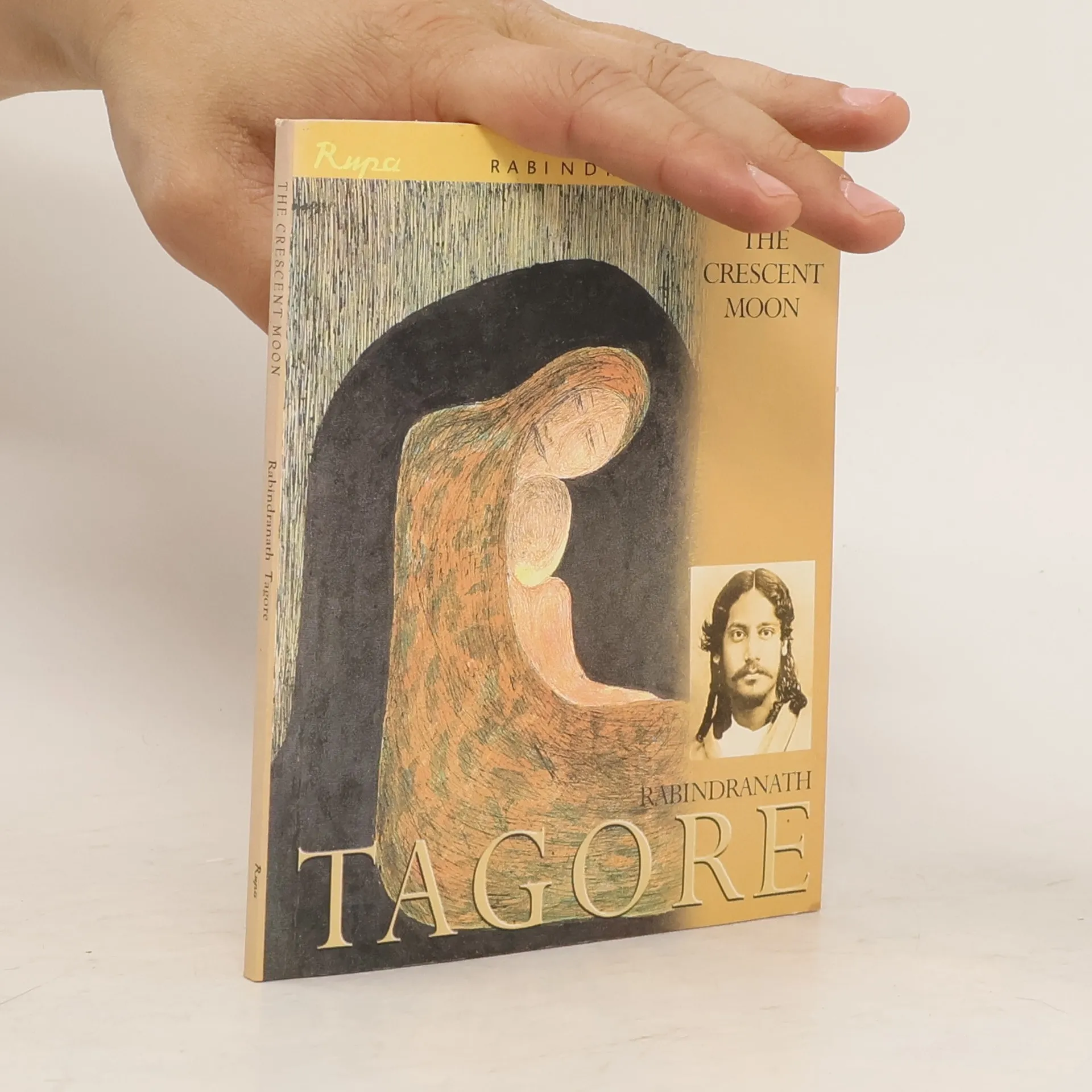
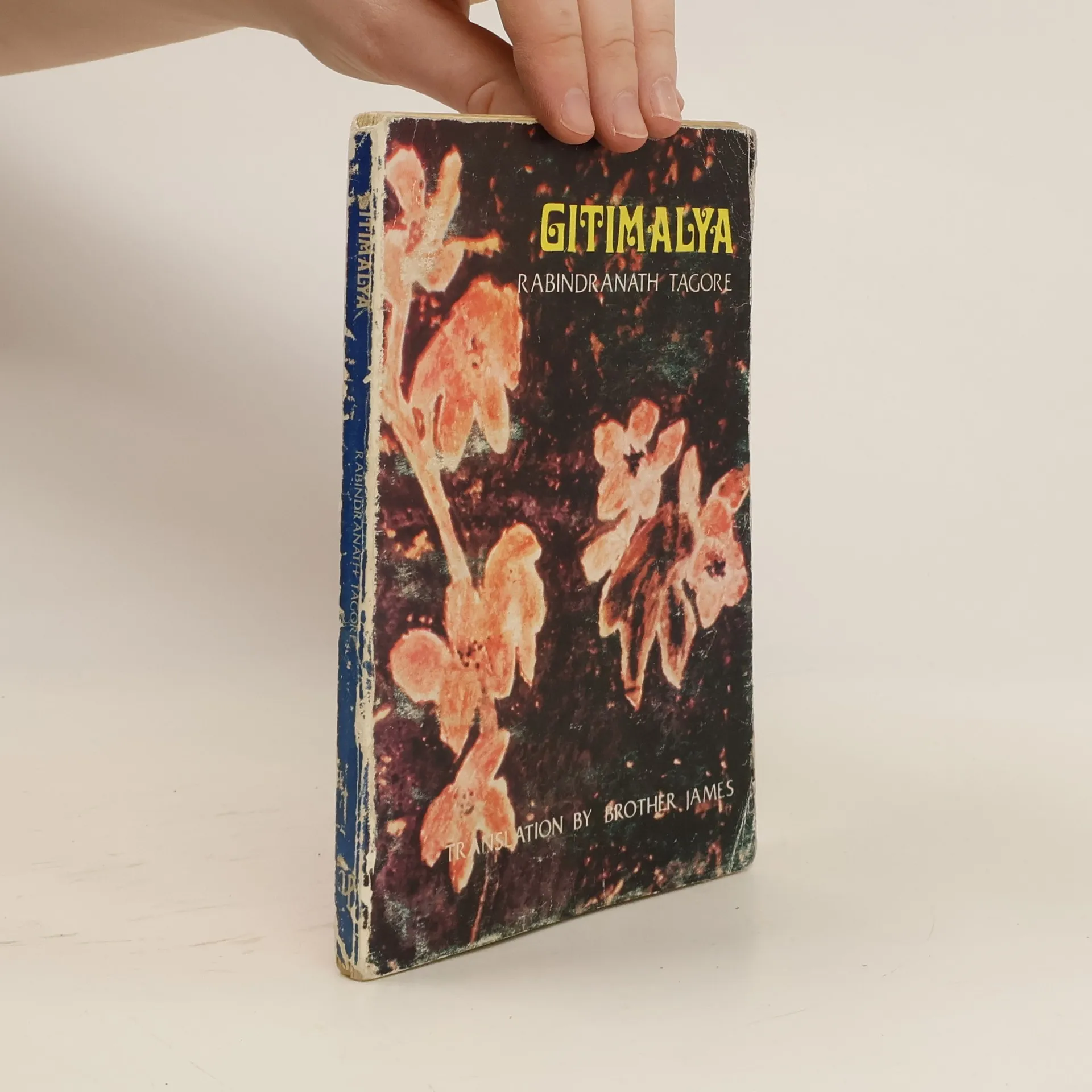
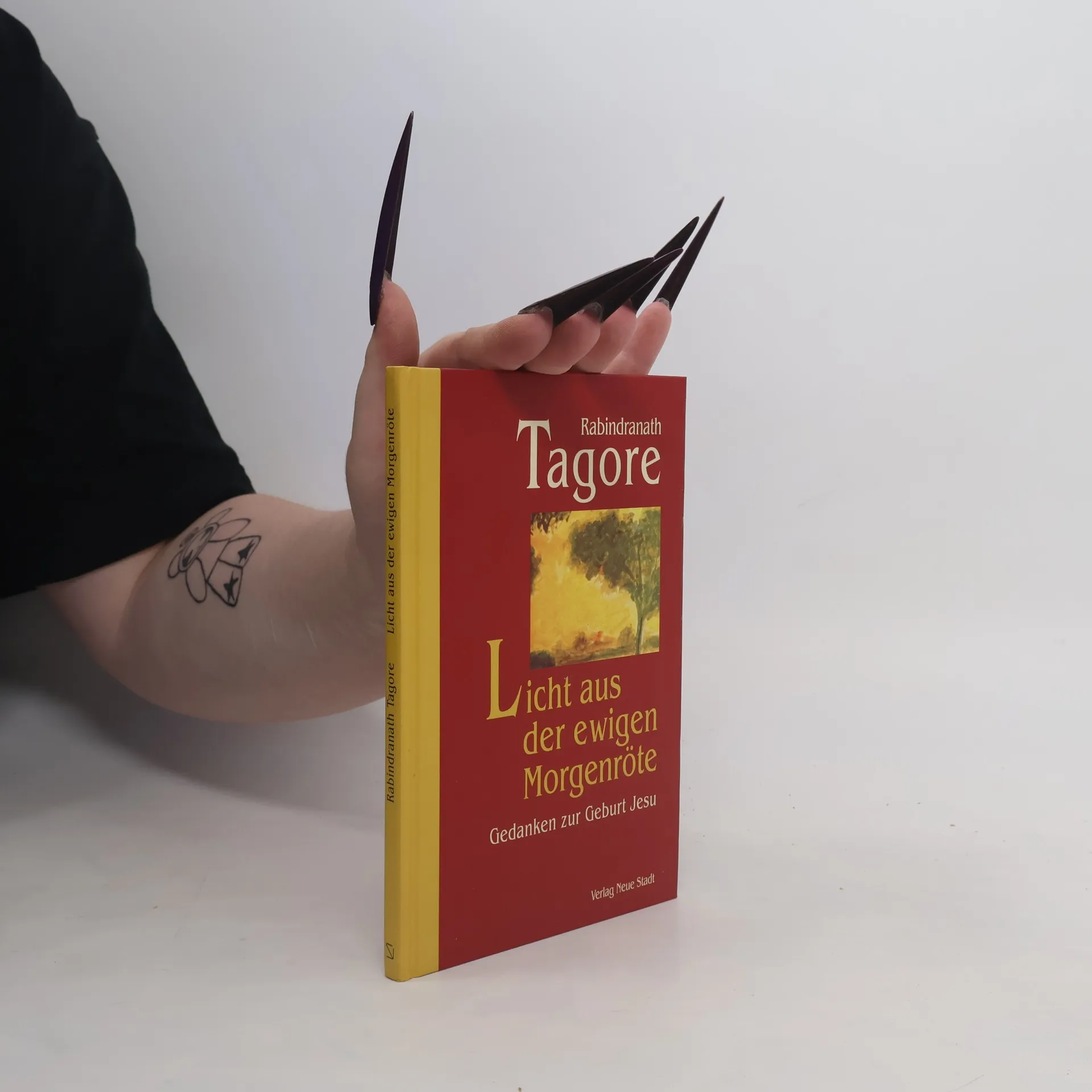
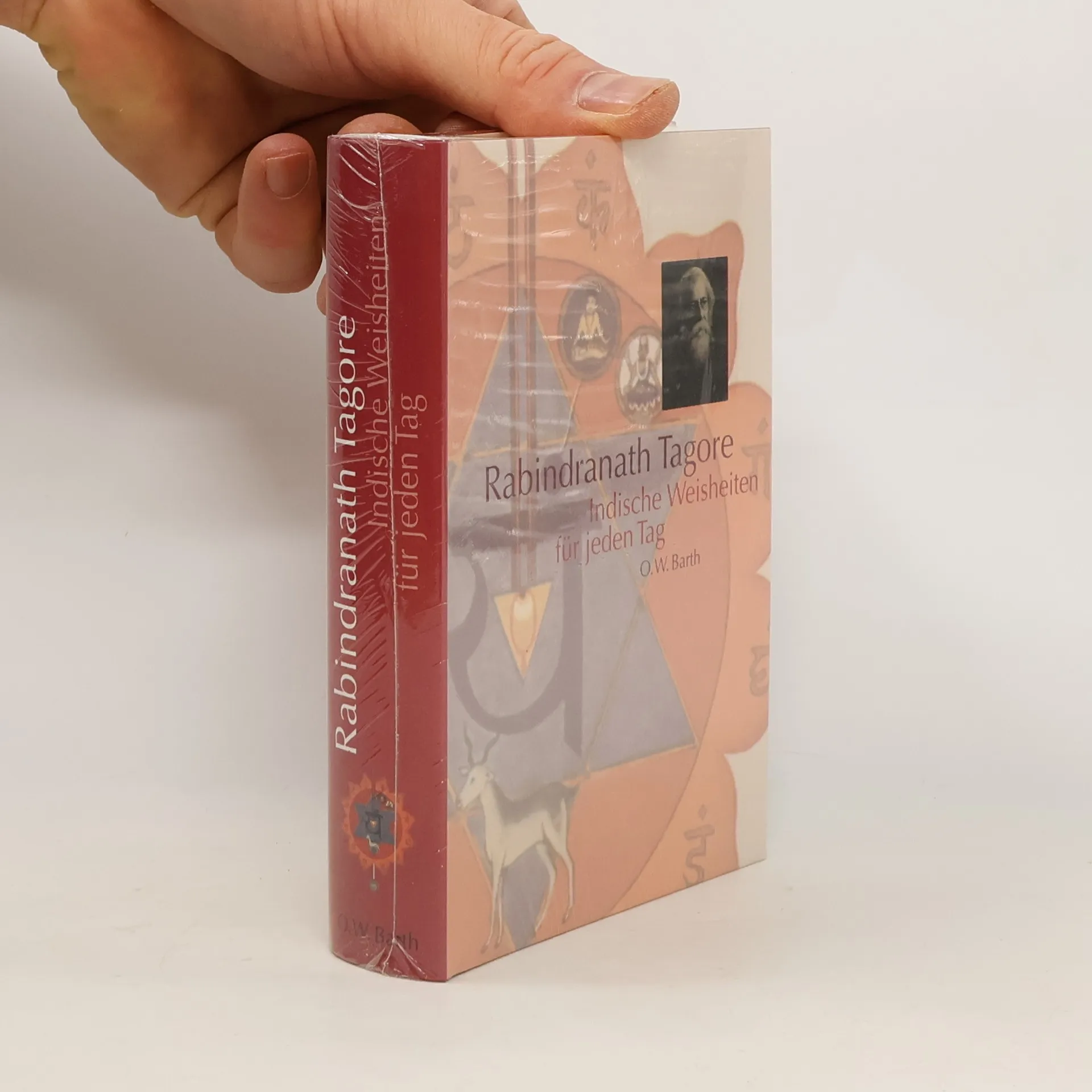
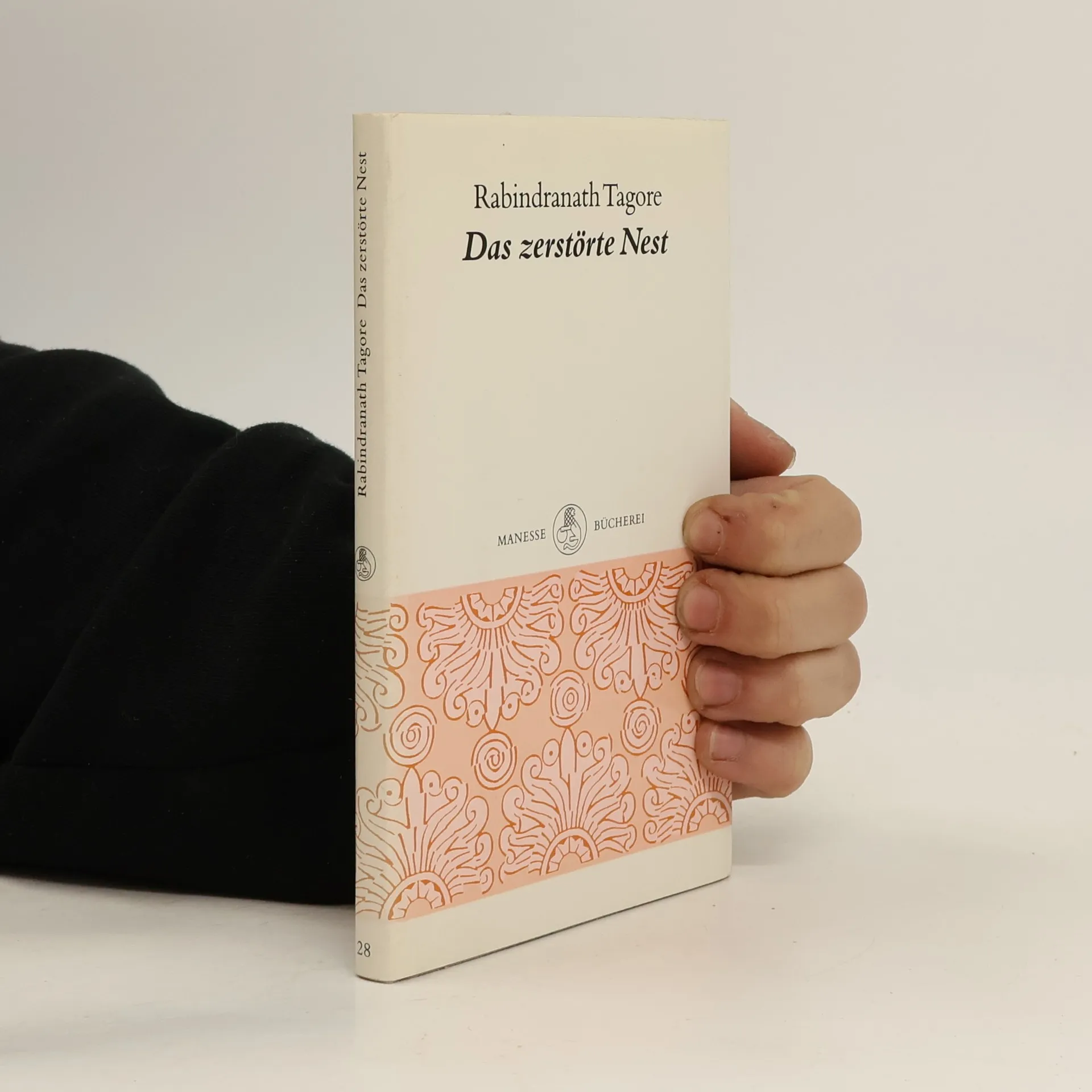
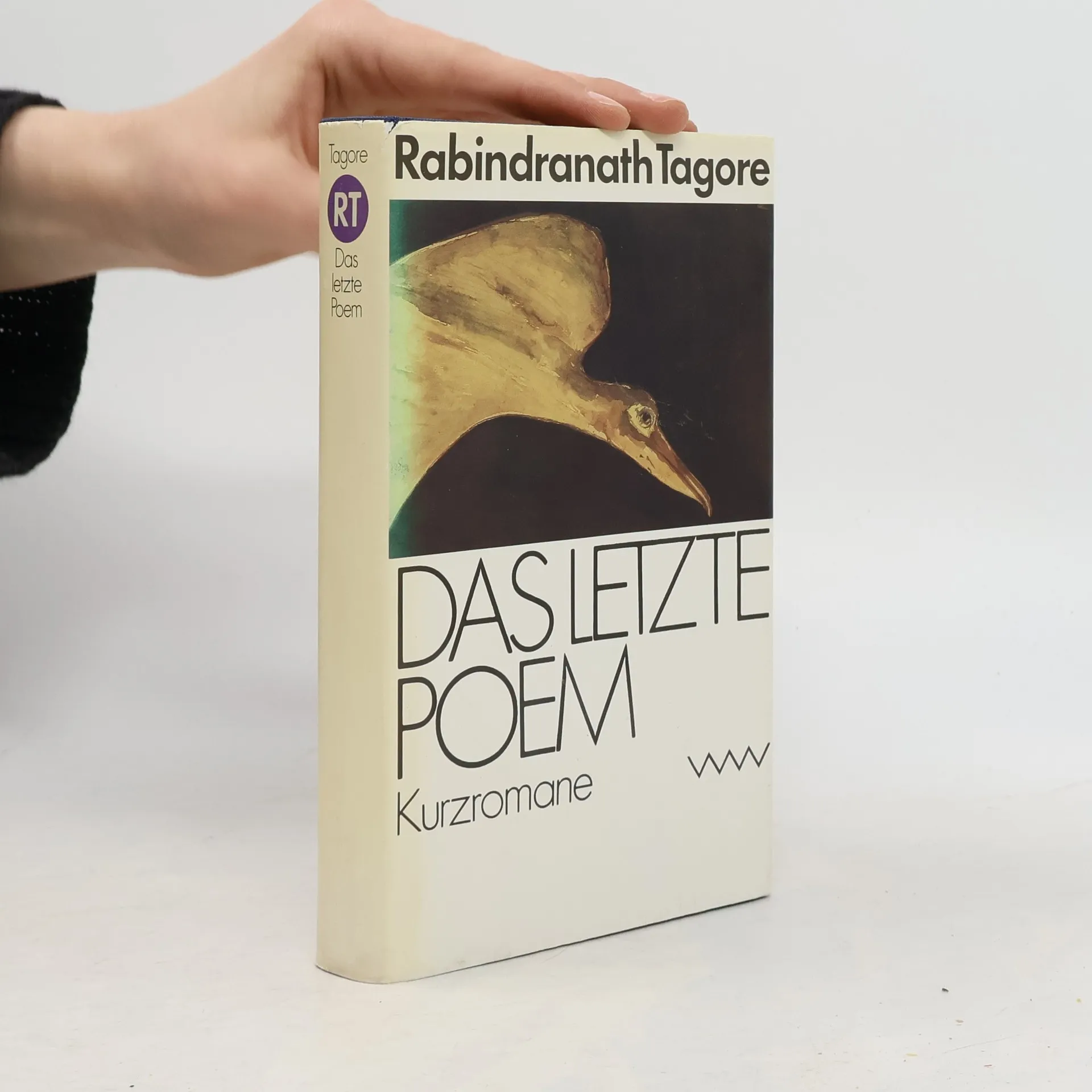
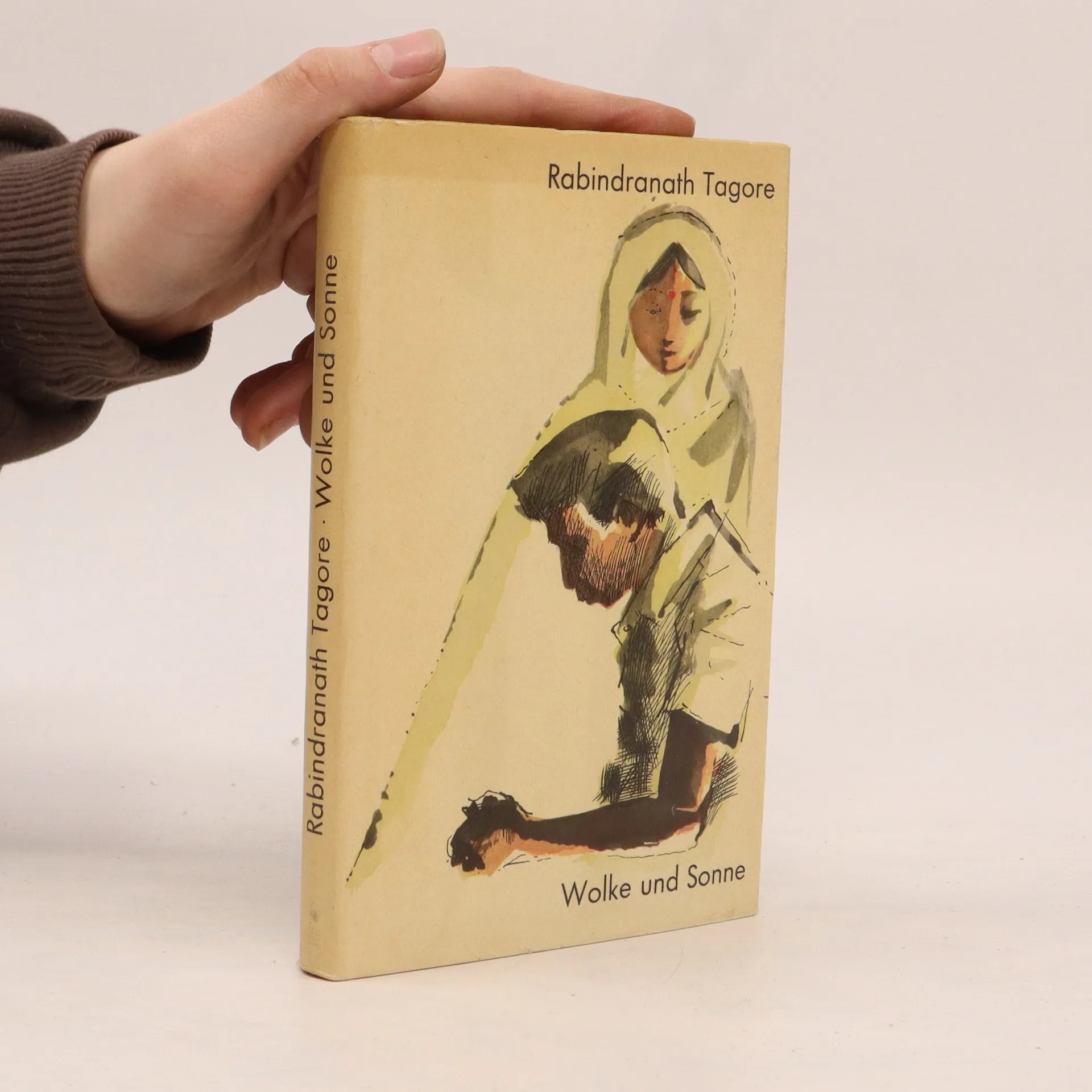
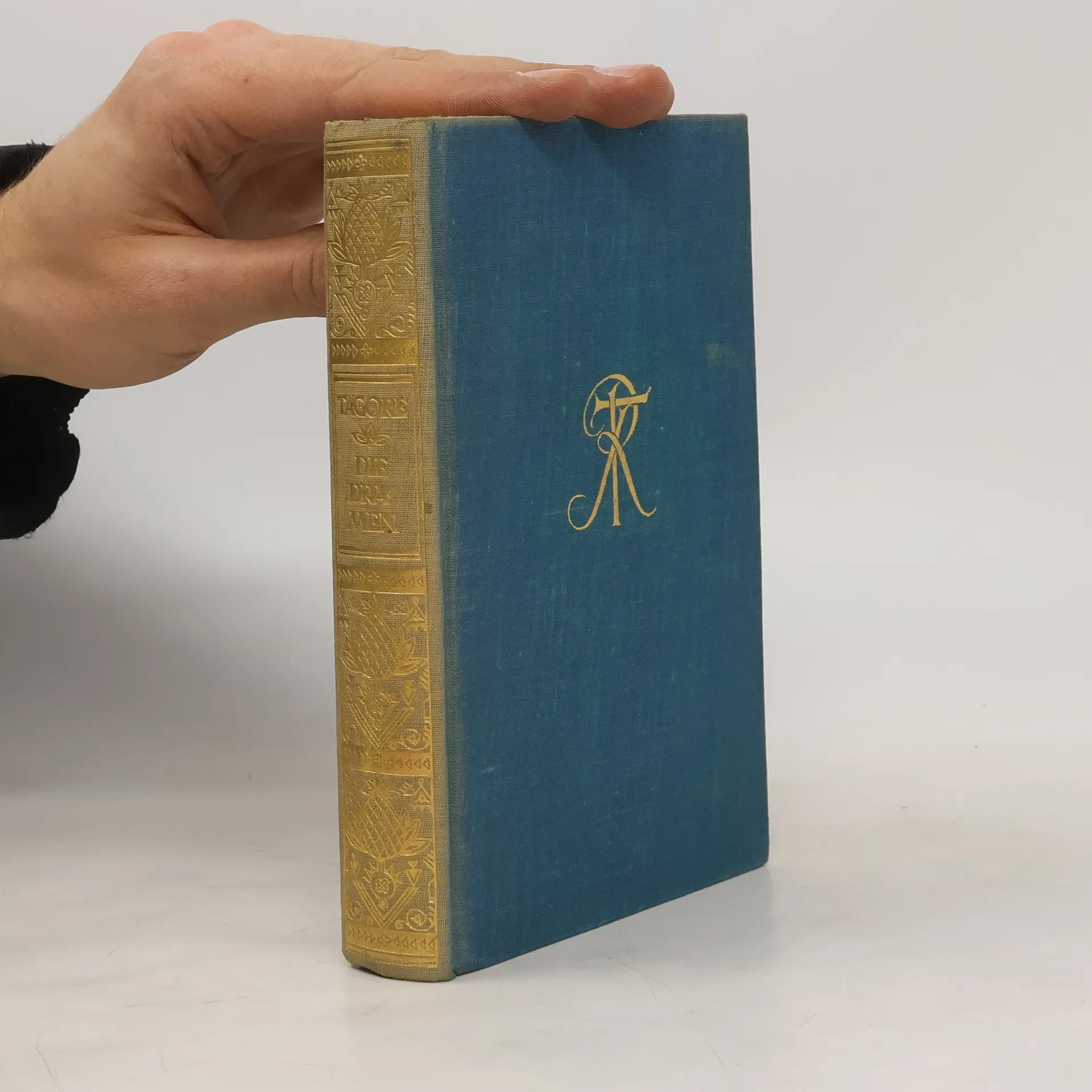
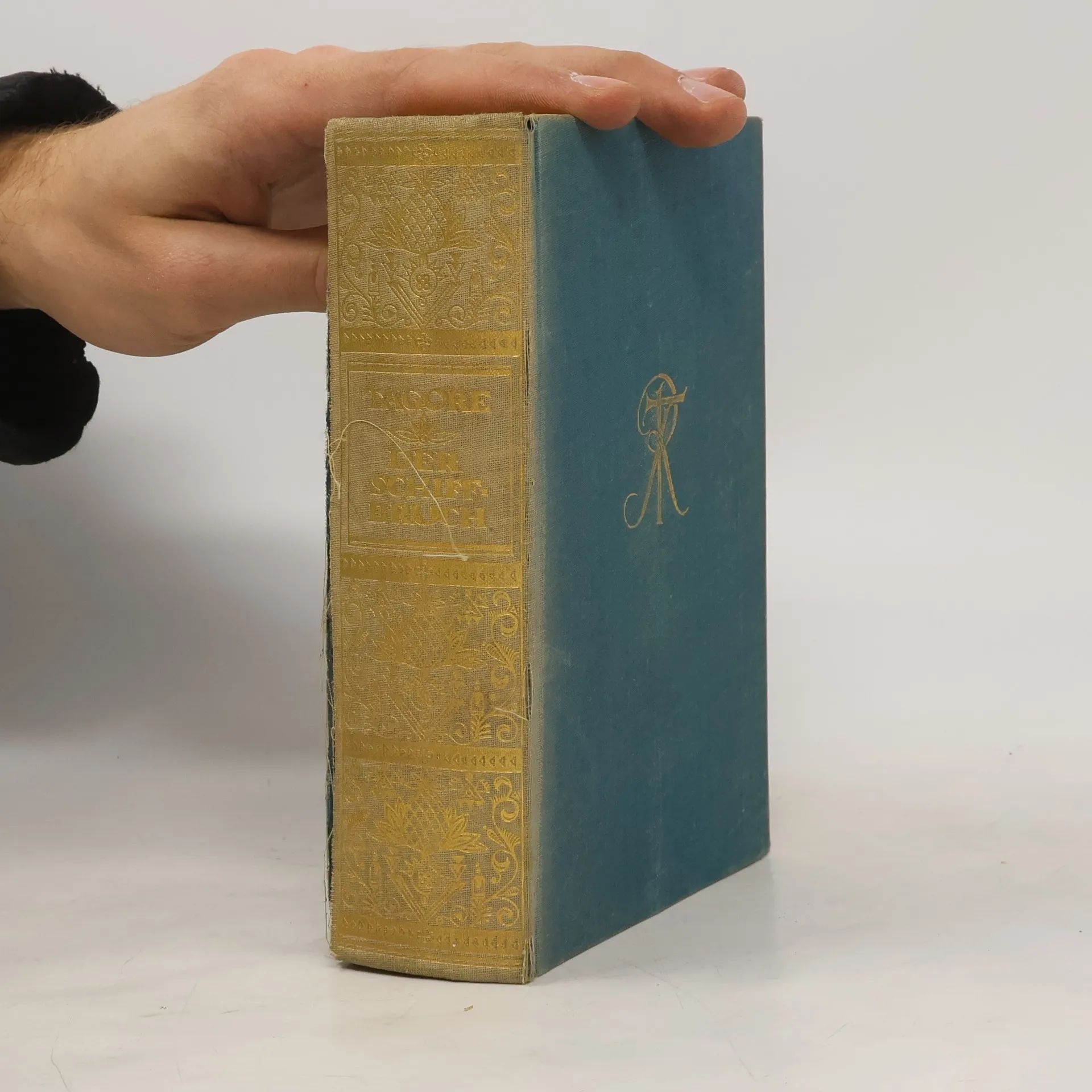
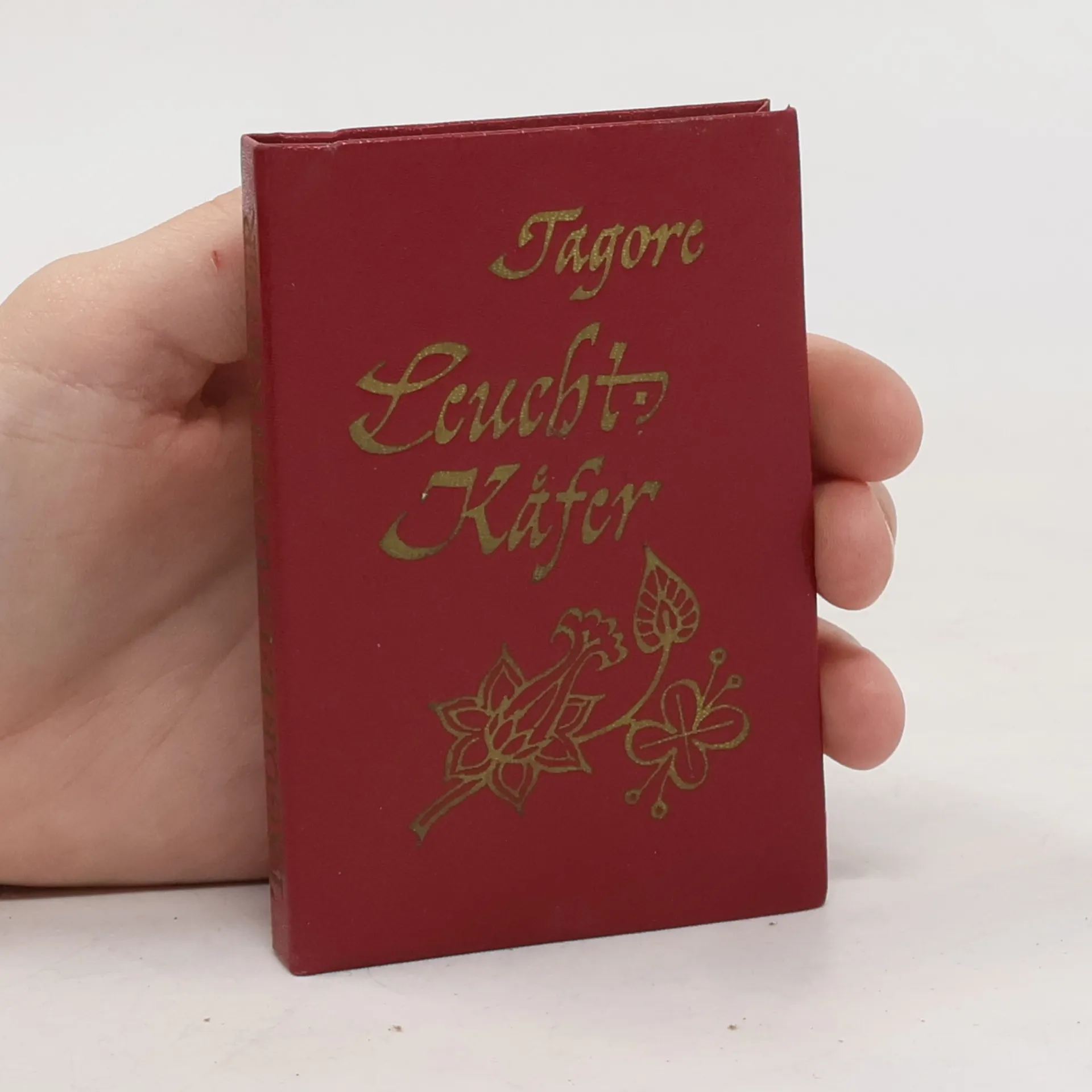
Fireflies, or brief poems, originated in China and Japan and were often written on pieces of silk. Fireflies is a collection of proverbs, aphorisms and maxims. Each firefly, rarely more than a sentence long, represents a luminous thought on love, life, beauty or God. Each page of this book contains a decorative design by Boris Artzybasheff with the short two to three line maxim of Tagore's beneath. Each page is a work of art printed in two colors.
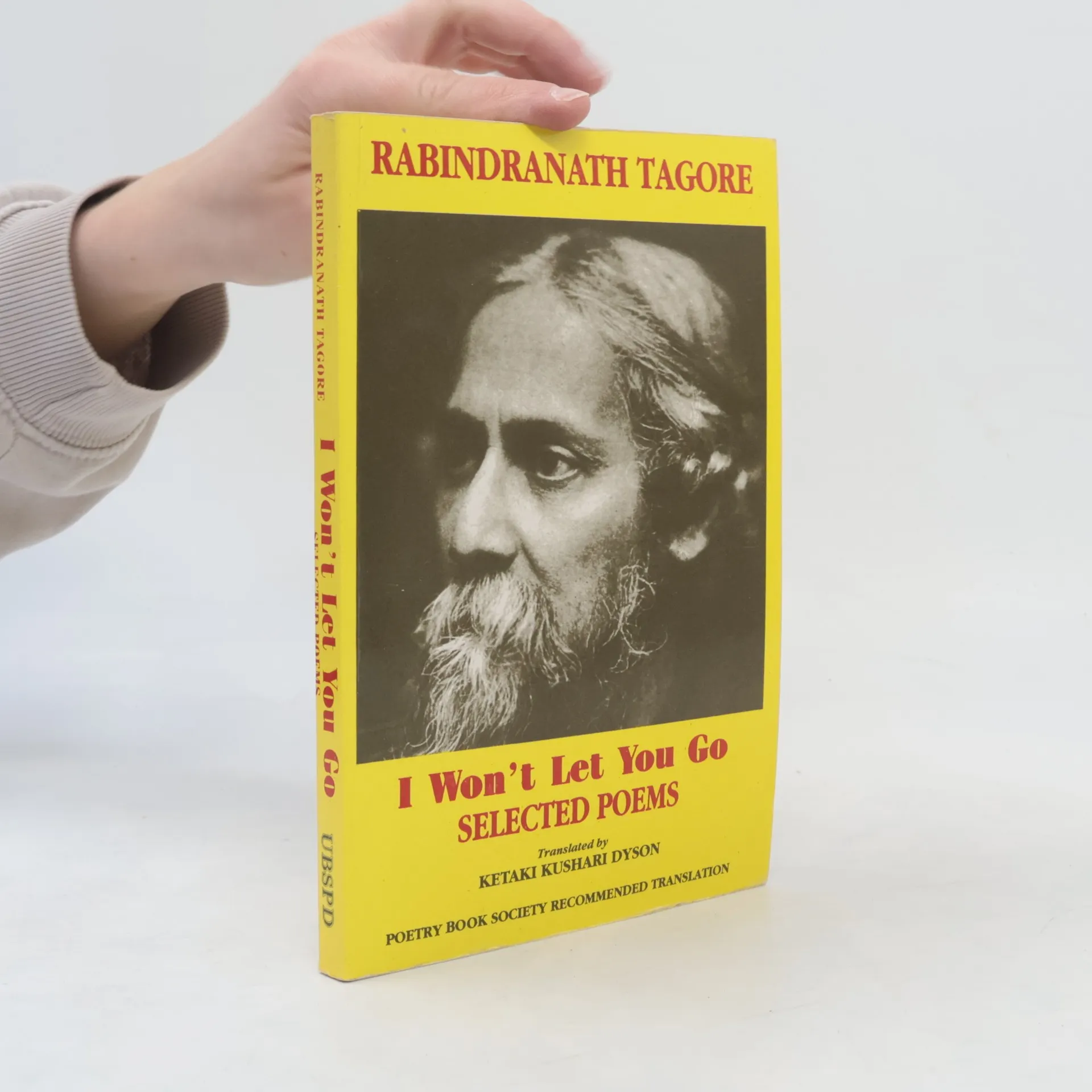
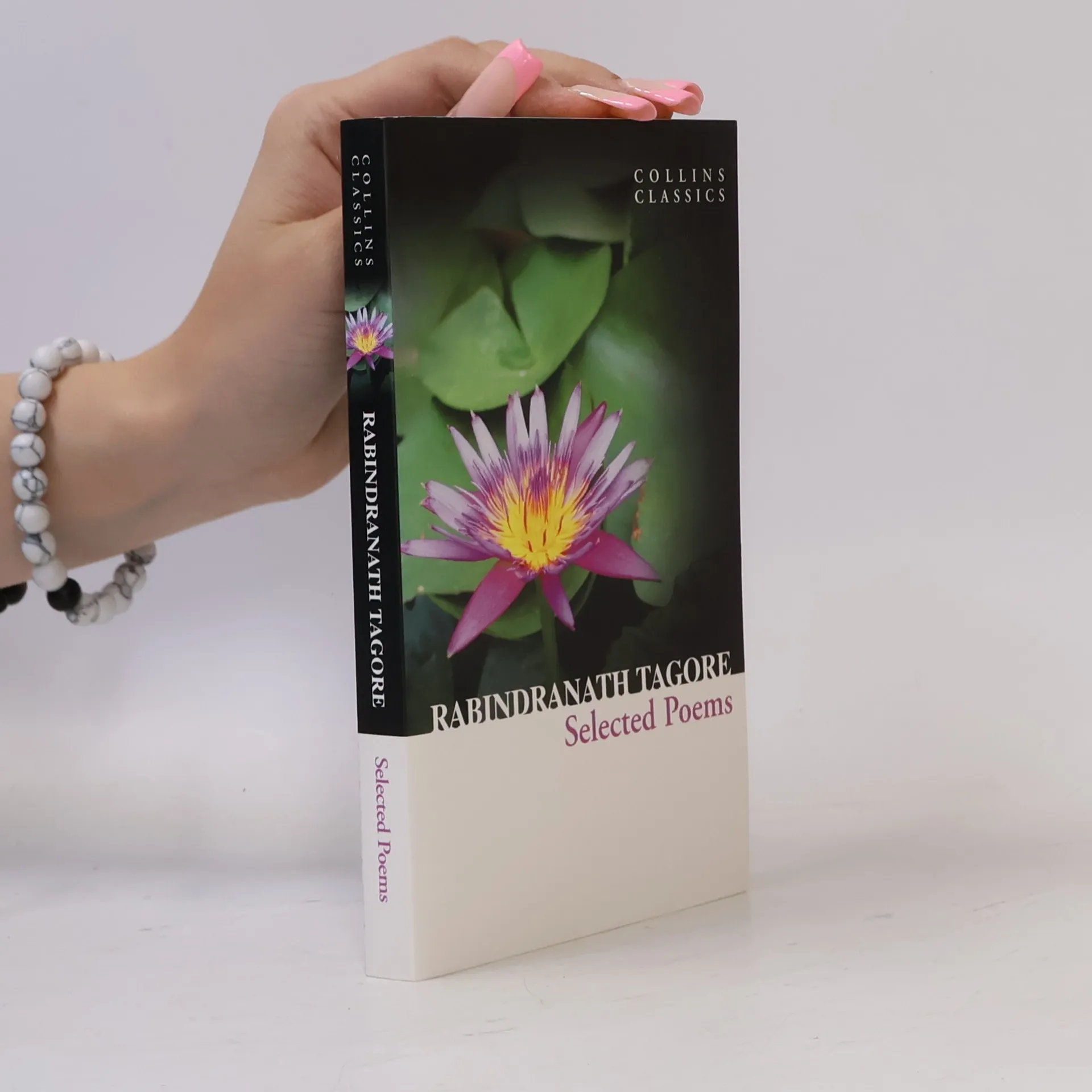
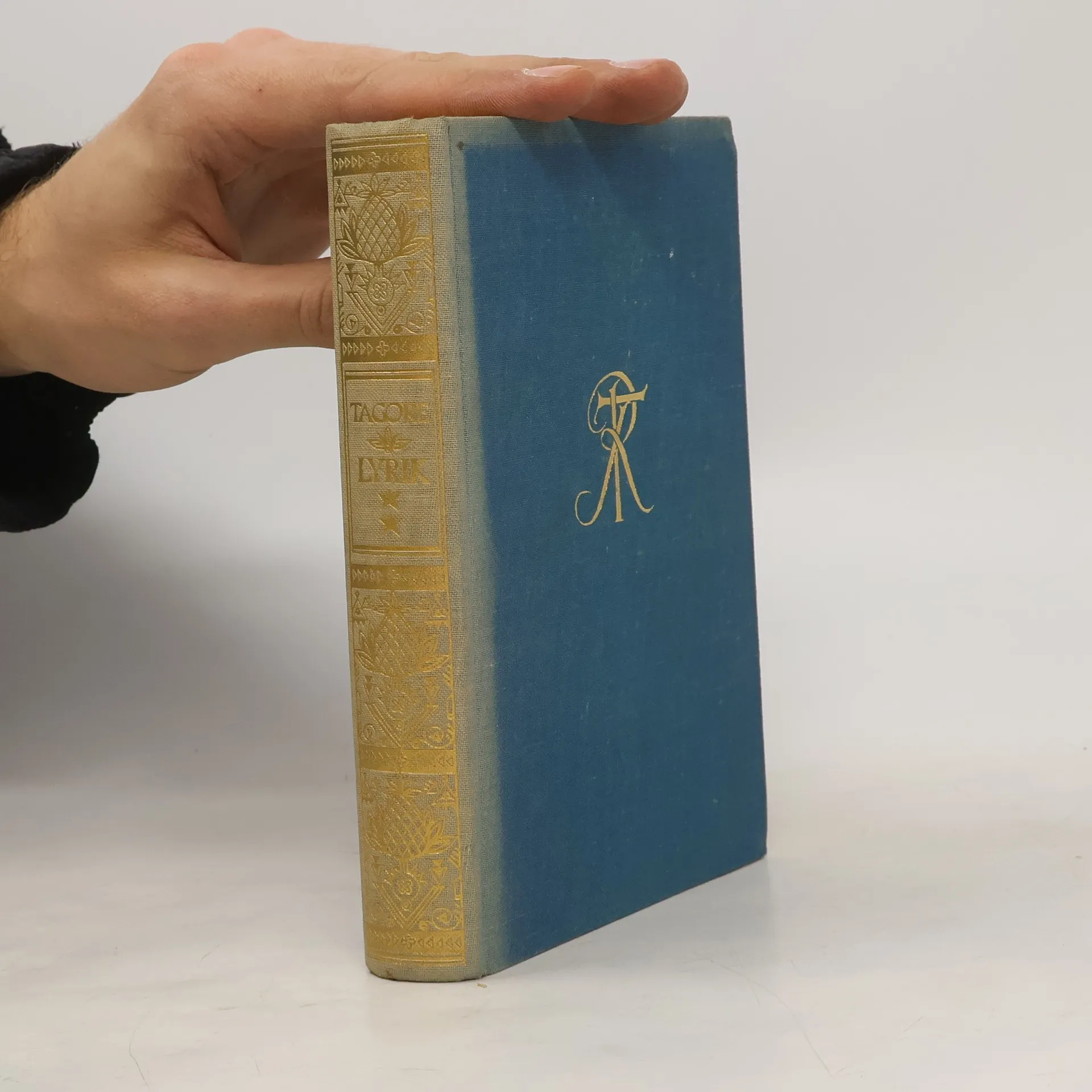
A substantial selection ofpoems by Tagore (1861-1941), the winner of the Nobel Prize for Literature in 1913, and India's greatest modern poet. He was the most brilliant creative genius produced by the Indian Renaissance.
Recently, I spoke with a distinguished Bengali doctor about the profound impact of Rabindranath Tagore's poetry. Despite my lack of knowledge of German, I expressed that if a German poet's translation moved me, I would seek out English texts to learn about his life and thoughts. However, I lamented that I could not do the same for Tagore without an Indian guide. The doctor understood my sentiment, sharing that reading Tagore daily allows him to forget the world's troubles. He likened my curiosity to that of an Englishman in the reign of Richard II, who would seek insights from a Florentine banker about Petrarch or Dante. The doctor emphasized Tagore's unparalleled status in India, noting that no other poet matches his greatness, and referred to this era as the "epoch of Rabindranath." Tagore's songs resonate widely, and he achieved fame early, with his first novel written at nineteen. The doctor admired the completeness of Tagore's life, from his early nature poetry to his profound love poetry written during a period of sorrow. He expressed deep gratitude for Tagore's influence on him at seventeen, highlighting the religious and philosophical depth of his later works. Tagore, he said, is a saint who speaks from life itself, which is why he is so beloved. He recalled a recent divine service led by Tagore that drew immense crowds, illustrating his significant impact on society.
Stray Birds (1916) is a collection of poems by Rabindranath Tagore. Translated into English by Tagore after he received the 1913 Nobel Prize in Literature, Stray Birds is a powerful collection of short poems by a master of Indian literature. "Stray birds of summer come to my window to sing and fly away. And yellow leaves of autumn, which have no songs, flutter and fall there with a sigh." The poems of Stray Birds are a masterclass in clarity and concision. Like birds themselves, they flutter across the sky of the page before passing beyond the limit of sight. In prayer, in celebration, and in evocations of the natural world, Tagore comes as close to the truth as possible, catching a glimpse before it can fly away forever: "Let me live truly, my Lord, so that death to me become true." In plainspoken language, Tagore gives voice to the soul. With a beautifully designed cover and professionally typeset manuscript, this edition of Rabindranath Tagore's Stray Birds is a classic of Indian literature reimagined for modern readers.
Nobel Prize-Winning Author Rabindranath Tagore&Rsquo;S Most Ambitious Work Gora Unfolds Against The Vast, Dynamic Backdrop Of Bengal Under British Rule, A Divided Society Struggling To Envisage An Emerging Nation. It Is An Epic Saga Of India&Rsquo;S Nationalist Awakening, Viewed Through The Eyes Of One Young Man, An Orthodox Hindu Who Defines Himself Against The British Colonialist Culture And Finds Himself Approaching His Nationalist Identity Through The Prism Of Organized Religion. First Published In 1907, Gora Questions The Dogmas And Presuppositions Inherent In Nationalist Thought Like Few Books Have Dared To Do. This New, Lucid And Vibrant Translation Brings The Complete And Unabridged Text Of The Classic To A New Generation Of Readers, Underlining Its Contemporary Relevance.
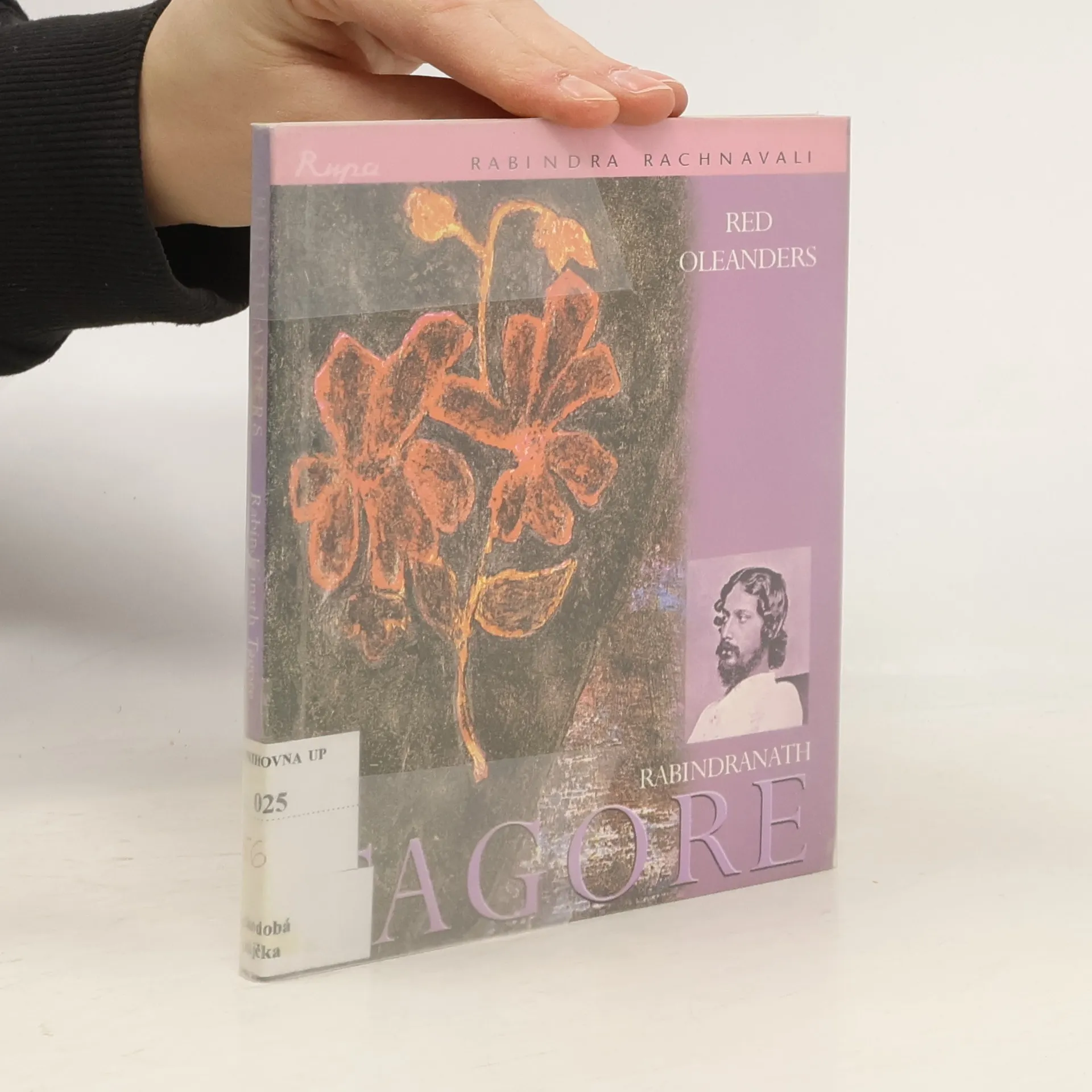
Red Oleanders, a powerful and moving play, is the story of Nandini, a girl who recognises no social barriers and taboos and who disregards them in her search for happiness. Nandini is one of those individuals who bring out the best in human nature. Entering a town where men are enslaved to mine gold, she makes them aware of their bondage and creates in them a desire to be free. Her symbol, the red oleander, can be variously interpreted as frailty or as the red badge of courage. But Nandini escapes being defined as just a symbol. The tremendous verve with which Tagore invests her, makes her a real living personality, and her death is actually a rebirth for the gold diggers. - from the back cover
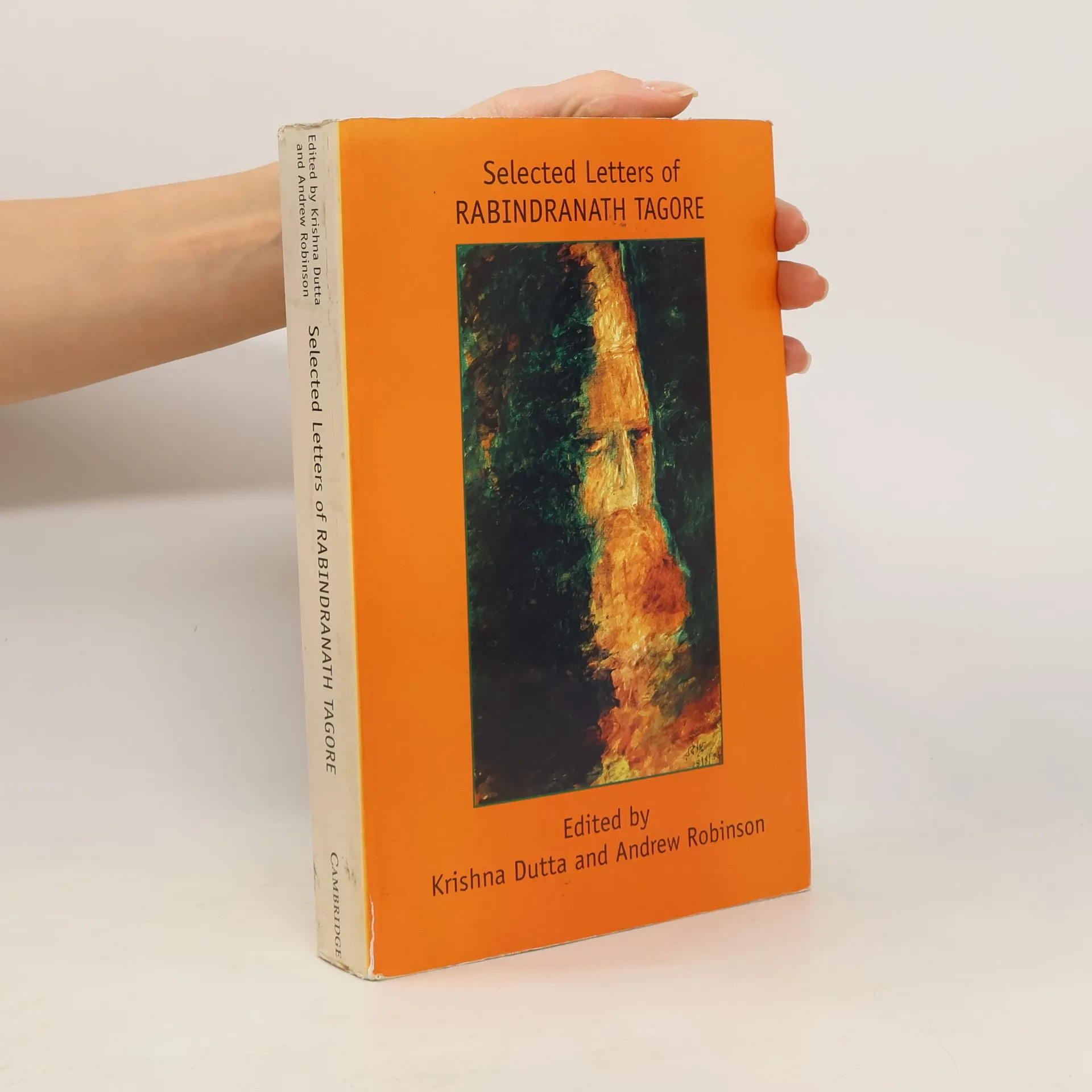
Interest in the life and work of the Nobel-Prize-winning writer, Rabindranath Tagore, is now enjoying a revival after many years of neglect outside India. This selection of some 350 letters spanning Tagore's entire life is the first to be available to English readers. The letters are intended to show as many facets of his experience, interests and ideas as possible, and will be a valuable source of information, not only for the understanding of the complexity of Tagore's personality, but also of the times in which he lived.
Focusing on social realism and traditionalism, this collection of short stories showcases Tagore's literary brilliance through themes of universality and the supernatural. Notable tales like "The Postmaster" and "The Cabuliwallah" highlight the struggles faced by women and girls in traditional Indian society. With its rich blend of ideologies and fantasies, this anthology promises to engage readers of all ages, offering a profound insight into human experiences and relationships.
Renowned for his profound and beautiful verse, Rabindranath Tagore was a pivotal figure in reshaping Bengali literature, music, and Indian art during the late 19th and early 20th centuries. His acclaimed work, Gitanjali, earned him the distinction of being the first non-European Nobel Prize laureate in Literature in 1913. While his poetic songs are celebrated for their spiritual quality, much of his elegant prose and enchanting poetry remains underappreciated beyond Bengal, earning him the title "the Bard of Bengal."
In 1913, Rabindranath Tagore became the first non-European to win the Nobel Prize in Literature, and he remains one of the most important voices of Bengali culture to this day. Tagore's poetry continues to rise above geographic and cultural boundaries to capture the imaginations of readers around the world.
The story follows a young boy yearning for freedom and adventure, longing to break away from the constraints of societal expectations and the comfort of familiar routines. His journey symbolizes a quest for liberation, challenging the rigid opinions imposed by those around him. Through this narrative, themes of individuality and the desire for exploration are poignantly explored.
These poems by Tagore written primarily to entertain the children moved many contemporary writers. The beauty and simplicity of these poems translated from the Bengali collection of poems Sishu (1903) are very moving. The Globe in its review (1913) described it as 'a revelation more profound and more subtle than that in the Gitanjali.'
Exploring the duality of human nature, the book reflects on mankind's capacity for both destruction and creation. It delves into the complexities of the human soul, emphasizing the profound understanding that elevates humanity beyond mere survival. Through the lens of Tagore's philosophy, it invites readers to contemplate the deeper meanings of existence, creativity, and moral responsibility, ultimately celebrating the potential for greatness that lies within each individual.
Exploring the lives of Bimala, her husband Nikhil, and the political activist Sandip, the narrative delves into the complexities of personal relationships against the backdrop of political upheaval. Through their intertwined perspectives, the story reflects on themes of nationalism and identity, foreshadowing the eventual separation of India and Pakistan in 1947. Tagore's work intricately weaves individual struggles with broader societal changes, highlighting the emotional and ideological conflicts of the time.
Poet, novelist, painter and musician, Rabindranath Tagore (1861-1941) is the grand master of Bengali culture. Written during the 1890s, the stories in this collection recreate vivid images of Bengali life and landscapes in their depiction of peasantry and gentry, casteism, corrupt officaldom and dehumanizing poverty.
The work showcases Tagore's exceptional lyrical talent and deep understanding of the human soul. His artistry captures profound emotions and explores the complexities of human experience, making his insights both timeless and relatable. Through evocative language and rich imagery, readers are invited to reflect on their own lives and the universal themes of love, loss, and the search for meaning.
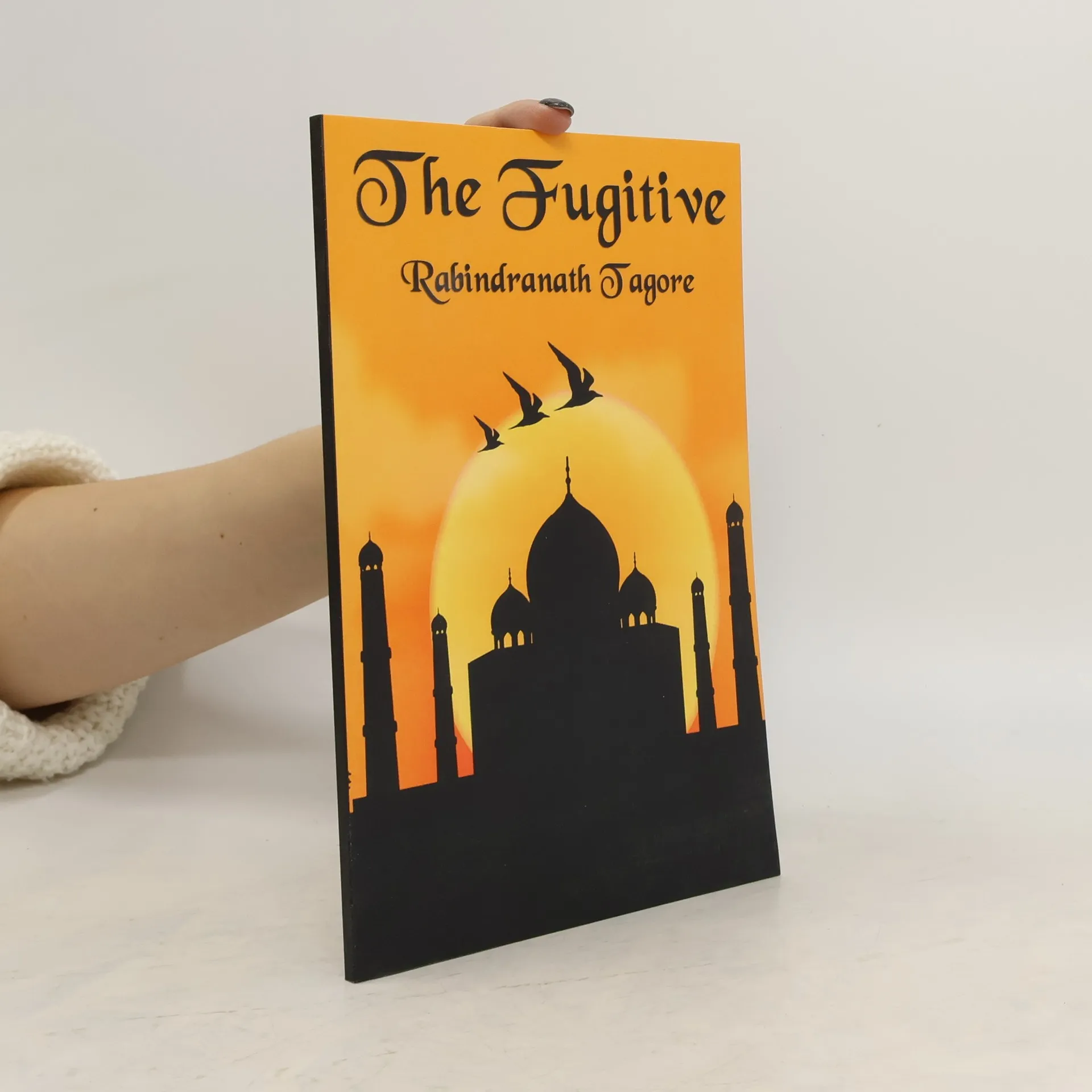
Darkly you sweep on, Eternal Fugitive, round whose bodiless rush stagnant space frets into eddying bubbles of light. Is your heart lost to the Lover calling you across his immeasurable loneliness? Is the aching urgency of your haste the sole reason why your tangled tresses break into stormy riot and pearls of fire roll along your path as from a broken necklace? Your fleeting steps kiss the dust of this world into sweetness, sweeping aside all waste; the storm centred with your dancing limbs shakes the sacred shower of death over life and freshens her growth.
Exploring themes of leadership and isolation, this play features a benevolent king who chooses to remain unseen, causing unrest among his wife, courtiers, and neighboring rulers. Rabindranath Tagore, a pivotal figure in the Bengali Renaissance, crafts a narrative that delves into the complexities of power and human connection. Celebrated globally, this work showcases Tagore's literary brilliance and is a captivating addition to any book lover's collection, promising to touch the heart of its readers.
Discusses the resurgence of the East and the challenge it poses to Western supremacy, calling for a future beyond nationalism, based instead on cooperation and racial tolerance.
Exploring themes of love, loss, and spirituality, this collection features Rabindranath Tagore's lyrical storytelling. "The Hungry Stones" tells the haunting tale of a young man's obsession with a mysterious palace, while "The Cabuliwallah" heartwarmingly depicts a father-daughter bond. Deeply rooted in Indian culture, these stories resonate with universal human experiences, showcasing Tagore's profound insights and emotional depth. This timeless classic captivates readers and highlights the richness of India's literary heritage.
A New York Review Books Original Transcending divisions of creed, challenging social distinctions of all sorts, and celebrating individual unity with the divine, the poetry of Kabir is one of passion and paradox, of mind-bending riddles and exultant riffs. These new translations by Arvind Krishna Mehrotra, one of India’s finest contemporary poets, bring out the richness, wit, and power of a literary and spiritual master.
Renowned for reshaping Bengali literature and music, this influential figure was a poet, writer, composer, philosopher, and painter. His work, particularly the acclaimed Gitanjali, features deeply sensitive and beautiful verse, earning him the Nobel Prize in Literature in 1913 as the first non-European laureate. While his poetic songs are celebrated for their spiritual depth, his elegant prose and magical poetry remain lesser-known beyond Bengal. Often called "the Bard of Bengal," he played a pivotal role in the emergence of Contextual Modernism in Indian art.
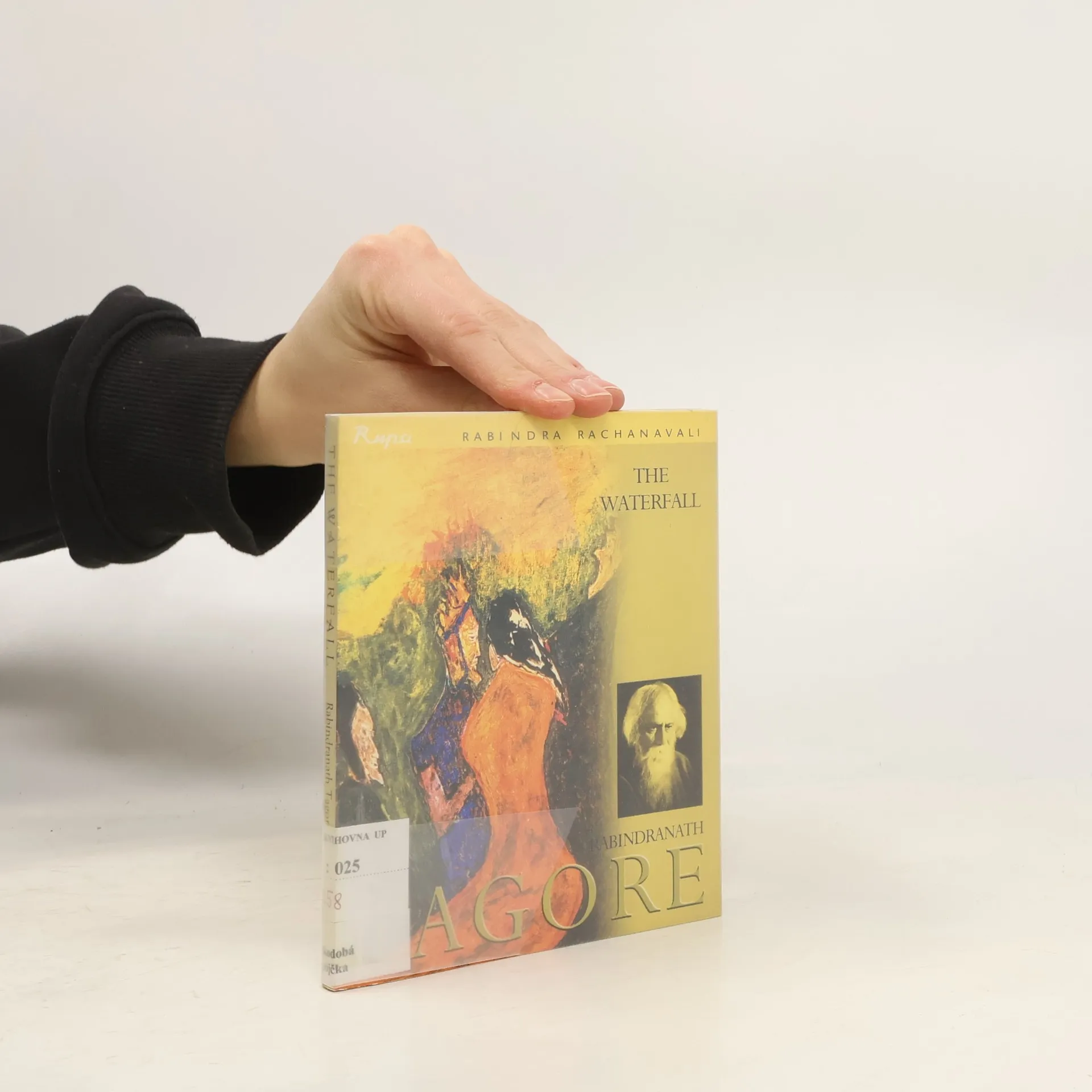
The Waterfall (Muktadhara, 1922) is considered by many as one of the finest plays written by Tagore. In his own words it is a 'representation of a concrete psychology'. Abhijit, one of the principal characters, after a revelation of his castaway status, develops a belief that he has a spiritual relationship with the waterfall beside whose mouth he was discovered.
This book is a reproduction of an original historical work, presented in large print format to enhance accessibility for readers with impaired vision. Published by Megali, a company dedicated to making historical texts more readable, it aims to ensure that important works remain available to a wider audience.
Exploring the themes of nature, leadership, and art, this play unfolds in a vibrant spring setting where the joyous populace contrasts with the King's despair over aging. As he grapples with his image and pressing issues like famine, the court Poet is summoned to revitalize the King's spirit through a symbolic performance. This work, translated by Tagore himself after winning the Nobel Prize, reflects on the interplay between personal and communal renewal, making it a timeless classic of Indian literature.
Focusing on accessibility, this publication features a large print reproduction of a historical work, aimed at enhancing readability for individuals with impaired vision. Megali, the publishing house behind this initiative, specializes in making historical texts more accessible to a broader audience, ensuring that important works are available to those who may struggle with standard print sizes.
Focusing on accessibility, this book is a reproduction of a historical work presented in large print, catering specifically to individuals with impaired vision. The publishing house Megali is dedicated to enhancing reading experiences through such reproductions, ensuring that important texts remain available to a wider audience.
This book is a reproduction of a historical work, published by Megali, a company dedicated to making literature accessible to individuals with impaired vision through large print formats. The focus on historical accuracy and readability highlights the importance of inclusivity in literature, ensuring that more readers can engage with classic texts.
Exploring the essence of creativity, Rabindranath Tagore's essays delve into its significance in art, society, and personal growth. He posits that creativity fosters connections among individuals and cultures, promoting understanding and cooperation. Through poetic language, Tagore intertwines Eastern and Western philosophies, emphasizing creativity as a transformative human capacity. Drawing on Indian spiritual traditions, he examines consciousness and the self, offering a profound perspective on how creative expression can unite humanity.
Exploring the profound relationship between God and humanity, this collection features 86 short poems that intertwine themes of spirituality and morality. Through the imagery of fruits and flowers, Tagore conveys his reverence for the creator and the interconnectedness of the universe. First published in 1916, the poems reflect a deep appreciation for both the divine and the natural world, offering readers a rich tapestry of insights into the human experience.
My Reminiscences (1917) is a memoir by Rabindranath Tagore. Published after Tagore received the 1913 Nobel Prize in Literature, My Reminiscences contains personal reflections on the author's youth, education, and introduction to the art of poetry. Originally published in Bengali, My Reminiscences was written by Tagore in his fiftieth year, as he prepared to embark on a journey around the world. "I know not who paints the pictures on memory's canvas; but whoever he may be, what he is painting are pictures; by which I mean that he is not there with his brush simply to make a faithful copy of all that is happening. He takes in and leaves out according to his taste. [...] In short he is painting pictures, and not writing history." In this collection of memories, Tagore is at his philosophical, poetic best, reflecting earnestly and with ease on matters public and private. Looking back on a life at the center of Indian culture, Tagore moves fluidly and fluently from youth to young adulthood, recalling family, friends, servants, and strangers with clarity and curiosity. Afloat in his houseboat, lying on a rooftop at night, or exploring the outer limits of his mind, Tagore shares his insight with us all. With a beautifully designed cover and professionally typeset manuscript, this edition of Rabindranath Tagore's My Reminiscences is a classic of Indian literature reimagined for modern readers.
Excerpt from Glimpses of Bengal: Selected From the Letters of Sir Rabindranath Tagore, 1885 to 1895:It so happened that selected extracts from a large number of such letters found their way back to me years after they had been written. It had been rightly conjectured that they would delight me by bringing to mind the memory of days when, under the shelter of obscurity, I enjoyed the greatest freedom my life has ever known.
Exploring profound spiritual questions, this work by Rabindranath Tagore delves into the purpose of creation, the existence of evil, and the significance of beauty. Through reflections on nature and daily meditation, Tagore emphasizes the interconnectedness of life and the divine energy that uplifts us. He enriches his insights with Sanskrit verses from the Upanishads and teachings from Buddhism, offering deep wisdom that invites readers to ponder each sentence thoughtfully. The book promises a journey of joy and enlightenment.
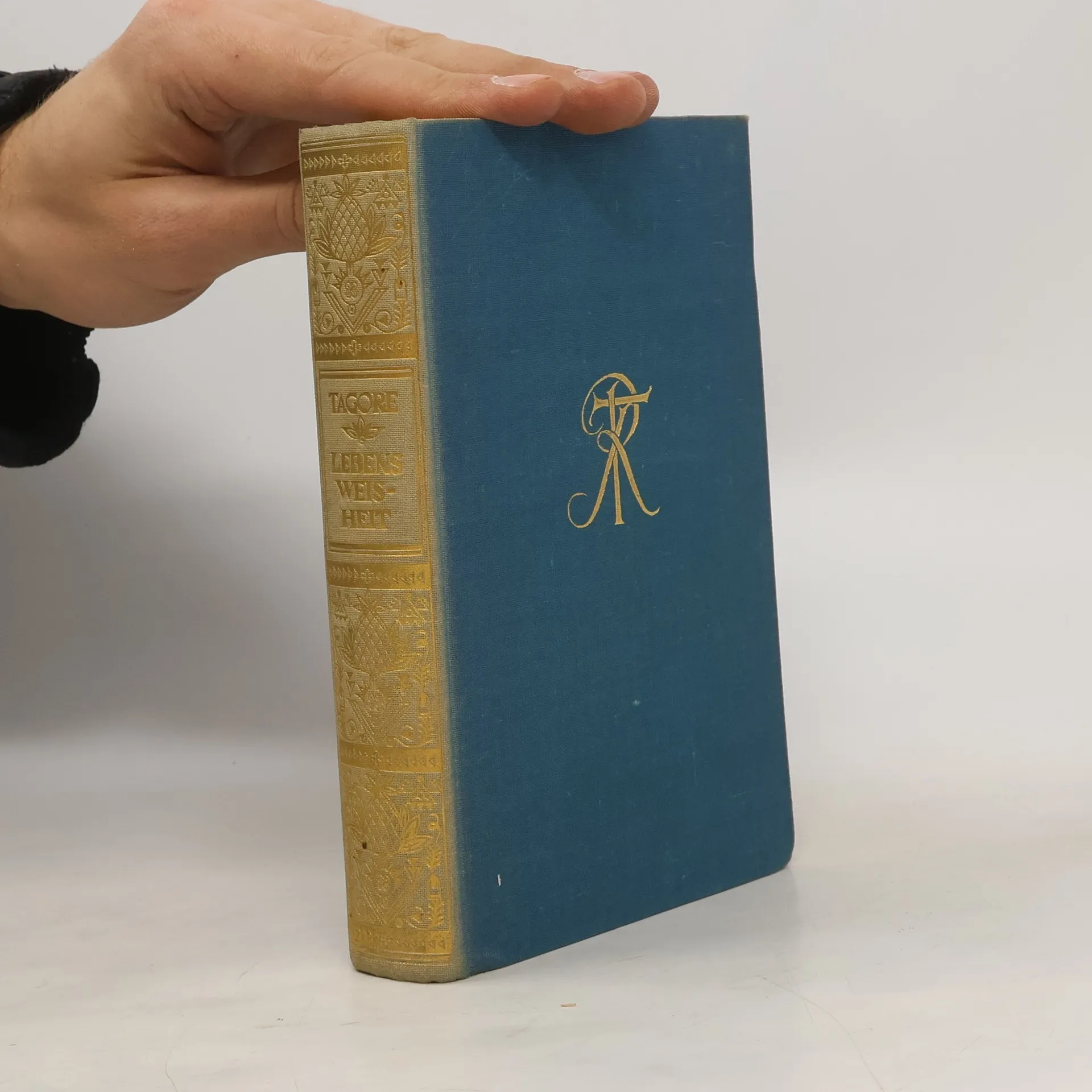
Die in diesem Band gesammelten Aphorismen, Reflexionen und Meditationen des großen indischen Schriftstellers und Philosophen Rabindranath Tagore stellen nicht nur die Essenz seines religiös-philosophischen Denkens dar, sie zeigen zugleich, wie sich das spirituelle Gedankengut Indiens mit großem Gewinn auf das Leben heute übertragen lässt, zumal er sich in seinen Texten zum Teil direkt an seine westlichen Leser wendet, um ihnen Wesen und Geist Indiens nahe zu bringen. Dabei schöpft er aus den reichen Quellen hinduistischer und buddhistischer Überlieferungen, die in seiner Familie in Andachten und praktischem Handeln lebendig gehalten wurden. Eine tägliche Quelle der Inspiration, der Ermutigung und des Trostes.
Rabindranath Tagore, ein vielseitiger bengalischer Schriftsteller und der erste Literaturnobelpreisträger Asiens, wird als Indiens Universalgelehrter gefeiert. Seine Werke, insbesondere die Gedichte aus "Hohe Lieder", sind heute Teil des nationalen Kulturguts Indiens. Tagore verband in seiner Kunst Philosophie, Musik und Malerei und verlieh der Literatur seines Heimatlandes neues Selbstbewusstsein. Seine poetischen Beschreibungen der Musik reflektieren eine tiefe spirituelle Verbindung und die universelle Kraft der Kunst, die alle Hindernisse überwindet.
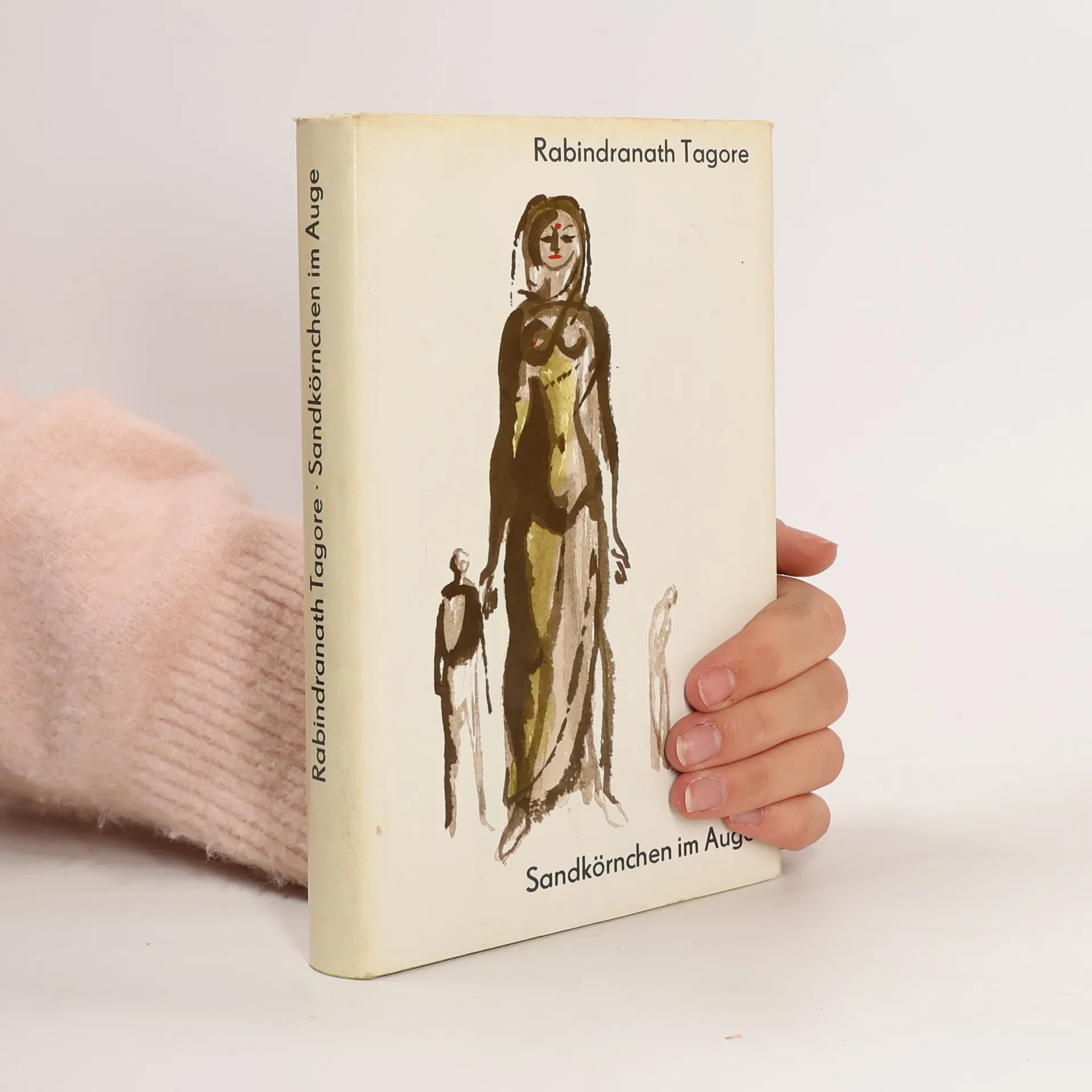
Ein Frauenschicksal im modernen Indien «Ihr Ausbruch von Verzweiflung setzte Bhupoti noch mehr in Erstaunen als zuvor die scheinbare Gleichgültigkeit seiner Frau. Wie falsch er sie doch eingeschätzt hatte, dachte er…» Sie ist jung, ihr Leben verläuft sorglos, und doch … Als Schwager Omol in ihr Haus zieht, muss Caru erkennen, dass ihre komfortable Ehe mit dem vielbeschäftigten Zeitungsverleger Bhupoti sie nicht glücklich zu machen vermag. Erst der Student schenkt ihr Aufmerksamkeit und ruft bislang ungeahnte Fähigkeiten in ihr wach. Aber auch das neue Glück ist unvollkommen und stellt Caru vor die Frage nach der Zukunft. In seinem feinfühligen Kurzroman stellt der indische Nobelpreisträger Rabindranath Tagores (1861–1941) die zeitlose Frage nach dem Wesen einer glücklichen Partnerschaft.
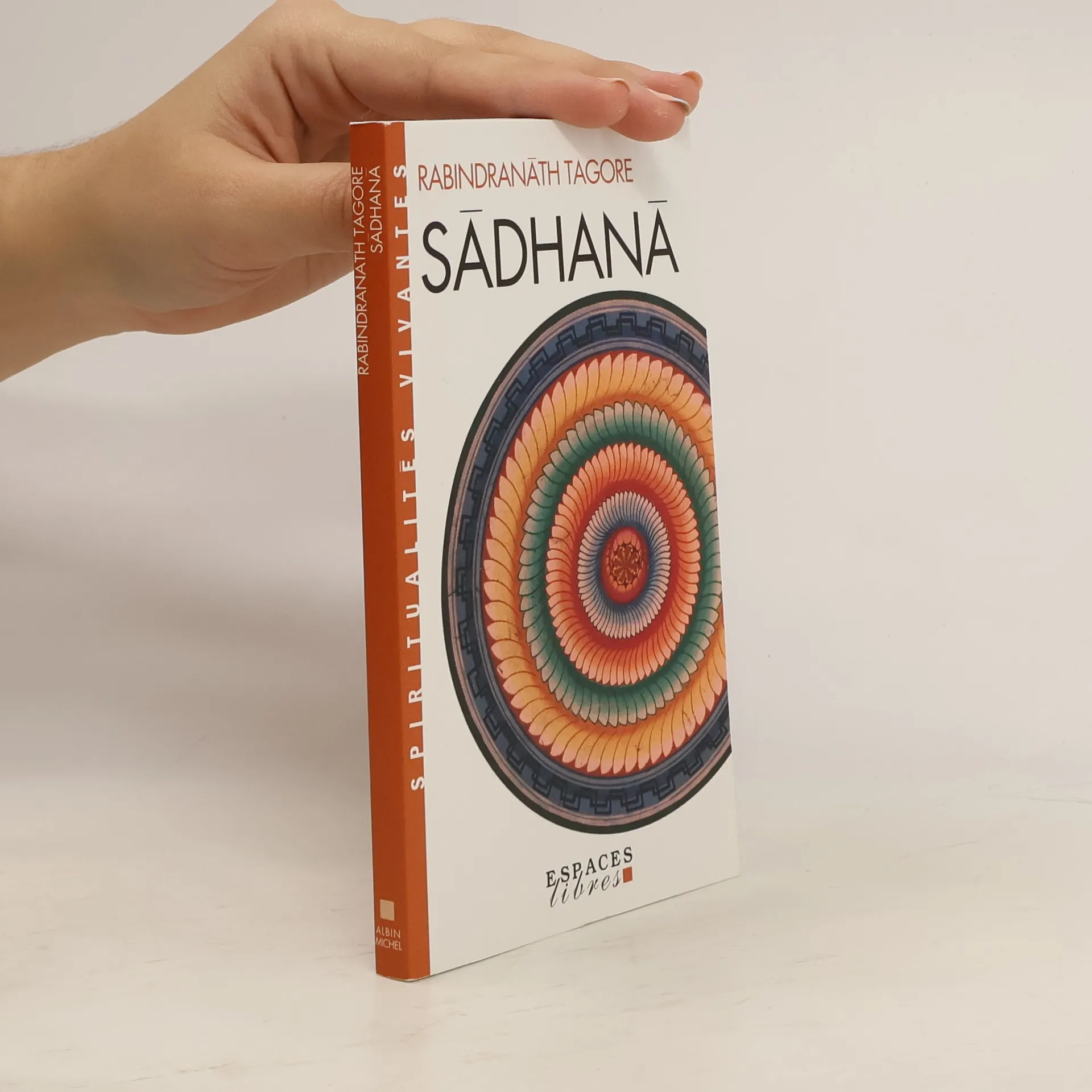
Écrit par le lauréat du prix Nobel Rabindranath Tagore, Sadhana est une introduction profonde et accessible au patrimoine spirituel ancien de l'Inde. Peu de figures dans l'histoire ont été aussi importantes que Rabindranath Tagore pour introduire la philosophie indienne et les enseignements spirituels en Occident. Bien qu'il soit principalement connu comme poète, son œuvre est profondément religieuse, imprégnée de sa conviction que Dieu peut être trouvé à travers la pureté personnelle et le service aux autres. Sadhana (parfois traduit du sanskrit par « pratique spirituelle » ou « discipline spirituelle ») est une distillation magnifiquement écrite et concise des grandes ressources de la philosophie indienne. Avec l'essor de l'intérêt pour la spiritualité indienne, il sera accueilli avec enthousiasme par les lecteurs partout.
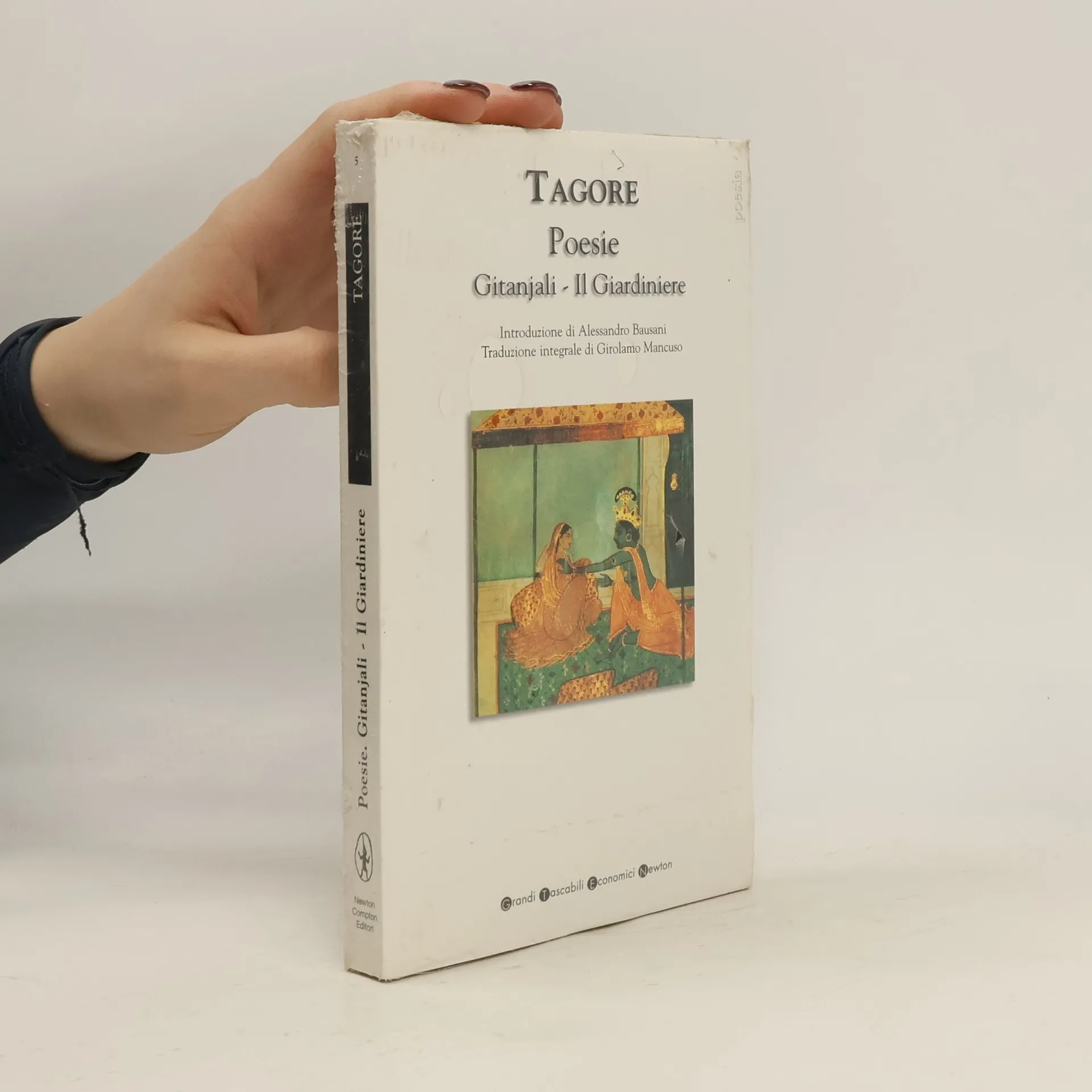
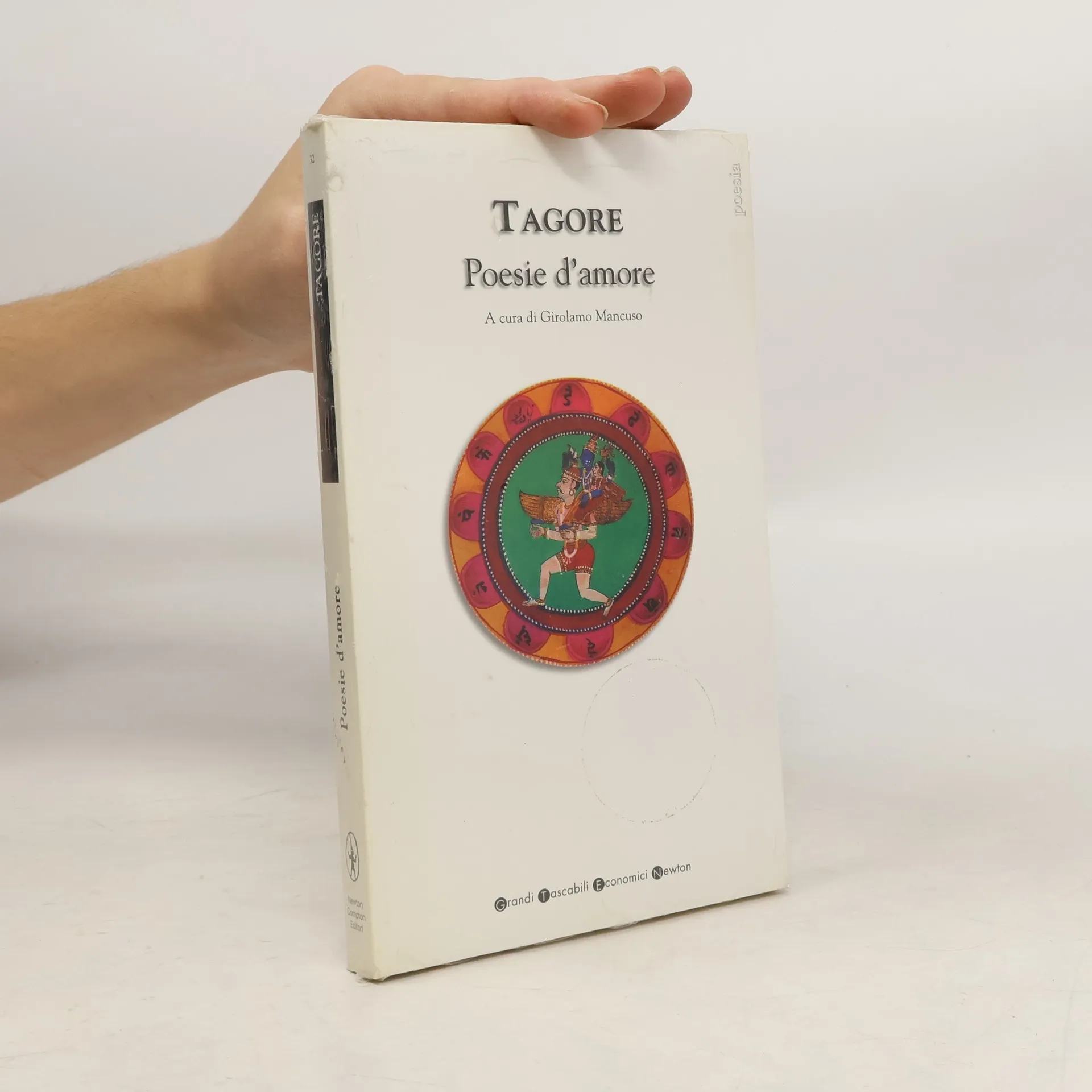
Cura e traduzione di Girolamo Mancuso, le poesie presentate esprimono l’amarezza di una solitudine incolmabile, frutto della perdita della moglie e di due figli da parte di Tagore. Il desiderio di riunirsi con i propri cari nell'Eterno genera una lirica che cerca di riprodurre una realtà ultraterrena, vista come madre e conforto, un rifugio dalla dolorosa condizione esistenziale. In un periodo segnato da conflitti, il culto di Tagore per la poesia emerge come un'alternativa di fede, per recuperare una dimensione più profonda e sentimentale dell'esistenza, concepita come amore. La sua riflessione sulla vita e sull'aldilà è intensa: «Credo che mi fermerò stupito se c’incontreremo in un’altra vita, camminando alla luce d’un mondo remoto...». Rabindranath Tagore, poeta e filosofo indiano, ha portato la spiritualità del suo Paese in Occidente. Nato nel 1861 in una famiglia nobile, trascorse tre anni in Inghilterra a sedici anni. Già celebre in India, la sua fama si diffuse in Europa nel 1913 con le traduzioni in inglese delle raccolte Gitanjali e Il Giardiniere. Riconosciuto da poeti come W. B. Yeats ed Ezra Pound, ricevette il premio Nobel per la letteratura nello stesso anno.
Tagore schildert hier seine Kindheitserlebnisse in Kalkutta und damit die
'kleinen Dinge des Alltags' im Indien des 19. Jahrhunderts. Der Leser erfährt
auch vieles über seine Familie.§§Tagore schreibt stets mit einer gewissen
Selbstironie und einem leichten Augenzwinkern und erscheint hier weniger als
unnahbares Genie, sondern vielmehr als ganz normaler Mensch mit seinen kleinen
und größeren Sorgen und Fehlern - ein sympathischer und weltoffener Charakter,
der auch über sich selbst lachen konnte.
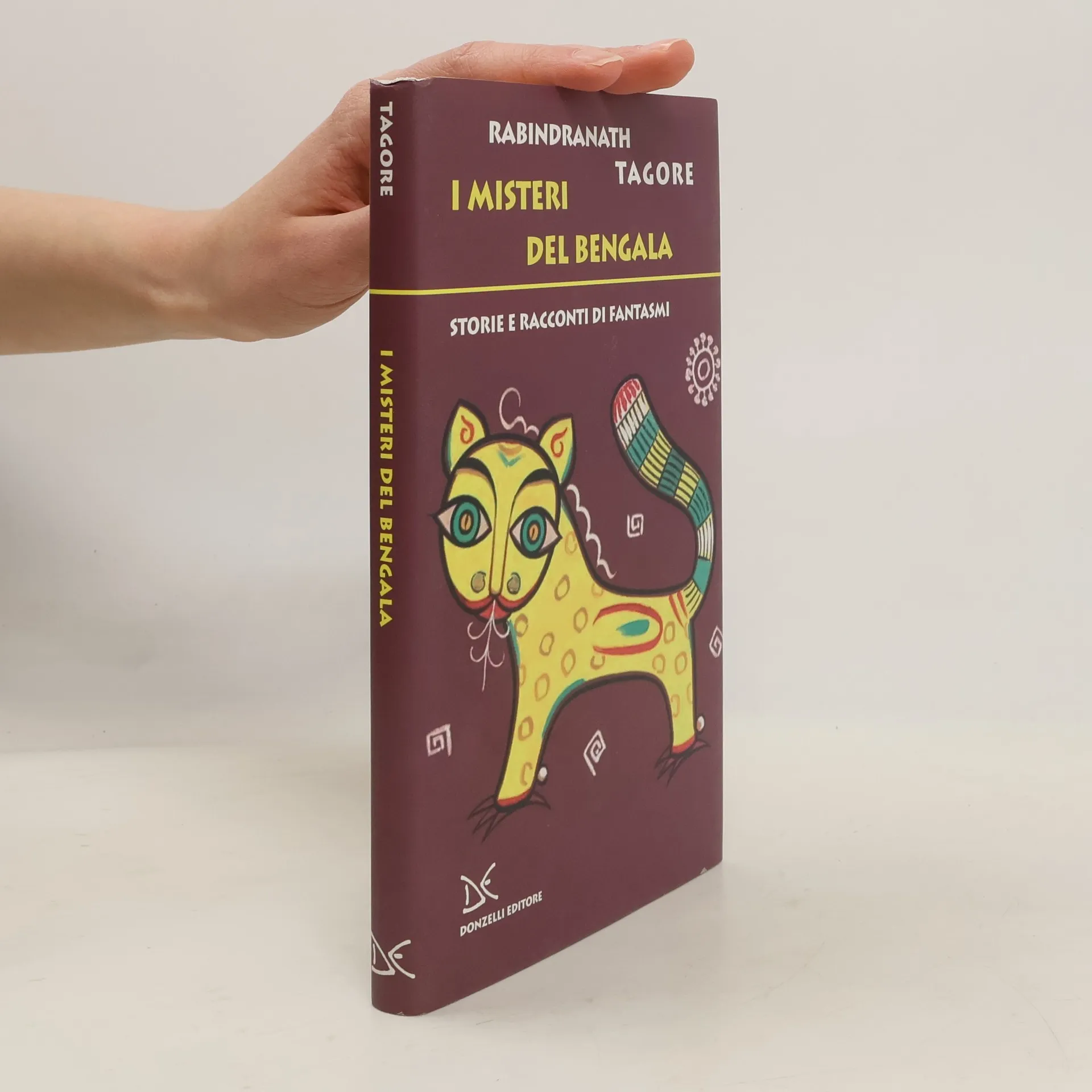
La lotta tra sensibilità e crudeltà, ingenuità ed erotismo, natura e spirito, donna e uomo caratterizza i racconti di Tagore, genio indiano della letteratura tra Otto e Novecento. Le sue opere non solo ritraggono le tensioni universali della grande letteratura, ma le collocano nel contesto di un’India coloniale in transizione verso la modernità. Tagore utilizza spiriti e scheletri parlanti, fantasmi umani e impalpabili, per rappresentare le contraddizioni di un’epoca. L’aura di mistero permea i suoi racconti, evidenziando come l’uomo possa rimanere prigioniero dei propri sogni; come affermava, «l’illusione è la prima apparenza della verità». Le sue storie, popolate da inquietanti creature tra vita e morte, esplorano tormenti amorosi in cui la morte non è sempre l’ultima parola. All’inizio del XX secolo, l’Occidente riconobbe Tagore come il padre nobile dell’India, conferendogli il Premio Nobel per la letteratura nel 1913. La sua opera riflette un’integrazione tra culture: induista, mussulmana e britannica. Tuttavia, dopo un iniziale successo, Tagore è stato spesso dimenticato, relegato a una dimensione spirituale e mistica. Questa recente raccolta, ora tradotta in inglese e francese, riporta alla luce la prosa originale di un maestro, la cui immaginazione si unisce a una straordinaria precisione descrittiva, raggiungendo vette del racconto contemporaneo.
Esplugues de Llobregat (Barcelona. 18 cm. 299 p. Encuadernación en tapa blanda de editorial ilustrada. Tagore, Rabindranath 1861-1941. Traducción de Zenobia Camprubí de Jiménez. El Ave Fénix. Camprubí de Jiménez, Zenobia. 1887-1956 .. Este libro es de segunda mano y tiene o puede tener marcas y señales de su anterior propietario. 8401421217
Die Geschichte spielt im kolonialen Indien und thematisiert den Konflikt zwischen Tradition und Moderne. Im Mittelpunkt stehen die Charaktere Bimala, der Ehemann Nikhil und der charismatische Nationalist Sandip, die in einem emotionalen Dreiecksverhältnis verstrickt sind. Tagore beleuchtet die Auswirkungen politischer Ideale auf persönliche Beziehungen und die Suche nach Identität. Diese Ausgabe bietet eine sorgfältige Neuausgabe des Originals von 1916, angepasst an die moderne Rechtschreibung, und ist in einem lesefreundlichen Großdruck gestaltet.
Die Erzählung beschreibt die Kindheitserinnerungen des Erzählers, der mit Surabala zur Schule ging und eine enge Freundschaft pflegte. Ihre Spiele als "Mann und Frau" spiegeln eine unschuldige, kindliche Beziehung wider. Die Mutter von Surabala zeigt sich als liebevolle Figur, die die beiden Kinder als ein charmantes Paar betrachtet, was die Unschuld und die Hoffnungen der frühen Jahre betont. Diese nostalgische Rückschau thematisiert die Unbekümmertheit der Kindheit und die ersten zwischenmenschlichen Bindungen.
Rabindranath Tagores „Der Gärtner“ ist eine Sammlung von Liebesgedichten, die erstmals 1915 ins Englische übersetzt wurde. Diese Ausgabe enthält die deutsche Übersetzung von Hans Effenberger und wurde an die neue Rechtschreibung angepasst. Der Text bewahrt die stilistischen Merkmale der englischen Übertragung.
Rabindranath Tagore, bengalischer Schriftsteller und erster Literaturnobelpreisträger Asiens, war auch Philosoph, Komponist und Maler. Seine Essays über "Nationalismus" kritisieren die westliche Arroganz und fördern das Selbstbewusstsein der indischen Literatur. Ein bedeutendes Werk der Weltgeschichte.
Was glauben Sie? Eine unmoderne existenzielle Frage, die das Wunderbare und
das Abgründige ebenso streift wie das Fragen nach Gott. Johannes Kaup spricht
in seiner Ö1-Logos-Reihe mit gläubigen und ungläubigen, zweifelnden und
zurückhaltenden Gesprächspartnern stets offen über das, woran sie persönlich
glauben und was sie in ihrem Leben trägt. Die heutige Komplexität des Glaubens
und Nicht-Glaubens wird in den rund zwanzig hier versammelten Interviews als
Signatur der Gesellschaft mehr als deutlich.