

A New York Times Top Historical Fiction Pick of 2020An inventive and genre- bending new novel from a master of the form, exploring race, the legacy of past exploitation and present-day authorship. Who should be remembered, and who should tell their story? .
Zoë Wicomb Books
November 23, 1948
Zoë Wicomb's literary work delves into the complexities of racial identity and human relationships, often set against the backdrop of apartheid and post-apartheid South Africa. Her distinctive style offers a piercing look into character psychology and a nuanced exploration of personal histories. Through her novels and short stories, she provides profound insights into individuals grappling with the legacies of oppression and searching for their place in society. Wicomb masterfully captures the tensions between different worlds, demonstrating how past experiences shape present lives.
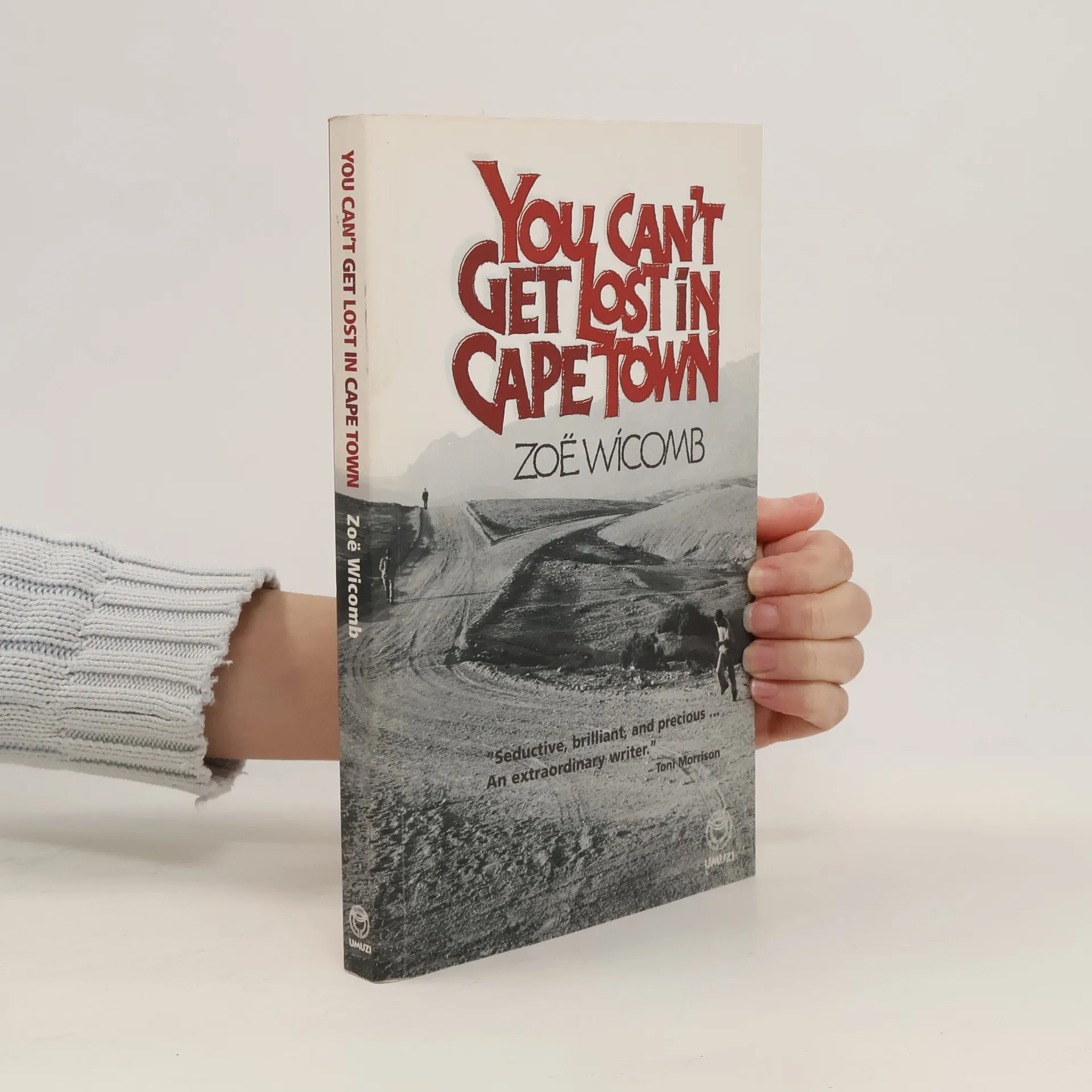

You Can't Get Lost in Cape Town
- 189 pages
- 7 hours of reading
The South African novel of identity that "deserves a wide audience on a par with Nadine Gordimer."
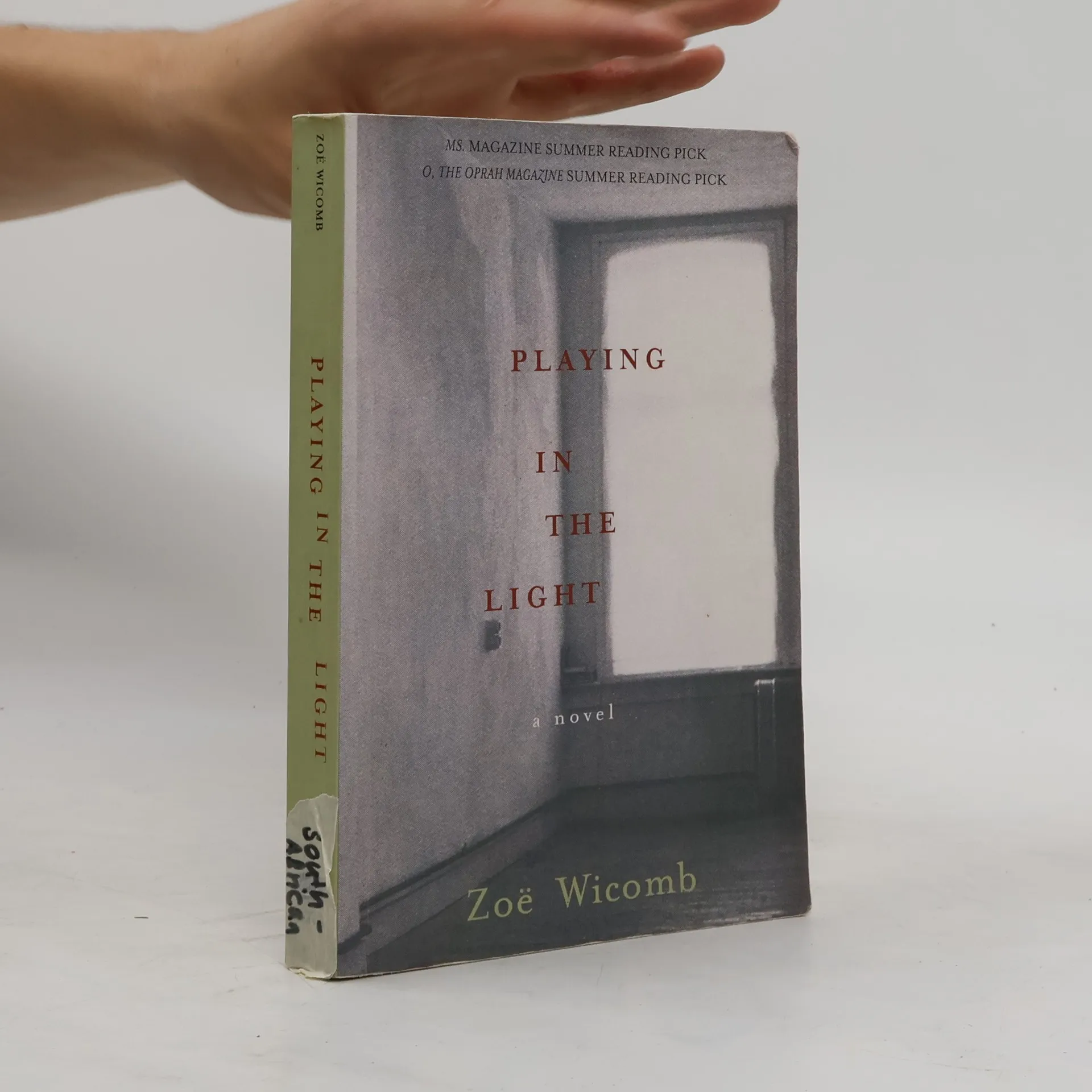
Playing In The Light
- 224 pages
- 8 hours of reading
Set in 1990s Cape Town, this novel revolves around Marion, a woman of Afrikaner background, who hates travelling but nonetheless runs a travel agency, and her complex relationship with Brenda, the first black woman she has ever employed.--Résumé de l'éditeur.
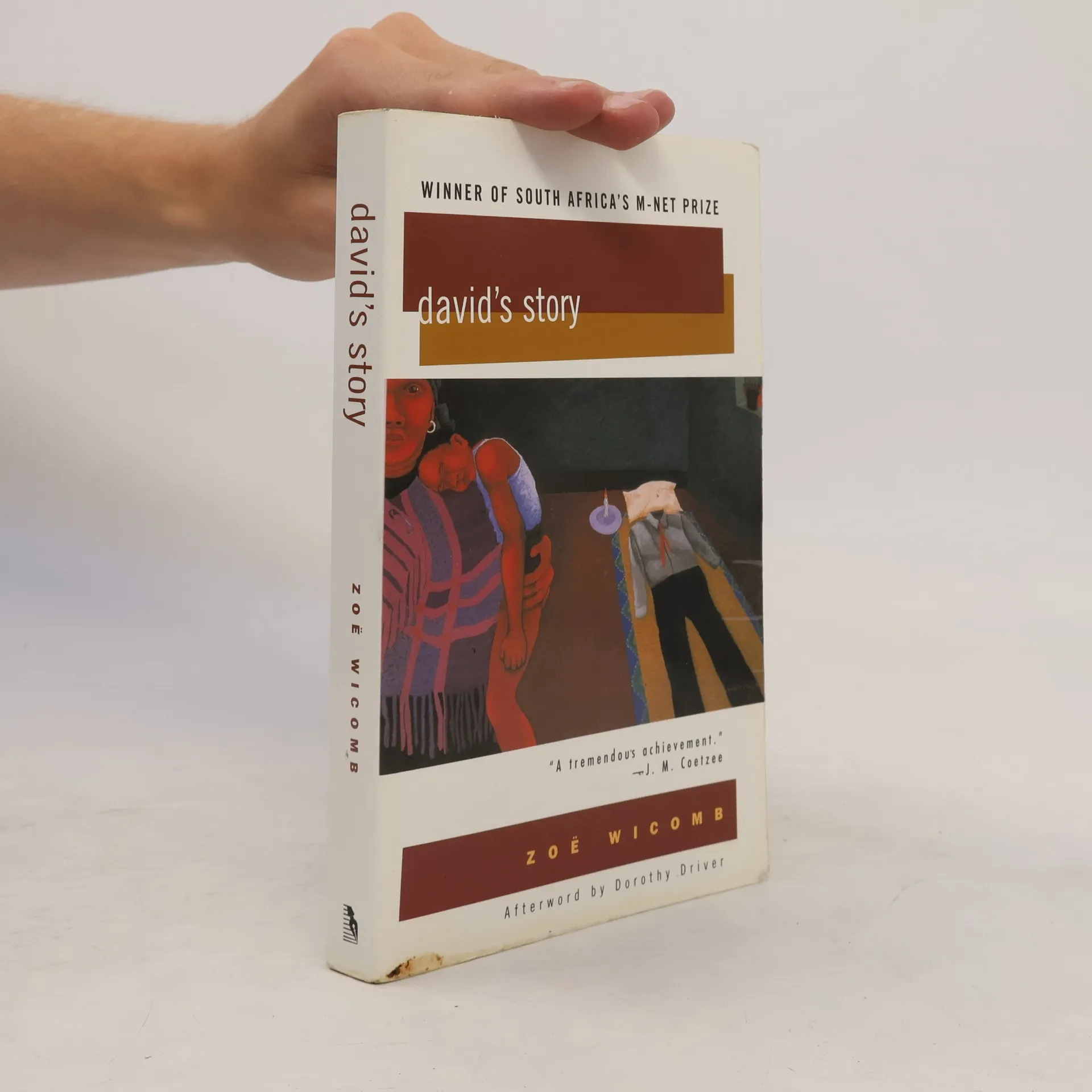
Unfolding in South Africa, at the moment of Nelson Mandela's release from prison in 1991, this novel explores the life and vision of a male activist through the pen of a female narrator. David Dirkse is part of the underground world of activists, spies and saboteurs in the liberation movement -- a world seldom revealed to outsiders. With 'time to think' after the unbanning of the movement, David is researching his roots in history of the mixed-race 'Coloured' people of South Africa and of their antecedents among the indigenous people and early colonial settlers. Provides compelling history that is vividly personal, through the powerful filter of storytelling. Through voices that weave together -- responding to, illuminating, and sometimes contradicting one another -- Wicomb depicts a world where 'truth upon conflicting truth wriggles into shape'. The dramatic and violent turns at the close of the novel further testify to the complexity of truth -- and of telling.
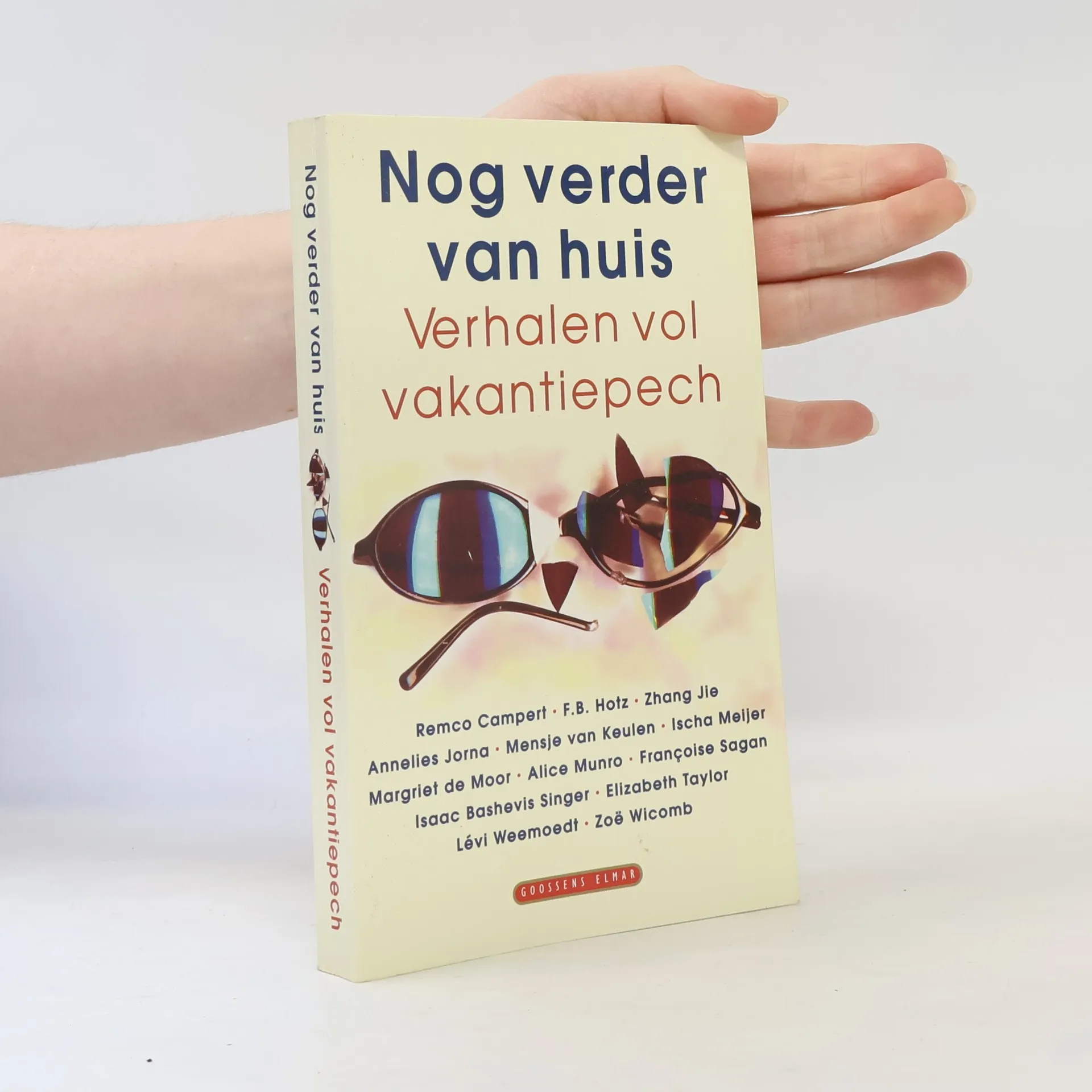
Bloemlezing van verhalen waarin vakantievreugde verkeert in vakantieleed.