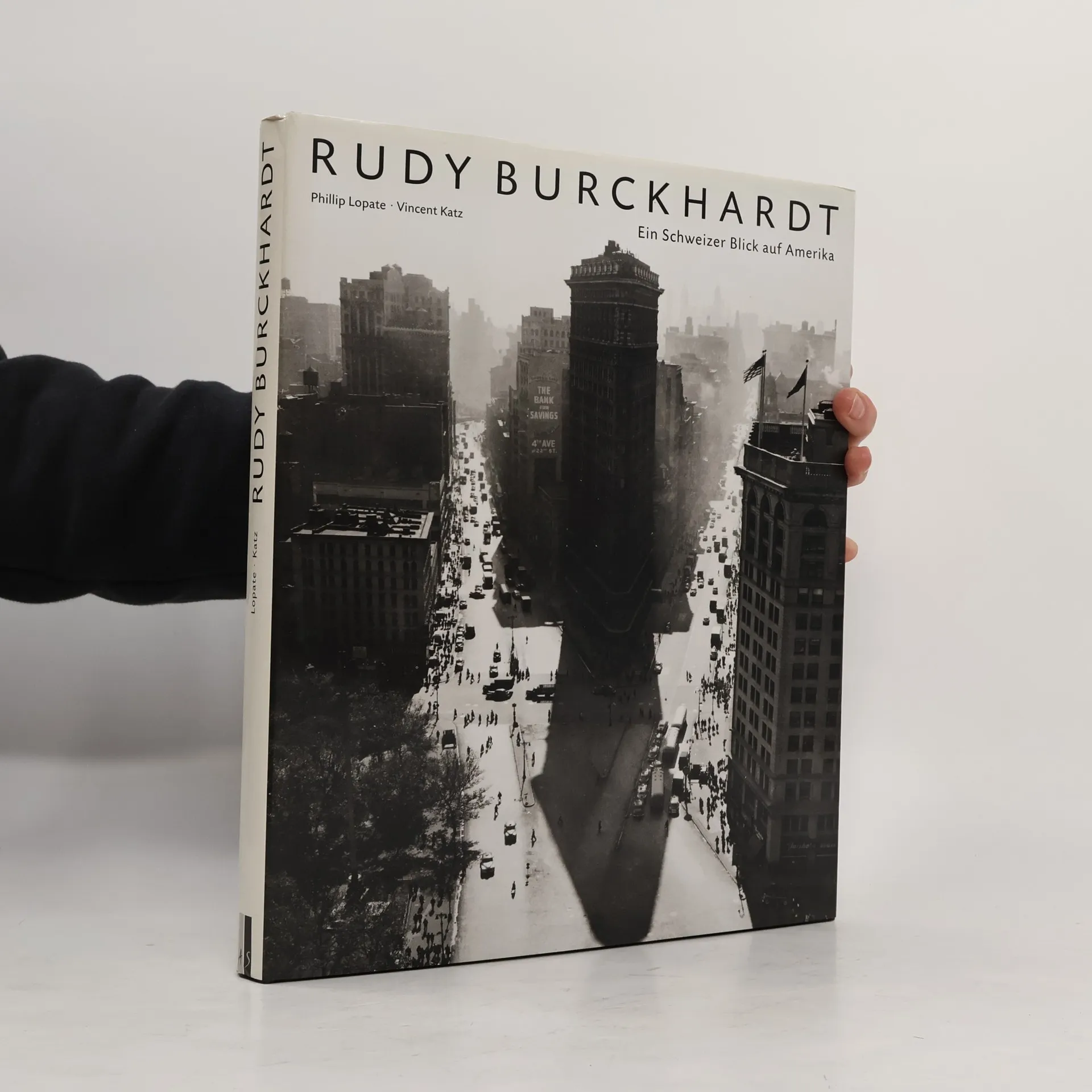
Phillip Lopate is a celebrated essayist whose work delves into personal reflection and critical inquiry. He masterfully blends introspection with keen observation, inviting readers into profound currents of thought. His writing is distinguished by its insightful examination of the human psyche and societal dynamics. Lopate's prose is crafted with precision, showcasing a sophisticated command of language that reveals his distinctive literary voice.
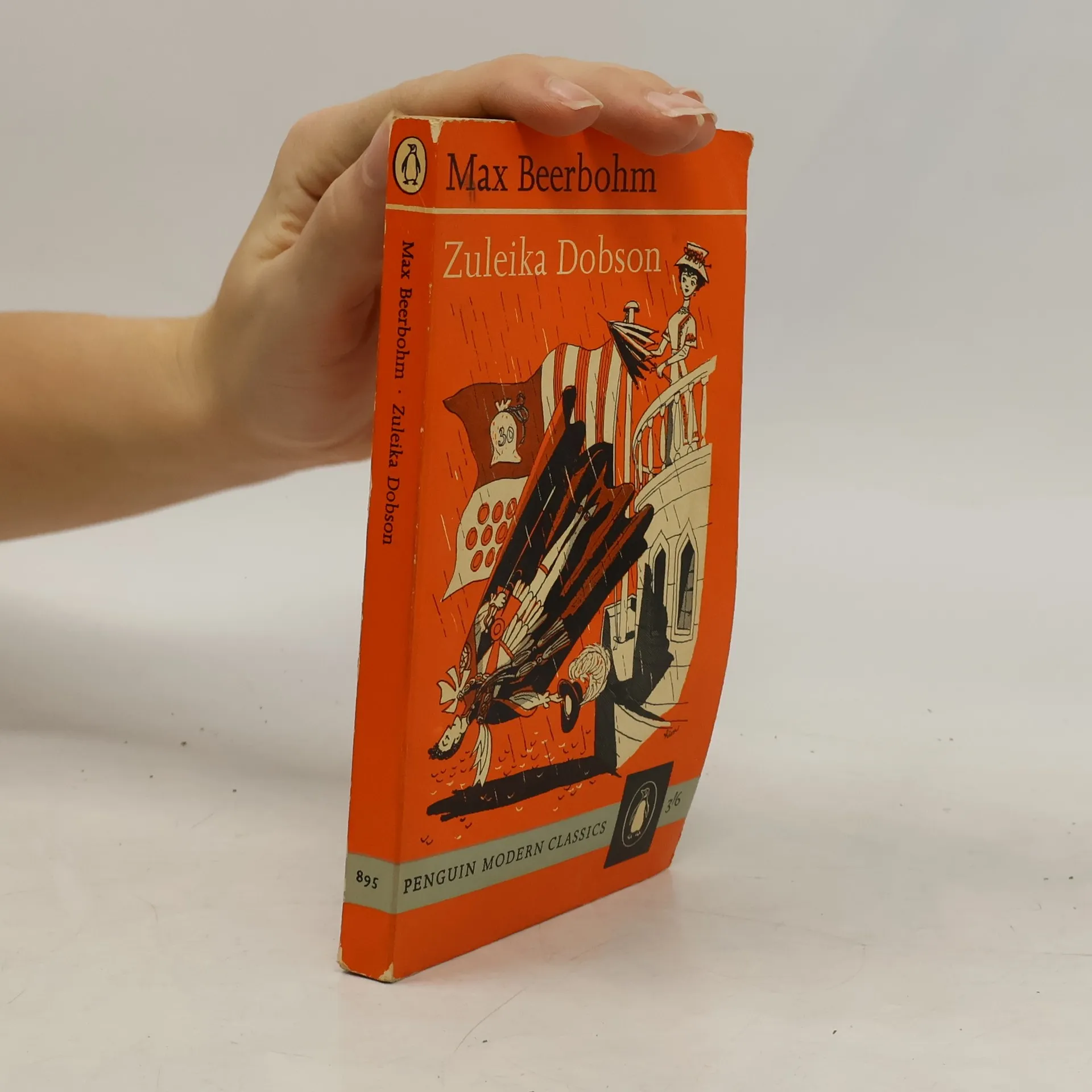
Included are all seven of Max Beerbohm's major early essays. Though these essays were justly acclaimed in their time, their magnificence is such that they also demand the highest accolades in ours, replete as they are with undiminished colour and spectacle, humour and barbed excellence.--From back cover.
This antiquarian book is a facsimile reprint of the original, preserving its historical significance despite potential imperfections like marks and flawed pages. The publication aims to protect and promote important literary works, ensuring they remain accessible in high-quality modern editions that reflect the original's authenticity.
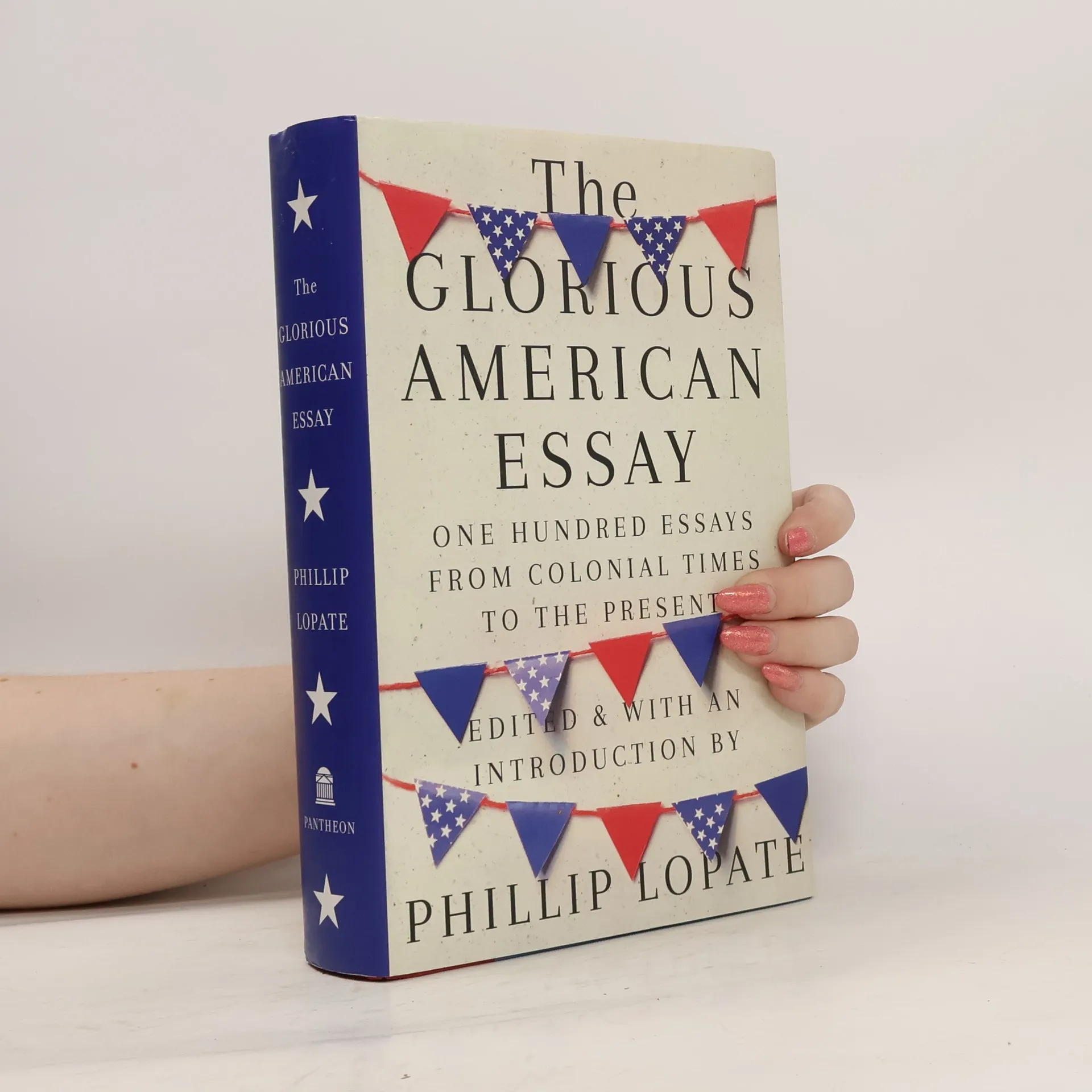
One Hundred Essays from Colonial Times to the Present
930 pages
33 hours of reading
"Not only an education but a joy. This is a book for the ages." --Rivka Galchen A monumental, canon-defining anthology of three centuries of American essays, from Cotton Mather and Benjamin Franklin to David Foster Wallace and Zadie Smith. The essay form is an especially democratic one, and many of the essays Phillip Lopate has gathered here address themselves--sometimes critically--to American values. Even in those that don't, one can detect a subtext about being American. The Founding Fathers and early American writers self-consciously struggle to establish a recognizable national culture. The shining stars of the mid-nineteenth-century American Renaissance no longer lack confidence but face new reckonings with the oppression of blacks and women. The New World tradition of nature writing runs from Audubon, Thoreau, and John Muir to Rachel Carson and Annie Dillard. Marginalized groups in all periods use the essay to assert or to complicate notions of identity. Lopate has cast his net intentionally wide, embracing critical, personal, political, philosophical, humorous, literary, polemical, and autobiographical essays, and making room for sermons, letters, speeches, and columns dealing with a wide variety of subjects. Americans by birth as well as immigrants appear here, famous essayists alongside writers more celebrated for fiction or poetry. The result is an extensive overview of the endless riches of the American essay.
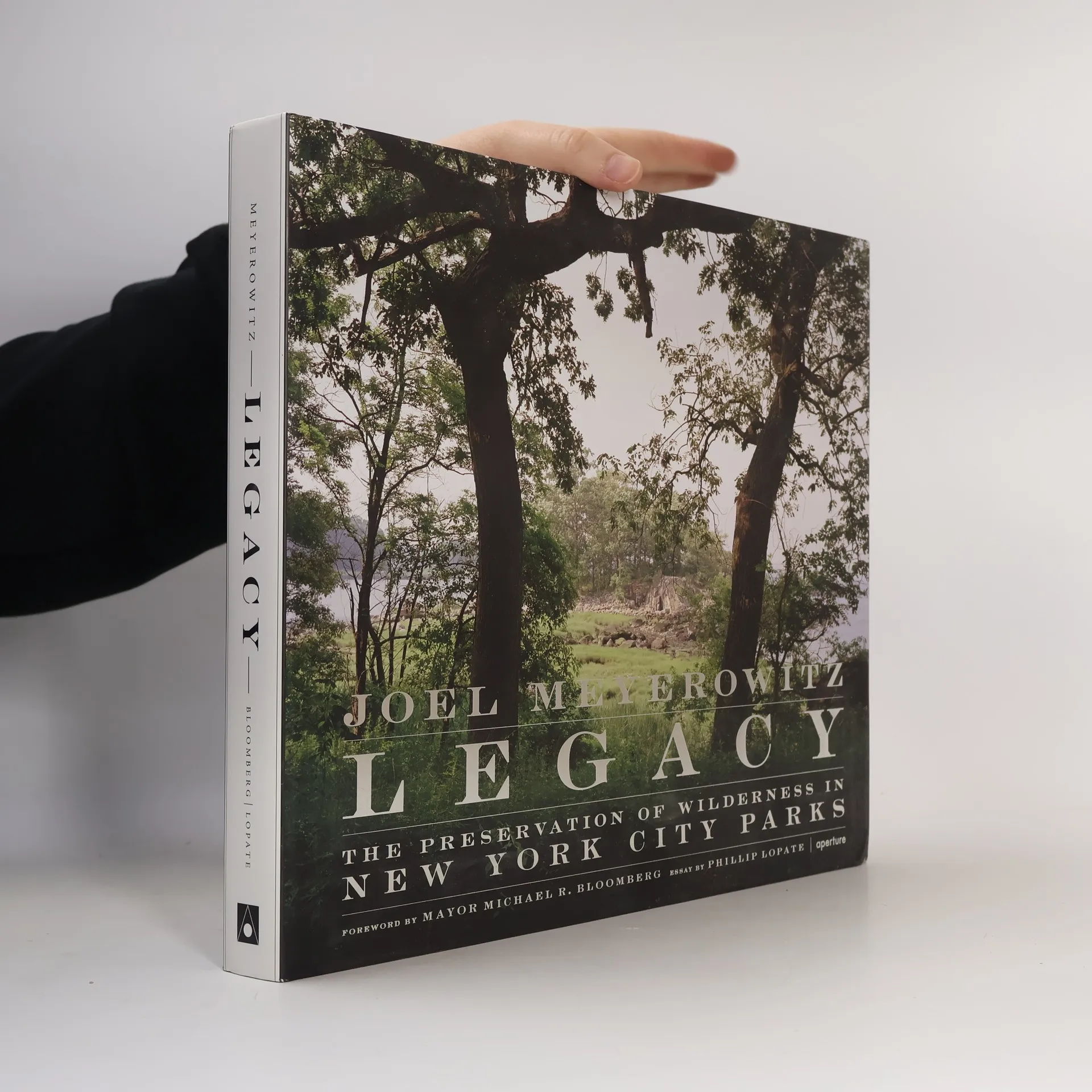
The Preservation of Wilderness in New York City Parks
300 pages
11 hours of reading
Hidden pockets of wilderness exist within New York City, and Joel Meyerowitz invites us to explore them. This stunning collection stems from a unique commission by the New York City Department of Parks & Recreation to document the city's parks. Meyerowitz focuses on the 8,700 acres across the five boroughs that remain in their original state, as well as areas within parks that have been allowed to return to nature. Drawing from his childhood memories of a New York filled with "green space—open and wild, alive with rabbits, migratory birds, snakes, frogs and the occasional skunk," he captures the essence of the natural world, its unpredictability, and its mystery. Through a rich array of images showcasing parks, shorelines, and forests, Meyerowitz's work transports viewers into the heart of a lush wilderness, illustrating these natural spaces as integral to urban life today. An award-winning photographer born in 1938, Meyerowitz has exhibited in over 350 museums and galleries globally, received multiple prestigious fellowships and awards, and published more than 15 books, including notable works such as Cape Light and The World Trade Center Archive. He resides in New York.
'Die Aufnahmen von Queens haben eine anrührende Ehrlichkeit, ein Entschlossenheit, visuelle Poesie dort zu finden, wo sie in den Augen anderer völlig fehlt.'The New York Observer
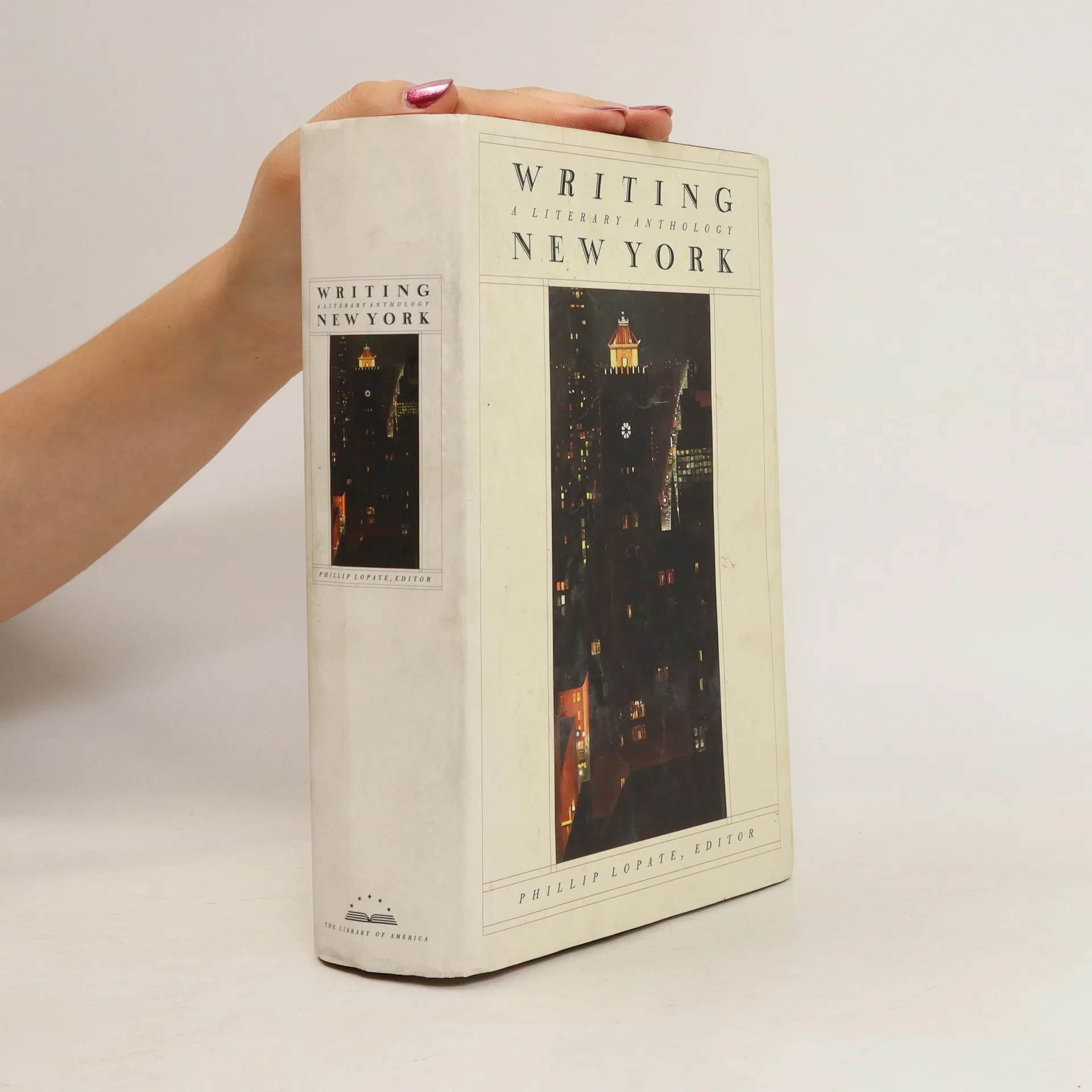
Few cities have inspired as much great writing as New York. Here, a sweeping literary portrait of the city is presented through the eyes of over a hundred writers. Residents and tourists, novelists and poets, architects, politicians, social reformers, naturalists, humorists—in unexpected and dazzling ways, the writers in this volume take on the challenge of capturing New York's enduring spirit, its constantly changing public spectacle, its gossip, amusements, hard-luck stories, and tragedies.
The Art of the Personal Essay is a comprehensive anthology celebrating the personal essay's rich history over four centuries. Edited by Phillip Lopate, it features over seventy-five essays that explore daily life and human experiences, showcasing influential works from ancient times to modern masterpieces.