Mirrors of Greatness
- 464 pages
- 17 hours of reading
'A highly imaginative and thought-provoking way of exploring the personality of a man who, like him or loathe him, left an indelible mark on our age' ADAM ZAMOYSKI


This author specializes in international history, with a particular focus on the World Wars and the Cold War. His work is characterized by deep academic insight and engagement with leading global universities. He writes with the precision of a historian but aims to engage a broad readership. His analyses offer a compelling perspective on pivotal periods of modern history.



'A highly imaginative and thought-provoking way of exploring the personality of a man who, like him or loathe him, left an indelible mark on our age' ADAM ZAMOYSKI
From Ocean City, Maryland to San Francisco, Reynolds traverses the back roads and small towns of the USA, taking the pulse of Trump's America as he goes. With remarkable candour and insight, not to mention a humorous and sometimes sceptical eye, he observes the States today. This edition is updated with a new introduction
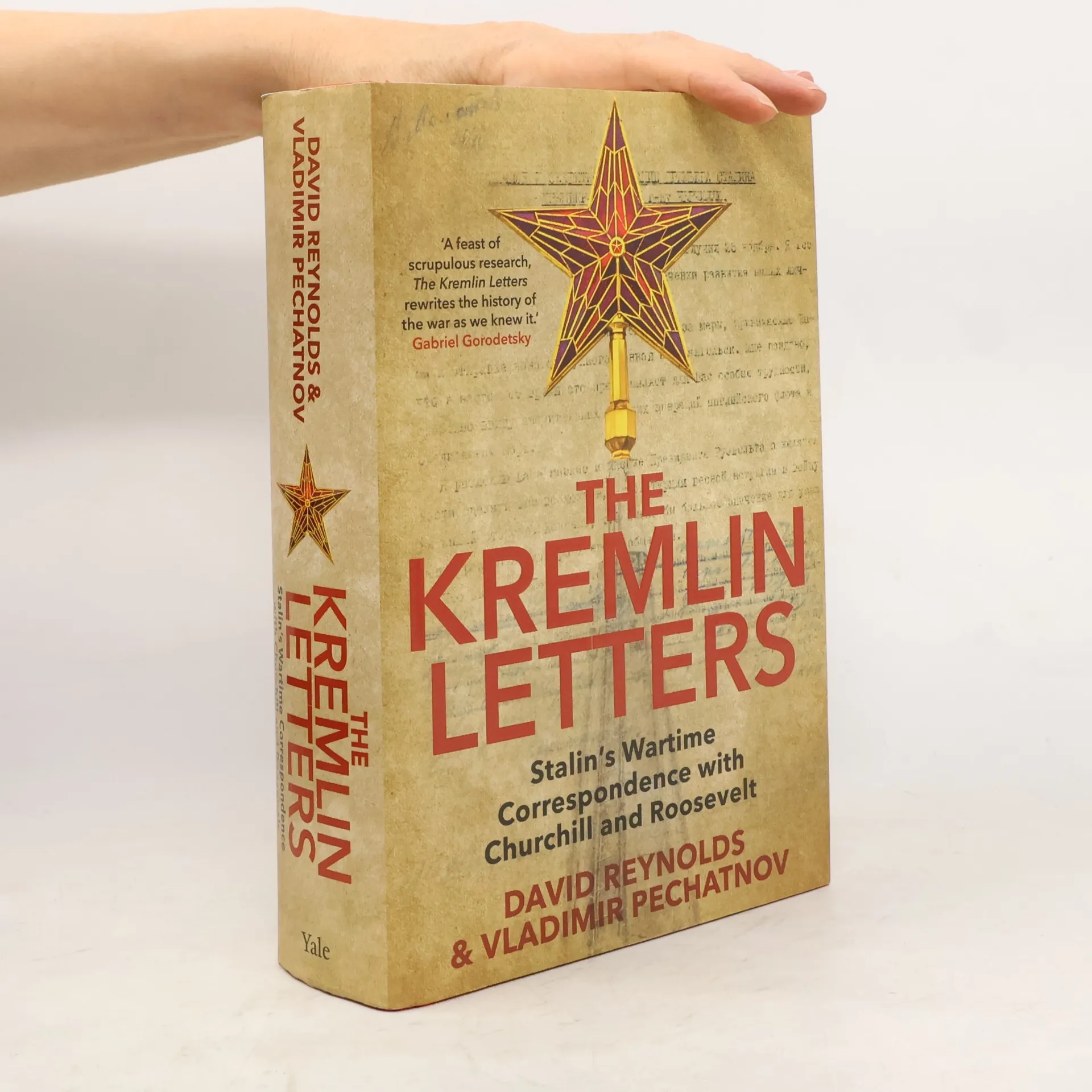
Stalin's Wartime Correspondence with Churchill and Roosevelt
A penetrating account of the dynamics of World War II's Grand Alliance through the messages exchanged by the Big Three
This comprehensive visual dictionary is the perfect Star Wars book for getting to know the galaxy far, far away. Packed with more than 1,500 stunning images, it showcases major and minor characters including Princess Leia and Luke Skywalker, creatures, vehicles, weapons, props, and items of tech... číst celé
If you want more money and would love to achieve much more in your life than you have so far, this book will provide the entire A-Z of how to become wealthier, healthier and happier than you've probably ever dreamed possible. He will show you how to:- · Acquire a 'Prosperity Mentality' · Transform your finances, get out of debt and attract Wealth · Put energy, passion and enthusiasm into everything you do · Harness the assistance of others in ensuring you reach your goals · Motivate and inspire yourself and others at will · Build your self esteem and develop a healthy and positive self image
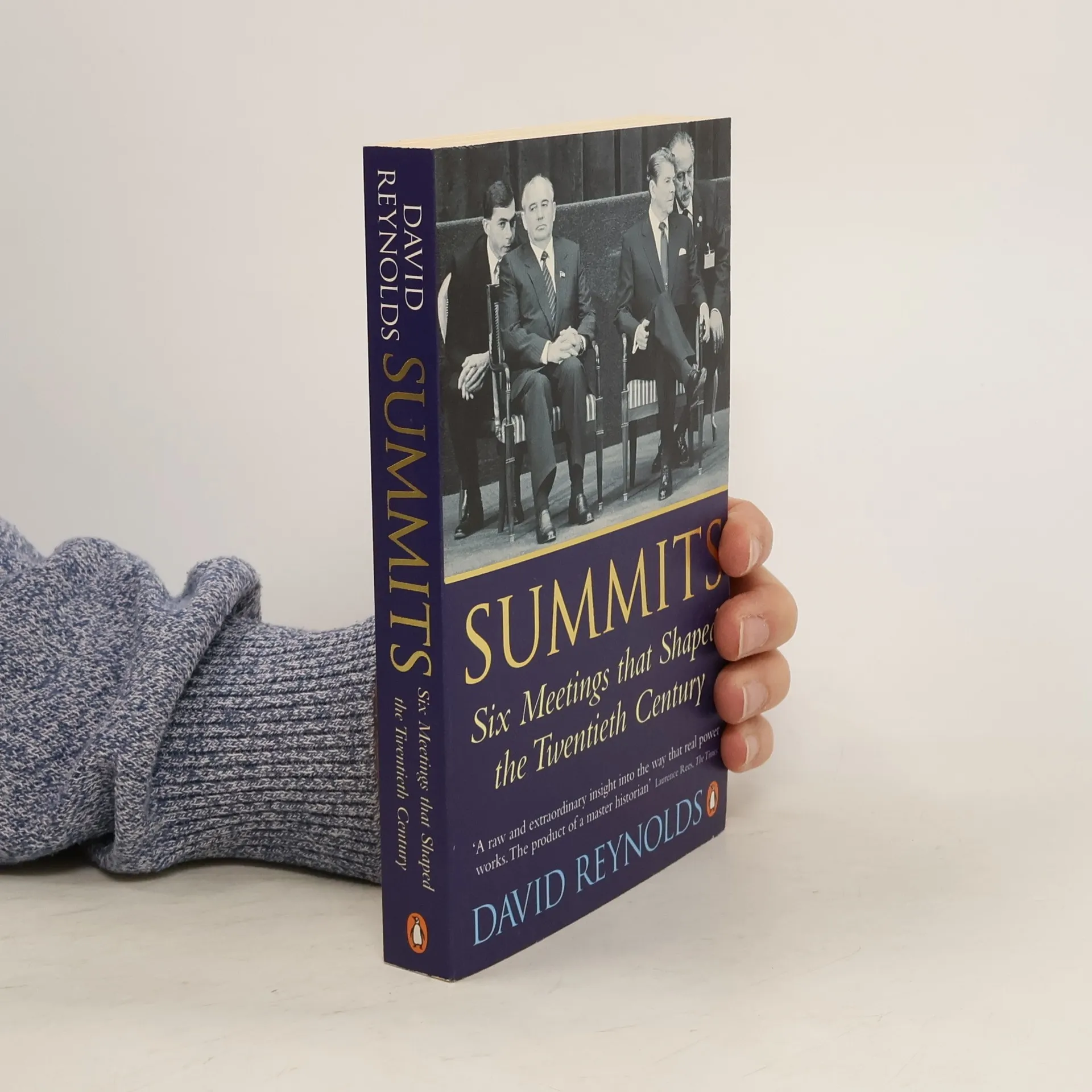
Recounts six summits which had a significant political impact during the twentieth century, including the Yalta summit in 1945 with Churchill, Roosevelt and Stalin, and the Geneva summit in 1985 with Gorbachev and Reagan
Churchill Fighting and Writing the Second World War
Winston Churchill, a towering figure of the twentieth century, served as Britain’s prime minister from 1940 to 1945, leading the nation and the world from appeasement to victory over the Axis powers. His six-volume account of this period, *The Second World War*, has significantly influenced our understanding of the conflict and established him as its foremost chronicler. This book reveals how Churchill crafted this monumental work, offering fresh insights into his roles as warrior, statesman, politician, and historian. David Reynolds examines drafts and correspondence related to Churchill’s magnum opus, uncovering the various influences that shaped its final version. We learn how Whitehall vetted his manuscripts to protect sensitive information, such as the Enigma code, and how Churchill edited his writings to avoid offending key postwar figures. The narrative explores his evolving views on the atomic bomb, Stalin, and his advocacy for the D-Day landings. This major work challenges established beliefs about World War II and highlights Churchill’s “second wilderness” years from 1945 to 1951, during which he wrote himself into history and returned to power. Exhaustively researched and eloquently written, it offers a revelatory portrait of one of history's most analyzed figures.
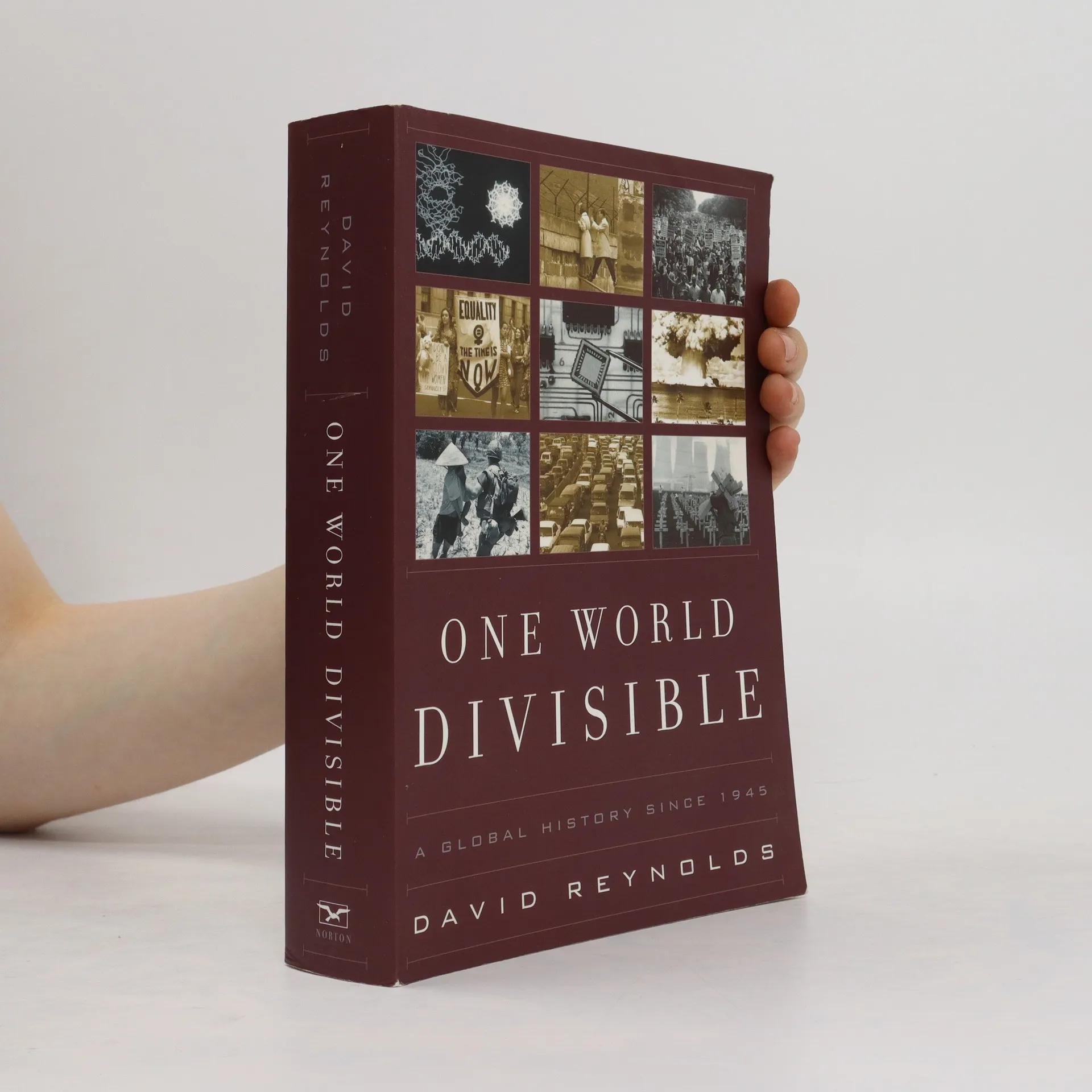
"A magisterial account of our time by a distinguished historian".--Walter LaFeber, author of "The Clash". This brilliant history vividly captures the great political events of the past 50 years while carefully avoiding an encyclopedia approach. of illustrations.
British Policy and World Power in the Twentieth Century
Focusing on the interconnected histories of diplomacy, defense, economics, and empire, this comprehensive overview challenges the conventional narrative of British decline in the 20th century. It provides a critical reinterpretation of British foreign policy while exploring the broader implications of international power and policymaking processes. Designed for second and third-year undergraduates, it serves as an essential resource for students of Modern British History, British Politics, and International Relations.
Incredible Cross Sections
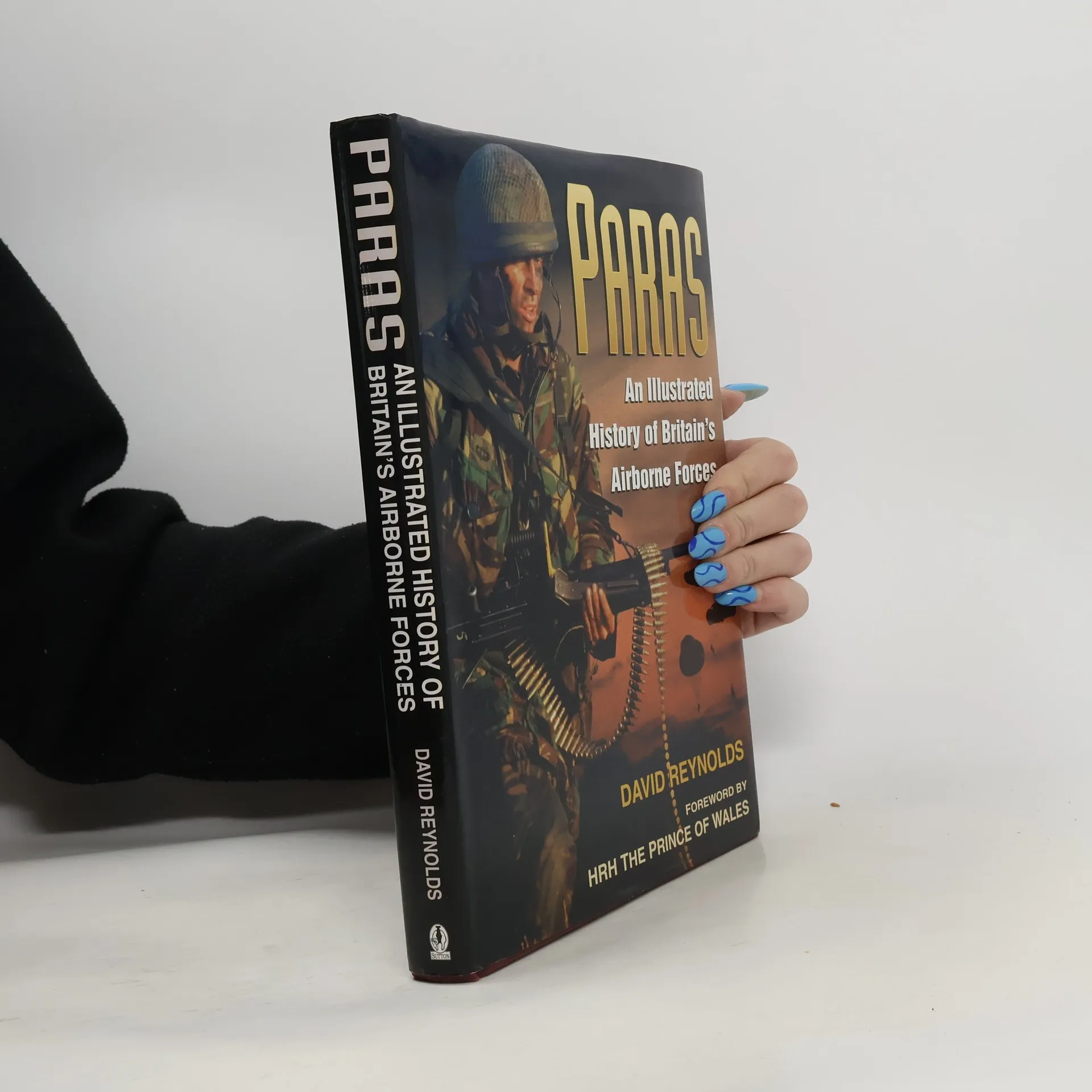
The maroon beret of Britain's airborne forces has a special significance to every man who has ever worn it, better known as "The Paras". Involved in some of the most difficult military operations in recent history, the Paras have won 31 battle honors and hundreds of bravery decorations including eight Victoria Crosses. Today they are Britain's "fire-brigade" shock toops and on permanent standby as part of the UK's Joint Rapid Deployment Force (JRDF).