

Charles Godfrey Leland was an American humorist and folklorist whose work frequently explored American and European languages and folk traditions. He cultivated a deep interest in folk linguistics, publishing numerous articles and books on the subject. While his comic Hans Breitmann's Ballads earned him recognition as a humorist, his scholarly pursuits delved into the heart of folk culture. Furthermore, he authored a text that would become a foundational work for Neopaganism, showcasing the breadth of his engagement with esoteric traditions.
In a quest to defend a stone goblin from a bully, Johnnykin unexpectedly activates the goblin’s magic, bringing it to life. This event leads him to a vibrant and enchanting realm inhabited by fairies, where adventure and wonder await. The story explores themes of bravery and friendship as Johnnykin navigates this new world, discovering the importance of standing up for others.
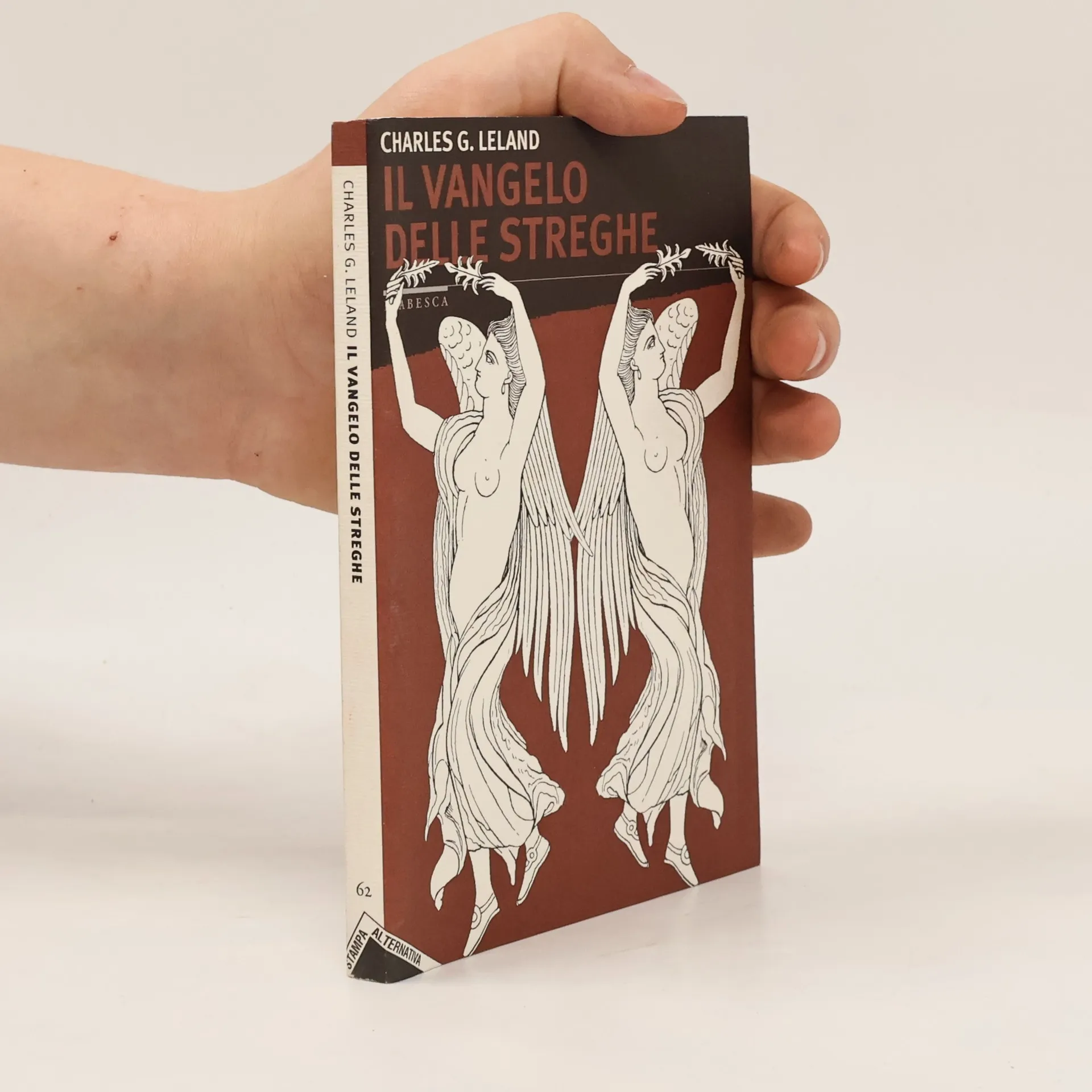
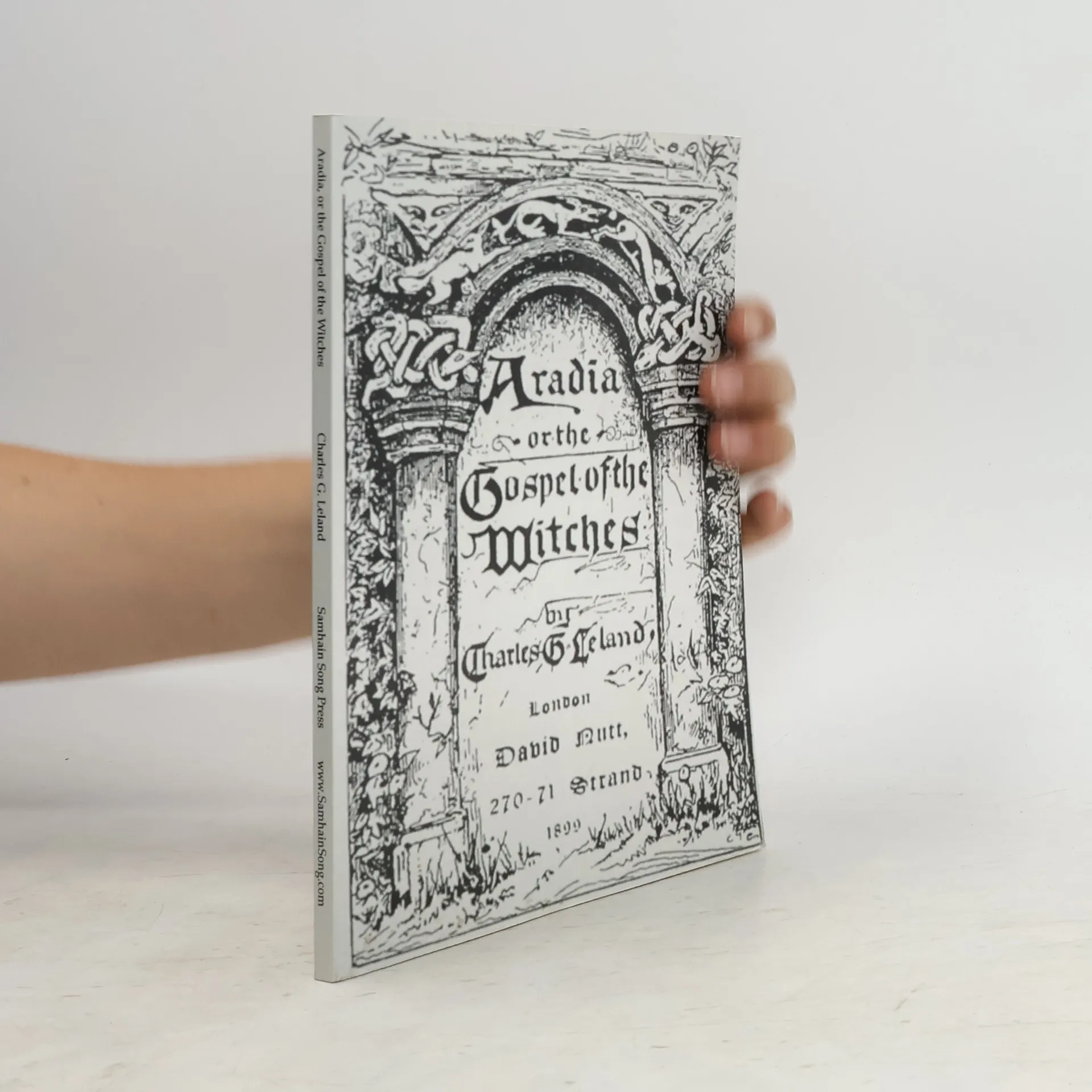
Exploring ancient Italian folklore and beliefs, this collection presents Aradia, the Queen of Witchcraft, as a pivotal figure in the foundations of modern Wicca and neopaganism. The work delves into themes of magic and tradition, offering insights into the spiritual practices that have shaped contemporary witchcraft.
Exploring the customs and ceremonies of gypsies, this collection delves into practices like fortune-telling, witch doctoring, and love philtering, enriched with personal anecdotes and lesser-known sources. It reflects a growing interest in ethnology and folklore, challenging previous half-hearted beliefs in magic. The text suggests that modern understandings of hypnotism and memory reveal deeper truths about human potential, bridging the gap between science and the mystique of magic, and inviting readers to reconsider what is deemed miraculous in our reality.
Its accuracy is disputed by some, while others consider it a vital resource for studying and understanding Italian witch folklore of the 19th century. What is certain is that this 1899 classic has become a foundational document of modern Wicca and neopaganism. Leland claimed his "witch informant," a fortune-teller named Maddalena, supplied him with the secret writings that he translated and combined with his research on Italian pagan tradition to create a gospel of pagan belief and practice. Here, in the story of the goddess Aradia, who came to Earth to champion oppressed peasants in their fight against their feudal overlords and the Catholic Church, are the chants, prayers, spells, and rituals that have become the centerpieces of contemporary pagan faiths. American journalist and folklorist CHARLES GODFREY LELAND (1824-1903) was editor of Continental Monthly during the Civil War and coined the term emancipation as an alternative to abolition, but he is best remembered for his books on ethnography, folklore, and language, including The Gypsies (1882), The Hundred Riddles of the Fairy Bellaria (1892), and Unpublished Legends of Virgil (1899).
An influential figure in American humor and folklore, Leland was a well-educated journalist and traveler who delved into the study of languages and folk traditions. He is best known for his comic work, Hans Breitmann's Ballads, and his involvement in two conflicts. His notable work, Aradia, or the Gospel of the Witches, later emerged as a key text for Neopaganism. Leland's diverse interests and contributions reflect a rich engagement with both American and European cultural narratives.
This book is a reproduction of a historical work, published by Megali, a house dedicated to producing large print editions. This initiative aims to enhance accessibility for readers with impaired vision, ensuring that important texts are available to a wider audience.
Dedicated to accessibility, this publishing house focuses on reproducing historical works in large print, catering specifically to individuals with impaired vision. By enhancing readability, Megali aims to ensure that important historical texts remain available and enjoyable for a wider audience.
An influential figure in American humor and folklore, Leland's diverse career spanned journalism, extensive travel, and a deep fascination with folklore and linguistics. He gained acclaim for "Hans Breitmann's Ballads" and contributed significantly to the study of folk traditions. His work "Aradia, or the Gospel of the Witches" emerged as a foundational text for Neopaganism, highlighting his lasting impact on cultural and spiritual movements. Leland's unique blend of humor and scholarship reflects his rich experiences and interests.
Exploring the potential of the mind, the author presents a groundbreaking approach to harnessing mental faculties through scientific treatment. The book emphasizes the power of the Will, asserting that it can be significantly enhanced through simple training and Auto-Suggestion techniques. By engaging in specific experiments, individuals can cultivate a calm or cheerful mindset, which can be further developed into more dynamic states of awareness. This work combines theory with practical experience, challenging conventional beliefs about mental capabilities.
The book delves into the early life and ancestry of Abraham Lincoln, tracing his roots back to Kentucky and exploring the complexities of his family's history. It highlights the uncertainty surrounding the origins of the Lincoln family, with connections to Pennsylvania and Virginia, and discusses the modest background of Lincoln's parents, Thomas and Nancy. The narrative reflects on the family's humble beginnings and the obscured details of their lineage, emphasizing the theme of undistinguished heritage in contrast to Lincoln's later prominence.