Explore the latest books of this year!
Bookbot

Peter Burke

    August 16, 1937

    Peter Burke is a distinguished British historian celebrated for his work on the early modern era. His scholarship, however, extends beyond traditional historical boundaries by emphasizing the relevance of social and cultural history to contemporary issues. Burke's approach offers a unique perspective, helping readers understand the connections between the past and the present. His extensive experience and deep knowledge contribute to his reputation as a significant historian.

    Peter Burke
    The Italian Renaissance
    A Social History of the Media
    What is the History of Knowledge?
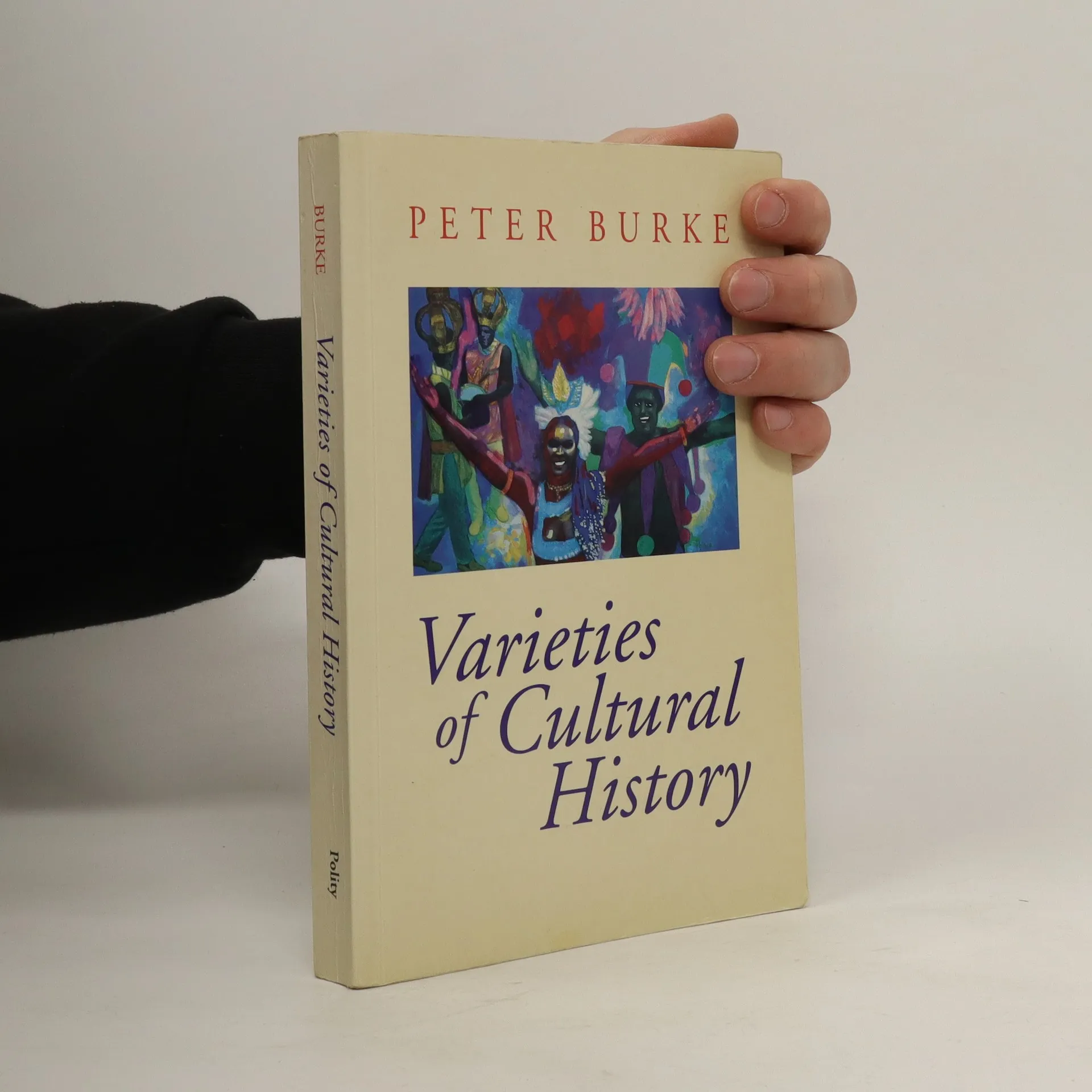
    Varieties of cultural history
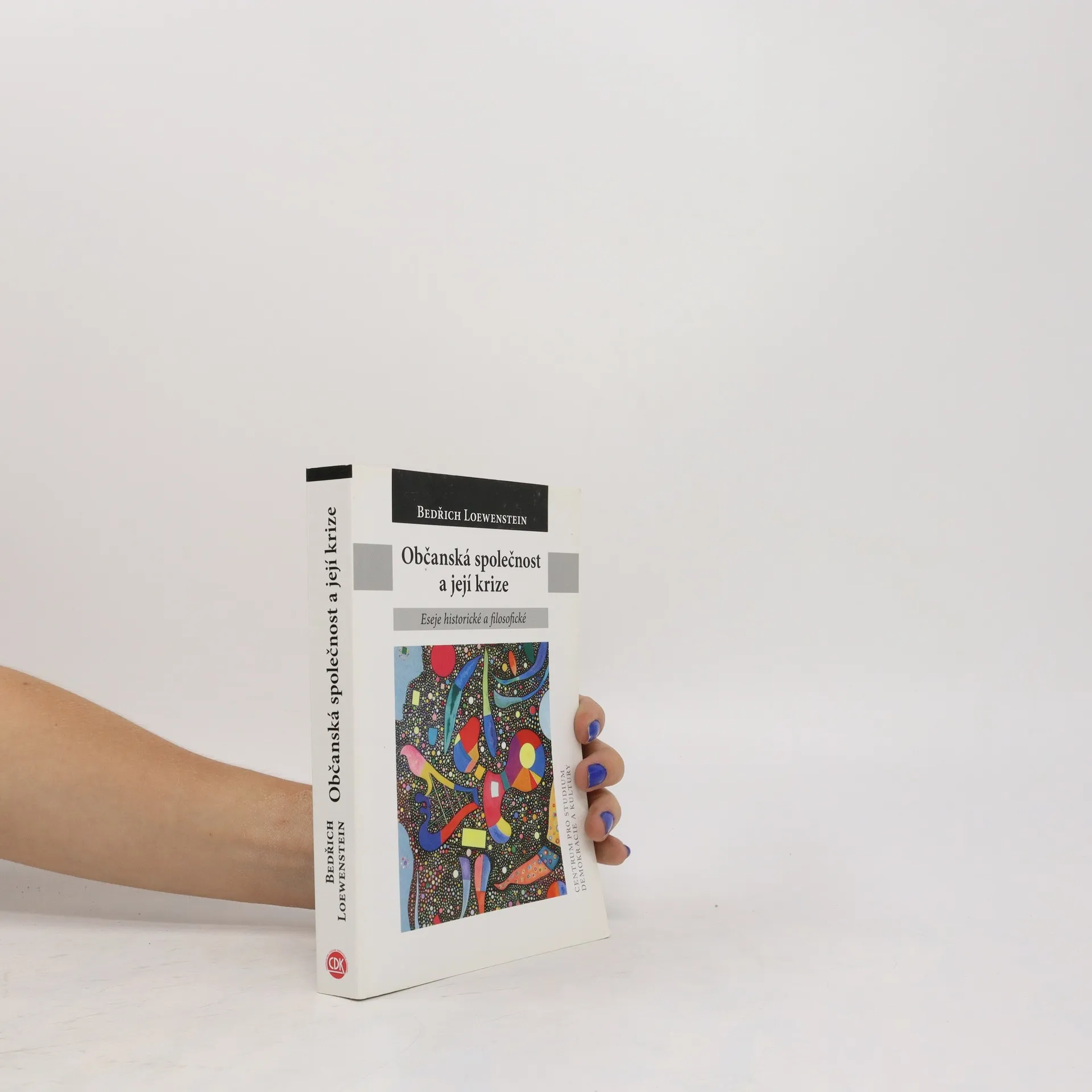
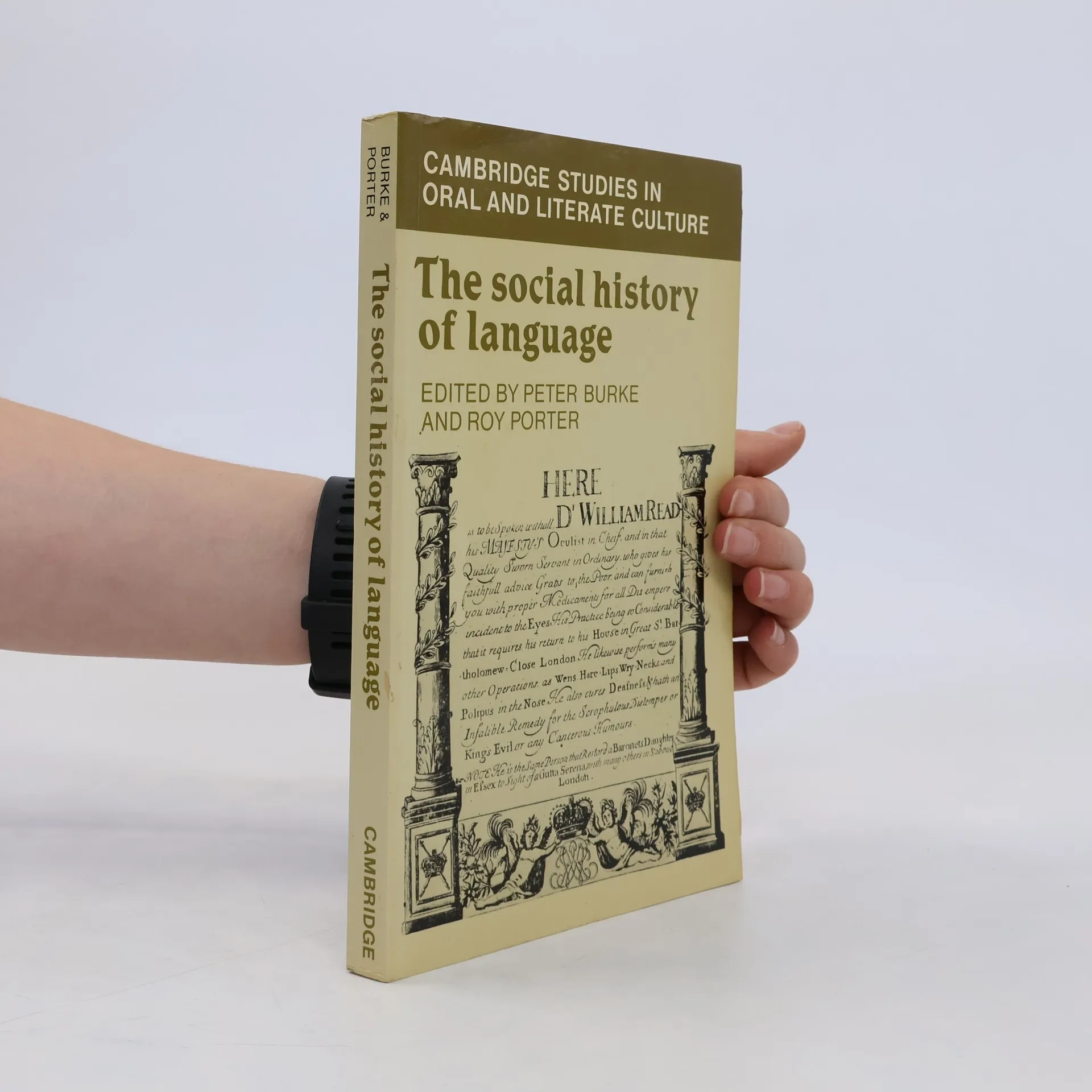
    The Social History of Language
    Birds of Chile
    • Birds of Chile

      • 288 pages
      • 11 hours of reading
      4.7(30)Add rating

      This essential field guide offers a comprehensive overview of the birds of Chile, showcasing the country's diverse habitats from the Andes to the sub-Antarctic rainforest of Tierra del Fuego. It includes 473 known species, with 9 unique to Chile, covering not just the mainland but also offshore locations like Easter Island, the Antarctic Peninsula, and the Falklands. The guide is particularly valuable for birders, as it provides succinct, identification-focused text alongside distribution maps on pages opposite the 97 color plates, facilitating quick reference. Each entry features the English name, scientific name, and the Spanish name used in Chile, enhancing communication with local birders. The guide also acknowledges the presence of vagrants and rarities, noting that some species once deemed accidental have become regular sightings. Compact and user-friendly, this guide is an indispensable resource for anyone exploring the avian diversity of this beautiful and accessible country.
      Birds of Chile
    • The aim of this book is both to illustrate and to discuss some of the main varieties of cultural history which have emerged since the questioning of what might be called its "classic" form, exemplified in the work of Jacob Burckhardt and Johan Huizinga. Among the themes of individual chapters are the history of popular culture, the history of Carnival, the history of mentalities, the history of gestures, the history of jokes, and even the history of dreams. The emphasis of both the introduction and the case-studies which follow is on the variety of forms taken by cultural history today. The classic model has not been replaced by any new orthodoxy, despite the importance of approaches inspired by social and cultural anthropology. Variety is to be found in the cultures studied as well as among their historians. The case-studies included in the volume come not only from Europe (and in particular from Italy) but also from the New World, especially Brazil. Particular emphasis is placed on the importance of cultural encounters, cultural conflicts, and their consequences, whether these consequences should be described in terms of mixing, syncretism or synthesis. Written by one of the leading cultural historians in Europe today, this book will be of particular interest to students of early modern Europe, of the encounters between European culture and the New World, and to students and scholars interested in problems of historiography.

      Varieties of cultural history
    • What is the History of Knowledge?

      • 160 pages
      • 6 hours of reading

      What is the history of knowledge? This engaging and accessible introduction explains what is distinctive about the new field of the history of knowledge (or, as some scholars say, knowledges in the plural ) and how it differs from the history of science, intellectual history, the sociology of knowledge or from cultural history.

      What is the History of Knowledge?
    • A Social History of the Media

      From Gutenberg to the Internet

      • 374 pages
      • 14 hours of reading

      Written by two leading social and cultural historians, A Social History of the Media provides a masterful overview of communication media and of the social and cultural contexts within which they emerged and evolved over time. The authors retrace the complex and multiple paths of development, exploring the interrelations between communication media and other aspects of social life. The scope of this book is far-reaching, exploring the history of the different means of communication in the West from the invention of printing to the Internet. It deals with each constituent element in what came to be called 'the media' and discusses, among other things, the continuing importance of oral and manuscript communication, the rise of print, the relationship between physical transportation and social communication, and the development of electronic media. The book concludes with an account of the convergences associated with digital communication technology, the rise of the internet and the phenomenon of globalization. Avoiding technological determinism and rejecting assumptions of straightforward evolutionary progress, this book brings out the rich and varied histories of communication media. It will be an ideal text for students in history, media and cultural studies and journalism, but it will also appeal to a wide general readership.

      A Social History of the Media
    • The Italian Renaissance

      Culture and Society in Italy - Third Edition

      • 336 pages
      • 12 hours of reading
      4.0(26)Add rating

      The book offers a detailed exploration of the social and political institutions in Italy during the fifteenth and sixteenth centuries, highlighting the unique ways of thinking and perception that fueled the remarkable artistic creativity of the Italian Renaissance. Peter Burke's analysis delves into the cultural dynamics that shaped this pivotal era, providing insights into the interplay between society and art.

      The Italian Renaissance
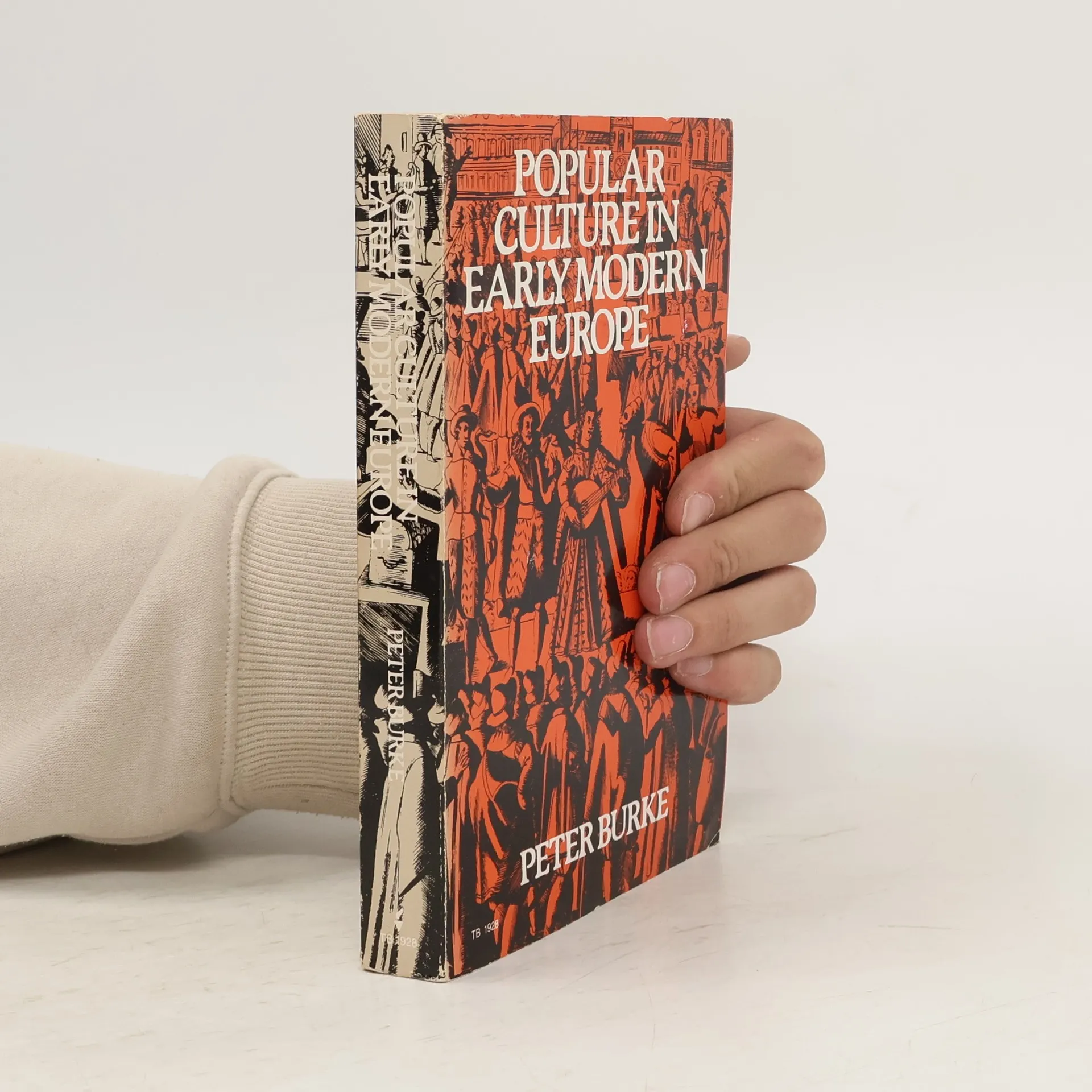
    • The author examines the world of popular culture in pre-industrial Europe including the role of minstrels, fools, jugglers, strolling players, and singers of tales. Popular songs, stories, and plays are also discussed

      Popular Culture in Early Modern Europe
    • A Social History of the Media

      • 360 pages
      • 13 hours of reading

      The first three editions of this bestselling book have established A Social History of the Media as a classic, providing a masterful overview of communication media and of the social and cultural contexts within which they emerged and evolved over time. This fourth edition has been revised and updated throughout to reflect the latest developments in the field. Additionally, an expanded introduction explores the wide range of secondary literature and theory that inform the study of media history today, and a new eighth chapter surveys the revolutionary media developments of the twenty-first century, including in particular the rise of social and participatory media and the penetration of these technologies into every sphere of social and private life. Avoiding technological determinism and rejecting assumptions of straightforward evolutionary progress, this book brings out the rich and varied histories of communication media. In an age of fast-paced media developments, a thorough understanding of media history is more important than ever, and this text will continue to be the first choice for students and scholars across the world.

      A Social History of the Media
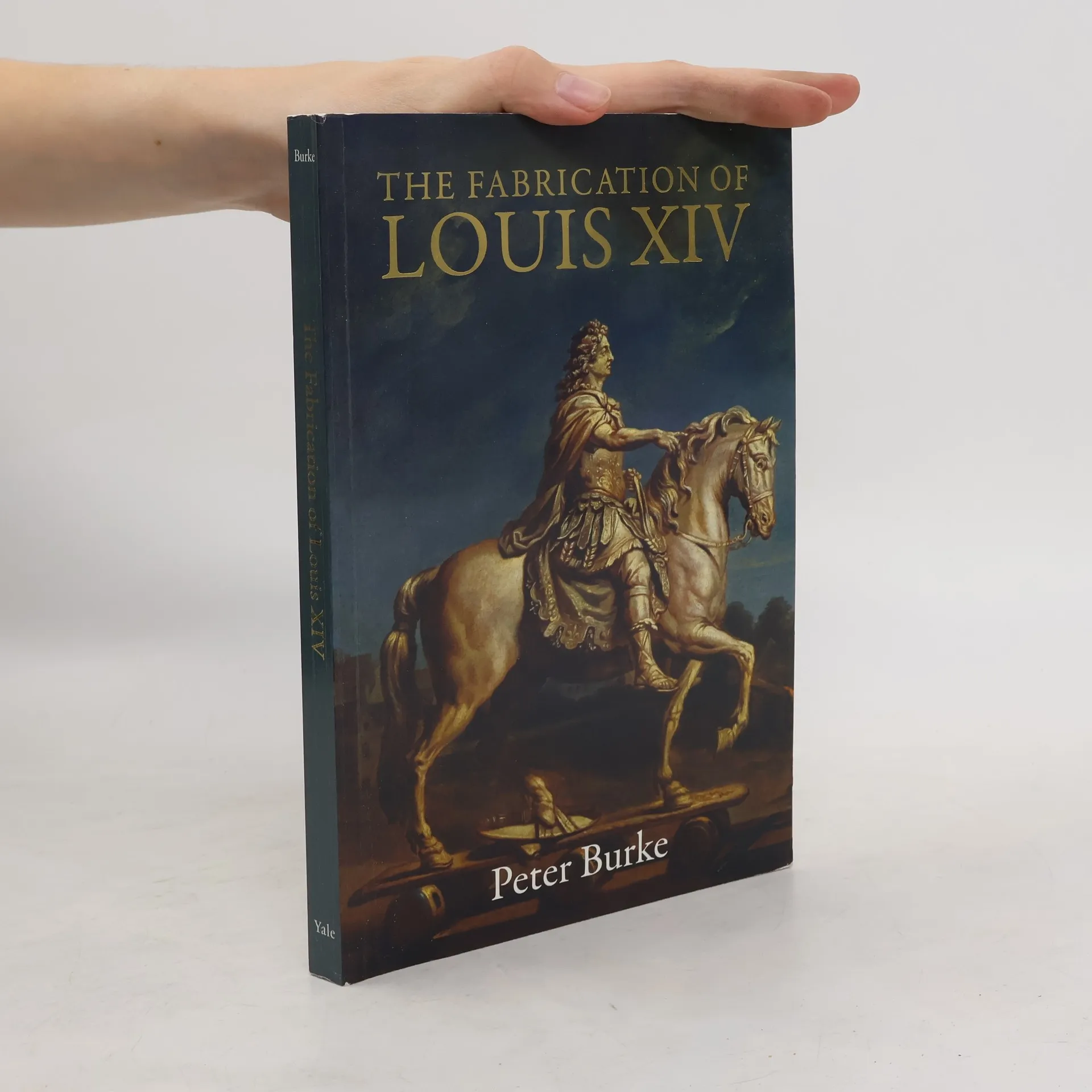
    • The money spent by the French government on the public image of Louis XIV was extensive and succeeded in making him into a god like figure. In this book the author gives an account of the contemporary representations of Louis XIV and illustrates the relationship between art and power.

      The Fabrication of Louis XIV
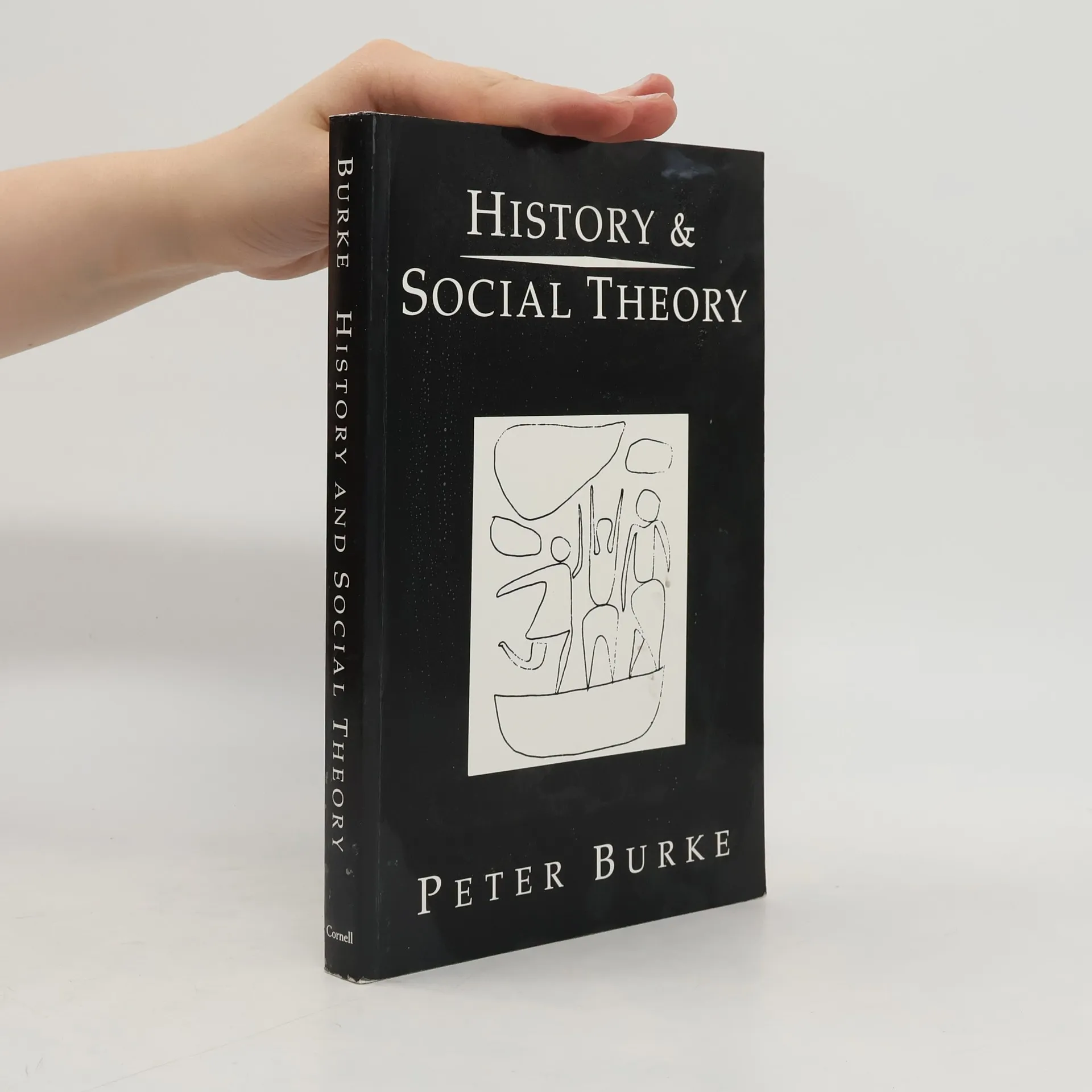
    • What is the use of social theory to historians, and of history to social theorists? In clear and energetic prose, a pre-eminent cultural historian here offers a far-reaching response to these deceptively simple questions. In this classic text, now revised and updated in its second edition, Peter Burke reviews afresh the relationship between the fields of history and the social sciences and their tentative convergence in recent decades. Burke first examines what uses historians have made - or might make - of the models, methods, and concepts of the social sciences, and then analyzes some of the intellectual conflicts, such as the opposition between structure and human agency, which are at the heart of the tension between history and social theory. Throughout, he draws from a broad range of cultures and periods to illustrate how history, in turn, has been used to create and validate social theories. This new edition brings the book up to date with the addition of examples and discussions of new topics such as social capital, globalization and post-colonialism. The second edition of History and Social Theory will continue to stimulate both students and scholars across a range of disciplines with its challenging assessment of the roles of history and social science today.


      History and Social Theory