

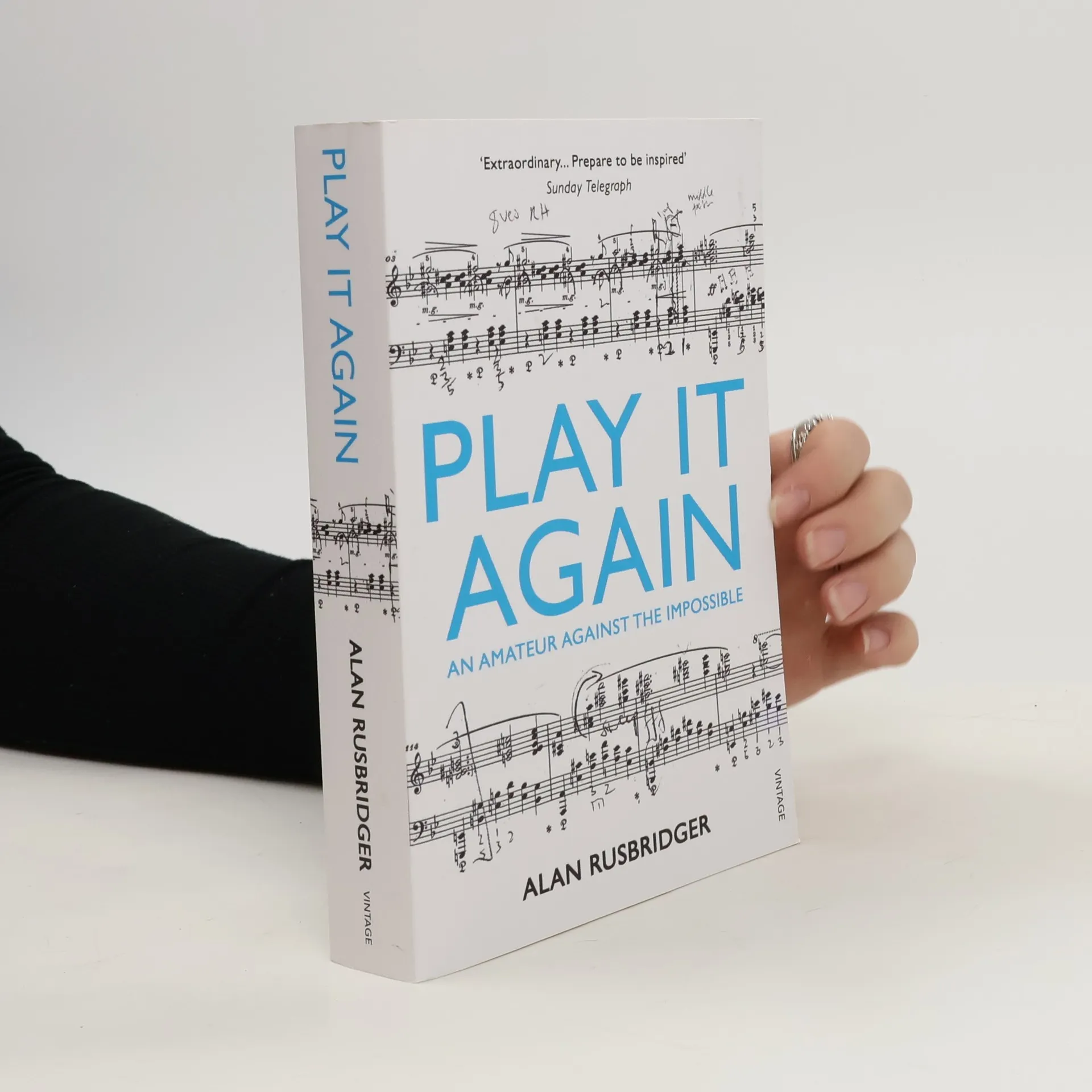
In 2010, Alan Rusbridger, the editor of the Guardian, set himself an almost impossible task: to learn, in the space of a year, Chopin's Ballade No. 1 - a piece that inspires dread in many professional pianists. His timing could have been better. The next twelve months were to witness the Arab Spring, the Japanese tsunami, the English riots, and the Guardian's breaking of both WikiLeaks and the News of the World hacking scandal. In the midst of this he carved out twenty minutes; practice a day - even if that meant practising in a Libyan hotel in the middle of a revolution - as well as gaining insights and advice from an array of legendary pianists, theorists, historians and neuroscientists, and even occasionally from secretaries of state. But was he able to play the piece in time?
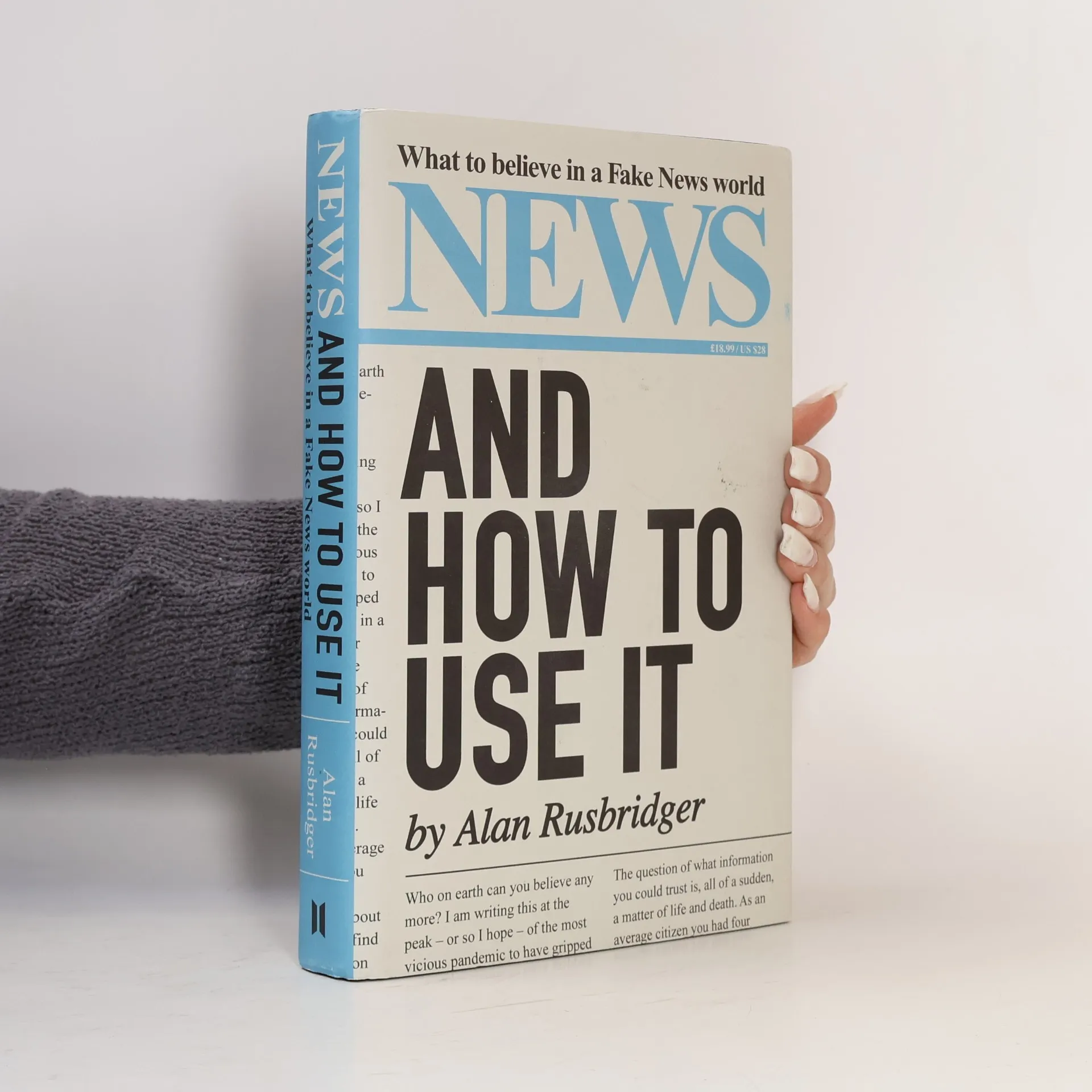
Nothing in life works without facts.A society that isn't sure what's true can't function. Without facts there can be no government or law. Science is ignored. Trust evaporates.People everywhere feel ever more alienated from - and mistrustful of - news and those who make it. We no longer seem to know who or what to believe. We are living through a crisis of 'information chaos'.News: And How to Use It is a glossary for this bewildering age. From AI to Bots, from Climate Crisis to Fake News, from Clickbait to Trolls (and more), here is the definitive user's guide for how to stay informed, tell truth from fiction and hold those in power accountable in the modern age.
As editor of the Guardian, Alan Rusbridger navigates the relentless twenty-four-hour news cycle, but he increasingly feels drawn to music, particularly the piano. He sets himself the ambitious goal of fluently learning Chopin's Ballade No. 1 in G minor, one of the most challenging Romantic pieces. This task is daunting under normal circumstances, but the year he chooses is filled with intense events, including WikiLeaks' release of state secrets and revelations about phone hacking at News of the World. Rusbridger reflects that if he had known the dramatic challenges ahead in his professional life, he might have reconsidered his musical commitment. The year also includes significant global events like the Japanese tsunami, the Arab Spring, and the death of Osama Bin Laden. Despite these distractions, he aims to carve out twenty minutes each day for practice, highlighting the struggle to maintain focus amidst chaos. His engaging narrative about mastering the Ballade transcends mere musical achievement, exploring themes of discipline, desire, and the importance of nurturing one's inner life in a world filled with deadlines and distractions.
Für Journalisten ist er ein Star: Alan Rusbridger, seit 20 Jahren Chefredakteur des britischen Guardian, hat seine Zeitung zum führenden kritischen englischsprachigen Blatt gemacht, auf beiden Seiten des Atlantik. Und er hat wie kein zweiter in der Branche die revolutionären Herausforderungen des Internet angenommen. Im vergangenen Jahr erhielt Rusbridger zusammen mit dem Enthüller der amerikanischen Geheimdienstpraktiken Edward Snowden den alternativen Nobelpreis für seine unerschrockene Aufklärungsarbeit im öffentlichen Interesse. Doch es gibt noch eine ganz andere Seite des hochdekorierten Journalisten: der Klavierspieler Rusbridger, der sich seinem Instrument mit ähnlicher Hingabe verschrieben hat, wie dem Kampf gegen staatliche Willkür. Als er während eines Workshops in Frankreich einen Hobby-Pianisten Chopins Ballade Nr. 1 spielen hört, packt ihn der Ehrgeiz. Ein Jahr lang übt er jeden Tag 20 Minuten lang das Furcht einflößende Stück, das zu den schwierigsten des Repertoires gehört. In seinem Buch nimmt Rusbridger uns mit an die Grenzen dessen, was ein Freizeit-Musiker an Fingerfertigkeit, Konzentration, Beherrschung und Musikalität erreichen kann. Wir erfahren, was Pianisten wie Murray Perahia, Richard Goode, Emanuel Ax, Daniel Barenboim, Stephen Hough and Alfred Brendel ihm raten, wie Musikhistoriker und -theoretiker ihn anspornen und Neurowissenschaftler ihm auf ganz andere Weise erklären, was Klavierspielen eigentlich ist. Gleichzeitig sind wir dabei, wie Rusbridger in Tripolis während des Bürgerkrieges in Libyen Reporter aus Geiselhaft befreit, wie er eine komplizierte Partnerschaft mit dem eigenwilligen WikiLeaks-Gründer Julian Assange, der New York Times und dem deutschen Spiegel managt und wie er den Telefon-Abhörskandal des britischen Magazins News of the World an die Öffentlichkeit bringt.
Alan Rusbridger schildert in „Breaking News“ seine 20-jährige Zeit als Chefredakteur des Guardian und beleuchtet, wie er die Zeitung zum führenden Online-Nachrichtenmedium entwickelte. Er thematisiert bedeutende Enthüllungen wie die von Edward Snowden und die Wikileaks-Veröffentlichungen und reflektiert die drastischen Veränderungen in der Nachrichtenlandschaft. Mit der raschen Verbreitung von Falschinformationen und dem Einfluss von Algorithmen sieht er die Glaubwürdigkeit der Medien in Gefahr. Rusbridger plädiert für eine Neuausrichtung des Journalismus, um die Demokratie zu schützen und seine essentielle Rolle zurückzugewinnen.