


Explore the latest books of this year!
Bookbot

George O. Smith

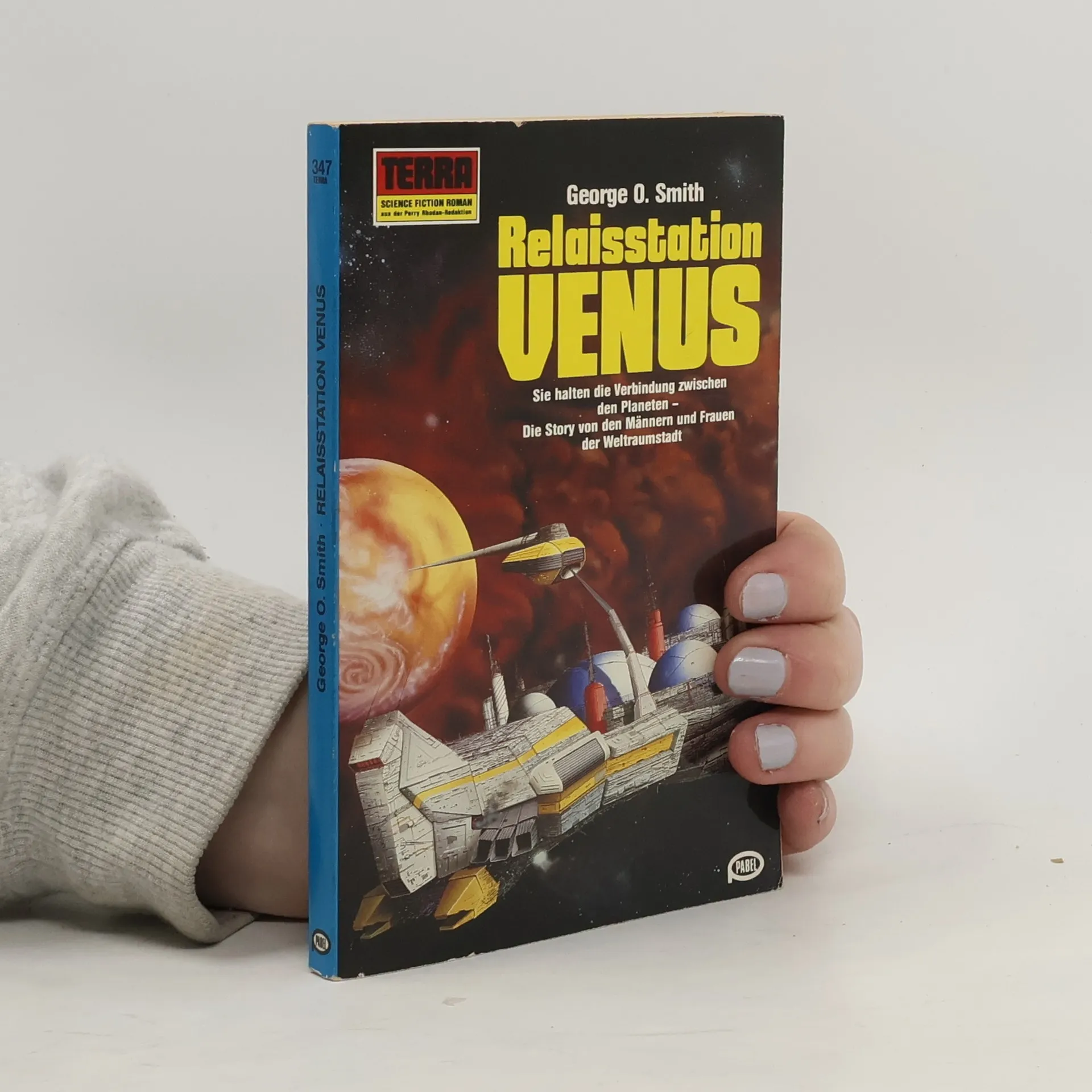
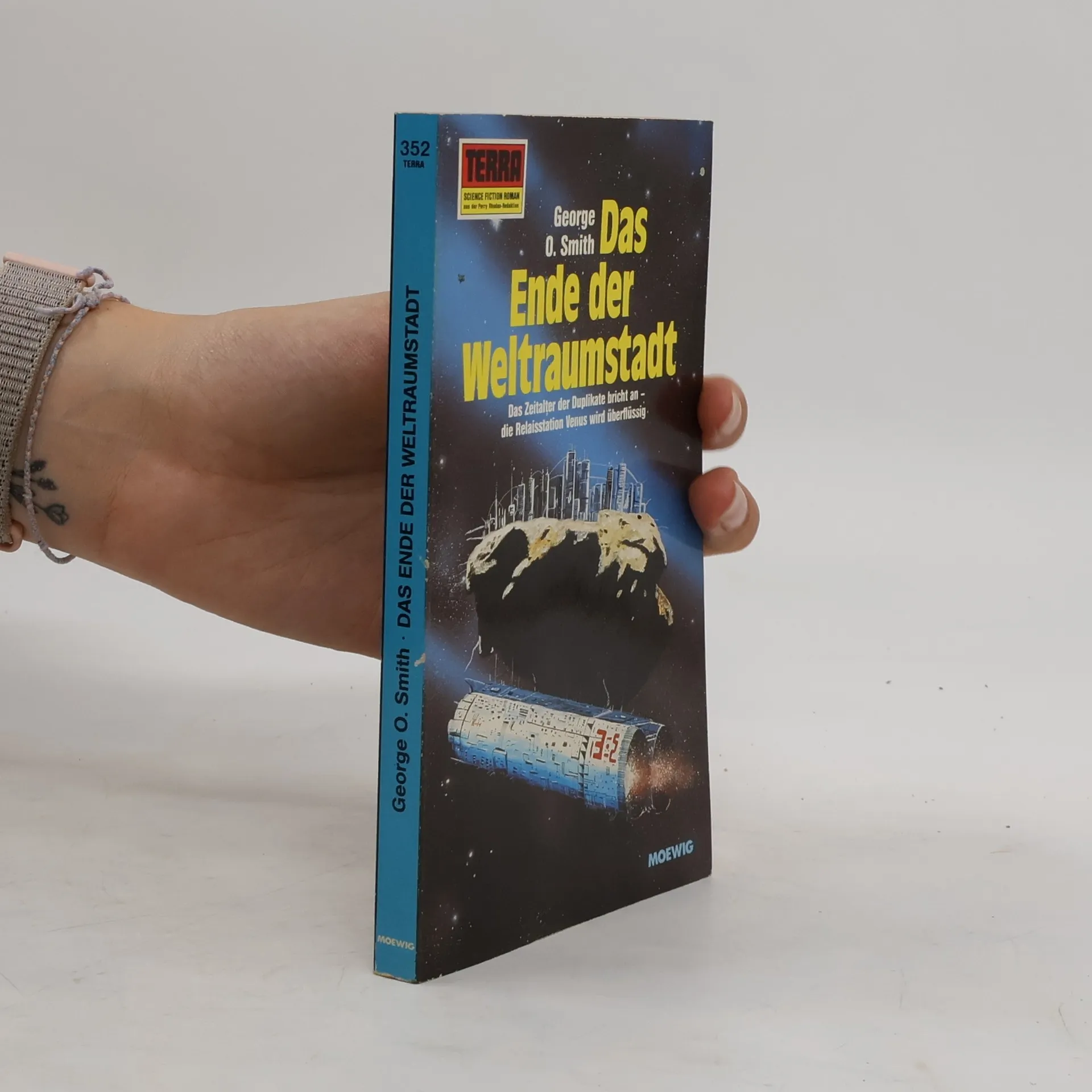
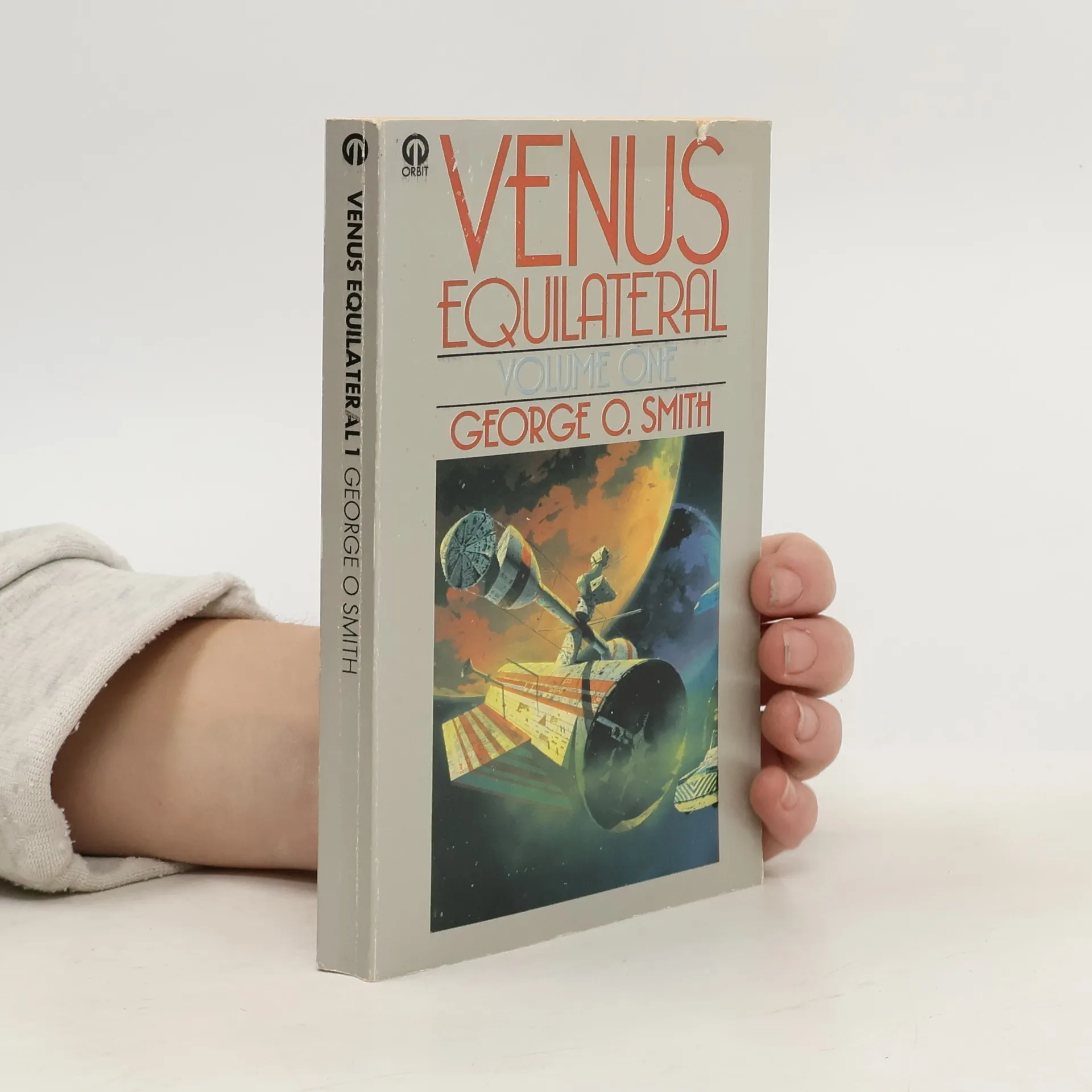
    George Oliver Smith was an American science fiction author celebrated for his tales of outer space. His "Venus Equilateral" series, focusing on a communications station adrift in the cosmos, stands as his most recognized contribution. Moving beyond celestial settings, Smith also explored human intellect with a notable examination of a child prodigy in one of his novels. A significant voice during the Golden Age of SF, his works are cherished for their imaginative scope and grounded scientific concepts.

    Trouble Times Two
    The Undetected
    Spacemen lost
    Pandora's Millions
    Recoil
    Hellflower (Heathen Edition)
    • Hellflower (Heathen Edition)

      • 242 pages
      • 9 hours of reading

      Focusing on character development, Hellflower follows disgraced space pilot Charles Farradyne as he seeks redemption by infiltrating a mysterious interstellar organization involved in trafficking a dangerous substance known as Hellflowers. This 1953 novel marks a departure from George Oliver Smith's earlier works, emphasizing human elements over technical details. As Farradyne navigates this treacherous world, he also uncovers the truth behind his framing, intertwining personal stakes with a thrilling plot.

      Hellflower (Heathen Edition)
    • George Oliver Smith, an influential figure in the Golden Age of Science Fiction, contributed significantly to Astounding Science Fiction in the 1940s. His collaboration with editor John W. Campbell, Jr. took a personal turn when he married Campbell's first wife, Doña. Smith's prolific writing spanned until 1960, earning him recognition, including the First Fandom Hall of Fame award in 1980. He was also part of the Trap Door Spiders, a literary club that inspired Isaac Asimov's fictional group, the Black Widowers.

      Recoil
    • George Oliver Smith, an influential figure in Golden Age Science Fiction, made significant contributions to Astounding Science Fiction in the 1940s. His collaboration with editor John W. Campbell, Jr. was notably marked by a personal twist when Campbell's wife married Smith. Active until 1960, Smith's work earned him recognition, including the First Fandom Hall of Fame award in 1980. Additionally, he was part of the Trap Door Spiders, an all-male literary club that inspired Isaac Asimov's fictional Black Widowers.

      Pandora's Millions
    • Spacemen lost

      • 106 pages
      • 4 hours of reading

      The book is a significant classical work that has played an important role in human history. Alpha Editions has taken steps to ensure its preservation by republishing it in a modern format, making it accessible for both present and future generations. The text has been carefully reformatted, retyped, and designed, ensuring clarity and readability, rather than relying on scanned copies of the original.

      Spacemen lost
    • George Oliver Smith, an influential figure in the Golden Age of Science Fiction, was known for his contributions to Astounding Science Fiction. His career flourished in the 1940s, marked by a notable collaboration with editor John W. Campbell, Jr., which took a personal turn when Campbell's wife married Smith. Active until 1960, Smith's legacy includes receiving the First Fandom Hall of Fame award in 1980 and being part of the Trap Door Spiders, which inspired Isaac Asimov's Black Widowers.

      The Undetected
    • George Oliver Smith, an influential figure in the Golden Age of Science Fiction, made significant contributions to Astounding Science Fiction in the 1940s. His collaboration with editor John W. Campbell, Jr. took a personal turn when Smith married Campbell's first wife in 1949. Smith's prolific writing continued until 1960, earning him the First Fandom Hall of Fame award in 1980. Additionally, he was part of the Trap Door Spiders, a literary club that inspired Isaac Asimov's fictional Black Widowers.

      Trouble Times Two
    • QRM-Interplanetary

      • 50 pages
      • 2 hours of reading

      An influential figure in the Golden Age of Science Fiction, George Oliver Smith, also known as Wesley Long, made significant contributions to Astounding Science Fiction in the 1940s. His collaboration with editor John W. Campbell, Jr. took a personal turn when he married Campbell's first wife in 1949. Smith's prolific writing continued until 1960, earning him recognition such as the First Fandom Hall of Fame award in 1980. Additionally, he was part of the Trap Door Spiders, inspiring Isaac Asimov's fictional Black Widowers group.

      QRM-Interplanetary
    • The Hellflower

      • 150 pages
      • 6 hours of reading

      Set in a distant future, this science fiction novel follows a group of explorers on a thrilling quest to an alien world, where they must navigate the complexities of interstellar travel and confront the mysteries of an alien civilization. As they uncover secrets that could alter history, the protagonists rely on advanced technology and their ingenuity to survive. With themes of survival, conflict, and exploration, the narrative is filled with intrigue and unexpected twists, making for an exhilarating journey through the vastness of space.

      The Hellflower
    • George Oliver Smith, writing under the pseudonym Wesley Long, was a prominent figure in the Golden Age of Science Fiction, particularly known for his contributions to Astounding Science Fiction in the 1940s. "Lost Art" showcases his ability to weave imaginative narratives, reflecting the themes and style of the era. This work highlights his unique storytelling approach and offers a glimpse into the innovative ideas that characterized his writing during a pivotal time in the genre's history.

      Lost Art
    • Beam Pirate

      • 52 pages
      • 2 hours of reading

      George Oliver Smith, an influential figure in American science fiction, was known for his contributions to Astounding Science Fiction during its Golden Age in the 1940s. His collaboration with editor John W. Campbell, Jr. was notably personal, as he married Campbell's first wife in 1949. Smith's prolific writing continued until 1960, earning him recognition, including the First Fandom Hall of Fame award in 1980. He was also part of the Trap Door Spiders, a literary group that inspired Isaac Asimov's fictional Black Widowers.

      Beam Pirate