
Explore the latest books of this year!
Bookbot

Pelle Snickars

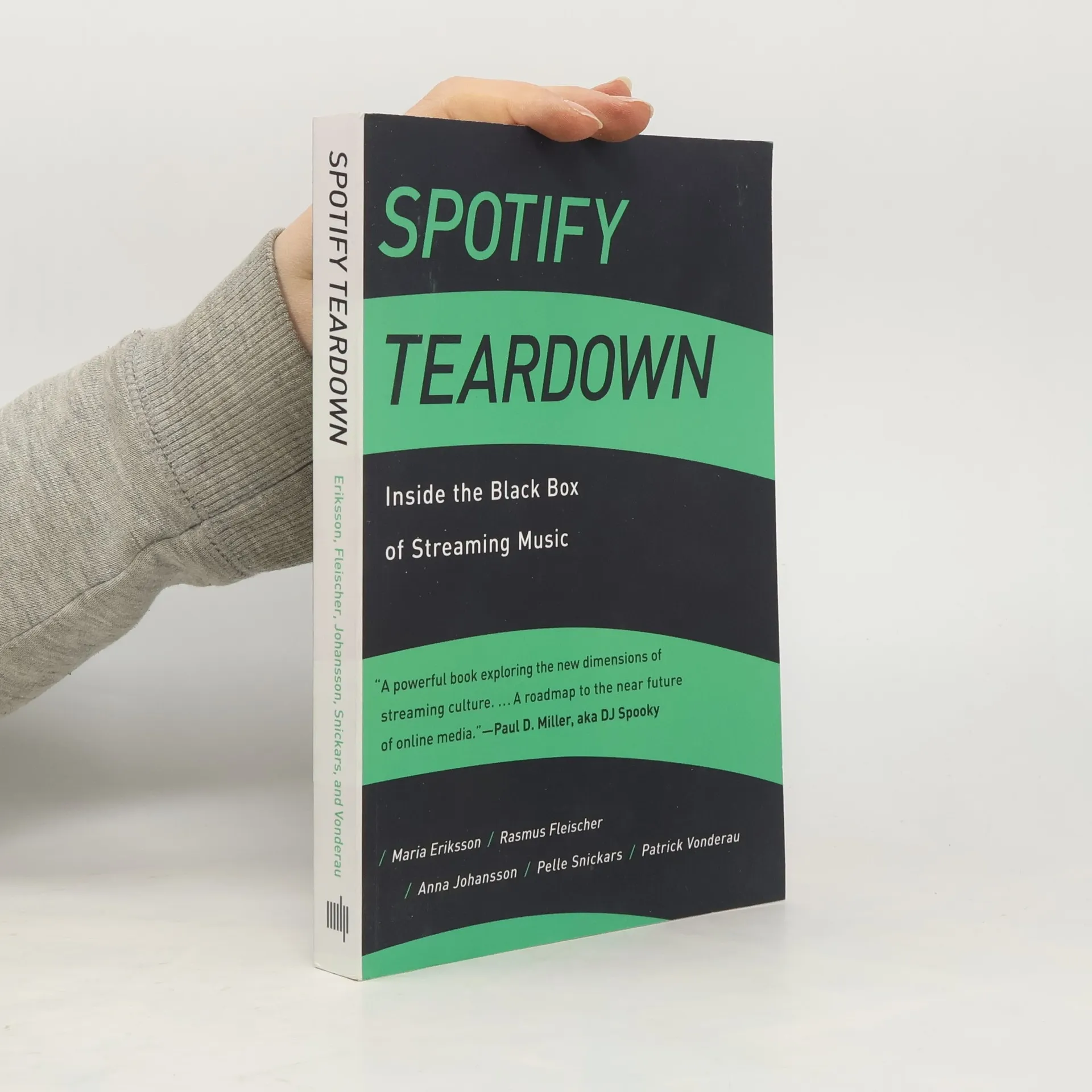
    Spotify Teardown
    From Big Bang to Big Data
    The YouTube reader
    • The YouTube reader

      • 512 pages
      • 18 hours of reading

      YouTube has come to epitomize the possibilities of digital culture. With more than seventy million unique users a month and approximately eighty million videos online, this brand-name video distribution platform holds the richest repository of popular culture on the Internet. As the fastest growing site in the history of the Web, YouTube promises endless new opportunities for amateur video, political campaigning, entertainment formats, and viral marketing—a clip culture that has seemed to outpace both cinema and television.The YouTube Reader is the first full-length book to explore YouTube as an industry, archive, and cultural form. This remarkable volume brings together renowned film and media scholars to debate the problems and potential of "broadcasting yourself." The YouTube Reader takes on claims of newness, immediacy, and popularity with sytematic and theoretically informed arguments, offering a closer look at the available texts on YouTube and the policies and norms that govern their access and use.Contributors include Christopher Anderson, Thomas Elsaesser, Richard Grusin, Bernard Stiegler, Toby Miller, Lisa Parks, William Uricchio, and Janet Wasko.

      The YouTube reader
      3.7
    • Beyond newspapers, television, and social networks, media are the means by which any information is shared, from antique graffiti to playlists on Spotify. Cultures are held together as much by bookkeeping and records as they are by stories and myths. From Big Bang to Big Data shows how every society has been a media society, in its own way.

      From Big Bang to Big Data
    • Spotify Teardown

      Inside the Black Box of Streaming Music

      • 286 pages
      • 11 hours of reading

      This innovative investigation explores the inner workings of Spotify, tracing how audio files transform into a streamed experience. While Spotify has disrupted the music industry, such disruption comes with costs. The book contests the notion that digital culture thrives solely on disruption. Utilizing the concept of “teardown” from reverse-engineering, a team of five researchers disassembles Spotify's product and its common perceptions. Initially hailed as a solution to illegal downloading, Spotify's roots lie in the Swedish file-sharing community, and it now resembles a media company in need of regulation. This raises critical questions about how cultural content, including songs, books, and films, is made available online. The authors combine interviews, participant observations, and analyses of Spotify's "front end" with covert investigations of its "back end." Their research involved creating a record label for study, intercepting network traffic, and web-scraping corporate materials. Their innovative methods led to a stern letter from Spotify, accusing them of violating terms of use, and threats to their research funding. Consequently, the book serves as an intervention into the ethics and legal frameworks governing corporate behavior.

      Spotify Teardown