

Michael Brown is a leading Scottish historian whose scholarship delves into the political and social history of the medieval British Isles. His extensive analyses illuminate the intricate relationships among the diverse peoples and political forces that shaped Scotland and its neighbors. Brown's writing is recognized for its depth and its capacity to uncover previously unexamined facets of historical events. His contributions are essential for understanding the development of the British kingdoms.
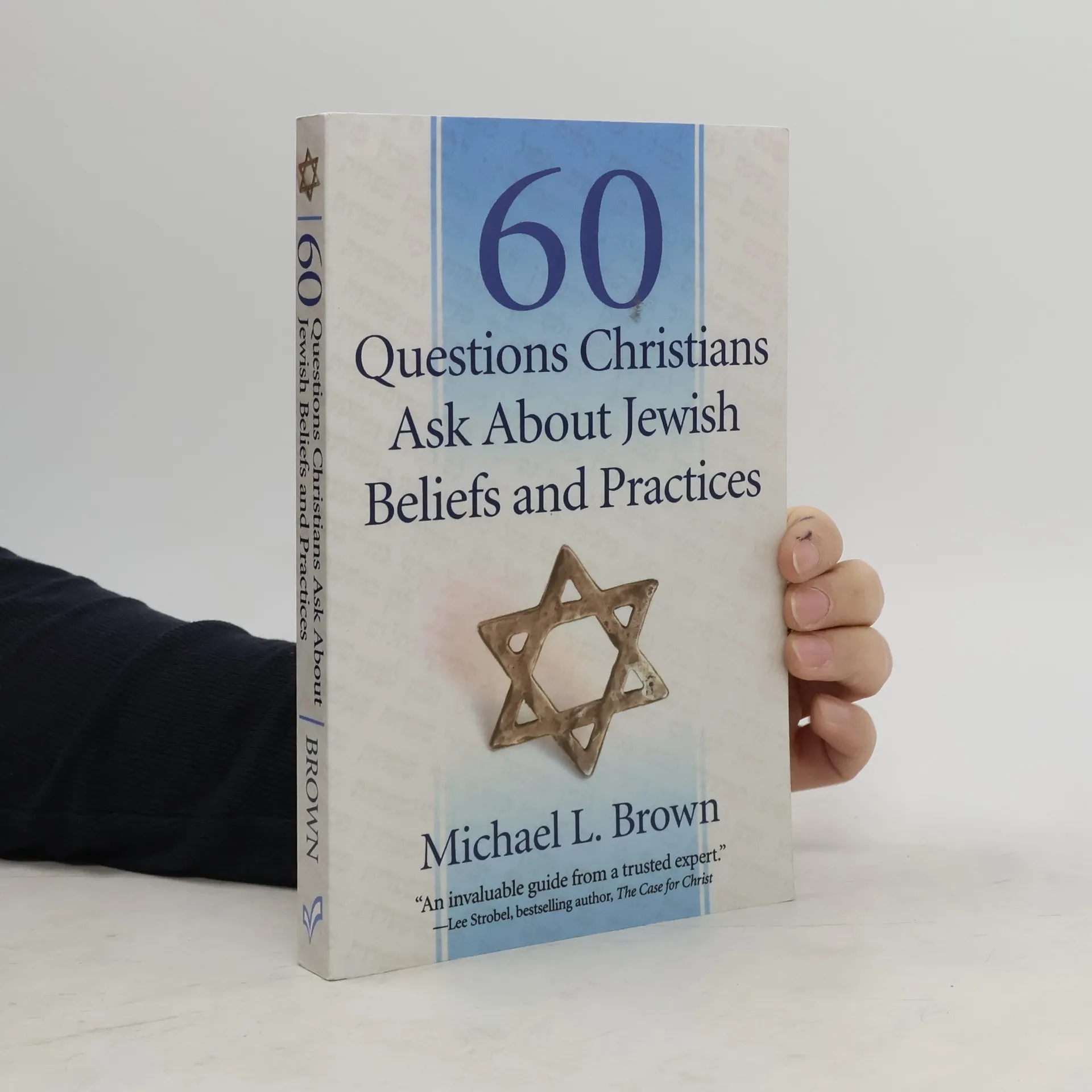
Respected scholar and Messianic Jew answers sixty common questions Christians have about Jewish people, culture, practices, and the Jewish background to the New Testament.
DO YOU FIND IT DIFFICULT TO RECONCILE THAT THE SAME loving Father who sent his only son to die on the cross for our sins also describes himself as a “great lion” to Judah who will tear them to pieces? What about the time he let Satan take Job's children and all of his earthly possessions, but yet the apostle John calls God “Love”? Most people would agree that the God that is described in the New Testament is more palpable than a God who permissively brings judgment on others, the God often described in the Old Testament. In this quick read, Dr. Michael Brown takes a detailed look at the infamous story of Job to let God himself answer the question, “How can a God who allows sickness and disease and describes Himself as 'the one who causes disaster' be the same God who loves us?”
As Christians and well-known leaders announce a newfound loss of faith, we
feel let down, even ashamed to question God's goodness. We need assurance of
our faith and answers to our pain. In this frank, insightful discussion,
Michael L. Brown compassionately answers the toughest questions and leads you
into a life-transforming encounter with the living God.
"Michael Brown investigates the ever-fluctuating relationship between American intellectuals and national politics from the Eisenhower era to Obama's-a story of both persistence and evolution. In Brown's words: "intellectuals have been both whipping boys and wonder workers in American politics, targets of hatred and vessels of hope." Brown tracks political debates over intellectuals across the culture, encompassing an array of thinkers and contexts, from Adlai Stevenson to bell hooks. In crystal-clear and unburdened prose, Brown carries us through six key moments that reveal the larger trends and tensions that defined concerns over intellectuals, their formidable abilities, and their myriad shortcomings"--