Explore the latest books of this year!
Bookbot

Brian Dobson

    Edge of Empire, Rome's Scottish Frontier
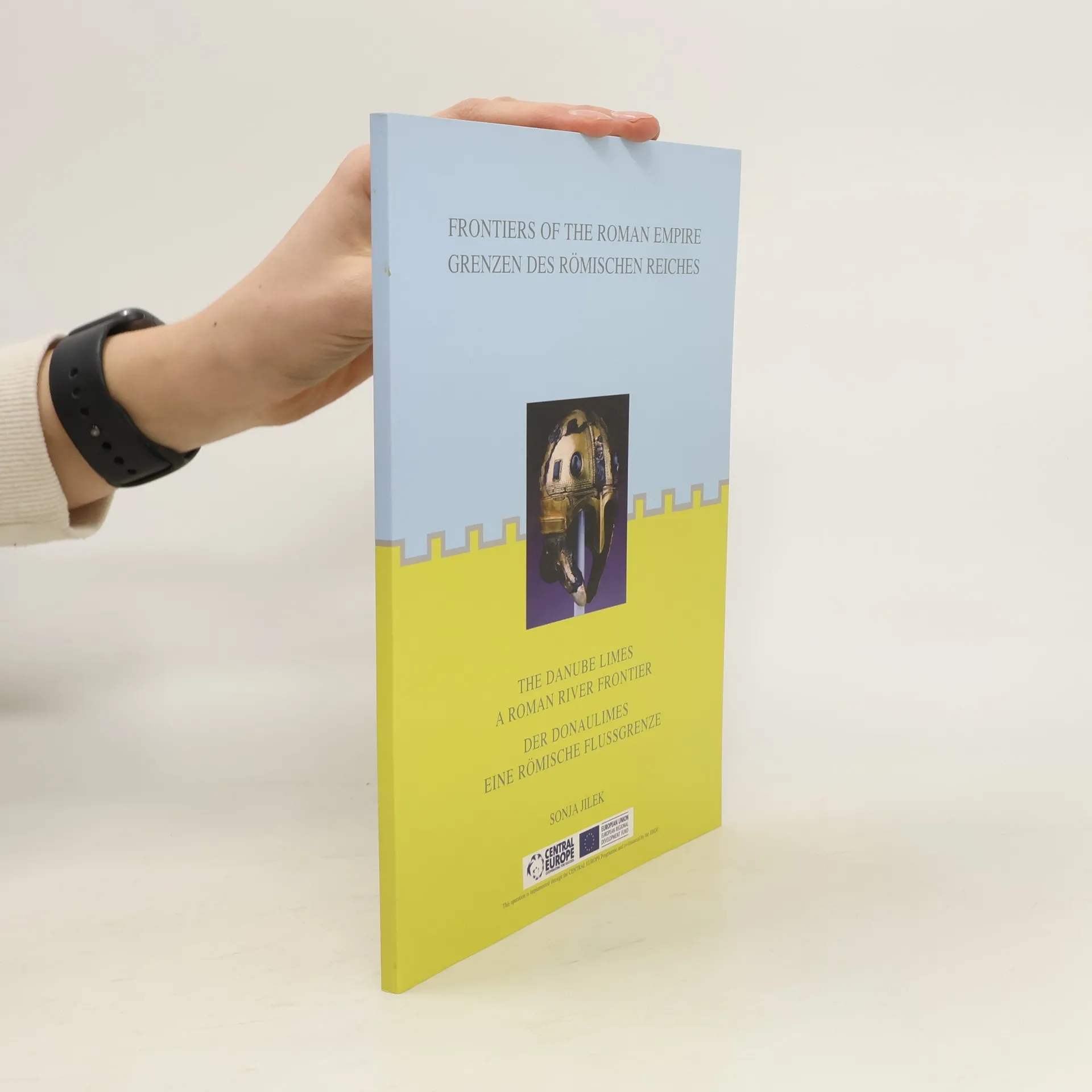
    Frontiers of the Roman Empire: Hadrian's Wall
    Frontiers of the Roman Empire: The Hinterland of Hadrians Wall
    The Antonine Wall
    Frontiers of the Roman Empire: The Roman Frontier in Egypt
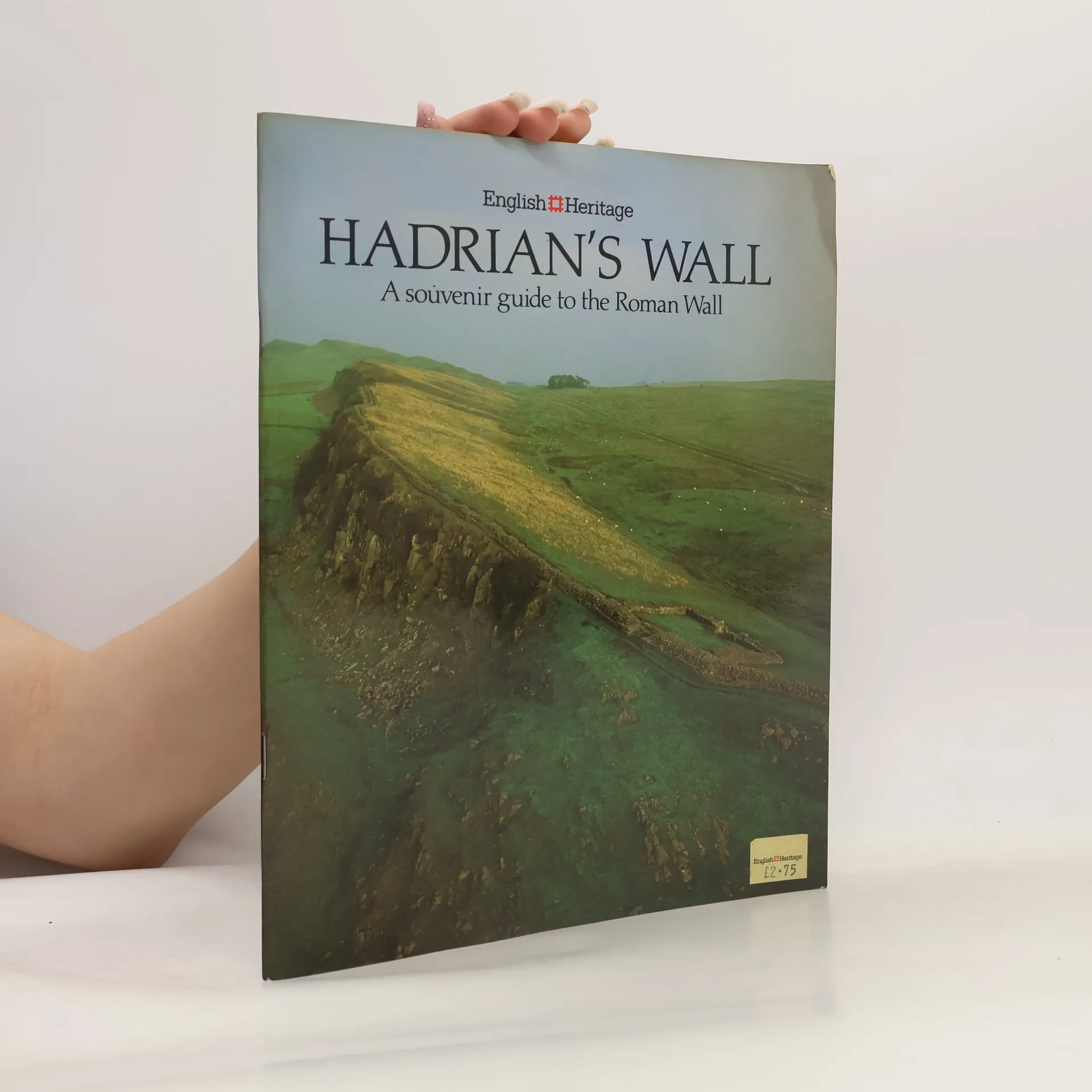
    Hadrian's Wall
    • 2023

      The Antonine Wall

      • 224 pages
      • 8 hours of reading

      As the most advanced frontier construction of its time, and as definitive evidence of the Romans' time in Scotland, the Antonine Wall is an invaluable part of this country's history. In this meticulously researched book, David Breeze examines this enigmatic life and the reasons for the construction and abandonment of his Wall.

      The Antonine Wall
    • 2023

      In this important and beautifully illustrated book, David Breeze elucidates the context of the most famous frontier, Hadrian’s Wall. The zone to north and south of the Wall was a heavily militarised landscape of roads, bridges, forts, fortlets and towers, but also the towns, settlements and supply infrastructure on which the army depended.

      Frontiers of the Roman Empire: The Hinterland of Hadrians Wall
    • 2023
    • 2023

      Edge of Empire, Rome's Scottish Frontier

      • 128 pages
      • 5 hours of reading

      Edge of Empire is a comprehensive and fascinating study of the Roman Empire's northernmost frontier barrier, covering the invasion, the construction, the occupation and final abandonment of the Antonine Wall. Illustrated throughout with stunning photography from David Henrie of Historic Scotland.

      Edge of Empire, Rome's Scottish Frontier
    • 2022

      Slovakia was situated at the edge of the classical world but still was a close neighbour of the Roman Empire. The Roman influence left distinct traces not only at the territories along the frontier but also in its broader fore field.

      Frontiers of the Roman Empire: Slovakia
    • 2022

      The North Sea and Channel coasts form the geographic frontier of the Roman Empire with the sea - the edge of the then known world. This border represents a page in military maritime history, but its coasts, in Great Britain, the Netherlands, Belgium and France, contain archaeological sites of high heritage value that deserve a large audience.

      Frontiers of the Roman Empire: The Saxon Shore and the Maritime Coast
    • 2022

      This volume considers the military architecture and its impact on local communities in Rome's eastern frontier, which stretched from the north-east shore of the Black Sea to the Red Sea.

      Frontiers of the Roman Empire: The Eastern Frontiers
    • 2022

      The Antonine Wall lay at the very extremity of the Roman world. This volume, presented in English and German, presents a concise introduction to the wall which is, in many ways, one of the most developed frontier in Europe. Perhaps of greatest significance is the survival of the collection of Roman military sculpture, the Distance Slabs.

      Frontiers of the Roman Empire: The Antonine Wall - A World Heritage Site
    • 2022

      The frontiers of the Roman empire together form the largest surviving monument of one of the world's greatest states. They stretch for some 7,500 km through 20 countries which encircle the Mediterranean Sea. The remains of these frontiers have been studied by visitors and later by archaeologists for several centuries. Many of the inscriptions and sculpture, weapons, pottery and artefacts created and used by the soldiers and civilians who lived on the frontier can be seen in museums. Equally evocative of the lost might of Rome are the physical remains of the frontiers themselves. The aim of this series of booklets is not only to inform the interested visitor about the history of the frontiers but to act as a guidebook as well. The frontier in Lower Germany was one of the earliest to be created; surviving into the early 5th century, it illustrates the whole range of Roman military installations. In the Rhine delta, the watery nature of the landscape has ensured incredible survivals in the form of organic remains including ships. Upstream are great military bases created for the army poised to invade Germany, supported by forts and fortlets, all modified over time.

      Frontiers of the Roman Empire: The Lower German Limes