

Explore the latest books of this year!
Bookbot

John W. Dower

    John W. Dower delves into the deep history of Japan and its relationship with the United States during times of war and peace. His work is characterized by meticulous research and a unique insight into the cultural dimensions of conflict. Dower explores how cultures are shaped and how these formations manifest during wartime and postwar periods. His approach offers readers a comprehensive understanding of complex historical events.

    A Letter from Japan
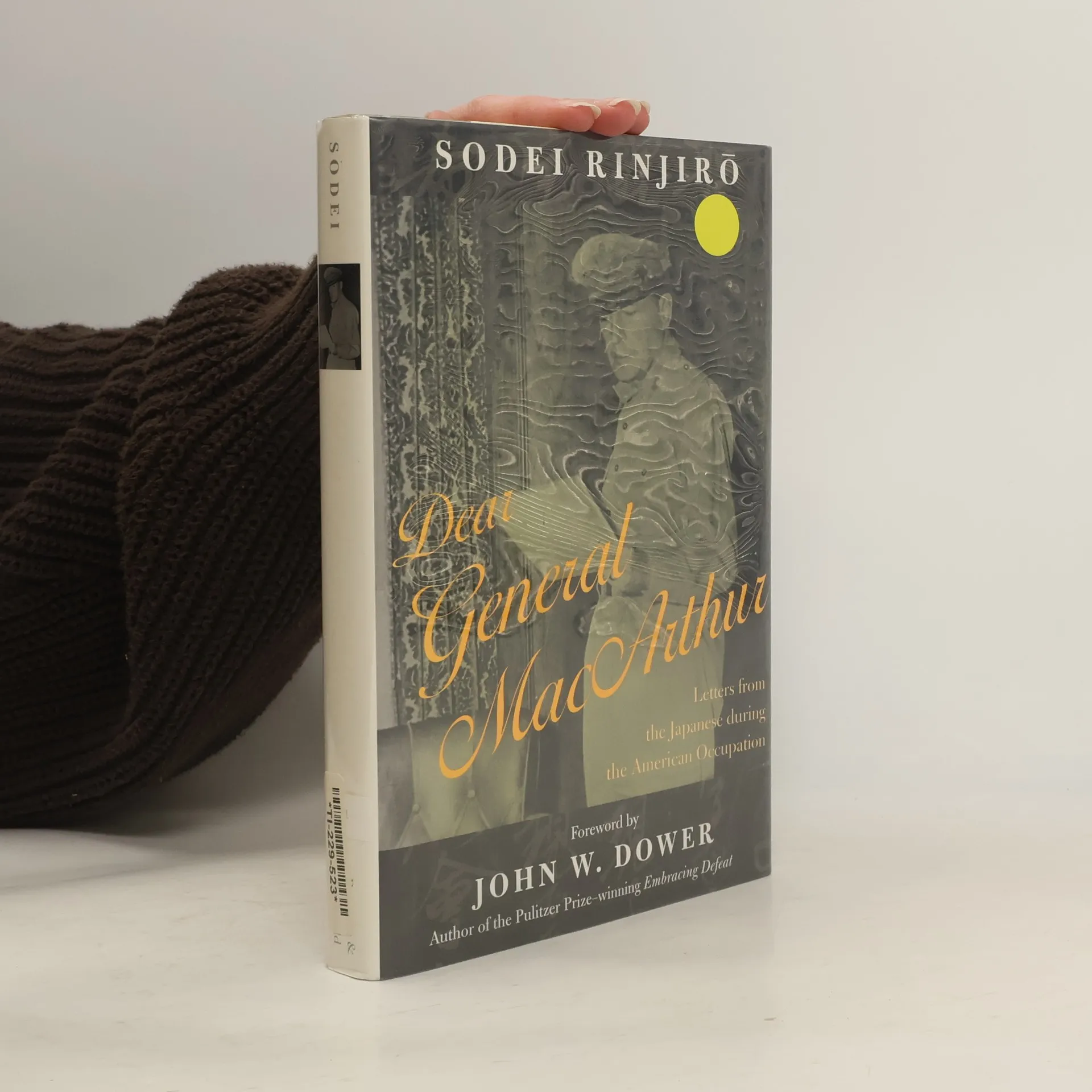
    Dear General MacArthur
    Ways of Forgetting, Ways of Remembering: Japan in the Modern World
    The Violent American Century
    Embracing Defeat
    Performing for Motion Capture
    • Want to be the next Andy Serkis as Gollum in Lord of the Rings ? Or Zoe Saldana in Avatar ? How about Seth MacFarlane in Ted ? Or do you want to star in video games such as Fortnite, Call of Duty or Halo ?If so, this book will tell you everything you need to know about acting for motion capture.This is the first book to provide an invaluable resource for the education of the next generation of performers in this exciting medium. Over the last 10 years, a revolution has occurred in digital production - video games have overtaken the film and TV industries in terms of production and revenues. Many video games derive their digital animation from human performance by means of motion and performance capture. Actors such as Andy Serkis and Troy Baker have won critical acclaim for their digital performance in games and film.The book includes contributions from practitioners working across the globe, actor Kezia Burrows; software developer Stéphane Dalbera; director Kate Saxon; a group of Japanese games directors; Jeremy Meunier, Head of Motion Capture at Moov studios, Montreal; Marc Morisseau, motion editor for Avatar ; and a Chinese Motion Capture suit manufacturer.

      Performing for Motion Capture2022
      5.0
    • The Violent American Century

      • 167 pages
      • 6 hours of reading

      This work examines the U.S.-led evolution of military strategy and warfare since 1945, following the peak of industrialized "total war" during World War II. The conflict saw great powers inflict severe devastation globally, with the U.S. emerging largely unscathed and dominant in power. The staggering death toll included both combatants and civilians. The narrative explores the shift in U.S. military conduct post-1945, which began with intense localized conflicts and proxy wars during the Cold War, culminating in today’s asymmetrical warfare. The modern military approach combines overwhelming force with counterinsurgency, clandestine operations, and a vast network of overseas bases, heralding an era of computerized "precision" warfare. Compared to World War II, the scale of postwar destruction has been relatively smaller, yet remains appalling and persistent. The author, a Pulitzer Prize winner, utilizes extensive data and U.S. planning documents to analyze contemporary war and terror, situating U.S. actions within the larger context of global violence since World War II, while emphasizing the human costs of this ongoing legacy of conflict.
      The Violent American Century2017
      4.0
    • Focusing on Japanese perceptions of the United States, the book explores pivotal moments in their relationship, such as the impact of Hiroshima and the American occupation. It delves into how these events shaped Japanese lives and memories, providing a compelling examination of the complex historical narrative between the two nations. Through this lens, it reveals the intricate ways in which this shared history continues to influence contemporary views and sentiments.

      Ways of Forgetting, Ways of Remembering: Japan in the Modern World2012
    • A Letter from Japan

      The Photographs of John Swope

      • 256 pages
      • 9 hours of reading

      As one of the first American photographers to arrive in Japan after World War II, John Swope captured a critical moment in history, even before Japan's official surrender. His compelling photo essay is enhanced by excerpts from a 144-page letter he wrote to his wife, actress Dorothy McGuire, during his three-week journey with a team of Edward Steichen's Naval photographers, tasked with documenting the release of Allied prisoners of war. Swope transcended his official role to portray the war's impact on the local population and the land, as well as on the freed soldiers. Having previously visited Japan 15 years earlier, he had a unique understanding of the devastation and grappled with the changes he witnessed. His letter articulates his experiences and emotional responses, while his photographs, paired with his words, offer a poignant and personal perspective on a world in limbo, reflecting deep humanity and sensitivity for both sides of the conflict. This work features 114 color plates, including contrasts from Swope's Hollywood photography, his Life magazine career, and his international travels spanning the 1930s to the 1970s.

      A Letter from Japan2006
    • Dear General MacArthur

      Letters from the Japanese during the American Occupation

      • 270 pages
      • 10 hours of reading

      This unique book compiles some 120 remarkable letters from Japanese citizens to General Douglas MacArthur during the postwar occupation of Japan (1945-1952). Painstakingly culled from a vast collection, these letters evoke the unfiltered voices of people of all classes and occupations during the tremendous upheaval of the early postwar period, when the Japanese were coming to terms with the devastating losses of the war, adjusting to a new political system, and creating the framework for economic and social recovery. Visit our website for sample chapters! This unique book compiles some 120 remarkable letters from Japanese citizens to General Douglas MacArthur during the postwar occupation of Japan (1945-1952). Painstakingly culled from a vast collection, these letters evoke the unfiltered voices of people of all classes and occupations during the tremendous upheaval of the early postwar period, when the Japanese were coming to terms with the devastating losses of the war, adjusting to a new political system, and creating the framework for economic and social recovery.

      Dear General MacArthur2001
    • Embracing Defeat

      • 688 pages
      • 25 hours of reading

      Drawing on a range of sources, from manga comics to MacArthur's report to Congress, this work traces the impact of defeat and reconstruction on different aspects of Japan's national life. schovat popis

      Embracing Defeat1999
      4.3