
Exploring the evolution of American noir film, this book delves into the genre's classic and neo-noir phases, highlighting its enduring tropes and appeal. It analyzes iconic films like Double Indemnity and Sunset Boulevard, as well as modern entries such as Under the Silver Lake and Promising Young Woman. Through this examination, it reveals how the genre has adapted while retaining its unique characteristics that continue to resonate with audiences.
M. Keith Booker Book order (chronological)


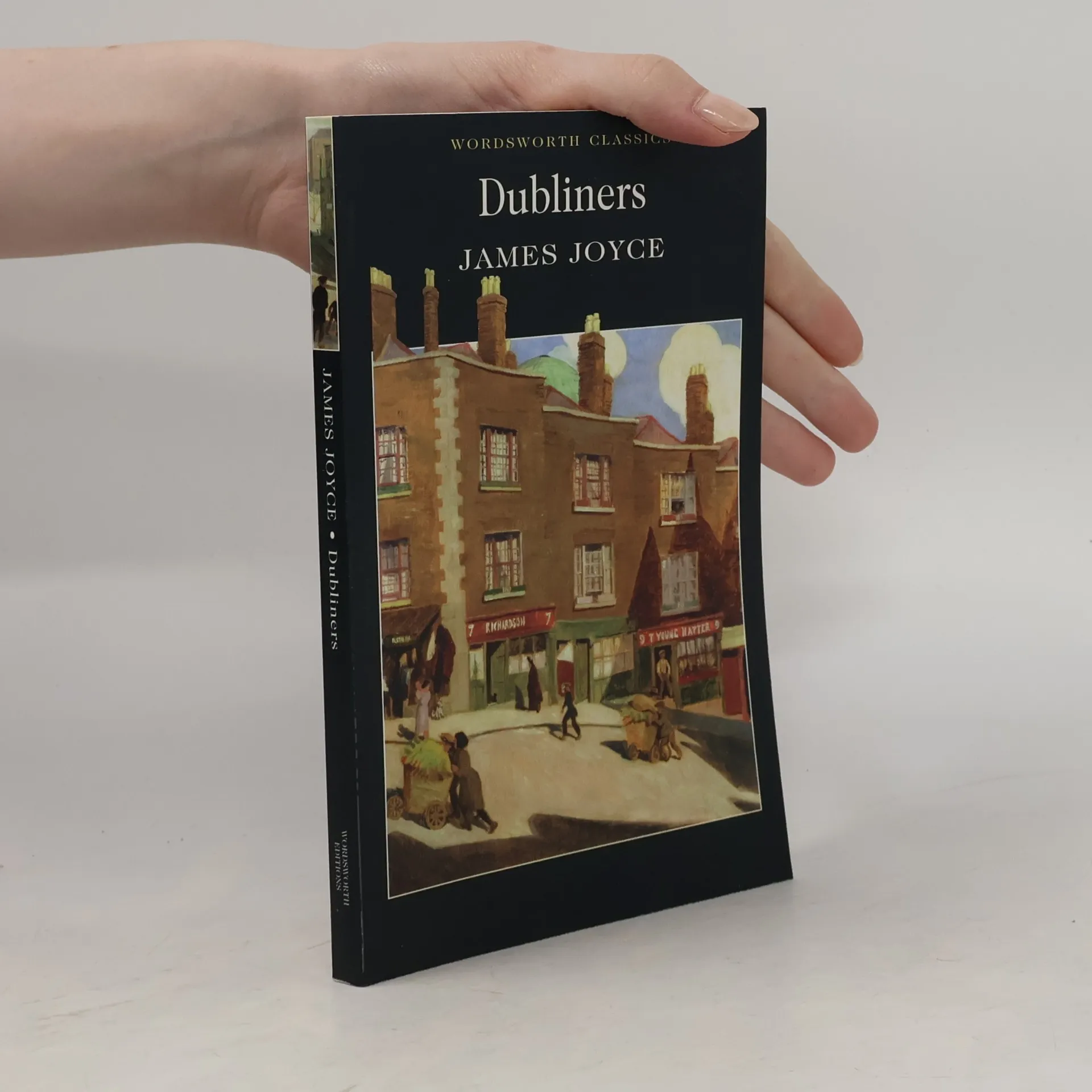
Dubliners
- 192 pages
- 7 hours of reading
"Since its publication in 1914, Dubliners has been arguably the most famous collection of short stories written in English. Through what James Joyce described as their "style of scrupulous meanness," the stories collectively present a direct, sometimes searing view of the city of Dublin in the twentieth century. This Norton Critical Edition is based on Hans Walter Gabler's scholarly edition and includes Gabler's edited text, his textual notes, and a newly revised version of his introduction, which details and discusses the complicated publication history of Dubliners. Explanatory annotations are provided by the volume editor, Margot Norris." ""Contexts" is a rich collection of materials intended to bring Dubliners to life for twenty-first-century readers. The Irish capital of a century ago is captured through photographs, maps, songs, newspaper items, and advertising. Early versions of two of the stories and Joyce's satirical poem about his publication woes provide additional background." ""Criticism" includes eight interpretive essays that illuminate some of the stories most frequently taught and discussed -"Araby," "Eveline," "After the Race," "The Boarding House," "Counterparts," "A Painful Case," and "The Dead." The contributors are David G. Wright, Heyward Ehrlich, Margot Norris, James Fairhall, Fritz Senn, Morris Beja, Roberta Jackson, and Vincent J. Cheng. A Selected Bibliography is also included."--BOOK JACKET.
Historical Dictionary of American Cinema
- 654 pages
- 23 hours of reading
Featuring over 600 cross-referenced entries, this comprehensive resource explores key figures, films, companies, techniques, themes, and subgenres that shape American cinema. It includes a detailed chronology and an extensive bibliography, making it an essential reference for understanding the impact of American film on global culture. The combination of historical context and thematic analysis offers valuable insights for both enthusiasts and scholars of cinema.
Historical Dictionary of Science Fiction Cinema
- 542 pages
- 19 hours of reading
Featuring over 400 cross-referenced entries, this comprehensive resource delves into key personalities, films, companies, techniques, themes, and subgenres of science fiction cinema. The second edition includes a detailed chronology and an extensive bibliography, making it an essential reference for enthusiasts and scholars alike.
Exploring the cultural significance of a renowned television series, this book delves into themes such as evolving gender roles, family dynamics, and workplace relationships in the context of the American experience. It highlights how audiences connect with quality television to shape their identities and understand their lives, reflecting on the past while navigating contemporary issues.
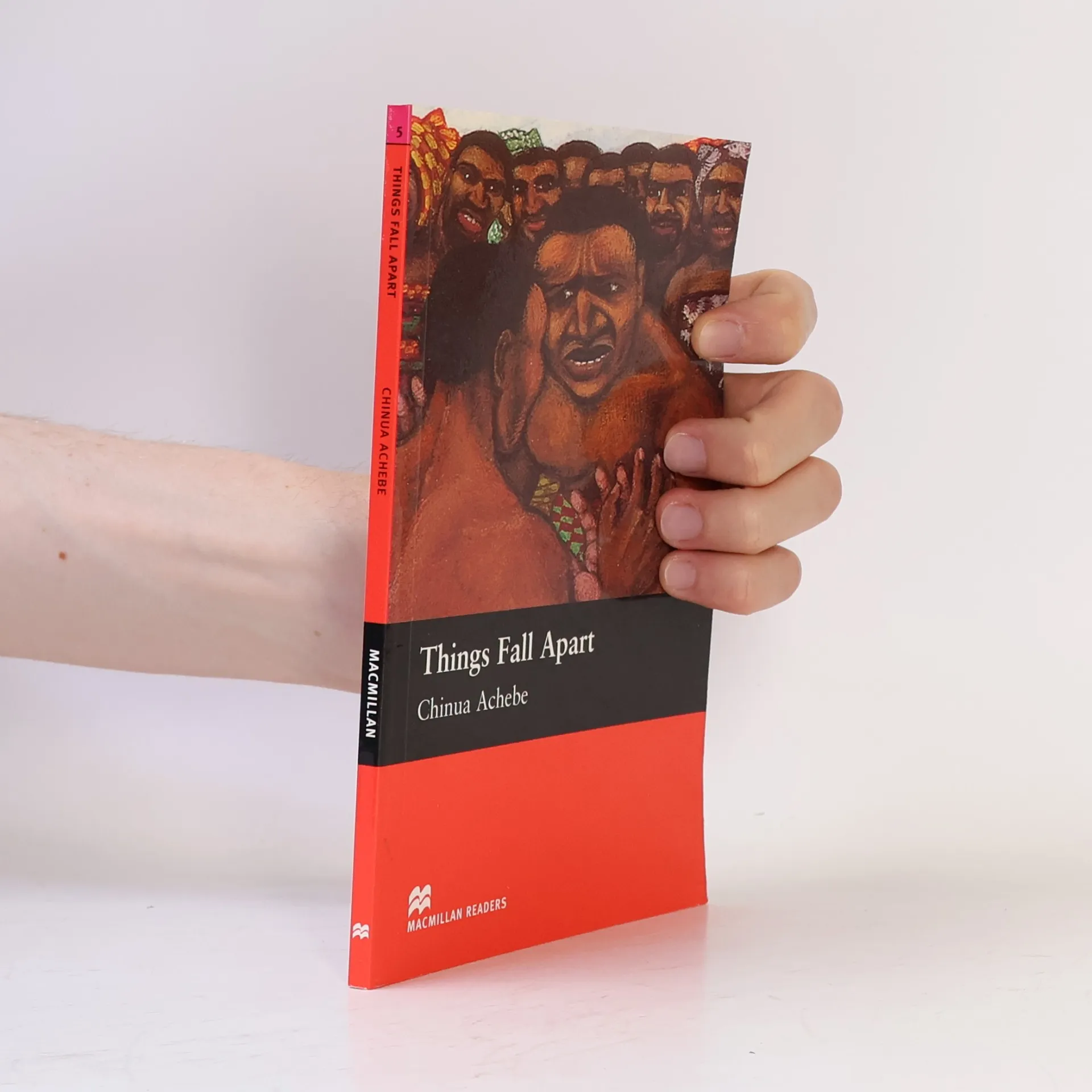
“A true classic of world literature . . . A masterpiece that has inspired generations of writers in Nigeria, across Africa, and around the world.” —Barack Obama “African literature is incomplete and unthinkable without the works of Chinua Achebe.” —Toni Morrison Nominated as one of America’s best-loved novels by PBS’s The Great American Read Things Fall Apart is the first of three novels in Chinua Achebe's critically acclaimed African Trilogy. It is a classic narrative about Africa's cataclysmic encounter with Europe as it establishes a colonial presence on the continent. Told through the fictional experiences of Okonkwo, a wealthy and fearless Igbo warrior of Umuofia in the late 1800s, Things Fall Apart explores one man's futile resistance to the devaluing of his Igbo traditions by British political andreligious forces and his despair as his community capitulates to the powerful new order. With more than 20 million copies sold and translated into fifty-seven languages, Things Fall Apart provides one of the most illuminating and permanent monuments to African experience. Achebe does not only capture life in a pre-colonial African village, he conveys the tragedy of the loss of that world while broadening our understanding of our contemporary realities.