

HarperCollins is proud to present its incredible range of best-loved, essential classics... Despite dating from the 4th century BC, The Art of Rhetoric continues to be regarded by many as the single most important work on the art of persuasion. As democracy began emerging in 5th-century Athens, public speaking and debate became an increasingly important tool to garner influence in the assemblies, councils, and law courts of ancient Greece. In response to this, both politicians and ordinary citizens became desperate to learn greater skills in this area, as well as the philosophy behind it. This treatise was one of the first to provide just that, establishing methods and observations of informal reasoning and style, and has continued to be hugely influential on public speaking and philosophy today. Aristotle, the grandfather of philosophy, student of Plato, and teacher of Alexander the Great, was one of the first people to create a comprehensive system of philosophy, encompassing logic, morality, aesthetics, politics, ethics, and science. Although written over 2,000 years ago, The Art of Rhetoric remains a comprehensive introduction for philosophy students into the subject of rhetoric, as well as a useful manual for anyone today looking to improve their oratory skills of persuasion.
Jacob Aristotle Book order (chronological)
Aristotle stands as one of history's most profound philosophical minds, whose extensive writings have shaped intellectual discourse for millennia. His work traversed an astonishing breadth of subjects, from the abstract realms of logic and metaphysics to the practicalities of ethics, politics, and aesthetics. A keen observer and meticulous researcher, his empirical approach, particularly in biology, laid foundational groundwork for scientific inquiry. Aristotle's thought, though complex and subject to ongoing interpretation, continues to stimulate debate and scholarly interest, attesting to its enduring significance.

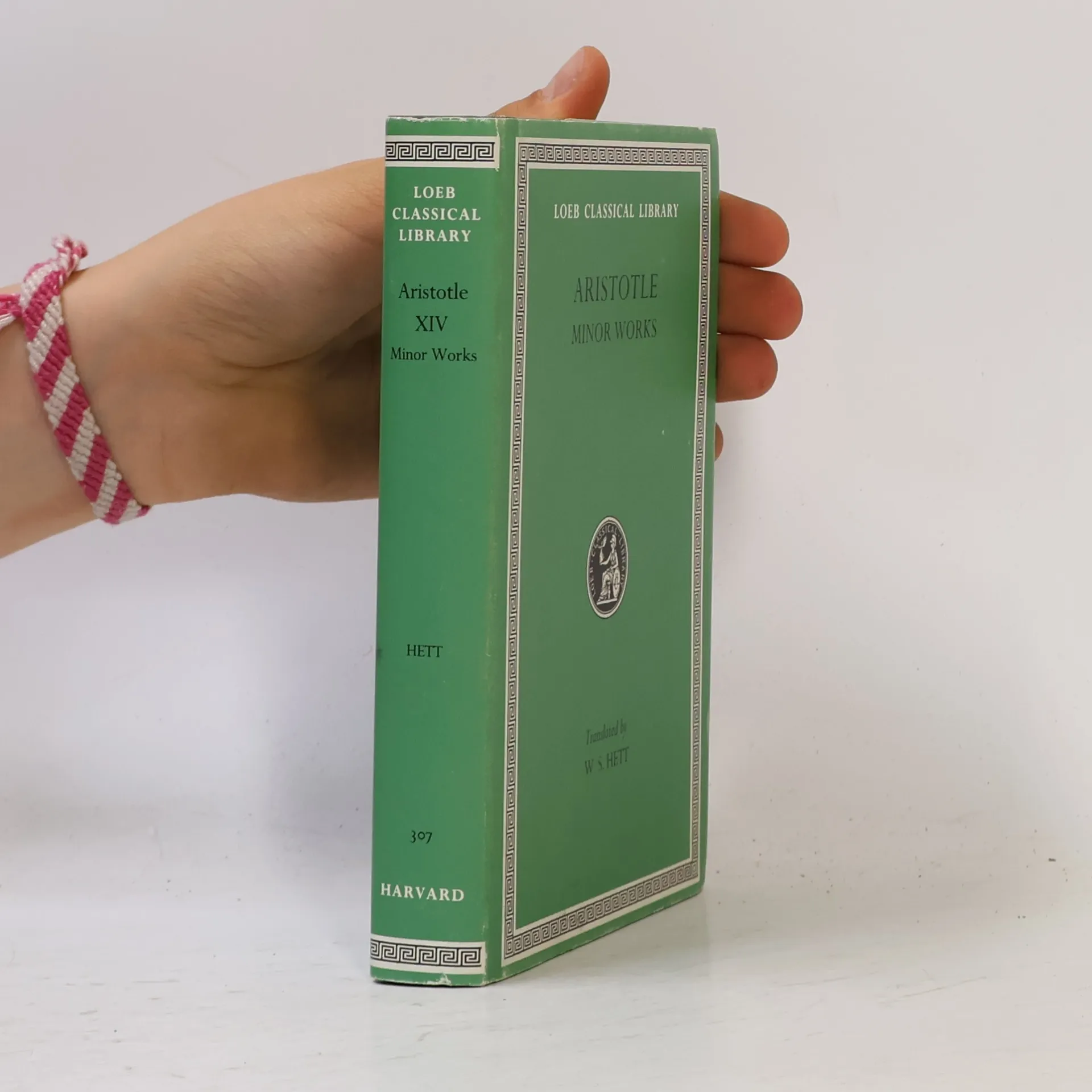


Loeb Classical Library - 14: Minor Works
- 528 pages
- 19 hours of reading
Nearly all the works Aristotle (384 322 BCE) prepared for publication are lost; the priceless ones extant are lecture-materials, notes, and memoranda (some are spurious). They can be categorized as practical; logical; physical; metaphysical; on art; other; fragments.
Aristotle XI. History of Animals. Books VII-X
Edited and Translated by D.M. Balme
The Nicomachean Ethics
- 528 pages
- 19 hours of reading
A new translation of one of the most important philosophical works of all time A Penguin Classic Aristotle’s classic treatise is based on his famous doctrine of the golden mean, which advocates taking the middle course between excess and deficiency. Reacting against Plato’s absolutism, Aristotle insisted that there are no definitive moral standards and that ethical philosophy must be based on human nature and experience. Treating such topics as moral worth, intellectual virtue, pleasure, friendship, and happiness, The Nicomachean Ethics asks above all: What is the good life, and how can we live it?
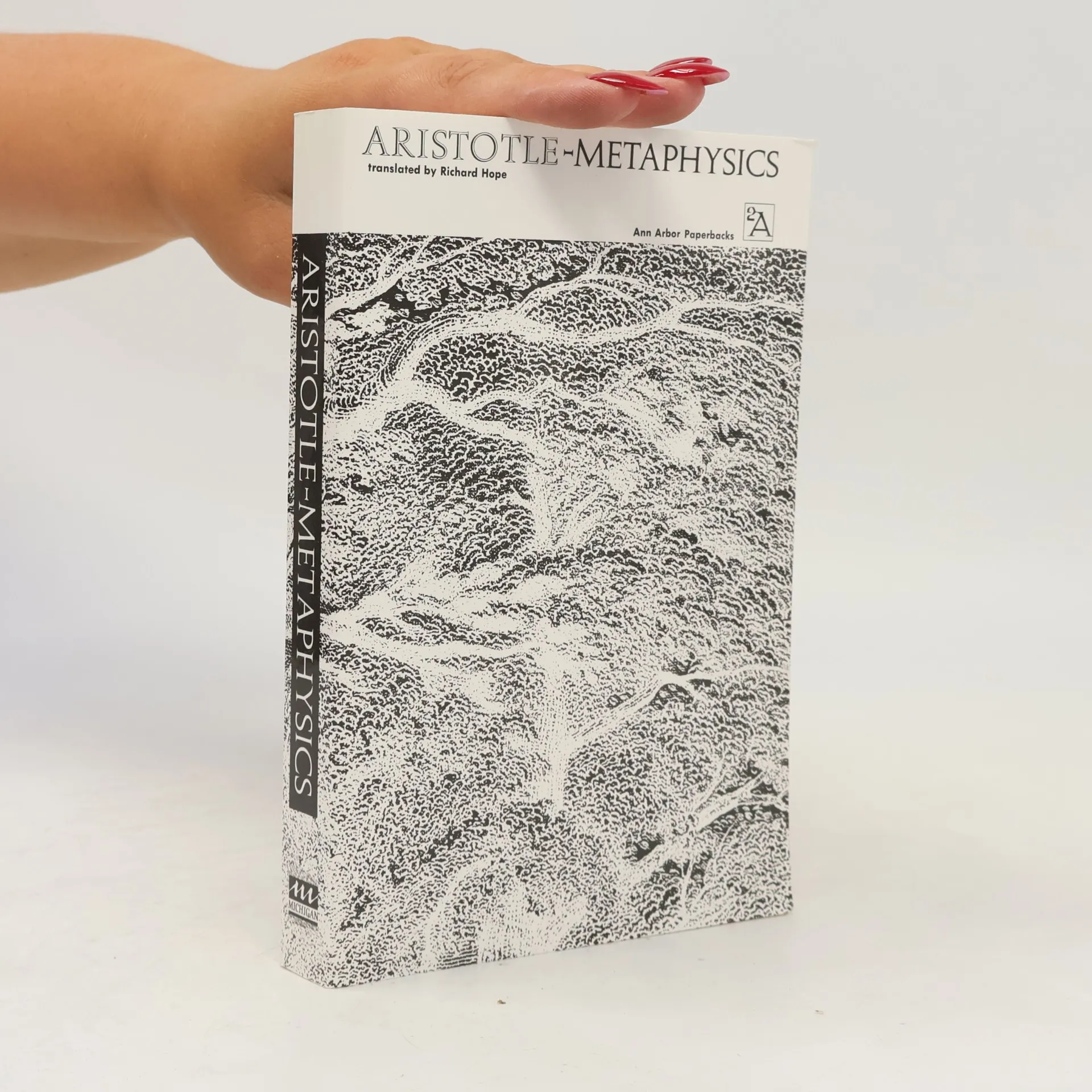
Metaphysics
- 416 pages
- 15 hours of reading
Aristotle's great work translated into English with an index giving Greek, Latin, and English forms of key terms