
The Companion Volume to How to Talk So Kids Will Listen & Listen So Kids Will Talk In this honest, illuminating book, internationally acclaimed parenting experts Adele Faber and Elaine Mazlish bring to life the principles of famed child psychologist Dr. Haim Ginott, and show how his theories inspired the changes they made in their relationships with their own children. By sharing their experiences, as well as those of other parents, Faber and Mazlish provide moving and convincing testimony to their new approach and lay the foundation for the parenting workshops they subsequently created that have been used by thousands of groups worldwide to bring out the best in both children and parents. Wisdom, humor, and practical advice are the hallmarks of this indispensable book that demonstrates the kind of communication that builds self-esteem, inspires confidence, encourages responsibility, and makes a major contribution to the stability of today's family.
Adele Faber Books
Adele Faber is an author focused on parent-child communication. Her work centers on practical techniques for enhancing understanding and relationships within the family. Through her writings, she provides parents with tools to more effectively listen to and respond to their children's needs. Faber emphasizes empathy and respect as foundational elements for healthy family dynamics.


How to Be the Parent You Always Wanted to Be
- 112 pages
- 4 hours of reading
With this essential workbook and audio guide, you'll learn things like: Dealing with your children's strong emotions Setting firm limits and still maintaining goodwill Expressing your feelings without being hurtful Engaging your children's co-operation * Resolving family conflicts peacefully
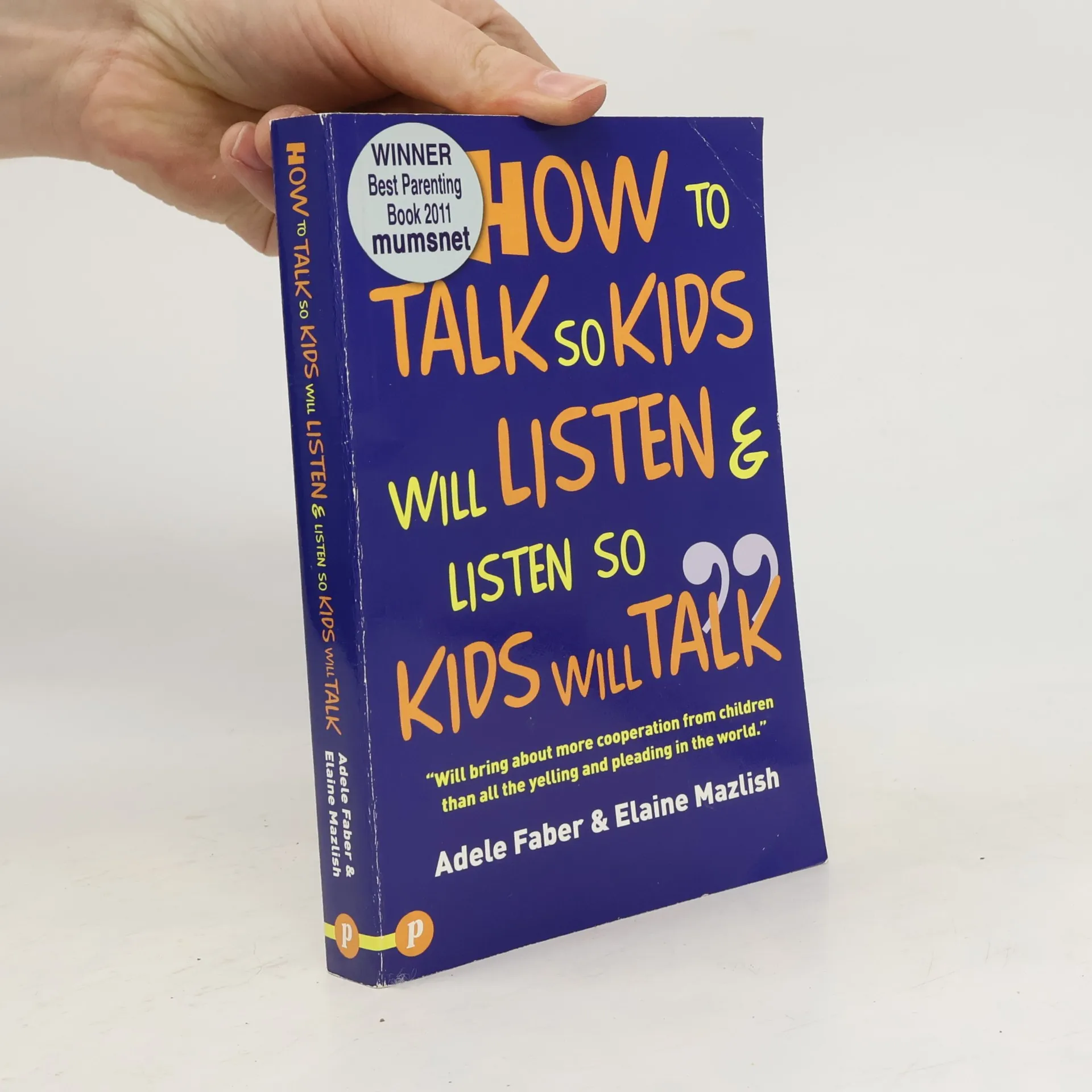
How to Talk So Kids Will Listen and Listen So Kids Will Talk
- 304 pages
- 11 hours of reading
Get your kids' cooperation...without arguing. Morning hassles and bedtime battles disappear when you apply the communication techniques these experts have been teaching parents nationwide. Even if you've felt you had no other alternative than to lecture or criticize, you'll be able to reduce the wear and tear on yourself and your family with this practical program. Adele Faber and Elaine Mazlish -- once frustrated mothers themselves -- use real-life situations to show how you can respect and respond to your child's feelings and satisfy your own needs. You'll learn Avoid turning simple conversations into arguments Instruct rather than criticize when correcting your child Choose effective alternatives to punishment Show your child how to make amends Allow him to experience the direct consequences of his actions See immediate changes in your relationship with your children -- changes that will mean the difference between bad feelings and good ones; between fighting and loving.
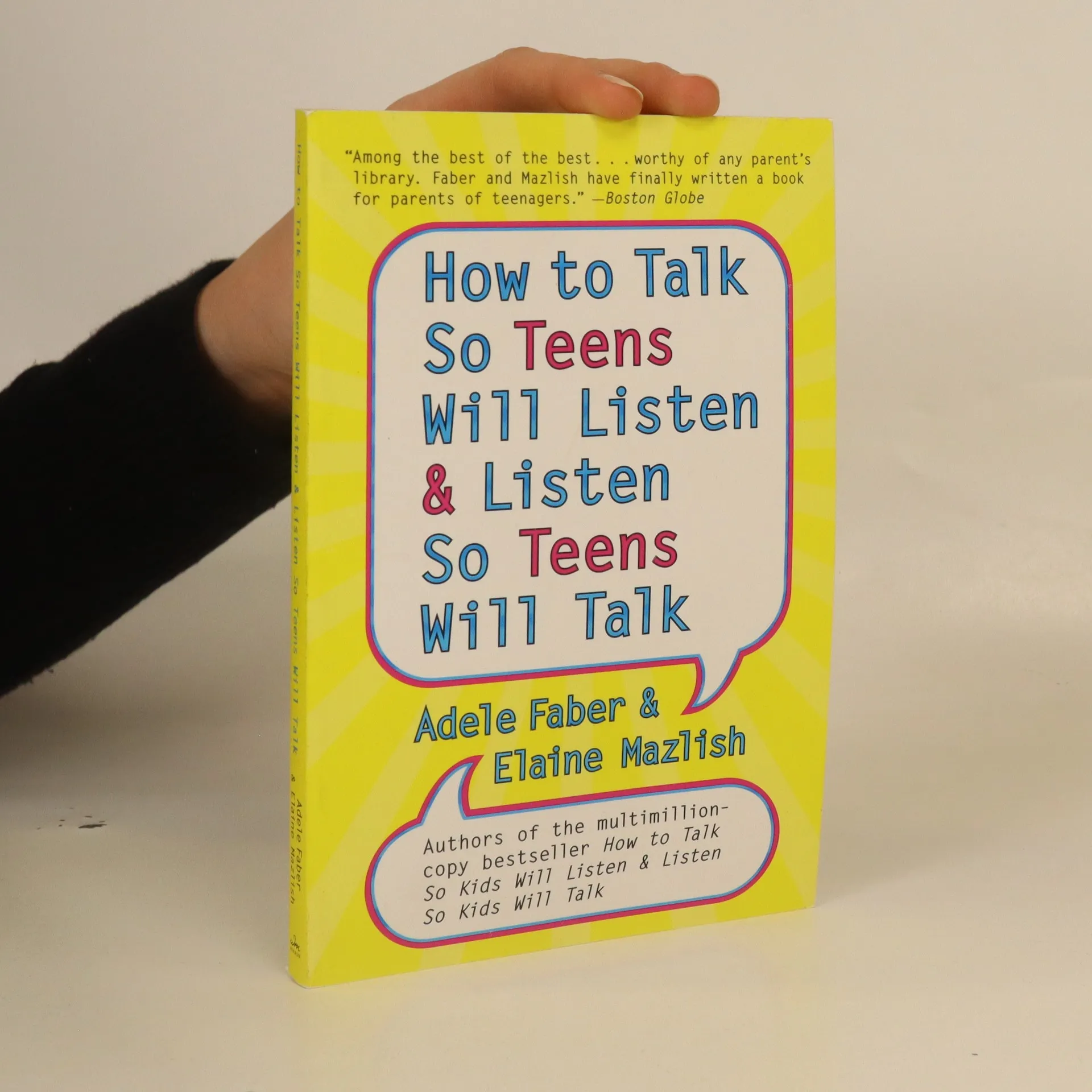
How to Talk so Teens Will Listen & Listen so Teens Will Talk
- 203 pages
- 8 hours of reading
Presents straightforward advice for parents and teens on how to build the foundation for healthy relationships, in a guide that covers such topics as curfews, peer pressure, and drugs
Siblings Without Rivalry
How to Help Your Children Live Together So You Can Live Too
An examination of one of the toughest problems that parents have to handle. It seeks to give personal advice to parents with humour and understanding.
Gode råd om, hvordan forældre taler med deres teenagere
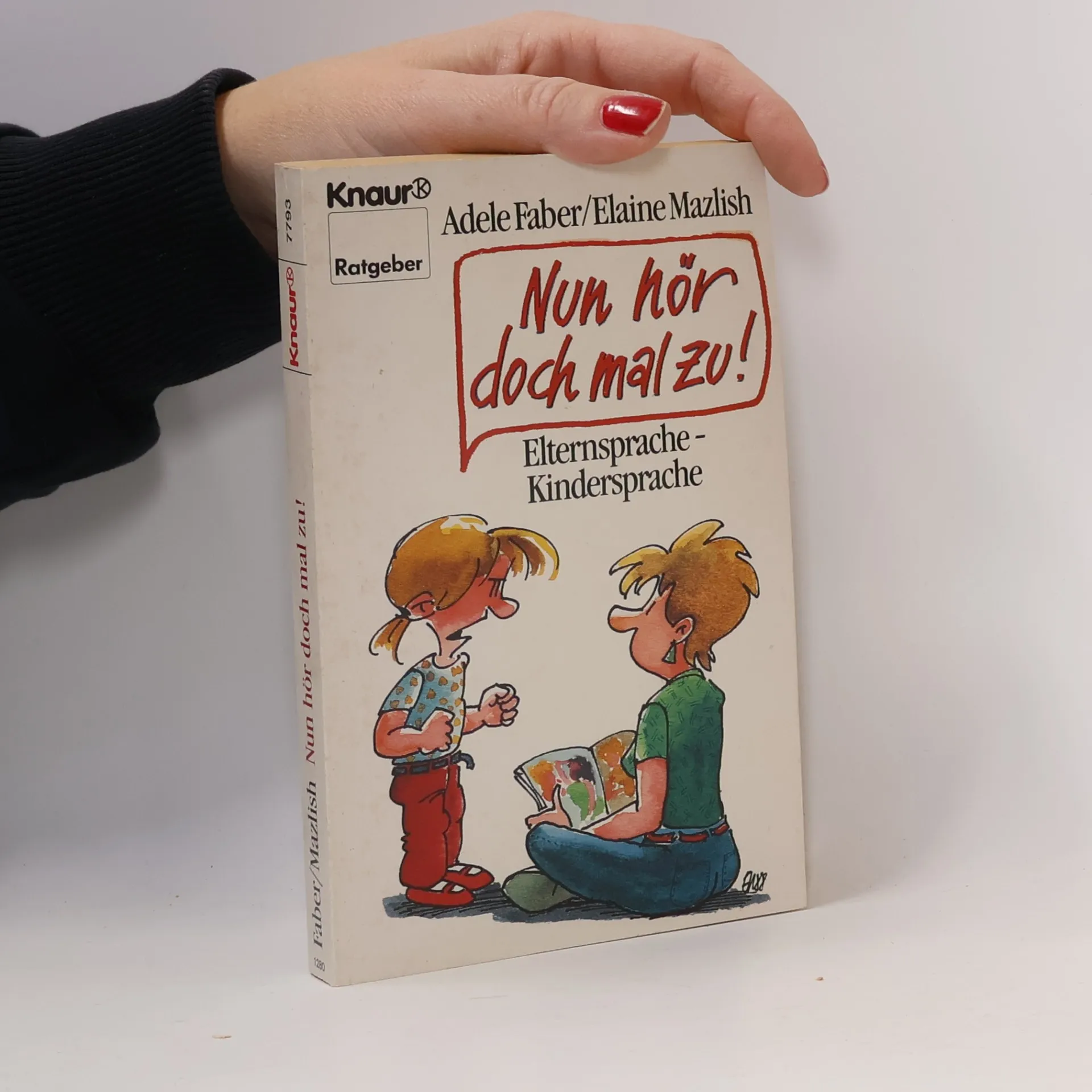
Nun hör doch mal zu!
- 332 pages
- 12 hours of reading
Oscar Saggi - 19: Come parlare perché i bambini ti ascoltino & come ascoltare perché ti parlino
- 307 pages
- 11 hours of reading
Esperte nella comunicazione intergenerazionale, Adele Faber e Elaine Mazlish hanno scritto quella che in tutto il mondo è considerata la «Bibbia dei genitori»: un longseller da oltre trent’anni che unisce testo e apparato grafico, arricchito di questionari, vignette, schemi ed esempi. In questa nuova edizione le due autrici rivedono i loro consigli alla luce delle sfide poste dalle generazioni di «nativi digitali». Il loro libro si conferma così come un classico della pedagogia, un punto di riferimento sicuro e aggiornato per tutte le questioni educative della vita quotidiana: gestire la rabbia; stabilire regole ferme (e farle rispettare); trovare alternative efficaci alle punizioni; guadagnare la collaborazione attiva dei più piccoli; risolvere i conflitti familiari.