
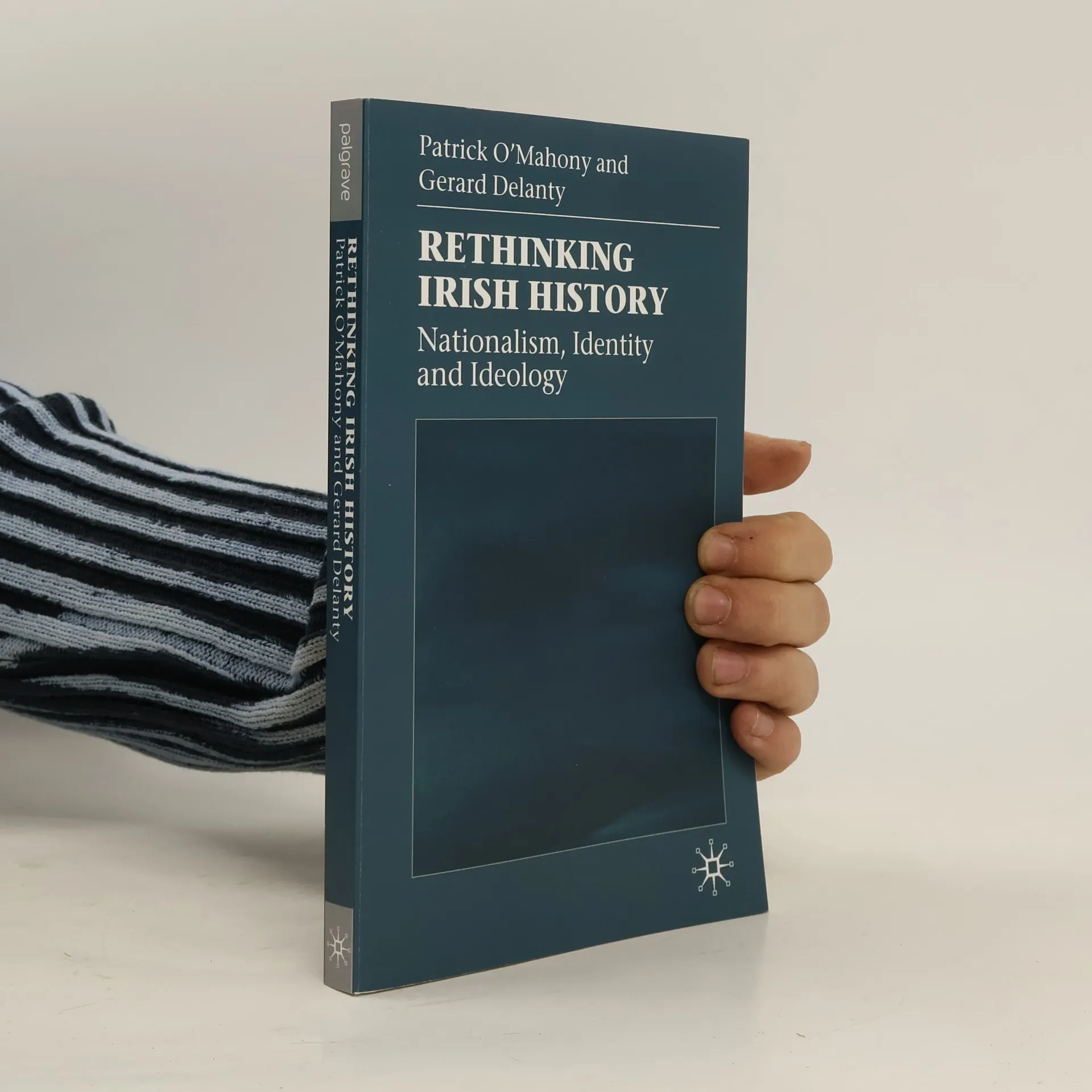
This book provides a critical interpretation of the construction of Irish national identity in the longer perspective of history. Drawing on recent sociological theory, the authors demonstrate how national identity was invented and codified by a nationalist intelligentsia in the late nineteenth century. The trajectory of this national identity is traced as a process of crisis and contradiction. One of the central arguments is that the negative implications of Irish national identity have never been fully explored by social science.
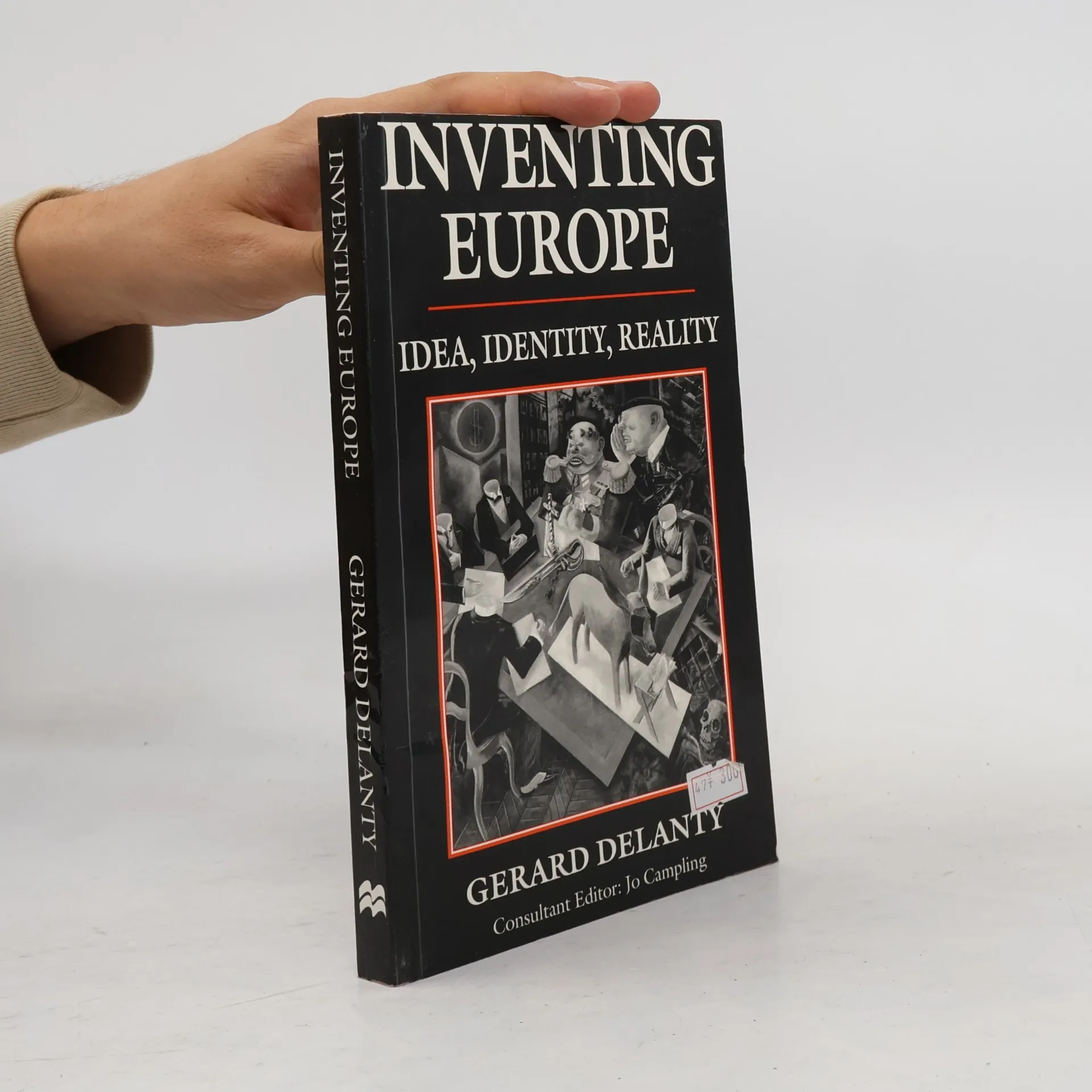
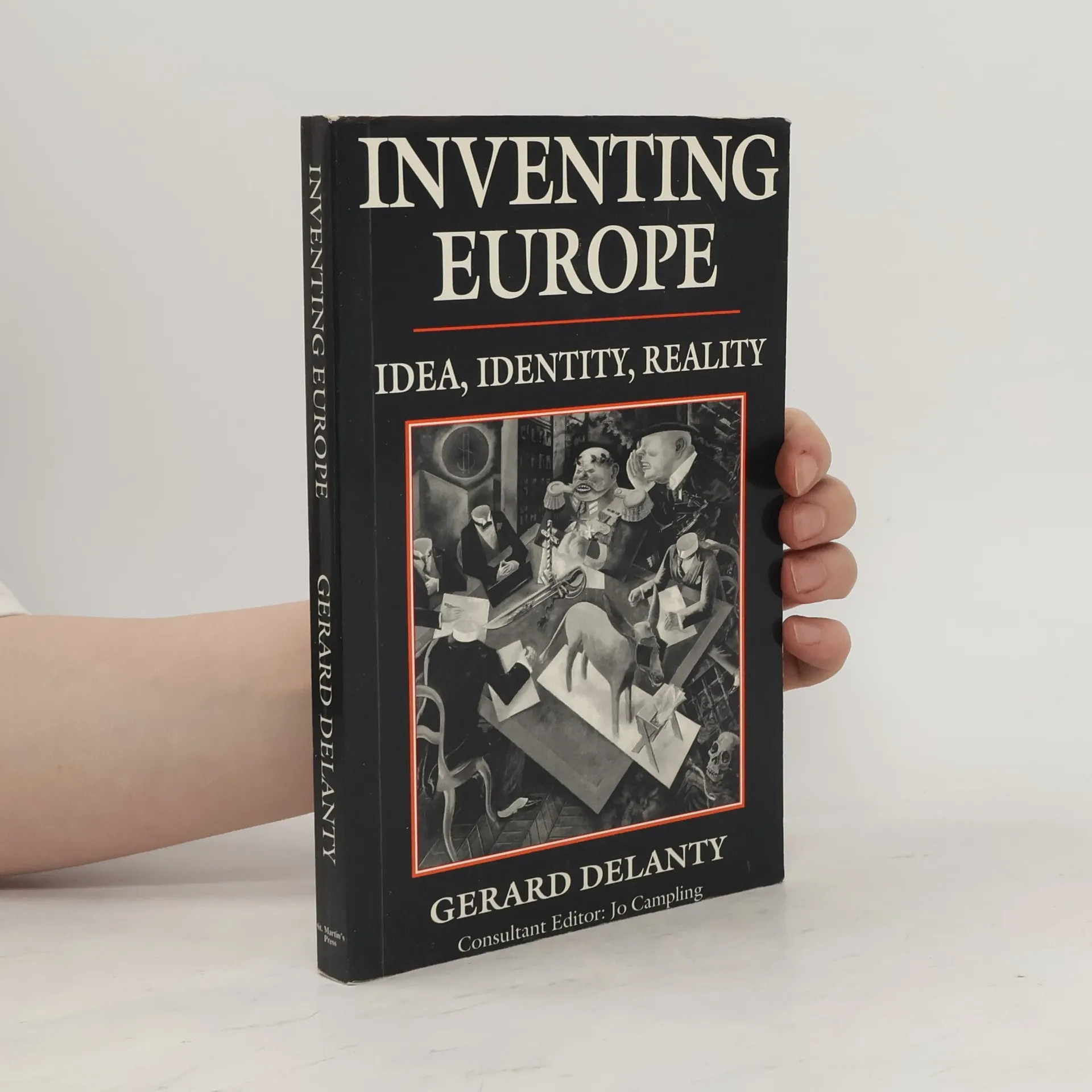
This book critically examines the concept of Europe and explores the potential for a European identity within a historical context. It advocates for the development of a new identity rooted in post-national citizenship, moving beyond ambiguous ideas of unity.
Exploring the intersection of philosophy and social research, this book presents a critical theory perspective that sheds light on contemporary issues. It advocates for a revival of the foundational goals of critical theory, emphasizing its relevance in understanding modern society. Through this lens, readers are invited to reconsider the connections between philosophical thought and empirical investigation, offering fresh insights into the complexities of our time.
Conflicting Ideas of the Future in the World Today
The future has become a problem for the present. Almost every critical issue is now understood and experienced through the prism of the future since this is the primary focus for the playing out of crises.Senses of the Future offers a wide-ranging discussion of theories of the future. It covers the main ideas of the future in modern thought and explores how we should view the future today in light of a plurality of very different and conflicting visions. The key contribution of this book is to bring together the different approaches with an account that is grounded in sociological and philosophical analysis as opposed to visions of the future that are inspired by extreme visions of catastrophe or approaches that see the future as only the continuation of the present. Given a revival of apocalyptical visions of the ‘end times’ and dystopian views of the future of human societies, there is urgent need for a new approach on how we should imagine the future. The author explores the future as a field of tensions that is revealed in narratives, utopian desires, hope, imaginaries, and social struggles concerning the potential possibilities of the the future does not just arrive; it has to be fought for.This book is an important contribution to a critical sociology of the future. It is both a work of reconstruction and critique grounded in a historical and philosophical hermeneutics of the future.